American Grasshopper Identification Guide
Schistocerca americana
The American grasshopper, also known as the American bird grasshopper, is one of the largest grasshopper species in North America. These powerful fliers can form localized outbreaks and cause significant damage to crops and gardens.
Taxonomy
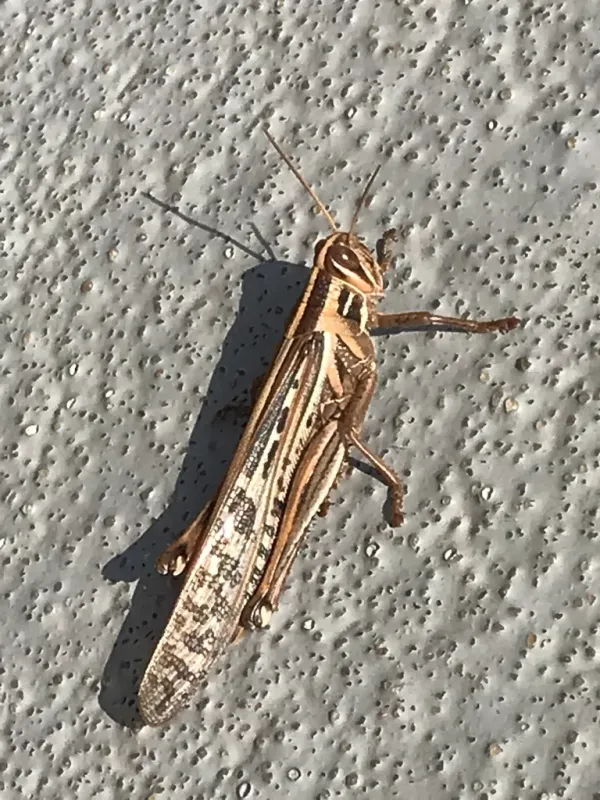
American Grasshopper Coloration
Common color patterns to help identify american grasshopper
American Grasshopper
Seasonal Activity
When american grasshopper are most active throughout the year
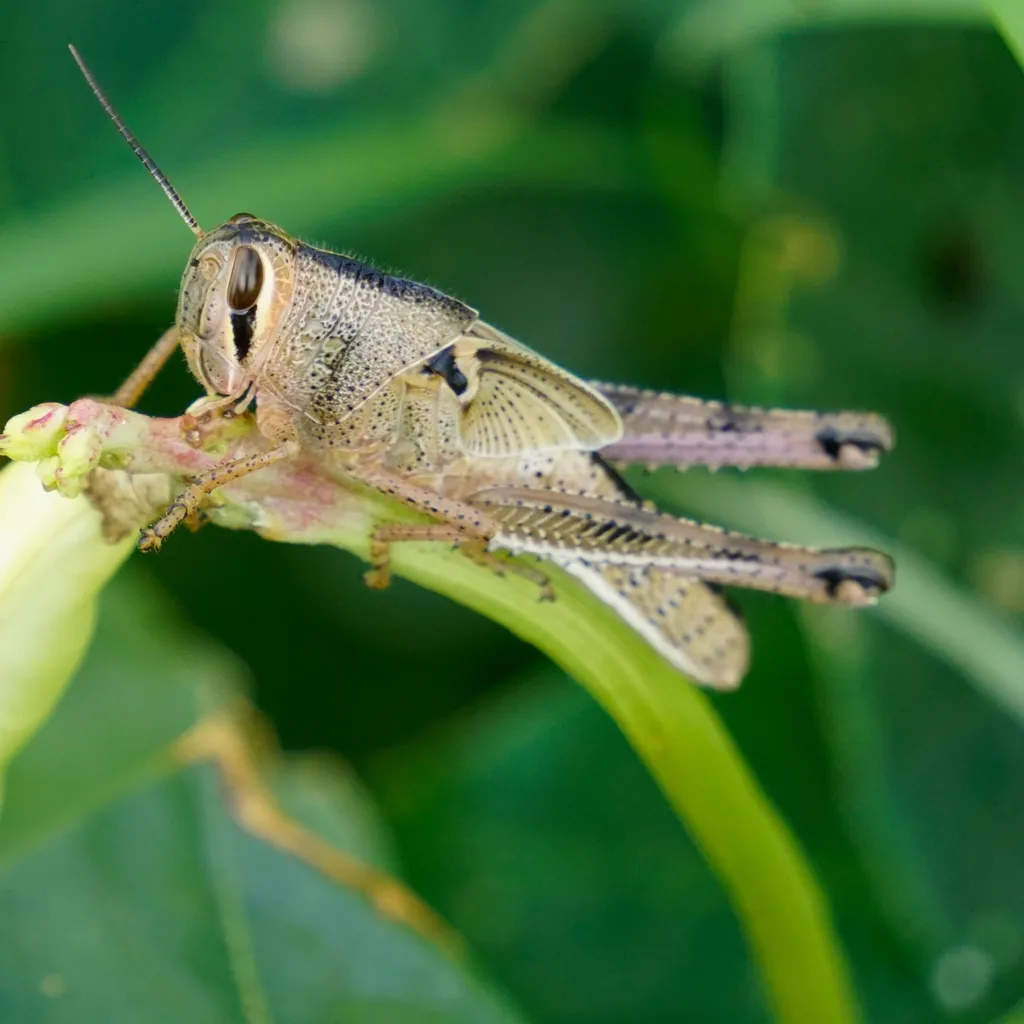
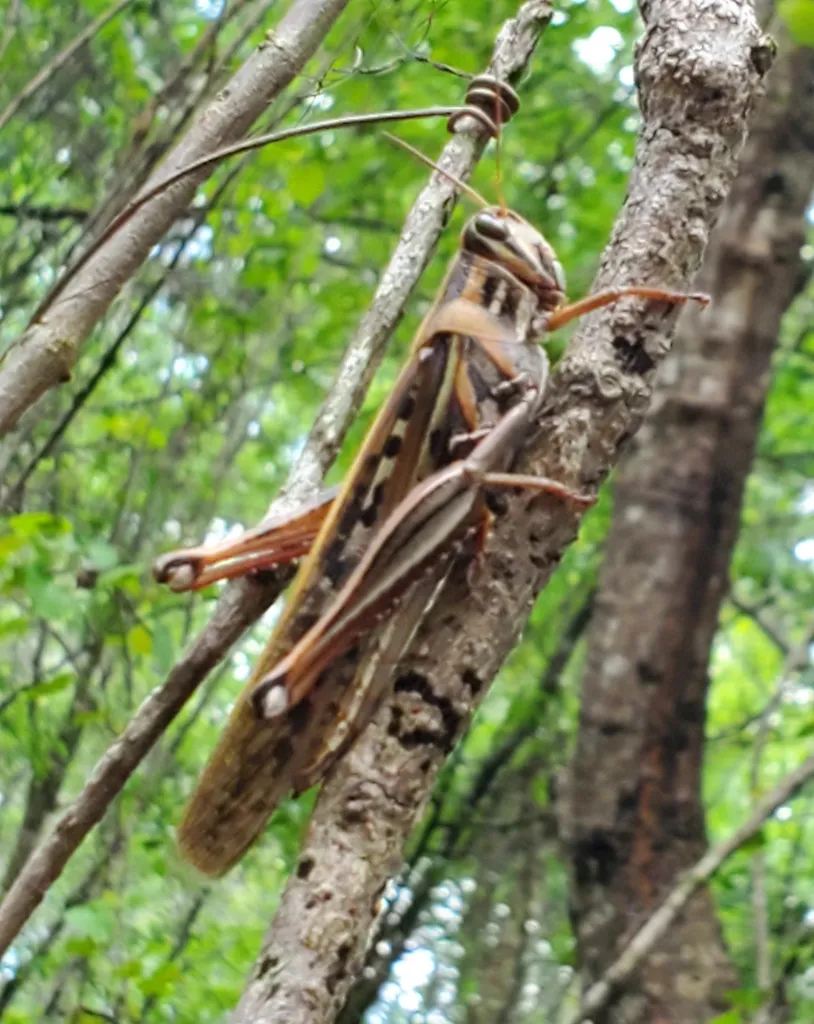
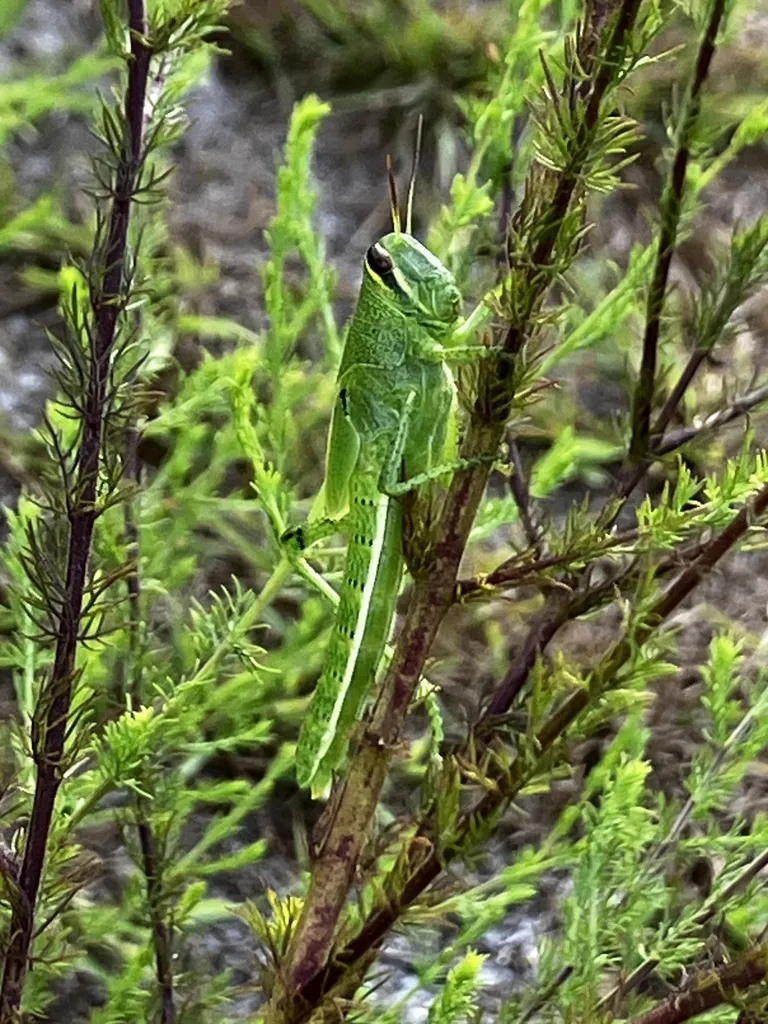

Where American Grasshopper Are Found
Hover over states to see their names. Green regions indicate where american grasshopper have been reported.
American Grasshopper Identification Guide
Physical Characteristics
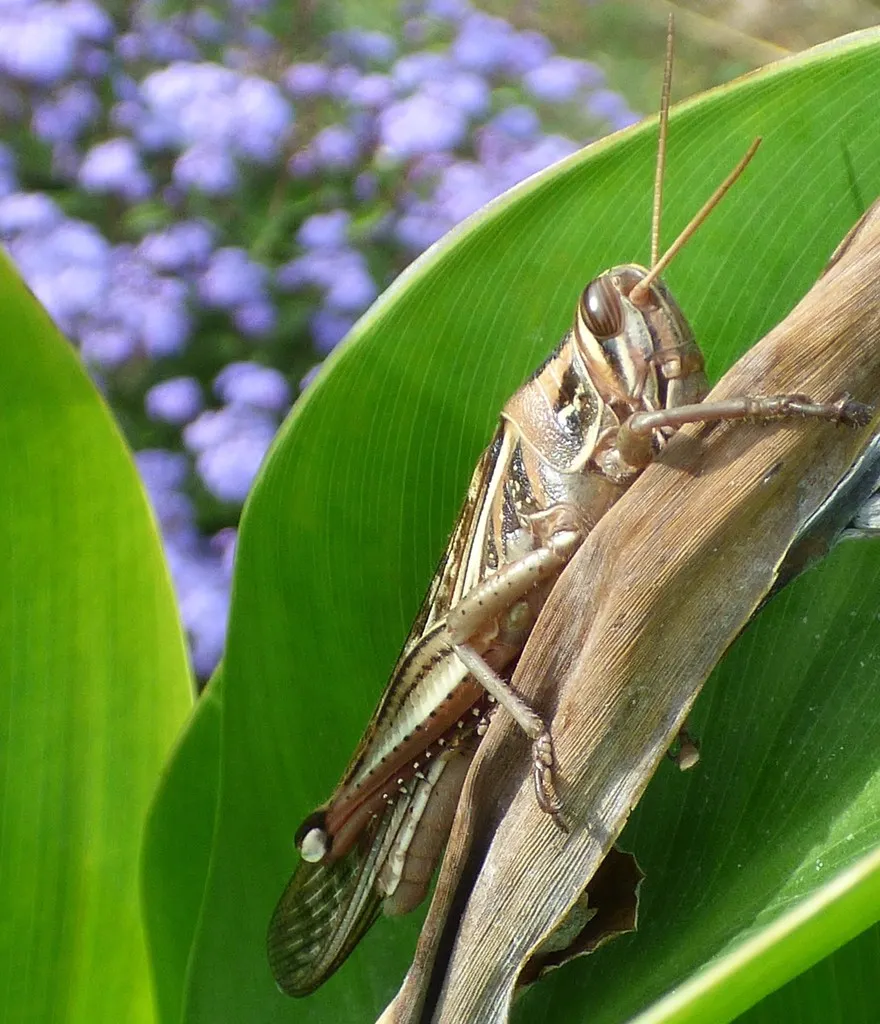
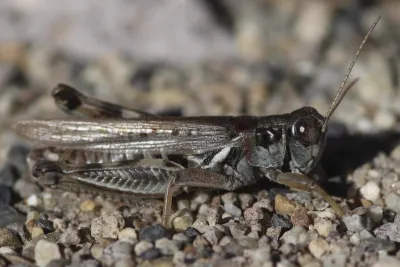
American grasshoppers are among the largest grasshoppers in North America. Adult females measure 43 to 55 mm long, while males are a bit smaller at 35 to 45 mm. Their large size makes them easy to spot in fields and gardens.
The body is brown to tan with darker stripes along the head, thorax, and wings. A pale yellow stripe often runs down the center of the back. The hind wings are pale yellow with darker edges that show during flight. The face has a ridge between the eyes and short antennae.
Young nymphs are often bright green, which helps them hide in plants. As they grow, they slowly change to the brown and tan colors of adults. Some adults keep greenish tints, especially females.
The hind legs are strong and built for jumping. The upper leg shows faint banding patterns. Unlike differential grasshoppers, American grasshoppers do not have bold chevron markings on their legs.
Similar Species
American grasshoppers look similar to a few related species:
- Differential Grasshopper (Melanoplus differentialis): Has bold black chevron marks on bright yellow hind legs
- Migratory Grasshopper (Melanoplus sanguinipes): Smaller and more slender with different wing patterns
- Obscure Bird Grasshopper (Schistocerca obscura): Looks very similar but lives in different habitats and has slight color differences
You can tell American grasshoppers apart by their large size, pale yellow hindwings, and striped body pattern.
American Grasshopper Behavior and Biology
Life Cycle
American grasshoppers go through three life stages: egg, nymph, and adult. In warm southern areas, they may have two or more generations per year. In the north, they usually have just one generation each year.
Females lay eggs in the soil in clusters covered by a foamy coating that hardens into a protective pod. Each female can make several egg pods with 50 to 100 eggs during her life. Eggs may hatch in a few weeks during warm weather or stay dormant in the soil through winter.
Nymphs hatch from eggs and go through five or six growth stages called instars. With each molt, they grow bigger and their wing buds get larger. The nymph stage lasts about six to eight weeks, depending on temperature and food. Young nymphs stay near where they hatched before moving farther as they grow. A related species, High Plains Grasshopper, shares similar characteristics.
Adults can live for several months. They spend this time eating, mating, and laying eggs. In frost-free parts of Florida and the Deep South, all life stages may be present year-round. A related species, Two-Striped Grasshopper, shares similar characteristics.
Feeding Habits A related species, Packard Grasshopper, shares similar characteristics.
American grasshoppers eat many types of plants. They feed on grasses, weeds, crops, and garden plants. Common food sources include citrus, corn, cotton, soybeans, vegetables, and flowers.
Their feeding leaves ragged holes and notched edges on leaves. Large groups can strip entire plants of their leaves. Each grasshopper eats about half its body weight in plants every day. This adds up to major damage when there are many grasshoppers.
Feeding is highest during warm, sunny weather. Grasshoppers sit in the morning sun to warm up before they start eating. On cloudy or cool days, they move slowly and eat less.
Habitat and Movement
American grasshoppers live in areas with lots of plants. They are found in grasslands, pastures, farm fields, roadsides, and suburban gardens. In Florida and other Gulf Coast states, they are common in citrus groves, nurseries, and yards.
These grasshoppers fly well, which is why they are also called “bird grasshoppers.” Adults fly away quickly when startled and can travel far to find food and mates. This makes them hard to control since they can move into new areas fast.
American grasshoppers are not true swarming locusts, but they can have local outbreaks. When winters are mild and food is plentiful, their numbers can grow to harmful levels. These outbreaks stay in one region and are not like the huge swarms seen in other parts of the world.
Treatment Methods for American Grasshoppers
Managing American grasshoppers starts with understanding their biology and using several control methods together. Since these grasshoppers fly well and move often, treating larger areas works better than just treating one garden.
Cultural and Mechanical Controls
Removing good habitat is the first step in grasshopper control. Keep weedy areas mowed and clear tall grass along fence lines and property edges where females like to lay eggs. Tilling these areas in late fall or early spring can destroy eggs before they hatch.
Row covers and fine mesh netting can protect vegetable plants during grasshopper season. This works best for small gardens where barriers are easy to set up. Row covers also help keep plants warm.
Trap strips are another option. Leaving a strip of plants like clover along garden edges can draw grasshoppers to one spot. Checking these strips often helps you find problems early and treat just that area instead of the whole yard.
Biological Controls
Many bird species eat grasshoppers, including mockingbirds, meadowlarks, and crows. Ground beetles, robber flies, and parasitic wasps also feed on grasshoppers at different life stages.
Nosema locustae is a biological control product sold as treated bran bait. This parasite infects grasshoppers that eat the bait, causing disease and reduced feeding. It works best on young nymphs and may take time to lower populations. The disease can spread from sick grasshoppers to healthy ones.
Chemical Control Options
When grasshopper numbers get too high, insecticide treatments may be needed. Carbaryl baits attract grasshoppers and kill them when eaten. Apply baits along field edges and areas where grasshoppers gather, not across the whole property.
Contact insecticides with pyrethroids kill grasshoppers quickly when sprayed on them or on plants they eat. These products work best on nymphs since adults are bigger and harder to kill. Good coverage is key for these sprays to work.
For best results, treat early in the season when nymphs are small and cannot fly yet. Once American grasshoppers grow up and can fly well, control gets much harder. They can easily come back from areas that were not treated.
Prevention Tips
Watch your property in spring for signs of hatching nymphs. Small grasshoppers near field edges or weedy spots mean the season has started. Finding them early lets you act before numbers get too high.
Keep plants healthy and well-watered so they can handle some feeding damage. Stressed plants get hurt worse by insect feeding, while healthy plants often bounce back from leaf loss.
Clear tall weeds and grasses from garden borders. Females like to lay eggs in these areas. Making the area less attractive for egg-laying helps keep grasshopper numbers down.
References
Other Grasshoppers
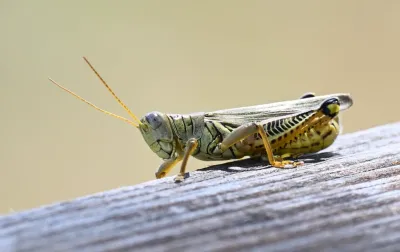
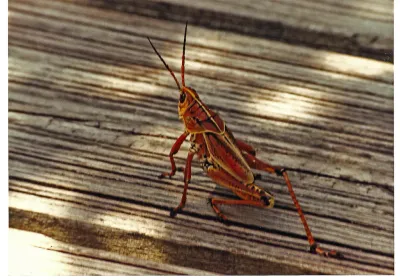
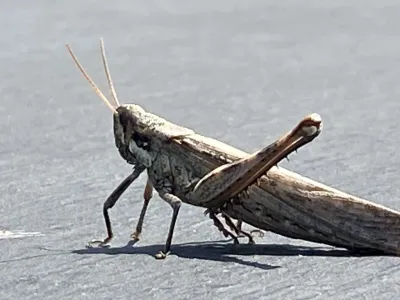
Explore other species in the grasshoppers family
Commonly Confused With
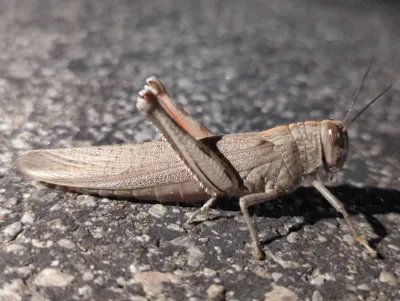
American Grasshopper are often mistaken for these similar pests
Where American Grasshopper Are Found
Hover over states to see their names. Green regions indicate where american grasshopper have been reported.
Common Questions about American Grasshopper
How do I identify an American grasshopper?
+
American grasshoppers are large, about 35 to 55 mm long. They have brown to tan bodies with darker stripes on the back and sides. Their hind wings are pale yellow and their antennae are short. Young ones are often bright green.
Where are American grasshoppers found?
+
American grasshoppers live in the eastern United States, Mexico, and the Bahamas. They are most common in Florida and the Gulf Coast area. They like places with lots of plants such as grasslands, farm fields, and gardens.
Do American grasshoppers swarm like locusts?
+
American grasshoppers can have local outbreaks but do not form true swarms like desert locusts. In outbreak years, their numbers may grow high in some areas and damage crops. However, they do not change form and migrate like true locusts.
What do American grasshoppers eat?
+
American grasshoppers eat many types of plants. They feed on grasses, weeds, and crops like citrus, vegetables, cotton, and garden plants. Their feeding makes ragged holes in leaves. Large groups can strip plants bare.
When are American grasshoppers most active?
+
In the South, American grasshoppers are active all year. Numbers peak in summer and early fall. In the North, adults appear from late spring through fall. They are most active on warm, sunny days.
Can American grasshoppers fly?
+
Yes, American grasshoppers fly very well. This is why they are also called bird grasshoppers. Adults can fly long distances to find food and mates. Their strong flight makes them hard to control.
Are American grasshoppers harmful to gardens?
+
Yes, American grasshoppers can damage gardens, especially during outbreaks. They eat leaves, stems, and flowers of many plants. One grasshopper eats about half its weight in plants each day. Large groups can quickly strip garden plants of leaves.

With five years of hands-on experience in the pest control industry, George Schulz is a registered technician with the Virginia Pest Management Association and a proud third-generation professional in a family business that's been protecting homes for over 57 years. He manages and trains a team of service pros while also leading internal research efforts—recently spearheading a deep-dive review of thousands of documents on pest control materials to hand-pick the most kid and pet friendly, most effective solutions tailored specifically for homes in the DC metro area.