Treehoppers Identification Guide
Membracidae
Treehoppers are small, plant-feeding insects known for their unique horn-like projections and remarkable camouflage that helps them blend in with thorns and plant stems.
Taxonomy
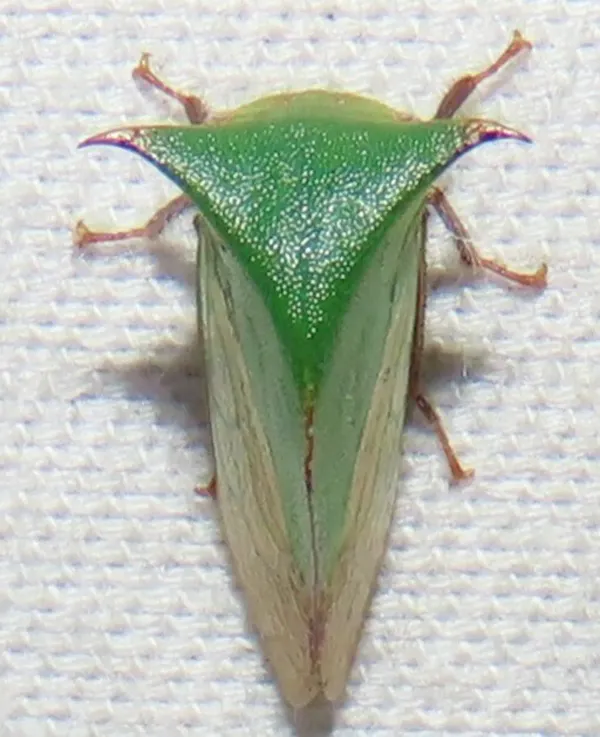
Treehoppers Coloration
Common color patterns to help identify treehoppers
Treehoppers
Seasonal Activity
When treehoppers are most active throughout the year

Where Treehoppers Are Found
Hover over states to see their names. Green regions indicate where treehoppers have been reported.
Treehopper Identification Guide
Physical Characteristics
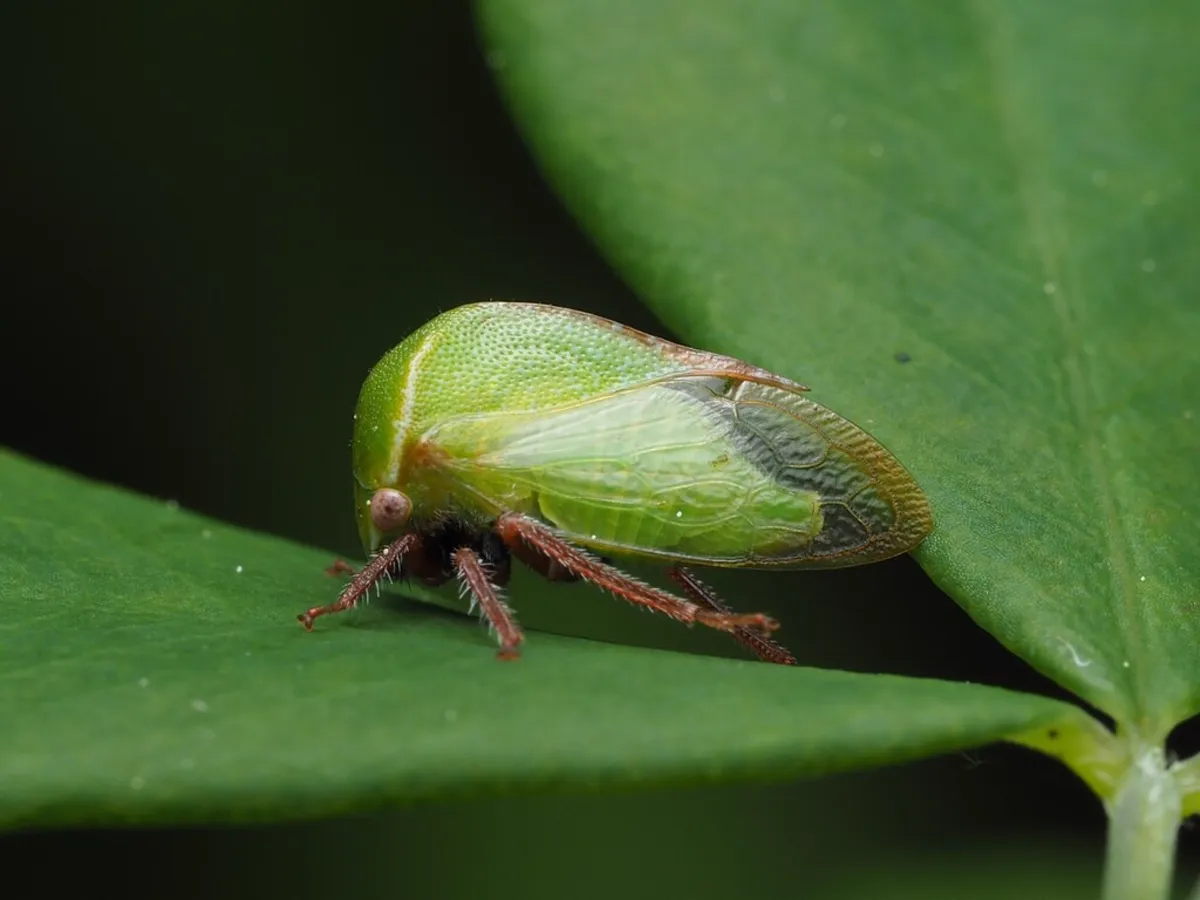
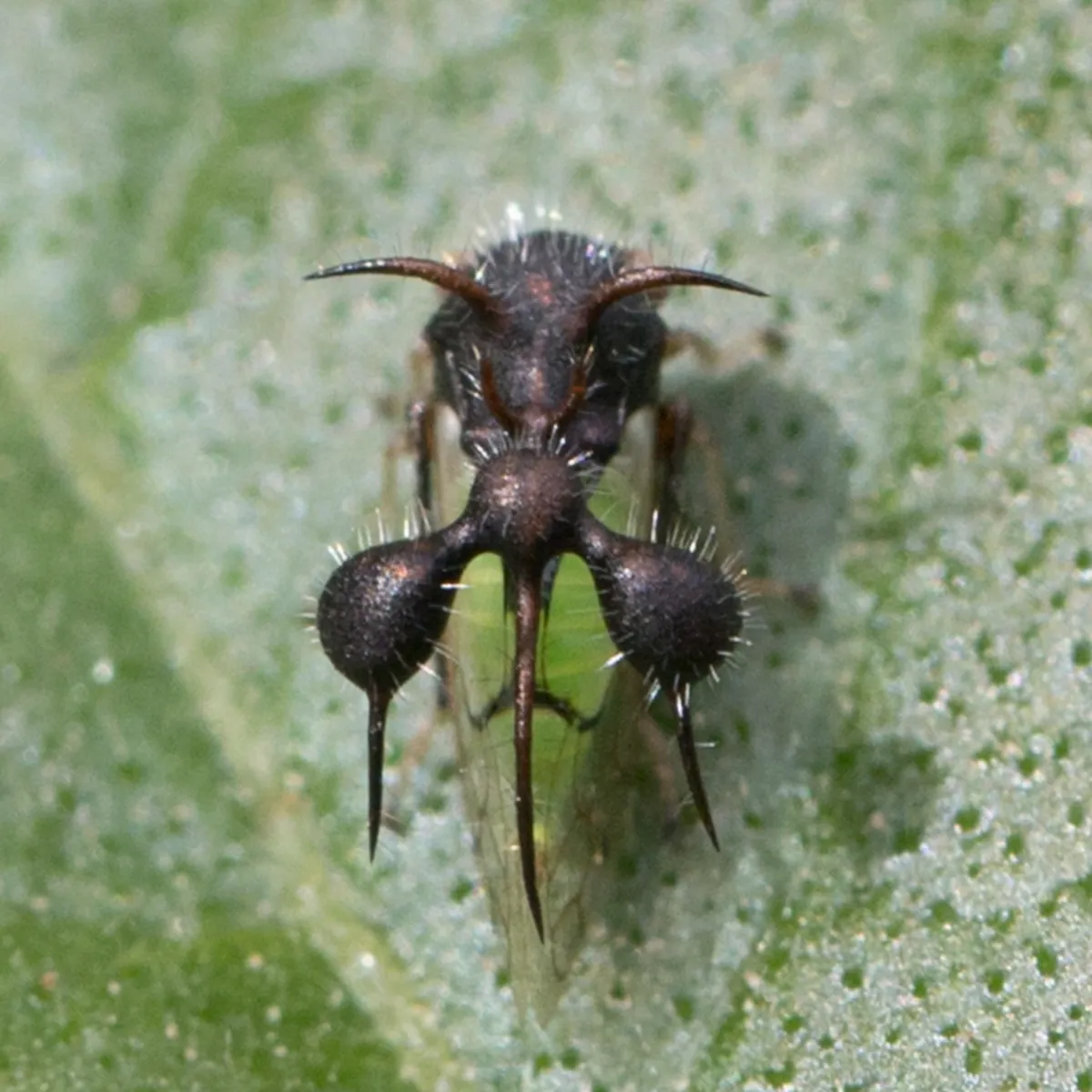
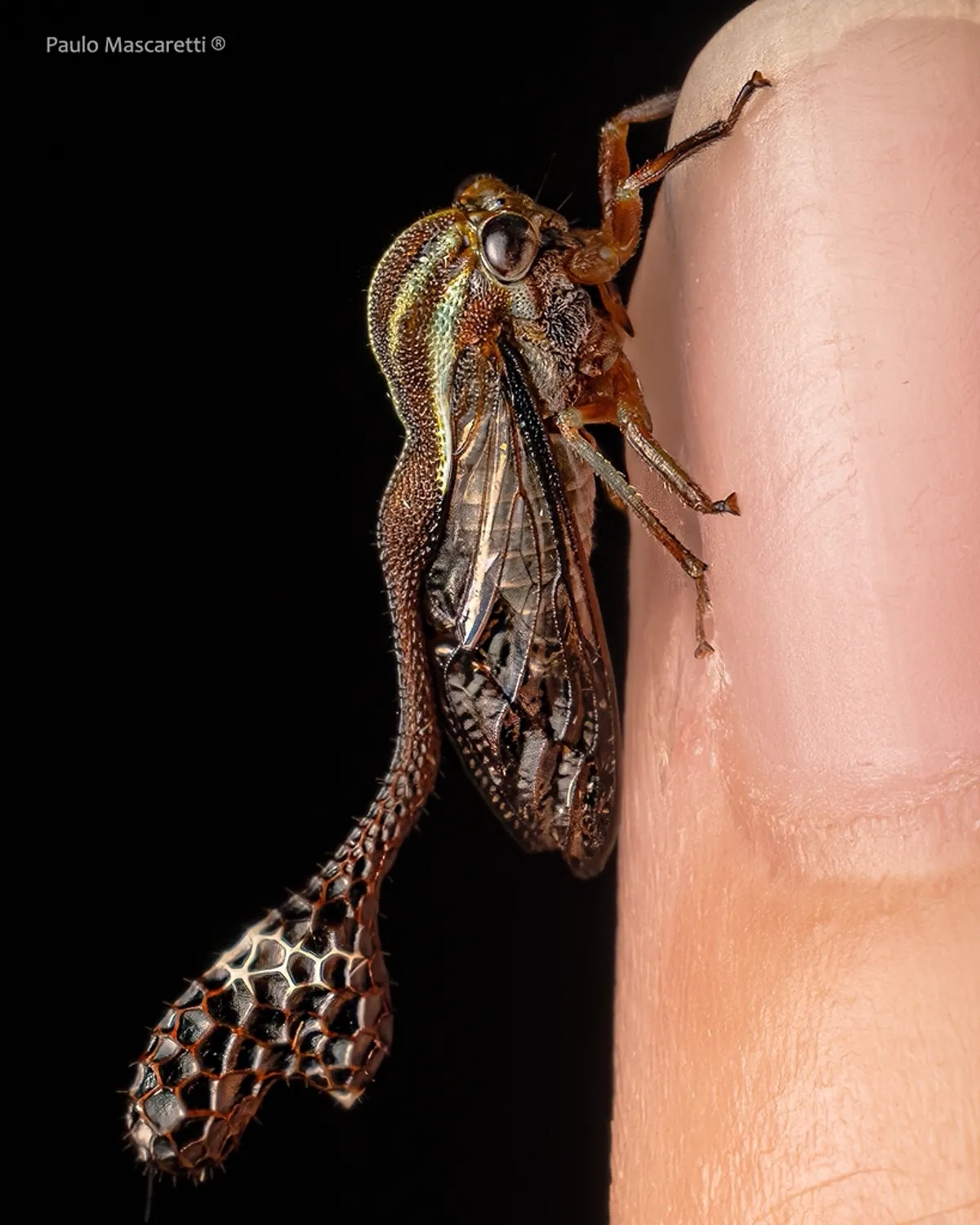
Treehoppers are a unique group of garden pests that stand out due to their enlarged pronotum. This hood-like structure extends from behind the head over the back of the body. The pronotum takes on many shapes across different species. Some look like simple humps while others form spines, horns, or even ant-like shapes. Most treehoppers measure between 3 and 15 millimeters long, making them fairly small insects.
The body looks wedge-shaped or triangular from above. Colors range from bright green to brown, tan, and black. Many have patterns that help them blend in with plants. They have clear wings that fold flat when at rest. Like all true bugs, they have piercing mouthparts built for feeding on plant sap. Treehoppers are closely related to leafhoppers and spittlebugs.
Common Species in North America
Buffalo Treehopper (Stictocephala bisonia): The most common species in gardens and orchards. These bright green treehoppers measure 6 to 8 millimeters. They have a triangular shape with two horn-like bumps that give them a bison-like look. They are known pests of young fruit trees.
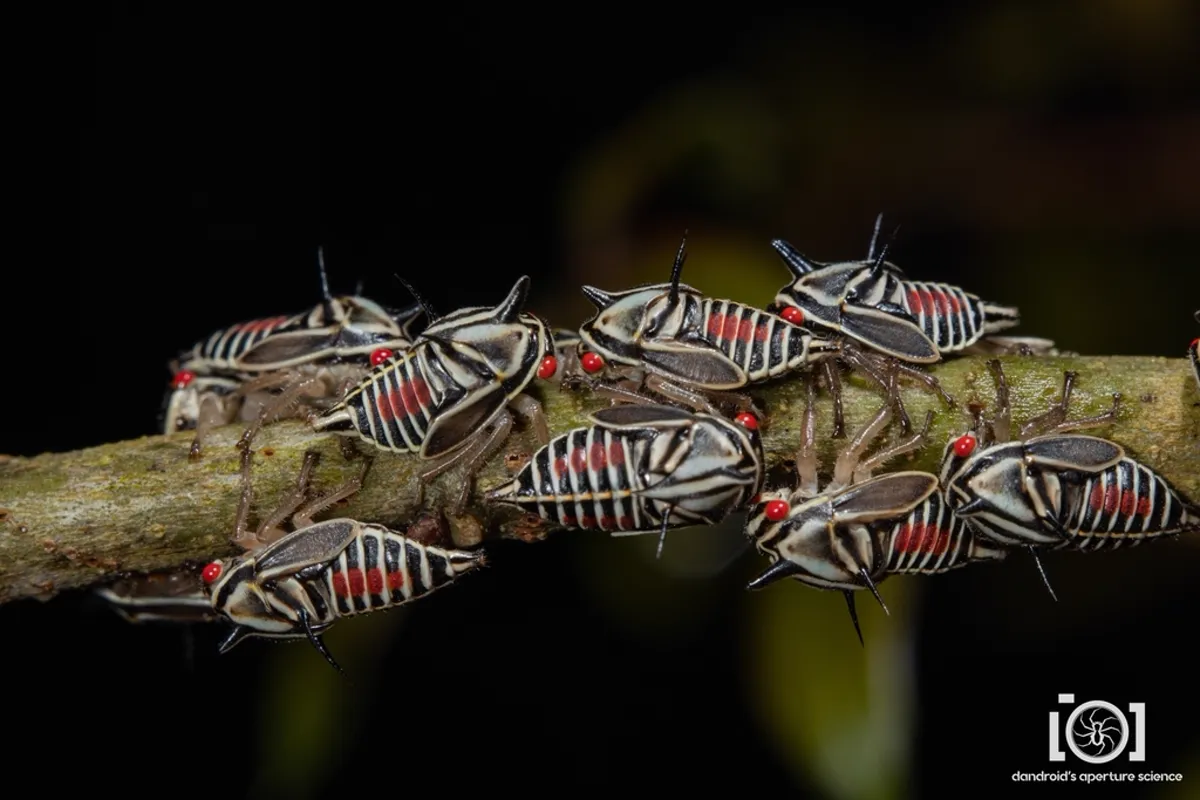
Oak Treehoppers (Platycotis vittata): Found on oak trees across eastern North America. These larger treehoppers have striking colors and often gather in groups on branches.
Thorn Treehoppers (Umbonia crassicornis): Native to tropical areas but found in southern states. These treehoppers have a very elaborate, thorn-like pronotum that provides great camouflage.
Keeled Treehopper (Entylia carinata): A common species found across North America. These small, dark treehoppers have a ridged pronotum and often gather on thistle and sunflower family plants.
Treehopper Behavior and Biology
Feeding Habits A related species, Whiteflies, shares similar characteristics.
Treehoppers feed only on plant sap. They use their mouthparts to pierce stems and reach the phloem, where sugary nutrients flow. Adults usually feed on woody shrubs and trees. Nymphs often start on soft plants like clover, goldenrod, and weeds before moving to trees. Treehoppers consume more sap than they need and release the extra as honeydew. This sweet liquid attracts ants and other insects. A related species, Garden Fleahoppers, shares similar characteristics.
Life Cycle A related species, Spotted Lanternflies, shares similar characteristics.
Female treehoppers use a saw-like egg-laying organ to cut slits into plant bark or stems. They place their eggs inside the plant tissue. Depending on the species, eggs may hatch within weeks or stay dormant through winter to hatch in spring. The nymphs that emerge look like adults but lack fully developed wings. They go through several molts before becoming adults. This process usually takes one to two months.
Ant Relationships
Many treehopper species have close ties with ants. The ants tend treehoppers like livestock. They collect honeydew from the treehoppers and protect them from predators in return. Studies show that treehoppers with ant guardians survive at much higher rates. The ants also remove honeydew that could otherwise cause mold growth on the plants.
Communication
Treehoppers send signals through vibrations in the plants they live on. These vibrations help attract mates and coordinate group activities. This method of talking to each other leads treehoppers to gather together on host plants.
Plant Damage and Garden Impact
Egg-Laying Injury
The main concern with treehoppers in gardens and orchards is the damage from egg-laying. When females insert eggs into twigs, they create rows of small slits. These slits heal into rough, scabby scars. On young trees like apple, pear, and other fruit trees, this damage can slow growth, weaken branches, and let plant diseases enter. Older, well-established trees usually handle this damage without major problems.
Honeydew and Sooty Mold
Like aphids and scale insects, treehoppers produce large amounts of honeydew. This sticky substance coats leaves and stems below where they feed. It supports the growth of black sooty mold. While the mold does not directly harm plants, it can block sunlight and make ornamental plants look bad.
Agricultural Concerns
Buffalo treehoppers are occasional pests of young orchards, especially apple trees. Orchards with lots of weeds or those near fields with clover face the highest risk. These plants serve as hosts for nymphs before they move to fruit trees.
Treatment Methods for Treehoppers
When treehopper populations grow large on valued plants, several treatment approaches can help control them.
Habitat Modification: Removing weeds and other host plants near young fruit trees can reduce treehopper numbers. Nymphs grow on soft plants before moving to trees. Keeping areas around orchards free of clover, goldenrod, and similar plants limits their population growth.
Mechanical Removal: For small numbers, treehoppers can be picked off by hand or knocked off with a strong spray of water. Pruning out twigs with heavy egg scarring can also reduce populations and prevent damage to young trees.
Insecticidal Treatment: Contact insecticides work best when applied while adults are present on leaves. Products containing pyrethrins or other contact sprays can provide control when applied directly to infested areas. Timing matters. Treatment works best in late spring or early summer when adults first appear on trees.
Systemic Options: For ongoing problems on valuable ornamental or fruit trees, systemic insecticides applied to the soil can move through the plant and affect sap-feeding insects like treehoppers.
References
Other Garden Pests
Explore other species in the garden pests family
Where Treehoppers Are Found
Hover over states to see their names. Green regions indicate where treehoppers have been reported.
Common Questions about Treehoppers
What are treehoppers?
+
Treehoppers are small plant-feeding insects belonging to the family Membracidae. They are closely related to cicadas and leafhoppers and are best known for their distinctive enlarged pronotum, which often resembles thorns, leaves, or other plant structures.
Do treehoppers damage plants?
+
Treehoppers can cause minor damage to plants, primarily through egg-laying rather than feeding. Female treehoppers cut slits in twigs to deposit eggs, which can create rough, scabby bark on young trees. They also produce honeydew, which may lead to sooty mold growth on plant surfaces.
Are treehoppers harmful to humans?
+
No, treehoppers are completely harmless to humans. They do not bite, sting, or transmit diseases. They are strictly plant feeders and pose no direct threat to people or pets.
Why do treehoppers have such unusual shapes?
+
The elaborate pronotum shapes help treehoppers camouflage themselves on plants, making them look like thorns, buds, or plant debris to avoid predators. Some shapes may also serve as physical defenses against being eaten.
Do treehoppers attract ants?
+
Yes, many treehopper species have a mutualistic relationship with ants. Treehoppers produce honeydew, a sweet substance that ants collect as food. In return, ants protect treehoppers from predators and parasites.
When are treehoppers most active?
+
Treehoppers are most active during the warm months from late spring through early fall. Adults are typically seen from May through September, with nymphs appearing on herbaceous plants in late spring after overwintered eggs hatch.

With five years of hands-on experience in the pest control industry, George Schulz is a registered technician with the Virginia Pest Management Association and a proud third-generation professional in a family business that's been protecting homes for over 57 years. He manages and trains a team of service pros while also leading internal research efforts—recently spearheading a deep-dive review of thousands of documents on pest control materials to hand-pick the most kid and pet friendly, most effective solutions tailored specifically for homes in the DC metro area.