Spittlebugs Identification Guide
Cercopoidea
Spittlebugs are small, plant-feeding insects recognized by the frothy, spit-like masses their nymphs produce on grass and ornamental plants.
Taxonomy
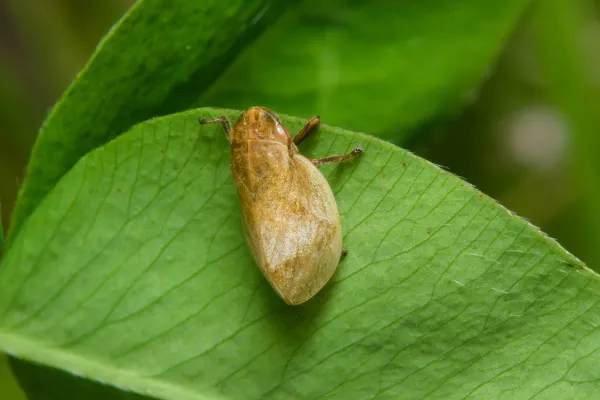
Spittlebugs Coloration
Common color patterns to help identify spittlebugs
Spittlebugs
Seasonal Activity
When spittlebugs are most active throughout the year

Where Spittlebugs Are Found
Hover over states to see their names. Green regions indicate where spittlebugs have been reported.
Spittlebug Identification Guide
Physical Characteristics
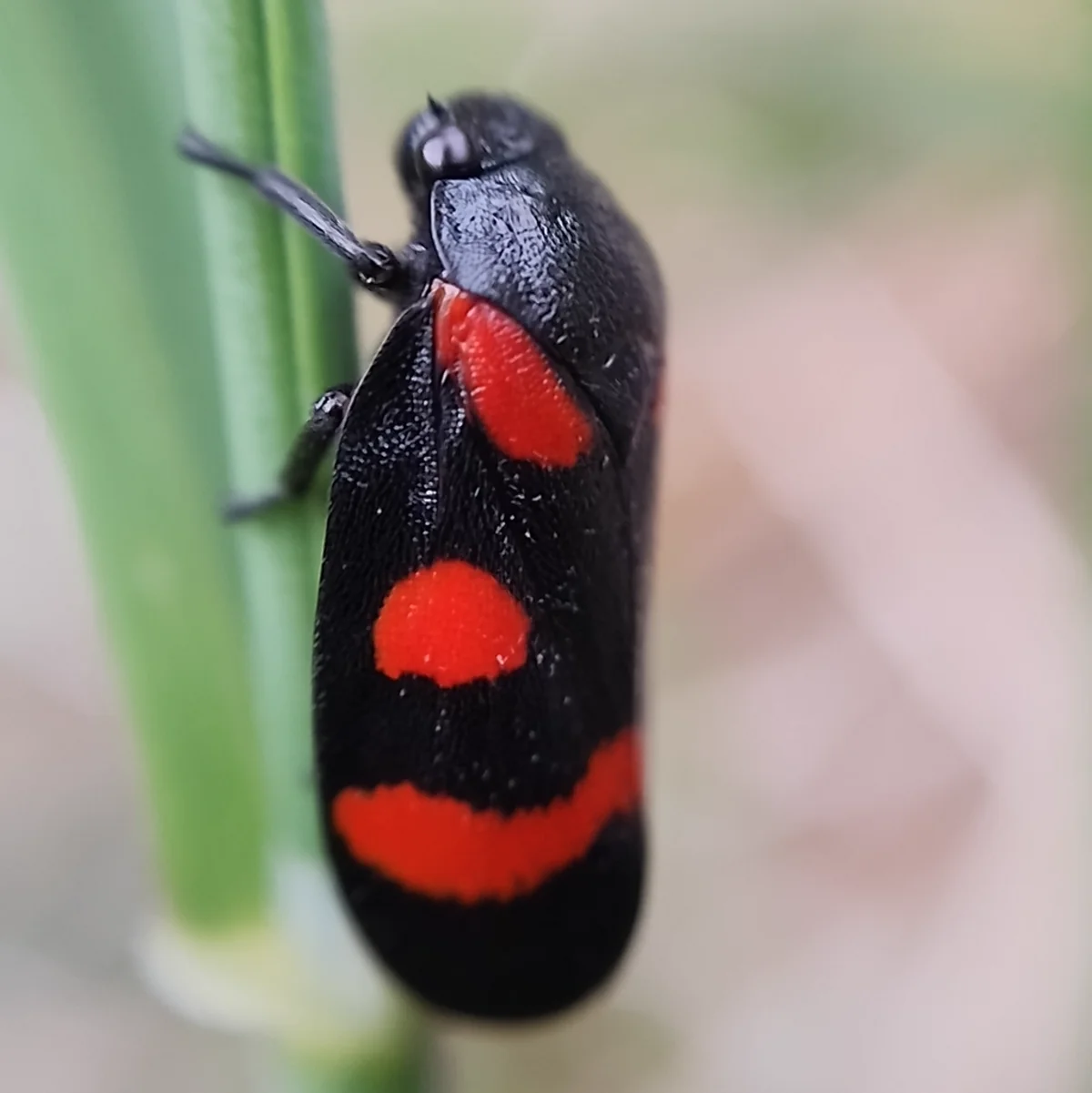
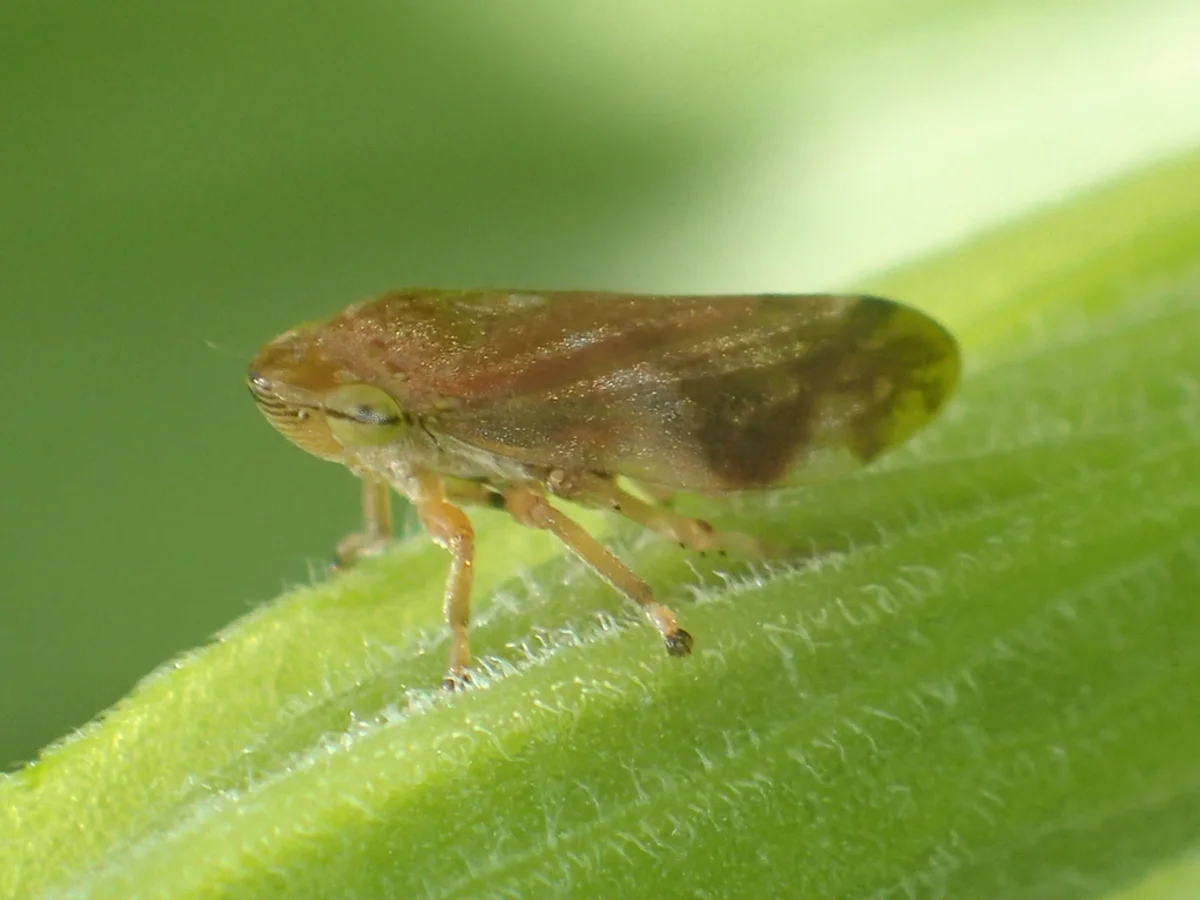
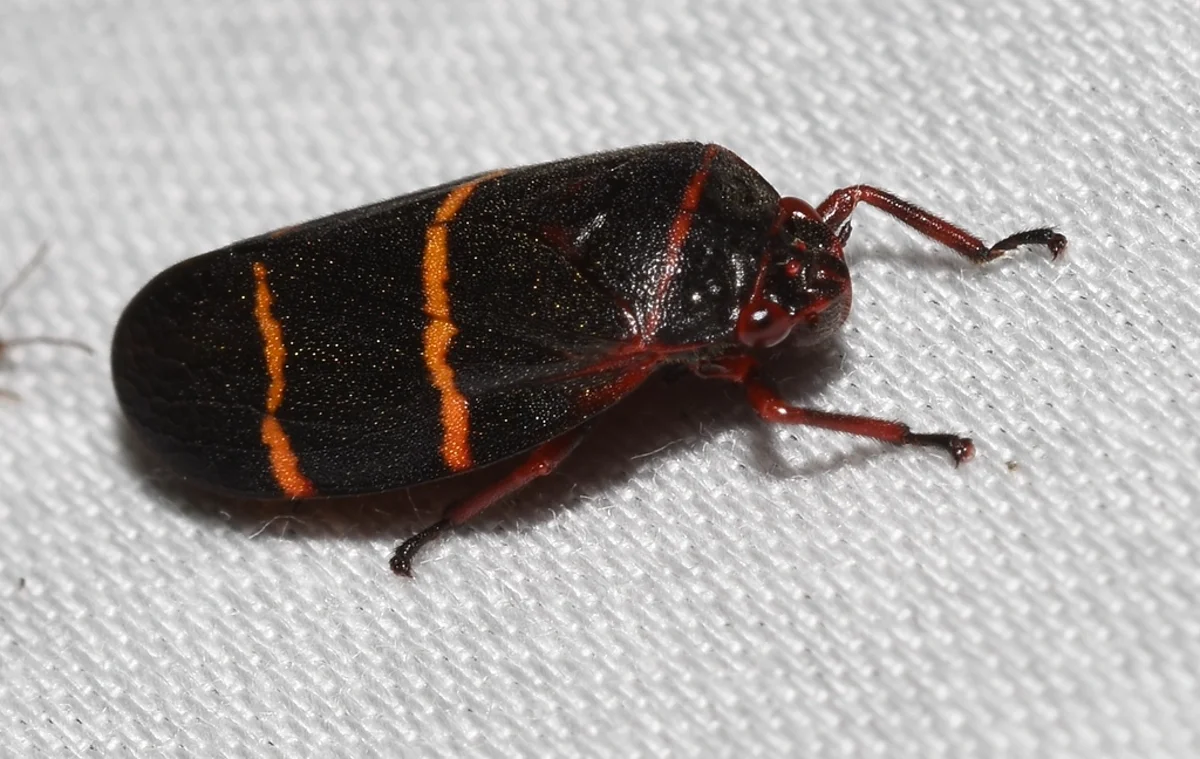
Adult spittlebugs are small garden pests that look like leafhoppers but have a frog-like shape. They measure between 6 and 13 millimeters long with oval, wedge-shaped bodies. Colors vary by species. Some are tan or brown. Others are black with red, orange, or yellow markings. Adults hold their wings in a V-shape over their backs. They are strong jumpers and can leap many times their body length when startled.
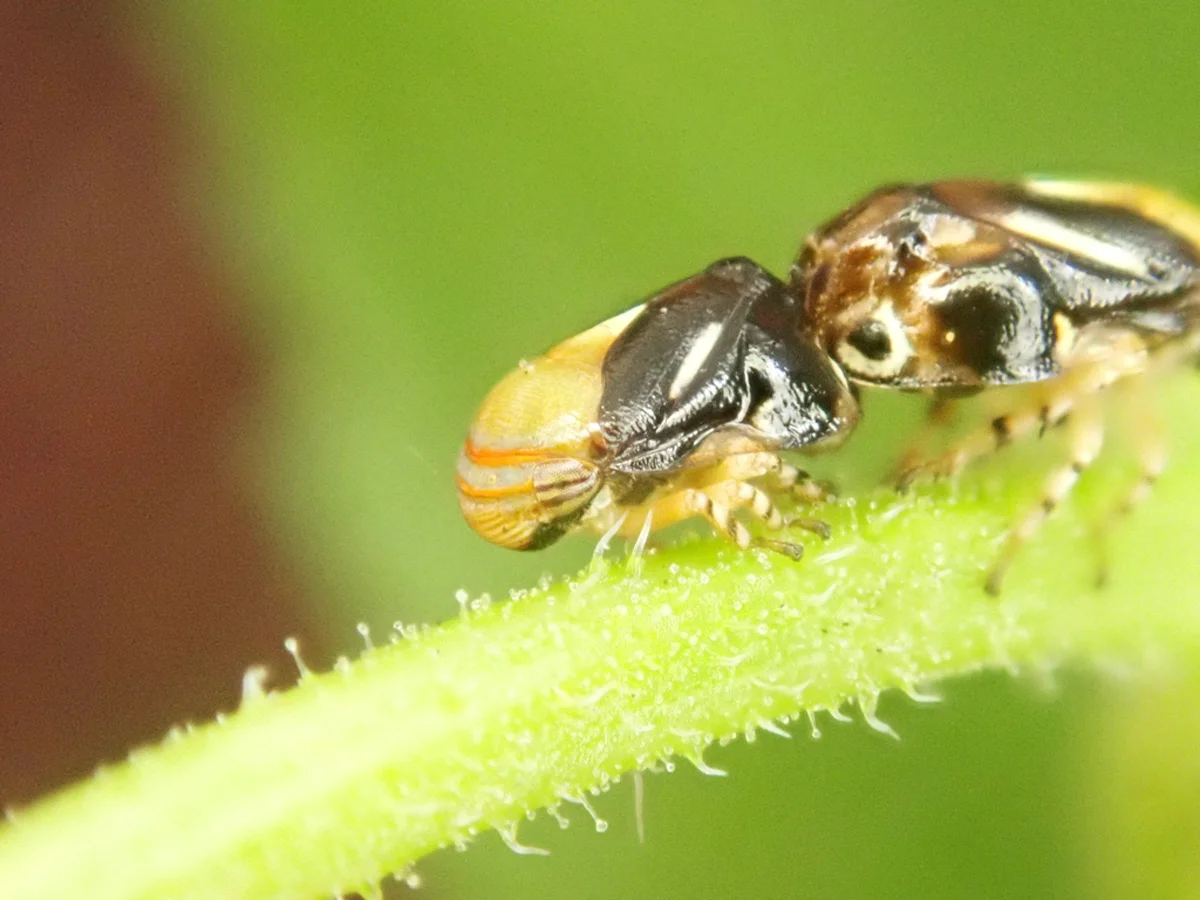
The easiest way to spot spittlebugs is by the frothy, white foam their nymphs make. This foam looks like spit or soap suds. It covers the young nymphs as they feed on plant stems. Nymphs are smaller than adults and do not have wings. They are usually pale yellow, white, or orange with red eyes and brown heads.
You can tell spittlebugs apart from leafhoppers by looking at their back legs. Spittlebugs have two thick, thorn-like spines on the outer edge. Leafhoppers have rows of small spines instead. Both are related to treehoppers and share the same sap-feeding habits as aphids and other garden pests.
Common Species
-
Meadow Spittlebug (Philaenus spumarius): The most common species in North America. Colors range from tan and gray to brown and black. Often found on clover, alfalfa, and garden plants.
-
Two-lined Spittlebug (Prosapia bicincta): A major turf pest with a black body and two red or orange stripes. Adults have bright red eyes. This species causes the most damage to centipedegrass lawns. A related species, Whiteflies, shares similar characteristics.
-
Pine Spittlebug (Aphrophora parallella): Found on Scotch, Austrian, and white pines. Also attacks spruces and firs. Nymphs are brown instead of pale colored. A related species, Garden Fleahoppers, shares similar characteristics.
-
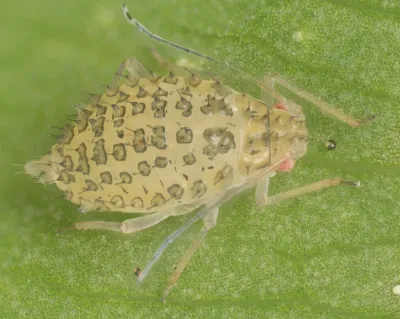
Diamondback Spittlebug (Lepyronia quadrangularis): Tan colored with a darker diamond pattern on the back. Common on grasses and garden plants. A related species, Spotted Lanternflies, shares similar characteristics.
Spittlebug Behavior and Biology A related species, Scale Insects, shares similar characteristics.
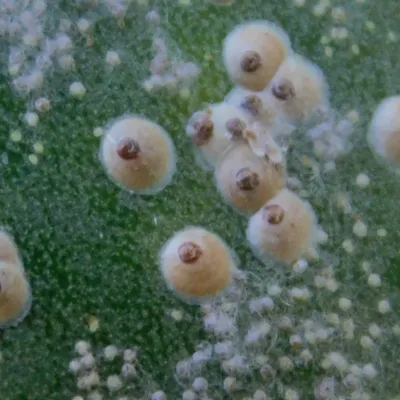
Spittlebugs go through three life stages: egg, nymph, and adult. Females lay 30 to 40 orange eggs near the base of plants. They place eggs in plant debris or at the soil surface. Eggs survive the winter and hatch in early spring when the weather warms. A related species, Psyllids, shares similar characteristics.
After hatching, nymphs start feeding on plant sap right away. They use needle-like mouthparts to pierce plant tissue. As they feed, they push out extra fluid and mix it with air to make their foam covering. This foam keeps them moist, controls their body temperature, and hides them from predators. Nymphs go through four growth stages inside this foam. They feed for about one month before becoming adults.
Adults can fly short distances but usually jump when startled. They keep feeding on plants but do not make foam. Most spittlebug species have one or two generations per year. Nymphs are most active in spring. Adults are most active in late summer.
Two-lined spittlebugs inject toxic saliva into grass as they feed. This makes grass blades turn yellow, then brown or purple. In time, the grass dies. Heavy infestations can cause major damage to lawns, especially those with centipedegrass.
Treatment Methods for Spittlebugs
Treatment focuses on lawn care practices and targeted sprays when spittlebug numbers get too high.
-
Lawn Care: Reducing thatch buildup removes the moist spots nymphs need to grow. Dethatch your lawn regularly, mow at the right height, and avoid overwatering. Removing weeds around lawns and gardens also helps reduce spittlebug numbers.
-
Water Spray: For small problems on garden plants, spray them with a strong stream of water. This knocks off nymphs and washes away the foam. This simple method works well and does not need chemicals.
-
Insecticide Treatment: When spittlebugs cause major damage to lawns, targeted insecticide sprays can help. Spray products work better than granules. Apply them late in the day when nymphs feed higher on plants. Good coverage is key to get through the foam covering.
-
Timing: The best time to check for nymphs and apply treatments is late in the day. Treating in late spring when nymphs are feeding works best. Horticultural oils applied in late winter or early spring can kill overwintering eggs and break the life cycle.
References
Other Garden Pests
Explore other species in the garden pests family
Where Spittlebugs Are Found
Hover over states to see their names. Green regions indicate where spittlebugs have been reported.
Common Questions about Spittlebugs
What is the white foam on my plants?
+
The white, frothy foam on plants is called spittle, produced by spittlebug nymphs. The nymphs create this protective covering by mixing air with fluid excreted from their bodies. It shields them from predators and prevents them from drying out.
Do spittlebugs damage plants?
+
Spittlebugs can cause minor damage to plants by feeding on sap. Heavy infestations, particularly from two-lined spittlebugs, can cause grass blades to yellow, wilt, and eventually die. However, most garden infestations cause only cosmetic damage.
Are spittlebugs harmful to humans?
+
Spittlebugs are not harmful to humans. They do not bite, sting, or transmit diseases. The spittle mass they produce is harmless and washes off easily with water.
How do I get rid of spittlebugs?
+
For minor infestations, simply spray plants with a strong stream of water to dislodge the nymphs and wash away the spittle. Removing weeds and reducing thatch in lawns can also help. For severe infestations in turfgrass, targeted insecticide applications may be needed.
When are spittlebugs most active?
+
Spittlebugs are most active from late spring through summer, typically May through August. Nymphs are most visible in spring when they produce their characteristic spittle masses, while adults are more active in summer.
Why are spittlebugs in my lawn?
+
Spittlebugs thrive in lawns with heavy thatch buildup, which provides moisture and shelter for developing nymphs. Centipedegrass is particularly susceptible to spittlebug damage, though they can affect all turfgrass species.

With five years of hands-on experience in the pest control industry, George Schulz is a registered technician with the Virginia Pest Management Association and a proud third-generation professional in a family business that's been protecting homes for over 57 years. He manages and trains a team of service pros while also leading internal research efforts—recently spearheading a deep-dive review of thousands of documents on pest control materials to hand-pick the most kid and pet friendly, most effective solutions tailored specifically for homes in the DC metro area.