Psyllids Identification Guide
Psylloidea
Psyllids, also known as jumping plant lice, are tiny sap-feeding insects that can damage ornamental plants and trees by causing leaf curling, discoloration, and the production of sticky honeydew.
Taxonomy
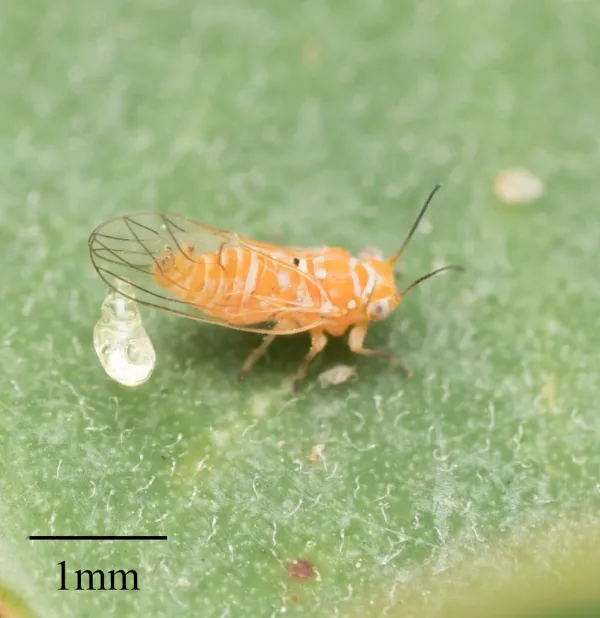
Psyllids Coloration
Common color patterns to help identify psyllids
Psyllids
Seasonal Activity
When psyllids are most active throughout the year

Where Psyllids Are Found
Hover over states to see their names. Green regions indicate where psyllids have been reported.
Psyllids Identification Guide
Physical Characteristics
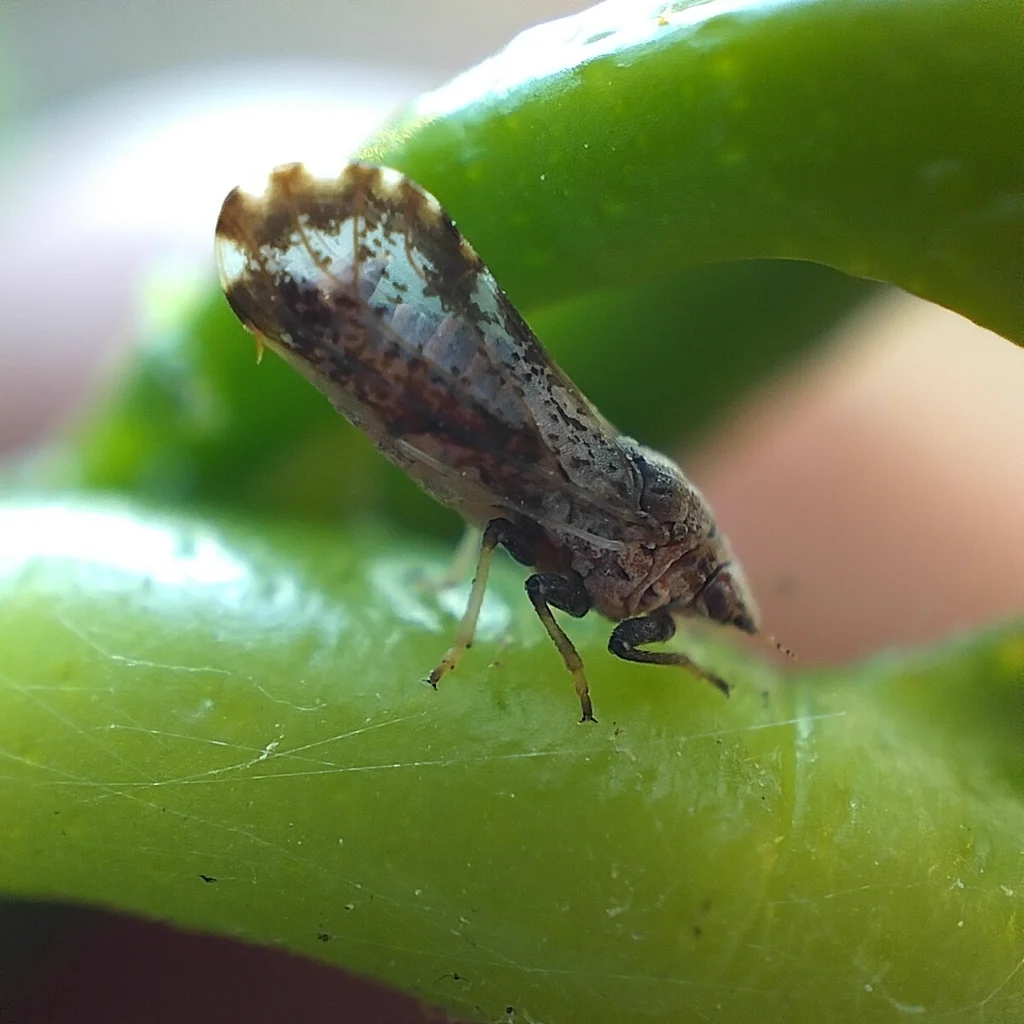
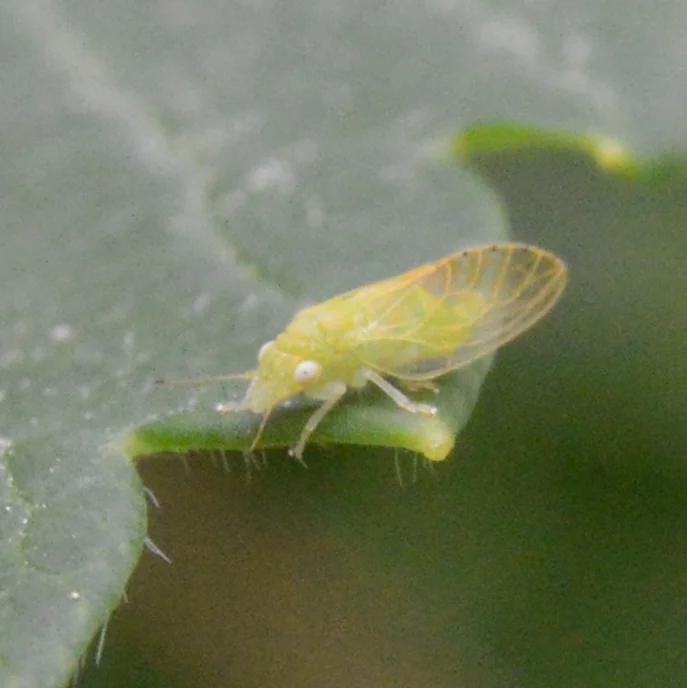
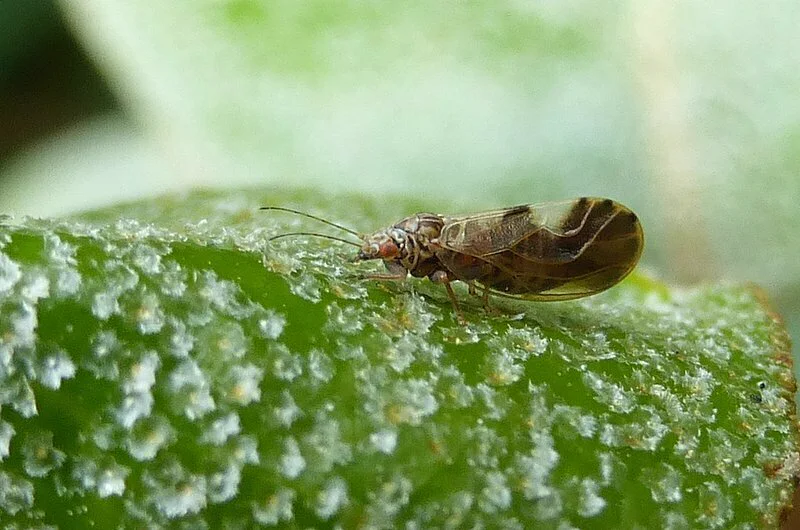
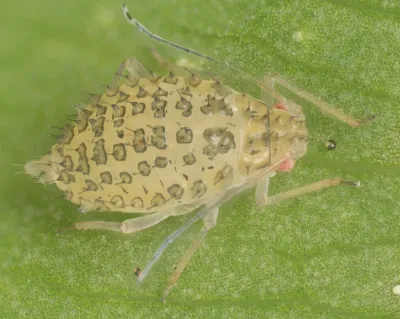
Psyllids are very small garden pests. They measure between 1 and 5 millimeters long, about the size of a pinhead to a small grain of rice. Their bodies look like tiny cicadas. They have a wide head, large eyes, and clear wings. At rest, they hold their wings like a tent or roof over their bodies. Colors vary by species. You may see pale green, yellow, brown, tan, or orange psyllids. Adults have strong back legs built for jumping. This is why people call them “jumping plant lice.”
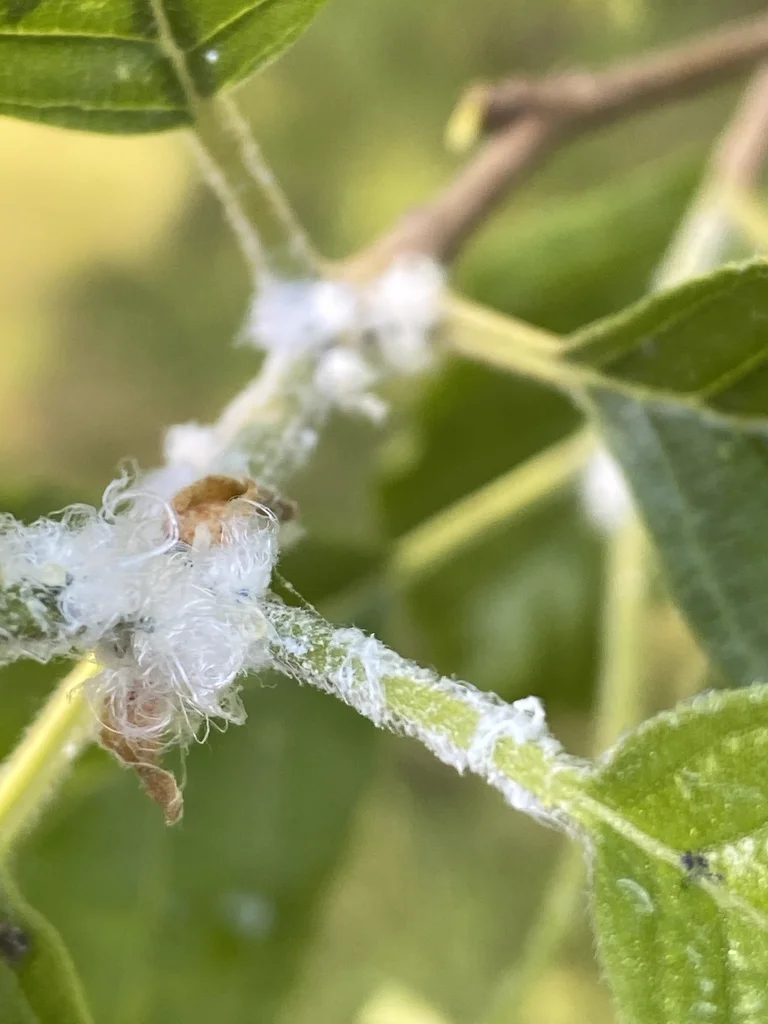
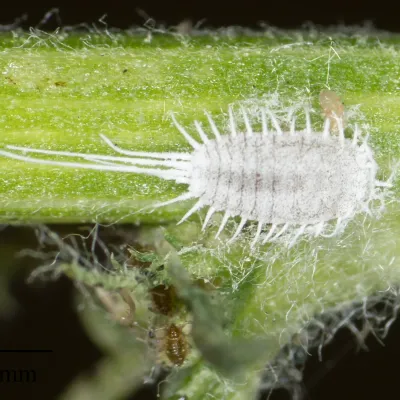
Young psyllids, called nymphs, are even smaller and flat. Nymphs often make white, waxy threads that build up on plant parts. This gives infested plants a cottony or powdery look. Some species make galls or cause leaves to curl around the nymphs.
Common Species in North America
-
Boxwood Psyllid (Cacopsylla buxi): One of the most common types in yards. It attacks boxwood shrubs and causes cupped leaves on new growth in spring.
-
Tomato/Potato Psyllid (Bactericera cockerelli): A farm pest that feeds on tomatoes, peppers, and potatoes.
-
Asian Citrus Psyllid (Diaphorina citri): A serious pest of citrus trees in southern states. It can spread citrus greening disease.
-
Eucalyptus Psyllids (Various species): Several types attack eucalyptus trees. They cause twisted leaves and weak growth. A related species, Spittlebugs, shares similar characteristics.
-
Pear Psylla (Cacopsylla pyricola): A pest of pear orchards that causes leaf burn and poor fruit. A related species, Treehoppers, shares similar characteristics.
Psyllids Behavior and Biology A related species, Garden Fleahoppers, shares similar characteristics.
Each psyllid species feeds on one plant type or a small group of related plants. Adults find host plants by sight and smell. They stick their needle-like mouths into plant tissue to suck out sap. This feeding weakens plants and can spread plant diseases.
Female psyllids lay tiny eggs on new growth, leaf edges, or where leaves meet stems. After hatching, nymphs go through five growth stages before becoming adults. Nymphs stay in one spot and keep feeding on the plant. Depending on the weather, it takes 2 to 6 weeks to go from egg to adult.
Most psyllid species have several generations each year. In cooler climates, adults spend winter in sheltered spots like bark cracks, fallen leaves, or evergreen plants nearby. They wake up in early spring when their host plants start growing new leaves.
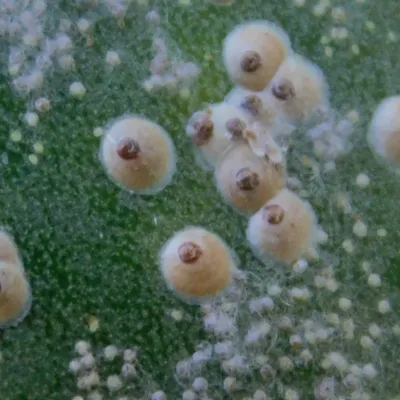
Feeding psyllids make honeydew, a sticky waste. This sugary goo draws ants and other bugs. It also grows black sooty mold. When mold covers leaves, it blocks sunlight and stresses plants even more. This same honeydew problem occurs with aphids, whiteflies, and scale insects.
Treatment Methods for Psyllids
Psyllid control focuses on protecting your landscape plants and ornamentals. Several methods work well depending on how bad the problem is.
-
Plant Care: Healthy plants handle psyllid damage better. Water, feed, and prune your plants the right way. Cut out and throw away plant parts with heavy infestations. Avoid using too much nitrogen fertilizer since psyllids love the soft new growth it creates.
-
Water Sprays: A strong blast of water can knock nymphs off plants. This works best for small problems on shrubs you can reach. Do this early in spring before numbers get high.
-
Oils and Soaps: When damage gets bad, spray horticultural oil or insecticidal soap to kill nymphs. These products work when they touch the bugs and break down fast.
-
Systemic Products: For trees and shrubs that need longer protection, soil treatments can help. The plant takes up the product through its roots. When psyllids feed, they take in the treatment.
-
Timing Matters: Treat early for best results. Young nymphs are easier to kill before they make their waxy coatings. Check new growth in spring to catch problems early.
Focus treatment on your most valued plants first. Psyllids rarely kill healthy plants, but repeat attacks can weaken them and make them look bad over time.
References
Other Garden Pests
Explore other species in the garden pests family
Where Psyllids Are Found
Hover over states to see their names. Green regions indicate where psyllids have been reported.
Common Questions about Psyllids
What are psyllids?
+
Psyllids, also called jumping plant lice, are tiny sap-feeding insects related to aphids and cicadas. They measure 1-5mm in length and have wings that they hold roof-like over their bodies. Despite their small size, psyllids can cause significant damage to ornamental plants and trees.
What damage do psyllids cause to plants?
+
Psyllids feed by piercing plant tissue and sucking out sap, which can cause leaf curling, yellowing, stunted growth, and premature leaf drop. They also excrete honeydew, a sticky substance that promotes sooty mold growth on leaves.
Are psyllids harmful to humans?
+
Psyllids do not bite, sting, or transmit diseases to humans. They are strictly plant pests and pose no direct health risk to people or pets. Their main concern is the damage they cause to landscape plants and ornamental trees.
What plants do psyllids attack?
+
Different psyllid species target specific host plants. Common targets include boxwood, eucalyptus, citrus trees, tomatoes, peppers, potatoes, and various ornamental shrubs. Boxwood psyllids are particularly common in landscape plantings across North America.
How can I tell if my plants have psyllids?
+
Signs of psyllid infestation include cupped or curled leaves, yellowing foliage, sticky honeydew residue, black sooty mold, white waxy secretions, and the presence of tiny jumping insects when foliage is disturbed.
When are psyllids most active?
+
Psyllids are most active during spring and early summer when temperatures are mild and host plants are producing new growth. Activity typically decreases during hot summer months and cold winter periods.

With five years of hands-on experience in the pest control industry, George Schulz is a registered technician with the Virginia Pest Management Association and a proud third-generation professional in a family business that's been protecting homes for over 57 years. He manages and trains a team of service pros while also leading internal research efforts—recently spearheading a deep-dive review of thousands of documents on pest control materials to hand-pick the most kid and pet friendly, most effective solutions tailored specifically for homes in the DC metro area.