Vinegar Flies Identification Guide
Drosophilidae (Family)
Vinegar flies are a family of small flies attracted to fermented and decaying organic matter. Also known as fruit flies or pomace flies, these common kitchen pests breed rapidly in overripe produce, drains, and garbage.
Taxonomy
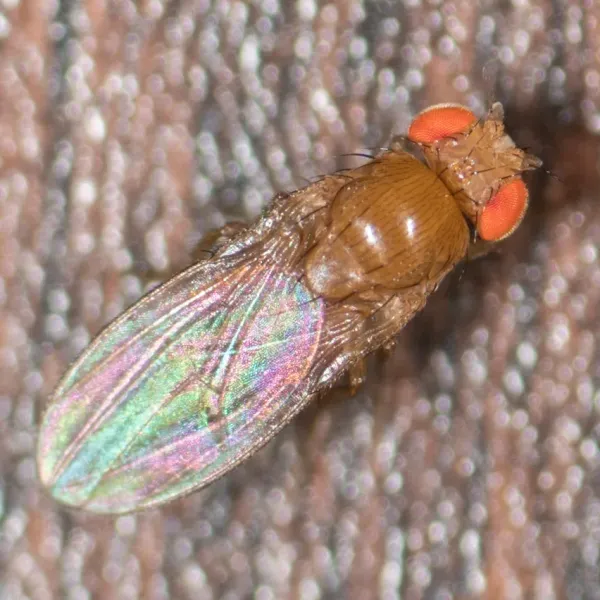
Vinegar Flies Coloration
Common color patterns to help identify vinegar flies
Vinegar Flies
Seasonal Activity
When vinegar flies are most active throughout the year

Where Vinegar Flies Are Found
Hover over states to see their names. Green regions indicate where vinegar flies have been reported.
Vinegar Fly Identification Guide
Physical Characteristics
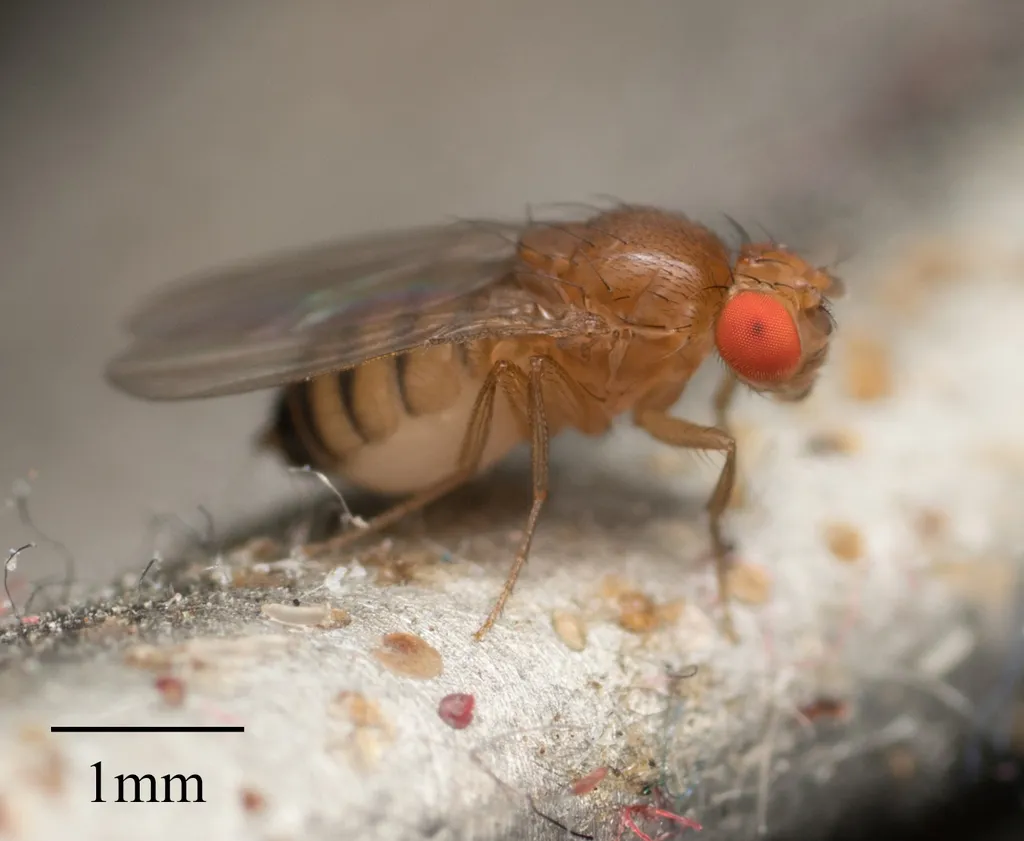
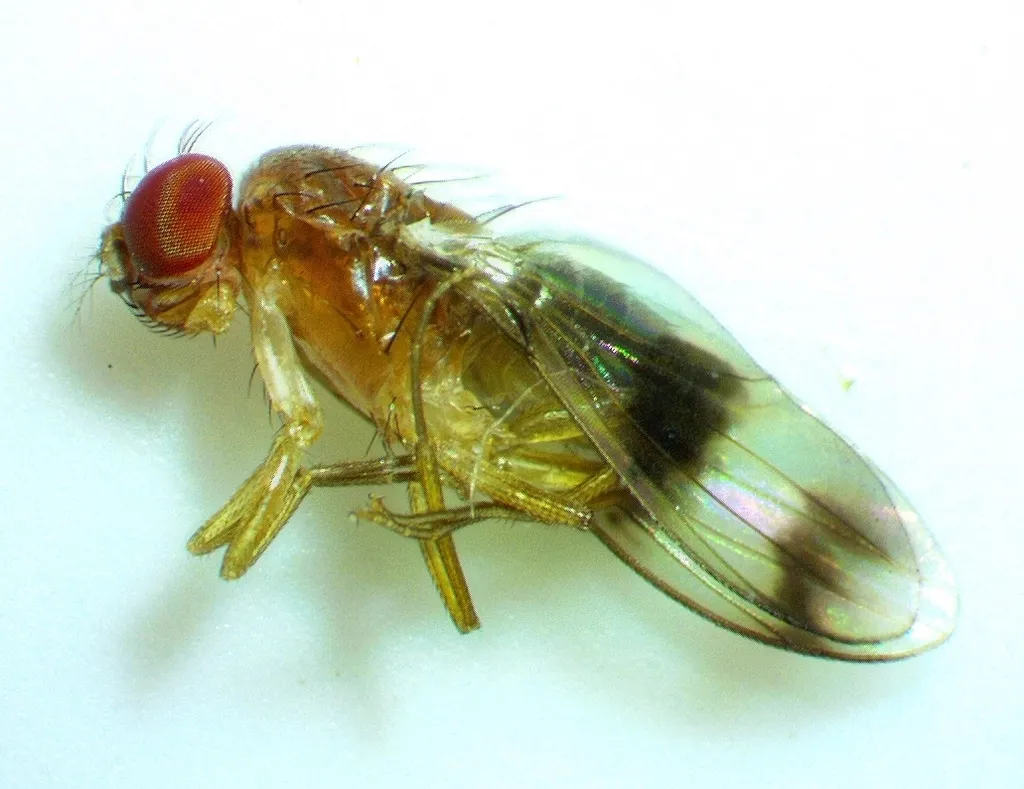
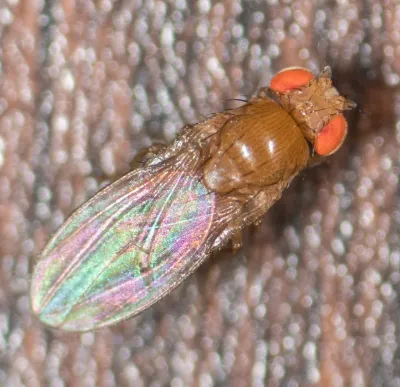
Vinegar flies are tiny flies about 2 to 5 millimeters long. That is roughly the size of a sesame seed. Their most notable feature is their large red eyes. Some species have darker brown or black eyes instead.
The body color ranges from tan to yellowish-brown or light brown. Many vinegar flies have darker bands across their belly. The middle body section is usually a bit darker and has a rounded, humped shape.
Like all true flies, vinegar flies have only one pair of wings. These wings often show rainbow colors when light hits them at certain angles. The back wings have become small knobs called halteres. These help the fly balance during flight.
Species Commonly Found in Homes
There are over 4,000 vinegar fly species worldwide. Vinegar flies and fruit flies refer to the same family of insects. However, only a few become pests in North American homes.
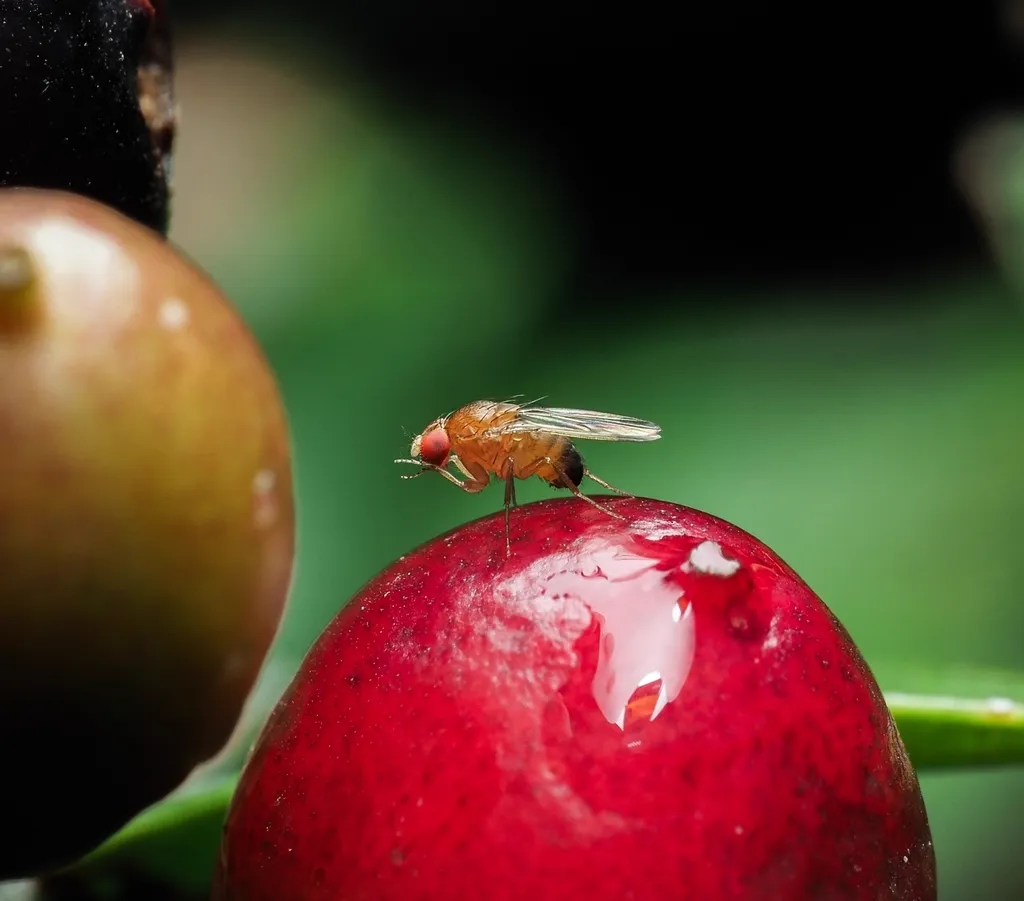
Common Fruit Fly (Drosophila melanogaster): This is the species you most often see in homes. It has a tan body and bright red eyes. It loves overripe bananas, fermenting fruit, and wine. Scientists have studied this fly more than almost any other insect.
Dark-Eyed Fruit Fly (Drosophila repleta): This fly looks similar to the common fruit fly. It has darker, reddish-brown eyes. It prefers rotting vegetables and is often found near garbage and compost.
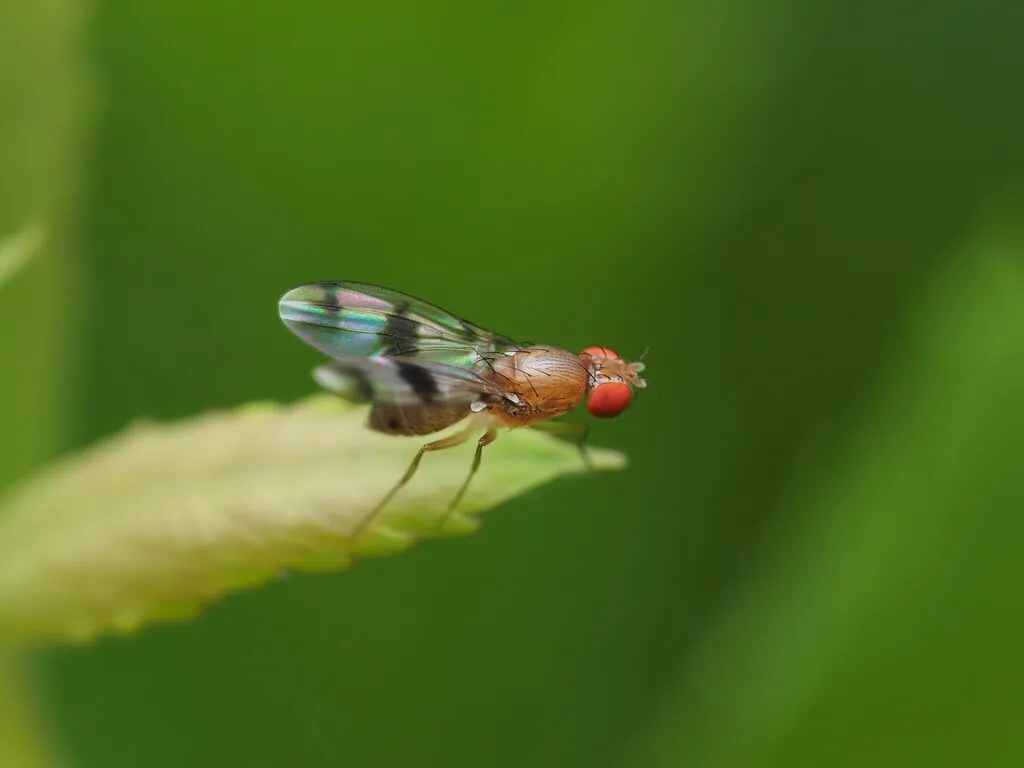
Spotted Wing Drosophila (Drosophila suzukii): This fly came from Asia. Unlike other fruit flies, it attacks fruit that is still ripening. Males have dark spots on their wings. It mainly affects farms but sometimes shows up in homes.
Immigrant Fruit Fly (Drosophila immigrans): This fly is slightly larger than others. It has visible wing spots. You can find it near fallen fruit and in vegetable gardens.
Vinegar Fly Behavior and Biology
Why Vinegar Flies Love Fermentation
Vinegar flies can smell fermenting food from far away. They detect chemicals like ethanol and acetic acid that rotting fruit gives off. Research shows these flies can sense these smells from dozens of feet away.
This makes sense from a survival standpoint. Fermenting fruits and vegetables are full of yeast and bacteria. These tiny organisms are the main food source for both adult flies and their young. When a vinegar fly finds fermenting material, it finds both food and a place to lay eggs.
Life Cycle A related species, House Flies, shares similar characteristics.
Vinegar flies go through four life stages: egg, larva, pupa, and adult. Warm temperatures speed up this process. A related species, Biting Midges, shares similar characteristics.
Female flies lay their tiny eggs right on fermenting material. One female can lay 400 to 500 eggs in her lifetime. The eggs hatch in 12 to 24 hours when conditions are warm. A related species, Coffin Flies, shares similar characteristics.
The larvae look like small, pale worms. They start feeding on yeast and bacteria right away. This stage lasts about 4 to 5 days. During this time, the larvae shed their skin twice as they grow.
When ready, larvae move to a drier spot and form a brown shell called a pupa. Inside this shell, the larva changes into an adult fly over 4 to 5 days. The whole cycle from egg to adult can happen in just 8 days at around 77 degrees.
New adults can mate within 48 hours of emerging. Adult vinegar flies live about 40 to 50 days under good conditions.
Seasonal Activity
Vinegar flies can live year-round in heated homes. But their numbers peak in late summer and early fall. This matches the harvest season when lots of ripe fruit is around. Home canning and preserving during this time give flies many places to breed.
Indoor flies can last through winter if they have food. Warm, humid kitchens are perfect for them no matter what the weather is like outside.
Treatment Methods for Vinegar Flies
Getting rid of vinegar flies means finding and removing their breeding spots. Killing adult flies alone will not solve the problem. You must remove what they breed in.
Identifying Breeding Sources
The first step is finding where the flies breed. Common spots include:
- Overripe or rotting fruits and vegetables
- Fruit bowls and produce storage areas
- Garbage cans and recycling bins
- Sink drains and garbage disposals
- Wet mops, sponges, and dish cloths
- Empty bottles and cans with leftover liquid
- Compost bins
- Spills behind or under appliances
Check these areas closely. Even a small amount of rotting food can support many flies.
Source Elimination
Once you find the breeding spots, clean or remove them:
-
Produce: Put ripe fruits and vegetables in the fridge. Throw away anything that is rotting. Keep new produce in sealed containers.
-
Garbage: Take out kitchen trash daily when you have flies. Rinse cans and bottles before recycling. Clean garbage cans to remove stuck-on food.
-
Drains: Pour boiling water down drains. Scrub them with a brush. Use enzyme cleaners to break down gunk in the pipes.
-
Cleaning Supplies: Wash and fully dry mops and dish cloths. Replace old sponges often.
Sanitation Practices
Keep your kitchen clean to prevent flies:
- Wipe counters and prep areas every day
- Clean up spills right away, especially sugary ones
- Wash dishes quickly instead of leaving them in the sink
- Keep compost bins sealed and empty them often
- Run the garbage disposal with cold water regularly
Trapping Methods
Traps can catch adult flies and show if your cleanup is working:
Vinegar Trap: Fill a small cup with apple cider vinegar. Add a few drops of dish soap. The soap makes flies sink instead of float. Put the trap near problem areas.
Wine or Beer Trap: Leave a little wine or beer in a bottle. The narrow neck makes it hard for flies to escape once they go in.
Store-Bought Traps: Many products use special scents made to attract vinegar flies.
When to Call a Professional
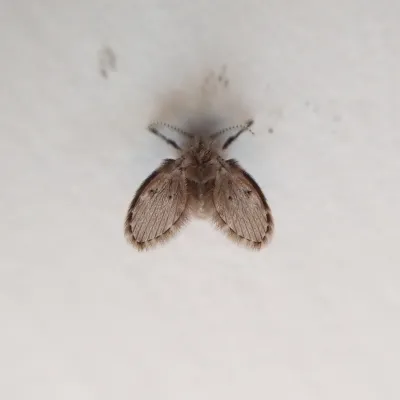
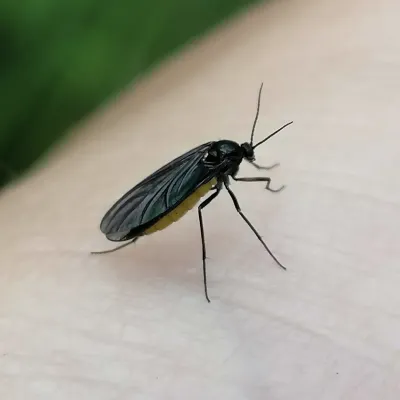
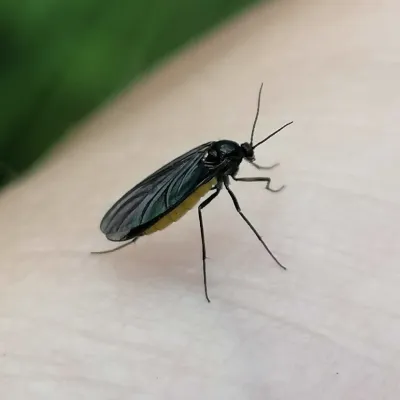
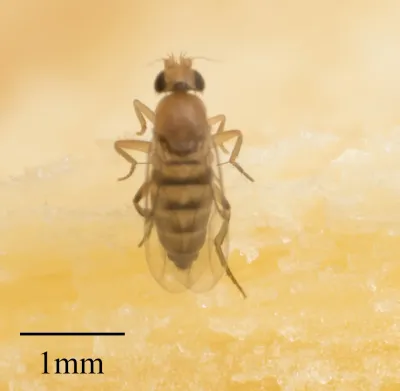
Not sure if you have vinegar flies or another small fly? Our guides on gnats vs fruit flies and drain flies vs fruit flies can help you identify the pest. If flies keep coming back, there may be a hidden breeding spot. Broken pipes, water damage in walls, or buildup in hard-to-reach drains can all hide flies. If cleaning does not work, a professional can help find and fix the source.
References
Other Flies
Explore other species in the flies family
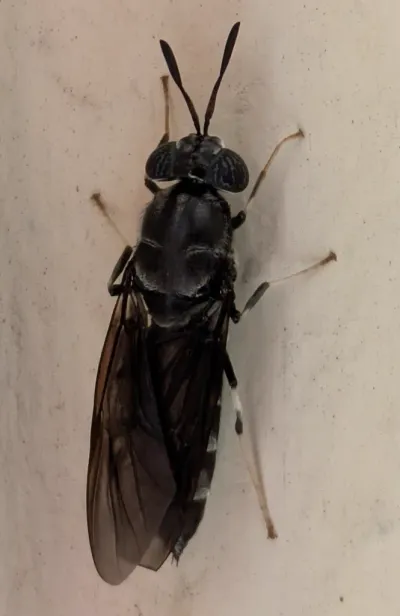
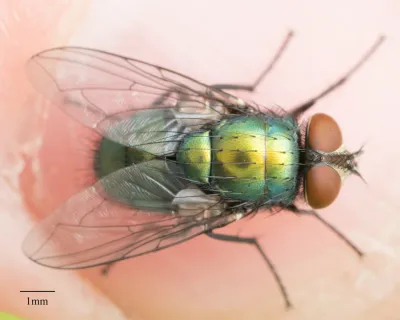
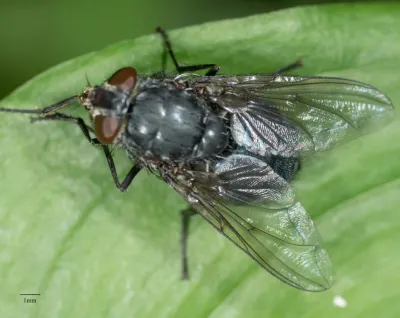
Commonly Confused With
Vinegar Flies are often mistaken for these similar pests
Where Vinegar Flies Are Found
Hover over states to see their names. Green regions indicate where vinegar flies have been reported.
Common Questions about Vinegar Flies
Are vinegar flies the same as fruit flies?
+
Yes, vinegar flies and fruit flies refer to the same family of insects (Drosophilidae). The name 'vinegar fly' comes from their attraction to acetic acid in fermenting fruits and vinegar. 'Fruit fly' refers to their preference for overripe produce. Both names describe the same common household pest.
Why are they called vinegar flies?
+
Vinegar flies get their name from their strong attraction to acetic acid, the main component of vinegar. When fruits ferment, they produce acetic acid and ethanol, which these flies can detect from great distances. This is why vinegar traps are so effective at catching them.
What attracts vinegar flies to my kitchen?
+
Vinegar flies are attracted to fermenting organic matter, particularly overripe fruit, vegetable scraps, spilled juice, wine, beer, and vinegar. They can also breed in wet mops, garbage disposals, and drain traps where organic material accumulates.
How do vinegar flies get into sealed houses?
+
Vinegar flies often enter homes on produce purchased from stores or farmers markets. Their eggs may already be present on fruit skins. They can also enter through small gaps around doors, windows, and vents, drawn by the scent of fermenting materials inside.
How fast do vinegar flies reproduce?
+
Vinegar flies reproduce extremely quickly. A single female can lay 400 to 500 eggs in her lifetime, and the complete life cycle from egg to adult takes only 8 to 12 days in warm conditions. This rapid reproduction is why small infestations can become large problems quickly.
Do vinegar flies bite humans?
+
No, vinegar flies do not bite humans. They lack the mouthparts necessary for biting. While they are primarily a nuisance pest, they can transfer bacteria from contaminated surfaces to food as they land and feed.
What is the best way to trap vinegar flies?
+
The most effective homemade trap uses apple cider vinegar with a few drops of dish soap. The vinegar attracts the flies while the soap breaks the surface tension, causing them to sink and drown. Place traps near breeding areas for best results.
How long does it take to get rid of vinegar flies?
+
With thorough sanitation and source elimination, you should see a significant reduction within one to two weeks. Complete elimination requires removing all breeding materials and can take two to three weeks as remaining eggs and larvae complete development.

With five years of hands-on experience in the pest control industry, George Schulz is a registered technician with the Virginia Pest Management Association and a proud third-generation professional in a family business that's been protecting homes for over 57 years. He manages and trains a team of service pros while also leading internal research efforts—recently spearheading a deep-dive review of thousands of documents on pest control materials to hand-pick the most kid and pet friendly, most effective solutions tailored specifically for homes in the DC metro area.