Sand Flies Identification Guide
Ceratopogonidae (Family)
Sand flies, also known as no-see-ums or biting midges, are tiny biting insects found near beaches, marshes, and other moist areas. Their painful bites cause intense itching and can make outdoor activities unbearable.
Taxonomy
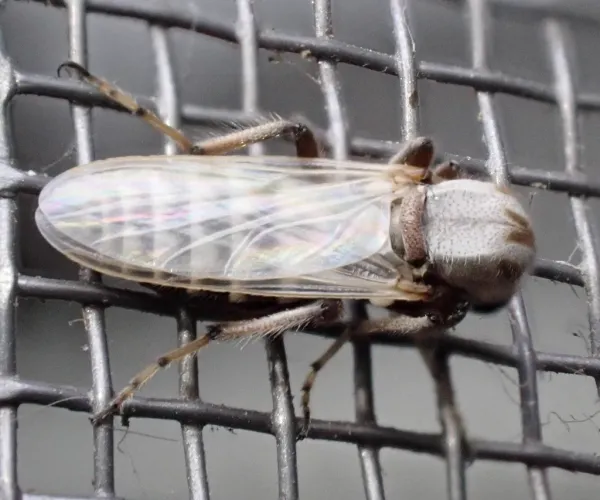
Sand Flies Coloration
Common color patterns to help identify sand flies
Sand Flies
Seasonal Activity
When sand flies are most active throughout the year

Where Sand Flies Are Found
Hover over states to see their names. Green regions indicate where sand flies have been reported.
Sand Fly Identification Guide
Physical Characteristics
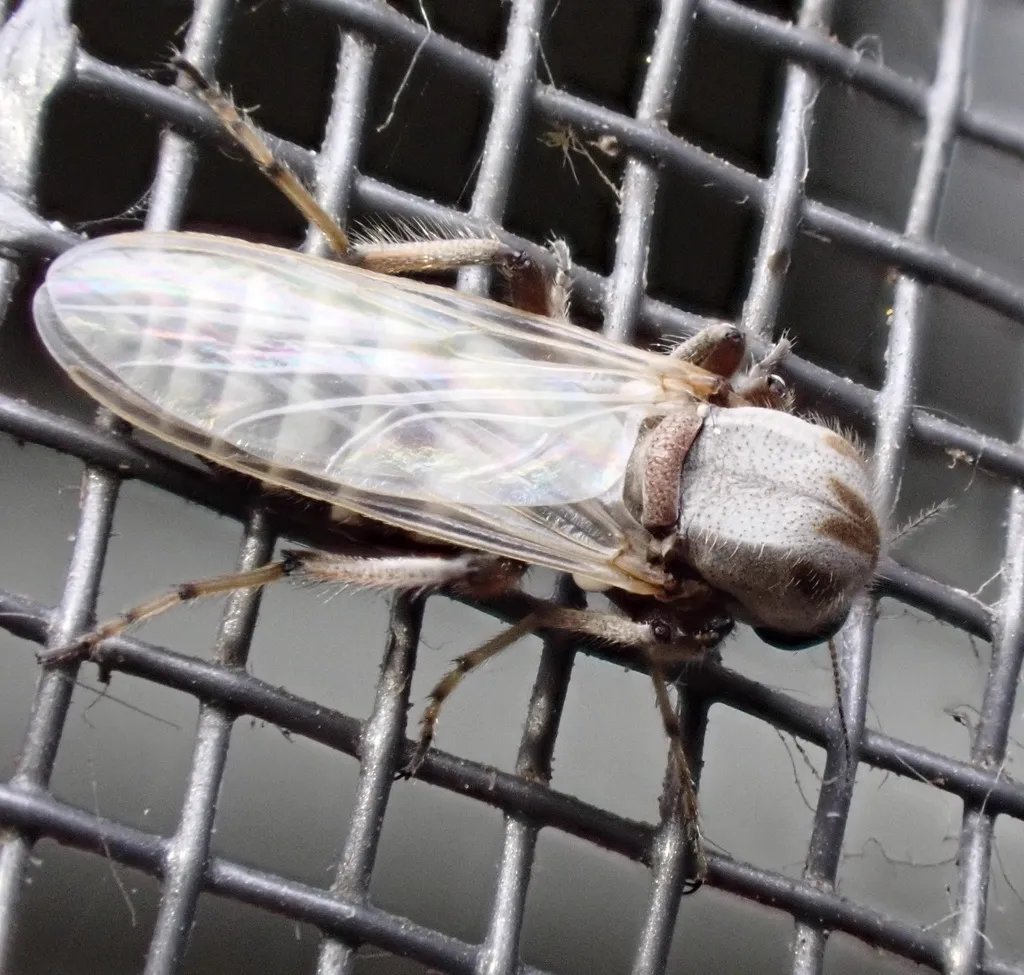
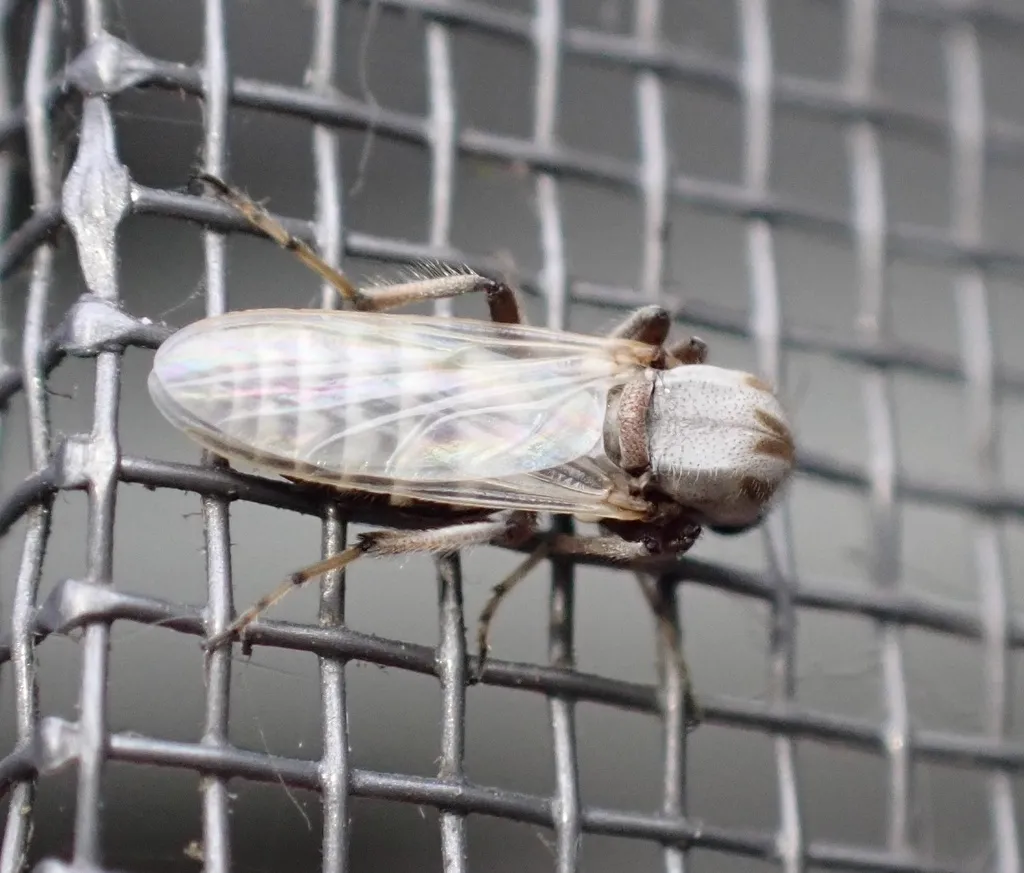
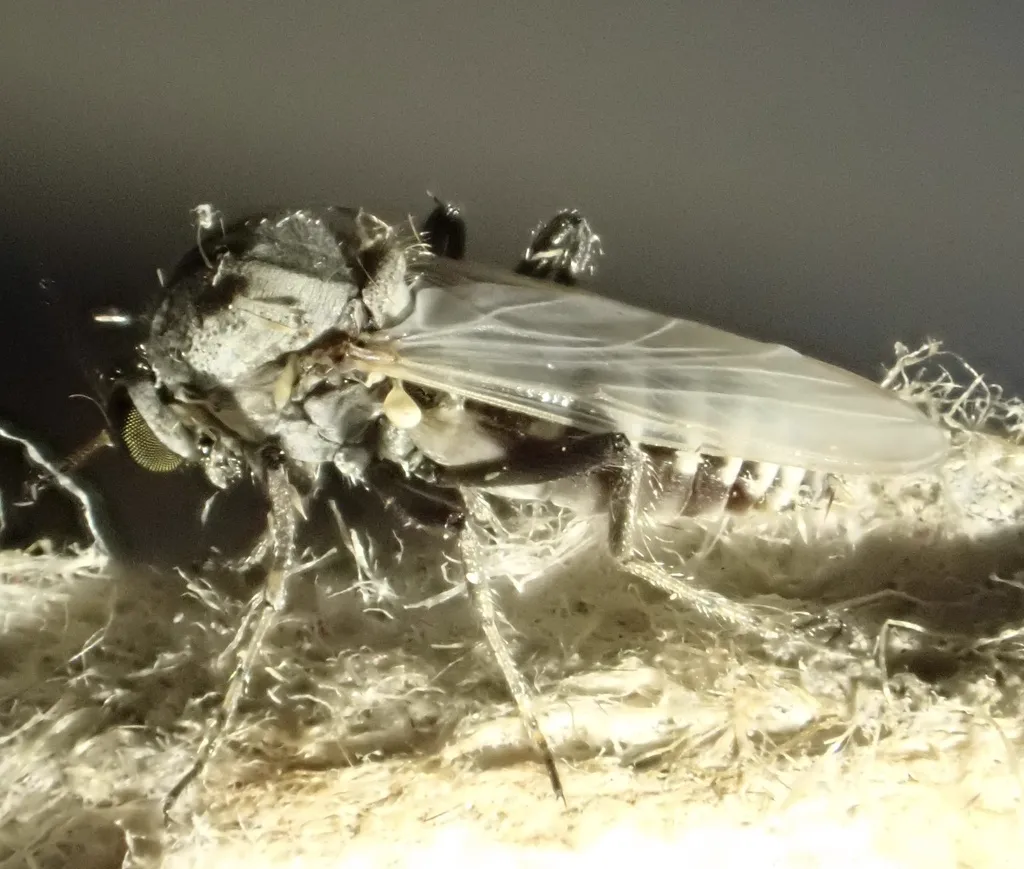
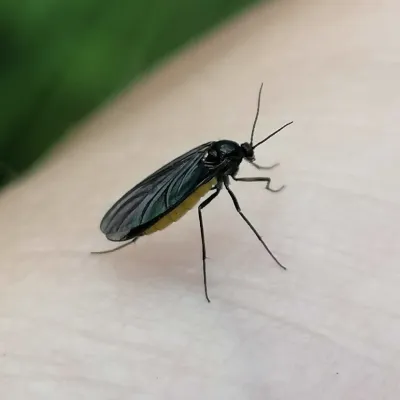
Sand flies are also called no-see-ums or biting midges. They belong to the fly order and rank among the smallest biting insects you will find. Adults measure just 1 to 3 millimeters long. That makes them hard to see without looking closely. Their tiny size lets them slip through regular window screens. This is why they are so hard to keep out.
These bugs have slender bodies with grayish to tan coloring. Females turn reddish after feeding on blood. Sand flies have one pair of wings. The wings may be clear or have spotted patterns. They use tiny blade-like mouthparts to cut skin. Then they lap up blood as it pools in the small wound.
Males and females look alike. However, males have feathery antennae similar to those on non-biting midges. Only females bite because they need blood to make eggs. Both males and females also feed on plant nectar for energy.
Common Species in North America
Over 600 species of biting midges live in North America. The most common pest species belong to the genus Culicoides:
- Culicoides furens: The salt marsh sand fly. It thrives along coastal areas from the Northeast through the Gulf Coast and Caribbean.
- Culicoides sonorensis: Found across western North America near farms and livestock.
- Culicoides obsoletus: A common species found in many habitats across the continent.
People call these insects by different names in different regions. In the Northeast, they are called punkies. In Florida and Alabama, people call them five-o’s because they bite most around 5 PM. In parts of Canada, they are known as moose flies.
Sand Fly Behavior and Biology
Life Cycle
Sand flies go through four life stages: egg, larva, pupa, and adult. In warm weather, the whole cycle takes two to six weeks. In cooler climates, it can take over a year.
Females lay 30 to 450 eggs. The number depends on the species and how much blood they drank. They lay eggs in moist soil, mud, or rotting plant matter near water. The tiny eggs start white but turn brown within hours.
Larvae look like small worms. They are nearly clear with dark heads. When fully grown, they reach 3 to 4 millimeters long. They eat tiny organisms and decaying matter in wet areas. Larvae molt four times over a period of two weeks to several months.
The pupal stage happens near water and lasts two to three days. Males come out first and swarm above the breeding site. Adults live about two to seven weeks. During this time, females may feed on blood several times and lay multiple batches of eggs.
Habitat and Distribution
Sand flies thrive in warm, humid places near water. Common breeding spots include:
- Coastal salt marshes and tidal flats
- Edges of ponds, lakes, and slow streams
- Wet soil around water troughs and sprinkler systems
- Rotting seaweed on beaches
- Tree holes with standing water
- Wet areas with lots of organic matter
You can find these insects across North America. They cause the most problems in coastal areas, near wetlands, and where standing water is common. The Southeast, both coasts, and the Great Lakes region have the highest numbers.
Feeding Behavior
Only female sand flies bite. They need protein from blood to make eggs. Females find hosts by sensing carbon dioxide, body heat, and chemicals in sweat. Some species prefer certain animals, but many will readily bite humans.
Sand flies cut skin with blade-like mouthparts. Then they lap up blood as it pools in the wound. This cutting action makes their bites more painful than mosquito bites. Other biting flies that attack humans include deer flies, horse flies, and stable flies, though all of those are much larger. Most sand fly species feed at dawn and dusk. Some are active during the day or at night.
Sand flies are weak fliers. They cannot fly in even light winds. Learn more about how biting and non-biting gnats compare to mosquitoes in our gnat vs mosquito guide. This is why they cause the most trouble on calm evenings and in sheltered spots. They rarely travel more than a mile and a half from where they breed. However, wind can carry them much farther.
Treatment Methods for Sand Flies
Controlling sand flies is hard. They are tiny, breed in many places, and fit through regular screens. Getting rid of them usually takes several methods working together.
Personal Protection
The best way to avoid bites is to protect yourself:
-
Repellents: Use products with DEET, picaridin, or oil of lemon eucalyptus on exposed skin. Clothing treated with permethrin adds extra protection.
-
Protective Clothing: Wear long sleeves, long pants, and closed shoes. Choose light colors since sand flies prefer dark colors.
-
Timing: Stay inside at dawn and dusk when sand flies feed most.
-
Air Movement: Use fans or stay in breezy areas. These weak fliers cannot land when air is moving.
Environmental Management
You can help reduce sand fly numbers by limiting breeding sites:
- Get rid of standing water when you can
- Fix drainage problems to keep soil from staying wet
- Remove rotting leaves and plant matter near your home
- Trim plants to reduce shady, damp areas
Keep in mind that you cannot remove all breeding sites. Sand flies breed in too many places.
Physical Barriers
Regular window screens have holes too big to stop sand flies. You need fine-mesh screens with at least 16 holes per inch. Insecticide-treated bed nets help protect you during sleep in areas with lots of sand flies.
Treating Bites
If you get bitten, these steps can help:
- Wash the bite with soap and water
- Put a cold compress on it to reduce swelling
- Take antihistamines to control itching
- Apply hydrocortisone cream or calamine lotion
- Do not scratch, as this can cause infection
See a doctor if you have a severe reaction or signs of infection. This information is not medical advice.
References
Other Flies
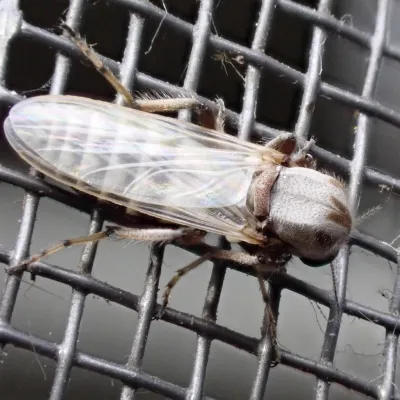
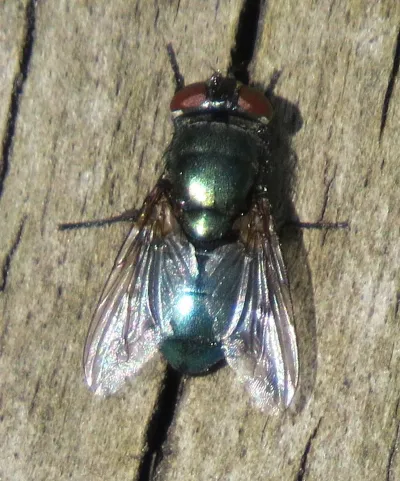
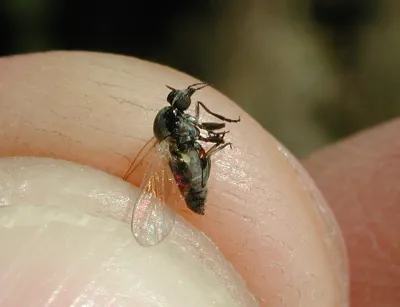
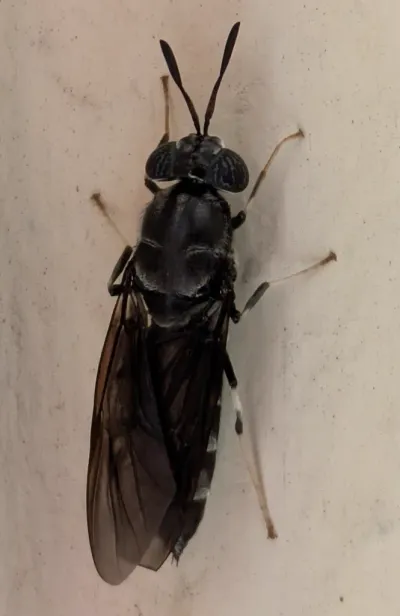
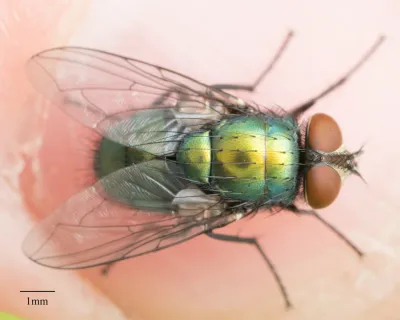
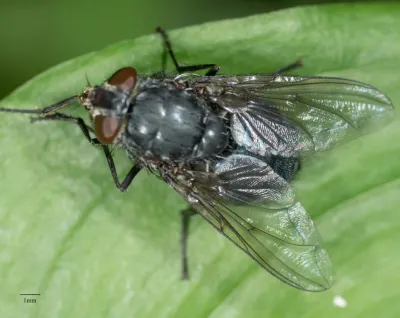
Explore other species in the flies family
Commonly Confused With
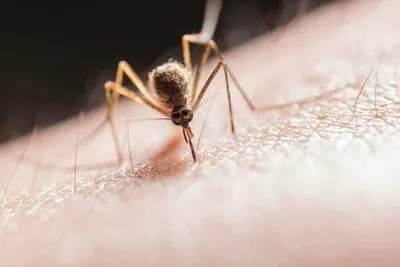
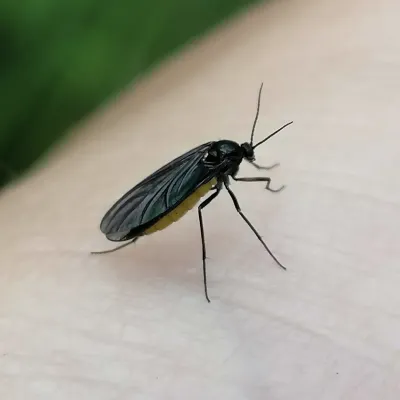
Sand Flies are often mistaken for these similar pests
Where Sand Flies Are Found
Hover over states to see their names. Green regions indicate where sand flies have been reported.
Common Questions about Sand Flies
What are sand flies and why are they called no-see-ums?
+
Sand flies, technically called biting midges, are tiny blood-sucking insects in the family Ceratopogonidae. They earned the nickname 'no-see-ums' because they are so small (1-3 mm) that they are nearly invisible to the naked eye. Despite their tiny size, their bites cause intense itching and discomfort.
What do sand fly bites look like?
+
Sand fly bites appear as small, red, itchy welts that are often more painful than mosquito bites. The bites typically occur in clusters since sand flies attack in groups. Symptoms usually intensify over 5-7 days before gradually subsiding, though some people experience more severe allergic reactions.
When are sand flies most active?
+
Sand flies are most active during dawn and dusk hours, particularly in calm weather conditions. They are weak fliers and avoid windy conditions. Activity peaks during warm, humid months from late spring through early fall, though they can be active year-round in tropical and subtropical regions.
Where do sand flies breed?
+
Sand flies breed in moist environments rich in organic matter. Common breeding sites include salt marshes, coastal mud flats, edges of ponds and streams, wet soil near water sources, and areas with decaying vegetation. Larvae develop in these semi-aquatic habitats for several weeks to months.
Do sand flies transmit diseases?
+
In the United States, biting midges (no-see-ums) are not known to transmit diseases to humans. However, they can transmit Blue Tongue virus to livestock. True sand flies (Phlebotominae family) found in tropical regions can transmit leishmaniasis, though this disease is rare in the continental US.
How can I prevent sand fly bites?
+
Effective prevention includes using insect repellents containing DEET or picaridin, wearing long sleeves and pants, avoiding outdoor activities during dawn and dusk, and staying in areas with good air circulation or wind. Fine-mesh screens (smaller than standard window screens) can help keep sand flies out of living spaces.
Why do sand flies bite some people more than others?
+
Sand flies are attracted to carbon dioxide, body heat, and certain compounds in human sweat. Some people naturally produce more of these attractants or have stronger reactions to bites. Dark clothing and perfumes or scented products can also increase attractiveness to sand flies.
How long do sand fly bites last?
+
Sand fly bite reactions typically last 10-14 days, with itching often intensifying during the first week before gradually subsiding. Scratching can prolong healing and lead to secondary infections. Over-the-counter antihistamines and hydrocortisone creams can help manage symptoms.

With five years of hands-on experience in the pest control industry, George Schulz is a registered technician with the Virginia Pest Management Association and a proud third-generation professional in a family business that's been protecting homes for over 57 years. He manages and trains a team of service pros while also leading internal research efforts—recently spearheading a deep-dive review of thousands of documents on pest control materials to hand-pick the most kid and pet friendly, most effective solutions tailored specifically for homes in the DC metro area.