Western Chicken Fleas Identification Guide
Ceratophyllus niger
The western chicken flea is an ectoparasite of birds that primarily infests poultry and wild birds along the Pacific coast of North America. Unlike other fleas, adults spend most of their time in nests and only visit hosts briefly to feed.
Taxonomy
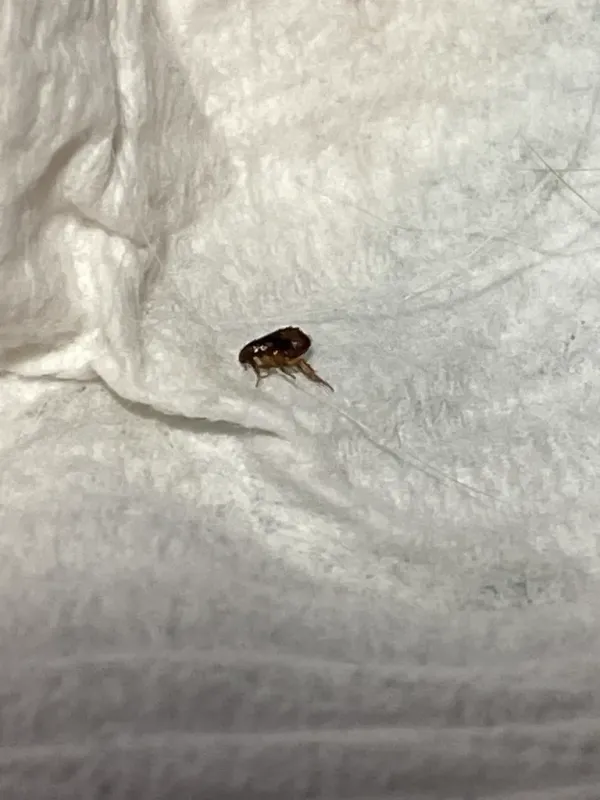
Western Chicken Fleas Coloration
Common color patterns to help identify western chicken fleas
Western Chicken Fleas
Seasonal Activity
When western chicken fleas are most active throughout the year


Where Western Chicken Fleas Are Found
Hover over states to see their names. Green regions indicate where western chicken fleas have been reported.
Western Chicken Flea Identification Guide
Physical Characteristics
The western chicken flea (Ceratophyllus niger) is a small wingless insect in the flea order Siphonaptera that feeds on bird blood. Adults measure 2 to 2.5 millimeters long. This makes them a bit larger than the common cat flea. Their bodies are flat from side to side. This shape helps them move through feathers and hide in tight spaces.
Adult western chicken fleas are brown to dark brown. Some look nearly black. This is why they are also called black hen fleas. Like all fleas, they have six legs. Their strong hind legs are built for jumping. Their bodies have bristles and spines that point backward. These help them hold onto hosts and resist being brushed off.
Their mouthparts are made for piercing skin and sucking blood. They have simple eyes instead of the compound eyes found in many insects. Their short antennae tuck into grooves on the sides of the head.
Experts identify chicken fleas by the 4 to 6 bristles on the back leg. They have a pair of eyes and 24 teeth on their combs. You need a microscope to see these features clearly.
Western Chicken Flea vs European Chicken Flea
The European chicken flea (Ceratophyllus gallinae) is a close relative found worldwide. Both species look similar and behave in similar ways. The western chicken flea is mostly limited to the Pacific coast of North America, while the European chicken flea has a much broader range.
For practical purposes, control methods are the same for both species. If you have chickens on the Pacific coast, you are more likely dealing with the western species. Elsewhere in North America, the European chicken flea is more common.
Signs of Western Chicken Flea Infestation
Watch for these signs that your poultry may have a flea problem:
- Excessive scratching and pecking: Birds scratch and preen more than normal, trying to remove the parasites.
- Restlessness: Infested birds seem uneasy and cannot settle down on their roosts.
- Reduced egg production: Laying hens produce fewer eggs when stressed by flea infestations.
- Pale combs and wattles: Anemia from blood loss causes the normally red combs to look pale.
- Weight loss: Birds may lose weight and appear thin due to the stress and blood loss.
- Visible fleas in nests: You may see small brown insects jumping in nesting material and bedding.
- Flea dirt: Small dark specks of dried blood waste in nests and feathers indicate flea activity.
Western Chicken Flea Behavior and Biology
Unique Nest-Dwelling Behavior
Western chicken fleas have an unusual lifestyle compared to cat and dog fleas. Adult western chicken fleas spend most of their time hiding in the host’s nests rather than staying on the bird. They come out only briefly to feed, then return to the nest material. This nest-dwelling behavior is an important difference from fleas that live on their hosts full-time.
This behavior affects how infestations develop and how they must be controlled. Treating the birds alone will not eliminate the problem. The nests, bedding, and surrounding areas must also be treated since that is where most of the fleas actually live.
Life Cycle
Western chicken fleas go through four life stages: egg, larva, pupa, and adult.
Eggs are laid by female fleas in nest material, droppings, and litter. Unlike some flea species, western chicken flea females do not need to stay attached to the host to lay eggs. The eggs are small, white, and oval-shaped.
Larvae hatch from eggs and eat organic debris in the nest. This includes flea dirt (adult flea waste), dead skin, feathers, and other matter. Larvae have chewing mouthparts and cannot bite hosts. They avoid light and burrow deep into nesting material. Larvae go through three stages before becoming pupae. A related species, Oriental Rat Flea, shares similar characteristics.
Pupae form when larvae spin silk cocoons. Debris sticks to the outside for cover. Inside, the larva turns into an adult flea. The pupal stage resists most treatments. Adults can stay in cocoons for a long time, waiting for a host. A related species, Rabbit Fleas, shares similar characteristics.
Adults come out of cocoons when they sense movement, heat, or carbon dioxide. These signals mean a host is nearby. In good conditions, the full life cycle takes about 23 days. This can stretch to several months if conditions are poor or hosts are absent. A related species, Northern Rat Flea, shares similar characteristics.
Seasonal Activity A related species, Squirrel Fleas, shares similar characteristics.
Western chicken fleas are most active in warm months from late spring through early fall. Activity peaks in summer when heat speeds up growth. However, fleas can survive year-round in heated coops or mild coastal areas.
Fleas often spend winter as adults inside their cocoons. These adults come out in spring when temps rise and birds become active again.
Hosts and Distribution
Western chicken fleas mainly feed on domestic chickens, but they attack many other birds too. Wild birds that nest in holes or tight spaces can carry these fleas. Swallows, sparrows, and other birds that nest near buildings may have them.
The western chicken flea lives mostly along the Pacific coast of North America. It is found from British Columbia south through Washington, Oregon, and California. Some may also live in parts of Alaska and the Rocky Mountain states.
Health Risks from Western Chicken Fleas
Effects on Poultry
Heavy flea problems cause serious issues for poultry:
Anemia and weakness: Fleas drain blood from birds. Young birds and small bantams are most at risk. Severe cases can kill chicks.
Fewer eggs: Hens under flea stress lay fewer eggs. Egg quality may drop too.
Restless birds: Constant biting makes birds uneasy. They cannot rest well and may hurt themselves scratching.
Infections: Flea bites make small wounds. These can get infected with bacteria.
Disease spread: Chicken fleas can spread diseases like plague and tularemia. This is rare but possible.
Risks to Humans
Western chicken fleas will bite people, especially those who work with poultry. Bites show up as small red, itchy bumps. People who clean coops, gather eggs, or handle birds are most at risk.
Bites are not pleasant but rarely cause big health problems in healthy adults. Some people may have allergic reactions with worse itching and swelling.
Medical Disclaimer: This information is for educational purposes only and is not medical advice. If you experience unusual reactions to flea bites, consult a healthcare provider.
Treatment Methods for Western Chicken Fleas
Effective control of western chicken fleas requires treating both the birds and their environment. Adults spend most of their time in nests rather than on hosts. This makes environmental treatment especially important.
Environmental Control
-
Remove all bedding: Strip out all nesting material, litter, and bedding from the coop. Dispose of it away from the birds. This removes eggs, larvae, and hiding adults.
-
Thorough cleaning: Scrub the coop, focusing on cracks, corners, and roosting areas where fleas hide. Let the coop dry completely before replacing bedding.
-
Dust treatments: Apply dust products to cracks and gaps where fleas hide. These products harm the flea’s outer shell and dry them out.
-
Sprays and powders: Products made for poultry use can control fleas in the coop. Always follow label directions.
-
Growth blockers: Some products stop young fleas from growing into adults. This breaks the life cycle over time.
Treating Birds
Birds may also need direct treatment in severe infestations:
-
Dust baths: Give birds dry, dusty areas where they can bathe. This helps remove some pests.
-
Poultry dusts: Apply dusts made for poultry right on the birds. Follow label directions. Keep dust away from eyes and nostrils.
-
Vet help: Ask a poultry vet about severe flea problems. They can suggest the right products and amounts.
Prevention
Stopping fleas before they start is easier than treating a bad problem:
- Keep coops clean and change bedding regularly
- Inspect birds periodically for signs of parasites
- Quarantine new birds before adding them to your flock
- Discourage wild birds from nesting in or near the coop
- Address any rodent problems, as rodents can carry fleas
Multiple treatments spaced 2 to 3 weeks apart are usually needed to break the flea life cycle and eliminate all life stages.
References and Further Reading
Other Fleas
Explore other species in the fleas family
Commonly Confused With
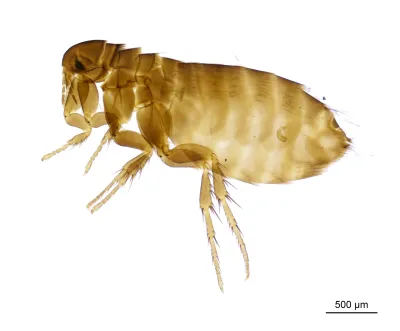
Western Chicken Fleas are often mistaken for these similar pests
Where Western Chicken Fleas Are Found
Hover over states to see their names. Green regions indicate where western chicken fleas have been reported.
Common Questions about Western Chicken Fleas
Where are western chicken fleas found?
+
Western chicken fleas are primarily found along the Pacific coast of North America, from British Columbia through California. They may also occur in parts of Alaska and the Rocky Mountain region. This species is not common in the eastern United States.
Can western chicken fleas bite humans?
+
Yes, western chicken fleas can and will bite humans, especially those who work closely with poultry or wild birds. However, humans are not their preferred host. Bites typically occur when handling infested birds or cleaning out coops and nests.
How can I tell western chicken fleas apart from other fleas?
+
Western chicken fleas are slightly larger than cat or dog fleas, measuring 2 to 2.5 millimeters long. They have a brown to dark brown color and the typical laterally flattened body of all fleas. A microscope is needed to see the diagnostic features that separate them from other flea species.
Do western chicken fleas live on birds all the time?
+
No, unlike many other flea species, western chicken fleas spend most of their time hiding in host nests. Adults only visit birds briefly to feed on blood. The rest of their time is spent in nesting material, droppings, and litter where they breed and develop.
What problems do western chicken fleas cause for poultry?
+
Heavy infestations can cause irritation, restlessness, and blood loss leading to anemia. Young birds are most at risk and may die from severe infestations. Egg production often drops in laying hens with flea problems. The stress from constant biting weakens birds overall.
How do I get rid of western chicken fleas in my chicken coop?
+
Remove and replace all bedding and nesting material. Clean the coop thoroughly, focusing on cracks and corners where fleas hide. Apply appropriate dust treatments or sprays labeled for poultry use. Treat the birds themselves if recommended by a veterinarian. Repeat treatments may be needed over several weeks.
Can western chicken fleas infest my home?
+
Western chicken fleas rarely infest homes since they are specialized parasites of birds. They require bird hosts and nest environments to complete their life cycle. However, if you keep backyard chickens, the fleas may occasionally enter your home on clothing or bite people who handle infested birds.
What is the life cycle of the western chicken flea?
+
Like all fleas, western chicken fleas go through four life stages: egg, larva, pupa, and adult. Females lay eggs in nest material and droppings. Larvae feed on organic debris. Under good conditions, the complete life cycle takes about 3 to 5 weeks. Adults can survive in cocoons for months waiting for a host.

With five years of hands-on experience in the pest control industry, George Schulz is a registered technician with the Virginia Pest Management Association and a proud third-generation professional in a family business that's been protecting homes for over 57 years. He manages and trains a team of service pros while also leading internal research efforts—recently spearheading a deep-dive review of thousands of documents on pest control materials to hand-pick the most kid and pet friendly, most effective solutions tailored specifically for homes in the DC metro area.