Squirrel Fleas Identification Guide
Orchopeas howardi
Squirrel fleas are parasitic insects that primarily infest grey squirrels, fox squirrels, and flying squirrels. When squirrels nest in attics or nearby trees, these fleas can enter homes and bite humans and pets.
Taxonomy
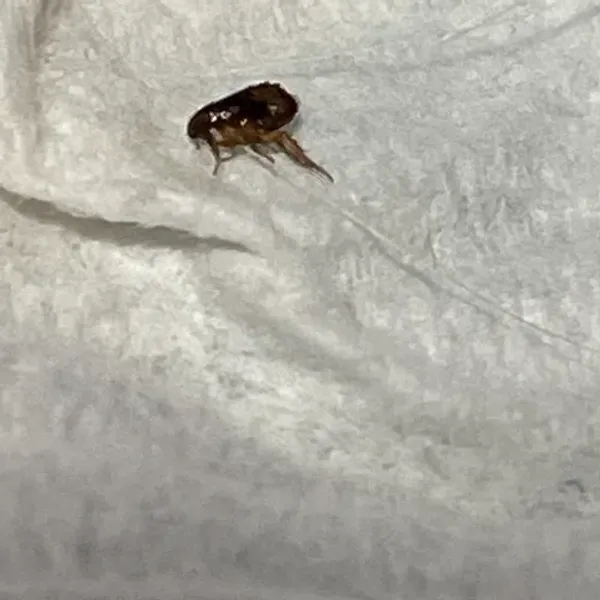
Squirrel Fleas Coloration
Common color patterns to help identify squirrel fleas
Squirrel Fleas
Seasonal Activity
When squirrel fleas are most active throughout the year
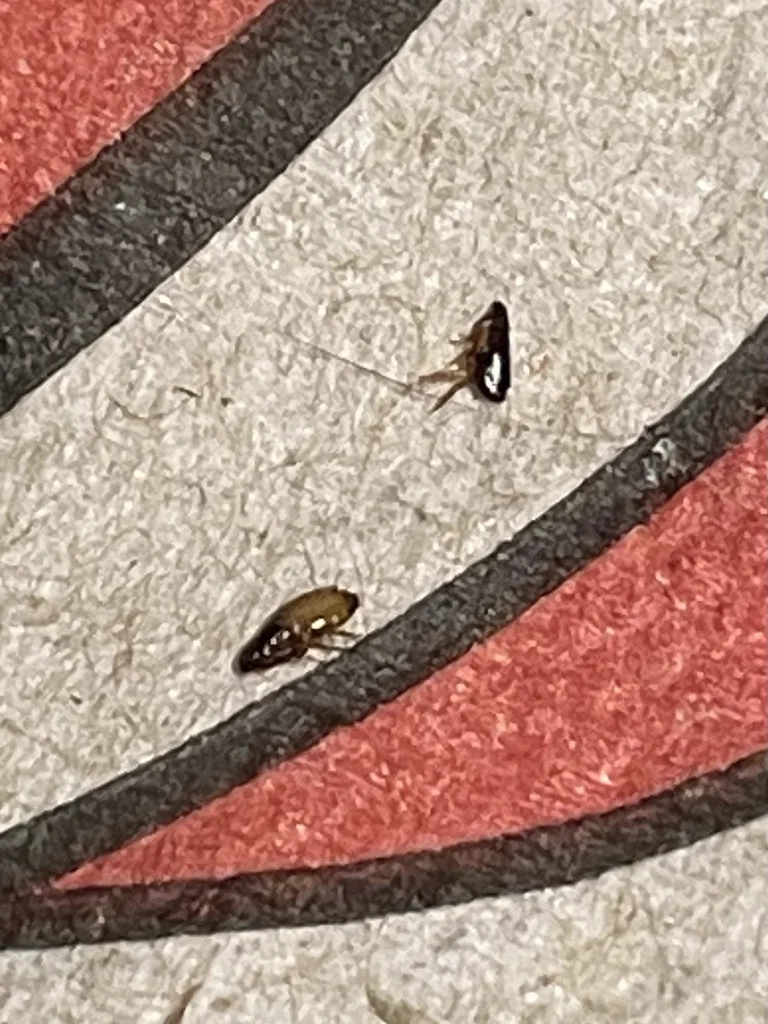
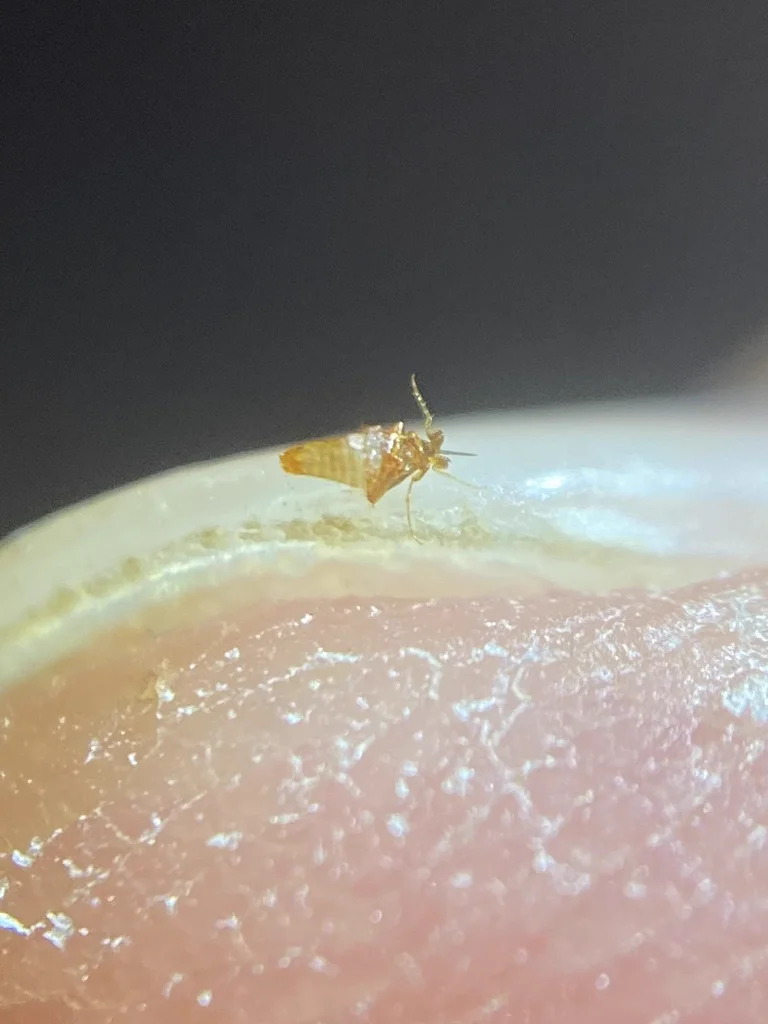

Where Squirrel Fleas Are Found
Hover over states to see their names. Green regions indicate where squirrel fleas have been reported.
Squirrel Flea Identification Guide
Physical Characteristics
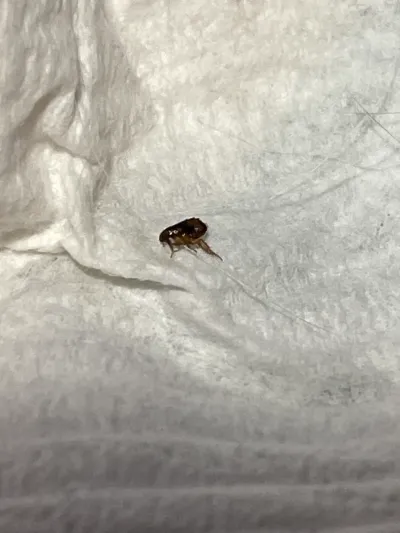
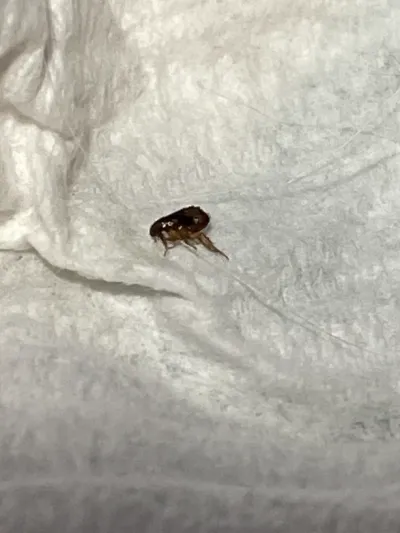
Squirrel fleas are small, wingless parasitic insects in the flea order Siphonaptera that measure 2 to 4 millimeters in length. Like all fleas, their bodies are flattened from side to side. This shape helps them move through animal fur without getting caught.
Adult squirrel fleas are dark brown to reddish-brown in color. Their outer shell appears shiny and hard. The body is covered with backward-pointing bristles called setae that help them grip onto hosts and resist grooming attempts.
One key feature sets squirrel fleas apart from cat fleas and dog fleas. Squirrel fleas have spines behind the head but lack spines below the head. Cat and dog fleas have both. You need a microscope to see this difference.
Squirrel fleas have powerful hind legs built for jumping. They can leap many times their body length to reach new hosts. Their mouthparts are designed for piercing skin and sucking blood.
Common Squirrel Flea Species
Several flea species infest squirrels in North America:
- Grey squirrel flea (Orchopeas howardi): The most common species. Found on eastern grey squirrels and fox squirrels across eastern and central North America.
- Red squirrel flea (Monopsyllus sciurorum): More common on red squirrels in northern areas and Canada.
- Flying squirrel fleas (Orchopeas howardi and related species): Found on both northern and southern flying squirrels.
For homeowners, the specific species matters less than understanding that any squirrel nesting nearby can introduce fleas into a home.
Signs of Squirrel Flea Activity
Watch for these indicators of a squirrel flea problem:
- Flea bites on lower body: Small red, itchy bumps on ankles and legs. This is a key sign when no pets live in the home.
- Evidence of squirrel activity: Sounds in the attic, droppings near entry points, or visible nesting materials.
- Pet scratching: Dogs or cats scratching even when on flea prevention. This suggests fleas are coming from outside.
- Visible fleas: Small dark insects jumping on carpets, furniture, or near areas where squirrels nested.
- Flea dirt: Tiny dark specks that turn reddish-brown when wet. Found in carpets or pet bedding.
Squirrel Flea Behavior and Biology
Life Cycle
Squirrel fleas go through four life stages: egg, larva, pupa, and adult. This cycle explains why infestations can last even after squirrels are gone.
Eggs are small, white, and oval. Female fleas lay eggs on the host animal. The eggs are not sticky and fall off into nesting materials, carpets, and floor cracks. One female can lay hundreds of eggs in her lifetime.
Larvae hatch in 2 to 14 days. The timing depends on temperature and humidity. They are small, legless, worm-like creatures that avoid light. Larvae do not feed on blood. They eat debris and flea dirt, which is dried flea waste that contains blood. This stage lasts about 5 to 20 days.
Pupae form when larvae spin silk cocoons. Debris and dust stick to the cocoon surface for cover. Inside, the larvae change into adults over 1 to 2 weeks. Pupae can stay dormant for many months if no host is nearby.
Adults emerge from cocoons when they sense heat, movement, or carbon dioxide from a host. They must feed on blood within a few days to survive. Adults prefer to stay on their host once feeding begins.
The complete cycle takes 30 to 75 days under favorable conditions. Warm temperatures and high humidity speed development.
Host Preferences
Squirrel fleas strongly prefer squirrel hosts. Studies of southern flying squirrels found Orchopeas howardi on nearly half of all animals checked. The fleas spend most of their adult lives on squirrels. They feed multiple times each day.
When squirrel hosts are gone, these fleas will bite other mammals including:
- Domestic cats and dogs
- Humans
- Rabbits and other small mammals
- Occasionally birds
Humans and pets are not ideal hosts for squirrel fleas. The fleas may bite and feed but typically do not reproduce as successfully on non-squirrel hosts.
Nesting Association
Cat fleas can live in homes with pets on their own. Squirrel fleas are different. They are closely tied to squirrel nesting activity. A related species, the ground squirrel flea, infests ground-dwelling rodents in the western United States and can carry plague. Fleas and their eggs build up in squirrel nests over time. When squirrels nest in homes, this leads to indoor flea problems.
Common squirrel nesting sites that lead to indoor flea problems include:
- Attic spaces and insulation
- Wall voids near rooflines
- Chimney flues and caps
- Crawlspaces
- Sheds and garages
Health Concerns from Squirrel Fleas
Flea Bites on Humans
Squirrel flea bites cause the same reactions as bites from other flea types. Symptoms include:
- Small, red, raised bumps with a reddened halo around them
- Intense itching that may last several days
- Bites often grouped on ankles, legs, and waistline
- Some people get allergic reactions with hives or swelling
Do not scratch flea bites. This can cause skin infections. Anti-itch creams and antihistamines from the store can help with symptoms.
Disease Transmission
Squirrel fleas may carry epidemic typhus, caused by Rickettsia prowazekii. This disease has been linked to flying squirrel populations in the eastern United States.
Human cases are rare. Symptoms of epidemic typhus include high fever, severe headache, and rash. Tell your doctor about flea exposure if you get flu-like symptoms after contact with squirrels or their nesting areas.
Squirrel fleas may also spread tapeworms if swallowed by accident during grooming. This is more common in pets than in people.
Medical Disclaimer: This information is for educational purposes only and is not medical advice. Consult a healthcare provider if you experience unusual reactions to flea bites or suspect flea-related illness.
Treatment Methods for Squirrel Fleas
Controlling squirrel fleas means dealing with both the fleas and the squirrels. Treatment that ignores the wildlife source will only give short-term relief.
Source Elimination
The first step in squirrel flea control is removing the squirrel population and sealing entry points:
- Wildlife exclusion: Find and seal all entry points where squirrels get into attics, walls, or crawlspaces. Professionals can make sure animals are removed humanely before sealing.
- Nest removal: After squirrels are gone, remove and dispose of nesting materials carefully. This debris contains flea eggs, larvae, and pupae.
- Sanitation: Vacuum and clean areas near old nesting sites to remove flea life stages.
Indoor Treatment
Once the squirrel source is handled, indoor flea treatment can begin:
- Thorough vacuuming: Vacuum all carpets, rugs, furniture, and floor cracks daily. Focus on areas below squirrel entry points. Seal and throw away vacuum bags right away.
- Washing: Wash all pet bedding, throw rugs, and fabric items in hot water.
- Insect growth regulators: Products with IGRs stop young fleas from becoming biting adults. This breaks the breeding cycle.
- Residual treatments: Carpets, baseboards, and other surfaces can be treated with insecticides. Follow all label directions carefully.
Outdoor Considerations
If squirrels frequent your yard, outdoor treatment may help reduce flea populations:
- Treat shaded areas, under decks, around tree bases, and in mulched beds where fleas may survive
- Remove brush piles, fallen leaves, and debris that provide flea habitat
- Trim tree branches that allow squirrels easy access to your roof
Pet Protection
Keep pets on flea prevention products from your vet. These products target cat and dog fleas but also protect against squirrel fleas. Check pets regularly for fleas if they go near areas where squirrels live.
Follow-Up
Flea pupae in cocoons resist most treatments. New adults keep emerging for 2 to 4 weeks after the first treatment. Keep vacuuming and repeat treatments to kill these new fleas before they can breed.
Prevention Strategies
Preventing squirrel flea problems focuses on keeping squirrels out of your home:
- Seal entry points: Check rooflines, soffits, vents, and chimneys for gaps. Use hardware cloth or metal flashing to seal openings larger than half an inch.
- Trim trees: Keep tree branches at least 6 to 8 feet from your roof. This removes easy paths for squirrels to reach your home.
- Remove attractants: Keep bird feeders away from the house. Clean up fallen seeds and nuts that attract squirrels.
- Address existing wildlife: If you hear squirrels in your attic or walls, call a wildlife professional quickly before flea numbers grow.
- Regular pet flea prevention: Keep dogs and cats on year-round flea prevention to stop them from hosting fleas.
References and Further Reading
- Controlling Fleas - Texas A&M AgriLife Extension
- Fleas and Plague - Colorado State University Extension
- CDC - Fleas
- Controlling Fleas and Ticks Around Your Home - US EPA ticks
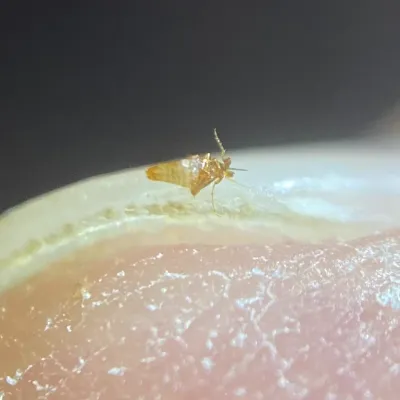
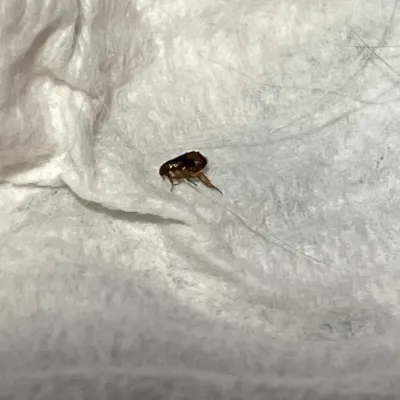
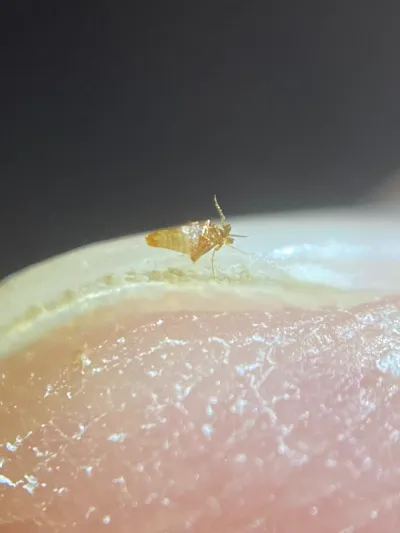
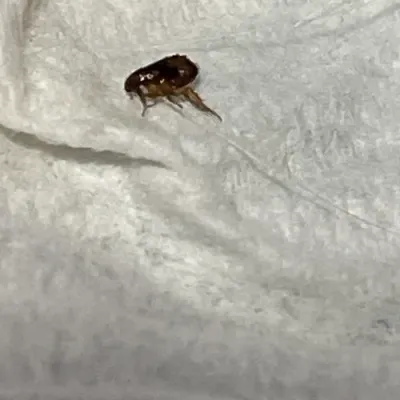
Other Fleas
Explore other species in the fleas family
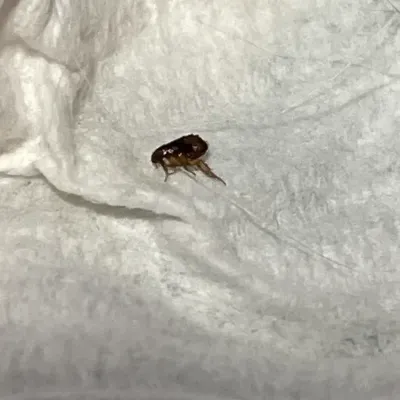
Commonly Confused With
Squirrel Fleas are often mistaken for these similar pests
Where Squirrel Fleas Are Found
Hover over states to see their names. Green regions indicate where squirrel fleas have been reported.
Common Questions about Squirrel Fleas
Can squirrel fleas infest my home?
+
Yes, squirrel fleas can enter homes when squirrels nest in attics, chimneys, or wall voids. The fleas may drop from nesting materials and spread throughout the house, especially in areas near the squirrel entry points.
Do squirrel fleas bite humans?
+
Squirrel fleas will bite humans when their preferred squirrel hosts are unavailable. Bites typically appear as small, red, itchy bumps on the ankles, legs, and lower body. While humans are not ideal hosts, the fleas will feed on people opportunistically.
Can squirrel fleas spread diseases?
+
Squirrel fleas have been identified as possible vectors of sylvatic epidemic typhus, a rickettsial disease. While transmission to humans is rare, avoiding contact with wild squirrels and their nesting areas helps reduce risk.
How do squirrel fleas get inside houses?
+
Squirrel fleas enter homes by hitching rides on squirrels that nest in attics, crawlspaces, or chimneys. Once inside, adult fleas can jump from nesting materials onto carpets, furniture, and pet bedding. They may also enter on pets that contact squirrels outdoors.
How can I tell if I have squirrel fleas versus cat or dog fleas?
+
Without a microscope, it is difficult to distinguish squirrel fleas from other species. The main clue is the presence of squirrels in or near your home combined with a flea problem when you have no pets, or when pet flea treatments fail to solve the issue.
Will squirrel fleas infest my pets?
+
Squirrel fleas can temporarily feed on cats and dogs but prefer rodent hosts. If your pet contacts areas where squirrels live or nest, they may pick up squirrel fleas. Standard flea prevention products for pets also protect against squirrel fleas.
How long can squirrel fleas survive without a host?
+
Adult squirrel fleas can survive a few days without a blood meal. However, flea pupae in cocoons can remain dormant for several months waiting for a host. This is why flea problems can seem to appear suddenly after removing squirrels from an attic.
What attracts squirrel fleas to humans?
+
Squirrel fleas detect potential hosts through body heat, carbon dioxide from breathing, and movement. When their preferred squirrel hosts leave or are removed, hungry fleas become more aggressive in seeking any available blood meal, including humans.

With five years of hands-on experience in the pest control industry, George Schulz is a registered technician with the Virginia Pest Management Association and a proud third-generation professional in a family business that's been protecting homes for over 57 years. He manages and trains a team of service pros while also leading internal research efforts—recently spearheading a deep-dive review of thousands of documents on pest control materials to hand-pick the most kid and pet friendly, most effective solutions tailored specifically for homes in the DC metro area.