Ground Squirrel Fleas Identification Guide
Oropsylla montana
Ground squirrel fleas are parasitic insects that primarily infest California ground squirrels and other ground-dwelling rodents in western North America. They are medically significant as the primary vector of sylvatic plague in the western United States.
Taxonomy
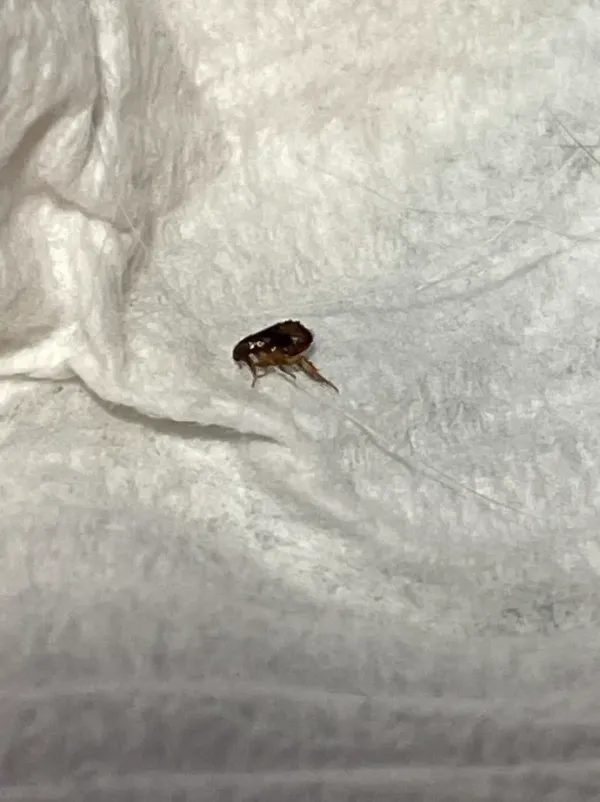
Ground Squirrel Fleas Coloration
Common color patterns to help identify ground squirrel fleas
Ground Squirrel Fleas
Seasonal Activity
When ground squirrel fleas are most active throughout the year

Where Ground Squirrel Fleas Are Found
Hover over states to see their names. Green regions indicate where ground squirrel fleas have been reported.
Ground Squirrel Flea Identification Guide
Physical Characteristics
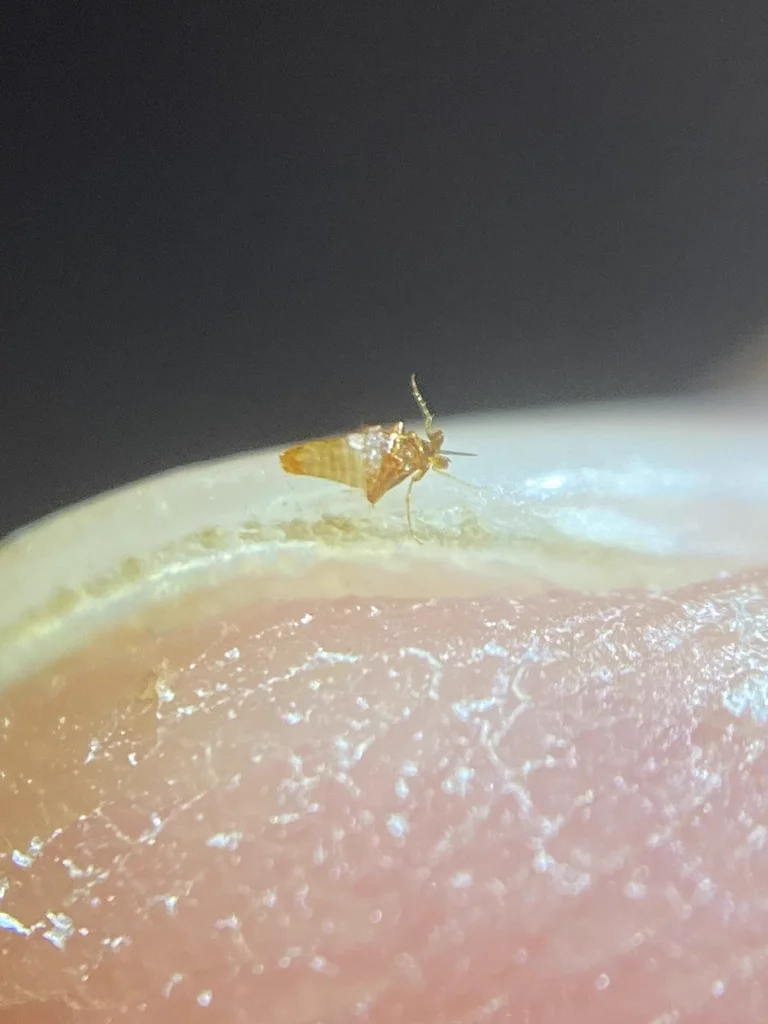
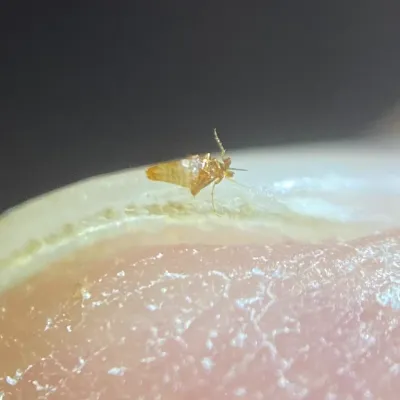
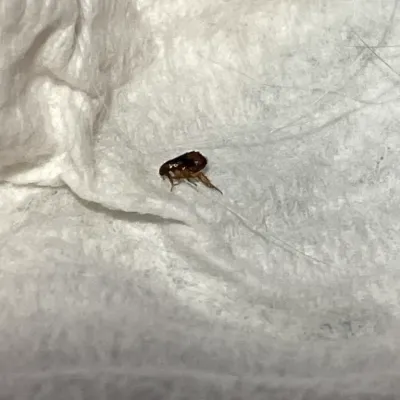
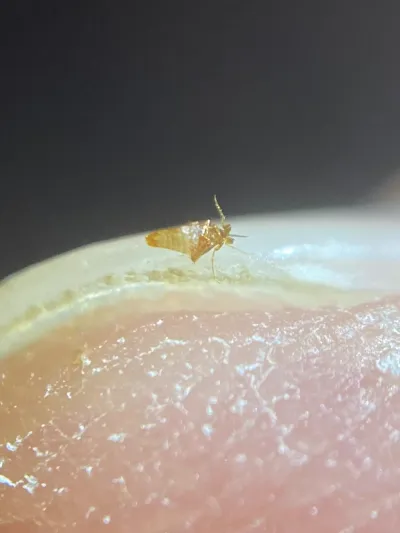
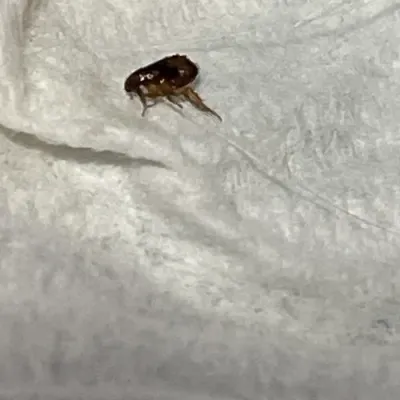
Ground squirrel fleas (Oropsylla montana) are small insects in the flea order Siphonaptera that measure 2 to 3 millimeters long. They do not have wings. Like all fleas, their bodies are flat from side to side. This shape helps them move through animal fur.
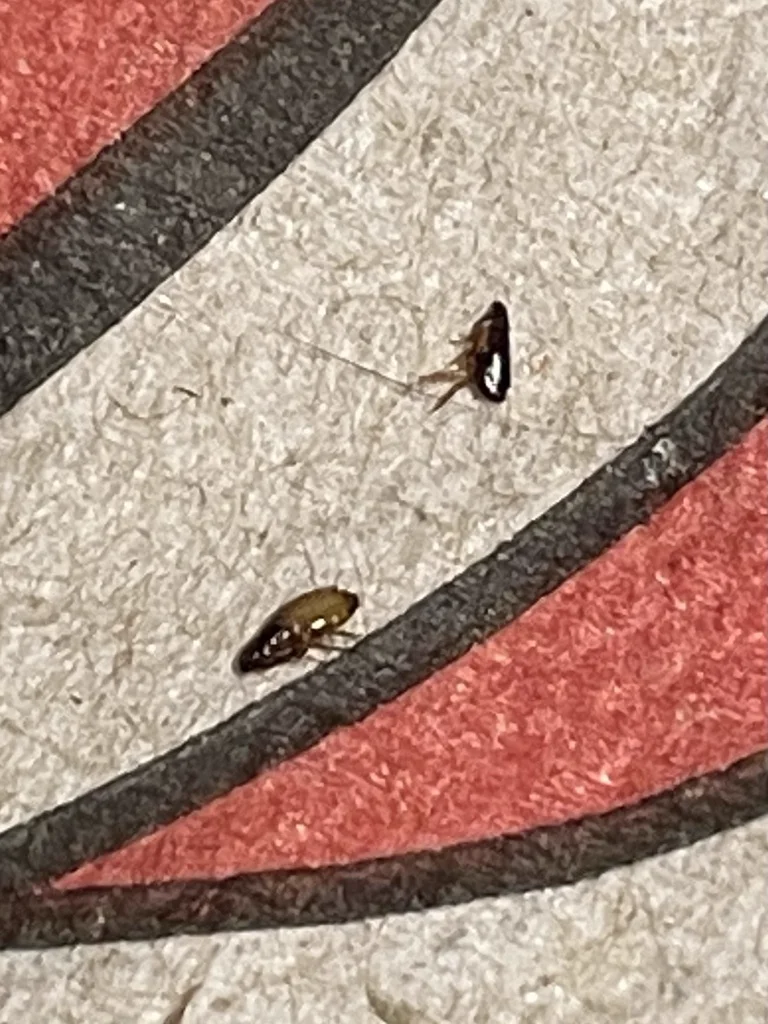
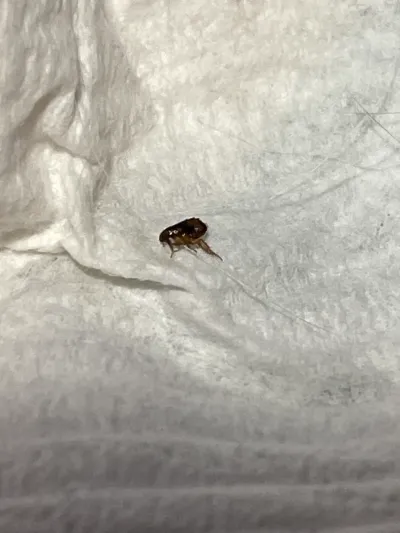
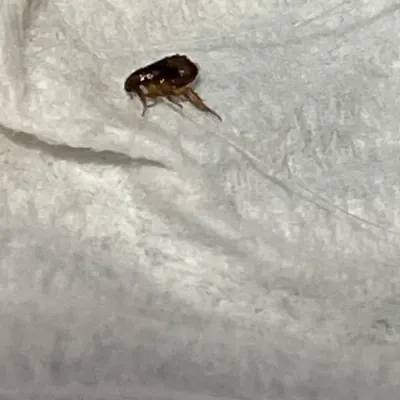
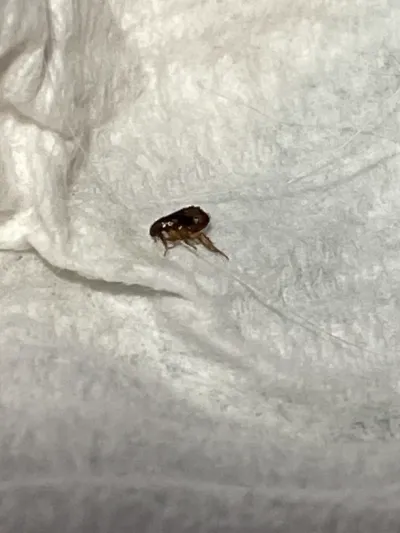
Adult ground squirrel fleas are dark brown. Their outer shell looks shiny and hard. Experts can tell this species apart by their long palps. These are sensory parts near the mouth. Males and females look different under a microscope. Males have a rounded clasper with certain bristle patterns. Females have different internal parts.
Ground squirrel fleas have strong back legs made for jumping. They can jump many times their body length to reach hosts. Their mouths are made for biting skin and drinking blood from rodents.
How to Tell Them Apart from Other Fleas
To the naked eye, ground squirrel fleas look like other flea species such as cat fleas and squirrel fleas. You need a microscope to see the real differences in bristle patterns.
For homeowners, the best clue is ground squirrel activity on your property. If you live in the western United States and see ground squirrel burrows nearby, fleas in that area are likely ground squirrel fleas.
Signs of Ground Squirrel Flea Activity
Watch for these signs that ground squirrel fleas are present:
- Ground squirrel burrows: Holes with mounded dirt in yards, fields, or along fence lines
- Flea bites after being outside: Small red, itchy bumps on ankles and legs after walking near burrows
- Pet scratching: Dogs or cats scratching after time in areas with ground squirrels
- Fleas near burrows: Tiny jumping insects seen around burrow openings
Ground Squirrel Flea Behavior and Biology
Life Cycle
Ground squirrel fleas have four life stages: egg, larva, pupa, and adult. Knowing this cycle helps explain why flea numbers grow in certain conditions.
Eggs are laid on the host animal but fall off into nesting areas inside burrows. A female flea can make hundreds of eggs in her lifetime. Eggs hatch in 2 to 14 days based on warmth and moisture.
Larvae are small, worm-like creatures that stay away from light. They do not drink blood. They eat debris and flea dirt (dried blood waste from adult fleas) found in burrows. This stage lasts 5 to 20 days.
Pupae spin cocoons where debris sticks to the outside for hiding. Inside, larvae turn into adults over 1 to 2 weeks. Pupae can stay dormant for many months while waiting for a host.
Adults come out when they sense warmth, movement, or breath from a host. They must drink blood within a few days to survive. Adults jump onto hosts to feed quickly and then jump off.
Host Preferences
Ground squirrel fleas feed mostly on ground squirrels. Their main hosts include: A related species, Oriental Rat Flea, shares similar characteristics.
- California ground squirrel (Otospermophilus beecheyi): The most common host
- Rock squirrel (Otospermophilus variegatus): Found in rocky areas of the Southwest
- Other ground squirrels: Many species across western North America
These fleas live mostly in ground squirrel burrows and nests. They rarely live on other rodents. When ground squirrels are not around, the fleas may bite other animals like humans and pets. But they do not do well on hosts that are not rodents.
Seasonal Patterns
Ground squirrel flea numbers change with the seasons. Studies show that flea counts are highest when it is cool, below 65 degrees. This means October through December and early spring.
During hot summer months, flea numbers drop a lot. You may find few or no ground squirrel fleas on hosts during the hottest parts of the year. This is different from cat fleas and dog fleas, which stay active all year in homes.
Health Concerns from Ground Squirrel Fleas
Plague Spread
Ground squirrel fleas are the main carrier of sylvatic plague (plague in wild animals) in the western United States. This is why they matter for health.
Oropsylla montana works with another flea species (Hoplopsyllus anomalus) and California ground squirrels to spread plague in the western states. A closely related species, the prairie dog flea, plays a similar role in spreading plague among prairie dog colonies. When ground squirrels get sick with Yersinia pestis (the plague germ), their fleas can pick up the germ during feeding. Then they can pass it to other animals or humans.
Plague spreads from fleas in two ways:
- Early spread: Fleas can pass germs the next time they feed after biting a sick animal
- Blockage spread: Germs form a plug in the flea’s gut. This causes the flea to spit germs into the bite
Ground squirrel fleas are the main plague carrier in North America. This is because they live so close to ground squirrel hosts.
Human Plague Risk
Human plague cases are rare in the United States. The CDC reports about 7 cases per year. Most cases happen in rural western states where ground squirrels and their fleas live.
Things that raise your risk of plague include:
- Living near or visiting areas with ground squirrel colonies
- Camping or hiking in areas where plague occurs
- Touching dead rodents
- Pets bringing sick fleas or rodents home
Plague symptoms include sudden fever, chills, headache, and swollen lymph nodes. Without treatment, plague can be deadly. With quick antibiotic treatment, most people recover.
Tularemia
Ground squirrel fleas may also spread tularemia. This is a bacterial illness caused by Francisella tularensis. Tularemia causes fever, skin sores, and swollen lymph nodes. Like plague, it gets better with antibiotic treatment when caught early.
Medical Disclaimer: This content is for learning only. It is not medical advice. See a doctor if you get a fever or other symptoms after being around fleas in ground squirrel areas.
Treatment Methods for Ground Squirrel Fleas
Ground squirrel flea control means dealing with both the fleas and the ground squirrels. Since these fleas rarely get into homes, treatment is different from normal home flea control.
Ground Squirrel Control
The first step is to reduce ground squirrel numbers on your property:
- Change the habitat: Remove brush piles, rock piles, and junk that give ground squirrels cover near buildings
- Treat burrows: Pest control pros can treat active burrows to cut both squirrel and flea numbers
- Block entry: Put up barriers to stop ground squirrels from living under structures
In areas where plague happens, do not touch dead ground squirrels. Call local health officials for help with disposal.
Outdoor Treatment
For yards with ongoing ground squirrel problems, outdoor flea treatments may help:
- Treat areas around known burrow systems
- Apply products to grassy areas where pets and people walk
- Focus on shaded spots where fleas last longer
Pet Protection
Keep dogs and cats on flea prevention products from your vet. This helps protect pets from ground squirrel fleas when they explore areas with ground squirrel activity. Check pets for fleas after they spend time near ground squirrel burrows.
Personal Protection
When hiking or working where ground squirrels live:
- Wear long pants tucked into socks
- Use bug spray with DEET on skin and clothes
- Stay away from ground squirrel burrows
- Do not feed or get close to wild ground squirrels
- Never touch dead rodents with bare hands
Prevention Tips
To prevent ground squirrel flea problems, limit contact with ground squirrels:
- Keep your yard clean: Mow grass and remove debris that draws ground squirrels
- Seal gaps: Stop ground squirrels from living under decks, sheds, or foundations
- Call the pros: For big ground squirrel problems, talk to pest control experts who know local rules
- Stay updated: In plague areas, follow local health alerts about ground squirrel activity and plague risk
- Guard your pets: Use flea prevention products and watch pets in areas with ground squirrels
References and Further Reading
Other Fleas
Explore other species in the fleas family
Commonly Confused With
Ground Squirrel Fleas are often mistaken for these similar pests
Where Ground Squirrel Fleas Are Found
Hover over states to see their names. Green regions indicate where ground squirrel fleas have been reported.
Common Questions about Ground Squirrel Fleas
Where are ground squirrel fleas found?
+
Ground squirrel fleas are found primarily in the western United States, including California, Oregon, Washington, Nevada, Utah, Colorado, Arizona, New Mexico, Wyoming, Montana, and Idaho. Their range follows that of their ground squirrel hosts.
Can ground squirrel fleas bite humans?
+
Yes, ground squirrel fleas can bite humans, though they prefer rodent hosts. Bites typically occur when people come into contact with areas where ground squirrels live, such as hiking trails, campgrounds, or rural properties with ground squirrel burrows.
Are ground squirrel fleas dangerous?
+
Ground squirrel fleas can transmit plague (Yersinia pestis) and tularemia. While human plague cases are rare in the United States, the risk is higher in plague-endemic areas of the West. Avoid contact with wild rodents and their burrows.
How do I know if I have ground squirrel fleas?
+
Ground squirrel flea problems are linked to ground squirrel activity on your property. Look for burrow systems in yards or fields, and watch for flea bites after spending time in areas where ground squirrels live. Without a microscope, they look similar to other flea species.
Do ground squirrel fleas infest homes?
+
Ground squirrel fleas rarely infest homes because they prefer to stay in or near ground squirrel burrows. However, they can enter homes on pets or if ground squirrels are living under structures. Indoor infestations are less common than with cat or dog fleas.
When are ground squirrel fleas most active?
+
Ground squirrel fleas are most abundant in cooler months, typically from October through March when temperatures are below 65 degrees Fahrenheit. Their numbers drop significantly during hot summer months.
Can my pets get ground squirrel fleas?
+
Yes, pets can pick up ground squirrel fleas if they explore areas with ground squirrel burrows or catch ground squirrels. Standard flea prevention products from your veterinarian also protect against ground squirrel fleas.
What should I do if I find a dead ground squirrel?
+
Do not touch dead ground squirrels with bare hands. They may have died from plague, and their fleas could transmit the disease. Contact local animal control or public health officials, especially in plague-endemic areas of the western United States.

With five years of hands-on experience in the pest control industry, George Schulz is a registered technician with the Virginia Pest Management Association and a proud third-generation professional in a family business that's been protecting homes for over 57 years. He manages and trains a team of service pros while also leading internal research efforts—recently spearheading a deep-dive review of thousands of documents on pest control materials to hand-pick the most kid and pet friendly, most effective solutions tailored specifically for homes in the DC metro area.