Chigoe Fleas Identification Guide
Tunga penetrans
Chigoe fleas are the smallest known flea species that burrow into the skin of hosts, causing a painful condition called tungiasis. Native to tropical regions, they are occasionally encountered by travelers returning from Central America, South America, the Caribbean, and sub-Saharan Africa.
Taxonomy
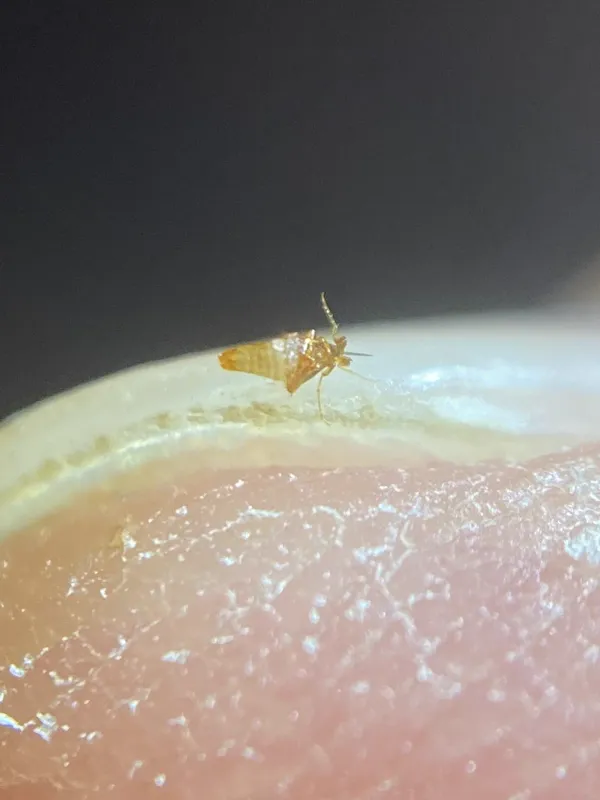
Chigoe Fleas Coloration
Common color patterns to help identify chigoe fleas
Chigoe Fleas
Seasonal Activity
When chigoe fleas are most active throughout the year

Where Chigoe Fleas Are Found
Hover over states to see their names. Green regions indicate where chigoe fleas have been reported.
Chigoe Flea Identification Guide
Physical Characteristics
Chigoe fleas are the smallest known flea species, measuring just 1 millimeter in length before feeding. Their tiny size makes them hard to see with the naked eye. Unlike other fleas that stay on the surface of hosts, chigoe fleas burrow into the skin.
Unfed chigoe fleas are tan to light brown in color. Their bodies have the typical flat shape of fleas, which helps them move through soil and onto hosts. Unlike many other fleas, they lack combs (rows of spines) on their bodies. Their heads are angled rather than rounded.
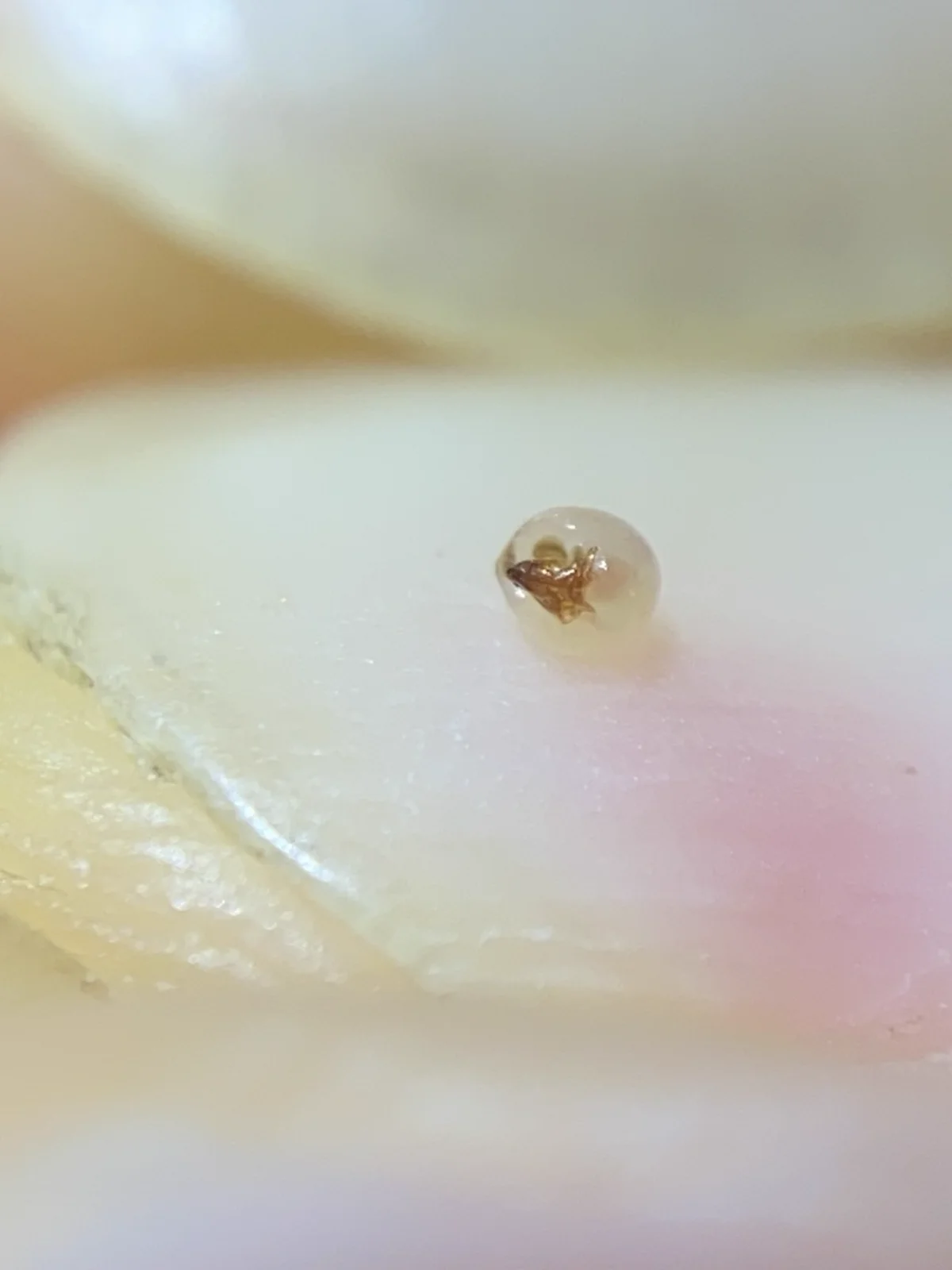
After a female burrows into skin and starts feeding, her body swells a lot. Within two weeks, she can grow up to 2000 times her starting size. Her belly turns white and round. A dark spot at the center marks the exposed rear end where she lets out eggs.
Despite their small size, chigoe fleas can jump well. They can leap up to 20 centimeters high. This helps them reach hosts walking on sandy ground. Both males and females feed on blood, but only females burrow into hosts.
Common Names
Chigoe fleas go by many regional names:
- Jigger flea: Common in Africa and parts of the Caribbean
- Sand flea: Used in tropical America (not to be confused with sand crabs)
- Nigua or chica: Spanish-speaking regions of Latin America
- Pico or bicho de pie: Brazil and Portuguese-speaking areas
- Puce chique: French-speaking Caribbean
- Suthi: Parts of sub-Saharan Africa
Signs of Chigoe Flea Bites
The signs of chigoe flea bites differ from other flea bites:
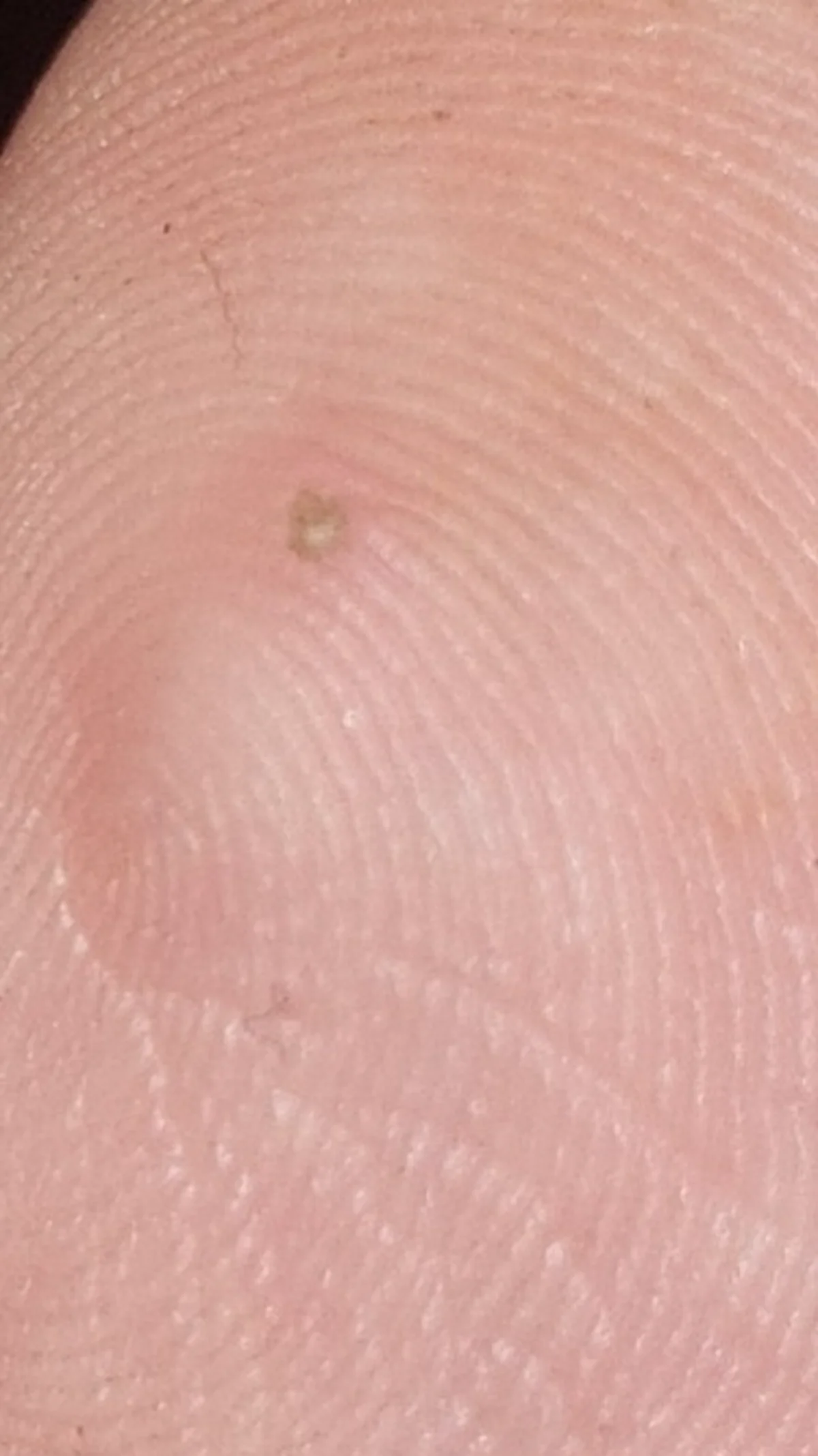
- White bump on skin: A raised white or yellow bump forms where the flea burrowed. This is usually on the feet, toes, or under toenails.
- Dark spot in center: The exposed rear end of the flea shows as a dark spot in the middle of the bump.
- Itching: Symptoms start mild but get worse as the flea grows.
- Pain when walking: Bumps on the bottom of feet cause pain with each step.
- Many bumps: Bad cases can have dozens of embedded fleas on both feet.
Chigoe Flea Behavior and Biology
Life Cycle
Chigoe fleas go through four life stages: egg, larva, pupa, and adult. The full cycle takes about one month in ideal conditions.
Eggs: The embedded female releases over 100 eggs through her exposed rear end. This takes one to two weeks. Eggs fall to the ground and hatch in 3 to 4 days if warm and humid.
Larvae: These emerge from eggs and live in sandy soil. They eat organic matter, not blood. This stage lasts about two weeks. Larvae like loose, dry soil on beaches, under buildings, and in animal shelters.
Pupae: These form when larvae spin cocoons in the soil. Inside, they change into adults over about two weeks. Pupae can stay dormant if conditions are not right.
Adults: Adults emerge ready to find hosts. Both males and females jump onto passing animals or humans to feed. Males feed on the surface like other fleas. Females mate, then burrow headfirst into the skin to develop and make eggs.
After letting out all her eggs, the female dies while still in the skin. Her body is slowly pushed out by the host over several weeks. This can leave lasting damage to the skin.
Burrowing Behavior
Female chigoe fleas have unique habits. After mating, a female finds a host and burrows headfirst into the skin. She usually targets soft skin on the feet, often around toenails, between toes, and on the soles.
Burrowing takes about 24 hours. At first, only her head is under the skin. Over the next two weeks, her belly swells as she feeds and makes eggs. Her rear end stays exposed to the air so she can breathe and let out eggs.
This burrowing causes the tungiasis lesion. The body’s defense creates a bump around the flea. The pressure from her swelling body can hurt and makes walking hard when bumps are on the bottom of feet. A related species, Oriental Rat Flea, shares similar characteristics.
Host Preferences A related species, Rabbit Fleas, shares similar characteristics.
Chigoe fleas feed on many warm-blooded animals:
- Humans: Those walking barefoot in areas where the fleas live
- Pigs: A major host in many regions
- Dogs and cats: Common hosts in tropical areas
- Cattle, sheep, and horses: Farm animals in affected areas
- Rats and mice: Hosts that spread fleas to new areas
- Wild animals: Including armadillos and other wildlife
Animals that carry the fleas make them hard to control. Even when human cases are treated, fleas keep spreading through animal groups.
Geographic Distribution
Chigoe fleas came from the tropical Americas. They live from Mexico through Central and South America to Argentina. They also occur in the Caribbean islands. The species spread to Africa in the late 1800s, likely on ships, and now lives across sub-Saharan Africa.
In the United States, chigoe fleas do not live in most states. Some cases occur in southern Florida and Texas. These are usually in travelers coming back from tropical regions. Hawaii may see cases from visitors from the Pacific.
The fleas thrive in areas with:
- Sandy or loose soil
- Warm temperatures year-round
- Moderate to high humidity
- Presence of animal hosts
Health Risks from Chigoe Fleas
Tungiasis
Tungiasis is the skin disease caused by chigoe flea bites. It can range from mild itching to severe problems. The outcome depends on how many fleas are embedded and whether infections develop.
Early tungiasis causes itching and mild discomfort where the flea burrowed. As the flea swells, a white bump forms. In bad cases, the feet can have dozens of these bumps at once. This makes walking hard and painful.
Severe tungiasis can cause lasting damage. Loss of toenails, bent toes, and skin changes are common in areas where people get bitten again and again throughout life.
Secondary Infections
The greatest health risk from chigoe fleas comes from bacterial infections. The wound from the embedded flea can become infected with:
- Staphylococcus: Causes skin infections around the wound
- Streptococcus: Can cause cellulitis and spread
- Clostridium tetani: The bacteria that causes tetanus
- Enterobacteriaceae: Gut bacteria from dirty environments
In areas with poor sanitation and limited healthcare, these infections can become deadly. Gangrene, blood poisoning, and tetanus still happen in affected regions.
At-Risk Populations
Certain groups face higher risk from chigoe fleas:
- Travelers: Those who walk barefoot on beaches in tropical regions
- People in poverty: Those living in homes with dirt or sand floors
- Children: Who often play barefoot outdoors
- Elderly people: Who may have trouble checking and caring for their feet
- People with diabetes: Who have reduced foot feeling and slower healing
Medical Disclaimer: This is for learning only and is not medical advice. If you think you have tungiasis, see a doctor right away. A healthcare professional can remove the flea properly and lower the risk of problems.
Treatment Methods for Chigoe Fleas
Chigoe flea problems need a different approach than typical flea issues. These fleas embed in skin rather than live in the home.
Medical Treatment
Treatment of tungiasis focuses on removing the embedded flea and stopping infection:
-
Surgical removal: Doctors use sterile needles or forceps to remove the whole flea and egg sac. They must enlarge the opening and pull out the swollen flea intact. If parts remain, swelling can continue.
-
Wound care: After removal, the wound is cleaned and treated with antibiotic cream. Keep the area clean and dry. Bandages protect the wound while it heals.
-
Tetanus prevention: Tungiasis wounds can get tetanus. Make sure your tetanus shot is current. Travelers to tropical areas should check their booster is up to date.
-
Topical treatments: Some products can kill embedded fleas without surgery. Studies show dimethicone-based treatments work well. But dead fleas must still be shed by the body.
Prevention Strategies
Stopping chigoe flea bites is easier than treating them:
-
Wear closed shoes: Sandals and bare feet let fleas burrow in. Closed-toe shoes with socks give good protection.
-
Use repellents: Coconut oil products on feet and ankles can stop fleas from attaching. Apply again after swimming or sweating.
-
Avoid risky areas: Sandy beaches, animal shelters, and loose soil near livestock have the most fleas.
-
Check feet daily: When in tropical areas, look at your feet each night for early signs of burrowing. Finding fleas early makes removal easier.
-
Choose good lodging: Hotels with concrete or tile floors have fewer fleas than places with dirt or sand floors.
Environmental Control
In affected areas, cutting chigoe flea numbers involves:
- Better housing: Sealing or paving floors removes flea habitat in homes.
- Treating animals: Treating pigs, dogs, and other animals for fleas cuts overall flea numbers.
- Insecticide use: Treating soil with approved products can lower flea counts in busy areas.
- Better sanitation: Regular cleaning and removing debris limits places where flea larvae grow.
Chigoe Fleas vs Similar Pests
Chigoe Fleas vs Chiggers
Despite similar names, these are completely different parasites:
| Feature | Chigoe Fleas | Chiggers |
|---|---|---|
| Type | True flea (insect) | Mite larvae (arachnid) |
| Behavior | Burrows into skin permanently | Attaches briefly, then drops off |
| Location | Tropical regions only | Found throughout North America |
| Target area | Usually feet and toes | Often ankles, waist, armpits |
| Lesion | White nodule with dark center | Intensely itchy red bump |
Chigoe Fleas vs Cat and Dog Fleas
Cat fleas and dog fleas cause different problems than chigoe fleas:
| Feature | Chigoe Fleas | Cat/Dog Fleas |
|---|---|---|
| Size | 1 mm | 1-3 mm |
| Behavior | Female burrows into skin | Stays on surface of host |
| Geographic range | Tropical only | Worldwide |
| Home infestations | Rare | Very common |
| Treatment | Medical extraction | Environmental pest control |
References and Further Reading
Other Fleas
Explore other species in the fleas family
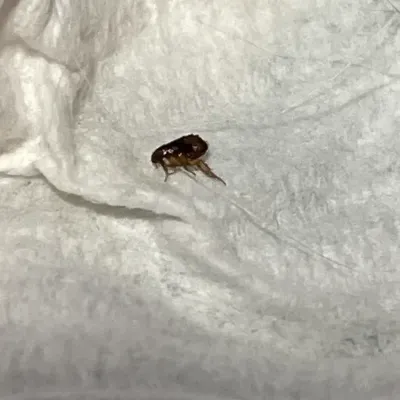
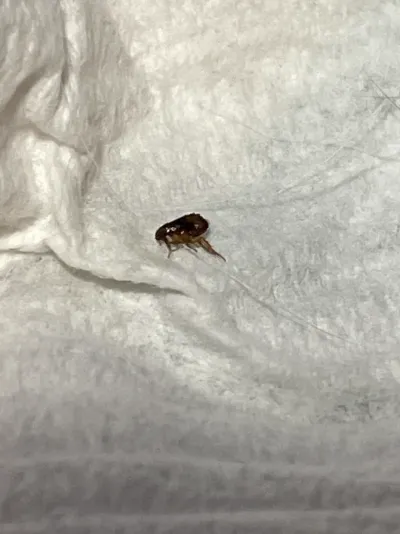
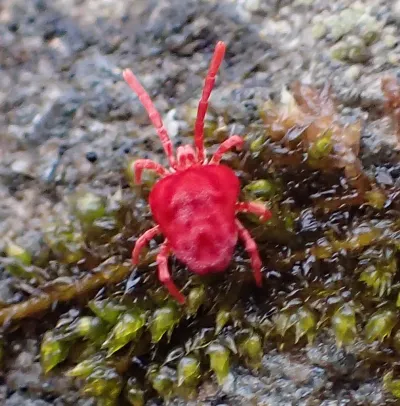
Commonly Confused With
Chigoe Fleas are often mistaken for these similar pests
Where Chigoe Fleas Are Found
Hover over states to see their names. Green regions indicate where chigoe fleas have been reported.
Common Questions about Chigoe Fleas
What is a chigoe flea?
+
A chigoe flea (Tunga penetrans) is a tiny parasitic flea that burrows into the skin of hosts, unlike other fleas that stay on the surface. Also called jigger fleas, sand fleas, or niguas, they cause a painful skin condition called tungiasis. They are found in tropical regions of Central and South America, the Caribbean, and Africa.
Are chigoe fleas the same as chiggers?
+
No, chigoe fleas and chiggers are completely different parasites. Chigoe fleas are true fleas that burrow into skin. Chiggers are the larvae of harvest mites that bite and detach. The similar names cause confusion, but they require different treatments and have different life cycles.
Where are chigoe fleas found?
+
Chigoe fleas live in tropical and subtropical regions including Mexico, Central America, South America, the Caribbean, and sub-Saharan Africa. They prefer sandy environments like beaches, farms, and areas with loose soil. They are not established in most of the United States.
How do chigoe fleas infest humans?
+
Female chigoe fleas burrow headfirst into the skin, usually on the feet, toes, or under toenails. The flea swells as it feeds and produces eggs, growing up to 2000 times its original size. After releasing eggs over 1-2 weeks, the flea dies and is slowly shed by the host.
What does a chigoe flea bite look like?
+
Unlike regular flea bites, chigoe fleas create a distinctive lesion. A white or yellowish nodule forms with a central dark spot where the flea's rear end is exposed. The lesion grows to about 1 centimeter in diameter. It is usually found on the feet and toes.
How do you treat a chigoe flea infestation?
+
Treatment involves careful surgical removal of the embedded flea using sterile instruments. This should be done by a healthcare professional to avoid complications. The area is then treated with antibiotics to prevent infection. Leaving the flea in place can lead to serious secondary infections.
Can chigoe fleas spread diseases?
+
Chigoe fleas themselves do not transmit diseases directly, but the wounds they create can become infected with bacteria including Staphylococcus, Streptococcus, and Clostridium tetani (tetanus). Secondary infections, including gangrene, are common complications in endemic areas.
How can I prevent chigoe flea bites while traveling?
+
Wear closed-toe shoes in endemic areas, especially on beaches and sandy soil. Apply coconut oil-based repellents to feet and ankles. Avoid walking barefoot in tropical regions. Stay in accommodations with sealed floors rather than dirt or sand floors.

With five years of hands-on experience in the pest control industry, George Schulz is a registered technician with the Virginia Pest Management Association and a proud third-generation professional in a family business that's been protecting homes for over 57 years. He manages and trains a team of service pros while also leading internal research efforts—recently spearheading a deep-dive review of thousands of documents on pest control materials to hand-pick the most kid and pet friendly, most effective solutions tailored specifically for homes in the DC metro area.