Bird Fleas Identification Guide
Ceratophyllidae family
Bird fleas are small parasitic insects that primarily infest wild birds, poultry, and their nests. When birds leave or nests are disturbed, these fleas can enter homes and bite humans in search of a blood meal.
Taxonomy
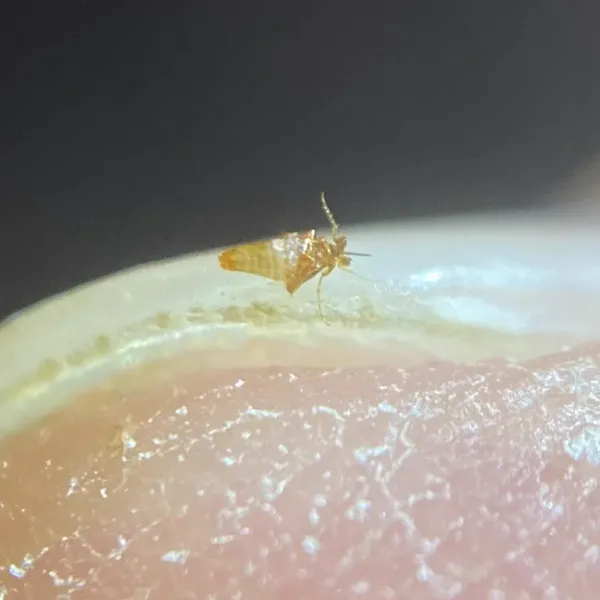
Bird Fleas Coloration
Common color patterns to help identify bird fleas
Bird Fleas
Seasonal Activity
When bird fleas are most active throughout the year
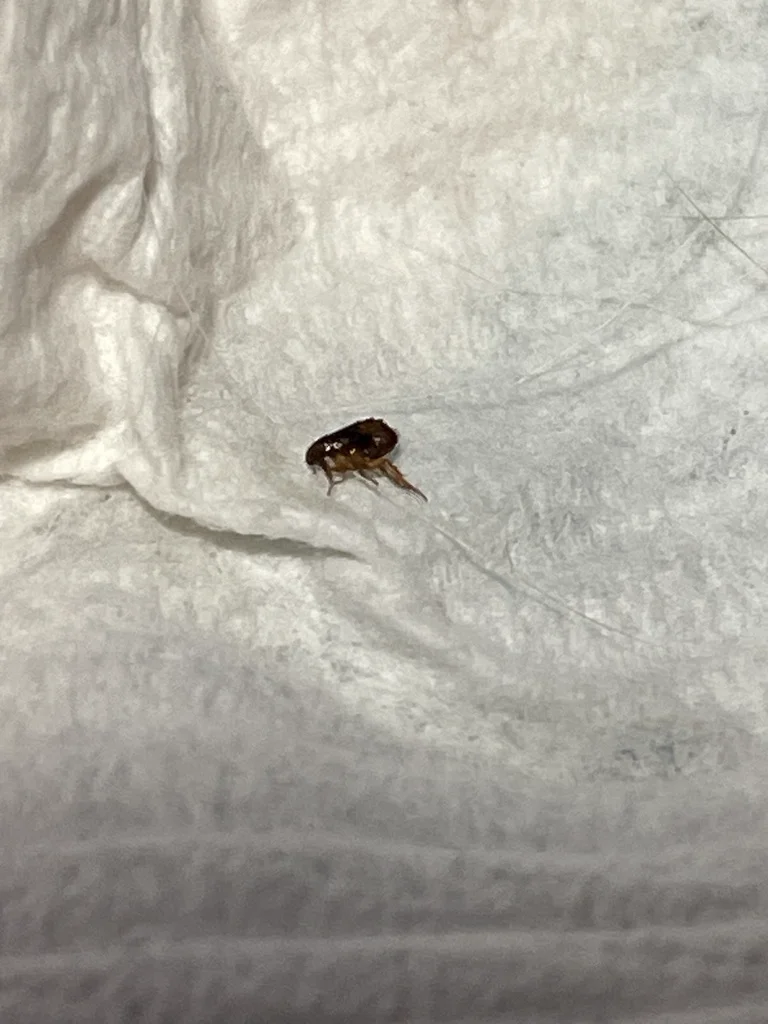
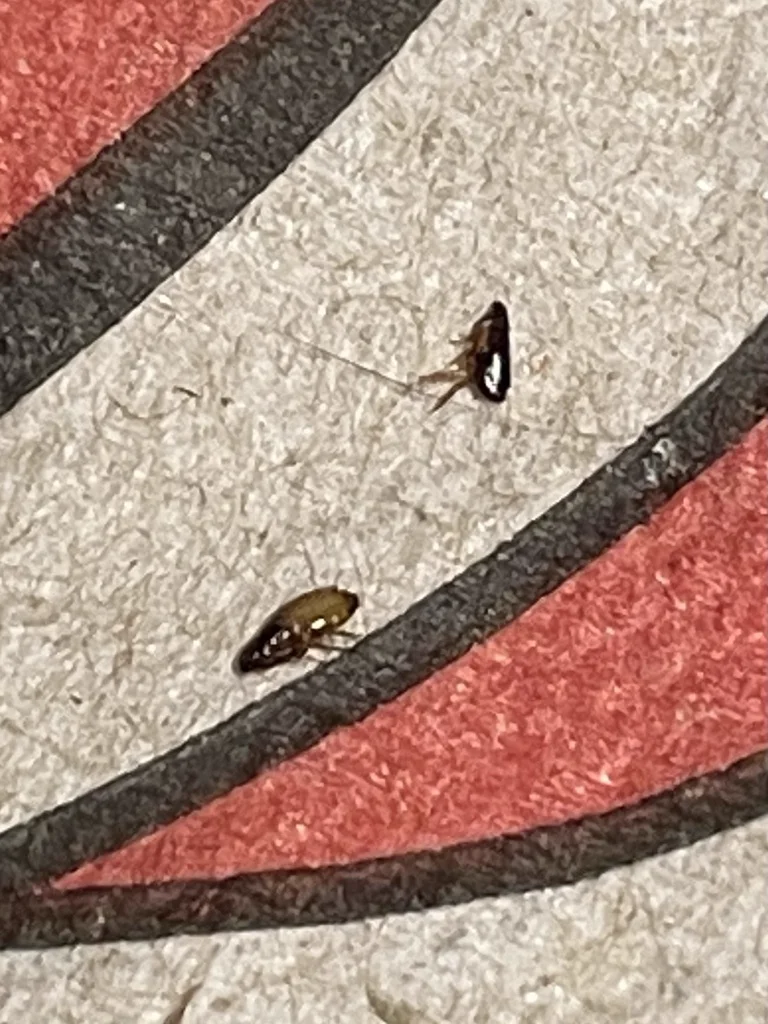

Where Bird Fleas Are Found
Hover over states to see their names. Green regions indicate where bird fleas have been reported.
Bird Flea Identification Guide
Physical Characteristics
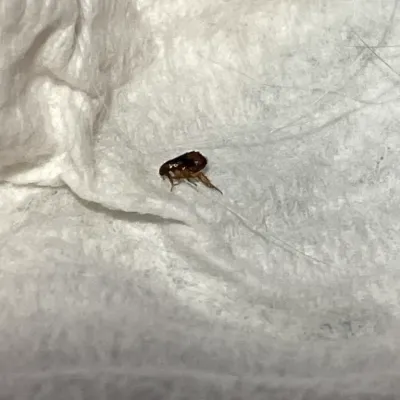
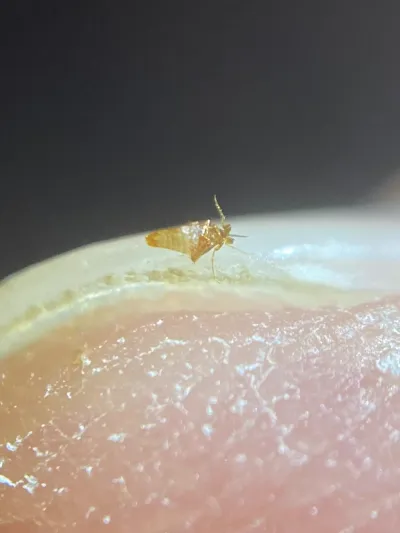
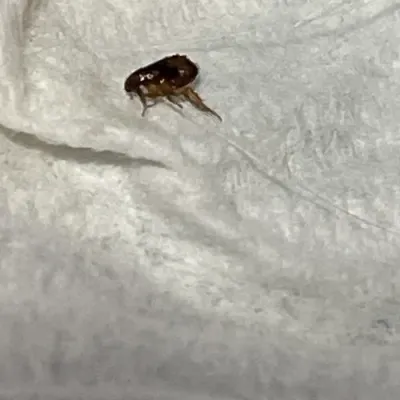
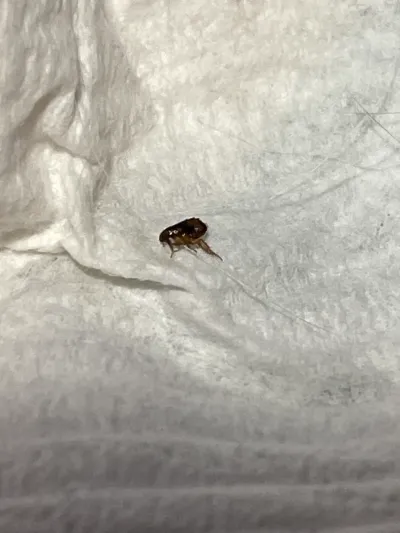
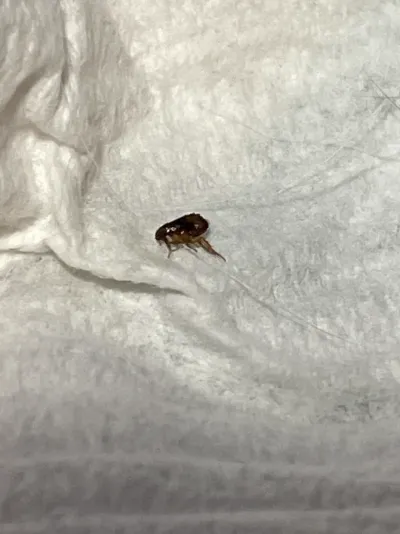
Bird fleas are small, wingless insects in the flea order Siphonaptera that measure 1.5 to 3 millimeters long. Like all fleas, their bodies are flat from side to side. This shape helps them move through feathers and nest material with ease.
Adult bird fleas range in color from light tan to dark reddish-brown. They appear darker after feeding on blood. Their hard outer shell has backward-pointing bristles and spines that help them grip their hosts and resist being dislodged during grooming.
Bird fleas have strong hind legs adapted for jumping. Though not as powerful as some other flea species, they can still jump considerable distances relative to their body size. Their mouthparts are designed for piercing skin and drawing blood. Most species have simple eyes rather than the compound eyes found in many other insects.
One key feature that sets bird fleas apart from common household fleas is the pronotal comb. This is a row of spines behind the head. Many bird flea species lack the genal comb found on cat fleas and dog fleas. You need a magnifying glass or microscope to see this difference.
Common Species in North America
Several bird flea species are found throughout North America:
-
European chicken flea (Ceratophyllus gallinae): The most widespread bird flea, also called the hen flea. It infests poultry and nearly 75 species of wild birds. Originally associated with tit species in Europe, it spread worldwide through domestic chickens. Learn more on our European chicken flea page.
-
Moorhen flea (Dasypsyllus gallinulae): Found on songbirds that build nests low to the ground. The subspecies D. gallinulae perpinnatus occurs along the western coast of the United States.
-
Western hen flea (Ceratophyllus niger): Found mainly along the Pacific coast of North America. It breeds in poultry droppings and behaves similarly to the European chicken flea.
-
Pigeon flea (Ceratophyllus columbae): Associated with pigeons and doves. This species can cause human infestations when feral pigeons nest on or near buildings.
Bird Flea Behavior and Biology
Nest-Dwelling Lifestyle
Unlike cat fleas that stay on their host continuously, bird fleas spend most of their time off the bird. They live in nesting material and only climb onto the host for short feeding periods. After taking a blood meal, they return to the nest to hide and digest.
This behavior is important for understanding why infestations continue even after birds leave. The fleas remain in the nesting material, waiting for hosts to return. When no birds come back, they may move into living spaces seeking alternative blood sources. A related species, Oriental Rat Flea, shares similar characteristics.
Life Cycle A related species, Rabbit Fleas, shares similar characteristics.
Bird fleas go through four life stages: egg, larva, pupa, and adult. Females lay eggs in nesting material, bedding, or cracks near where birds roost. The eggs are small and white. A related species, Northern Rat Flea, shares similar characteristics.
Larvae hatch within one to two weeks, depending on temperature and humidity. They are tiny, worm-like creatures that lack legs and eyes. Larvae do not feed on blood. Instead, they eat organic debris in the nest, including dried blood waste from adult fleas. This stage lasts several weeks with three molts.
After the larval stage, bird fleas spin silk cocoons and enter the pupal stage. Pupae can remain dormant for months in the cocoon. They wait for signals that a host is nearby before emerging. Rising temperatures, vibrations, and increased carbon dioxide levels trigger adult emergence.
Adults emerge ready to feed. Unlike some flea species, many bird fleas can mate without taking a blood meal first. This allows them to reproduce quickly when hosts return to the nest.
Seasonal Activity
Bird flea populations peak during spring and early summer when birds are actively nesting and raising young. Numbers can grow rapidly during this time. The largest nest infestation ever recorded contained over 5,700 fleas in a single coal tit nest.
In cooler months, fleas survive by hiding under bark, in cracks, or among leaf litter away from nests. They enter a dormant state and wait for warmer conditions.
Host Range
Bird fleas primarily parasitize wild birds that nest in dry cavities or semi-enclosed spaces. Common hosts include:
- Sparrows and house finches
- Starlings
- Swallows and martins
- Pigeons and doves
- Chickens and other poultry
- Tits and chickadees
- Wrens
While birds are the preferred hosts, bird fleas will bite humans and other mammals when desperate for a blood meal. They cannot complete their life cycle on human blood alone, but they will feed repeatedly if no other hosts are available.
Health Concerns
Bites and Allergic Reactions
Bird flea bites cause itchy, red welts similar to other flea bites. Some people develop allergic reactions to proteins in flea saliva. Symptoms can include intense itching, redness, swelling, and hives. Scratching bites can lead to secondary skin infections.
Bites typically appear on exposed skin, especially ankles, lower legs, and arms. If you are experiencing bites primarily on upper floors of your home or near attic access points, bird fleas may be the source.
Disease Transmission
Bird fleas can carry and transmit several pathogens:
-
Tularemia: A bacterial infection that causes fever, skin sores, and swollen glands. Spread to humans is rare but can happen.
-
Plague: Some bird flea species have been linked to plague bacteria. Spread to humans through bird fleas is very rare today.
Bird fleas pose a greater health threat to poultry than to humans. Heavy infestations can cause anemia in chickens, reduced egg production, restlessness, and weight loss. Young birds are especially vulnerable and may die from severe blood loss.
Medical Disclaimer: This information is for educational purposes only and is not medical advice. If you experience severe reactions to flea bites or signs of infection, consult a healthcare provider promptly.
Treatment Methods for Bird Fleas
Controlling bird fleas requires addressing both the fleas and their habitat. These fleas live primarily in nesting material rather than on hosts, so treatment must target the environment where they breed.
-
Source identification and nest removal: The first step is finding and removing the source. This usually means locating bird nests in attics, eaves, vents, chimneys, or other areas near the home. Once birds have left and the nest is inactive, remove it carefully and dispose of it in a sealed bag.
-
Area treatment: After nest removal, the area around it needs treatment. This kills any fleas, larvae, and pupae left behind. Products with insect growth regulators stop young fleas from growing into adults that can breed.
-
Entry point sealing: Stop future problems by sealing gaps where birds might nest. Put screens over vents, block access to attic spaces, and fix damaged boards around the roofline. This keeps birds from building new nests that could hold fleas.
-
Monitoring and follow-up: Flea pupae in cocoons can survive for months. Watch treated areas for several weeks after the first treatment. New adults may come out later, so you may need more treatments to fully break the life cycle.
-
Poultry management: For backyard chicken owners, maintaining clean coops is essential. Replace bedding and nesting material regularly. Inspect birds for signs of flea activity. Dust treatments approved for poultry can help control infestations.
References and Further Reading
Other Fleas
Explore other species in the fleas family
Commonly Confused With
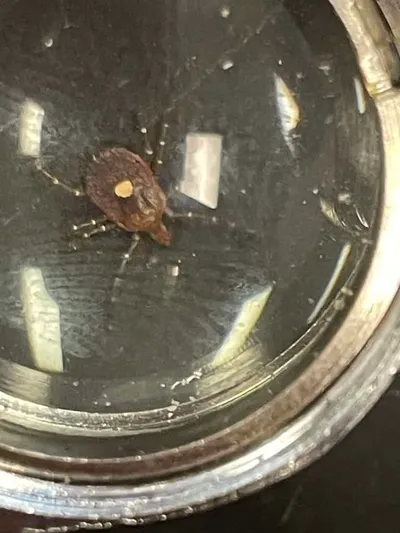
Bird Fleas are often mistaken for these similar pests
Where Bird Fleas Are Found
Hover over states to see their names. Green regions indicate where bird fleas have been reported.
Common Questions about Bird Fleas
How do bird fleas get into homes?
+
Bird fleas usually enter homes from nests built in attics, eaves, vents, or chimneys. When birds leave their nests or die, the hungry fleas search for new hosts. They can also come from abandoned nests of sparrows, starlings, swallows, or pigeons nesting near the house.
Can bird fleas bite humans?
+
Yes, bird fleas will bite humans when their preferred bird hosts are not available. The bites cause itchy, red welts similar to other flea bites. People living in homes with bird nests nearby or in attics are most at risk for bites.
How are bird fleas different from cat fleas?
+
Bird fleas belong to a different family (Ceratophyllidae) than cat fleas (Pulicidae). They prefer birds as hosts and spend most of their time in nesting material rather than on the host. Cat fleas stay on their hosts most of the time. Bird fleas have pronotal combs but often lack the genal combs found on cat fleas.
What health risks do bird fleas pose?
+
Bird fleas can transmit diseases including tularemia and, in rare cases, plague bacteria. Their bites may cause allergic reactions, itching, and skin irritation. Heavy infestations in poultry can cause anemia and even death in young birds.
Will bird fleas go away on their own after birds leave?
+
Not immediately. Bird flea pupae can survive in cocoons for several months waiting for a new host. They emerge when they detect warmth, vibrations, or carbon dioxide. This is why infestations often seem to appear suddenly weeks after birds have left a nest.
How can I prevent bird flea infestations?
+
Remove old bird nests from eaves, attics, and vents after nesting season ends. Seal entry points where birds might nest. Install screens over vents and block access to attic spaces. If you keep backyard chickens, maintain clean coops and inspect birds regularly for fleas.
How do I know if I have bird fleas versus other fleas?
+
The presence of bird nests nearby is the main indicator. Bird flea infestations typically start near attics, rooflines, or areas where birds nest. If you have no pets but are getting flea bites, especially in upper floors of your home, bird fleas may be the cause.

With five years of hands-on experience in the pest control industry, George Schulz is a registered technician with the Virginia Pest Management Association and a proud third-generation professional in a family business that's been protecting homes for over 57 years. He manages and trains a team of service pros while also leading internal research efforts—recently spearheading a deep-dive review of thousands of documents on pest control materials to hand-pick the most kid and pet friendly, most effective solutions tailored specifically for homes in the DC metro area.