Bat Fleas Identification Guide
Ischnopsyllidae
Bat fleas are specialized parasitic insects that live exclusively on bats. They belong to the family Ischnopsyllidae and are rarely found in homes unless bats have roosted in the structure.
Taxonomy
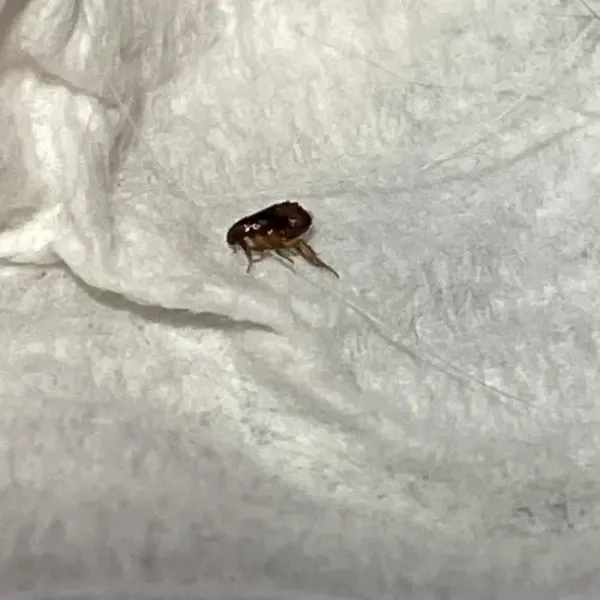
Bat Fleas Coloration
Common color patterns to help identify bat fleas
Bat Fleas
Seasonal Activity
When bat fleas are most active throughout the year
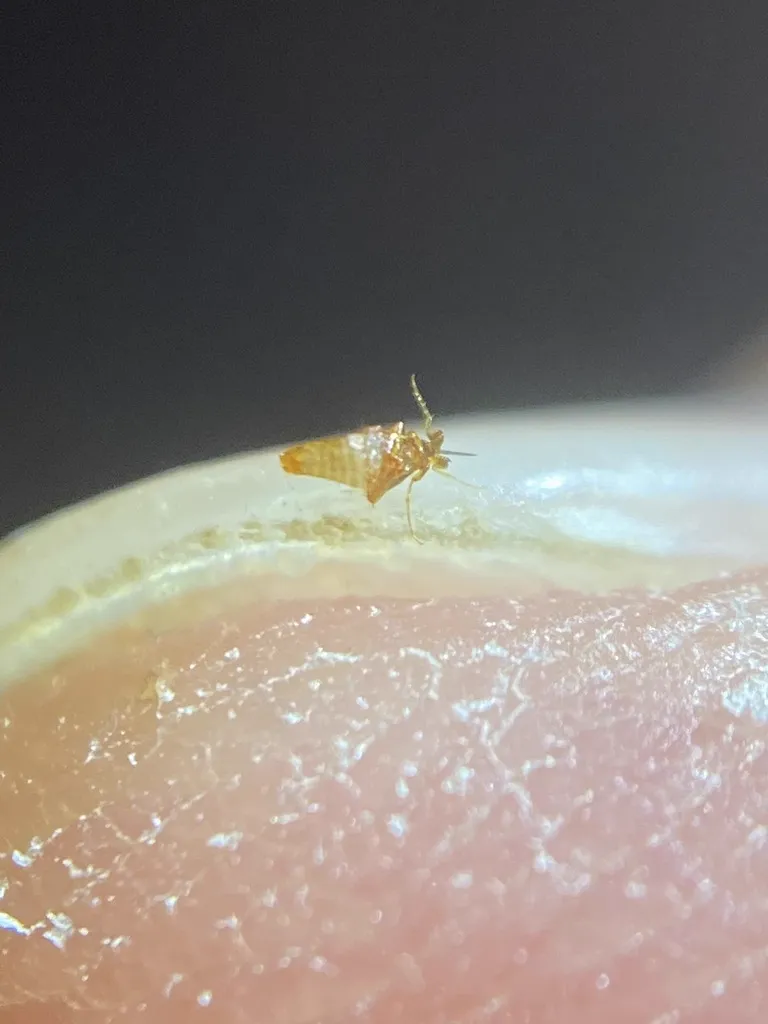
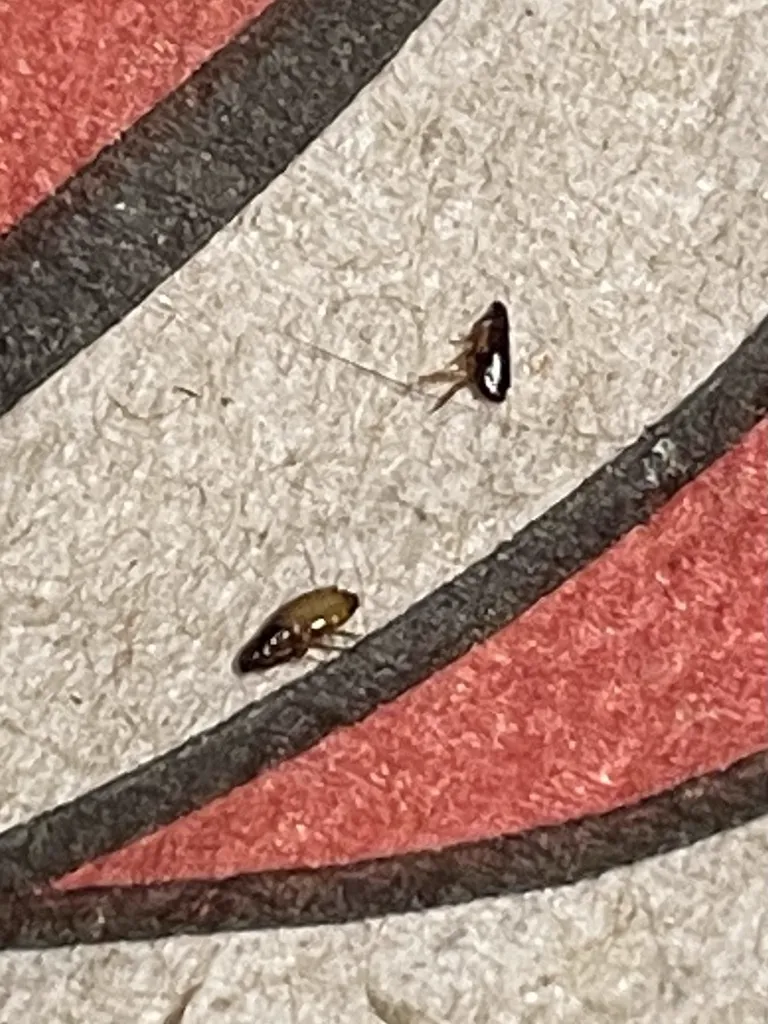

Where Bat Fleas Are Found
Hover over states to see their names. Green regions indicate where bat fleas have been reported.
Bat Flea Identification Guide
Physical Characteristics
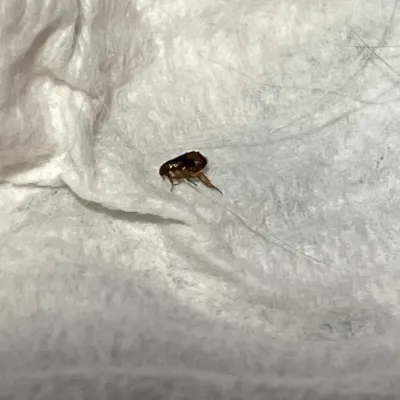
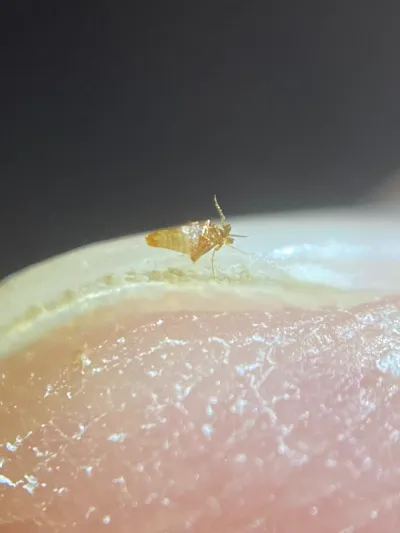
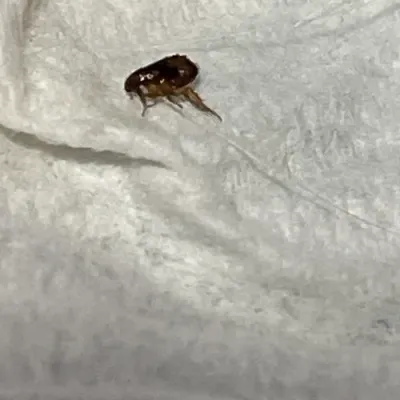
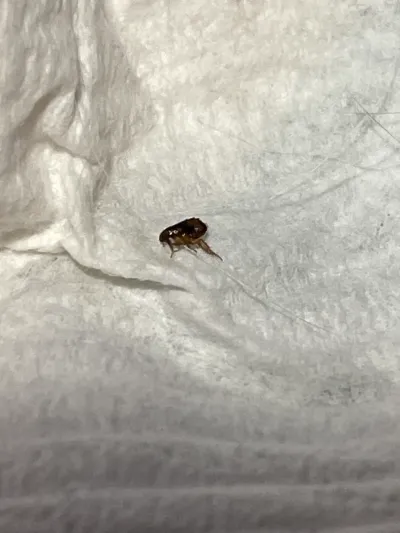
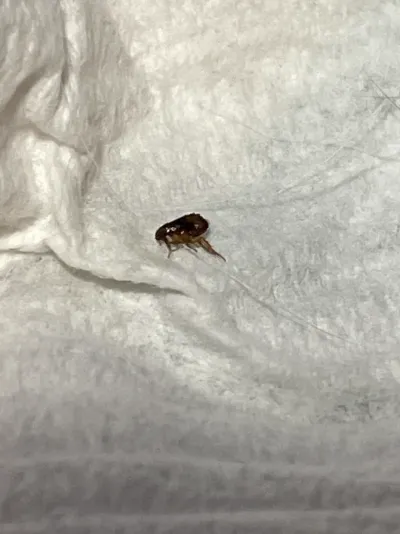
Bat fleas are small, wingless insects that measure 1 to 5 millimeters in length. Like all fleas, their bodies are flat from side to side. This shape helps them move through the fur of their bat hosts. Adult bat fleas are brown to dark reddish-brown in color.
Bat fleas have powerful hind legs built for jumping. They can leap significant distances relative to their tiny body size. This helps them move between roosting bats and find new hosts. Their bodies have backward-pointing bristles and spines that help them grip bat fur and resist grooming.
Bat fleas have mouthparts made for piercing skin and drinking blood. They have simple eyes, not the compound eyes found in many insects. Their antennae are short and tuck into grooves on their heads.
Without a microscope, bat fleas look similar to common cat or dog fleas. The main clue to their identity is their association with bats. If you find fleas in an area where bats have been roosting, they are likely bat fleas. For general information about all flea species, visit our main flea guide.
Common Species in North America
North America has 11 known species of bat fleas in 4 genera. All belong to the family Ischnopsyllidae. The most commonly encountered include:
-
Myodopsylla insignis: One of the most studied North American bat fleas. Found on little brown bats and other Myotis species across the eastern United States and Canada.
-
Myodopsylla gentilis: Found on various vesper bats in western North America.
-
Sternopsylla distincta: Parasitizes free-tailed bats (family Molossidae) in the southern United States.
-
Eptescopsylla chapini: Found on big brown bats and other species in eastern North America.
Most bat flea species prefer hosts from the bat family Vespertilionidae, which includes many common North American bats like little brown bats, big brown bats, and pipistrelles.
Bat Flea Behavior and Biology
Life Cycle
Bat fleas go through four life stages: egg, larva, pupa, and adult. Their life cycle is closely tied to bat roosting behavior.
Female bat fleas lay eggs on their bat hosts or in roosting areas. The small, oval eggs fall into the guano and debris that accumulates beneath bat roosts. Eggs hatch in about one to two weeks depending on temperature and humidity.
Larvae are small, worm-like creatures that lack legs. They do not feed on blood. Instead, they eat organic matter in the roost environment, including dried blood, guano, and other debris. The larval stage lasts several weeks.
After feeding, larvae spin silk cocoons and become pupae. Pupae can stay dormant for a long time. They hatch into adults when they sense warmth, movement, or the breath of a nearby host.
Adult bat fleas live on their bat hosts and feed on blood. They may spend their entire adult lives on a single bat or move between bats in a colony. Adults can live for several months under favorable conditions. A related species, Oriental Rat Flea, shares similar characteristics.
Host Associations A related species, Rabbit Fleas, shares similar characteristics.
Bat fleas only live on bats. They cannot survive long on other animals. Scientists believe bat fleas evolved alongside bats millions of years ago. A related species, Northern Rat Flea, shares similar characteristics.
Most bat flea species prefer certain bat types. Some mainly live on mouse-eared bats. Others target big brown bats or free-tailed bats. A related species, European Chicken Fleas, shares similar characteristics.
Bat fleas can bite humans or pets when bats are not around. But these bites are rare. Bat fleas cannot breed on people or pets. A related species, Squirrel Fleas, shares similar characteristics.
Seasonal Activity A related species, Mouse Fleas, shares similar characteristics.
Bat flea activity follows bat activity. Fleas are most active in warm months when bats are out and about. Many bats hibernate in winter. During this time, flea numbers drop.
Bat nursery colonies often have more fleas. These are areas where female bats gather to have their young. More bats in one place means more fleas.
Signs of Bat Flea Infestation
Bat flea problems in homes almost always indicate bat activity. Look for these signs:
-
Bat droppings (guano): Dark, pellet-shaped droppings that accumulate beneath roost sites. They often contain shiny insect parts and have a distinctive musty odor.
-
Urine stains: Yellowish-brown stains on walls, ceilings, or insulation near entry points.
-
Sounds: Squeaking, scratching, or rustling noises in attics or wall voids, especially at dusk when bats become active.
-
Visual sightings: Seeing bats entering or leaving the structure at twilight.
-
Flea activity: Finding jumping insects in areas connected to bat roosting sites, especially after bats have been removed or have left.
If you suspect bat fleas, inspect areas where bats may roost such as attics, chimneys, behind shutters, or in wall voids near vents.
Treatment Methods for Bat Fleas
Addressing bat flea infestations requires a two-part approach: dealing with the bat population and then treating for the fleas.
Bat Exclusion
The first step in bat flea control is bat exclusion. Bats are protected in many states because they eat insects. A licensed wildlife control expert should handle bat removal.
Exclusion typically involves:
- Identifying all entry points bats use to access the structure
- Installing one-way exclusion devices that allow bats to leave but not return
- Sealing entry points after all bats have departed
- Timing exclusion to avoid separating mothers from flightless young
Do not exclude bats during maternity season, typically May through August. Young bats cannot fly during this time. Trapping bats inside will not solve the problem and may break wildlife laws.
Flea Treatment
After bats are excluded, flea treatment can begin. Treatment methods that may be effective include:
-
Thorough cleaning: Removing guano and debris from old roosting areas gets rid of flea eggs, larvae, and pupae.
-
Vacuuming: Regular vacuuming of affected areas helps remove flea life stages from carpets and surfaces.
-
Insecticide application: Professional-grade products applied to former roosting areas and nearby living spaces can control adult and immature fleas.
-
Insect growth regulators: These products stop flea larvae from becoming adults, which breaks the breeding cycle.
Treatment may need to be repeated over several weeks to catch newly emerging adults as pupae continue to hatch.
Prevention
Preventing bat flea problems means preventing bat infestations:
- Seal gaps and cracks in the building exterior that could allow bat entry
- Install chimney caps and vent covers
- Repair damaged soffits, fascia, and roof edges
- Keep attic spaces well-ventilated but properly screened
Regular inspections can catch bat activity before large colonies establish.
Health Considerations
Bat fleas pose low health risks to humans. They prefer bat blood and do not spread major diseases to people. Bites may cause minor itching but are not a big concern for most people.
The bigger health concern from bat infestations is histoplasmosis. This is a fungal disease linked to bat guano. When cleaning up guano deposits, you should wear proper respiratory protection and follow correct cleanup protocols.
Medical Disclaimer: This information is for educational purposes only and is not medical advice. If you experience unusual reactions to insect bites or respiratory symptoms after exposure to bat droppings, consult a healthcare provider.
References and Further Reading
Other Fleas
Explore other species in the fleas family
Commonly Confused With
Bat Fleas are often mistaken for these similar pests
Where Bat Fleas Are Found
Hover over states to see their names. Green regions indicate where bat fleas have been reported.
Common Questions about Bat Fleas
Can bat fleas bite humans?
+
Bat fleas rarely bite humans. They are highly specialized parasites that prefer bats as hosts. However, if bats leave a roost in your home, hungry bat fleas may attempt to feed on people or pets until they find a suitable host or die off.
How do bat fleas get into homes?
+
Bat fleas enter homes when bats roost in attics, wall voids, chimneys, or other sheltered areas. The fleas live on the bats and in their roosting areas. If bats are removed or leave on their own, the fleas may spread into living spaces looking for new hosts.
How long can bat fleas survive without bats?
+
Adult bat fleas can survive several days to a few weeks without a blood meal. Pupae in cocoons can remain dormant for months waiting for a host. This is why bat flea problems can persist even after bats have been excluded from a structure.
Are bat fleas dangerous?
+
Bat fleas pose minimal direct health risks to humans. They prefer bat blood and do not transmit major diseases to people. However, their presence indicates a bat infestation that should be addressed by wildlife professionals.
How do I know if I have bat fleas?
+
Bat flea infestations are usually linked to bat activity. Look for signs of bats such as droppings (guano), urine stains, or squeaking sounds in attics or walls. If you find fleas after removing bats, they are likely bat fleas.
Will regular flea treatments work on bat fleas?
+
Standard flea treatments can help control bat fleas in living spaces. However, the key to solving a bat flea problem is addressing the bat infestation first. Without removing the bats, flea populations will continue to be replenished.
How are bat fleas different from cat or dog fleas?
+
Bat fleas belong to a different family (Ischnopsyllidae) than common pet fleas (Pulicidae). They are adapted to live on bats and have features suited to clinging to bat fur. Bat fleas rarely survive long on other hosts.

With five years of hands-on experience in the pest control industry, George Schulz is a registered technician with the Virginia Pest Management Association and a proud third-generation professional in a family business that's been protecting homes for over 57 years. He manages and trains a team of service pros while also leading internal research efforts—recently spearheading a deep-dive review of thousands of documents on pest control materials to hand-pick the most kid and pet friendly, most effective solutions tailored specifically for homes in the DC metro area.