Spotted Mediterranean Cockroach Identification Guide
Ectobius pallidus
The spotted Mediterranean cockroach is a small, pale outdoor cockroach native to Europe that has spread to parts of North America. Unlike pest cockroaches, it lives outdoors and rarely survives inside homes.
Taxonomy
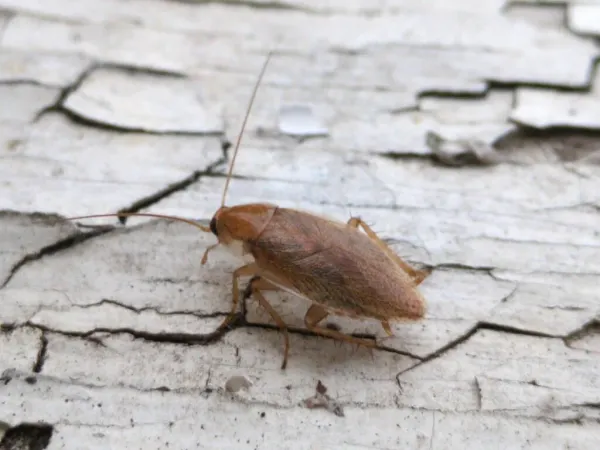
Spotted Mediterranean Cockroach Coloration
Common color patterns to help identify spotted mediterranean cockroach
Spotted Mediterranean Cockroach
Seasonal Activity
When spotted mediterranean cockroach are most active throughout the year
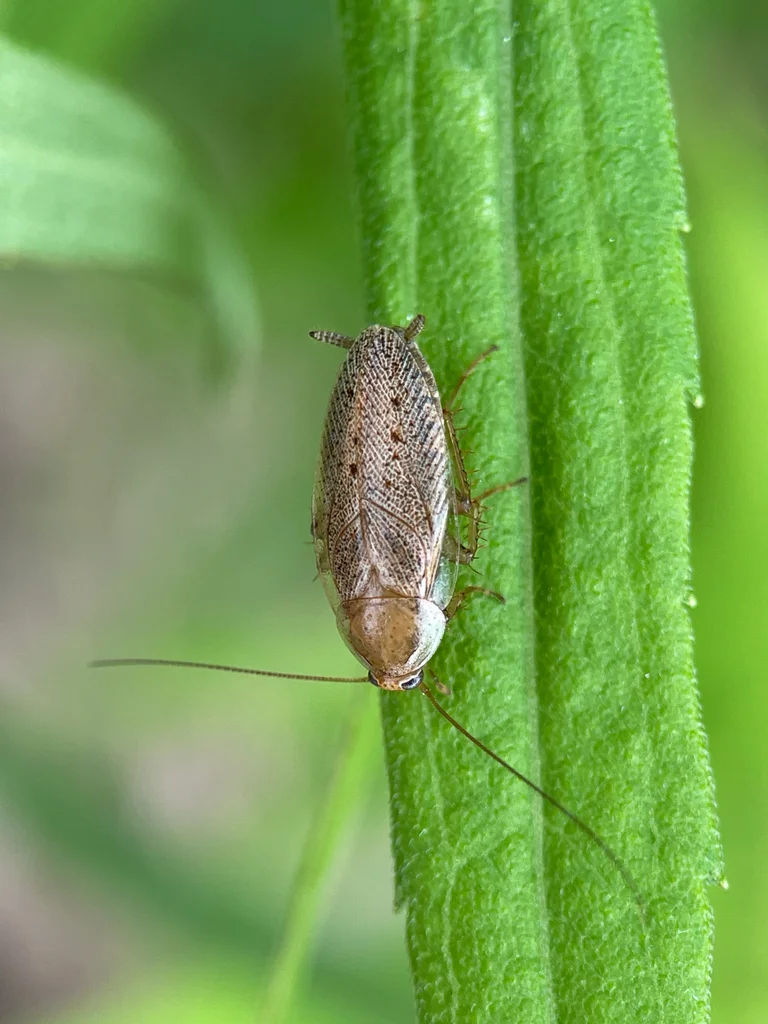
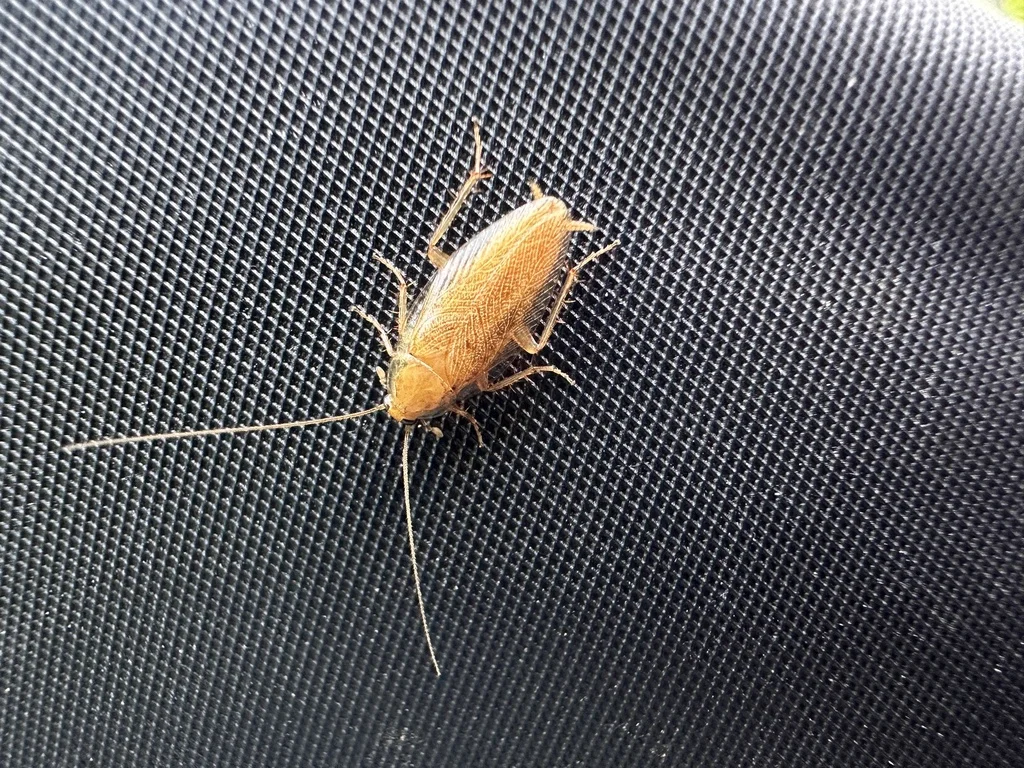
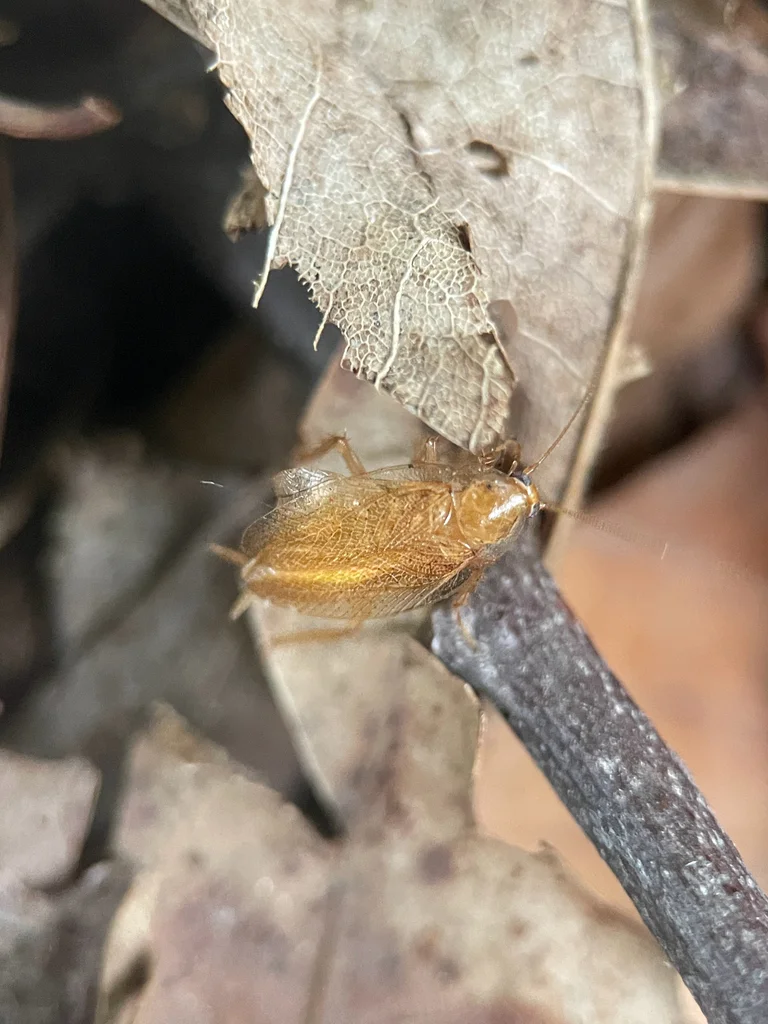

Where Spotted Mediterranean Cockroach Are Found
Hover over states to see their names. Green regions indicate where spotted mediterranean cockroach have been reported.
Spotted Mediterranean Cockroach Identification Guide
Physical Characteristics
The spotted Mediterranean cockroach is a small species. Adults measure about 9 to 15 millimeters long, roughly half the size of a German cockroach. Their bodies are pale tan to light brown with a slight yellowish tint.
The wings are the most recognizable feature. They have tiny dark speckles scattered across them. These spots are often hard to see without looking closely. The wings are fully developed in both males and females and extend past the tip of the abdomen. Both sexes can fly.
This species has long, thin antennae that are usually longer than its body. Like all cockroaches, it has six legs and a flattened oval body. The pronotum (the shield-like plate behind the head) is pale without the dark markings seen on German roaches.
Distinguishing From Pest Cockroaches
Many homeowners worry when they see a cockroach near their home. It helps to know which species you are dealing with. Here is how spotted Mediterranean cockroaches compare to common pest species:
-
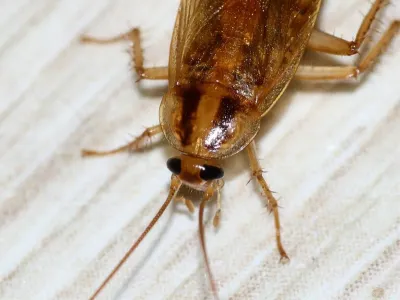
Versus German roaches: German roaches have two dark parallel stripes on their pronotum. Mediterranean roaches lack these stripes and are paler overall. German roaches hide in dark places indoors. Mediterranean roaches are active in daylight outdoors.
-
Versus Asian cockroaches: These two species look very similar. Both are small, pale, and fly well. Asian cockroaches are found mainly in the southeastern United States, while Mediterranean cockroaches are most common in the Northeast.
-
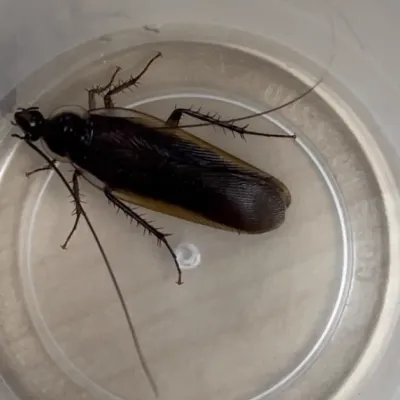
Versus Pennsylvania wood roaches: Pennsylvania wood roaches are larger and darker with cream-colored wing margins. Mediterranean roaches are smaller with speckled wings instead of bordered wings.
Spotted Mediterranean Cockroach Behavior and Biology
Habitat and Diet
Spotted Mediterranean cockroaches are outdoor insects. They live in grassy fields, meadows, woodland edges, and disturbed areas with good moisture. You can find them in leaf litter, under bark, in mulch, and around shrubs and flowers.
These cockroaches feed on decaying plant matter. They help break down dead leaves and other organic material. During the growing season, you may see them visiting flowers. They do not eat human food and do not survive in kitchens or pantries.
Lifecycle A related species, Brown-Banded Roaches, shares similar characteristics.
Like all cockroaches, the spotted Mediterranean species goes through three life stages: egg, nymph, and adult. Females lay egg cases (called oothecae) in protected outdoor spots during summer. A related species, Palmetto Bugs, shares similar characteristics.
Nymphs hatch and develop through several molts. Young nymphs are wingless and pale brown. They can survive cold weather by entering a state of torpor. They may freeze in place but revive when temperatures warm up. This cold tolerance helps them survive northern winters. A related species, American Roaches, shares similar characteristics.
Adults are most active from late spring through early fall. Peak activity happens during warm summer months when they fly and mate. A related species, Lobster Cockroaches, shares similar characteristics.
Attraction to Light A related species, Oriental Roaches, shares similar characteristics.
Unlike most cockroaches, spotted Mediterranean cockroaches do not avoid light. They are active during the day and drawn to lights at night. This behavior is the main reason they end up inside homes.
On warm summer evenings, these roaches fly toward porch lights, windows, and outdoor fixtures. They may land on doors and slip inside when people enter. Once indoors, they wander aimlessly because they are not looking for food or shelter.
Distribution in North America
The spotted Mediterranean cockroach first arrived in North America in 1948. Scientists found it on Cape Cod, Massachusetts. For decades, it stayed limited to Massachusetts and southeast Michigan.
Starting around 2019, the species began spreading more rapidly. It has expanded along the East Coast as far south as Virginia and westward into the Great Lakes states. Scientists believe this spread may be linked to changes in behavior or climate.
This cockroach prefers suburban areas with yards, gardens, and some tree cover. It is rarely found in dense urban centers or heavily forested areas. If you live in the northeastern United States and have a yard with flowers and mulch, you may see this species.
Why They Enter Homes
Spotted Mediterranean cockroaches do not seek out human dwellings. They enter homes accidentally because of two main factors:
Lights at night: Flying adults are drawn to illuminated windows and doors. They land on lit surfaces and may slip through gaps when doors open.
Accidental transport: These roaches may hitchhike indoors on potted plants, firewood, or garden items brought inside from yards.
Once inside, Mediterranean cockroaches do not hide in cracks or seek out dark places. They may walk openly across walls, floors, or furniture. This behavior often alarms homeowners, but it actually shows the roach is lost and will not survive.
Indoor air is too dry for this species. Without the humidity of their outdoor habitat, they dehydrate within a few days. They cannot breed indoors and do not infest homes.
Prevention and Management
Since spotted Mediterranean cockroaches die quickly indoors, the goal is simply to keep them from entering:
-
Manage outdoor lighting: Turn off porch lights during summer evenings or switch to yellow bug lights that attract fewer insects.
-
Seal entry points: Caulk gaps around doors, windows, and utility lines. Install door sweeps and repair damaged weather stripping. Check window and door screens for tears.
-
Reduce habitat near the home: Clear leaf litter, fallen branches, and dense vegetation from around your foundation. Keep mulch at least 12 inches from exterior walls.
-
Inspect items before bringing them inside: Check potted plants, firewood, and outdoor furniture for hitchhiking roaches before carrying them indoors.
Treatment Approaches
In most cases, no treatment is needed for spotted Mediterranean cockroaches. A few roaches wandering indoors during summer is normal in areas where this species lives.
If large numbers are getting inside, perimeter treatments around doors and windows can reduce entry. Outdoor barrier sprays may also help during peak flight season.
The key step is to correctly identify the species. If you see cockroaches in your kitchen, bathrooms, or near food, you may have German roaches or another pest species that requires professional treatment. Mediterranean cockroaches found in living rooms or near windows are usually just lost visitors that need no action.
References
- Michigan State University Extension. “Spotted Mediterranean Cockroaches.” https://www.canr.msu.edu/news/spotted_mediterranean_cockroaches
- Cornell University Think IPM Blog. “Can a Cockroach Be Cute? Meet the Tawny Field Cockroach.” https://blogs.cornell.edu/nysipm/2023/05/22/can-a-cockroach-be-cute-meet-the-tawny-field-cockroach/
- BugGuide. “Species Ectobius pallidus - Spotted Mediterranean Cockroach.” https://bugguide.net/node/view/148079
- iNaturalist. “Tawny Cockroach (Ectobius pallidus).” https://www.inaturalist.org/taxa/130139-Ectobius-pallidus
Other Cockroaches
Explore other species in the cockroaches family
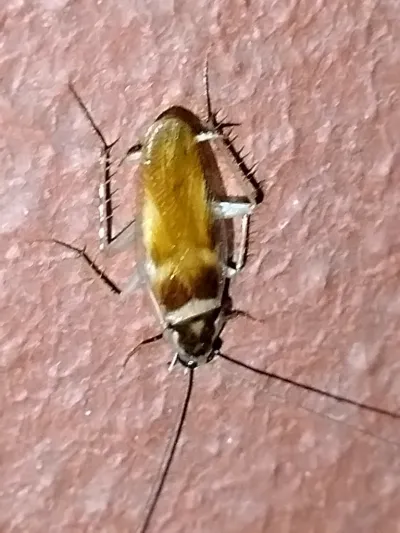
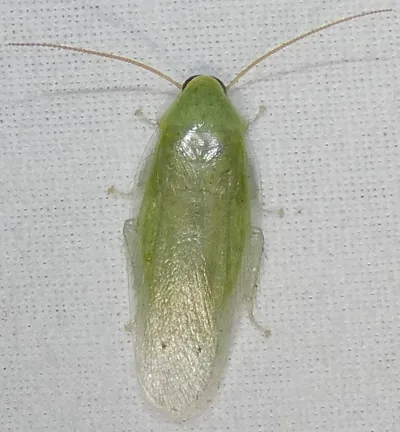
Commonly Confused With
Spotted Mediterranean Cockroach are often mistaken for these similar pests
Where Spotted Mediterranean Cockroach Are Found
Hover over states to see their names. Green regions indicate where spotted mediterranean cockroach have been reported.
Common Questions about Spotted Mediterranean Cockroach
Are spotted Mediterranean cockroaches the same as German cockroaches?
+
No. Spotted Mediterranean cockroaches are smaller and lighter in color than German roaches. They also lack the two dark stripes on the pronotum that German roaches have. Most importantly, Mediterranean cockroaches live outdoors and cannot infest homes like German roaches do.
Can spotted Mediterranean cockroaches infest my house?
+
No. These cockroaches are outdoor insects that cannot survive or reproduce indoors. They sometimes enter homes by accident when attracted to lights at night, but they quickly die without the humidity they need from outdoor environments.
Why am I seeing small tan cockroaches outside my home?
+
If you live in the northeastern United States and see small, pale tan roaches outdoors during summer, they are likely spotted Mediterranean cockroaches. These roaches are common in yards, gardens, and near woodlands. They are not a sign of a pest problem.
Are spotted Mediterranean cockroaches harmful?
+
No. Unlike pest cockroaches, Mediterranean cockroaches do not spread disease or contaminate food. They spend their lives outdoors feeding on decaying plant matter and help recycle nutrients in the environment.
How do I keep Mediterranean cockroaches out of my house?
+
Turn off outdoor lights at night during summer or switch to yellow bug lights. Seal gaps around doors, windows, and the foundation. Make sure window screens are in good condition. Remove leaf litter and debris from around your foundation.
Do spotted Mediterranean cockroaches fly?
+
Yes. Both males and females can fly. They are most active on warm summer evenings and are often attracted to porch lights and lit windows. This is when they are most likely to accidentally enter homes.
Where did spotted Mediterranean cockroaches come from?
+
This species is native to southern Britain, France, and Western Europe. It was first found in North America in 1948 on Cape Cod, Massachusetts. Since then, it has spread along the East Coast and into the Great Lakes region.

With five years of hands-on experience in the pest control industry, George Schulz is a registered technician with the Virginia Pest Management Association and a proud third-generation professional in a family business that's been protecting homes for over 57 years. He manages and trains a team of service pros while also leading internal research efforts—recently spearheading a deep-dive review of thousands of documents on pest control materials to hand-pick the most kid and pet friendly, most effective solutions tailored specifically for homes in the DC metro area.