Cuban Cockroaches Identification Guide
Panchlora nivea
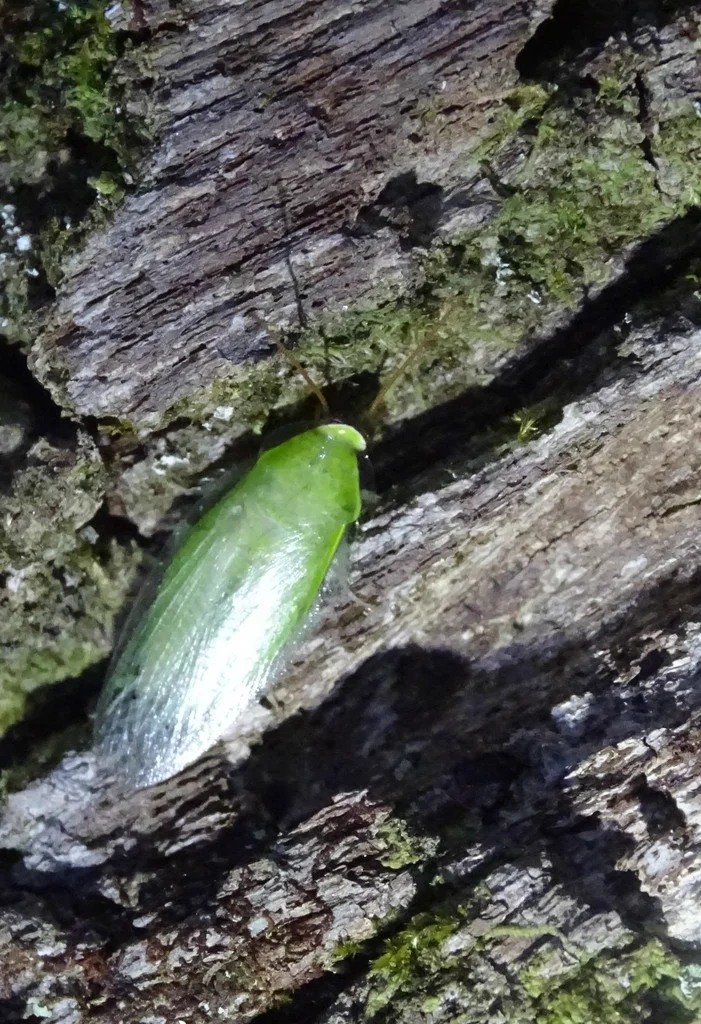
Cuban cockroaches are bright green, flying cockroaches also known as green banana roaches. They are primarily outdoor pests attracted to lights at night and rarely infest homes. Native to the Caribbean, they are now found throughout the Gulf Coast region.
Taxonomy
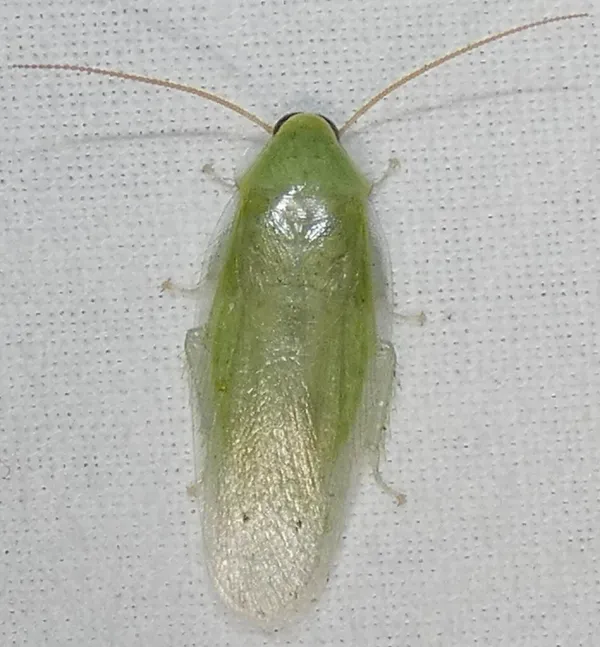
Cuban Cockroaches Coloration
Common color patterns to help identify cuban cockroaches
Cuban Cockroaches
Seasonal Activity
When cuban cockroaches are most active throughout the year
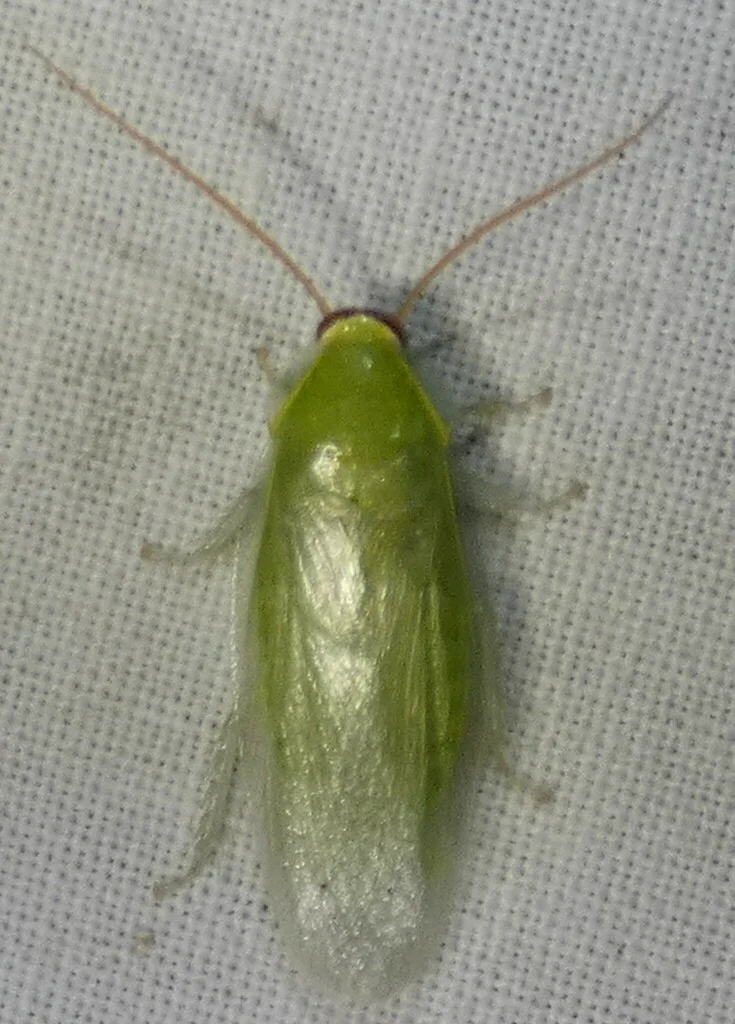
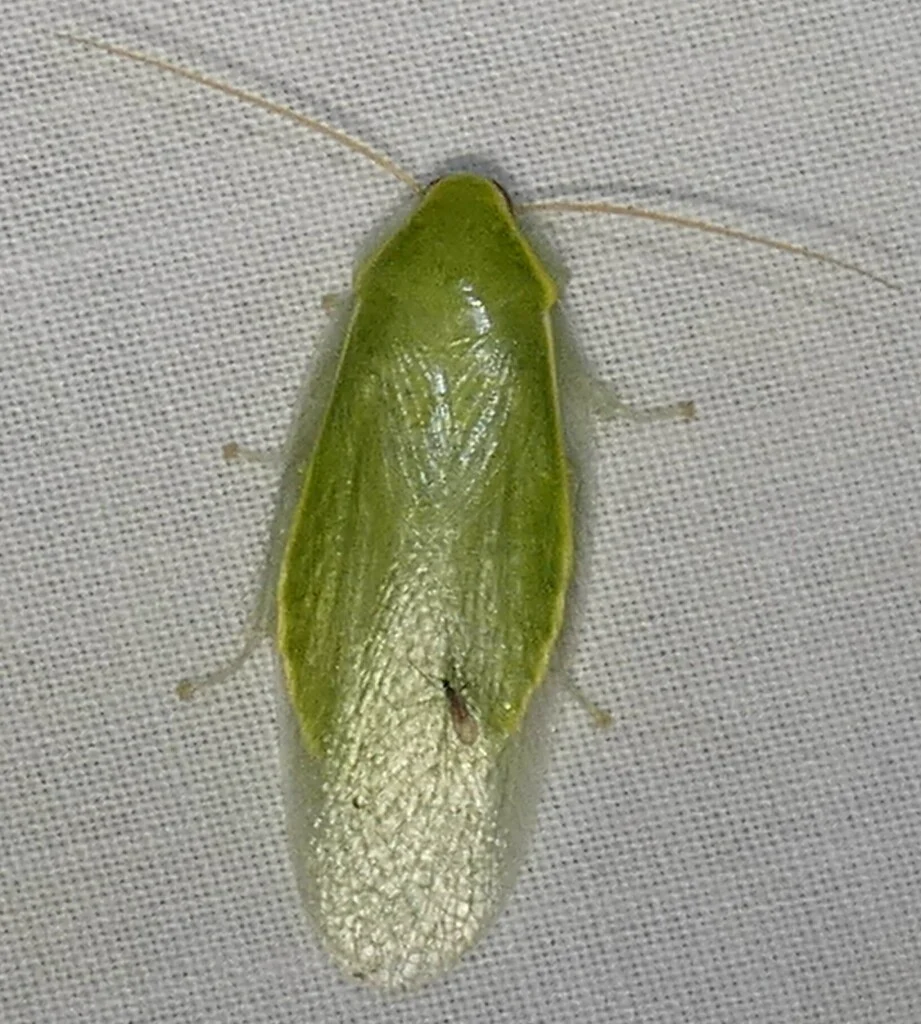
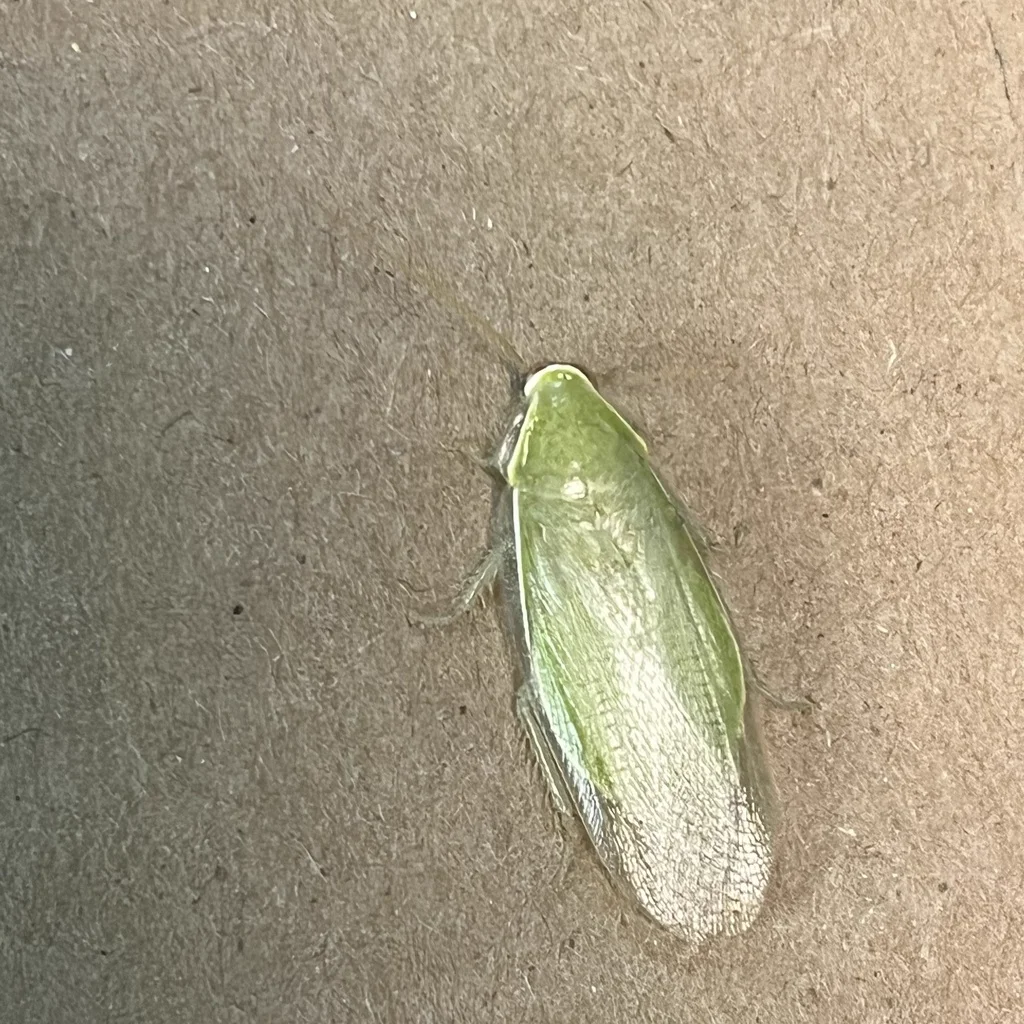

Where Cuban Cockroaches Are Found
Hover over states to see their names. Green regions indicate where cuban cockroaches have been reported.
Cuban Cockroach Identification Guide
Physical Characteristics
Cuban cockroaches stand out from other roaches because of their bright green color. Adults range from pale green to yellowish-green. Some look almost white. This is why their scientific name, Panchlora nivea, means “snowy.” They are also called green banana roaches because they may have arrived in the U.S. on banana shipments.
Adult Cuban cockroaches measure between half an inch and one inch long. Females are larger, reaching up to 24 mm. Males are smaller at 12 to 15 mm. Both have long antennae and fully developed wings. A yellow line often runs along the sides of their bodies.
Unlike most roaches, Cuban cockroaches are strong fliers. Both males and females fly well. They are most active at night and are drawn to bright lights.
How to Tell Cuban Cockroaches Apart from Similar Species
The green color makes Cuban cockroaches easy to identify. No other common household cockroach is bright green. However, you might confuse them with other pests.
Key differences from similar species:
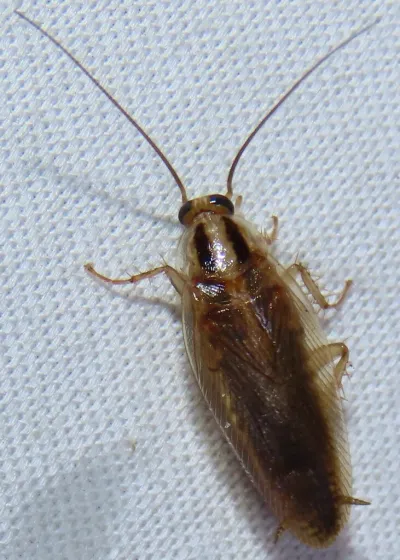
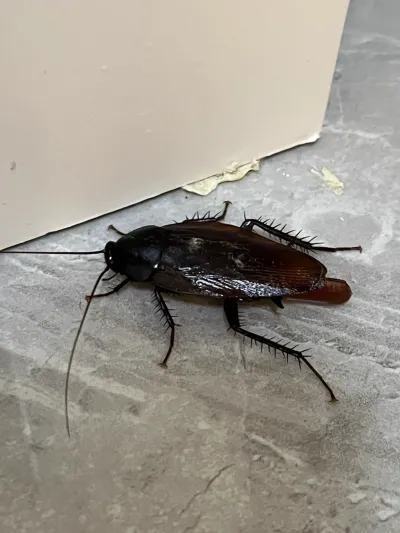
- Pennsylvania wood roaches: These roaches are brown, not green. Males are similar fliers that come to lights, but they lack the green color.
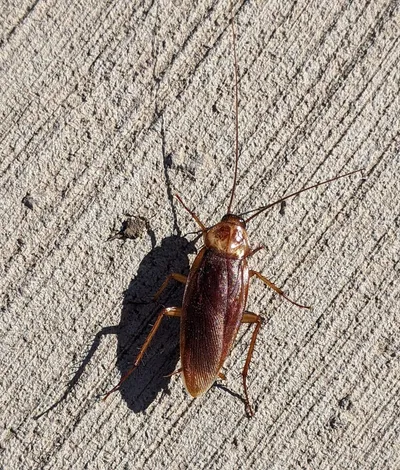
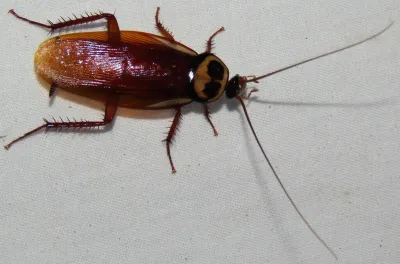
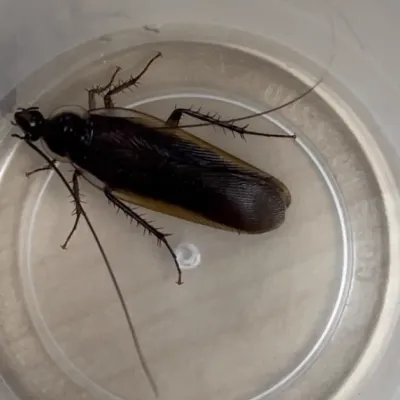
- Smokybrown roaches: Smokybrown roaches are dark mahogany-brown and much larger. They also fly to lights at night.
- Katydids: These green insects look like grasshoppers, not roaches. They have longer back legs for jumping.
Cuban cockroach nymphs look nothing like adults. Young roaches are dark brown or black. They burrow in soil and do not fly. Only after maturing do they develop their green color.
Cuban Cockroach Behavior and Biology
Habitat Preferences
Cuban cockroaches live outdoors. They prefer warm, humid places with lots of plants. You will find them in:
- Palm trees and tropical plants
- Dense shrubs and hedges
- Leaf litter and ground cover
- Mulch beds and compost piles
- Tree holes and bark crevices
- Greenhouses and garden sheds A related species, Brown-Banded Roaches, shares similar characteristics.
These roaches came from Cuba and the Caribbean. They spread to the U.S. Gulf Coast, likely in banana shipments or as escaped pets. They are now common from Florida to Texas. They cannot survive cold winters, so they stay in southern states. A related species, Palmetto Bugs, shares similar characteristics.
Unlike German roaches or American roaches, Cuban cockroaches do not want to live in your home. They do not breed indoors. When you find one inside, it flew in by accident.
Diet and Feeding Habits
Cuban cockroaches eat plant material. They feed on:
- Rotting fruit and vegetables
- Decaying leaves and plant matter
- Dead insects
- Food scraps and garbage
- Paper products
They are scavengers that eat whatever organic material they can find. They come out at night to search for food.
Reproduction and Lifecycle
Female Cuban cockroaches keep their egg cases inside their bodies. This is different from most roaches that drop or glue their egg cases somewhere. The eggs hatch inside the female, and she gives birth to live nymphs.
Nymphs are dark brown or black. They live in soil and leaf litter for about 100 days before becoming adults. Males develop faster than females. Males take about 144 days to mature, while females take about 181 days. Adult Cuban cockroaches can live for about 150 days.
Why Cuban Cockroaches Come to Your Home
Cuban cockroaches have one main reason for entering buildings: light. They are strongly attracted to bright lights at night. Unlike other roaches that seek food, water, or shelter, Cuban cockroaches are just chasing the light.
You may see them:
- Flying around porch lights
- Landing on window screens
- Coming through open doors near lights
- Gathering near outdoor fixtures
They do not stay long. Once inside, they try to escape. They cannot survive long indoors because they need the humidity and plant material found outside.
Treatment Methods for Cuban Cockroaches
Cuban cockroaches are not a serious pest. They rarely need treatment because they do not infest homes. If you are seeing them often, focus on prevention rather than chemical control.
Effective approaches include:
-
Light management: Switch outdoor lights to yellow bug bulbs or sodium vapor lights. These colors attract fewer insects. Use motion-sensor lights that only turn on when needed.
-
Sealing entry points: Check window screens for holes. Seal gaps around doors and windows. Make sure doors close tightly.
-
Habitat reduction: Move mulch and leaf litter away from the foundation. Trim vegetation near the house. Remove piles of yard debris.
-
Perimeter treatment: If Cuban cockroaches are a frequent problem, barrier insecticides around the foundation can reduce the number reaching your home.
For the occasional roach that gets inside, simply catch and release it outdoors. They will not survive long inside and are not trying to establish a colony in your home.
Prevention Tips
Keep Cuban cockroaches outside with these steps:
- Use yellow outdoor lights or LED bulbs that attract fewer insects
- Close windows and doors at night, especially near lights
- Install or repair window screens
- Seal cracks around windows, doors, and utility lines
- Keep vegetation trimmed away from the house
- Move firewood and debris piles away from the foundation
- Reduce mulch depth near the home
Because these roaches need tropical conditions, they are less of a concern in areas with cold winters. In Gulf Coast states, prevention is the best approach.
References
- University of Florida Entomology. “Cuban cockroach, Panchlora nivea.” https://entnemdept.ufl.edu/projex/gallery/dl/cockroaches/text/cuban_cockroach.htm
- BugGuide. “Species Panchlora nivea - Green Banana Cockroach.” https://bugguide.net/node/view/31689
- Texas Invasive Species Institute. “Green Banana Cockroach / Cuban Cockroach.” https://tsusinvasives.org/home/database/panchlora-nivea
- Wikipedia. “Panchlora nivea.” https://en.wikipedia.org/wiki/Panchlora_nivea
Other Cockroaches
Explore other species in the cockroaches family
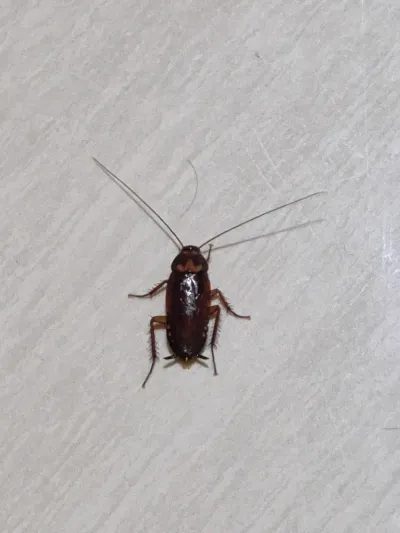
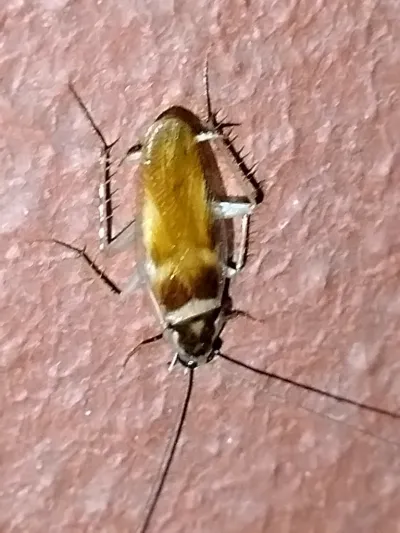
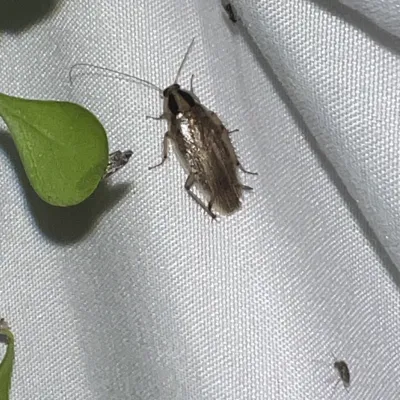
Commonly Confused With
Cuban Cockroaches are often mistaken for these similar pests
Where Cuban Cockroaches Are Found
Hover over states to see their names. Green regions indicate where cuban cockroaches have been reported.
Common Questions about Cuban Cockroaches
Are Cuban cockroaches dangerous?
+
No. Cuban cockroaches are not considered dangerous to humans. Unlike other roach species, they do not typically infest homes or spread disease. They prefer to live outdoors in vegetation and only enter buildings accidentally when attracted to lights.
Why are green cockroaches coming into my house?
+
Cuban cockroaches are strongly attracted to lights at night. They may fly toward porch lights, window lights, or indoor lighting and accidentally enter through open doors or windows. They do not seek food or shelter indoors like other roaches.
Do Cuban cockroaches infest homes?
+
No. Cuban cockroaches rarely infest homes. They are outdoor roaches that live in trees, shrubs, and leaf litter. When found indoors, it is almost always because they flew in through an open window or door while chasing lights.
What do Cuban cockroach nymphs look like?
+
Young Cuban cockroaches look very different from adults. Nymphs are dark brown or black and burrow in soil and leaf litter. Only adults have the bright green color. It takes about 100 days for nymphs to mature and turn green.
How do I keep Cuban cockroaches out of my house?
+
The best way to keep them out is to reduce light attraction. Use yellow bug lights outdoors, close windows and doors at night, and make sure screens are in good condition. Sealing gaps around doors and windows also helps.
Where do Cuban cockroaches live?
+
Cuban cockroaches live outdoors in warm, humid areas. You will find them in palm trees, shrubs, leaf piles, mulch beds, and other dense vegetation. They are native to Cuba and the Caribbean but now live across the Gulf Coast states.

With five years of hands-on experience in the pest control industry, George Schulz is a registered technician with the Virginia Pest Management Association and a proud third-generation professional in a family business that's been protecting homes for over 57 years. He manages and trains a team of service pros while also leading internal research efforts—recently spearheading a deep-dive review of thousands of documents on pest control materials to hand-pick the most kid and pet friendly, most effective solutions tailored specifically for homes in the DC metro area.