Periodical Cicadas Identification Guide
Magicicada spp.
Periodical cicadas are remarkable insects that emerge in massive numbers every 13 or 17 years. These harmless but loud insects are known for their synchronized emergences and distinctive buzzing songs.
Taxonomy
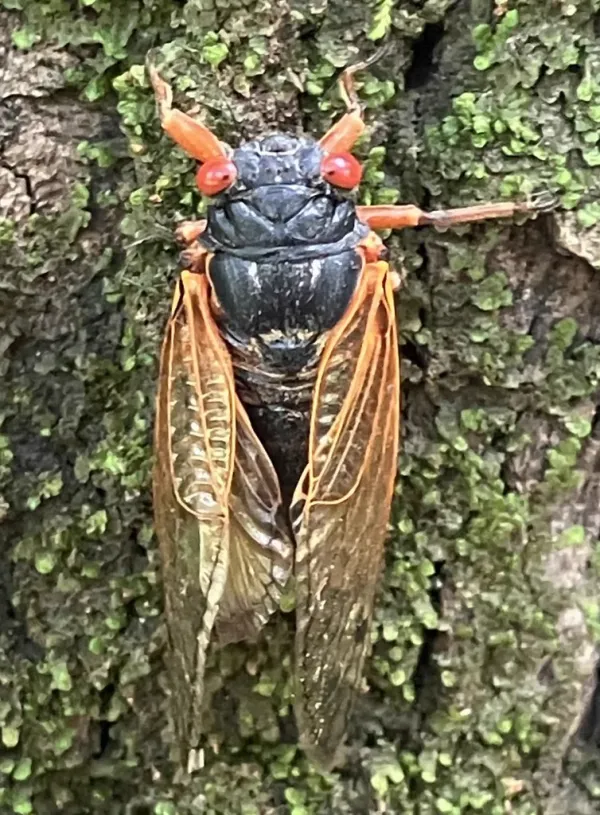
Periodical Cicadas Coloration
Common color patterns to help identify periodical cicadas
Periodical Cicadas
Seasonal Activity
When periodical cicadas are most active throughout the year
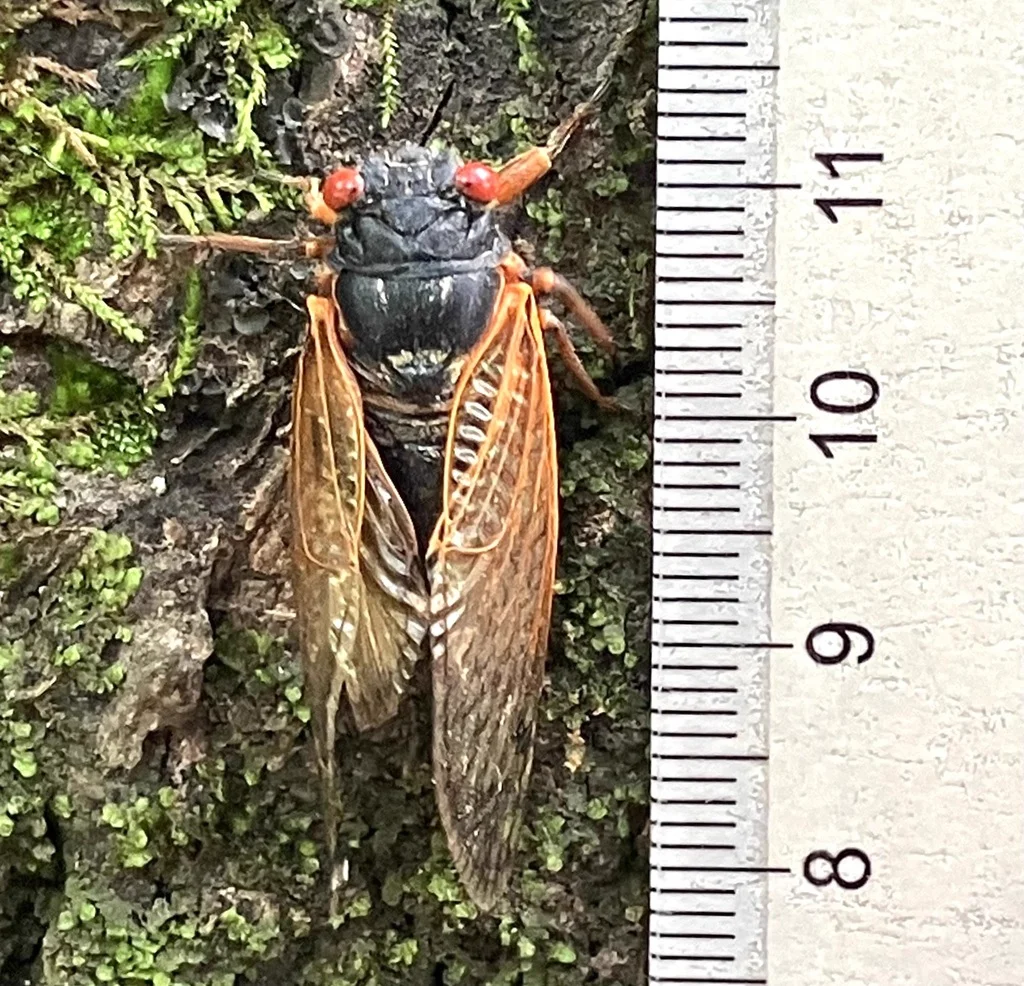
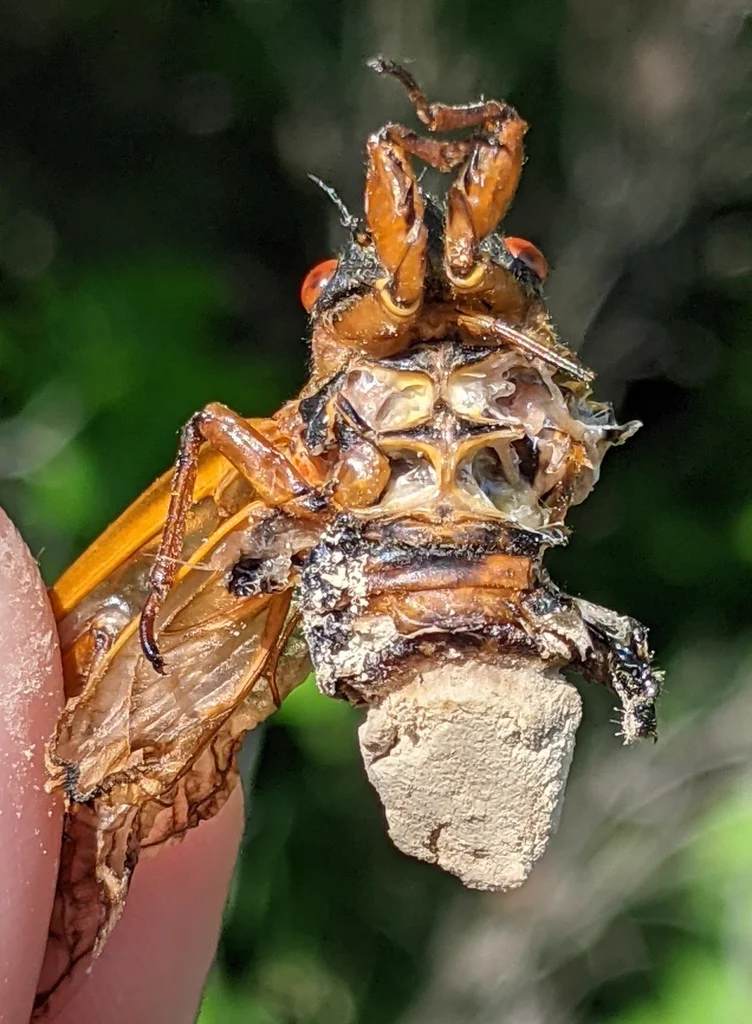
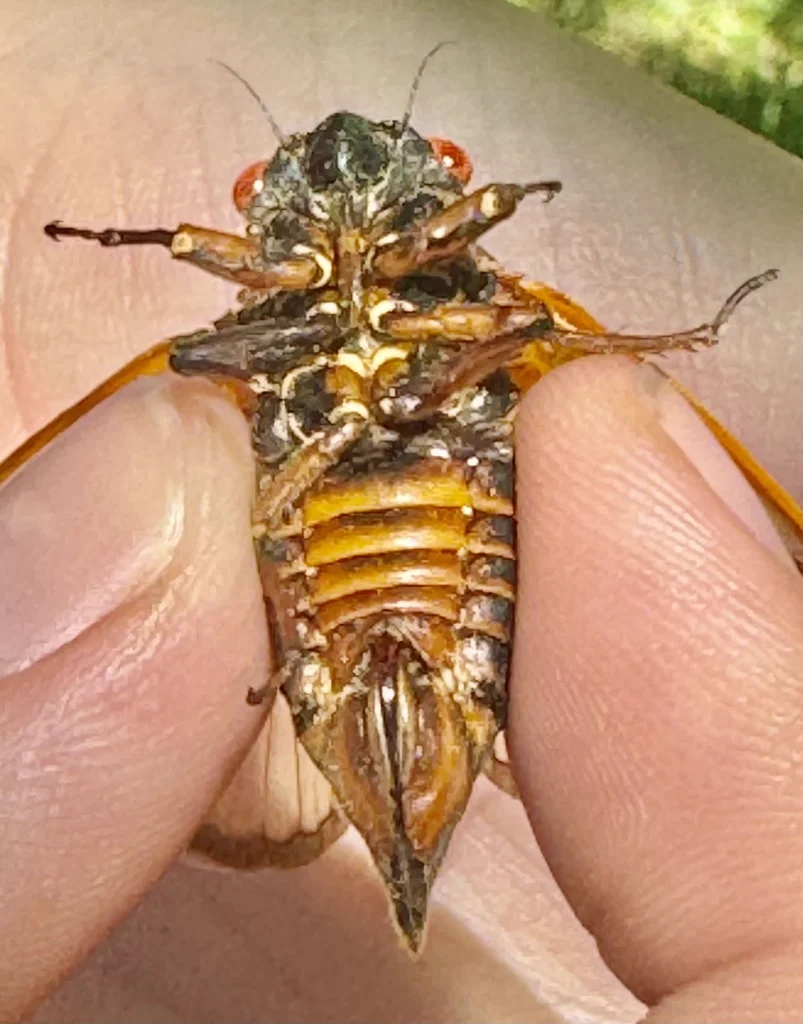

Where Periodical Cicadas Are Found
Hover over states to see their names. Green regions indicate where periodical cicadas have been reported.
Periodical Cicada Identification Guide
Physical Characteristics
Periodical cicadas are medium-sized insects. They measure 1 to 1.5 inches long. Their bright red eyes set them apart from other cicada species, including the green-and-black annual cicadas and dog-day cicadas that appear every summer. The body is black with orange markings on the belly. Their wings are clear with orange veins. Six legs are black with orange bands near the joints.
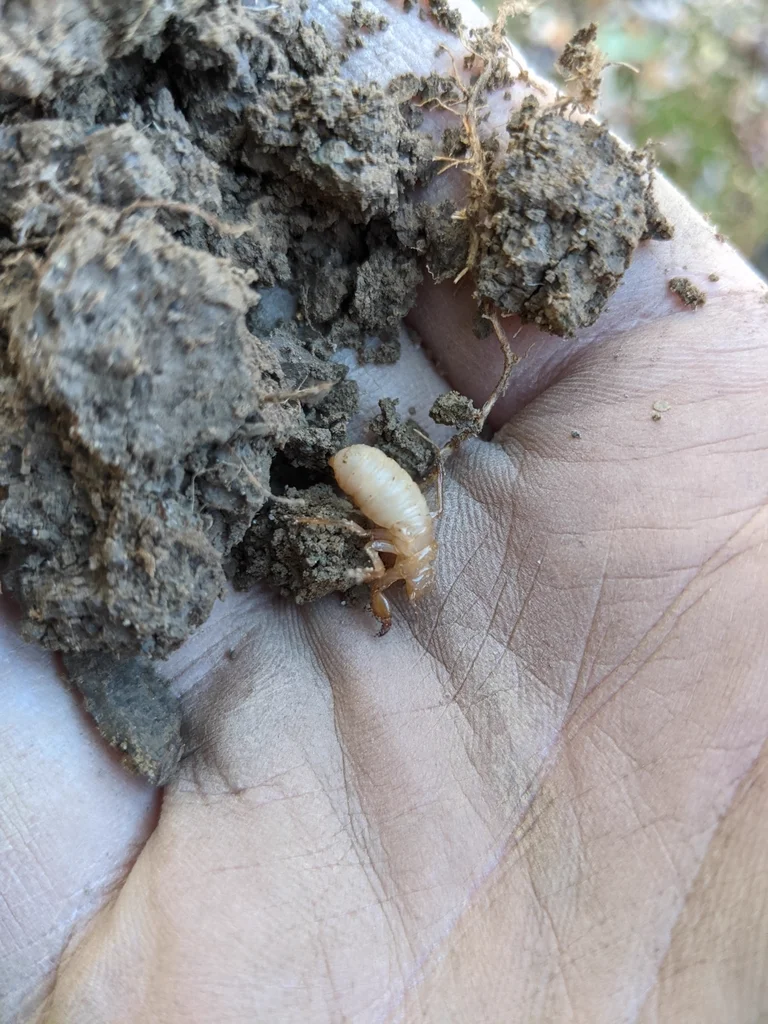
Nymphs look quite different from adults. They are pale tan to white with brown markings. They have large front legs built for digging. When they first come out of the ground, their bodies are soft and pale. After molting, they darken to adult colors over several hours.
Common Species
North America has seven species of periodical cicadas, divided by their lifecycle length.
17-Year Cicadas (Northern Species)
-
Pharaoh Cicada (Magicicada septendecim): The largest species. Has an orange stripe on the belly and makes a steady droning call.
-
Cassin’s 17-Year Cicada (Magicicada cassinii): Slightly smaller with more black on the belly. Makes a buzzing call that rises and falls.
-
Decula Cicada (Magicicada septendecula): The smallest 17-year species. Makes a ticking call pattern.
13-Year Cicadas (Southern Species)
-
Riley’s 13-Year Cicada (Magicicada tredecim): Southern version of the Pharaoh cicada with similar markings.
-
13-Year Cassini Cicada (Magicicada tredecula): Southern version with similar call patterns.
-
13-Year Decim Cicada (Magicicada tredecassini): The smallest southern species.
-
Neotredecim Cicada (Magicicada neotredecim): A recently found species in the Mississippi Valley. Homeowners dealing with Periodical Cicadas may also encounter Wood Wasps, which can appear in similar environments.
Periodical Cicada Behavior and Biology Learn more about this pest family in our Cicada guide.
Underground Life
Periodical cicadas spend most of their lives underground as nymphs. After hatching from eggs laid in tree branches, tiny nymphs drop to the ground. They burrow into the soil and find tree roots. They feed on the watery sap that flows through trees.
Nymphs pass through five growth stages over 13 or 17 years. They move deeper into the soil during cold winters. They return closer to the surface during warm months. About six weeks before coming out, they build exit tunnels that end just below the soil surface.
The Mass Emergence
When soil reaches about 64 degrees at 8 inches deep, nymphs come out in huge numbers. This usually happens in late April to early June. They start coming out after sunset and continue through the night.
Billions of cicadas can emerge within days of each other. In some areas, there can be 1.5 million cicadas per acre. This huge number means predators cannot eat all the cicadas before they reproduce.
Molting and Mating
After coming out, nymphs climb onto trees, fence posts, or any upright surface. They split their skin down the back and pull themselves out as soft, pale adults. Over several hours, their wings expand and their shell hardens. The empty skins stay attached to surfaces and pile up in large numbers.
Males start calling about four to five days after coming out. Each species has a unique call that females know. Males gather in groups in tree tops. When a female comes close, the male switches to a mating call. After mating, females cut slits in thin tree branches and lay 20 to 30 eggs per slit. One female may lay 400 to 600 eggs in her lifetime.
Adult Lifespan
Adult periodical cicadas live about four to six weeks above ground. They do not eat solid food but may drink plant fluids. Their only purpose is to mate and lay eggs. After finishing this cycle, adults die.
Understanding Cicada Broods
Periodical cicadas are grouped into broods. Each brood emerges in different years. A brood is a population that shares the same schedule. The 17-year cicadas have 12 active broods. The 13-year cicadas have 3 active broods. Like other pests in this group, Daddy Long Legs are sometimes found in the same habitats.
Notable Broods in the Eastern United States
-
Brood X (Ten): One of the largest broods. It covers 15 states from Georgia to Michigan. Last emerged in 2021. Next emergence in 2038.
-
Brood II: Found along the Atlantic coast from Connecticut to North Carolina. Last emerged in 2013. Next emergence in 2030.
-
Brood XIX: The largest 13-year brood. It covers the Southeast and Midwest. Last emerged in 2024. Next emergence in 2037.
-
Brood XIII: Found in the upper Midwest, mainly Illinois and Wisconsin. Last emerged in 2024. Next emergence in 2041.
In 2024, Broods XIX and XIII emerged at the same time. This was the first time since 1803. It created a very active cicada season where their ranges met.
Managing Periodical Cicadas
Periodical cicadas are a natural event. They are harmless to humans and do not bite or sting. Their emergence happens only every 13 or 17 years and lasts just four to six weeks. People sometimes confuse cicadas with locusts, but they are very different insects. Our cicada vs locust guide explains the key differences.
Protecting Young Trees
The main concern during emergence years is protecting young trees from egg-laying damage. Female cicadas prefer thin branches about the width of a pencil. Their egg slits can cause branch tips to die back. This is called flagging.
- Cover young trees with fine mesh netting before cicadas emerge
- Use netting with openings no larger than 1/4 inch
- Remove netting after adult activity ends, usually by mid-July
- Avoid planting new trees during spring of an emergence year
- Mature trees recover fully from flagging and do not need protection
Dealing with the Noise
Male cicadas can be very loud. They can reach 90 to 100 decibels in areas with many cicadas. This is as loud as a lawn mower. The noise lasts only four to six weeks. Peak calling happens during warm afternoons and quiets down at night.
Cleanup
Dead cicadas and shed skins can pile up in large numbers. You can rake them up and compost them. You can also leave them to break down on their own or dispose of them with yard waste.
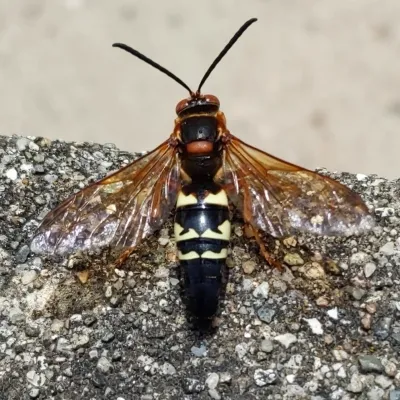
During emergence years, cicada killer wasps may become more active as they hunt the abundant cicadas to provision their nests. If you are seeing Periodical Cicadas, you may want to learn about Harvestmen as well.
References
Other Cicadas
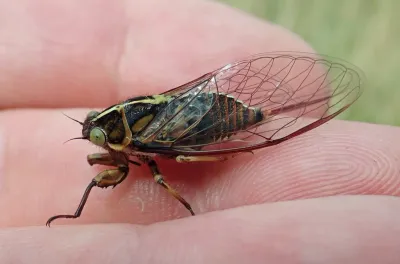
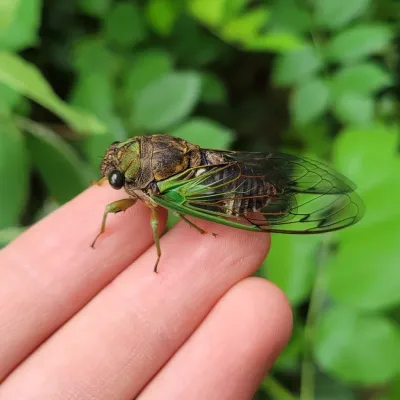
Explore other species in the cicadas family
Commonly Confused With
Periodical Cicadas are often mistaken for these similar pests
Where Periodical Cicadas Are Found
Hover over states to see their names. Green regions indicate where periodical cicadas have been reported.
Common Questions about Periodical Cicadas
Why do periodical cicadas emerge every 13 or 17 years?
+
Scientists think this long lifecycle helps them survive. By coming out in prime-numbered years, cicadas avoid matching up with predator cycles. The huge numbers also mean predators cannot eat them all before they reproduce.
Are periodical cicadas harmful to humans?
+
Periodical cicadas are harmless to humans. They do not bite or sting. They are not venomous. Their only defense is their large numbers and loud noise. They may land on people but pose no threat.
Do periodical cicadas damage trees?
+
Female cicadas cut small slits in tree branches to lay eggs. This can cause minor twig dieback called flagging. Mature trees easily survive this damage. Young trees under four years old may need protective netting during emergence years.
How loud are periodical cicadas?
+
Male cicadas can reach 90 to 100 decibels. This is as loud as a lawn mower. Large groups can be heard from far away. The noise can be intense in areas with many cicadas.
What is the difference between periodical cicadas and annual cicadas?
+
Periodical cicadas emerge every 13 or 17 years in huge groups. They have red eyes and orange wing veins. Annual cicadas come out every summer in smaller numbers. They have green and black coloring with green eyes.
When will periodical cicadas emerge next?
+
It depends on where you live and which brood is in your area. Brood X emerged in 2021 and will return in 2038. Brood XIX emerged in 2024 and will return in 2037.
Can I eat periodical cicadas?
+
Yes, cicadas are edible. They are high in protein and low in fat. However, people with shellfish allergies should avoid them. Cicadas share similar proteins with shrimp and lobster.

With five years of hands-on experience in the pest control industry, George Schulz is a registered technician with the Virginia Pest Management Association and a proud third-generation professional in a family business that's been protecting homes for over 57 years. He manages and trains a team of service pros while also leading internal research efforts—recently spearheading a deep-dive review of thousands of documents on pest control materials to hand-pick the most kid and pet friendly, most effective solutions tailored specifically for homes in the DC metro area.