Valley Carpenter Bees Identification Guide
Xylocopa sonorina
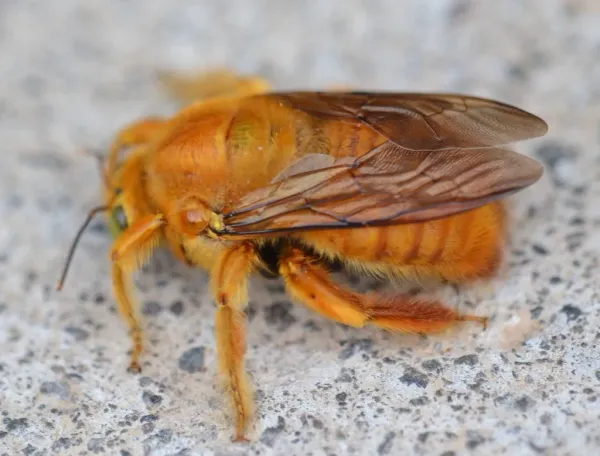
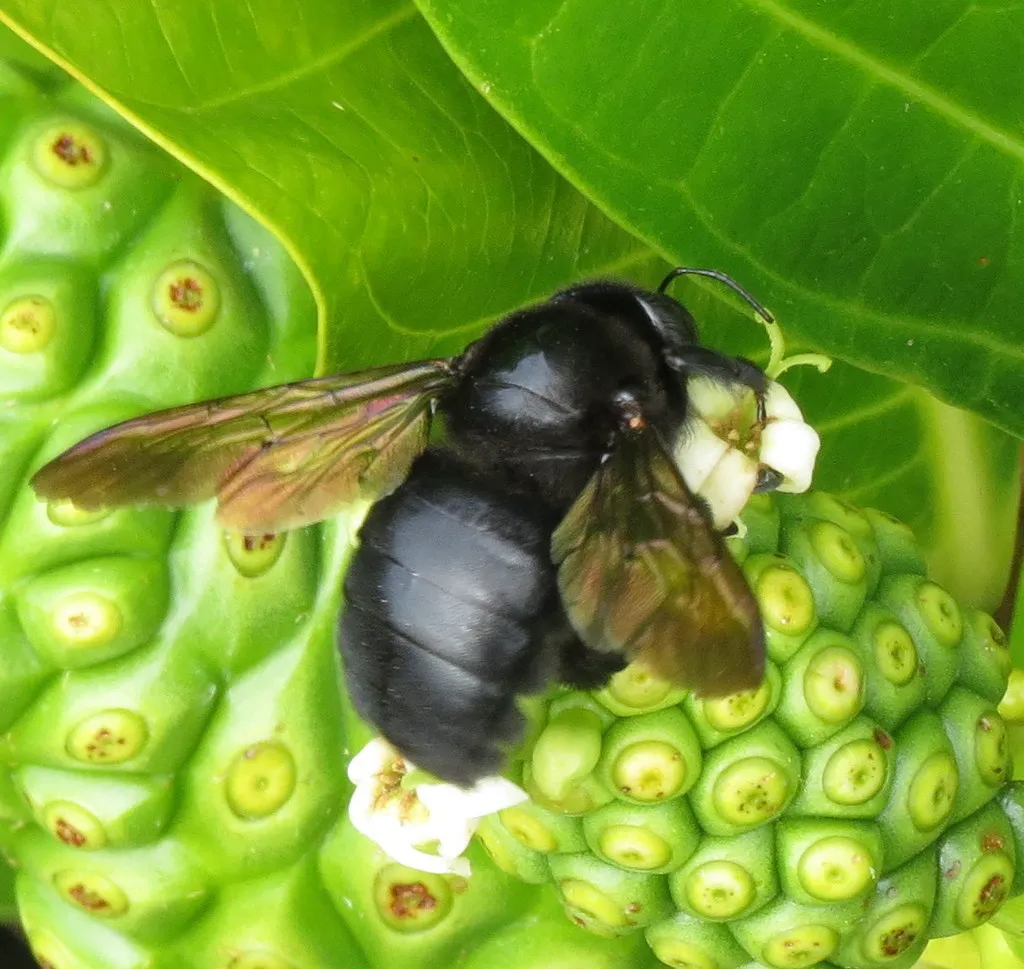
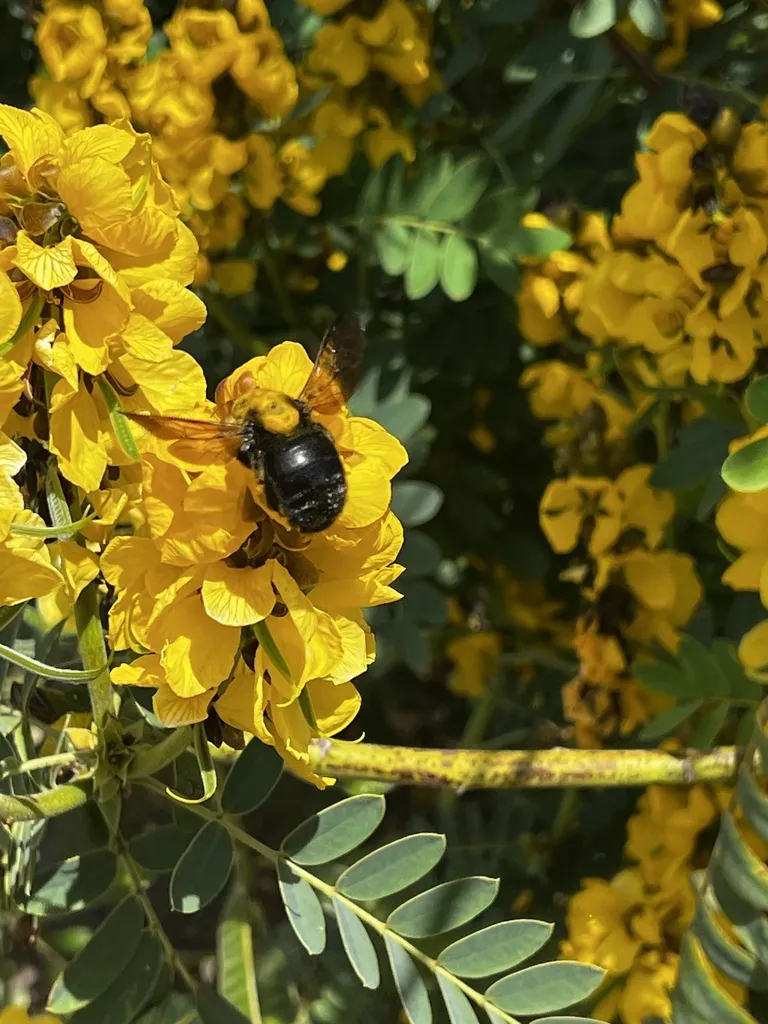
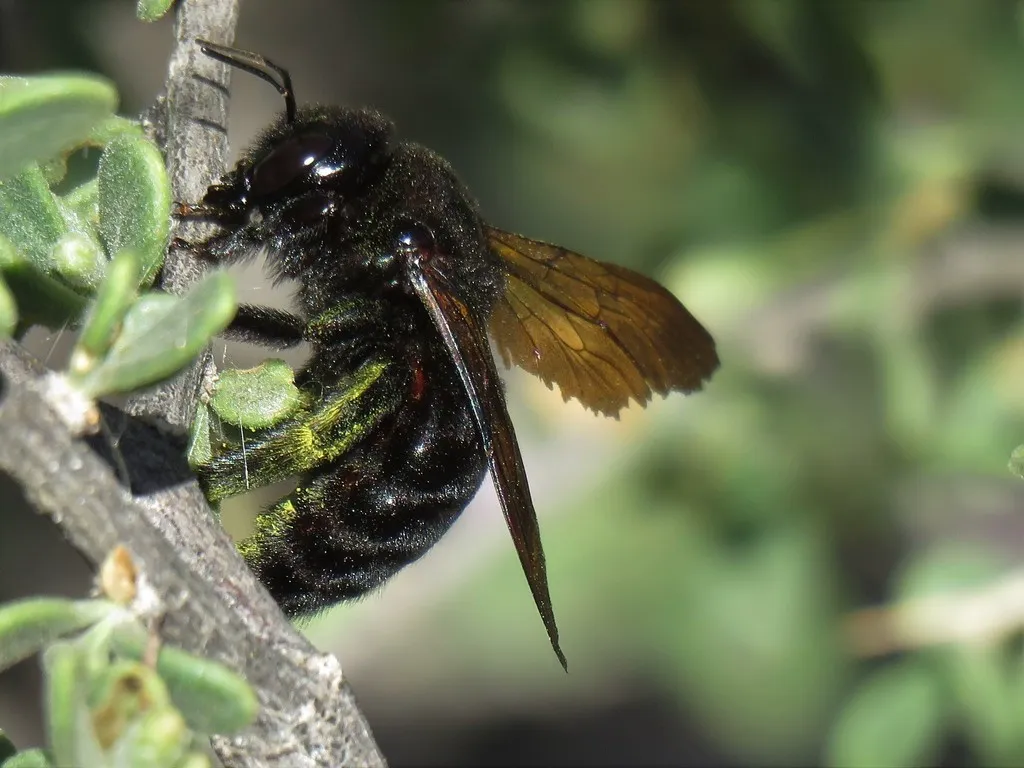
One of the largest bees in North America, the valley carpenter bee is known for its striking sexual dimorphism where males are golden and fuzzy while females are solid black.
Taxonomy
Valley Carpenter Bees Coloration
Common color patterns to help identify valley carpenter bees
Valley Carpenter Bees
Seasonal Activity
When valley carpenter bees are most active throughout the year

Where Valley Carpenter Bees Are Found
Hover over states to see their names. Green regions indicate where valley carpenter bees have been reported.
Valley Carpenter Bee Identification Guide
Physical Characteristics
The valley carpenter bee (Xylocopa sonorina) is one of the largest bees in North America. Adults measure roughly 5/8 to 1 inch long. Males and females look completely different from each other.
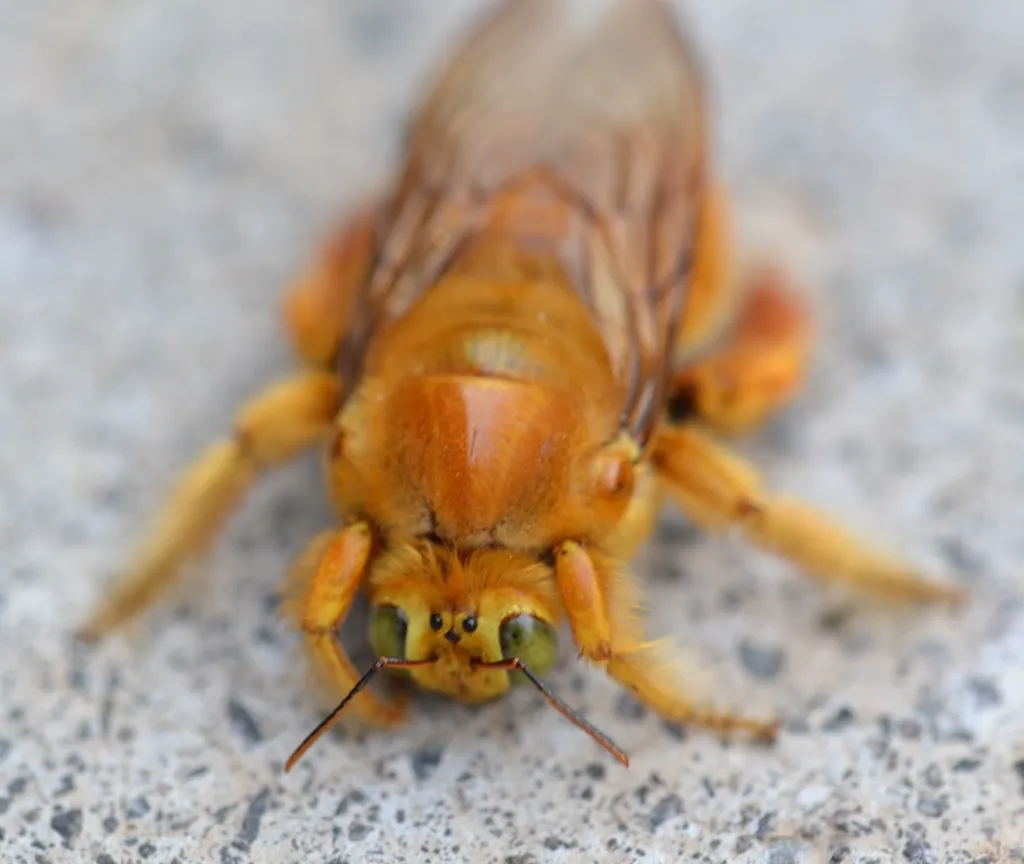
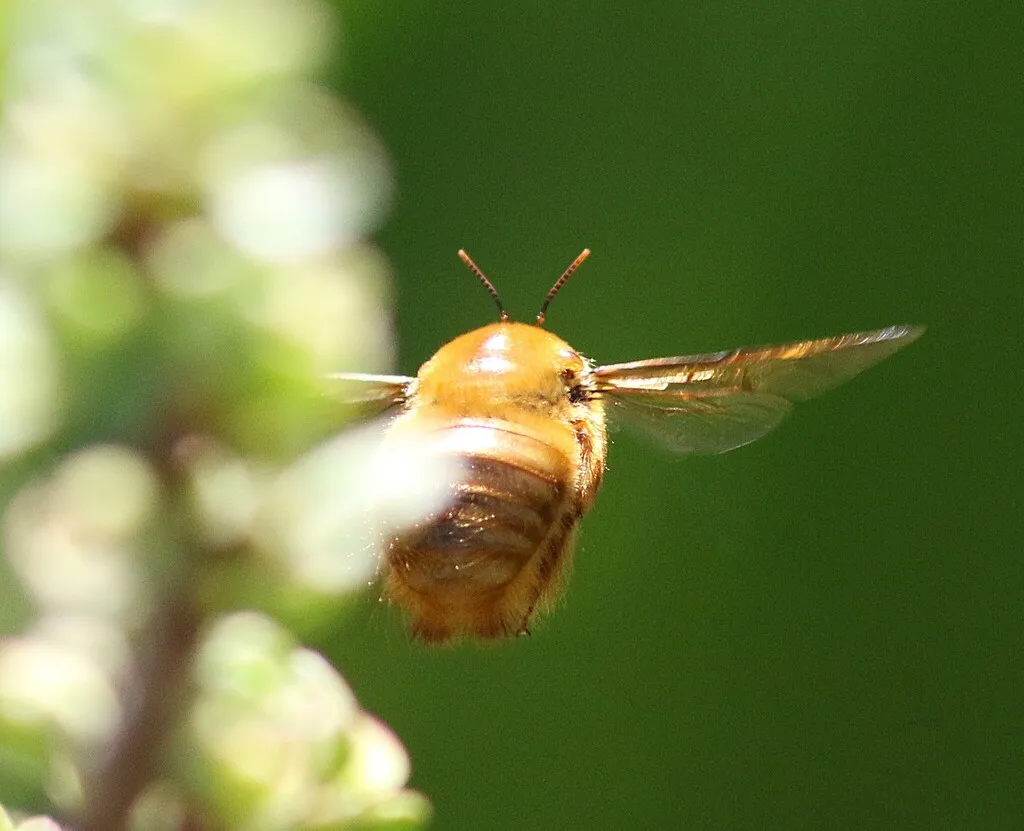
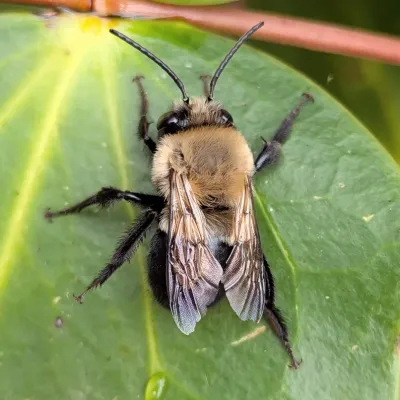
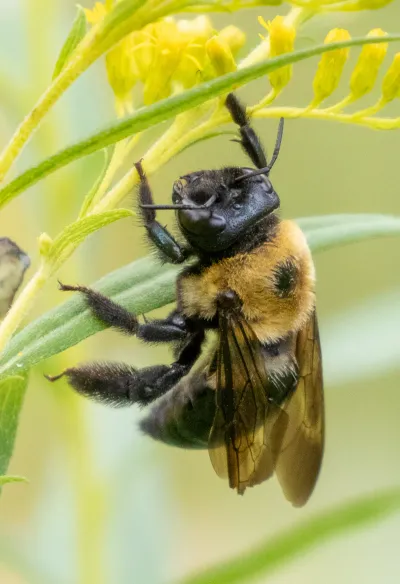
Males are covered in thick golden hair all over their body. This fuzzy look earned them the nickname “teddy-bear bee.” They have green eyes and are often seen hovering near flowers or nesting spots.
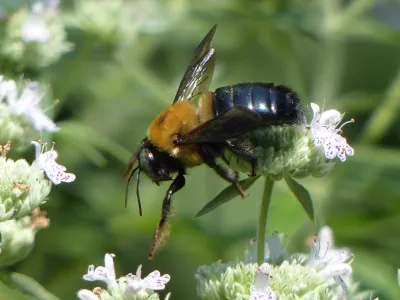
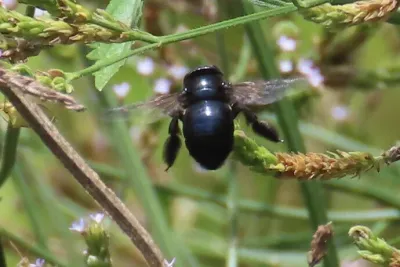
Females are mostly solid black with a shiny, smooth abdomen. Their wings may show copper or brass tints in the light. Females are a bit larger than males.
Both sexes have two pairs of wings and the thick, heavy body shape shared by all carpenter bees. Their size alone sets them apart from most other bees in their range.
Common Species and Look-Alikes
Some older sources call this species Xylocopa varipuncta. A 2020 study showed that Xylocopa sonorina is the correct name.
Other carpenter bee species found in the western United States include:
- California Carpenter Bee (Xylocopa californica) is dark blue-black all over. Males and females look alike. Found along the Pacific coast.
- Eastern Carpenter Bee (Xylocopa virginica) lives east of the Rockies. Males are black with a yellow midsection and white face patch, not the full golden color.
- Southern Carpenter Bee (Xylocopa micans) lives in the Southeast and has a metallic blue-black sheen.
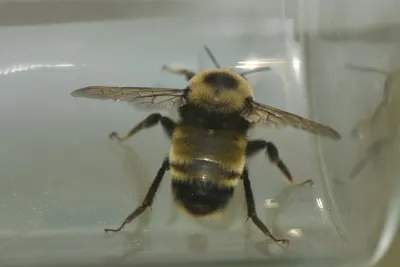
People also mix up valley carpenter bees with bumble bees. Bumble bees have fuzzy, striped abdomens and nest in the ground. Female valley carpenter bees have smooth, shiny abdomens and chew into wood.
Valley Carpenter Bee Behavior and Biology
Valley carpenter bees live alone. They do not form colonies or make honey. There are no queens or workers. Each female digs and fills her own nest.
Nesting Habits
Females use strong jaws to chew round holes into bare, dry wood. These holes are about half an inch wide. They often nest in fence posts, eaves, deck railings, patio covers, and other bare softwood. The hole goes straight in about an inch, then turns to follow the wood grain.
Inside the tunnel, the female makes a row of small chambers. She puts a ball of pollen and nectar in each one, lays an egg, and seals it with chewed wood. A tunnel usually holds 6 to 8 chambers.
Life Cycle
Valley carpenter bees have one generation per year. Adults spend winter inside old tunnels and come out in early spring. Males show up first and claim territory near nesting spots. They hover in the air to show off for females.
After mating, females dig new tunnels or widen old ones. Eggs hatch into larvae that eat the stored pollen. The larvae grow through summer and turn into adults by late summer. These new adults stay inside the tunnels through fall and winter.
Feeding Habits
Adults feed on nectar and pollen from many types of flowers. Their large size lets them “nectar rob.” They cut slits at the base of tube-shaped flowers to reach nectar from the side. They also help pollinate plants as they feed.
Treatment Strategies for Valley Carpenter Bees
Treating valley carpenter bees works best when you combine prevention with direct treatment of active tunnels.
Prevention Through Wood Protection
The best long-term fix is to paint, stain, or seal all bare wood. Carpenter bees strongly prefer bare and weathered wood. They rarely attack painted or varnished surfaces. Replacing soft wood trim with hardwood, composite, or metal can also stop nesting.
Targeted Gallery Treatment
When active tunnels are found, applying an insecticidal dust into the tunnel openings can work well. Treat in the evening when bees are back in their tunnels. The dust coats the tunnel walls and reaches the bees as they move through. Always follow the product label and local rules.
Sealing and Repair
Once the bees are gone, plug the holes with steel wool and then wood putty or caulk. Do not seal holes before treatment. Sealing too early can trap live bees, forcing them to chew new exits. After plugging, paint or stain the spot to keep bees from coming back.
When to Contact a Professional
Call a pest control professional if tunnels are in load-bearing wood, if the same spot gets hit year after year, or if damage has built up over many seasons. A pro can check the full extent of damage and set up the right treatment and repair plan.
Signs of Valley Carpenter Bee Activity
Watch for these signs that valley carpenter bees may be nesting on your property:
- Round entrance holes that are smooth and about half an inch wide, drilled into bare or weathered wood.
- Sawdust piles of coarse wood shavings below the holes. Fresh sawdust is light colored, while old sawdust turns gray.
- Staining below holes from yellow-brown streaks running down the wood. This comes from bee waste inside the tunnels.
- Large bees hovering near wood. Look for golden fuzzy males near eaves, fences, or decks in spring and summer.
- Woodpecker damage near the holes. Woodpeckers eat carpenter bee larvae and gouge the wood open to reach them.
References
- Xylocopa sonorina - Taxonomic Revision (Sheffield et al., 2020) - Biodiversity Data Journal
- Carpenter Bees - University of California - UC Agriculture and Natural Resources
- Carpenter Bees - NC State Extension - North Carolina State University
- Carpenter Bees Fact Sheet - Ohio State Extension - Ohio State University
- Valley Carpenter Bee - BugGuide - Iowa State University Department of Entomology
- Valley Carpenter Bee - UC ANR Bug Squad - University of California Agriculture and Natural Resources
Other Bees
Explore other species in the bees family
Commonly Confused With
Valley Carpenter Bees are often mistaken for these similar pests
Where Valley Carpenter Bees Are Found
Hover over states to see their names. Green regions indicate where valley carpenter bees have been reported.
Common Questions about Valley Carpenter Bees
Are valley carpenter bees dangerous?
+
Valley carpenter bees are not aggressive. Males cannot sting at all, even though they may hover near you. Females can sting but rarely do unless you grab or trap them. The main worry is damage to wood from their nesting tunnels.
How can I tell if I have valley carpenter bees?
+
Look for round holes about half an inch wide bored into bare, unpainted wood like fence posts, eaves, deck railings, or patio covers. You may also see sawdust piles below the holes. In the western US, spotting a large golden fuzzy bee or a large black bee near wood structures is a strong clue.
Do valley carpenter bees eat wood?
+
No. Like all carpenter bees, they bore into wood only to create nesting galleries. The sawdust below their entrance holes is excavation debris, not food. Adults feed on nectar and pollen from flowers.
What is the difference between male and female valley carpenter bees?
+
Males are covered in thick golden or amber hair and have green eyes. This look earned them the nickname 'teddy-bear bee.' Females are mostly solid black with a shiny abdomen. Their wings sometimes show coppery or brassy tints.
Where are valley carpenter bees found?
+
Valley carpenter bees are native to the southwestern United States, primarily California, Arizona, New Mexico, Nevada, Utah, and western Texas. They are also found in parts of Mexico and have been introduced to Hawaii and some Pacific islands.
How do valley carpenter bees differ from eastern carpenter bees?
+
Valley carpenter bees live in the western United States while eastern carpenter bees are found east of the Rocky Mountains. The most obvious difference is the male coloring. Male valley carpenter bees are entirely golden-brown with green eyes, while male eastern carpenter bees are black with a yellow thorax and a white face patch.
Can valley carpenter bees cause structural damage?
+
Yes, over time. One tunnel causes only minor damage. But these bees reuse and expand their tunnels year after year. Several females nesting in the same wood over many seasons can create large tunnel networks that weaken trim boards, fascia, eaves, and deck railings.
When are valley carpenter bees most active?
+
In the Southwest, valley carpenter bees are most active from May through July. This is when adults feed, mate, and dig new tunnels. Activity starts in March as adults come out of winter rest and slows down by October.

With five years of hands-on experience in the pest control industry, George Schulz is a registered technician with the Virginia Pest Management Association and a proud third-generation professional in a family business that's been protecting homes for over 57 years. He manages and trains a team of service pros while also leading internal research efforts—recently spearheading a deep-dive review of thousands of documents on pest control materials to hand-pick the most kid and pet friendly, most effective solutions tailored specifically for homes in the DC metro area.