Sweat Bees Identification Guide
Halictidae
Small bees attracted to human perspiration. These ground-nesting bees are drawn to the salt in sweat and rarely sting.
Taxonomy
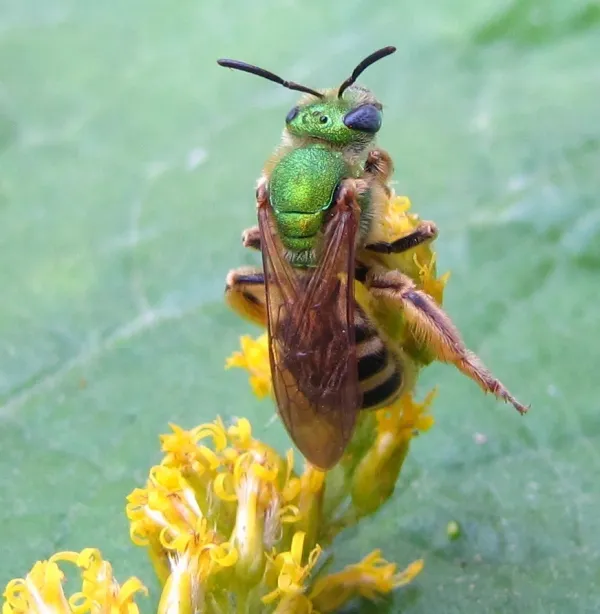
Sweat Bees Coloration
Common color patterns to help identify sweat bees
Sweat Bees
Seasonal Activity
When sweat bees are most active throughout the year

Where Sweat Bees Are Found
Hover over states to see their names. Green regions indicate where sweat bees have been reported.
Sweat Bee Identification Guide
Physical Characteristics
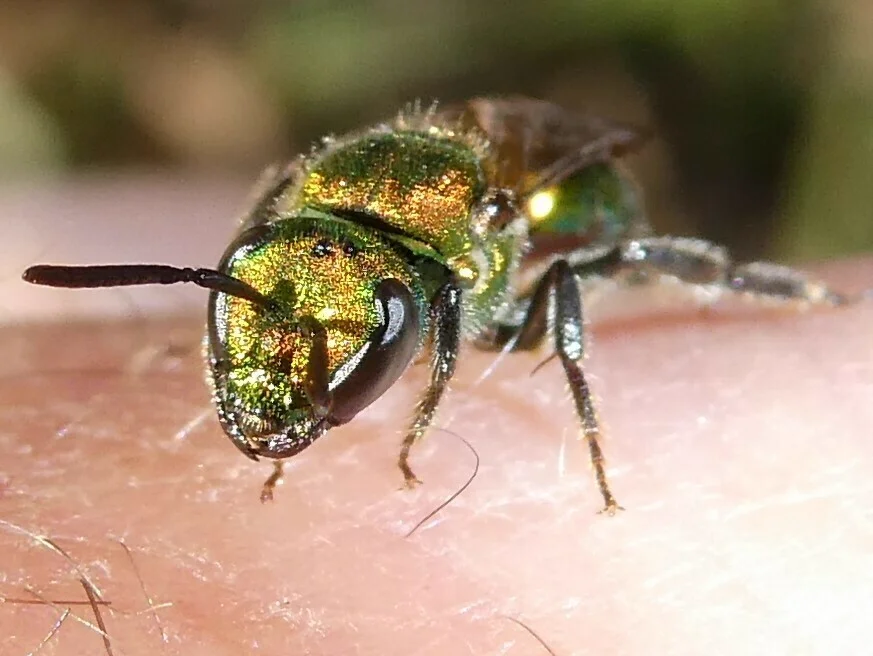
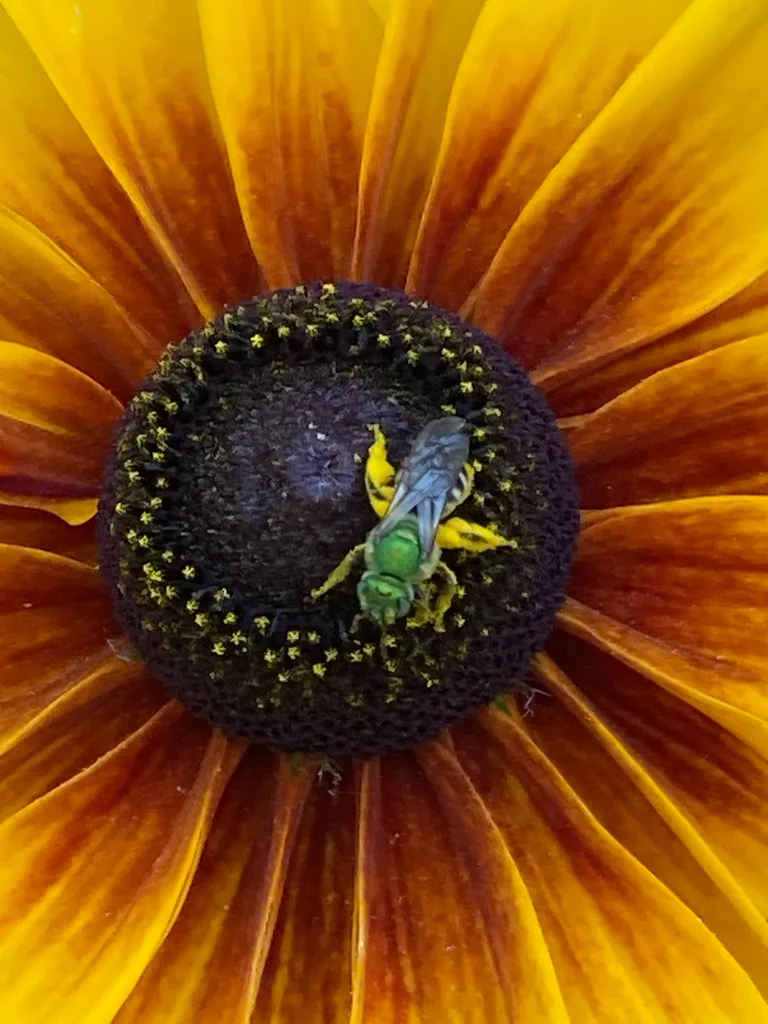
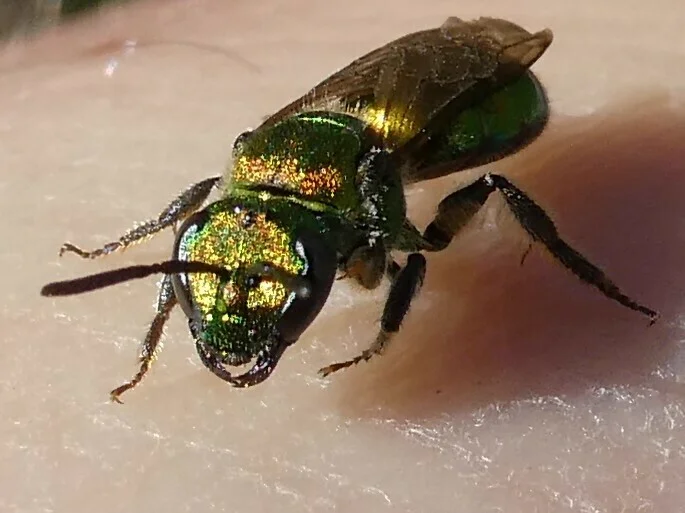
Sweat bees are small bees. Most are between 1/8 and 3/8 inch long. What makes them stand out is their coloring. Many have bright metallic green, blue, or bronze bodies that shimmer in sunlight.
Not all sweat bees are metallic. Some are dull black or brown with pale bands on their abdomen. Others have yellow markings, especially the males. All sweat bees have fuzzy bodies and short tongues compared to other bees.
People often mistake sweat bees for flies because of their small size. You can tell them apart by counting the wings. Bees have two pairs of wings. Flies have only one pair.
Common Species in North America
The family Halictidae includes nearly 500 species in North America. Here are the groups you are most likely to encounter:
-
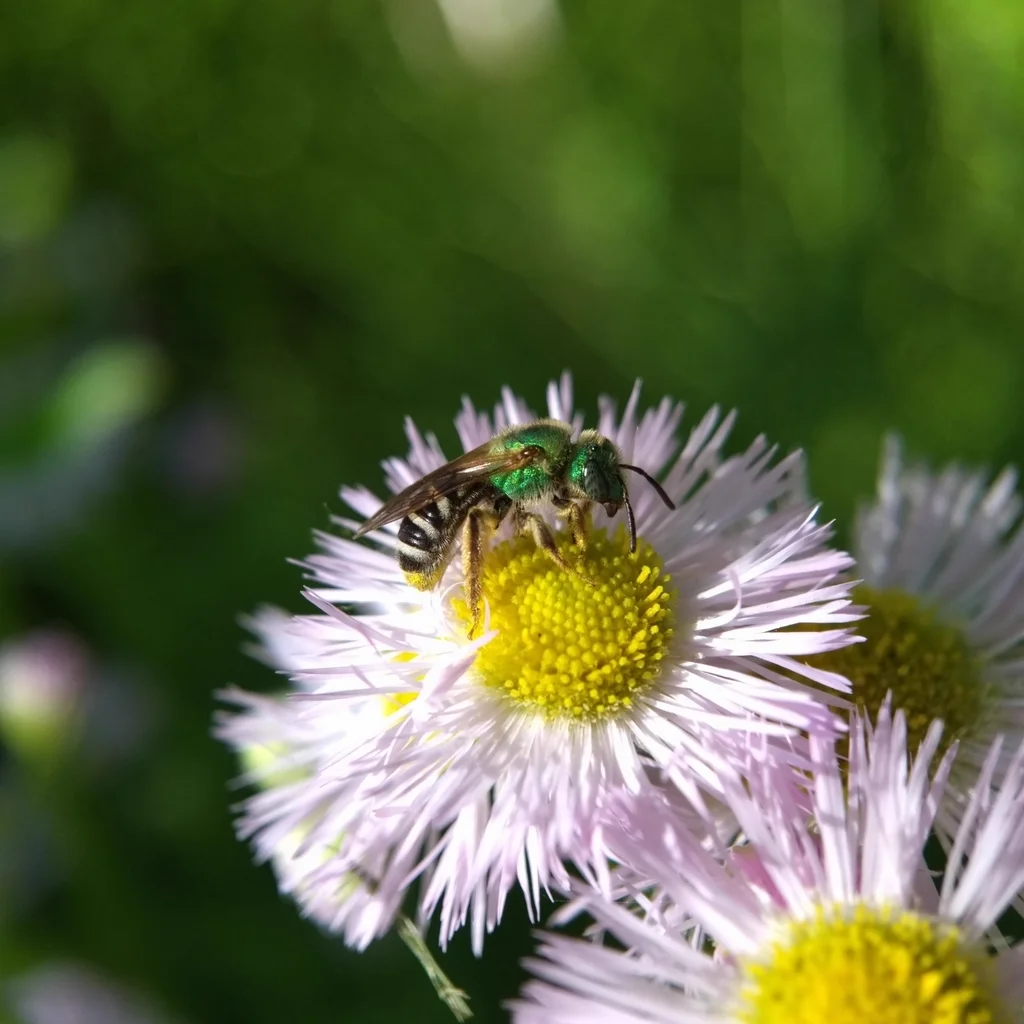
Striped Sweat Bees (Agapostemon species): Bright metallic green head and thorax with a striped yellow and black abdomen. These are among the most recognizable sweat bees and are common in gardens.
-
Pure Green Sweat Bees (Augochlora species): Entirely metallic green bees that often nest in rotting logs rather than soil. Common in wooded areas throughout the eastern United States.
-
Furrow Bees (Halictus species): Brown or black bees with pale hair bands on their abdomen. They get their name from the furrow-like groove on the last segment of their abdomen.
-
Small Sweat Bees (Lasioglossum species): The most diverse group, with hundreds of species ranging from tiny dark bees to larger metallic ones. Many are so small they go unnoticed.
Sweat Bee Behavior and Biology
Why They Seek Human Sweat
Sweat bees get their name from their attraction to human sweat. They need salt and minerals to survive. Sweat gives them an easy source of these nutrients.
On hot summer days, you may notice a small bee landing on your arm or leg. It is not trying to sting you. It is drinking the salt from your skin. The bee will lick for a few moments and then fly away.
Problems happen when you swat at the bee or press it against your skin. This may cause a defensive sting. A related species, Masked Bees, shares similar characteristics.
Nesting Habits A related species, Cuckoo Bees, shares similar characteristics.
Most sweat bees nest in the ground, like other ground bees. Females dig small burrows in bare soil. They prefer sunny spots with sandy or clay soil. Each burrow has underground chambers where the female stores pollen and nectar for her eggs.
Some sweat bees nest in rotting wood instead. Pure green sweat bees often make their nests in decaying logs and stumps.
Nesting behavior varies by species. Some are solitary. Each female maintains her own nest. Others are communal. Multiple females share one entrance but keep separate brood chambers. A few species have simple social groups with a queen and workers.
Lifecycle and Seasonality
Sweat bees are active from spring through fall. Peak activity occurs during warm summer months. Their lifecycle follows this pattern:
Spring: Females that spent winter underground emerge when it warms up. They start building new nests or fixing old ones.
Summer: Females gather pollen and nectar for their brood cells. Eggs hatch in a few days. Larvae eat the stored food and grow. Development from egg to adult takes 17 to 40 days. Many species produce two or more generations per summer.
Fall: The last generation includes males and reproductive females. After mating, males die. Females find protected spots to spend winter.
Winter: Queens hibernate in underground burrows. They emerge the next spring to start the cycle again.
Diet and Feeding
Sweat bees feed on pollen and nectar from flowers. They visit many types of flowering plants rather than focusing on just one species. You can find them on sunflowers, tomatoes, blueberries, apples, and many wildflowers.
They are active from spring through early fall. Their peak activity occurs during the warm summer months when flowers are most abundant.
Managing Sweat Bees Around Your Home
Sweat bees do not damage property. Their nests do not create visible mounds or holes in lawns. Their stings are mild. They only sting when pressed against the skin or threatened.
When Sweat Bees Become a Concern
There are situations where you may want to address sweat bee activity:
- Bee sting allergies: If someone in your household is allergic to bee venom, any stinging insect nearby can be a concern.
- High-traffic areas: Sweat bees nesting where children play or people walk barefoot may need attention.
- Large numbers: A large group of nesting sweat bees in your lawn or garden may warrant treatment.
Prevention and Habitat Changes
Sweat bees prefer bare, dry soil for nesting. You can discourage them by changing their habitat:
- Watering: Regular lawn watering makes soil less attractive for nesting.
- Thick grass: Dense grass cover gets rid of the bare patches sweat bees prefer.
- Mulching: Mulch in garden beds covers the exposed soil they need for nests.
Personal Protection
To minimize encounters with sweat bees:
- Wear light-colored clothing rather than bright colors or dark shades.
- Avoid wearing strong perfumes, colognes, or scented lotions outdoors.
- Wipe away sweat regularly when working outside on hot days.
- If a sweat bee lands on you, stay calm and let it fly away or gently brush it off. Swatting increases the chance of a sting.
Sweat Bees vs. Other Bees
Sweat bees are often confused with other small bees or wasps. Here are the key differences:
Sweat Bees vs. Ground Bees: Ground bees are larger and fuzzier. They create visible soil mounds around their nest holes. Sweat bees are smaller with less noticeable nests.
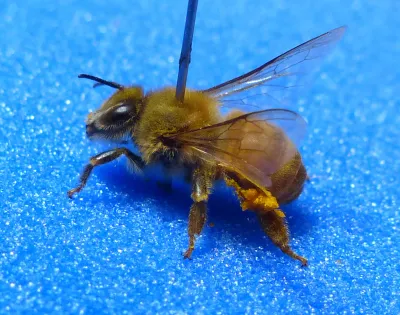
Sweat Bees vs. Honey Bees: Honey bees are larger and live in large colonies. They are golden-brown with darker stripes. Sweat bees are smaller and often metallic colored.
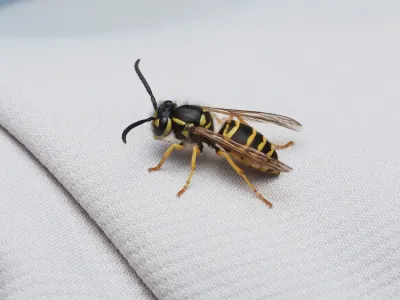
Sweat Bees vs. Yellowjackets: Yellowjackets are wasps, not bees. They have smooth, shiny bodies without fuzz. Yellowjackets are aggressive and can sting many times. Sweat bees rarely sting.
References
Other Bees
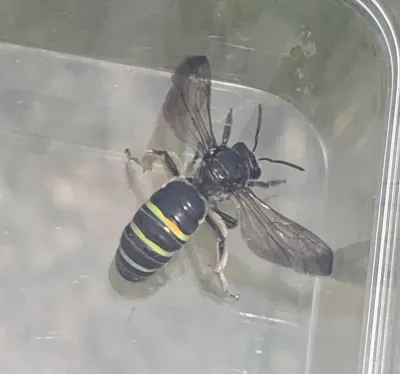
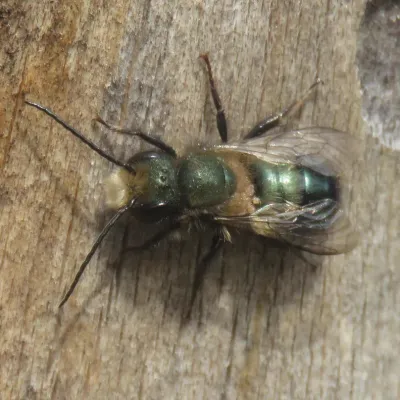
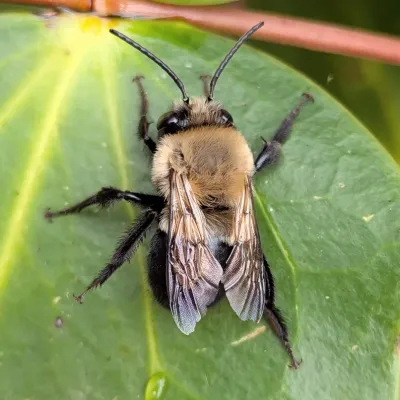
Explore other species in the bees family
Commonly Confused With
Sweat Bees are often mistaken for these similar pests
Where Sweat Bees Are Found
Hover over states to see their names. Green regions indicate where sweat bees have been reported.
Common Questions about Sweat Bees
Why are sweat bees attracted to me?
+
Sweat bees are attracted to human perspiration because they need the salt and minerals it contains. On hot days, you may notice them landing on your skin to lick sweat. This behavior is harmless and the bees will fly away on their own.
Do sweat bees sting?
+
Female sweat bees can sting, but they rarely do. They are not aggressive and will only sting if pressed against the skin or directly threatened. The sting is very mild compared to other bees and wasps. Male sweat bees cannot sting at all.
How painful is a sweat bee sting?
+
Sweat bee stings are among the mildest of any bee. Most people describe the sensation as a brief pinch. Unless you have an allergy to bee venom, sweat bee stings rarely require medical attention beyond washing the area and applying a cold compress.
What do sweat bees look like?
+
Sweat bees are small, typically 1/8 to 3/8 inch long. Many species have metallic green, blue, or bronze coloring that makes them easy to identify. Others are black or brown with yellow markings. All have fuzzy bodies that help them collect pollen.
Where do sweat bees nest?
+
Most sweat bees nest in the ground, digging small burrows in bare or sandy soil. Some species nest in rotting wood. Unlike honey bees, sweat bees are mostly solitary, though some species live in small communal groups where females share a nest entrance.
What role do sweat bees play in the environment?
+
Sweat bees pollinate wildflowers, vegetable gardens, and crops. They visit a wide variety of plants and are active from spring through fall. Like other bees, they help plants reproduce by carrying pollen from flower to flower.
How do I keep sweat bees away from me?
+
Avoid wearing strong fragrances and bright colors when outdoors. Wipe away sweat regularly on hot days. If a sweat bee lands on you, stay calm and gently brush it away rather than swatting, which may provoke a sting.
Should I be concerned about sweat bees in my yard?
+
Sweat bees do not damage property or lawns. They rarely sting unless pressed against the skin. If someone in your household has a bee allergy, you may want to address nesting areas. Otherwise, their numbers will naturally decline as summer ends.

With five years of hands-on experience in the pest control industry, George Schulz is a registered technician with the Virginia Pest Management Association and a proud third-generation professional in a family business that's been protecting homes for over 57 years. He manages and trains a team of service pros while also leading internal research efforts—recently spearheading a deep-dive review of thousands of documents on pest control materials to hand-pick the most kid and pet friendly, most effective solutions tailored specifically for homes in the DC metro area.