Leafcutter Bees Identification Guide
Megachile spp.
Solitary bees that cut circular pieces from leaves to build their nests. Homeowners often notice them due to the distinctive circular cuts they leave on rose bushes and other garden plants.
Taxonomy
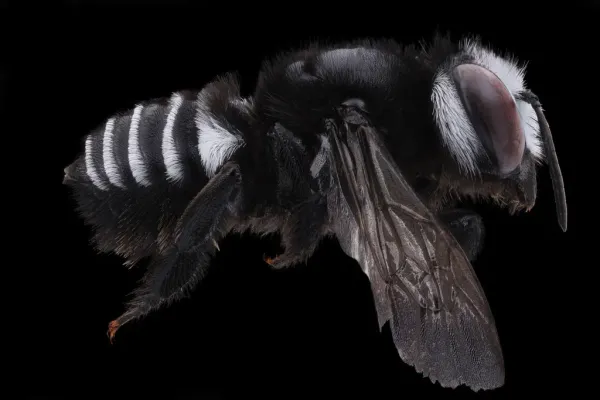
Leafcutter Bees Coloration
Common color patterns to help identify leafcutter bees
Leafcutter Bees
Seasonal Activity
When leafcutter bees are most active throughout the year
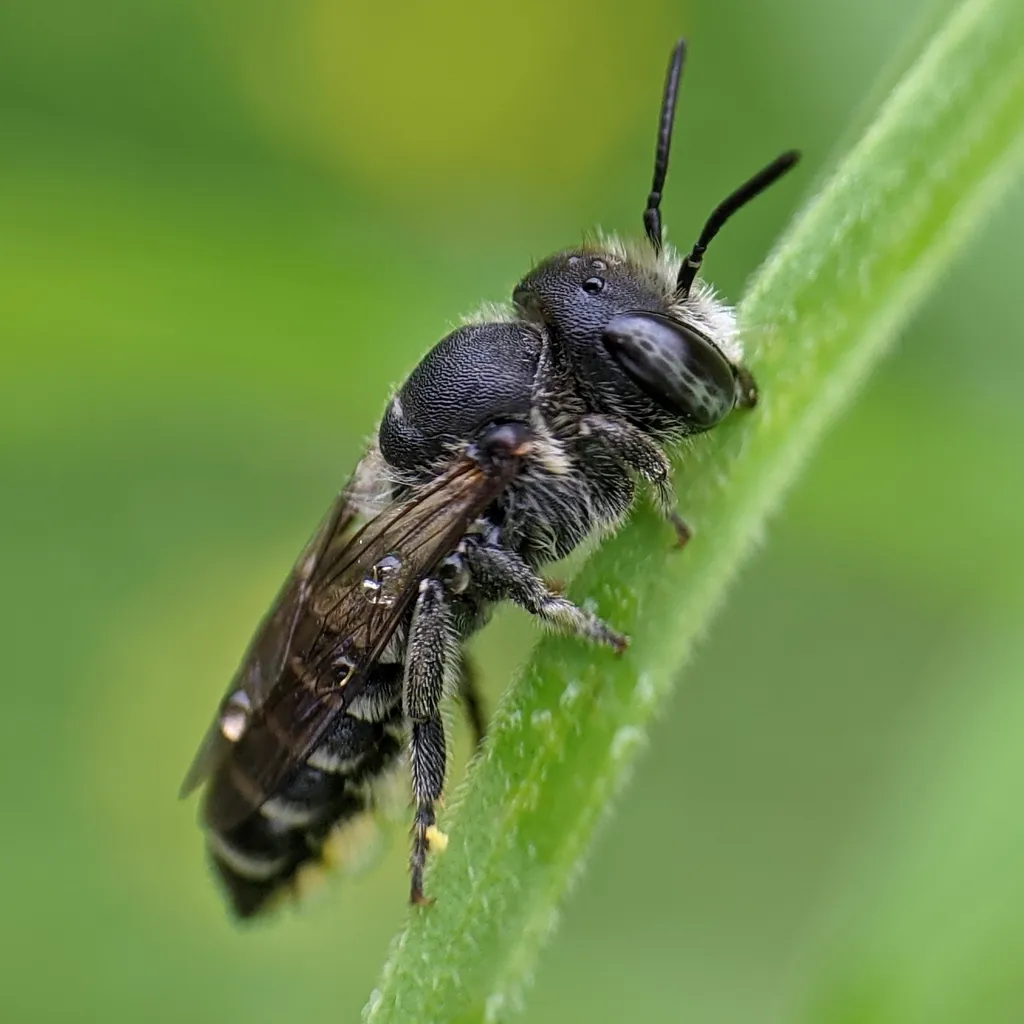
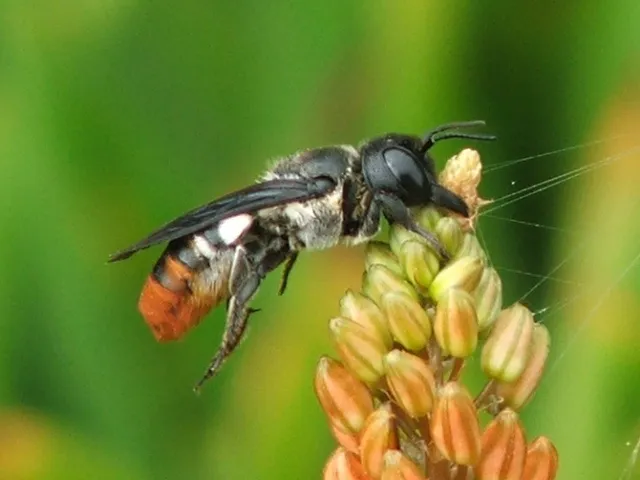
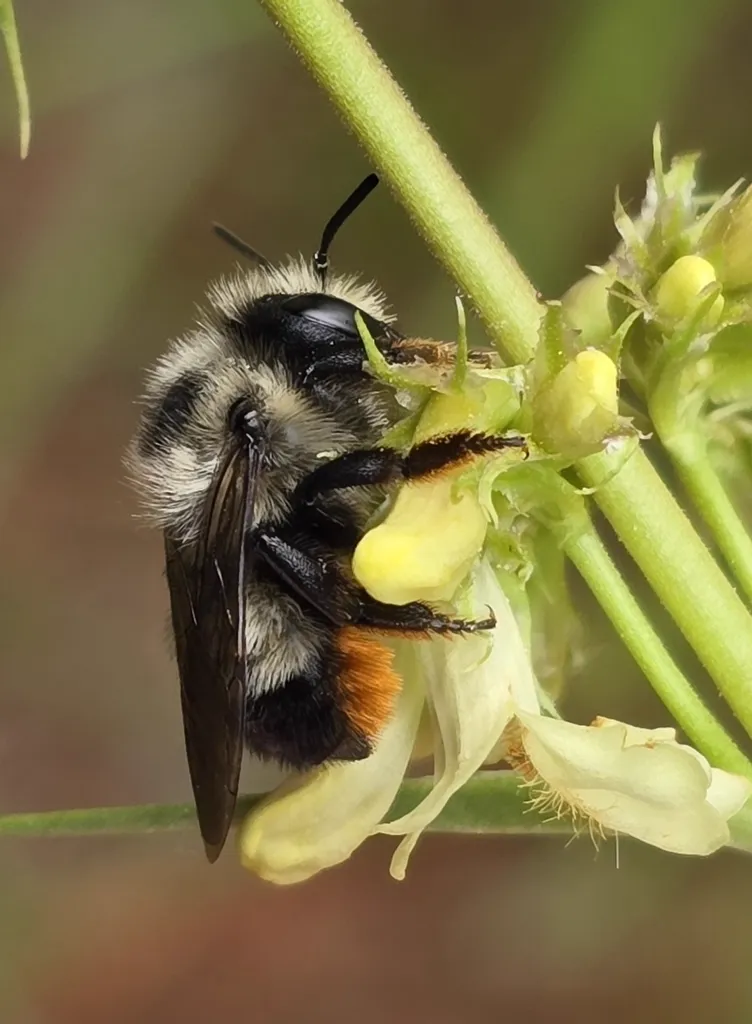

Where Leafcutter Bees Are Found
Hover over states to see their names. Green regions indicate where leafcutter bees have been reported.
Leafcutter Bee Identification Guide
Physical Characteristics
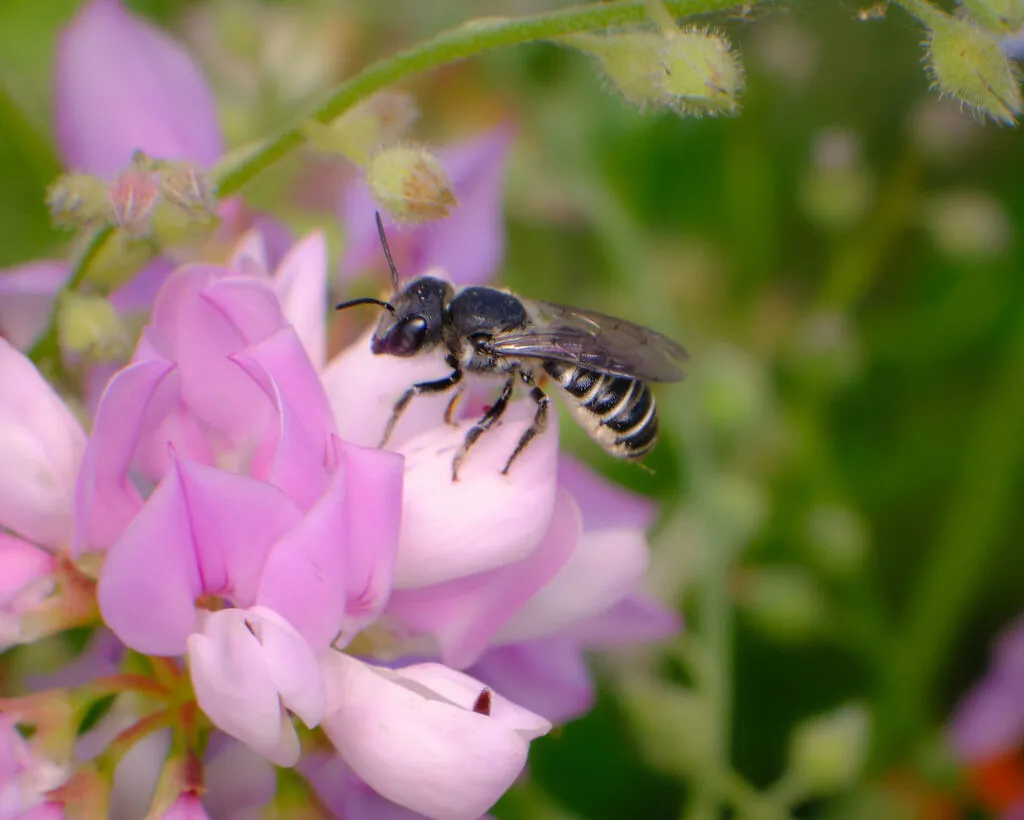
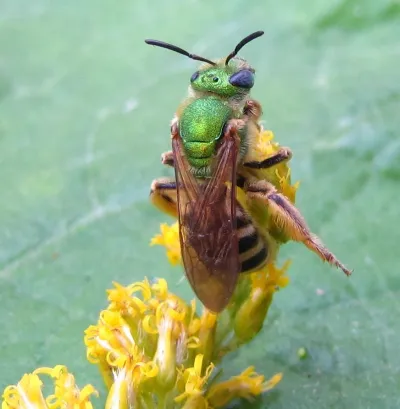
Leafcutter bees are about the same size as honey bees. Most are 1/4 to 1 inch long. They have stout bodies covered in short hairs. Look for white or pale bands across the abdomen. This striped pattern helps tell them apart from other bees.
Female leafcutter bees carry pollen on the underside of their abdomen, not on their legs like most bees. This area is called a scopa. When full of pollen, it looks bright yellow, orange, or golden. This belly brush is one of the best ways to spot a leafcutter bee.
The head is broad with strong jaws made for cutting leaves. Males are a bit smaller than females and have hairier faces. Males do not have the scopa since they do not collect pollen.
Common Species in North America
-
Alfalfa Leafcutter Bee (Megachile rotundata): Originally from Europe, now common across North America. Small, with gray and white bands. Often used for crop pollination.
-
Carpenter-Mimic Leafcutter Bee (Megachile xylocopoides): A larger species that looks like carpenter bees. Found in eastern North America. Nests in holes in wood.
-
Flat-Tailed Leafcutter Bee (Megachile mendica): Common in the eastern United States. Medium-sized with white bands on the abdomen.
-
Western Leafcutter Bee (Megachile perihirta): Found in western North America. Has dense pale hairs that give it a fuzzy look.
-
Bellflower Resin Bee (Megachile campanulae): Uses plant resins along with leaf pieces for nests. Common in the eastern states.
Leafcutter Bee Behavior and Biology A related species, Masked Bees, shares similar characteristics.
Leafcutter bees are solitary bees. Each female works alone to build her nest and raise her young. There are no queens, workers, or colonies. Because they live alone, they have no nest to defend. This is why they rarely sting. A related species, Cuckoo Bees, shares similar characteristics.
Females find nesting spots in hollow stems, old beetle holes in wood, or gaps in structures. They are related to mason bees, which also nest in pre-existing cavities. They look for leaves from roses, lilacs, ash trees, and other plants. With their strong jaws, they cut round or oval pieces from leaf edges. A related species, Long-Horned Bees, shares similar characteristics.
The female carries each leaf piece back to her nest while flying. She uses these pieces to build cells shaped like tiny cups inside the cavity. Round pieces form the cap and base. Oval pieces wrap around to make the walls. A related species, Digger Bees, shares similar characteristics.
After building a cell, the female fills it with pollen and nectar. She lays one egg on the food and seals the cell with more leaf pieces. A typical nest has 6 to 12 cells in a row. A related species, Small Carpenter Bees, shares similar characteristics.
The egg hatches into a larva that eats the stored pollen over several weeks. The larva then spins a cocoon and rests. Most leafcutter bees spend the winter in this stage. They finish growing the next spring. Adults live 4 to 8 weeks during summer.
How to Manage Leafcutter Bees
Leafcutter bees do not damage structures and pose minimal sting risk. The leaf damage they cause is cosmetic and does not harm healthy plants. However, if you want to reduce their activity, here are some options.
Exclude Them from Nesting Sites:
- Seal small holes in wood, siding, and outdoor furniture
- Cap hollow plant stems or cut them back
- Fill gaps in fences, sheds, and other structures
- Use caulk or wood putty to close old beetle holes
Protect Plants from Leaf Damage:
- Cover prized plants with lightweight row covers or cheesecloth
- Focus on roses and other soft-leaved plants they prefer
- Remove covers after peak activity ends in late summer
Remove Active Nests:
If bees have nested in an unwanted spot like outdoor furniture or equipment, wait until fall when activity stops. The adults will have died off. Then seal the cavity to stop reuse the next year. You can also remove the nest material at this time.
When to Call a Professional:
Contact a pest control company if leafcutter bees are nesting inside walls, causing repeated damage to the same plants, or if anyone in your home has a bee allergy. A professional can assess the situation and recommend the right approach.
Signs of Leafcutter Bee Activity
These signs show leafcutter bees are on your property:
-
Circular leaf cuts: Clean, round or oval notches cut from leaf edges. The cuts are smooth and even, not ragged like caterpillar damage.
-
Target plants: Roses, lilacs, redbuds, ash trees, and Virginia creeper are favorites. They prefer smooth, soft leaves.
-
Nesting activity: Bees flying in and out of small holes in wood, hollow stems, or gaps in structures. You may see them carrying leaf pieces.
-
Pollen on abdomen: Females returning to nests with bright yellow or orange pollen on the underside of their abdomen.
-
Seasonal timing: Most active from late spring through late summer. Peak leaf-cutting happens in June through August.
References
Other Bees
Explore other species in the bees family
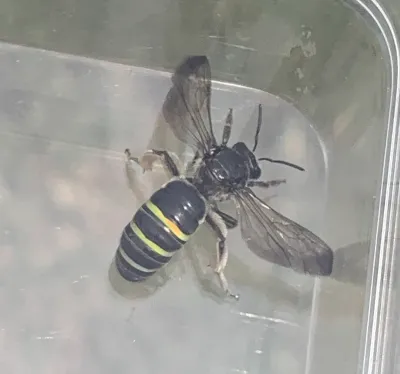
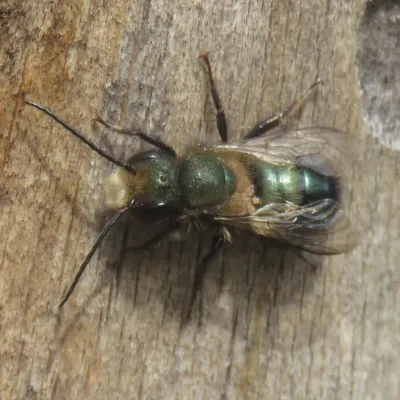
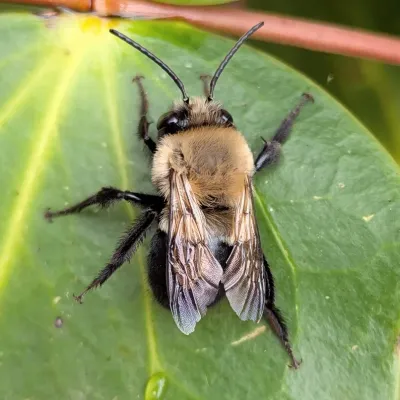
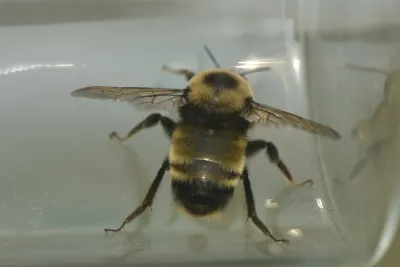
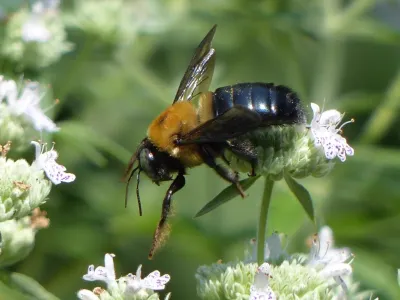
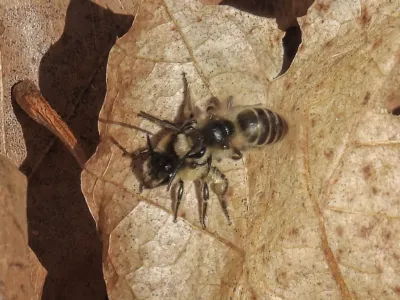
Commonly Confused With
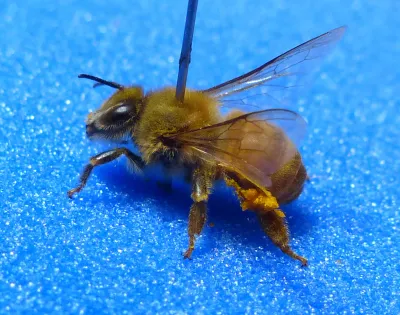
Leafcutter Bees are often mistaken for these similar pests
Where Leafcutter Bees Are Found
Hover over states to see their names. Green regions indicate where leafcutter bees have been reported.
Common Questions about Leafcutter Bees
What is cutting holes in my plant leaves?
+
If you see perfectly circular or oval cuts along the edges of your plant leaves, leafcutter bees are the likely culprit. Unlike caterpillars that chew irregular holes, leafcutter bees make clean, precise cuts to collect nesting material. This damage is cosmetic and does not harm healthy plants.
Are leafcutter bees harmful?
+
Leafcutter bees pose little risk to people or property. They are solitary bees with no colony to defend, so they rarely sting unless handled. Their leaf-cutting causes only minor cosmetic damage to plants and does not kill healthy vegetation.
Do leafcutter bees sting?
+
Female leafcutter bees can sting, but they rarely do. They are docile, solitary bees that only sting when physically grabbed or trapped. Their sting is mild compared to honey bees or wasps. Male leafcutter bees cannot sting at all.
Where do leafcutter bees nest?
+
Leafcutter bees nest in existing cavities rather than digging burrows. Common nesting sites include hollow plant stems, old beetle holes in wood, gaps in siding, and natural crevices. They line these cavities with cut leaf pieces to create protected cells for their young.
How do I stop leafcutter bees from cutting my roses?
+
To protect prized plants, you can cover them with lightweight row covers or cheesecloth during peak activity in summer. You can also reduce nesting sites nearby by sealing small holes in wood, capping hollow stems, and filling gaps in outdoor structures.
How do I get rid of leafcutter bees?
+
To reduce leafcutter bee activity, seal potential nesting sites like holes in wood, hollow stems, and gaps in siding. Remove old nests in fall after bees have left. If bees are nesting in an unwanted location, wait until fall when activity stops, then seal the cavity to prevent reuse.
What time of year are leafcutter bees active?
+
Leafcutter bees are most active from late spring through late summer, with peak activity in June through August. Adults emerge from overwintering in late spring, mate, and spend the summer building nests and provisioning cells with pollen for the next generation.
How can I attract leafcutter bees to my garden?
+
Plant native wildflowers and leave hollow stems and small wood cavities available for nesting. You can also install bee hotels with tubes 1/4 to 3/8 inch in diameter. Avoid pesticides, especially during bloom periods when bees are foraging.

With five years of hands-on experience in the pest control industry, George Schulz is a registered technician with the Virginia Pest Management Association and a proud third-generation professional in a family business that's been protecting homes for over 57 years. He manages and trains a team of service pros while also leading internal research efforts—recently spearheading a deep-dive review of thousands of documents on pest control materials to hand-pick the most kid and pet friendly, most effective solutions tailored specifically for homes in the DC metro area.