Digger Bees Identification Guide
Anthophora spp.
Solitary ground-nesting bees that create burrows in soil. Their large nest clusters can alarm homeowners when they appear in lawns and gardens.
Taxonomy
Digger Bees Coloration
Common color patterns to help identify digger bees
Digger Bees
Seasonal Activity
When digger bees are most active throughout the year

Where Digger Bees Are Found
Hover over states to see their names. Green regions indicate where digger bees have been reported.
Digger Bees Identification Guide
Physical Characteristics
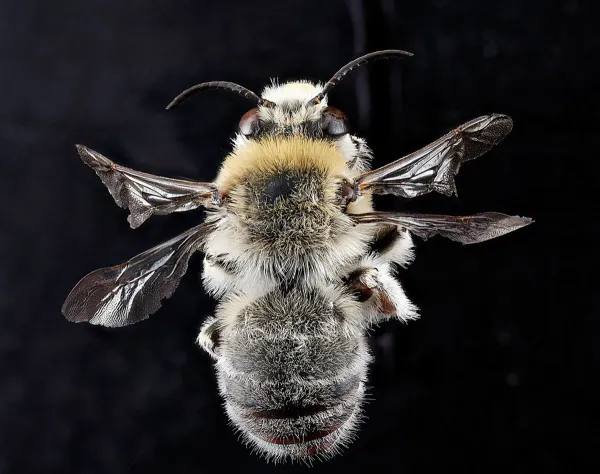
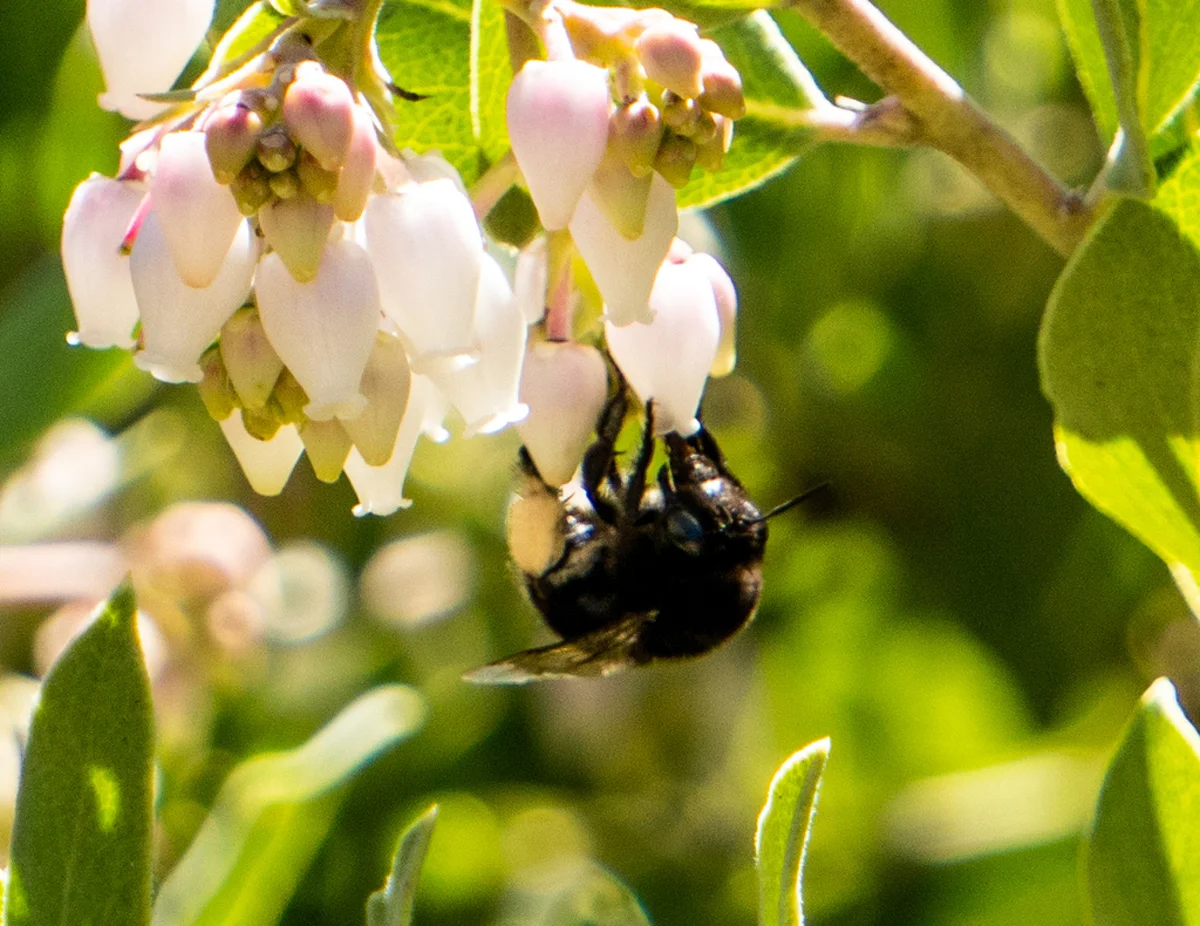
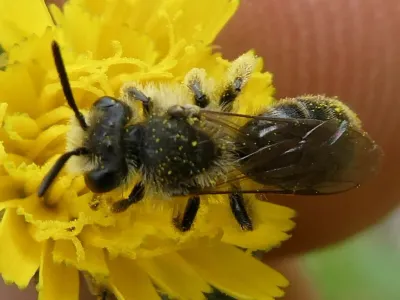
Digger bees are fuzzy, sturdy bees that people often mistake for bumble bees. They range from 10 to 20 millimeters long. That makes them a bit larger than honey bees. Their bodies are covered in thick hair that helps them collect pollen.
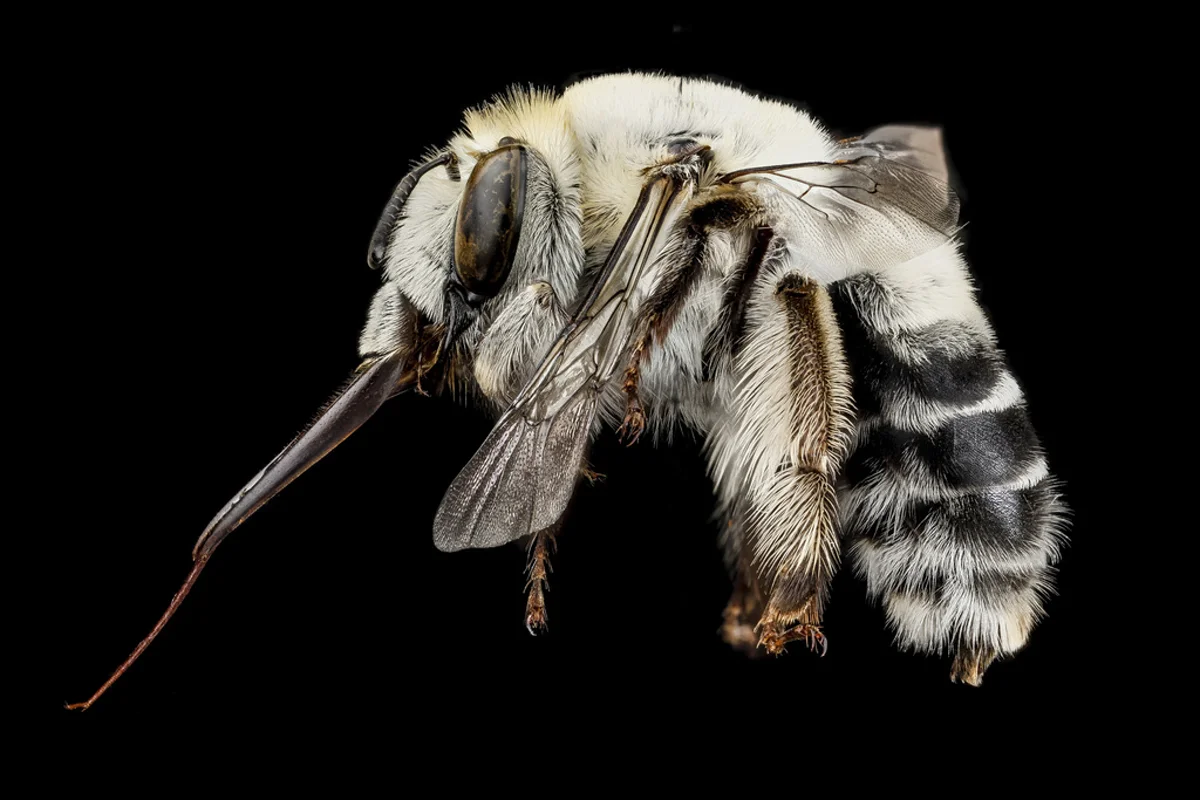
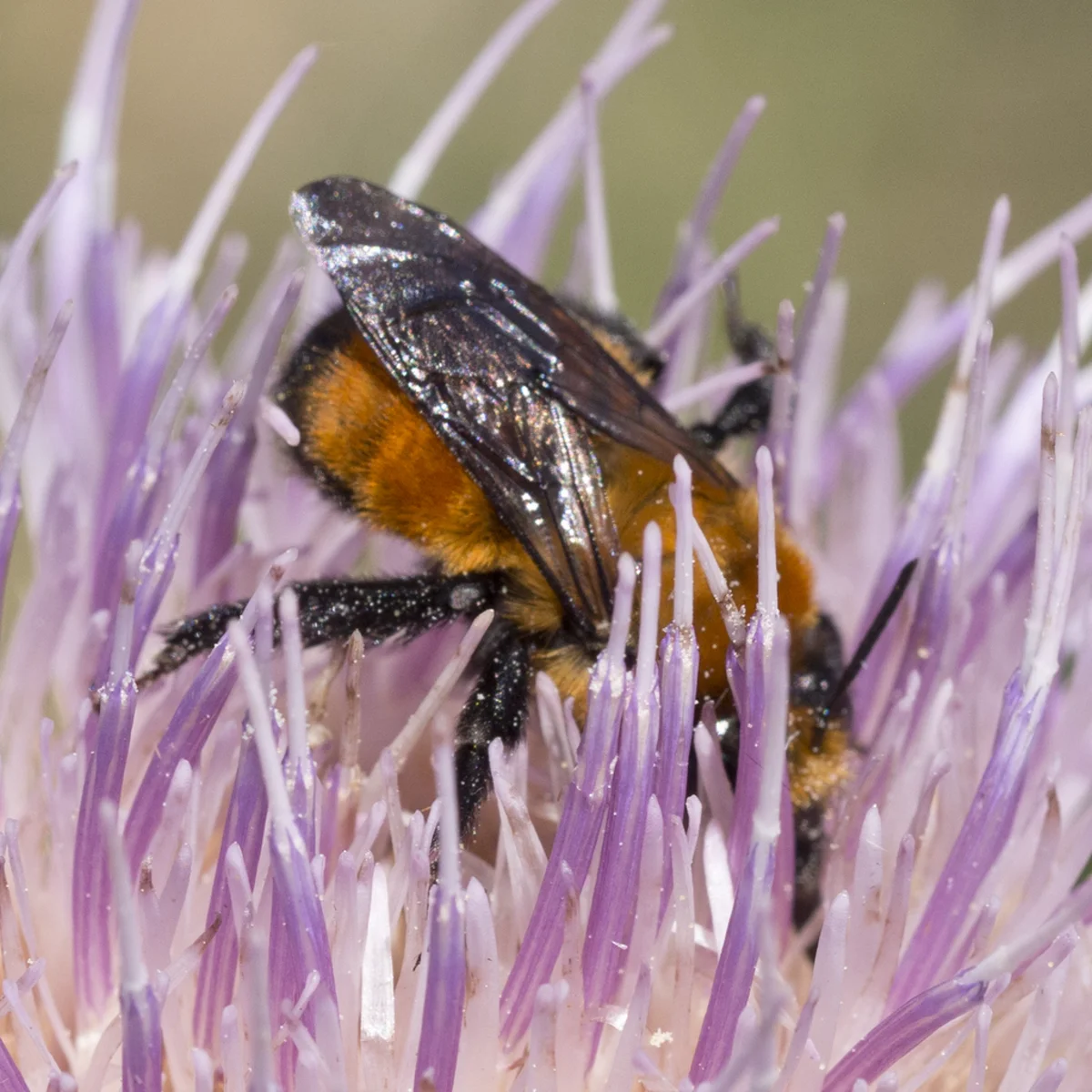
Most digger bees have black bodies with pale gray or white stripes on the abdomen. Their thorax is often covered in golden-brown or beige hairs. This gives them a two-toned look. The best way to tell digger bees from bumble bees is by their hind legs. Digger bees have pollen-collecting hairs all over their legs. Bumble bees have smooth, shiny pollen baskets instead.
Male digger bees often have pale or white markings on their faces. Females tend to have darker faces. Many digger bee species have a concave face profile that sets them apart from other bees.
Digger bees have long tongues that let them reach nectar in deep flowers that other bees cannot access.
Common Species in North America
-
Bumble-bee-mimic Digger Bee (Anthophora bomboides): A large species that closely resembles a bumble bee with yellow and black coloring.
-
Orange-tipped Wood-digger Bee (Anthophora terminalis): Features distinctive orange-tipped hairs on the abdomen.
-
Habropoda laboriosa: The southeastern blueberry bee, important for pollinating blueberry crops.
-
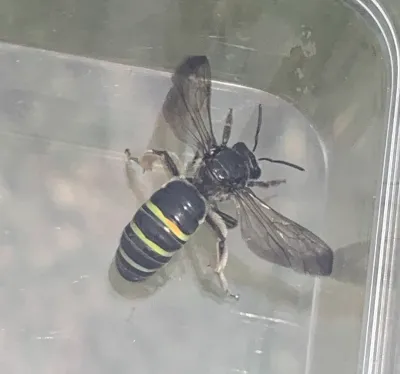
Anthophora abrupta: Common in the eastern United States, prefers vertical soil banks for nesting. A related species, Masked Bees, shares similar characteristics.
-
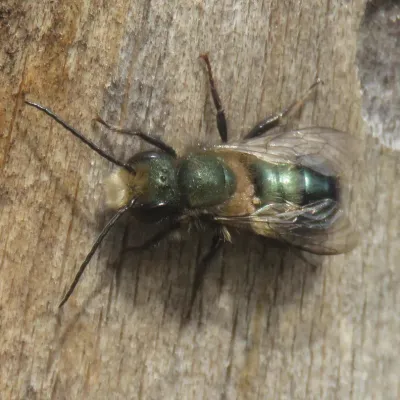
Anthophora urbana: The urbane digger bee, found throughout western North America. A related species, Cuckoo Bees, shares similar characteristics.
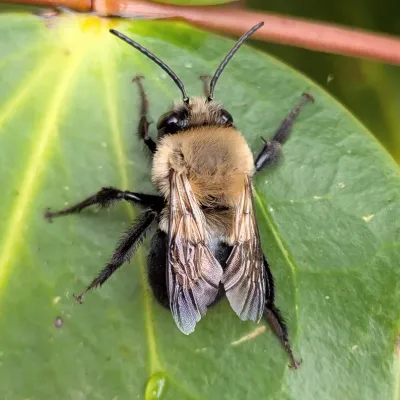
Digger Bees Behavior and Biology A related species, Long-Horned Bees, shares similar characteristics.
Digger bees are solitary insects. Each female builds and stocks her own nest. However, they like to nest near each other. A single good spot might have hundreds or even thousands of nests clustered together. A related species, Small Carpenter Bees, shares similar characteristics.
These bees come out in early spring. Males appear first. Male digger bees fly around nesting areas and wait outside tunnel openings for females to emerge. This behavior can look aggressive, but males cannot sting.
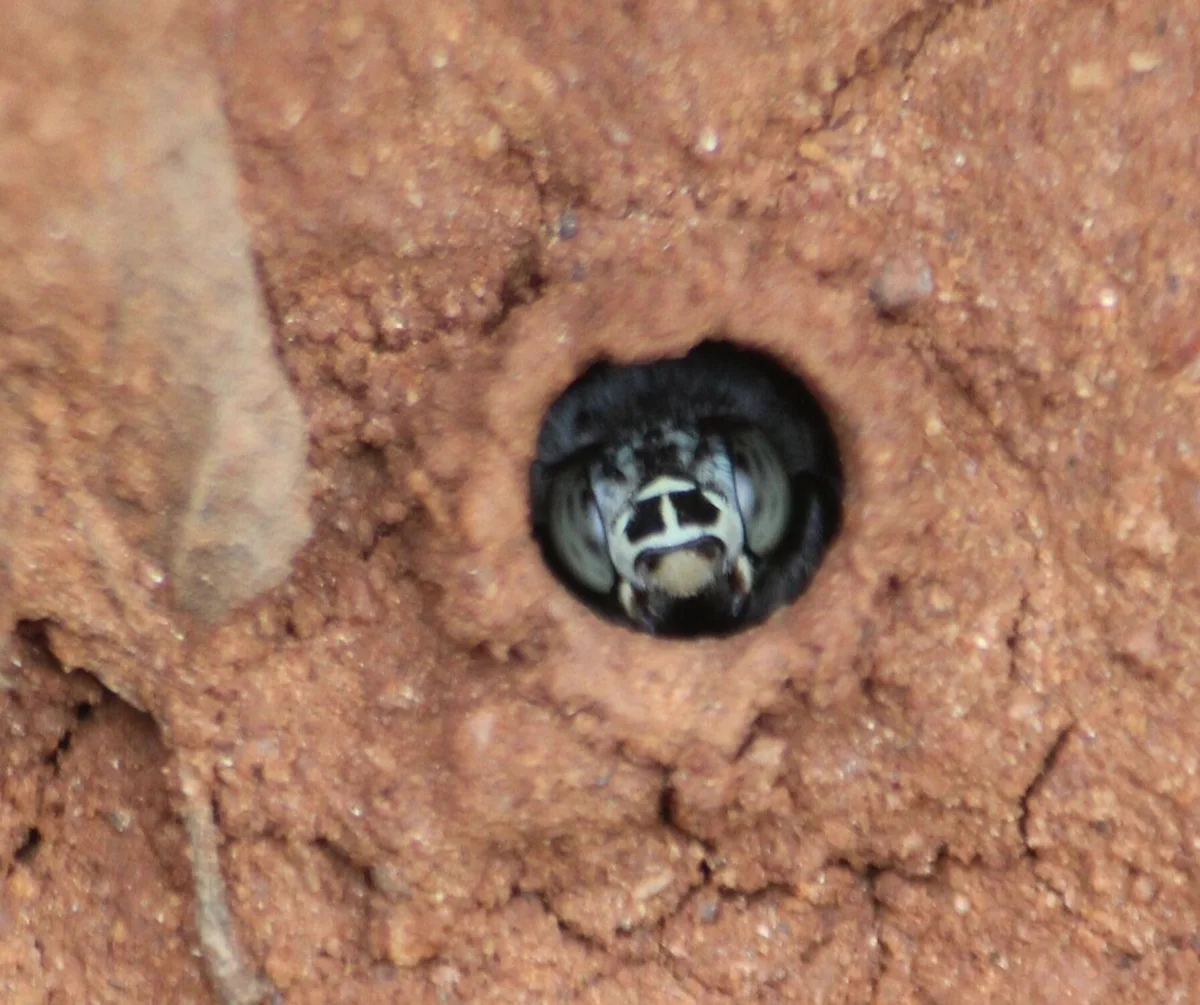
After mating, females start building nests. They dig burrows in the soil using their front legs and jaws. Like mining bees, they prefer bare earth, vertical banks, or areas with thin grass. The burrow goes several inches deep and ends in a chamber where the female will lay her eggs.
Digger bees line their nest cells with a waterproof coating. This protects the larvae from moisture and soil germs. The female fills each cell with a mix of pollen and nectar. Then she lays an egg and seals the chamber. She may create several cells in one burrow.
Digger bees use buzz pollination. They vibrate their flight muscles to shake pollen loose from flowers. Their long tongues let them reach tubular flowers that many other bees cannot access. They visit many types of flowering plants.
How We Treat for Digger Bees
Digger bees are not aggressive and rarely sting. If they have set up a large nest cluster in a high-traffic area of your property, or if someone in your household has a bee sting allergy, treatment can help.
Assessment and Identification:
The first step is confirming that you have digger bees and not a more aggressive species like yellowjackets, which also nest in the ground. Our technicians will identify the species and assess the nest location.
Treatment Options:
For digger bee nests that require treatment, we apply a residual insecticide to the soil around nest entrances. This works best in late afternoon or early evening when bees have returned to their burrows. Since digger bees are solitary, each nest must be treated on its own.
Habitat Modification:
We may recommend changes to prevent future nesting in the area:
- Increase watering: Digger bees prefer dry soil. Regular irrigation makes the area less attractive.
- Improve grass coverage: Fill in bare or thin spots in your lawn to eliminate exposed soil.
- Add mulch: Cover bare soil in garden beds to discourage nesting.
Important Notes:
Each female digger bee takes care of her own nest. They do not defend a central hive like honey bees or yellowjackets do. This makes them much less likely to sting. Treatment is usually needed only when nests are in areas where people cannot avoid them.
If you are not sure whether you have digger bees or a different stinging insect, contact us at 703-683-2000 for help.
References
Other Bees
Explore other species in the bees family
Commonly Confused With
Digger Bees are often mistaken for these similar pests
Where Digger Bees Are Found
Hover over states to see their names. Green regions indicate where digger bees have been reported.
Common Questions about Digger Bees
How do I know if I have digger bees?
+
Look for small holes in bare soil, dirt banks, or thin areas of your lawn, often with small mounds of loose soil around them. You may see dozens or even hundreds of holes clustered together. Digger bees are noisy fliers that hover and dart around quickly near flowers and nest sites.
Are digger bees dangerous?
+
Digger bees are not aggressive. Female digger bees can sting if handled or stepped on, but they rarely do. Males are territorial and may hover around people near the nest site, but they cannot sting. Most people can walk near digger bee nests without incident.
Will digger bees damage my property?
+
No. Digger bee burrows are shallow and do not damage lawns, gardens, or structures. The nests actually help aerate the soil. The bees are temporary visitors that will be gone after their nesting season ends.
How long do digger bees stay?
+
Digger bees are typically active for 4 to 8 weeks during spring and early summer. After mating and provisioning their nests, the adult bees die off. The larvae develop underground and won't emerge until the following year.
Are digger bees the same as bumble bees?
+
No. While digger bees can look similar to bumble bees due to their fuzzy bodies and robust build, they are different. Digger bees have pollen-collecting hairs all over their hind legs, while bumble bees have smooth pollen baskets. Digger bees are also solitary, while bumble bees live in colonies.
Do digger bees return to the same spot every year?
+
Yes, offspring often emerge and nest near where they hatched. This is normal behavior and not a sign of an infestation. Digger bees prefer the same conditions year after year: bare, dry soil with good sun exposure.
How can I discourage digger bees from nesting?
+
Digger bees prefer bare, dry soil. You can discourage nesting by maintaining thick grass cover, watering regularly to keep soil moist, or adding mulch to bare areas. These changes make the habitat less attractive for nest construction.
Should I remove digger bees from my yard?
+
It depends on your situation. Digger bees are not aggressive and do not damage property. However, if they are nesting in a high-traffic area or someone in your household has a bee allergy, treatment may be appropriate.

With five years of hands-on experience in the pest control industry, George Schulz is a registered technician with the Virginia Pest Management Association and a proud third-generation professional in a family business that's been protecting homes for over 57 years. He manages and trains a team of service pros while also leading internal research efforts—recently spearheading a deep-dive review of thousands of documents on pest control materials to hand-pick the most kid and pet friendly, most effective solutions tailored specifically for homes in the DC metro area.