Bumble Bees Identification Guide
Bombus spp.
Large, fuzzy bees that nest in small colonies and can become a nuisance when nesting near doorways, walkways, or play areas.
Taxonomy
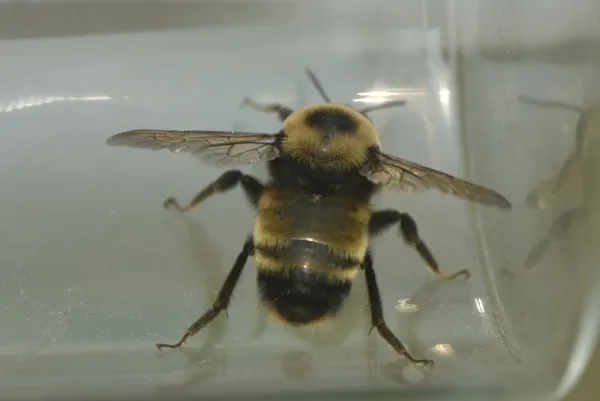
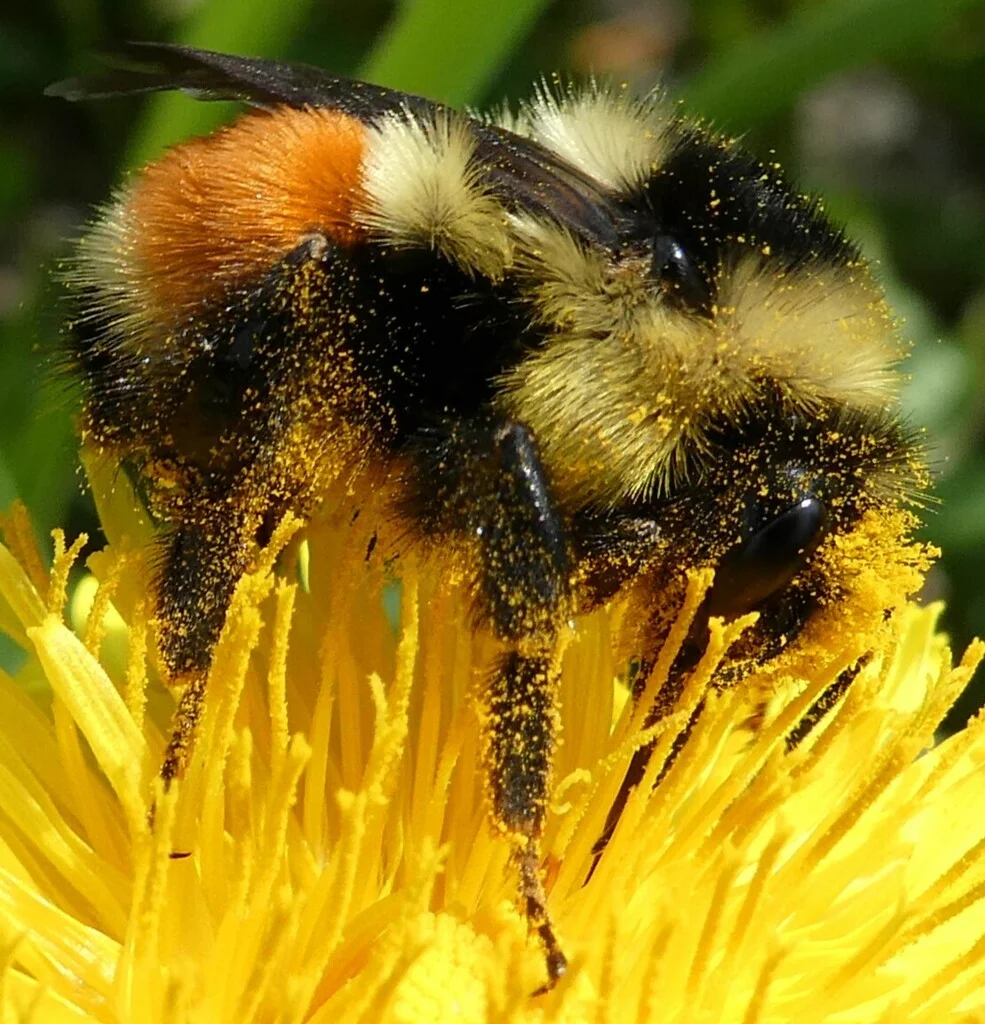
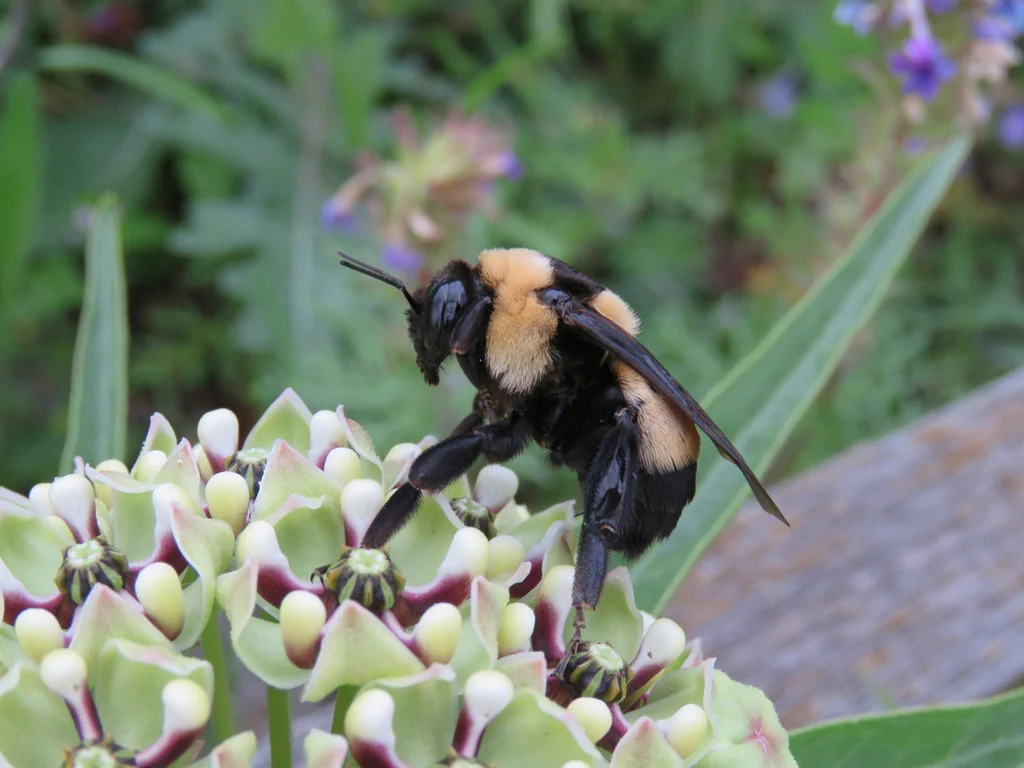
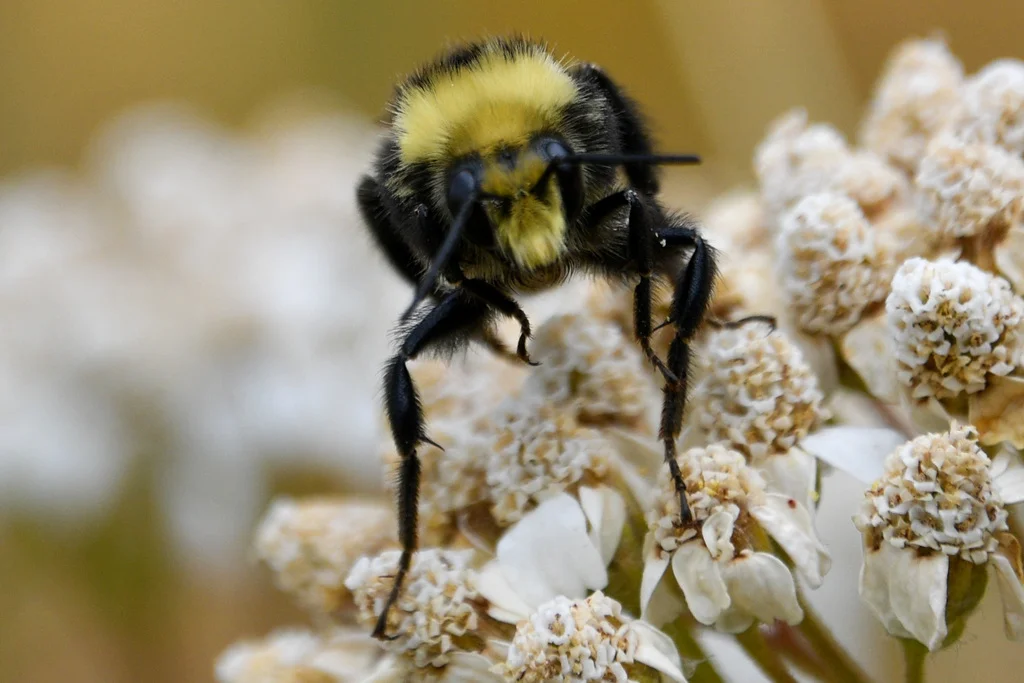
Bumble Bees Coloration
Common color patterns to help identify bumble bees
Bumble Bees
Seasonal Activity
When bumble bees are most active throughout the year

Where Bumble Bees Are Found
Hover over states to see their names. Green regions indicate where bumble bees have been reported.
Bumble Bee Identification Guide
Physical Characteristics
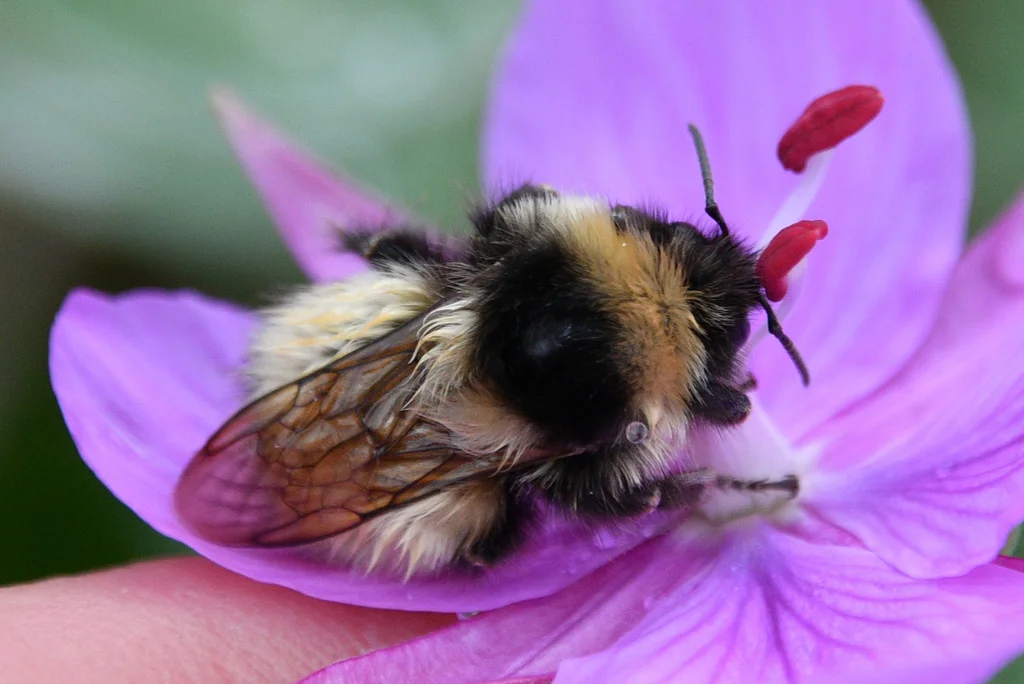
Bumble bees are easy to spot. They are large, round bees measuring 1/2 to 1 inch long. Their bodies are covered in dense fuzzy hair with yellow and black bands. Some species also have orange, white, or reddish markings.
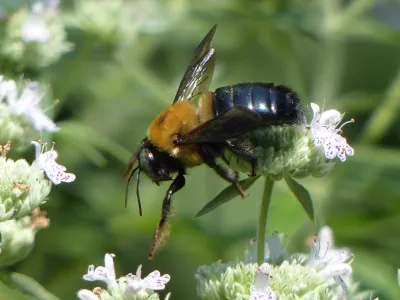
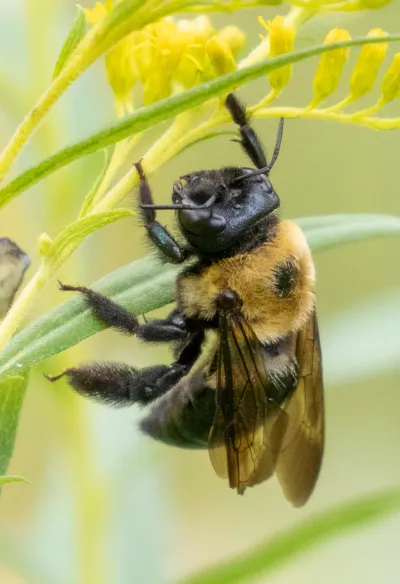
The key to identifying a bumble bee is the fuzzy abdomen. Unlike carpenter bees, which have a shiny, hairless black rear section, bumble bees are fuzzy all over. This dense hair helps them collect pollen and also allows them to fly in cooler temperatures than most other bees.
Bumble bees have short, stubby wings relative to their body size. They beat their wings very fast, producing their deep buzzing sound. They also have pollen baskets on their hind legs. These appear as smooth, shiny areas surrounded by stiff hairs. When foraging, you can often see bright yellow or orange pollen packed into these baskets.
Queens are noticeably larger than workers, sometimes measuring over an inch long. Males tend to be smaller and often have different facial markings than females. Only female bumble bees (queens and workers) can sting.
Common Species in North America
-
Common Eastern Bumble Bee (Bombus impatiens): The most common species east of the Rockies. Yellow and black coloring with a mostly black abdomen. Found throughout Virginia, Maryland, and the DC area.
-
Brown-belted Bumble Bee (Bombus griseocollis): Has a brown or rust-colored band across the middle of the abdomen. Common in eastern and central North America.
-
Two-spotted Bumble Bee (Bombus bimaculatus): Yellow thorax with two yellow spots on a mostly black abdomen. One of the first species to emerge in spring.
-
American Bumble Bee (Bombus pensylvanicus): Once common but now declining. Yellow thorax and a yellow first abdominal segment with black coloring behind.
-
Tri-colored Bumble Bee (Bombus ternarius): Orange band between yellow bands. Found mainly in northern states and Canada.
Bumble Bee Behavior and Biology
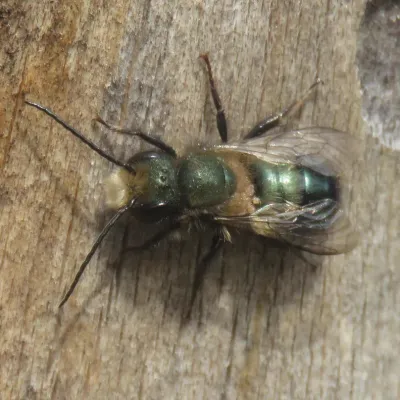
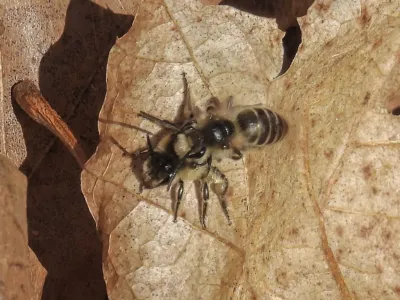
Bumble bees are social insects that live in small annual colonies. Unlike honey bees, which maintain large permanent hives, bumble bee colonies start fresh each spring and die off each fall. A related species, Masked Bees, shares similar characteristics.
The colony cycle begins when a queen comes out of hibernation in early spring. She spent the winter sleeping in a shallow burrow in the soil. After warming up and feeding on early flowers, she looks for a place to nest. Old rodent burrows are common spots, but queens also nest in thick grass, leaf piles, compost piles, under sheds, and in wall gaps.
Once settled, the queen builds a small wax pot and fills it with nectar for energy. She then creates a ball of pollen, lays her first eggs on it, and sits on the brood to keep it warm. She vibrates her flight muscles to generate heat. This lets bumble bees stay active on cool days when other bees cannot fly.
The first workers emerge after about three weeks. These daughters take over food gathering and nest care while the queen focuses on laying eggs. As summer goes on, the colony grows to 50-400 workers. Bumble bee nests look messy compared to honey bee hives. Wax pots for nectar and pollen sit scattered among clumps of brood cells.
In late summer, the colony produces males and new queens. Males leave the nest to find mates and do not return. After mating, new queens eat a lot to build up fat, then dig into the soil to sleep through winter. The old queen, workers, and males all die when cold weather arrives. Only the newly mated queens survive to start colonies the next spring.
Bumble bees perform “buzz pollination” by vibrating their flight muscles while clinging to a flower. This shakes loose pollen that would otherwise stay trapped inside the anthers.
How We Treat for Bumble Bees
Treatment is recommended when nests are in high-traffic areas where people might disturb them. This includes areas near doorways, walkways, patios, swing sets, or anywhere people might step on or brush against the nest entrance.
Locating the Nest
The first step is finding the nest. Bumble bee nests can be hard to find because they are often underground or hidden in thick plants. Our technicians look for a steady stream of bees going in and out of a single spot. The entrance hole is usually small, roughly the width of a quarter.
Treatment Approach
For nests that pose a risk, we apply a residual insecticide to the nest entrance and nearby area. Treatment works best in early morning or evening when most foragers have returned to the nest. The product eliminates bees as they enter and exit.
When Treatment May Not Be Needed
If the nest is away from regular foot traffic, you may choose to wait it out. Bumble bee colonies naturally die off in fall. The nest will not be reused the following year. If the location poses no risk of contact, the problem resolves itself within a few months.
Prevention Tips
To reduce the chances of bumble bees nesting near your home:
- Fill in old rodent burrows and ground holes around your property
- Keep areas under decks and sheds clear of debris
- Remove piles of grass clippings, leaves, and mulch near the house
- Seal gaps and cracks in walls, soffits, and foundations
Warranty
Most bee treatments come with a 30-day warranty. If activity continues, we will retreat at no extra cost.
Bumble Bees vs. Other Bees
Knowing the differences between bee species helps you identify what you have and decide what to do.
Bumble Bees vs. Carpenter Bees
Both are large bees with yellow and black coloring, but they are easy to tell apart. Bumble bees have a fuzzy abdomen with visible bands. Carpenter bees have a shiny, hairless black abdomen. Carpenter bees bore into wood and live alone. Bumble bees nest in cavities and live in colonies. For a detailed comparison, see our guide on bumblebee vs carpenter bee.
Bumble Bees vs. Honey Bees
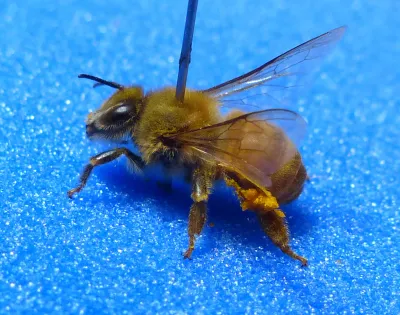
Honey bees are smaller and more slender than bumble bees. They have less body hair and look more tan or golden rather than bright yellow. Honey bees live in large permanent hives with thousands of members. Bumble bee colonies are much smaller and last only one season.
Bumble Bees vs. Yellowjackets
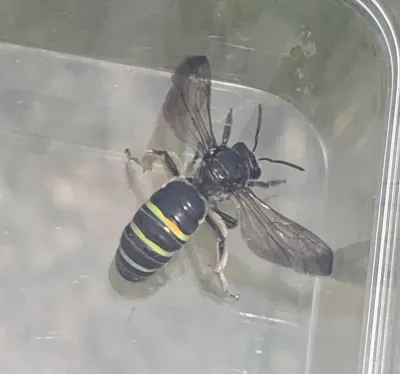
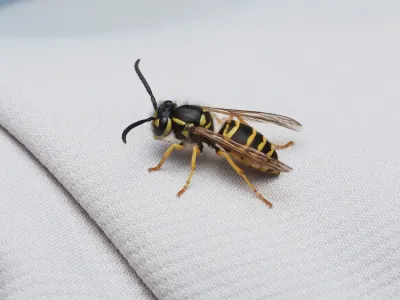
Yellowjackets are wasps, not bees. They have smooth, shiny bodies with bright yellow and black stripes. Their waist is very narrow. Yellowjackets are much more aggressive than bumble bees and will sting many times when disturbed. If you see aggressive insects flying in and out of a ground hole, they are likely yellowjackets, not bumble bees.
References
Other Bees
Explore other species in the bees family
Commonly Confused With
Bumble Bees are often mistaken for these similar pests
Where Bumble Bees Are Found
Hover over states to see their names. Green regions indicate where bumble bees have been reported.
Common Questions about Bumble Bees
How do I know if I have bumble bees?
+
Bumble bees are large, fuzzy bees with yellow and black banded bodies. Unlike carpenter bees, they have hairy abdomens. You may see them visiting flowers or notice activity around a ground-level nest entrance, often in an old rodent burrow, compost pile, or under a shed or deck.
Are bumble bees dangerous?
+
Bumble bees are generally docile and will not sting unless their nest is directly disturbed or they feel threatened. Unlike honey bees, bumble bees can sting multiple times. The main concern is when nests are located near walkways, play areas, or entrances where accidental encounters are likely.
What is the difference between bumble bees and carpenter bees?
+
The easiest way to tell them apart is by their abdomen. Bumble bees have a fuzzy, hairy abdomen with yellow bands. Carpenter bees have a shiny, hairless black abdomen. Bumble bees nest in the ground or in cavities, while carpenter bees bore into wood.
Where do bumble bees build their nests?
+
Bumble bees typically nest underground in abandoned rodent burrows, but they also nest in dense grass, compost piles, under sheds, in wall voids, and in other protected cavities. Nests are usually close to the ground and have a single entrance hole.
How long do bumble bee colonies last?
+
Bumble bee colonies are annual. A single queen starts the colony in spring, workers emerge in summer, and the colony dies off in fall. Only newly mated queens survive the winter by hibernating underground. Each spring, these queens start entirely new colonies.
Do bumble bees make honey?
+
Bumble bees do produce a small amount of honey, but not in quantities that can be harvested. They store nectar and pollen in wax pots within their nest to feed the colony. Their colonies are much smaller than honey bee hives, typically containing 50-400 bees.
Should I remove a bumble bee nest?
+
If the nest is in a low-traffic area, it may not need treatment since colonies die off in fall. However, if the nest is near a doorway, play area, or somewhere people might disturb it, treatment is recommended to prevent stings.
Why are there bumble bees around my home?
+
Bumble bees are attracted to areas with abundant flowers for foraging and suitable nesting sites. Gardens, flowerbeds, and landscaping draw them in. Old rodent burrows, mulch piles, and gaps under sheds or decks provide nesting opportunities.

With five years of hands-on experience in the pest control industry, George Schulz is a registered technician with the Virginia Pest Management Association and a proud third-generation professional in a family business that's been protecting homes for over 57 years. He manages and trains a team of service pros while also leading internal research efforts—recently spearheading a deep-dive review of thousands of documents on pest control materials to hand-pick the most kid and pet friendly, most effective solutions tailored specifically for homes in the DC metro area.