Alkali Bees Identification Guide
Nomia melanderi
Ground-nesting solitary bees native to the western United States, known for nesting in alkaline soils near dry lakebeds.
Taxonomy
Alkali Bees Coloration
Common color patterns to help identify alkali bees
Alkali Bees
Seasonal Activity
When alkali bees are most active throughout the year

Where Alkali Bees Are Found
Hover over states to see their names. Green regions indicate where alkali bees have been reported.
Alkali Bees Identification Guide
Physical Characteristics
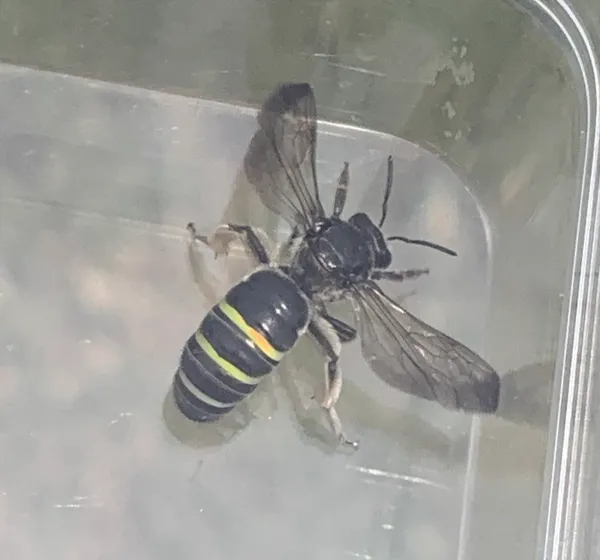
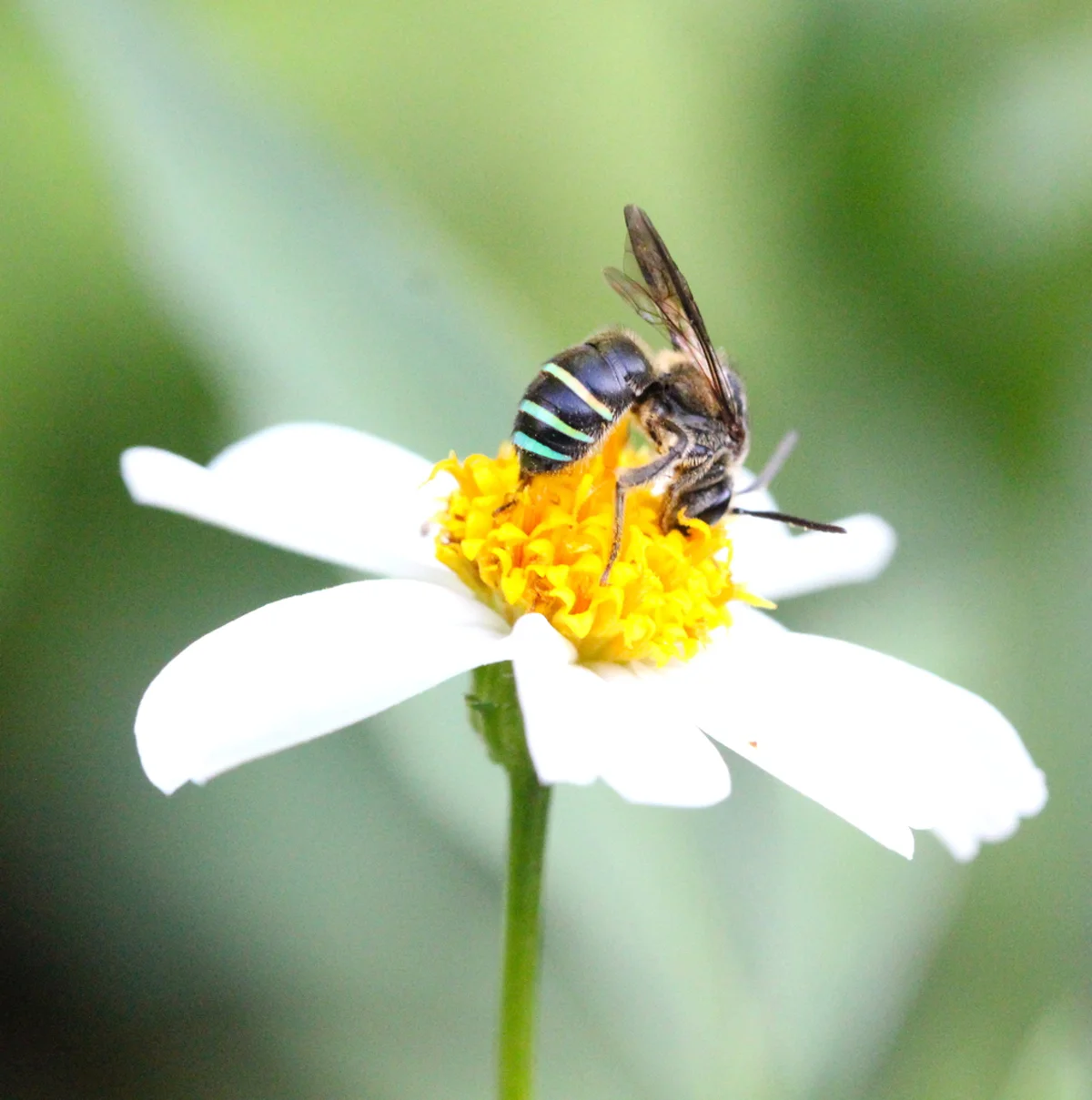
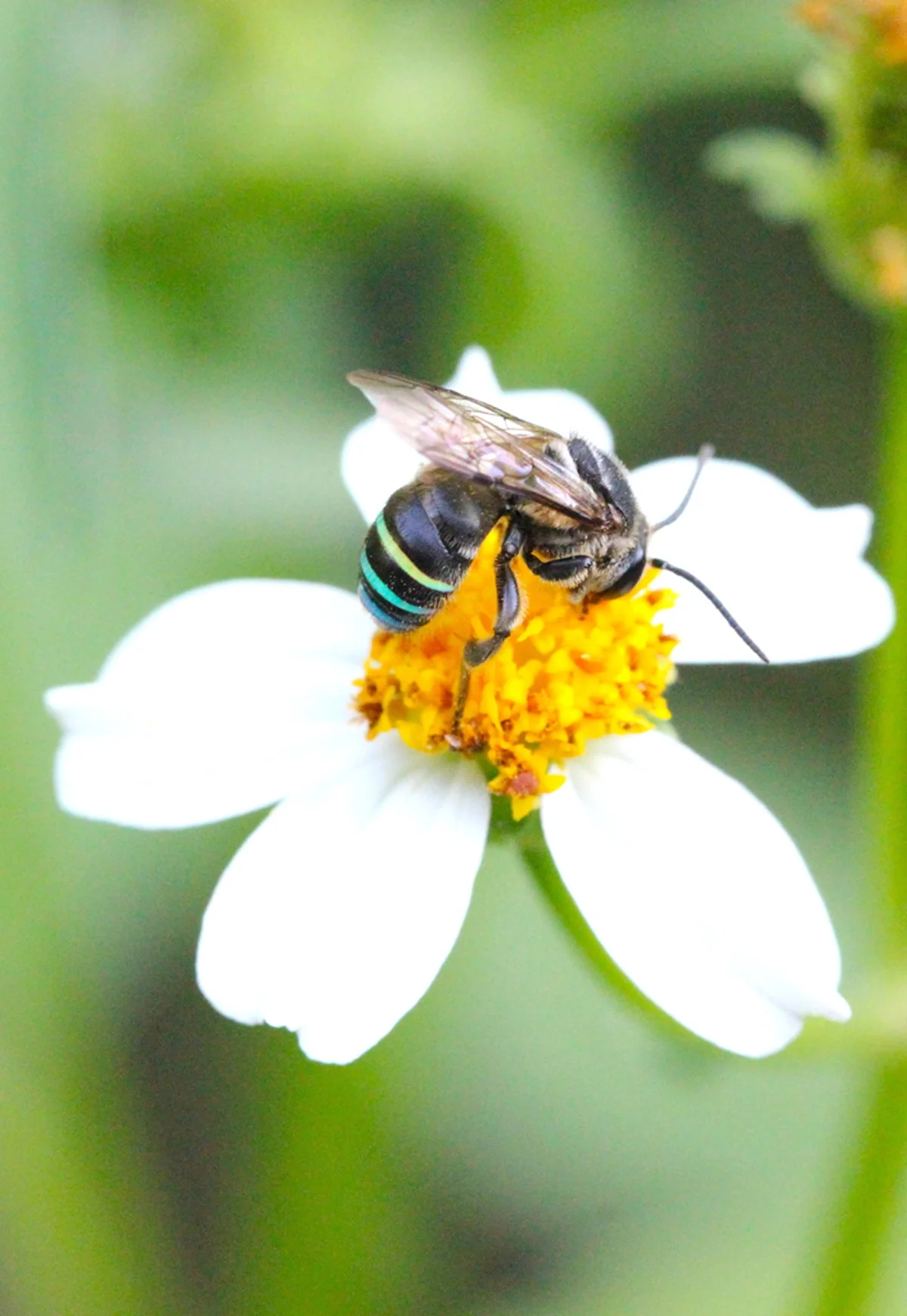
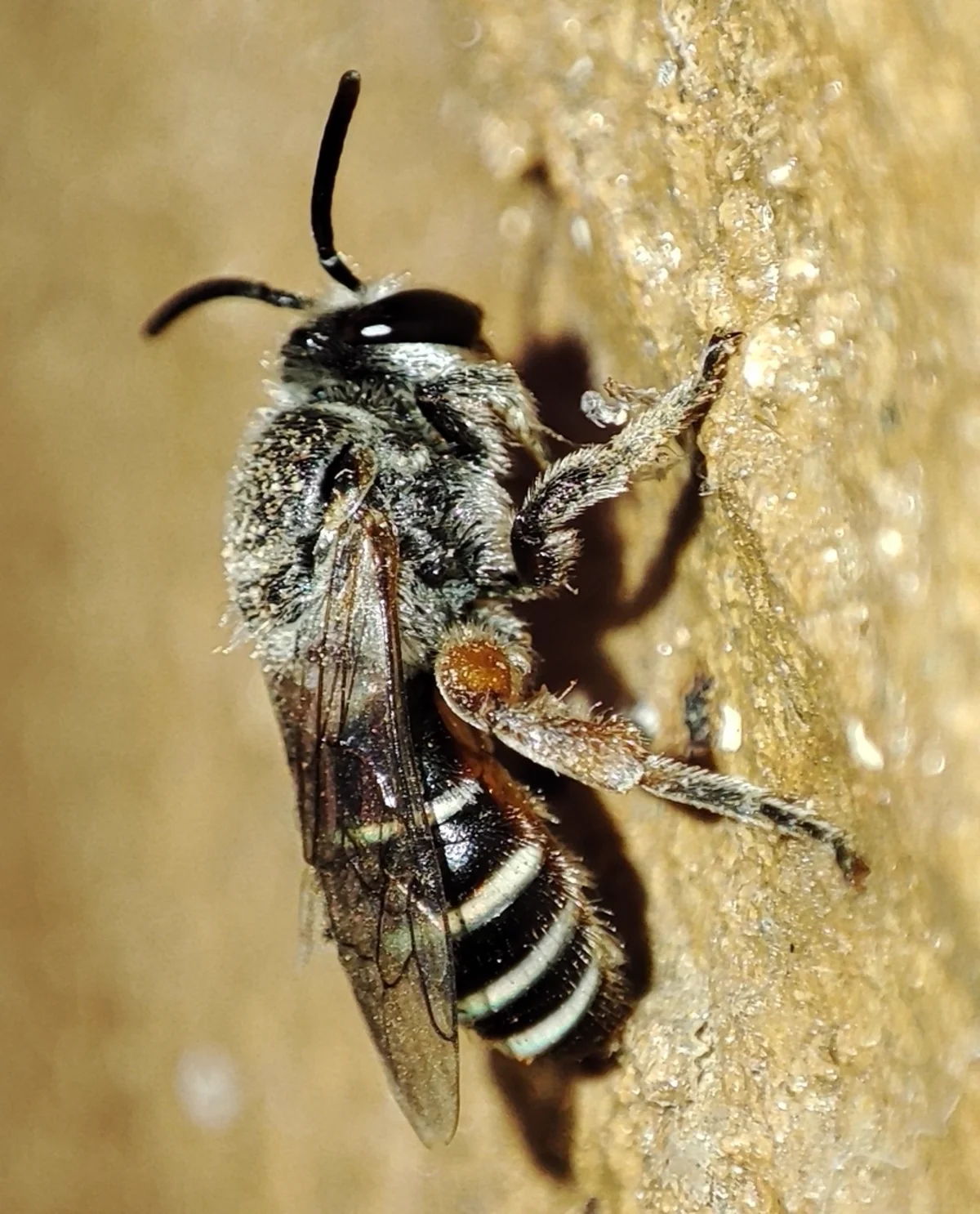
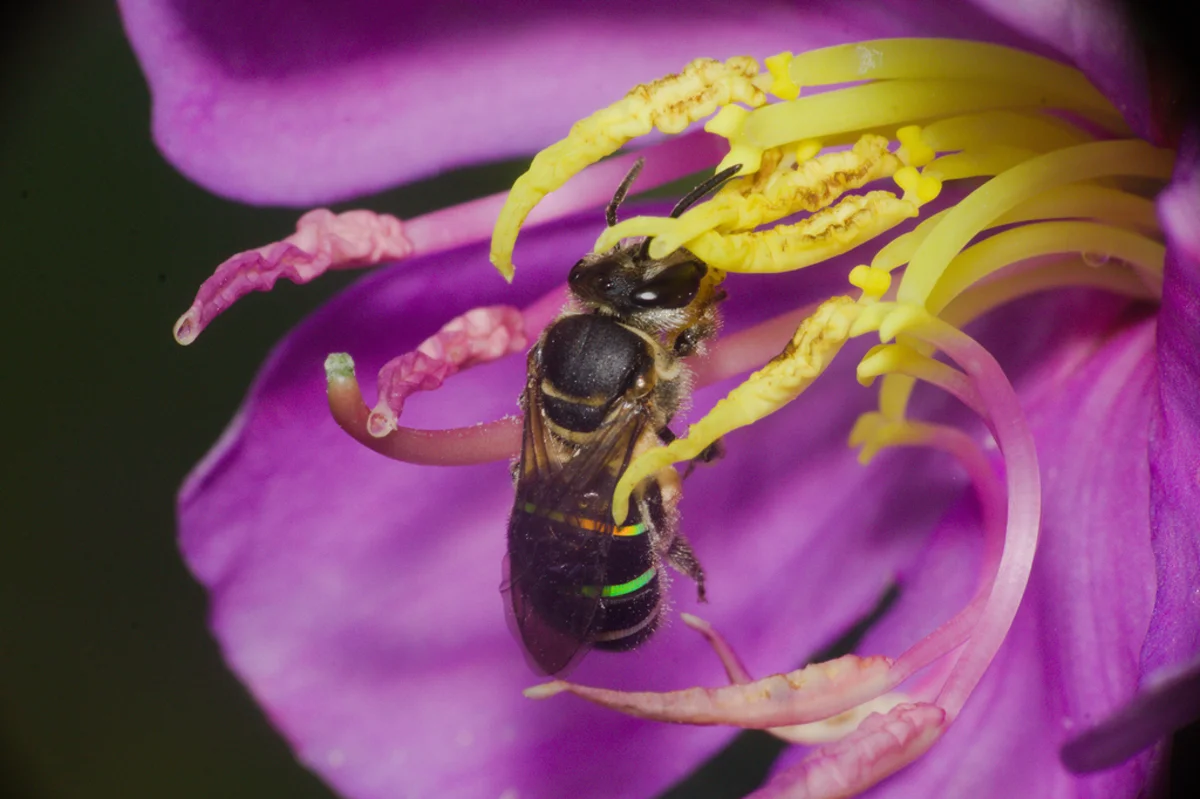
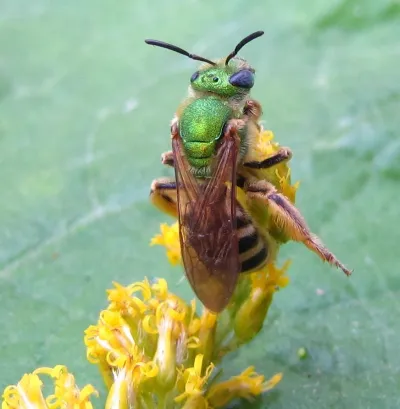
Alkali bees are medium-sized bees. They measure 8 to 12 millimeters long. At first glance, they look like honey bees, but they are slightly smaller. Their most striking feature is the bands on their abdomen. These bands shine with colors like green, blue, or gold depending on the light. The bands are made of tiny scales that give the bee a metallic look.
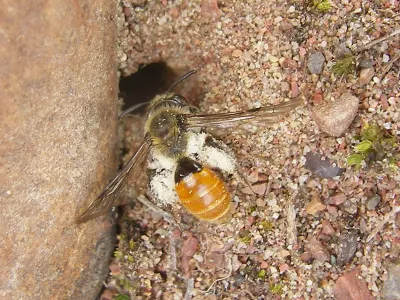
Alkali bees are less fuzzy than honey bees. They have a dark head and thorax covered with short hairs. The abdomen shows clear stripes between each segment. Females have hairs on their hind legs for collecting pollen. These hairs look yellow or orange when full of pollen.
Alkali bees have two pairs of wings, six legs, and bent antennae. They look sleeker than honey bees, which have rounder, fuzzier bodies.
Common Species
-
Alkali Bee (Nomia melanderi): The main species called the alkali bee. Found in the western United States. Farmers manage them for alfalfa pollination. They have shiny stripes on their abdomen and nest in alkaline soils.
-
Norton’s Alkali Bee (Nomia nortoni): A related species in the western United States. It looks similar but is not managed for farming as often. A related species, Masked Bees, shares similar characteristics.
Alkali Bees Behavior and Biology A related species, Cuckoo Bees, shares similar characteristics.
Alkali bees are ground-nesting bees that dig their burrows in salty or alkaline soil. Each female digs and stocks her own nest. Even though they nest alone, they like to nest near other alkali bees. Some nesting sites in the Pacific Northwest have millions of bee burrows. A related species, Long-Horned Bees, shares similar characteristics.
Alkali bees have specific nesting needs. They require bare soil with high salt content. The soil must stay moist several inches below the surface. They also need warm summer weather. In the wild, they nest near dry lakebeds, salt flats, and areas with mineral-rich groundwater. Their name comes from their love of alkaline soil. A related species, Digger Bees, shares similar characteristics.
Female alkali bees come out in late spring or early summer. This is when alfalfa starts to bloom. After mating, each female digs a burrow 6 to 12 inches deep. At the bottom, she makes horizontal tunnels. Each tunnel ends in a small chamber. She fills each chamber with pollen and nectar, lays one egg, and seals it. One female may create 10 to 20 chambers during her 4 to 6 week life. A related species, Small Carpenter Bees, shares similar characteristics.
Alkali bees are skilled at opening alfalfa flowers. Alfalfa has a flower structure that springs open when tripped, releasing pollen. Honey bees often avoid tripping these flowers because the mechanism can strike them. Alkali bees trip the flowers on purpose and do so quickly. They can visit over 1,000 flowers per day. This makes them useful for alfalfa seed production.
Male alkali bees come out before females. They patrol the nesting area looking for mates. Males may look aggressive as they hover and dart around, but they cannot sting.
The larvae grow underground. They eat the stored pollen through summer and fall. They spend the winter in their cells and come out as adults the next summer.
Agricultural Use
Alkali bees are the only ground-nesting bee that farmers manage in large numbers. In the 1940s, farmers in the Pacific Northwest learned that building nesting beds could grow alkali bee numbers and boost alfalfa seed crops.
Modern nesting beds have a waterproof liner at the base. Above that are layers of gravel and sand for drainage. The surface has salt to keep the right soil chemistry. Buried pipes add water to keep the soil damp underground while the surface stays dry. Some beds have over 5 million nesting females.
Farmers protect alkali bees by being careful with pesticides. They spray at night when bees are in their burrows. They also use products that are less harmful to bees when possible. Drought and poor bed care can hurt bee numbers since they need the right soil moisture.
Treatment Options for Alkali Bees
Alkali bees rarely cause problems for homeowners. Like most solitary bees, they do not damage property and are not aggressive. If alkali bees are nesting in an area where you do not want them, changing the habitat can encourage them to move. Adding water to keep the soil moist or covering bare soil with mulch makes the area less appealing for nesting.
If treatment is needed, a pest control company can apply residual insecticide to the soil around nest entrances. This is most effective in the evening when bees have returned to their burrows. However, treatment is usually not necessary since alkali bees pose no threat to people or structures.
References
Other Bees
Explore other species in the bees family
Commonly Confused With
Alkali Bees are often mistaken for these similar pests
Where Alkali Bees Are Found
Hover over states to see their names. Green regions indicate where alkali bees have been reported.
Common Questions about Alkali Bees
What are alkali bees?
+
Alkali bees are ground-nesting solitary bees native to the western United States. They get their name from their preference for nesting in alkaline or salt-saturated soil. Despite being solitary, they often nest in large aggregations with thousands of individual burrows in the same area.
Where do alkali bees live?
+
Alkali bees are found in arid and semi-arid regions of the western United States, including Washington, Oregon, Idaho, Utah, Nevada, and California. They nest in bare, alkaline soil near dry lakebeds, salt flats, and irrigated agricultural areas.
Are alkali bees dangerous?
+
Alkali bees are not aggressive and rarely sting. Female alkali bees can sting if directly handled, but they do not defend their nests aggressively like yellowjackets. Male alkali bees cannot sting at all. These bees pose no threat to humans in normal circumstances.
Why are alkali bees used in agriculture?
+
Alkali bees are very good at pollinating alfalfa, a crop grown for seed. A single bee can visit over 1,000 alfalfa flowers per day. Farmers in the Pacific Northwest manage alkali bee nesting beds to increase alfalfa seed yields by up to 50 percent.
How do I identify alkali bees?
+
Alkali bees are slightly smaller than honey bees, about 8 to 12 millimeters long. They have black abdomens with distinctive iridescent stripes that can appear greenish or bluish in certain light. Their bodies are less fuzzy than honey bees, and they are often seen flying low over bare soil.
Do alkali bees make honey?
+
No, alkali bees do not produce honey. They are solitary bees, meaning each female builds and provisions her own nest. She collects pollen and nectar to feed her larvae but does not store honey like colonial honey bees do.
Can alkali bees be managed like honey bees?
+
Yes, alkali bees are the only ground-nesting bee species that is intensively managed for agricultural pollination. Farmers in the western United States construct artificial nesting beds with the proper soil moisture, salinity, and drainage to support large alkali bee populations.
How can I tell alkali bees apart from sweat bees?
+
Both belong to the same family (Halictidae), but alkali bees are generally larger and have more pronounced iridescent banding on their abdomens. Alkali bees also have very specific habitat requirements, nesting only in alkaline soils, while [sweat bees](/pests/bees/sweat-bees/) nest in a wider variety of soil types.

With five years of hands-on experience in the pest control industry, George Schulz is a registered technician with the Virginia Pest Management Association and a proud third-generation professional in a family business that's been protecting homes for over 57 years. He manages and trains a team of service pros while also leading internal research efforts—recently spearheading a deep-dive review of thousands of documents on pest control materials to hand-pick the most kid and pet friendly, most effective solutions tailored specifically for homes in the DC metro area.