Tropical Bed Bugs Identification Guide
Cimex hemipterus
Tropical bed bugs are blood-feeding insects closely related to the common bed bug. They thrive in warm, humid climates and are increasingly found in subtropical and tropical regions of North America, particularly Florida and along the Gulf Coast.
Taxonomy
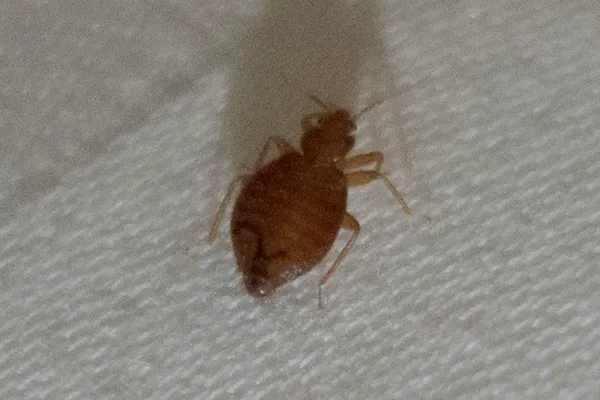
Tropical Bed Bugs Coloration
Common color patterns to help identify tropical bed bugs
Tropical Bed Bugs
Seasonal Activity
When tropical bed bugs are most active throughout the year

Where Tropical Bed Bugs Are Found
Hover over states to see their names. Green regions indicate where tropical bed bugs have been reported.
Tropical Bed Bug Identification Guide
Physical Characteristics
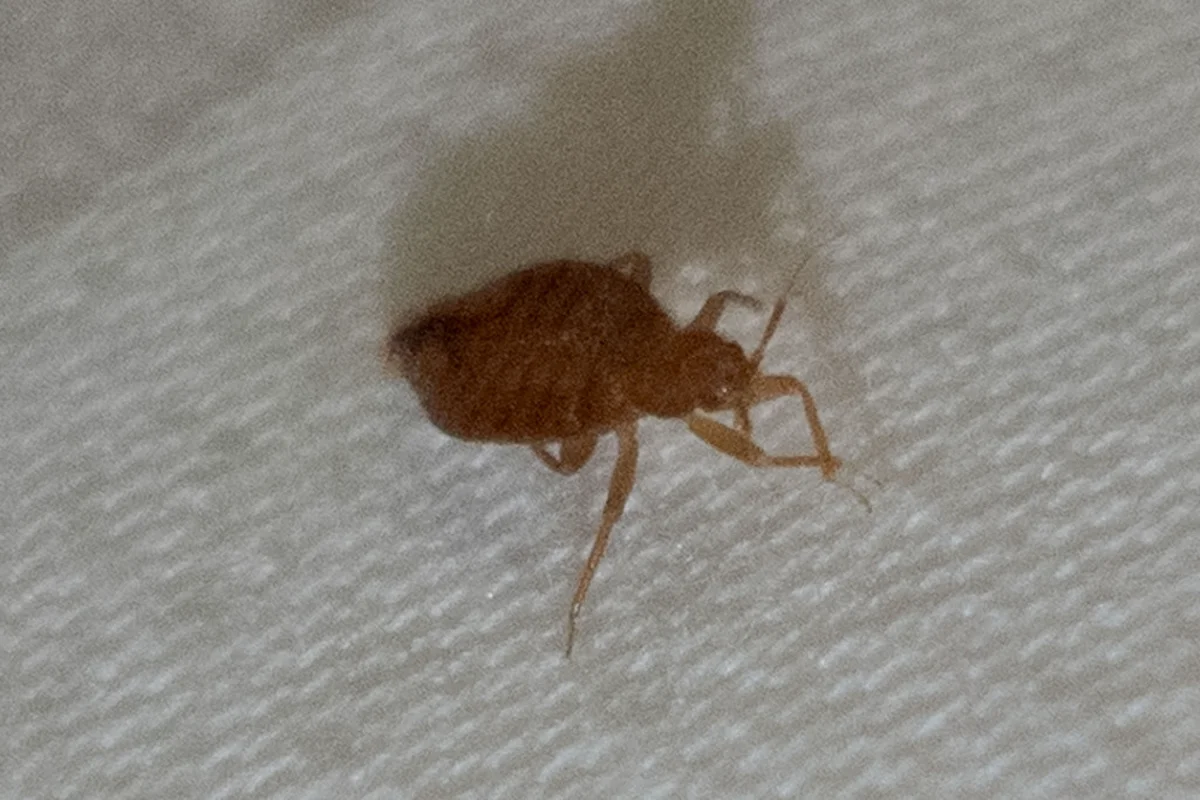
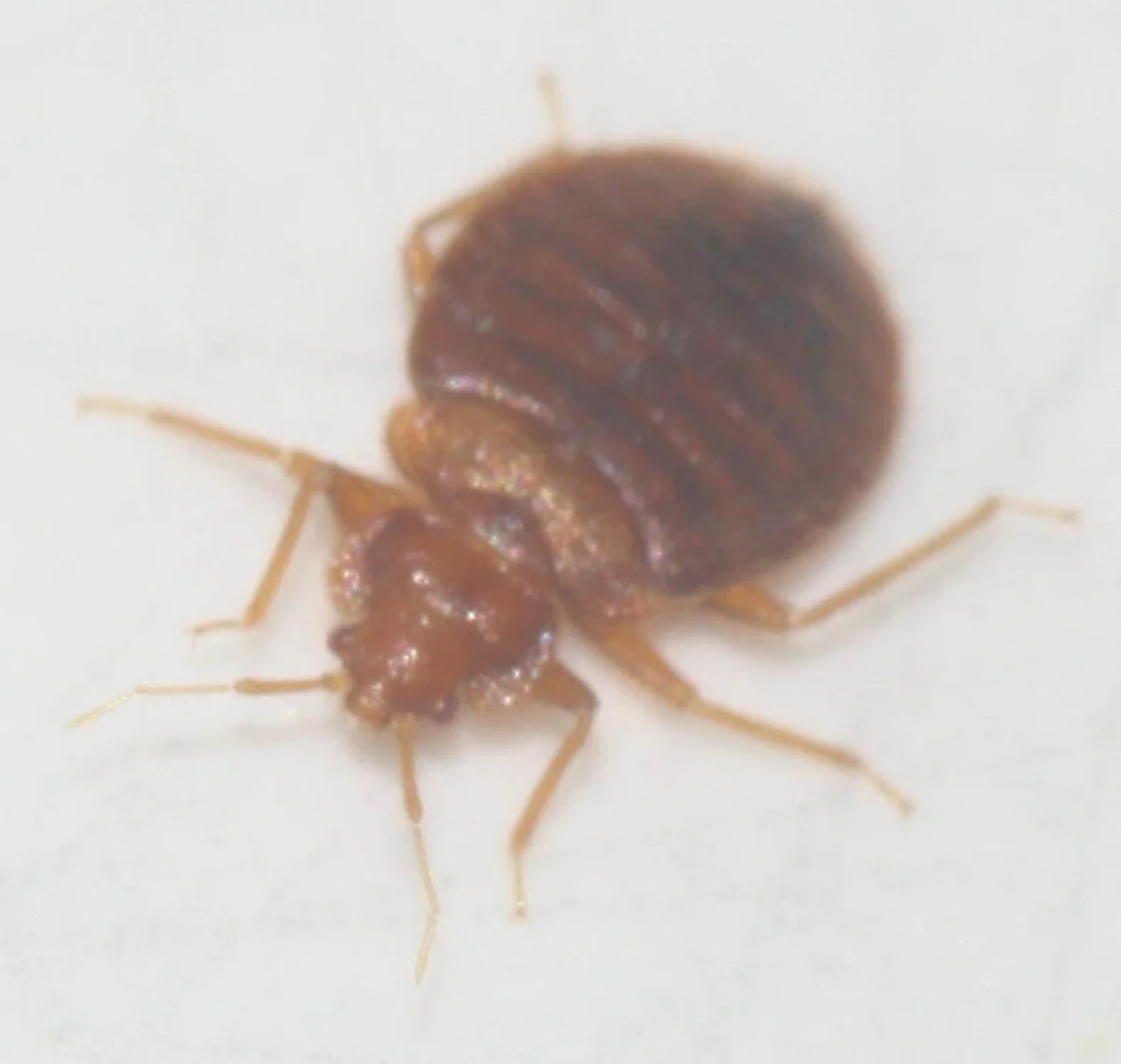
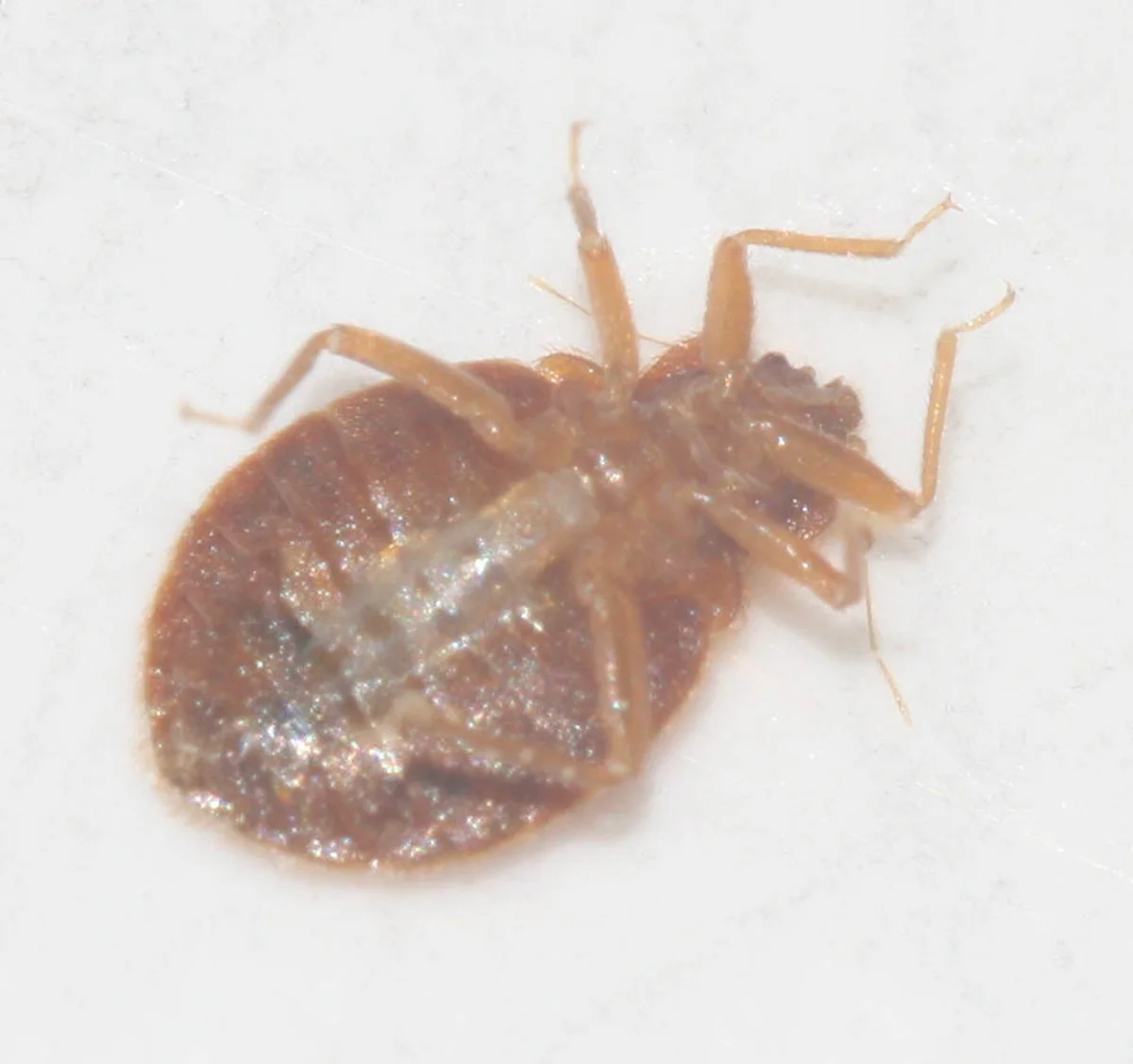
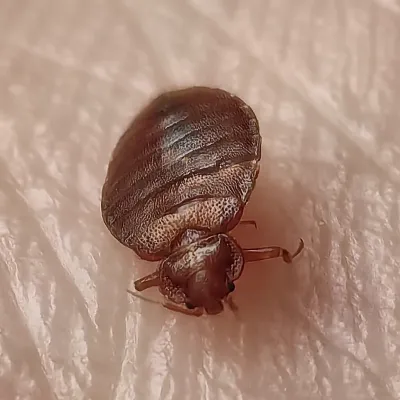
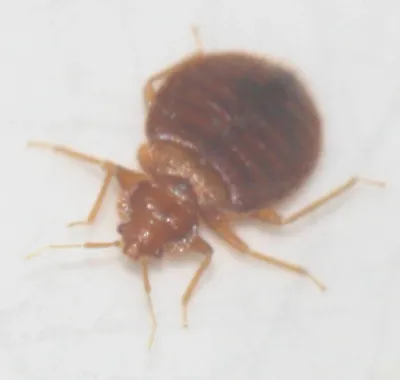
Tropical bed bugs are small, flat, oval insects that look almost the same as common bed bugs (Cimex lectularius). Adults measure 4-6mm long, about the size of an apple seed. Their flat bodies let them squeeze into very tight spaces where they hide during the day.
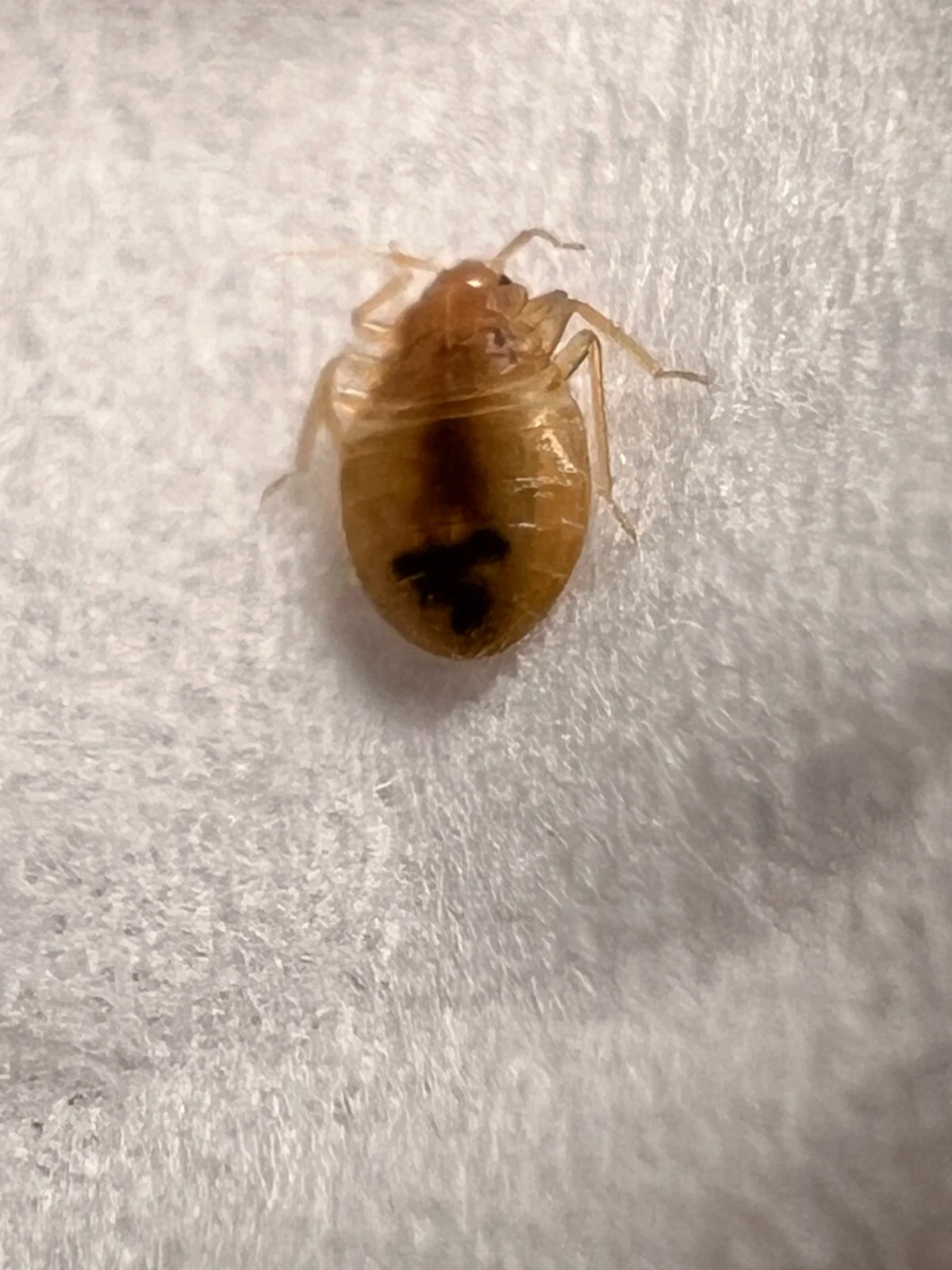
The color ranges from light tan when unfed to dark reddish-brown after eating. Like all bed bugs, they have six legs, short antennae, and tiny wing pads. They cannot fly. The belly shows stripes when viewed from above.
The main way to tell tropical and common bed bugs apart is the shape of the prothorax. This is the body part right behind the head. In tropical bed bugs, this part is narrower than in common bed bugs. You need a magnifying glass to see this difference. Both types act the same way and need the same treatment.
Telling Tropical Bed Bugs Apart from Common Bed Bugs
Most homeowners cannot tell tropical and common bed bugs apart without a microscope. Both types:
- Have flat, oval bodies about 4-7mm long
- Range from tan to reddish-brown in color
- Hide in the same spots near sleeping areas
- Feed only on blood, mostly at night
- Cause similar bite marks in humans
- Resist many of the same pesticides
To know the exact species, experts look at body shape, hair patterns, and antenna sizes. Bug specialists do this work using samples found during inspections.
Common Species in the Cimex Genus
-
Tropical Bed Bug (Cimex hemipterus): The main tropical species that bites humans. Found in areas between 30 degrees north and south of the equator. More and more reports come from Florida and the Gulf Coast.
-
Common Bed Bug (Cimex lectularius): The most common species in North America and cooler regions worldwide. Found throughout the United States and Canada.
-
Bat Bugs (Cimex adjunctus, Cimex pilosellus): Related species that mainly feed on bats. They will bite humans when bats are not around.
Tropical Bed Bug Behavior and Biology
Tropical bed bugs need blood to live and breed. They only come out at night, usually between 1:00 and 5:00 AM when people are sleeping deeply. The bugs find sleeping humans by sensing body heat and the carbon dioxide we breathe out.
Feeding Habits A related species, Eastern Bat Bug, shares similar characteristics. Homeowners dealing with Tropical Bed Bugs may also encounter Bed Bug, which can appear in similar environments.
A single feeding takes 5-10 minutes. The bug uses its needle-like mouth to pierce skin and draw blood. While feeding, it injects saliva that numbs the bite and keeps blood flowing. After eating, the swollen bug goes back to its hiding spot to digest. A related species, Swallow Bugs, shares similar characteristics.
Tropical bed bugs prefer to hide in wood and paper over stone, plaster, or fabric. This can affect where they gather in a building.
Habitat and Hiding Places
Tropical bed bugs stay close to where people sleep, usually within 8 feet of the bed. Common hiding spots include:
- Mattress seams, piping, and tufts
- Box spring frames and fabric folds
- Bed frame joints and cracks
- Headboards and nightstands
- Baseboards and wall-floor junctions
- Electrical outlets and switch plates
- Picture frames and wall hangings
- Furniture joints and upholstery seams
- Luggage and bags stored near beds
Life Cycle and Reproduction
Female tropical bed bugs lay 5-8 eggs per week in hidden spots away from light. The tiny, white eggs are about 1mm and hatch in 4-12 days. Warmer weather speeds up growth.
The young bugs that hatch look like small adults but are see-through to pale yellow. They must drink blood before they can grow to the next stage. Tropical bed bugs go through five growth stages before becoming adults. In warm conditions (77-86 degrees F) with regular meals, it takes 5-8 weeks to go from egg to adult.
Adult tropical bed bugs can live 4-6 months without food in the right conditions. This is shorter than common bed bugs can survive. This is one reason tropical bed bugs have not spread as well in cooler areas.
Signs of Infestation
For help recognizing these pests, see our pictures of bed bugs guide. Common signs of a tropical bed bug infestation include:
- Dark spots on sheets and mattresses from bug waste
- Rusty stains from crushed bugs on bedding
- Tiny white eggs and eggshells in cracks
- Shed skins from growing bugs
- Live bugs in hiding spots along mattress seams
- A sweet, musty smell in heavily infested areas
- Itchy bite marks in lines or groups on skin
Treatment Methods for Tropical Bed Bugs
Tropical bed bug problems need professional treatment to fully solve, similar to their common bed bug relatives. These pests have become resistant to many common bug sprays. This makes store-bought products mostly useless. Both tropical and common bed bugs share these resistances, though some groups may resist different chemicals.
Heat Treatment
Heat treatment works very well against tropical bed bugs. It raises room temperatures to 135-145 degrees F, which kills all bugs and eggs. Professional heat treatment can wipe out an entire problem in a single day. The heat reaches into wall spaces, furniture, and other hiding spots that sprays cannot reach.
Bed bugs die at about 113 degrees F if they stay hot long enough. Professional equipment keeps temperatures much higher than this throughout the room to make sure all bugs die.
Chemical Treatment Options
Professional pest control companies use several types of products that still work against resistant bed bugs:
-
Desiccants: Products with silica gel damage the waxy coating on bed bugs, causing them to dry out and die. Bugs cannot become resistant to these because they work through physical damage, not chemistry.
-
Neonicotinoids: These attack the nervous system in a different way than older sprays. They can kill bugs that resist other treatments.
-
Pyrroles: Chlorfenapyr stops cells from making energy. It works well against resistant bed bugs.
-
Biochemicals: Cold-pressed neem oil has EPA approval for bed bug control. It offers a lower-risk option.
Most problems need multiple treatments 10-14 days apart. This kills new bugs as eggs hatch and young bugs come out of hiding.
Combined Treatment Approach
The best bed bug control uses several methods together:
- Full inspection to find all hiding spots
- Vacuuming and washing to remove bugs
- Heat treating clothes and items (dry on high heat for 30+ minutes)
- Mattress and box spring covers to trap bugs inside
- Spraying cracks and tight spaces with approved products
- Checking regularly to find any survivors
- Removing clutter to cut down on hiding spots
Prevention Strategies
- Check hotel rooms before unpacking by looking at mattress seams and headboards
- Keep luggage on hard surfaces away from beds and soft furniture
- Wash and dry all clothes on high heat after traveling
- Look over used furniture closely before bringing it home
- Use protective covers on mattresses and box springs
- Reduce clutter, especially in bedrooms
- Act fast at the first sign of bed bugs to stop them from spreading
People sometimes confuse bed bugs with other pests. Read our guides on bed bugs vs. fleas flea and carpet beetles vs. bed bugs to learn the differences.
References
Other Bed Bugs
Explore other species in the bed bugs family
Commonly Confused With
Tropical Bed Bugs are often mistaken for these similar pests
Where Tropical Bed Bugs Are Found
Hover over states to see their names. Green regions indicate where tropical bed bugs have been reported.
Common Questions about Tropical Bed Bugs
What is the difference between tropical bed bugs and common bed bugs?
+
Tropical bed bugs and common bed bugs look almost the same. The main difference is the body shape right behind the head. In tropical bed bugs, this part is narrower. You need a magnifying glass to see this. Both types act the same way and cause the same bite marks.
Where are tropical bed bugs found in the United States?
+
Tropical bed bugs are most common in Florida. They also live in other warm, humid areas like the Gulf Coast states, southern Texas, Arizona, southern California, and Hawaii. They may spread to new areas through travel and shipping.
Are tropical bed bug bites different from common bed bug bites?
+
No. Both types of bed bugs cause the same bite marks. They inject similar saliva that causes itchy, red bumps. Bites often appear in lines or groups on skin. Some people react strongly while others barely notice the bites.
Can tropical bed bugs survive in cold climates?
+
Tropical bed bugs like warm places between 77 and 86 degrees F. They do not do well in cold weather and rarely live in northern areas. However, heated buildings can let them survive outside their normal range if brought in through travel.
How do tropical bed bugs spread?
+
Like common bed bugs, tropical bed bugs spread through travel and moving infested items. They hide in luggage, clothes, furniture, and bags. Travel to tropical places and buying used furniture are common ways they enter new homes.
Do tropical bed bugs carry diseases?
+
Tropical bed bugs do not spread diseases to people. While they can carry germs, there is no proof they pass them on in real settings. The main health worry is the itchy skin reaction to bites and skin infections from scratching. Please see a doctor if you have concerns about bed bug bites or skin reactions.
Why are tropical bed bugs becoming more common?
+
Several things help tropical bed bugs spread. More world travel, less use of strong bug sprays, and bugs becoming resistant to sprays all play a part. Warmer weather may also be opening up new areas where they can live.

With five years of hands-on experience in the pest control industry, George Schulz is a registered technician with the Virginia Pest Management Association and a proud third-generation professional in a family business that's been protecting homes for over 57 years. He manages and trains a team of service pros while also leading internal research efforts—recently spearheading a deep-dive review of thousands of documents on pest control materials to hand-pick the most kid and pet friendly, most effective solutions tailored specifically for homes in the DC metro area.