Swallow Bugs Identification Guide
Oeciacus vicarius
Swallow bugs are blood-feeding parasites closely related to bed bugs that primarily infest cliff swallow and barn swallow nests. When their bird hosts migrate, these pests may enter homes seeking alternate blood meals.
Taxonomy
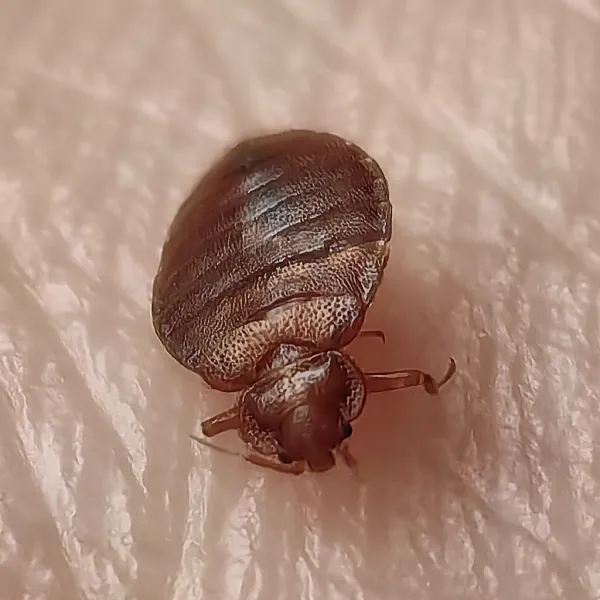
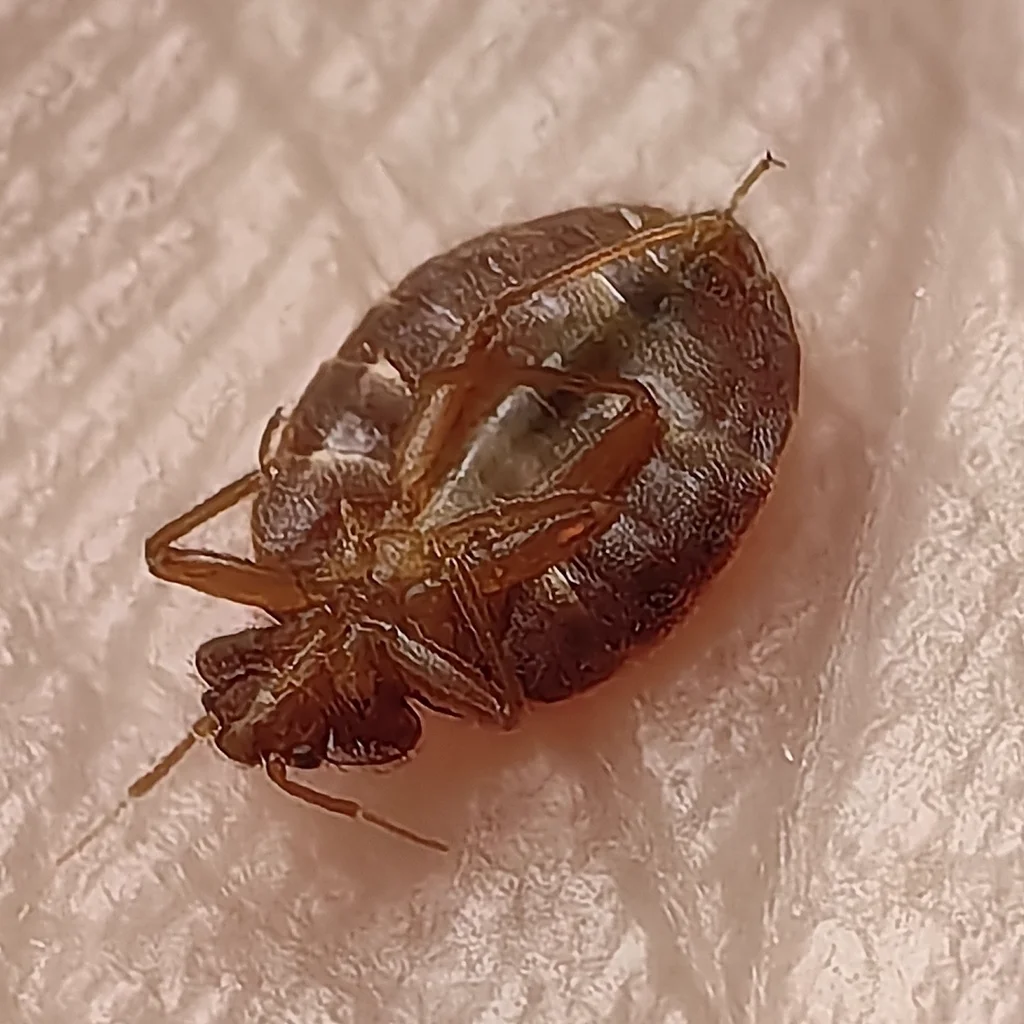
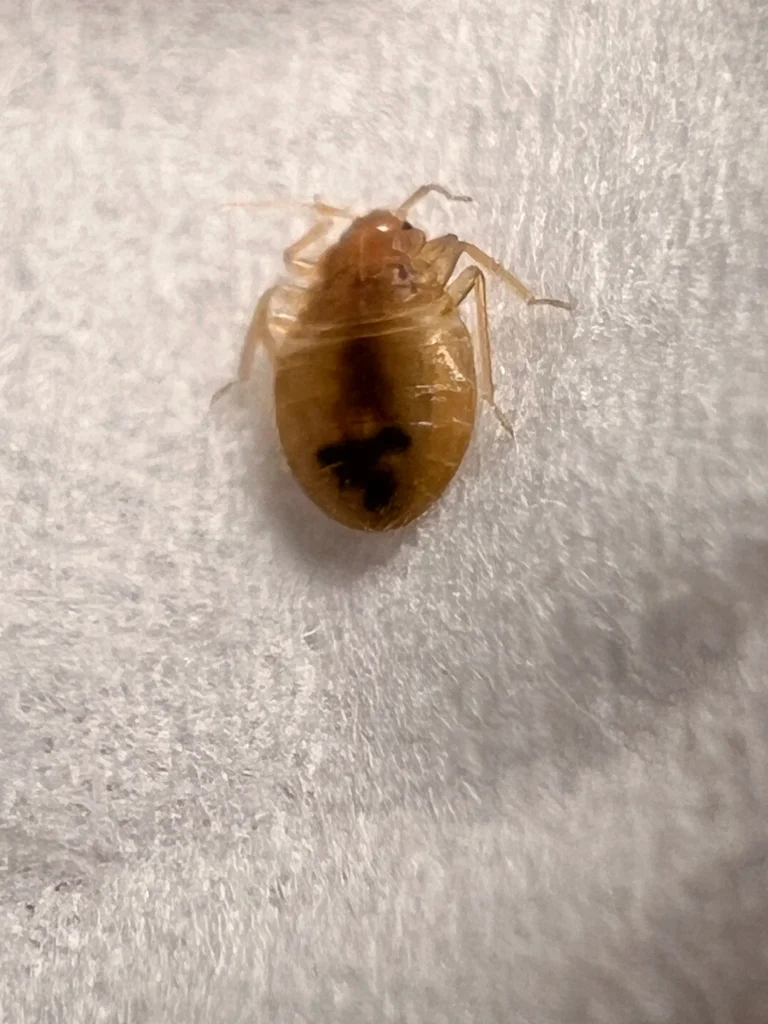
Swallow Bugs Coloration
Common color patterns to help identify swallow bugs
Swallow Bugs
Seasonal Activity
When swallow bugs are most active throughout the year

Where Swallow Bugs Are Found
Hover over states to see their names. Green regions indicate where swallow bugs have been reported.
Swallow Bug Identification Guide
Physical Characteristics
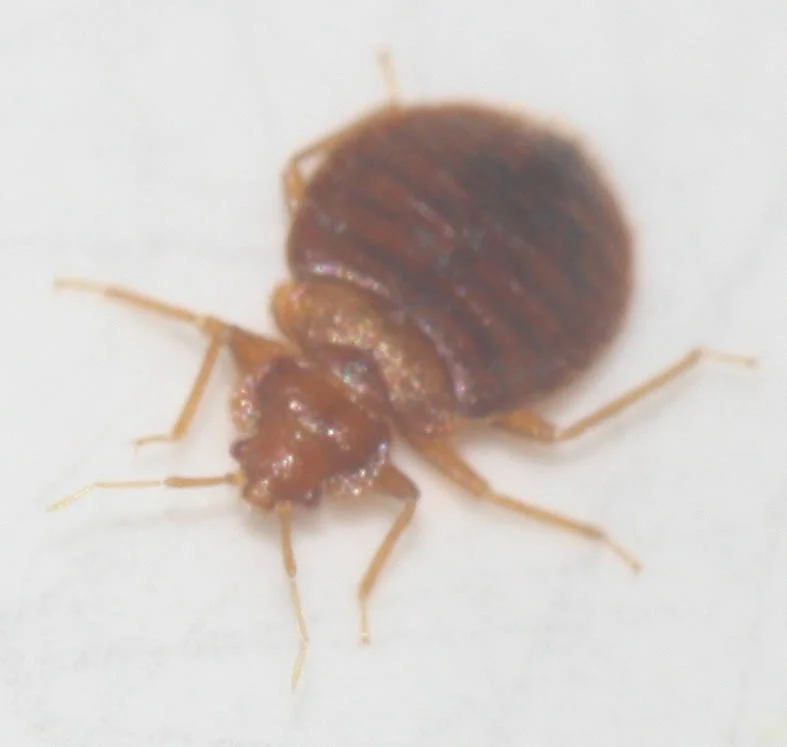
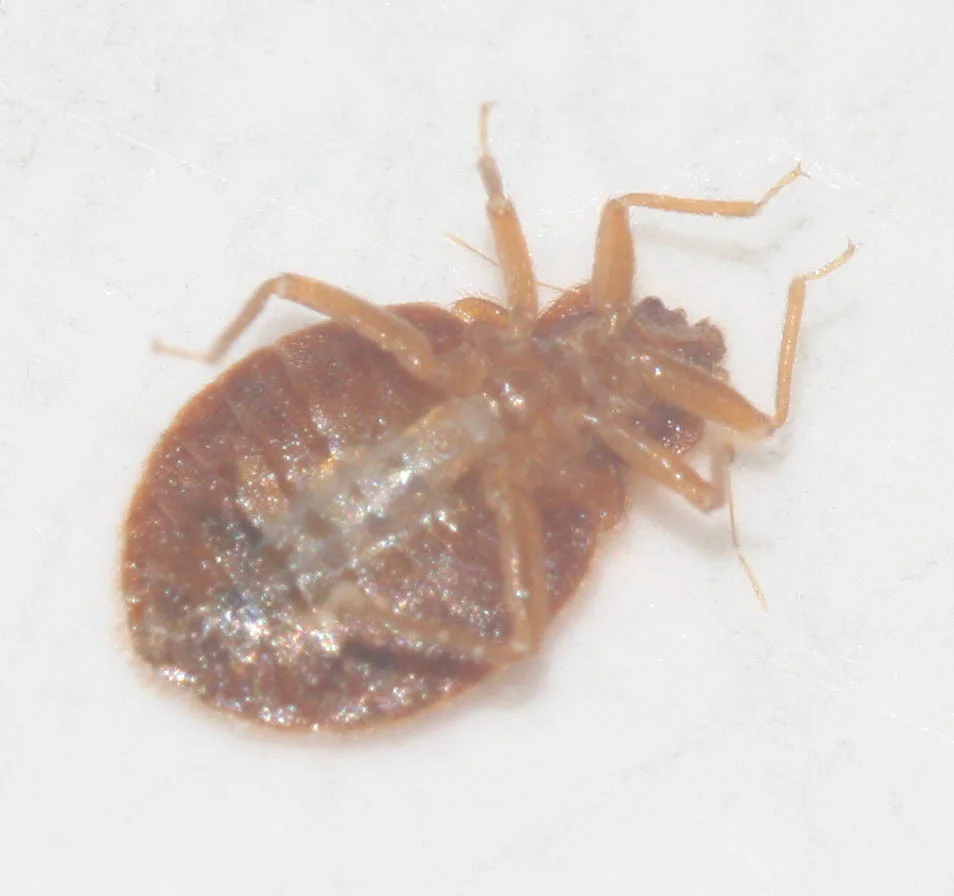
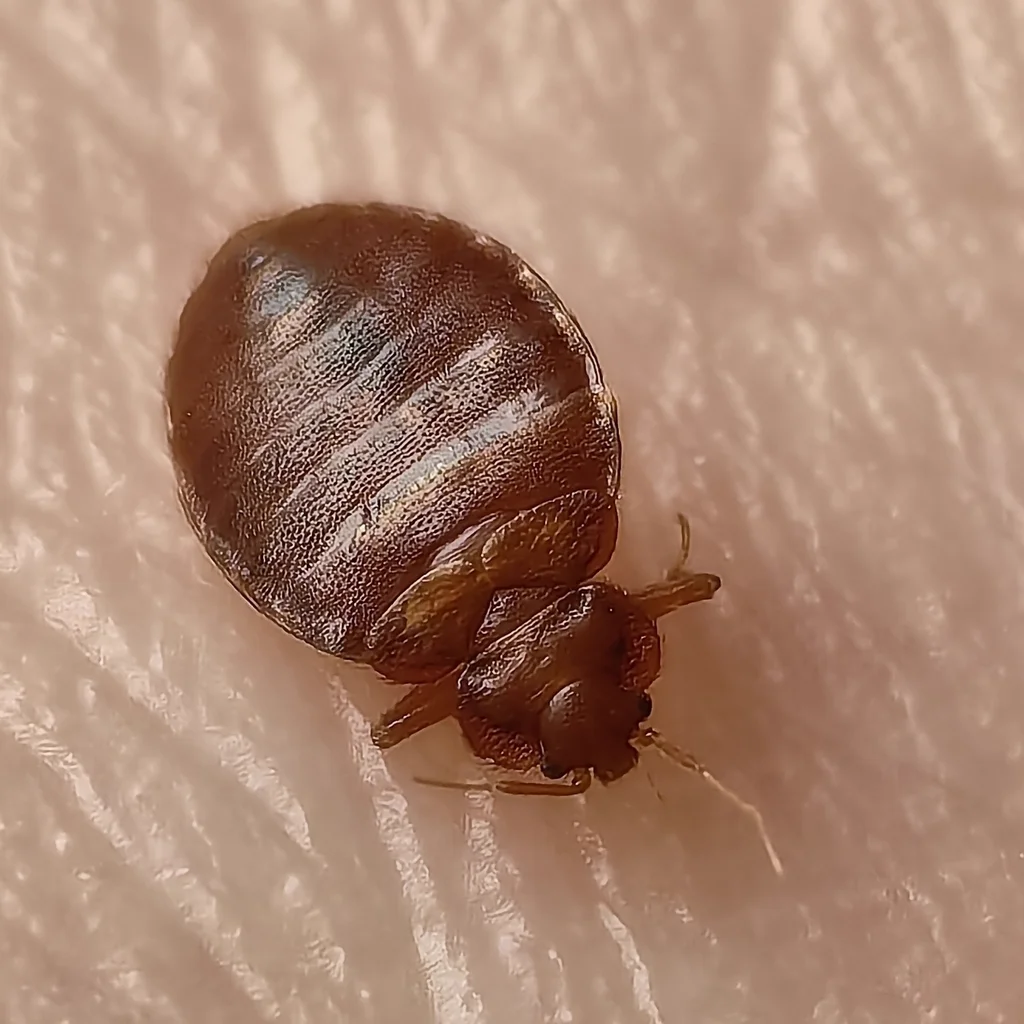
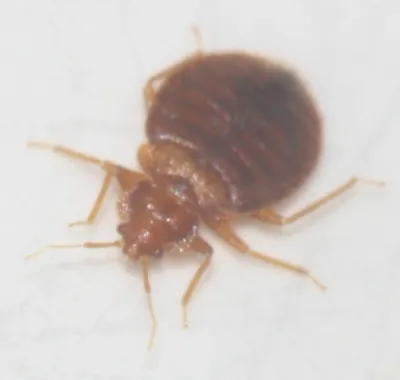
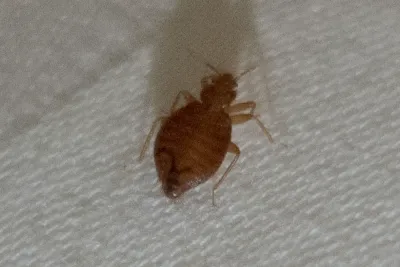
Swallow bugs (Oeciacus vicarius) are small, wingless insects measuring 3-5 millimeters in length. They have flat, oval-shaped bodies that allow them to hide in the crevices of bird nests. Their coloring is typically grayish-brown, though they appear more reddish after feeding on blood. One of the most distinguishing features of swallow bugs is their dense covering of fine body hairs, which are notably longer than those found on common bed bugs. Under magnification, the hairs on their pronotum (the plate behind the head) extend beyond the width of their eyes, a key identification feature. Additionally, the last two segments of their antennae are roughly equal in length, unlike bed bugs where these segments differ.
How to Tell Swallow Bugs from Bed Bugs
Since swallow bugs and bed bugs belong to the same family (Cimicidae), distinguishing between them can be challenging without close examination. The most reliable method is considering location. Swallow bugs are almost always found near bird nests or in structures where swallows have nested. Other distinguishing features include:
- Body hair: Swallow bugs have longer, more visible body hairs, particularly on the pronotum
- Color: Swallow bugs tend toward grayish-brown versus the reddish-brown of bed bugs
- Antennae: The last two antennal segments are equal length in swallow bugs
- Size: Swallow bugs are slightly smaller, typically 3-4mm versus 5-7mm for adult bed bugs
For visual identification help, see our pictures of bed bugs guide to compare these similar-looking pests.
Species Information
The American swallow bug (Oeciacus vicarius) is the primary species found in North America. Recent molecular research has suggested reclassifying this species within the genus Cimex, making it even more closely related to the common bed bug than previously understood. The species is found throughout the continental United States and southern Canada, wherever cliff swallows (Petrochelidon pyrrhonota) and barn swallows (Hirundo rustica) build their nests.
Swallow Bug Behavior and Biology
Lifecycle and Reproduction
Swallow bugs undergo incomplete metamorphosis, progressing through egg, nymph, and adult stages. Females lay eggs in clusters attached to nest materials, with each egg hatching in 1-2 weeks depending on temperature. Nymphs go through five molting stages over 4-8 weeks before reaching adulthood. Newly emerged adults often mate before overwintering, and spring populations tend to be female-biased as females can lay eggs immediately after feeding without needing to mate again. A related species, Eastern Bat Bug, shares similar characteristics.
Feeding Habits A related species, Tropical Bed Bugs, shares similar characteristics.
These parasites are obligate blood feeders, primarily targeting cliff swallows and barn swallows. They detect hosts through heat and chemical signals, achieving remarkably high efficiency in locating birds within nests. Swallow bugs are nocturnal feeders, emerging at night to feed on roosting birds. They can also opportunistically feed on other birds, bats, and occasionally humans when their preferred hosts are unavailable. Related pests like bat bugs and chimney swift bugs behave similarly with their respective hosts. Learn more about this pest family in our Bed Bug guide.
Survival Adaptations
One of the most remarkable aspects of swallow bug biology is their ability to survive extended periods without feeding. They can remain dormant for up to three years in abandoned nests, waiting for swallows to return. This adaptation is essential given that cliff swallows are migratory and colonies may be unpredictably occupied from year to year. The bugs anticipate the spring arrival of swallows by aggregating in the necks of nests in previously occupied colonies.
Interaction with Swallow Colonies
Swallow bug populations can significantly impact bird colonies. High parasite loads can affect nestling survival and may influence whether swallows return to a colony site. Interestingly, research has shown that certain ant species prey on swallow bugs and can reduce their numbers by 74-90% at nest sites where ants are present.
Treatment Methods for Swallow Bugs
Controlling swallow bugs requires addressing both the immediate infestation and the underlying cause: the presence of swallow nests.
Nest Management
The most effective long-term solution involves preventing swallows from nesting on structures. However, it is critical to note that swallows are protected under the Migratory Bird Treaty Act. Nests with eggs or young birds cannot be disturbed. Nest removal should only occur:
- After birds have migrated for the season (typically late summer/fall)
- Before birds return in spring, when nests are unoccupied
- With proper precautions to avoid harming protected wildlife
Installing bird netting or other exclusion devices after nest removal can prevent future nesting and eliminate the bug source.
Entry Point Treatment
When swallow bugs enter structures, treatment focuses on intercepting them before they reach living spaces:
- Perimeter applications: Residual insecticide treatments around windows, doors, and other entry points can help prevent bugs from entering
- Crack and crevice treatment: Sealing and treating gaps around eaves, soffits, and areas near former nest sites
- Interior treatment: If bugs have already entered, targeted applications in areas where they congregate
Prevention Strategies
Preventing future infestations involves both exclusion and habitat modification:
- Seal entry points: Caulk gaps around windows, doors, and the foundation
- Install physical barriers: Bird netting under eaves prevents nest construction
- Time interventions properly: Address nests during the off-season when birds are absent
- Monitor in spring and fall: These are peak times for bug activity when hosts are arriving or departing
What to Expect
Unlike bed bugs, swallow bug infestations are typically self-limiting because the bugs cannot successfully reproduce on human blood alone. Once the bird nest source is addressed and entry points are sealed, populations will naturally decline. However, their ability to survive years without feeding means patience and thorough treatment are essential.
References
Other Bed Bugs
Explore other species in the bed bugs family
Where Swallow Bugs Are Found
Hover over states to see their names. Green regions indicate where swallow bugs have been reported.
Common Questions about Swallow Bugs
What is the difference between swallow bugs and bed bugs?
+
Swallow bugs and bed bugs are closely related and look very similar. The key differences are that swallow bugs have longer, more noticeable body hairs (especially on the pronotum behind the head), their last two antennal segments are equal in length, and they tend to be grayish-brown rather than reddish-brown. Most importantly, swallow bugs are found near bird nests while bed bugs live near human sleeping areas.
Will swallow bugs bite humans?
+
Yes, swallow bugs can bite humans, especially when their preferred bird hosts have migrated and the bugs are searching for an alternate food source. The bites are similar to bed bug bites and may cause itching and mild irritation. However, swallow bugs cannot reproduce on human blood alone.
How do swallow bugs get into homes?
+
Swallow bugs enter homes from nearby swallow nests, particularly cliff swallow or barn swallow nests attached to buildings. When the birds migrate south in late summer or fall, the bugs lose their food source and begin wandering in search of blood meals, often entering homes through cracks and gaps around windows, doors, and eaves.
Are swallow bugs dangerous?
+
Swallow bugs are not considered dangerous to humans. While they can bite and may cause skin irritation, they do not transmit diseases to humans. Their primary concern is the nuisance factor when they invade homes in large numbers after birds have departed.
How long can swallow bugs survive without feeding?
+
Swallow bugs have remarkable survival abilities and can live for up to three years without a blood meal by entering a dormant state. This allows them to survive in abandoned nests until swallows return the following spring.
When are swallow bugs most likely to enter my home?
+
Swallow bugs are most likely to enter homes in late spring before swallows return from migration and in late summer to early fall after the birds have left. During these times, the bugs actively search for alternate hosts when their preferred bird hosts are unavailable.
How do I prevent swallow bugs from entering my home?
+
Prevention focuses on addressing the source. If swallows have nested on your property, legally remove the nests after the birds have migrated (swallows are protected during nesting season). Seal cracks around windows, doors, and eaves. Installing bird netting can prevent swallows from building nests on your structure in the future.

With five years of hands-on experience in the pest control industry, George Schulz is a registered technician with the Virginia Pest Management Association and a proud third-generation professional in a family business that's been protecting homes for over 57 years. He manages and trains a team of service pros while also leading internal research efforts—recently spearheading a deep-dive review of thousands of documents on pest control materials to hand-pick the most kid and pet friendly, most effective solutions tailored specifically for homes in the DC metro area.