Western Conenose Bugs Identification Guide
Triatoma protracta
Western conenose bugs, also known as kissing bugs, are blood-feeding insects found in the western United States. They are nocturnal pests that can bite humans and are known as potential vectors of Chagas disease, though transmission risk in the U.S. is very low.
Taxonomy
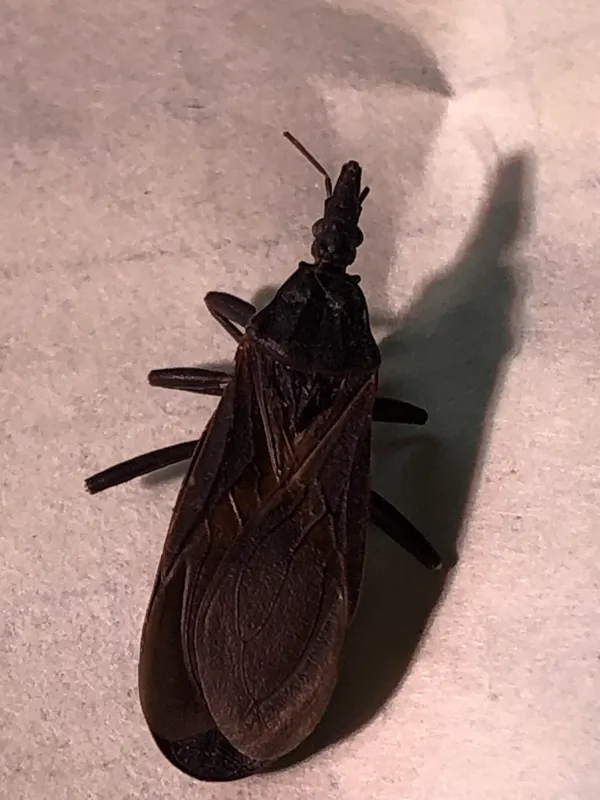
Western Conenose Bugs Coloration
Common color patterns to help identify western conenose bugs
Western Conenose Bugs
Seasonal Activity
When western conenose bugs are most active throughout the year
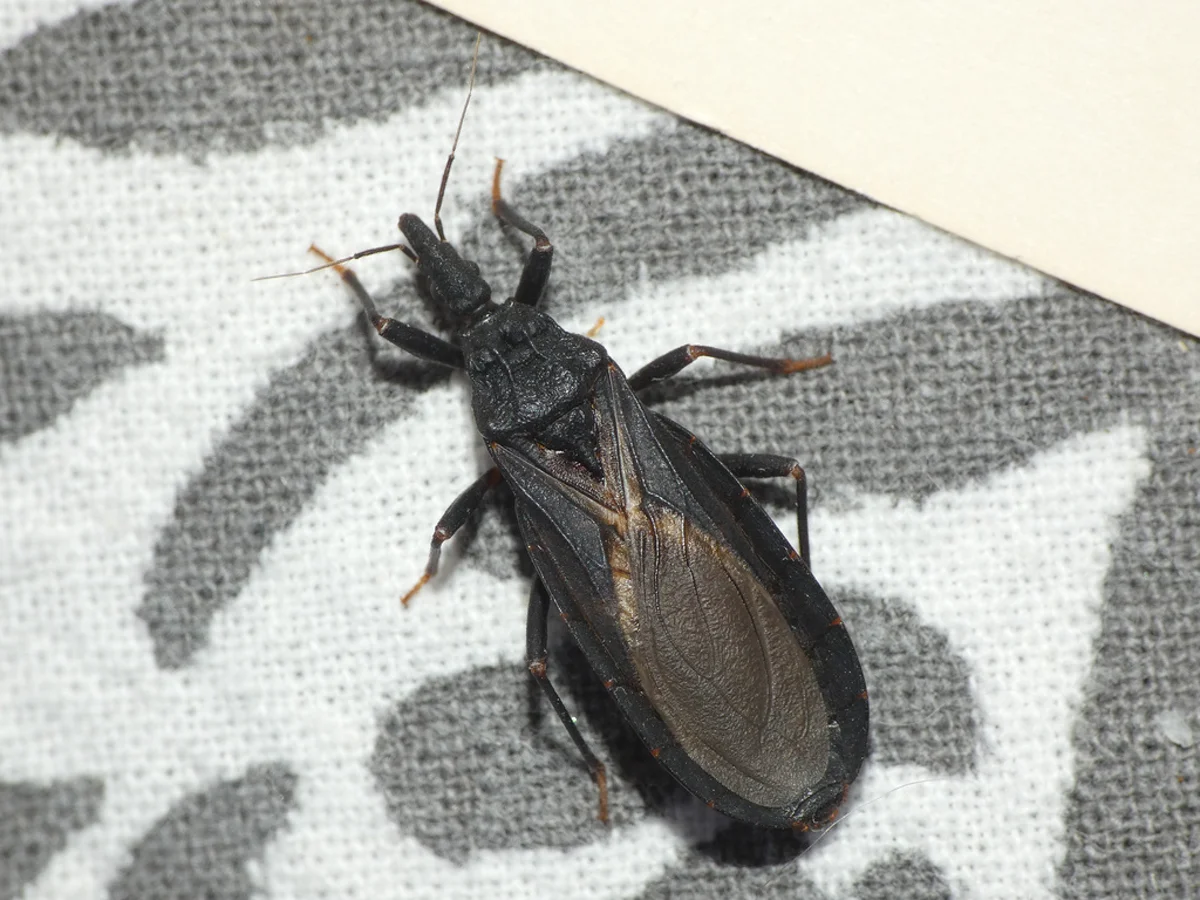
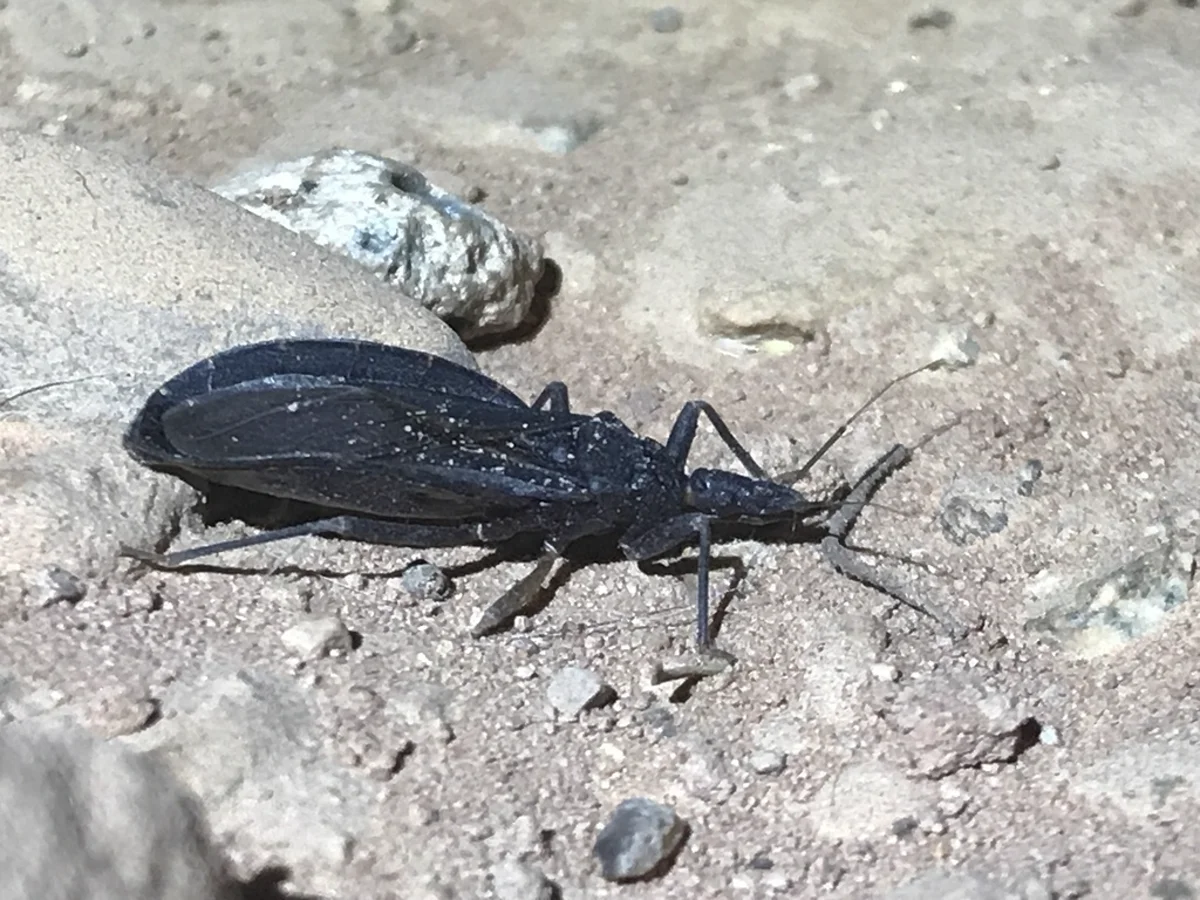
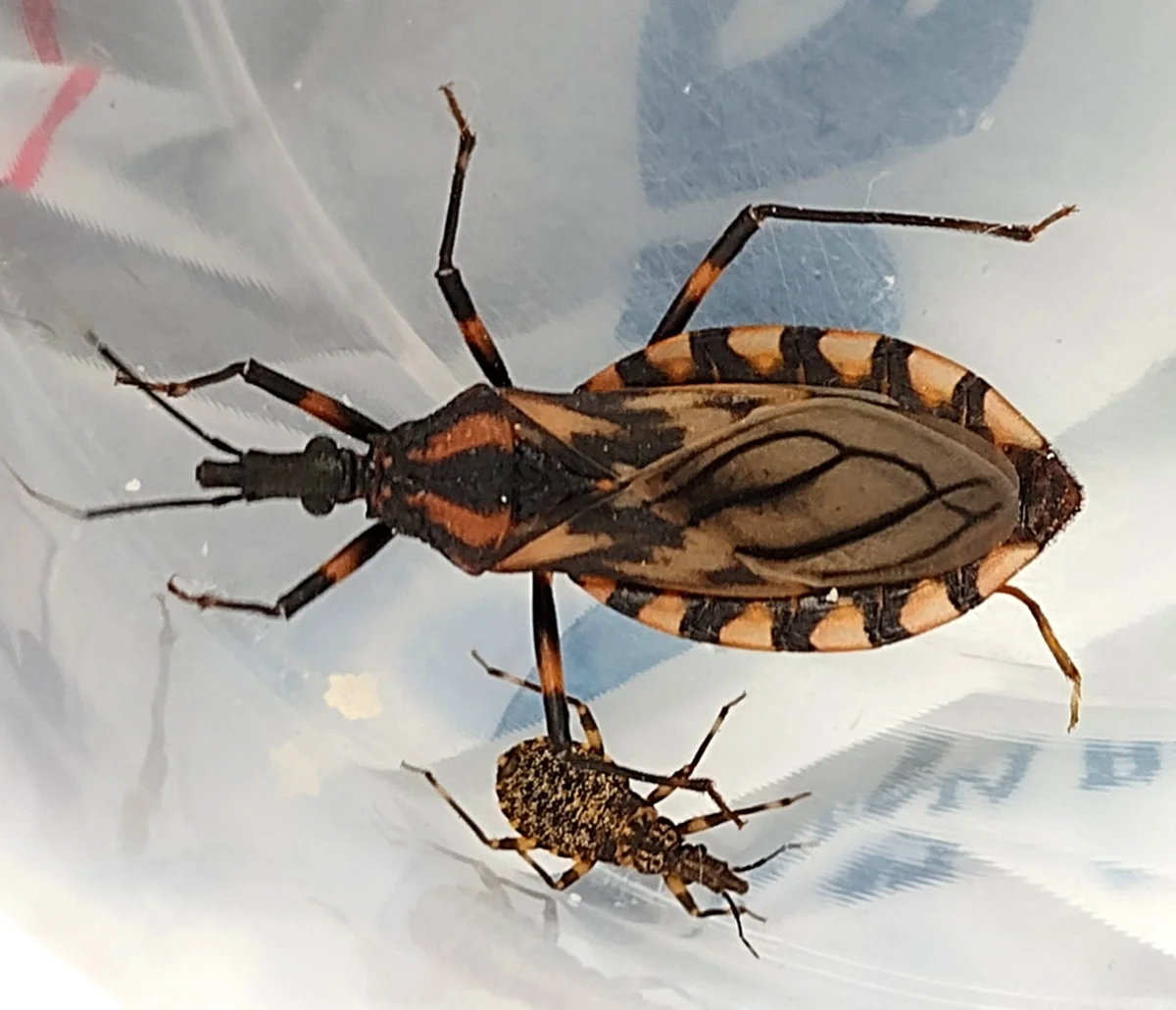

Where Western Conenose Bugs Are Found
Hover over states to see their names. Green regions indicate where western conenose bugs have been reported.
Western Conenose Bug Identification Guide
Physical Characteristics
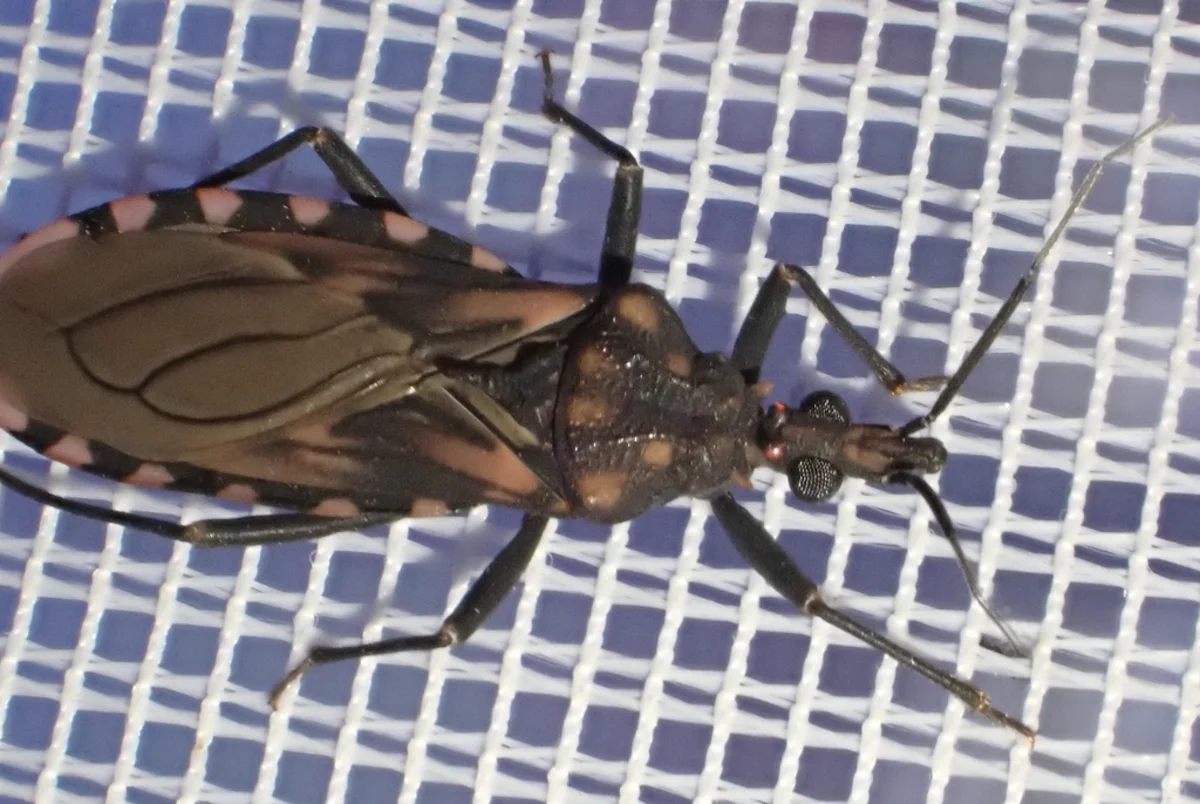
Western conenose bugs are a species of kissing bug in the assassin bug family. They measure between 0.5 and 0.9 inches long and have an oval body with a cone-shaped head. This head shape gives them their common name. Their color ranges from dark brown to black. Some bugs show lighter colored edges along the abdomen. The wings lie flat across the back and may not fully cover the abdomen.
One key feature is their three-part beak. It curls under the head when not in use. The bug uses this beak to pierce skin and feed on blood. Their legs are short and thick compared to other similar bugs.
Young conenose bugs are called nymphs. They are smaller than adults and measure 0.1 to 0.5 inches. Nymphs lack fully formed wings. They go through five growth stages before becoming adults.
Common Species
Several conenose bug species live in North America. The western conenose bug (Triatoma protracta) is the most common species in California and the western states. Other related species include:
- Triatoma sanguisuga (Eastern bloodsucking conenose), found in the Southeast and Central U.S.
- Triatoma gerstaeckeri, found mainly in Texas
- Triatoma rubida, found in Arizona and the Southwest
All conenose bug species look and act alike. They vary somewhat in size and color.
Western Conenose Bug Behavior and Biology
Habitat and Hosts
Western conenose bugs feed on blood from outside their hosts. They prefer mammals, especially woodrats (pack rats). They will also feed on birds, reptiles, and other animals. Homes near woodrat dens or other wild animal nests face a higher risk of conenose bug problems.
In nature, these insects live in the nests and burrows of animals. They hide in cracks during the day and come out at night to feed. When woodrat numbers grow near homes, or when their wild habitat changes, conenose bugs may move into houses.
Life Cycle
The western conenose bug life cycle takes one to two years. Females lay eggs in late summer. They place eggs in cracks, crevices, and other hidden spots.
After hatching, nymphs need a blood meal to grow and molt. There are five nymph stages. Each stage needs at least one blood meal before molting. The fifth stage usually survives winter in protected spots. Then it molts into an adult in spring.
Feeding Behavior
Conenose bugs only feed at night. They find hosts by sensing carbon dioxide and body heat. Their bites are usually painless. This is because their saliva contains numbing compounds. A single feeding lasts 10 to 30 minutes. During this time, the bug can drink several times its body weight in blood.
People are often bitten on the face and hands while sleeping. This habit of biting near the mouth and eyes gave them the nickname “kissing bug.”
Health Concerns
Note: The information below is for educational purposes only. It is not medical advice. Always consult a doctor if you have health concerns after a bug bite.
Chagas Disease
Western conenose bugs can carry Trypanosoma cruzi. This is a parasite that causes Chagas disease. This disease is a major health problem in Central and South America, where millions of people are affected.
The parasite does not spread through the bite itself. Instead, it spreads when infected bug feces touch the bite wound, eyes, mouth, or broken skin. If someone scratches the bite and then touches their face, infection may occur.
The risk of getting Chagas disease from conenose bugs in the U.S. is very low. Here is why:
- North American conenose bugs usually defecate away from the host after feeding
- These bugs rarely live inside U.S. homes
- U.S. homes are better sealed against insects
Allergic Reactions
Most people have mild reactions to conenose bug bites. These include redness, itching, and slight swelling. However, some people have severe allergic reactions to the bug’s saliva. Signs of a severe reaction include trouble breathing, fast heartbeat, dizziness, and face or throat swelling. Anyone with these symptoms after a bite should get medical help right away.
Treatment Methods for Conenose Bugs
Controlling western conenose bugs centers on keeping them out and changing their habitat. Effective methods include:
-
Sealing entry points: Caulk cracks around windows, doors, and foundations. Pay close attention to gaps around pipes and wires.
-
Screen maintenance: Install tight-fitting screens on all windows and doors. Keep them in good repair.
-
Rodent control: Conenose bugs live in woodrat nests. Removing rodent nests near homes can reduce bug numbers. The eastern bloodsucking conenose shares this same dependence on rodent hosts.
-
Lighting changes: Conenose bugs are drawn to lights at night. Use yellow or sodium vapor outdoor lights. Keep curtains closed at night.
-
Habitat reduction: Clear brush, woodpiles, and debris near your home. This removes hiding spots for both conenose bugs and their rodent hosts.
-
Insecticide treatments: Pest control professionals may apply insecticides to cracks, crevices, and entry points as part of a complete treatment plan.
Similar-Looking Insects
Western conenose bugs look like several other insects:
-
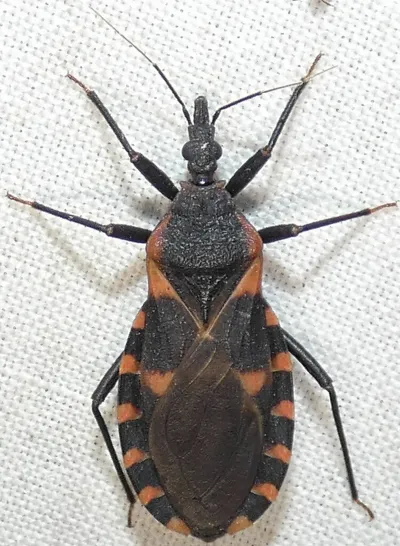
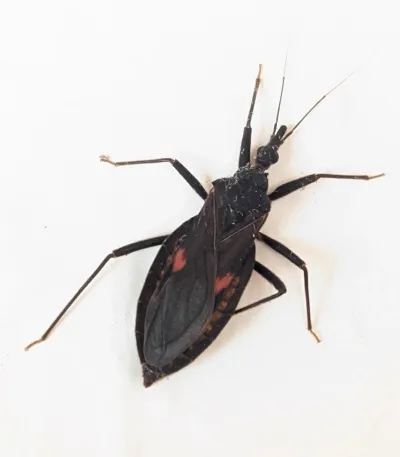
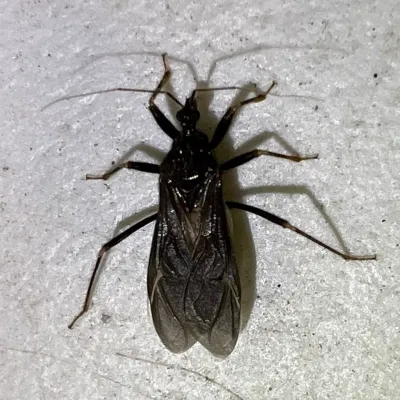
Masked hunters (Reduvius personatus) are similar-sized bugs that eat other insects. They do not feed on blood.
-
Western conifer seed bugs (Leptoglossus occidentalis) are similar in size and color but have leaf-shaped hind legs.
-
Squash bugs (Anasa tristis) are garden pests that look like conenose bugs. They feed on plant sap, not blood.
-
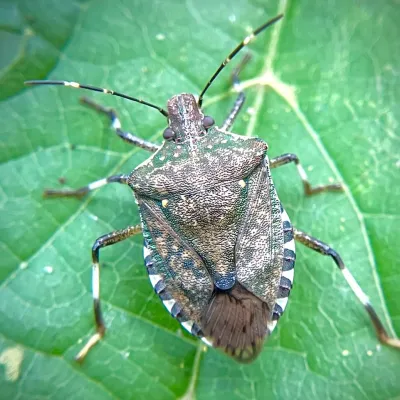
Stink bugs have a similar shield shape but lack the long cone-shaped head of conenose bugs.
References
- CDC - Information on Species of Triatomine Bugs in the United States
- Colorado State University Extension - Conenose Bugs (Kissing Bugs)
- Utah State University Extension - Western Conenose Bug (Kissing Bug)
- California Department of Public Health - Conenose Bugs in California
- Colorado State University - Western Bloodsucking Conenose
Other Assassin Bugs
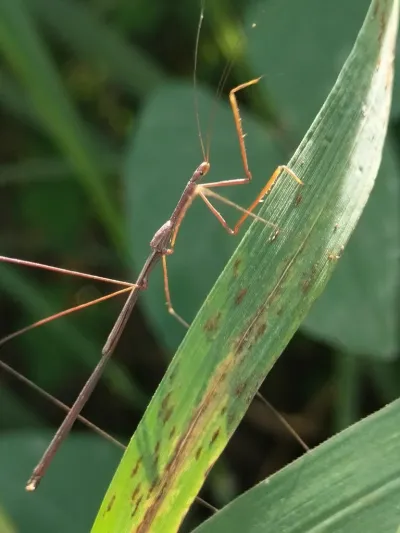
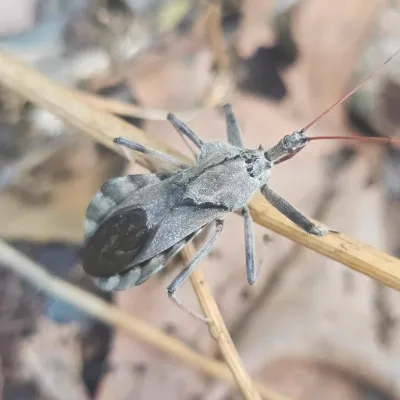
Explore other species in the assassin bugs family
Commonly Confused With
Western Conenose Bugs are often mistaken for these similar pests
Where Western Conenose Bugs Are Found
Hover over states to see their names. Green regions indicate where western conenose bugs have been reported.
Common Questions about Western Conenose Bugs
What is a western conenose bug?
+
The western conenose bug (Triatoma protracta) is a blood-feeding insect also known as a kissing bug. It gets this name because it often bites near the mouth or eyes while people sleep. These nocturnal insects are found primarily in the western United States.
Do western conenose bugs bite?
+
Yes, western conenose bugs feed on blood from mammals, including humans. They typically bite at night while their hosts are sleeping. Bites are usually painless initially but can cause itching, swelling, and in some cases, severe allergic reactions.
Are western conenose bugs dangerous?
+
Western conenose bugs can potentially transmit Trypanosoma cruzi, the parasite that causes Chagas disease. However, the risk of transmission in the United States is very low because North American conenose bugs typically defecate away from the bite site and rarely colonize human dwellings.
Where do western conenose bugs live?
+
Western conenose bugs are commonly found in the nests of woodrats (pack rats) and other wild animals. They are native to Arizona, California, Colorado, Nevada, New Mexico, Texas, and Utah. They may enter homes located near rodent nesting sites.
How can I tell if I have conenose bugs in my home?
+
Signs of conenose bug presence include finding the bugs themselves (dark brown to black insects about 0.5 to 0.9 inches long with a cone-shaped head), unexplained bite marks that appear overnight, or seeing them near windows attracted to lights at night.
How do I prevent conenose bugs from entering my home?
+
Seal cracks and gaps around doors, windows, and foundations. Install tight-fitting screens on windows and doors. Remove rodent nests near your home and reduce outdoor lighting that may attract these insects. Keep vegetation trimmed away from the house.
What should I do if I find a conenose bug?
+
If you find a conenose bug, do not touch it with bare hands. Capture it using gloves or a container and contact your local health department or cooperative extension office for identification. If you have been bitten and experience symptoms beyond minor irritation, consult a healthcare provider.

With five years of hands-on experience in the pest control industry, George Schulz is a registered technician with the Virginia Pest Management Association and a proud third-generation professional in a family business that's been protecting homes for over 57 years. He manages and trains a team of service pros while also leading internal research efforts—recently spearheading a deep-dive review of thousands of documents on pest control materials to hand-pick the most kid and pet friendly, most effective solutions tailored specifically for homes in the DC metro area.