Thread-Legged Bugs Identification Guide
Emesinae
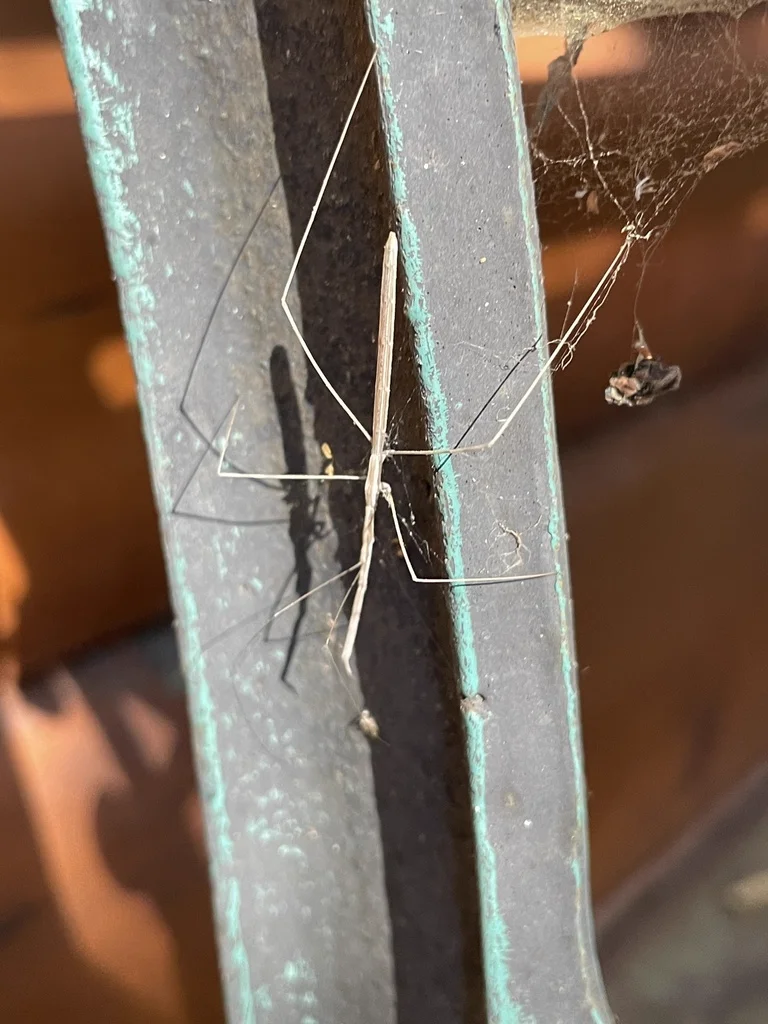
Thread-legged bugs are slender, predatory insects with extremely long, thin legs. They feed on other small arthropods and are often found near spider webs, where they may prey on spiders or steal their catch.
Taxonomy
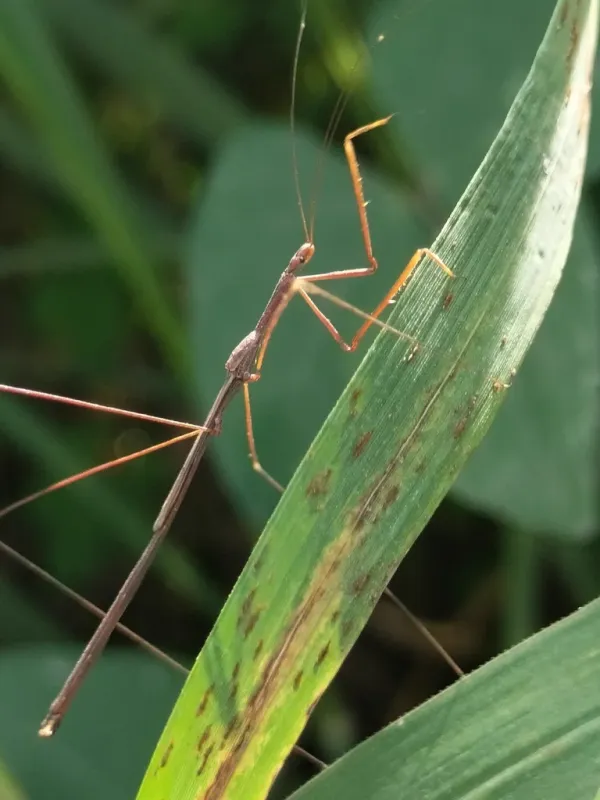
Thread-Legged Bugs Coloration
Common color patterns to help identify thread-legged bugs
Thread-Legged Bugs
Seasonal Activity
When thread-legged bugs are most active throughout the year
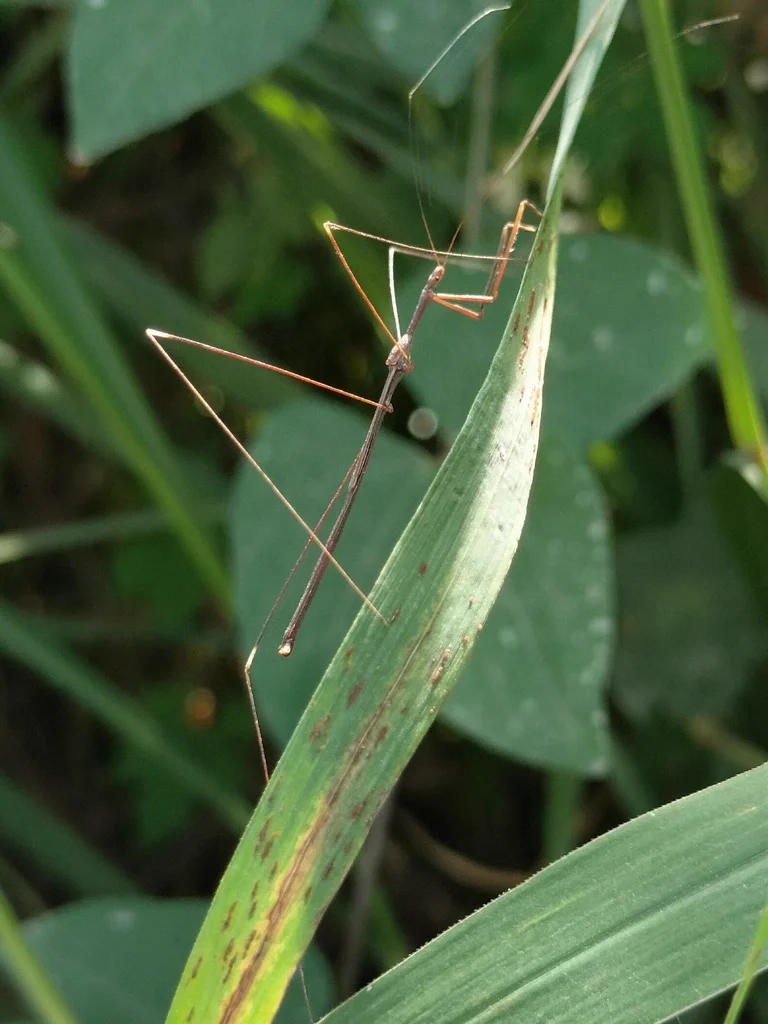
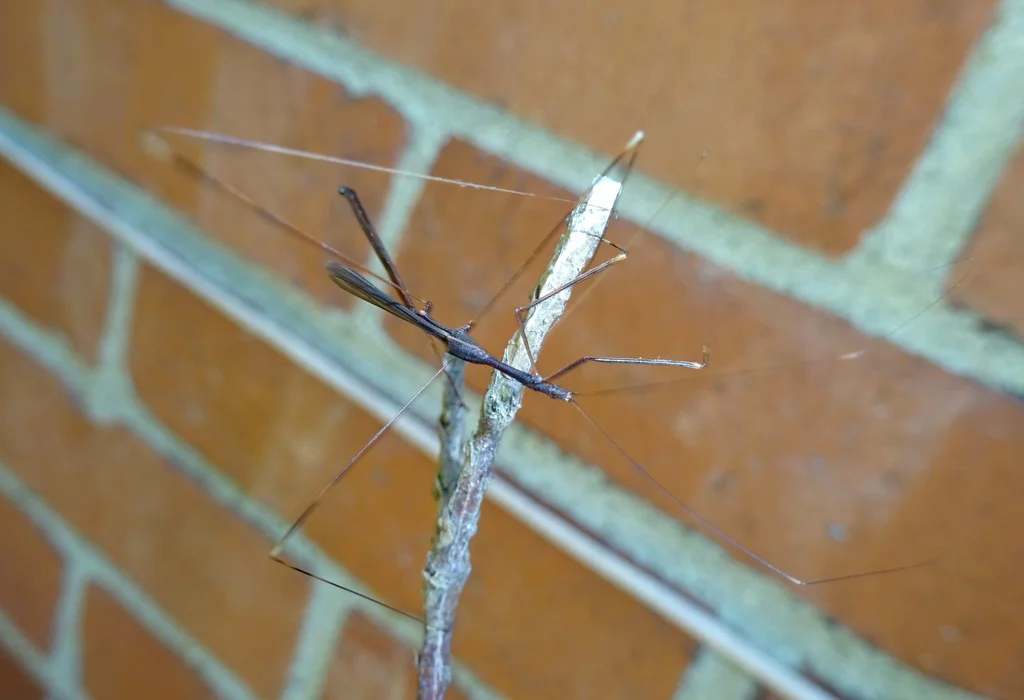
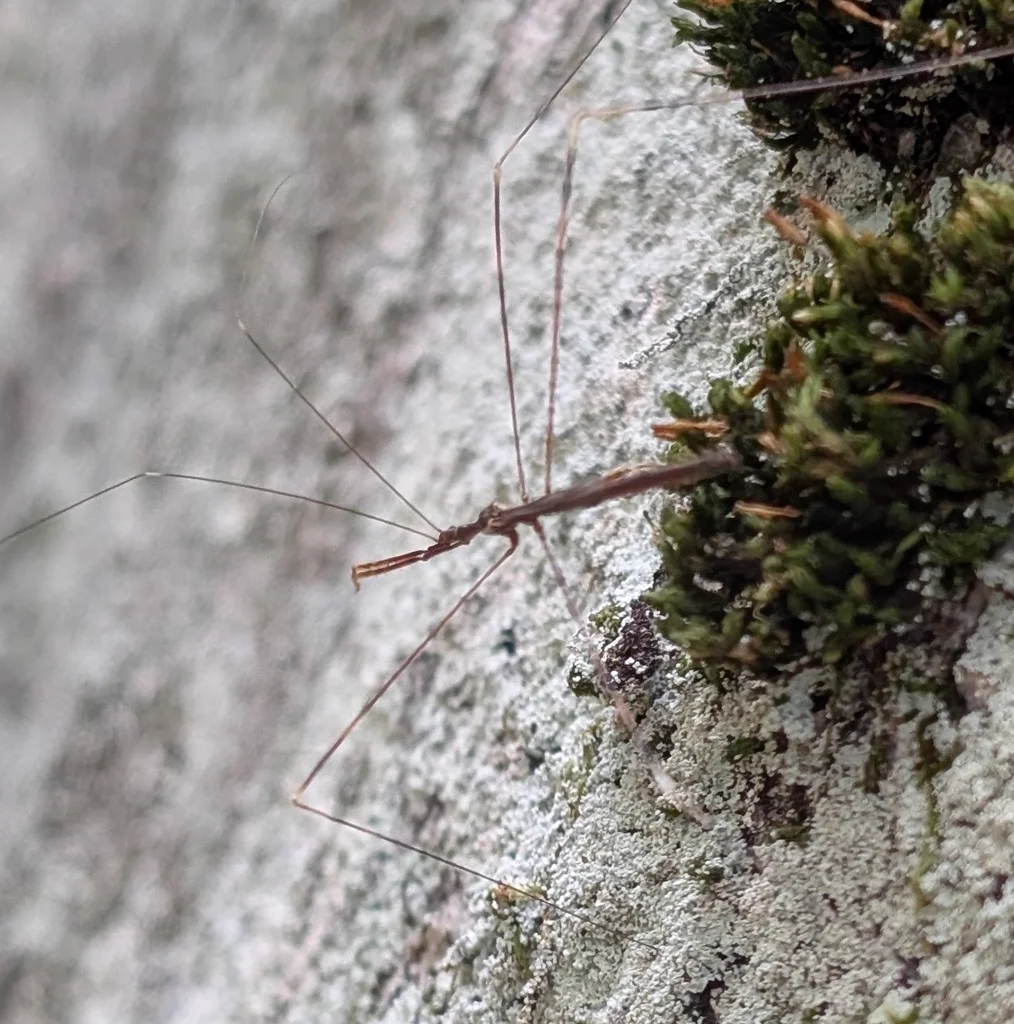

Where Thread-Legged Bugs Are Found
Hover over states to see their names. Green regions indicate where thread-legged bugs have been reported.
Thread-Legged Bug Identification Guide
Physical Characteristics
Thread-legged bugs are members of the assassin bug family, though they look very different from their more robust relatives. Their most striking feature is their very long, thin legs that give them a delicate look. These insects range from 5 to 37 millimeters in length. The most common North American species, Emesaya brevipennis, measures about 33 to 37 millimeters long.
The body of a thread-legged bug is long and thin, almost like a stick. They have a small, narrow head with large eyes and thin antennae. Their color ranges from light tan to dark brown. This coloring helps them blend in with bark, dried leaves, and other surfaces where they hunt.
One of the most notable features is their front pair of legs. These are built for grabbing prey, much like a praying mantis. The front legs are held forward and bent, ready to snatch up prey. The middle and back legs are used for walking. All six legs are very long and thin compared to their body size.
Thread-legged bugs have wings folded flat over their back. When at rest, the wings make the body look even longer and thinner. Despite having wings, these insects often prefer to walk rather than fly.
Common Species in North America
Several species of thread-legged bugs occur across North America:
-
Emesaya brevipennis (Common Thread-Legged Bug): This is the most frequently seen species. Adults measure 33 to 37 millimeters and are usually found on trees. Three subspecies exist across different regions of the United States.
-
Ploiaria domestica (House Thread-Legged Bug): A smaller species that sometimes enters homes. As its name suggests, it can establish populations inside buildings where prey is available.
-
Stenolemus species: These thread-legged bugs are known for their habit of invading spider webs. They can move across webs without triggering the spider and often prey on the web owner.
-
Emesopsis species: Arboreal thread-legged bugs that hunt by hanging from silk threads. They specialize in catching spiders.
Thread-Legged Bug Behavior and Biology
Hunting and Feeding
Thread-legged bugs are patient hunters. They stalk their prey slowly and carefully, using their excellent vision to track small insects. When they get close enough, they strike with their raptorial front legs, grabbing the prey and holding it while they feed.
Their diet consists of small arthropods including:
- Gnats and small flies
- Mosquitoes
- Spiders of various sizes
- Other small insects
Some thread-legged bugs have a special link with spider webs. These bugs can walk on sticky spider silk without getting trapped. Scientists think they may have special oils on their feet that stop them from sticking. Once on the web, they may hunt the spider itself or steal prey that the spider has already caught.
Habitat and Distribution
Thread-legged bugs live in many different environments across North America. Common habitats include:
- Tree bark and branches
- Dead or drooping plant fronds
- Leaf litter on forest floors
- Rocky outcrops and cliff faces
- Spider webs and nearby vegetation
- Dark caves and overhangs
- Around buildings, especially near outdoor lights
They tend to prefer humid environments but can be found in drier habitats as well. Thread-legged bugs are nocturnal, doing most of their hunting after dark. During the day, they rest in hidden spots where their camouflage helps them avoid predators.
Life Cycle
Like all true bugs, thread-legged bugs go through simple metamorphosis. This means young bugs, called nymphs, look like small versions of adults. They do not go through a larval stage like butterflies or beetles do.
Females lay eggs in hidden spots near where prey is plentiful. The nymphs hatch and begin hunting right away. They start with smaller prey than adults can handle. Each nymph sheds its skin several times as it grows and slowly develops wings. The full life cycle from egg to adult takes several months. The time depends on temperature and food supply.
Why Thread-Legged Bugs Appear Indoors
Thread-legged bugs do not infest homes the way some other insects do. When they show up inside, it is usually by accident or because something drew them in. Common reasons include:
Light attraction: Thread-legged bugs are drawn to lights at night. Porch lights and illuminated windows can bring them close to entry points.
Following prey: If your home has populations of small flies, gnats, or spiders, thread-legged bugs may wander in while hunting. This behavior is similar to the masked hunter, another assassin bug that enters homes to pursue prey like bed bugs.
Accidental entry: These insects are active climbers. They may find their way inside through gaps while exploring.
Web hunting: Homes with spider webs around windows and doors may attract thread-legged bugs that specialize in web hunting.
Treatment Methods for Thread-Legged Bugs
Thread-legged bugs are occasional invaders that do not infest homes or cause property damage. When they do appear indoors, several control methods can help reduce their numbers.
Prevention and Exclusion
The best approach is to keep thread-legged bugs from entering in the first place:
- Reduce lighting: Switch outdoor lights to yellow bulbs that attract fewer insects. Turn off lights you do not need at night.
- Seal entry points: Check for gaps around windows, doors, and utility lines. Use caulk or weatherstripping to close openings.
- Remove attractants: Address any gnat or small fly problems inside. Remove spider webs from around entry points.
Treatment Options
For homes with repeated thread-legged bug sightings, these methods can help:
- Perimeter treatments: Applying products around the foundation and entry points creates a barrier that reduces the number of insects entering the home.
- Interior spot treatments: Treating areas where these bugs are commonly seen, such as around windows and doors, can provide control.
- Addressing prey populations: Reducing the insects that thread-legged bugs hunt will make your home less attractive to them. The same approach works for other indoor assassin bugs like masked hunters.
Physical Removal
If you find thread-legged bugs inside, you can remove them by hand using a glass and piece of paper. Vacuuming also works well for removing these insects from indoor spaces.
Thread-Legged Bugs vs. Similar Insects
Thread-legged bugs are sometimes confused with other long-legged insects:
Walking sticks: These insects have even longer bodies and legs but lack the grabbing front limbs. Walking sticks eat plants, not other insects.
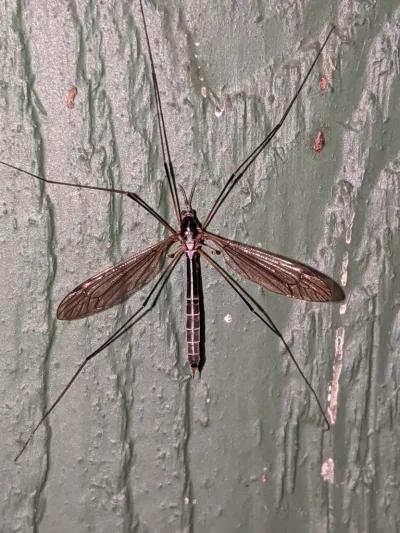
Crane flies: Large flies with long legs that are sometimes called mosquito hawks. Crane flies have only two wings and look very different.
Praying mantises: While both have grabbing front legs, mantises are much larger and have a triangle-shaped head. Mantises are not related to thread-legged bugs.
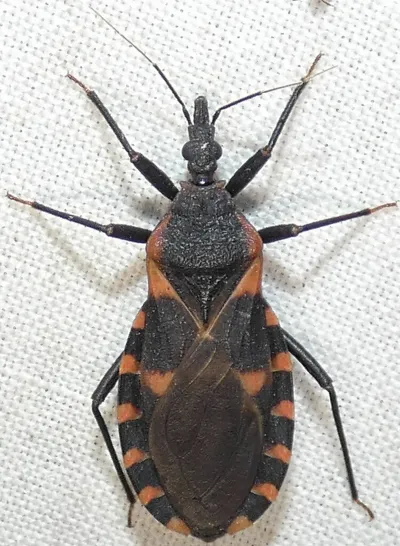
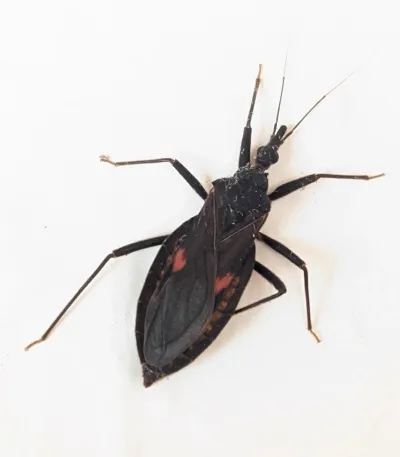
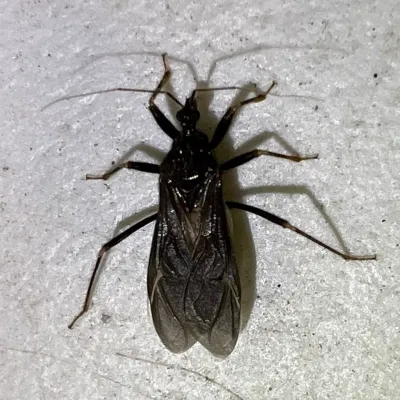
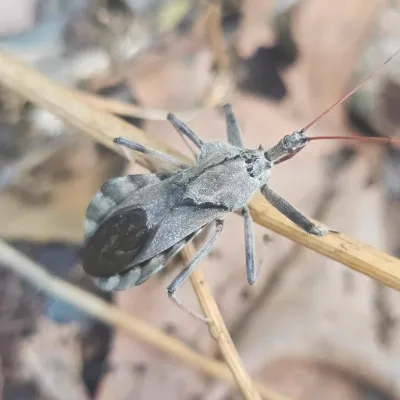
Other assassin bugs: Thread-legged bugs belong to the assassin bug family but are much thinner than their relatives like wheel bugs and masked hunters. Most assassin bugs have thicker, stockier builds.
References
Other Assassin Bugs
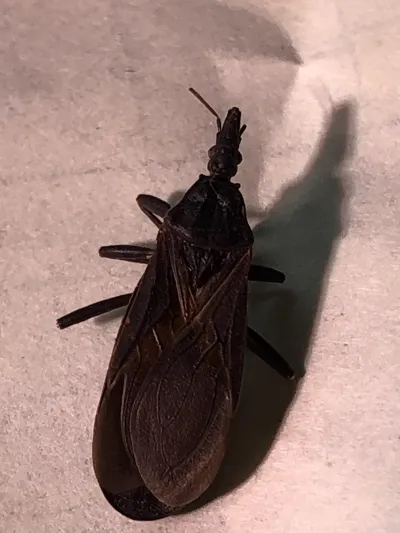
Explore other species in the assassin bugs family
Commonly Confused With
Thread-Legged Bugs are often mistaken for these similar pests
Where Thread-Legged Bugs Are Found
Hover over states to see their names. Green regions indicate where thread-legged bugs have been reported.
Common Questions about Thread-Legged Bugs
What is a thread-legged bug?
+
Thread-legged bugs are predatory insects in the subfamily Emesinae, part of the assassin bug family (Reduviidae). They get their name from their extremely long, thin legs that look like threads. Unlike other assassin bugs that have a more robust build, thread-legged bugs have very slender bodies and limbs.
Are thread-legged bugs harmful to humans?
+
Thread-legged bugs are not harmful to humans. They do not bite people and are not interested in human blood. These insects are predators that feed on small arthropods like gnats, flies, and spiders. If handled roughly, they might try to bite in self-defense, but they rarely encounter humans.
Why are thread-legged bugs in my house?
+
Thread-legged bugs may enter homes because they are attracted to lights at night. They may also be following their prey, such as small flies or gnats. Homes with spider populations may attract thread-legged bugs since they sometimes hunt in or near spider webs.
Do thread-legged bugs eat spiders?
+
Yes, some thread-legged bugs specialize in hunting spiders. They can walk on spider webs without getting stuck and may prey on the web's owner. Some species are kleptoparasites, meaning they steal prey that spiders have already caught in their webs.
How do I get rid of thread-legged bugs?
+
To reduce thread-legged bug numbers indoors, turn off outdoor lights at night, seal entry points around doors and windows, and reduce populations of small flying insects that attract them. Perimeter treatments around the home can also help keep them outside.
What do thread-legged bugs eat?
+
Thread-legged bugs are predators that eat small arthropods including gnats, flies, mosquitoes, and spiders. They use their front legs, which are modified for grasping prey, much like a praying mantis does.
Where do thread-legged bugs live?
+
Thread-legged bugs live in many habitats including forests, fields, caves, and around buildings. They are often found on tree bark, in leaf litter, on plant fronds, and around spider webs. Some species prefer dark places like caves.
Can thread-legged bugs fly?
+
Yes, most thread-legged bugs have wings and can fly. They are often attracted to lights at night and may fly toward illuminated windows or porch lights. Their flight is somewhat awkward due to their long, dangly legs.

With five years of hands-on experience in the pest control industry, George Schulz is a registered technician with the Virginia Pest Management Association and a proud third-generation professional in a family business that's been protecting homes for over 57 years. He manages and trains a team of service pros while also leading internal research efforts—recently spearheading a deep-dive review of thousands of documents on pest control materials to hand-pick the most kid and pet friendly, most effective solutions tailored specifically for homes in the DC metro area.