Kissing Bugs Identification Guide
Triatominae
Kissing bugs are blood-feeding insects known for biting near the mouth and eyes while people sleep. They can transmit Chagas disease, a serious parasitic infection caused by Trypanosoma cruzi.
Taxonomy
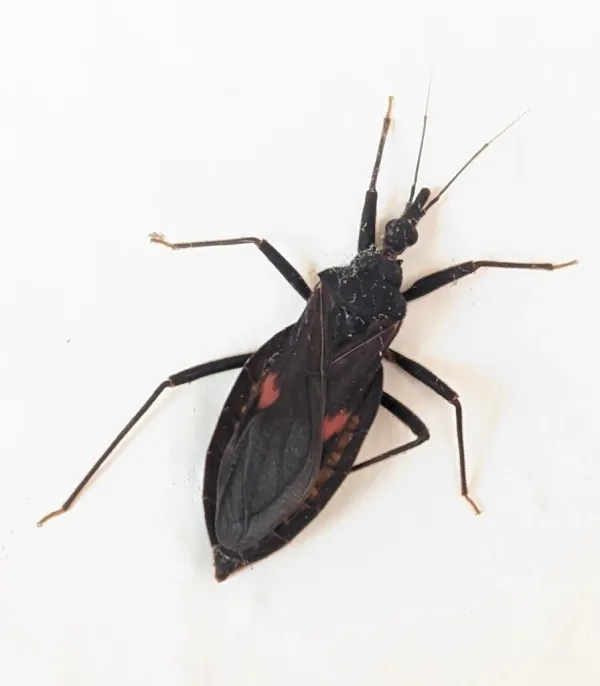
Kissing Bugs Coloration
Common color patterns to help identify kissing bugs
Kissing Bugs
Seasonal Activity
When kissing bugs are most active throughout the year
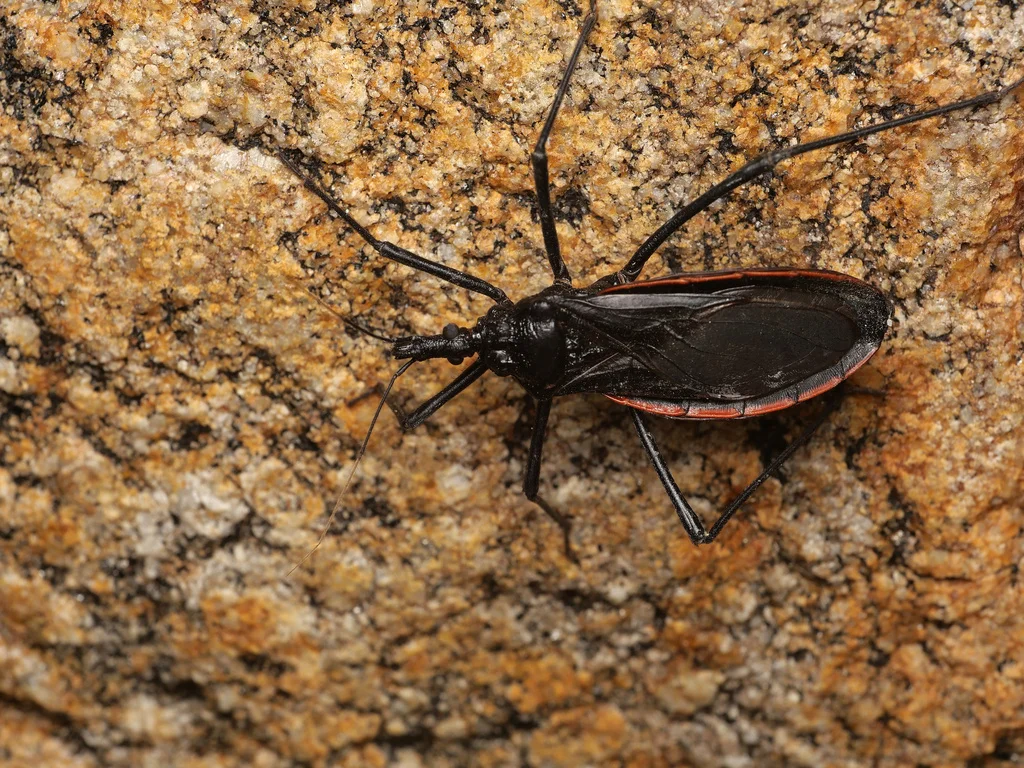
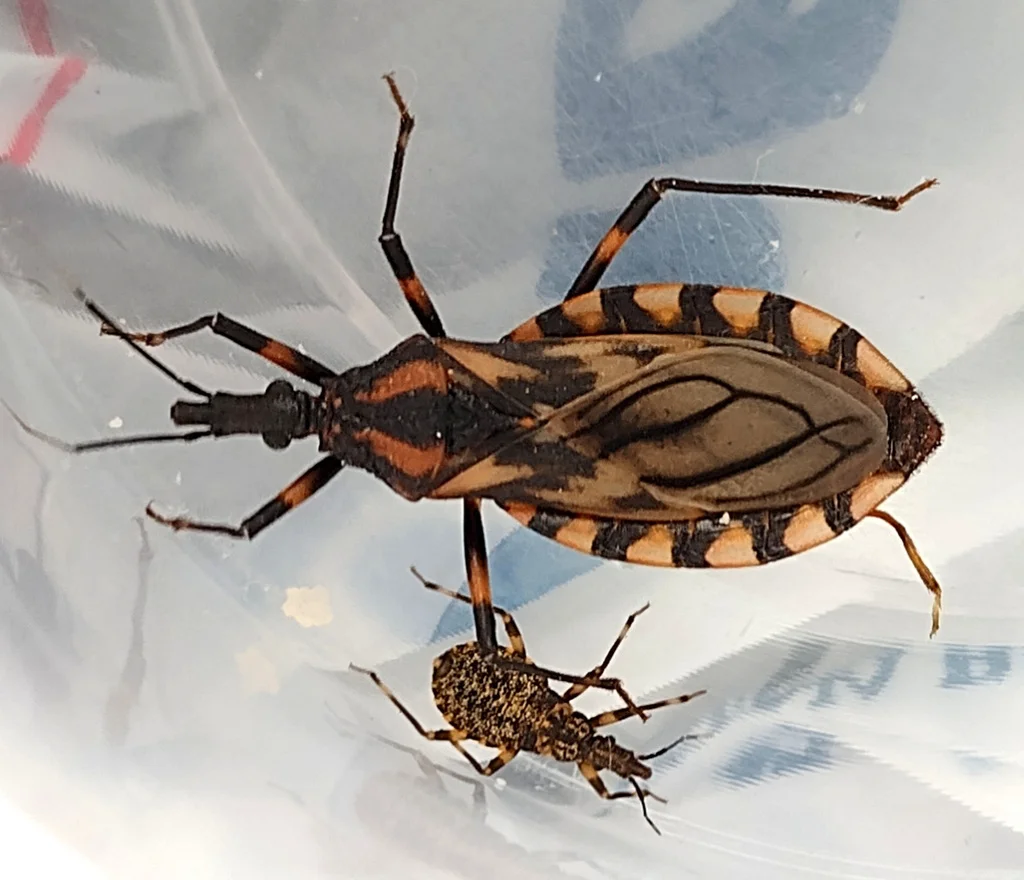
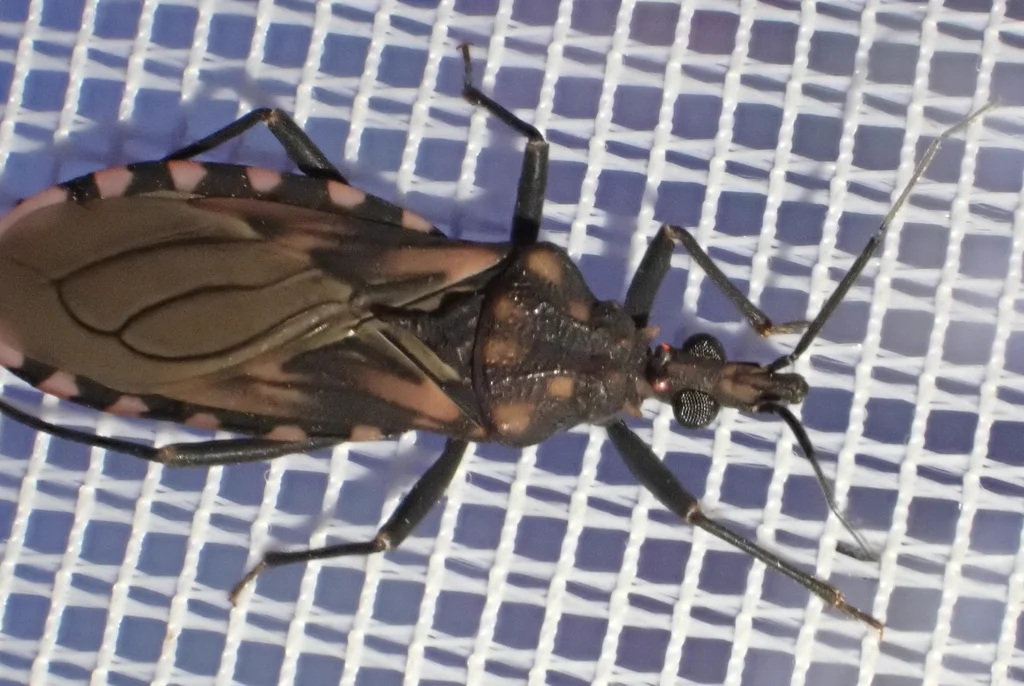

Where Kissing Bugs Are Found
Hover over states to see their names. Green regions indicate where kissing bugs have been reported.
Kissing Bug Identification Guide
Physical Characteristics
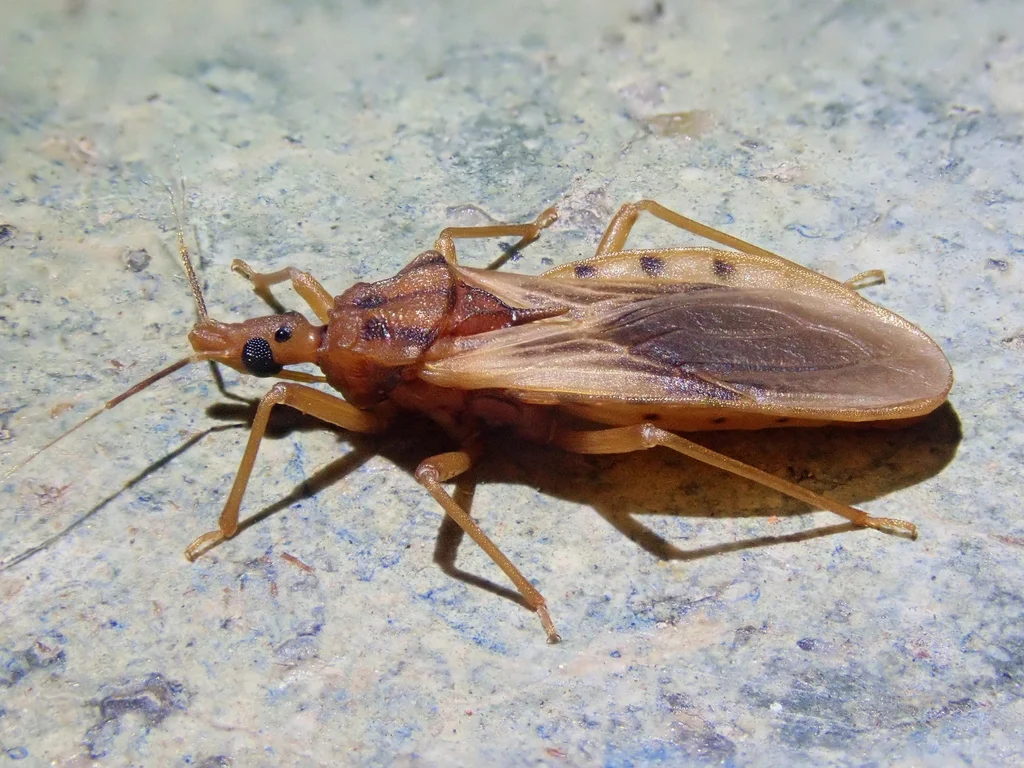
Kissing bugs are a type of assassin bug that feeds on blood rather than hunting other insects. They measure between 12 and 33 millimeters long, about the size of a penny to a nickel. Their most notable feature is a cone-shaped head with a long, straight beak they use to feed on blood. The body is oval and flat, which helps them hide in tight spaces.
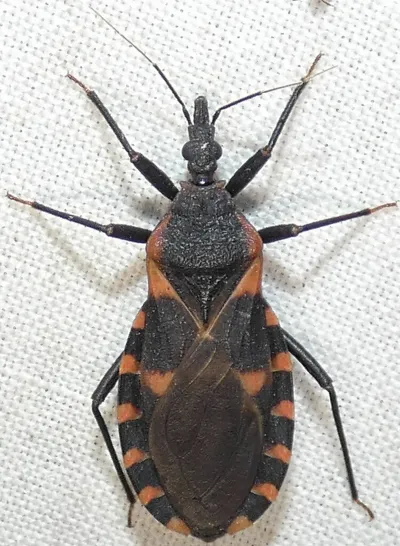
Most kissing bug species are dark brown to black with markings along the edges of their belly area. These markings are usually orange, red, or yellow. They form bands or spots that show from under the wings. Their six legs are long and thin, and they have slender antennae.
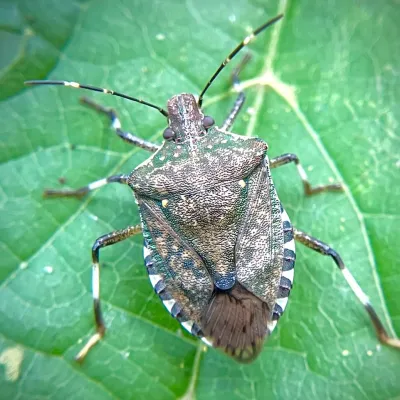
Kissing bugs stand out from similar insects because of their narrow head that comes to a point. Their mouthparts form a beak that tucks under the body when not feeding. They are sometimes confused with stink bugs because of their similar shield-like shape, but stink bugs feed on plants and cannot bite humans.
Common Species in North America
The CDC has found 11 species of kissing bugs in the United States. Several of these are often seen near homes:
-
Triatoma sanguisuga (Eastern Conenose): Found in 25 states from Florida to Pennsylvania and west to Kansas and Texas. Has orange-red to yellow markings on the belly.
-
Triatoma gerstaeckeri: Common in Texas and New Mexico with yellow bands on the belly. About 0.9 to 1.1 inches long.
-
Triatoma protracta (Western Conenose): Found in Arizona, California, Colorado, Nevada, New Mexico, Texas, and Utah. Dark brown to black body.
-
Triatoma rubida: Lives in Arizona, California, New Mexico, and Texas. Has a pale edge on the belly and ranges from light red to dark brown.
-
Triatoma lecticularia: Found across the Southeast including Florida, Georgia, Tennessee, and Texas. Covered in dark hairs with orange-yellow markings.
Kissing Bug Behavior and Biology
Feeding Habits
Kissing bugs feed only on blood. They need blood meals to live and breed. They come out only at night, leaving their hiding spots to feed on sleeping people or animals. Feeding lasts about 20 to 30 minutes. During this time, the bug can drink up to six times its body weight in blood.
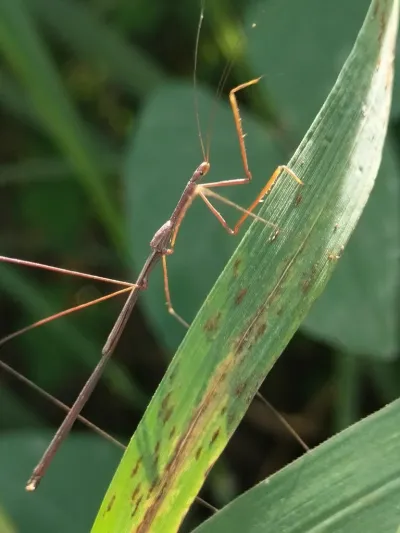
These insects find sleeping hosts by sensing carbon dioxide from breathing and body heat. They often bite around the face, near the eyes and mouth. This habit is how they got the name “kissing bugs.” A related species, Thread-Legged Bugs, shares similar characteristics.
Where They Live
In nature, kissing bugs live in many outdoor spots:
- Animal burrows and nests, especially rodent dens
- Under tree bark
- Rock piles and brush piles
- Chicken coops and animal shelters
- Dog kennels and outdoor pet beds
- Cracks in walls of old or rural buildings
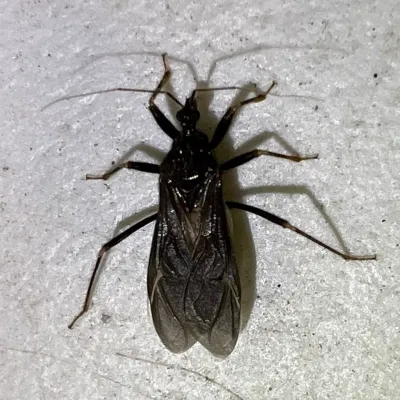
When they get into homes, kissing bugs look for dark, hidden spaces near where people sleep. Unlike the masked hunter, which enters homes to hunt other insects, kissing bugs come inside specifically to feed on sleeping hosts. Common indoor hiding spots include:
- Cracks in walls and ceilings
- Behind furniture near beds
- Under mattresses and in bed frames
- Inside closets and storage areas
- Gaps around windows and door frames
Life Cycle
Kissing bugs go through five growth stages before becoming adults. The full life cycle takes one to two years. How long depends on weather and food. Females lay eggs in batches during their adult life, usually in hidden spots near hosts.
Young kissing bugs look like small adults but do not have full wings. Each growth stage needs at least one blood meal before the bug can move to the next stage.
Health Risks and Chagas Disease
The health information below is for general awareness only. It is not medical advice. Always talk to a doctor if you have health concerns or think you may have been bitten by a kissing bug.
Understanding Chagas Disease
Kissing bugs can carry a parasite called Trypanosoma cruzi. This parasite causes Chagas disease. The CDC said in September 2025 that Chagas disease is now found regularly in the United States. Studies show that 30 to 50 percent of kissing bugs in the U.S. carry this parasite.
The disease does not spread through the bite itself. Instead, infected kissing bugs leave droppings while feeding or right after. The parasite in these droppings can get into your body if rubbed into the bite, your eyes, mouth, or a cut in the skin.
Symptoms of Chagas Disease
Early Phase: First symptoms may include fever, tiredness, body aches, headache, rash, loss of appetite, stomach upset, and vomiting. One clear sign is swelling around the eyelid, called Romana’s sign. This happens when the parasite enters through the eye area.
Later Phase: Most people show no symptoms for years. But about 20 to 30 percent of those infected will develop serious problems over time. These can include heart disease, an enlarged heart, heart failure, or digestive issues.
Treatment Methods for Kissing Bugs
Control plans for kissing bugs focus on keeping them out and changing their habitat. This works better than chemicals alone. Helpful steps include:
-
Seal entry points: Use caulk to fill cracks around windows, doors, and the foundation. Add weather stripping and door sweeps for more protection.
-
Reduce outdoor lights: Kissing bugs fly toward lights at night, just like other assassin bug species such as wheel bugs. Yellow or sodium vapor bulbs attract fewer bugs than standard white lights.
-
Remove hiding spots: Clear brush piles, wood stacks, and debris from around your home. Keep firewood stored away from the house.
-
Manage pet areas: Keep outdoor pet beds clean and raised off the ground. Bring pets inside at night to limit their contact with these bugs.
-
Perimeter treatments: Pest control products applied around the foundation and entry points can help reduce the number of bugs trying to get inside.
-
Bed protection: In areas with high risk, bed nets and keeping beds away from walls can add protection.
Prevention Tips for Homeowners
Taking action now can lower your chances of seeing kissing bugs:
- Put tight screens on all windows and doors
- Fix holes in screens and seal gaps around pipes
- Keep outdoor areas clean and clear of debris
- Check pet sleeping areas often
- Turn off outdoor lights at night when you can
- Think about using bug-proof housing for outdoor pets
- Look over items before bringing them inside, especially firewood
If you find a kissing bug in your home, use gloves or a container to capture it without crushing it. Then contact your local health department for identification. Talk to a doctor if you think you may have been bitten.
References
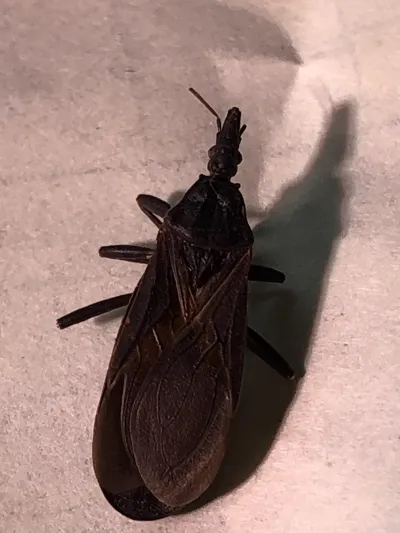
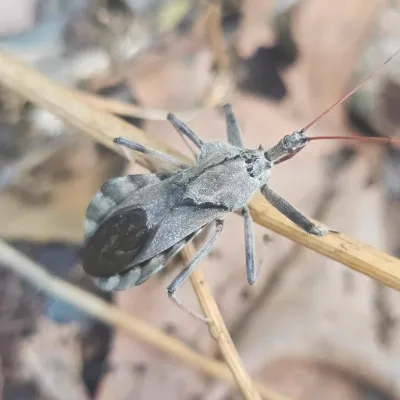
Other Assassin Bugs
Explore other species in the assassin bugs family
Commonly Confused With
Kissing Bugs are often mistaken for these similar pests
Where Kissing Bugs Are Found
Hover over states to see their names. Green regions indicate where kissing bugs have been reported.
Common Questions about Kissing Bugs
What is a kissing bug?
+
Kissing bugs are blood-feeding insects in the subfamily Triatominae. They get their name from their habit of biting humans around the mouth and eyes while they sleep. They are also called triatomine bugs, conenose bugs, or assassin bugs.
Are kissing bugs dangerous?
+
Yes, kissing bugs can be dangerous because they may carry the parasite Trypanosoma cruzi, which causes Chagas disease. The parasite is not transmitted through the bite itself but through the bug's feces, which can enter the body through the bite wound, eyes, or mouth.
What does a kissing bug bite look like?
+
Kissing bug bites often appear as small, red, itchy welts. Multiple bites may appear in clusters, typically on exposed skin areas like the face, arms, and legs. Some people may have an allergic reaction causing more severe swelling.
Where are kissing bugs found in the United States?
+
Kissing bugs are found primarily in the southern half of the United States. The CDC has identified 11 species across 32 states, with the highest concentrations in Texas, Arizona, New Mexico, and California.
What time of year are kissing bugs most active?
+
Kissing bugs are most active during warm months, typically from late spring through early fall. They are nocturnal and come out at night to feed on sleeping hosts.
How do kissing bugs get inside homes?
+
Kissing bugs enter homes through gaps around doors, windows, and foundations. They are attracted to lights at night and may fly toward illuminated areas. They often nest in cracks and crevices near sleeping areas.
What should I do if I find a kissing bug?
+
Do not touch the bug with bare hands. Use gloves or a container to capture it. If you suspect exposure to kissing bugs or experience symptoms after a bite, contact a healthcare provider. You can also submit the bug to your local health department for identification.
Can kissing bugs infest a house?
+
Unlike some household pests, kissing bugs do not typically establish large indoor colonies. They prefer outdoor habitats like woodpiles, animal burrows, and chicken coops but may enter homes to feed on sleeping humans or pets.

With five years of hands-on experience in the pest control industry, George Schulz is a registered technician with the Virginia Pest Management Association and a proud third-generation professional in a family business that's been protecting homes for over 57 years. He manages and trains a team of service pros while also leading internal research efforts—recently spearheading a deep-dive review of thousands of documents on pest control materials to hand-pick the most kid and pet friendly, most effective solutions tailored specifically for homes in the DC metro area.