Water Scorpions Identification Guide
Nepidae
Water scorpions are aquatic insects with raptorial front legs and a long breathing tube resembling a tail. Despite their name, they are not true scorpions and cannot sting, though they can deliver a painful bite if handled.
Taxonomy
Water Scorpions Coloration
Common color patterns to help identify water scorpions
Water Scorpions
Seasonal Activity
When water scorpions are most active throughout the year

Where Water Scorpions Are Found
Hover over states to see their names. Green regions indicate where water scorpions have been reported.
Water Scorpion Identification Guide
Physical Characteristics
Water scorpions are aquatic insects found throughout North America in freshwater habitats. They belong to the family Nepidae. Despite their name, they are not true scorpions. They are actually true bugs, closely related to giant water bugs and backswimmers.
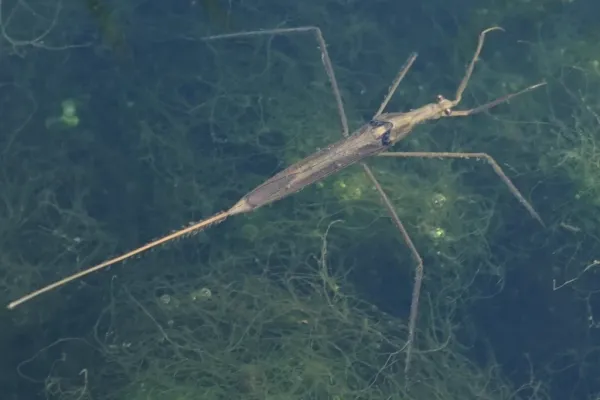
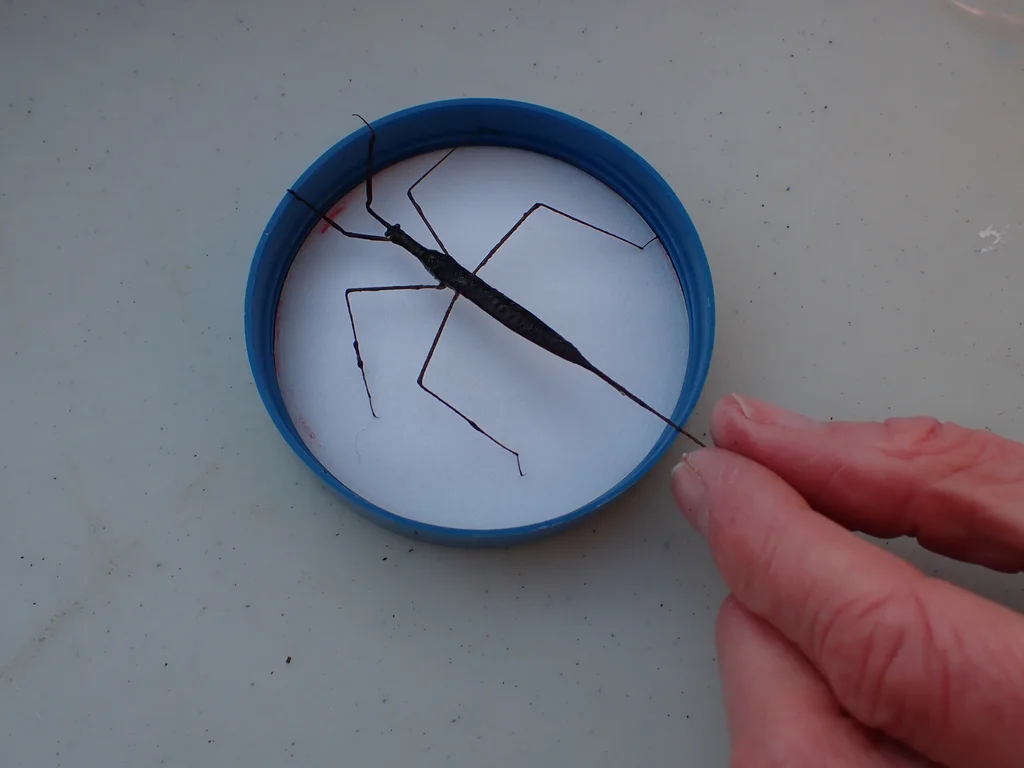
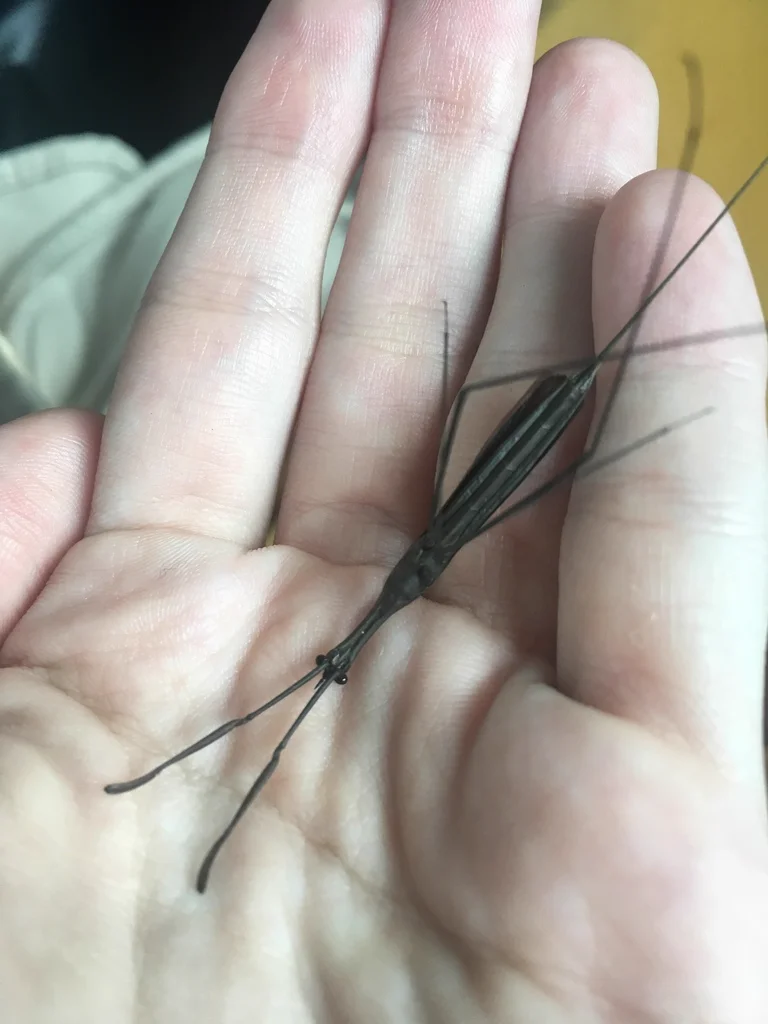
The most distinctive feature is a long, needle-like appendage at the tip of their abdomen. This structure can be nearly as long as the body itself. It is not a stinger but a breathing tube called a siphon. The siphon works like a snorkel. It consists of two half-tubes that lock together. This allows the insect to breathe air while staying submerged underwater.
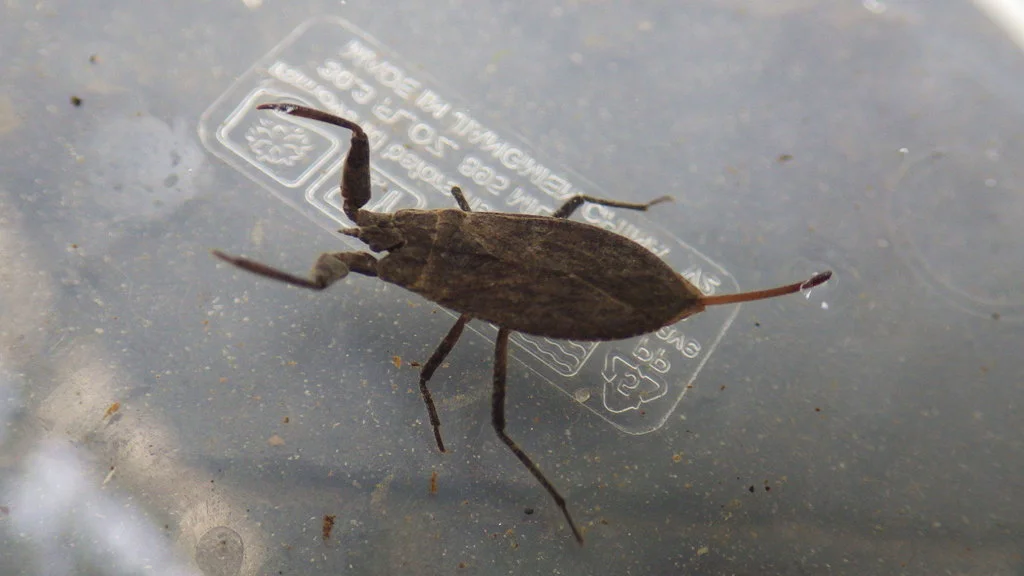
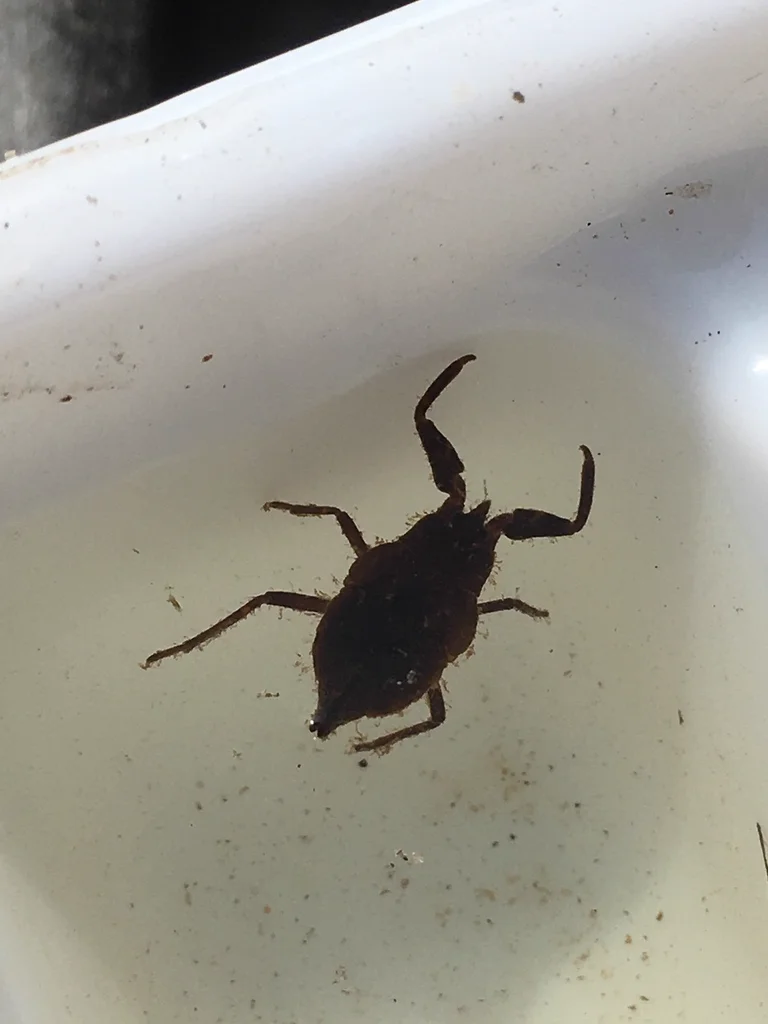
Water scorpions come in two main body types. Species in the genus Ranatra have elongated, stick-like bodies. They can measure 1 to 4 inches long, including the breathing tube. These slender water scorpions look like underwater walkingsticks. The other type is Nepa apiculata, the only member of its genus in North America. It has a flat, oval body about 0.75 inches long and looks more like a small leaf.
Both types have powerful front legs that look like those of a praying mantis. These grasping legs are used to seize and hold prey. Their color is typically brown to grayish-brown. This provides good camouflage among aquatic plants and bottom debris.
Common Species
Thirteen species of water scorpions live in the United States and Canada. The most common are members of the genus Ranatra, which includes ten North American species. The Brown Water Scorpion (Ranatra fusca) is widespread in eastern North America. You can often find it in ponds and slow streams.
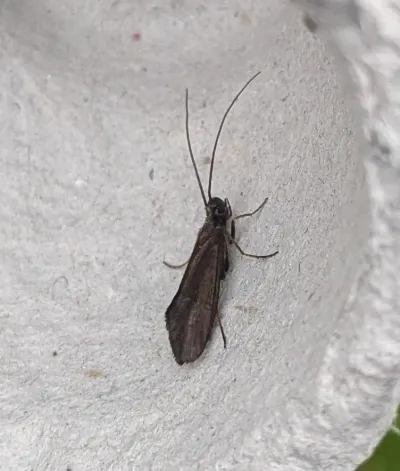
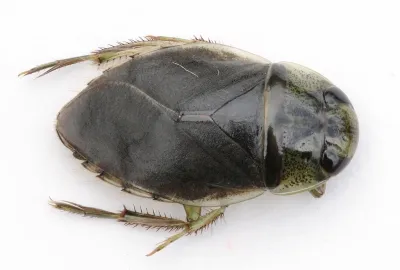
Nepa apiculata is found mainly in eastern North America. Its range extends from Canada south to Florida and west to Texas. Its flat, oval body and shorter breathing tube make it look very different from its stick-like relatives. A related species, Caddisflies, shares similar characteristics.
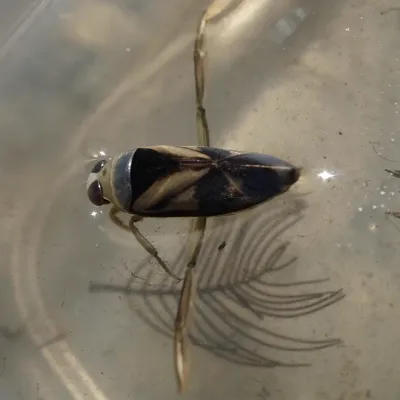
Water Scorpion Behavior and Biology A related species, Creeping Water Bugs, shares similar characteristics.
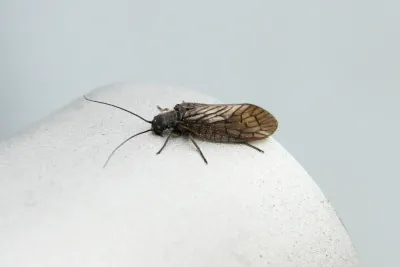
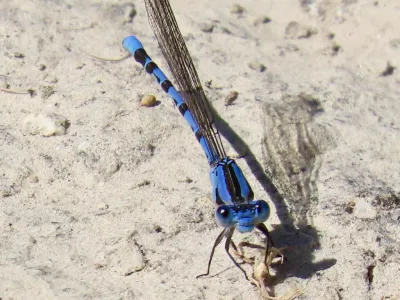
Water scorpions are ambush predators that spend their lives in freshwater habitats. Unlike backswimmers and water boatmen, water scorpions are not active swimmers. They move slowly through aquatic plants or along the bottom. They position themselves and wait for prey to come near. A related species, Alderflies, shares similar characteristics.
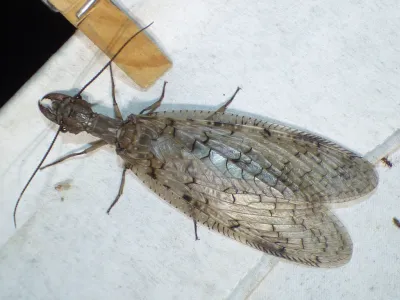
Their hunting strategy relies on patience and stealth. A water scorpion will stay still among plant stems or debris. Its breathing tube extends above the water surface. When prey wanders within reach, the water scorpion strikes with its front legs and grabs the prey firmly. It then uses its short, curved beak to pierce the prey. It injects digestive enzymes that break down the internal tissues, then consumes the liquid. A related species, Hellgrammites, shares similar characteristics.
Water scorpions feed mainly on aquatic insects. This includes mosquito larvae, mayfly nymphs, and other small invertebrates. Larger individuals may capture tadpoles, small fish, and even other water scorpions.
Water scorpions go through incomplete metamorphosis. Females lay eggs in submerged plants or damp moss near the water’s edge. The eggs have small filaments that extend from the shell. These allow the developing embryo to get oxygen. After hatching, nymphs look like tiny adults but lack fully developed wings. They molt several times before becoming adults. Adults can live for several years.
These insects can make sounds by rubbing leg segments against their body. This creates underwater vibrations. This communication may play a role in mating or marking territory.
Water scorpions survive winter as adults. They live beneath ice in a dormant state. They have natural antifreeze compounds that protect them from freezing.
Treatment Approaches for Water Scorpions
Water scorpions rarely enter homes or become pests. They sometimes appear near pools, ponds, or outdoor areas close to their natural habitats. They cannot survive long away from water. Standard pest control treatments are not necessary for these insects.
If water scorpions are appearing frequently around your property, consider these prevention approaches:
-
Pool and pond management: Keep swimming pools properly maintained and covered when not in use. Water scorpions may enter pools, especially those near natural water sources. They feed on mosquito larvae and other aquatic insects.
-
Lighting considerations: Water scorpions may fly toward lights at night when moving between water sources. Yellow or amber outdoor lighting can reduce attraction. Position lights away from entry points to help keep them out.
-
Habitat awareness: Water scorpions prefer still or slow-moving water with plants. If you have concerns about them near recreational areas, remove dense aquatic plants along pond edges to make the habitat less suitable.
-
Removal tips: If you need to remove a water scorpion, use a container rather than handling it directly. While not aggressive, they will bite defensively if grabbed. The bite is painful but not medically significant for most people.
Water scorpions are predators that feed on mosquito larvae and other aquatic insects. They pose no threat to structures or property and cannot survive long away from water.
References
Other Aquatic Insects
Explore other species in the aquatic insects family
Commonly Confused With
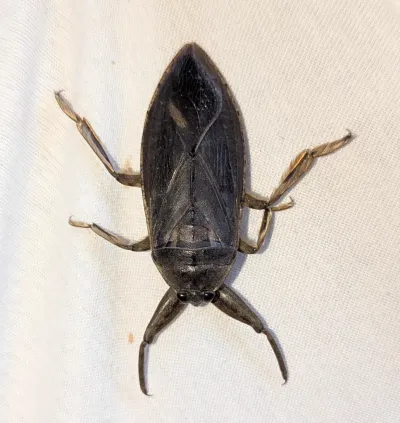
Water Scorpions are often mistaken for these similar pests
Where Water Scorpions Are Found
Hover over states to see their names. Green regions indicate where water scorpions have been reported.
Common Questions about Water Scorpions
Are water scorpions dangerous to humans?
+
Water scorpions are not dangerous, but they can bite if handled. The long tail is not a stinger. It is a breathing tube. Their bite feels like a bee sting and only happens if they feel threatened.
Can water scorpions sting with their tail?
+
No, the tail is not a stinger. It is a breathing tube called a siphon. The insect uses it to breathe while underwater. Water scorpions cannot sting.
Why are they called water scorpions?
+
They look somewhat like true scorpions. They have grasping front legs and a long breathing tube that looks like a tail. But they are true bugs, not related to actual scorpions.
Do water scorpions swim?
+
Water scorpions are poor swimmers. They prefer to crawl slowly on plants or along the bottom of ponds and streams. They wait for prey to come close rather than chasing it.
What do water scorpions eat?
+
Water scorpions eat aquatic insects, small fish, tadpoles, and other small water creatures. They grab prey with their front legs and use their beak to pierce and digest it.
Can water scorpions fly?
+
Yes, water scorpions can fly, but they rarely do. They usually fly at night to move between water bodies or when their habitat dries up.
Where do water scorpions live?
+
Water scorpions live in still or slow-moving water like ponds, lakes, and marshes. They prefer areas with lots of plants and muddy bottoms where they can hide.

With five years of hands-on experience in the pest control industry, George Schulz is a registered technician with the Virginia Pest Management Association and a proud third-generation professional in a family business that's been protecting homes for over 57 years. He manages and trains a team of service pros while also leading internal research efforts—recently spearheading a deep-dive review of thousands of documents on pest control materials to hand-pick the most kid and pet friendly, most effective solutions tailored specifically for homes in the DC metro area.