Mayflies Identification Guide
Ephemeroptera
Mayflies are delicate aquatic insects known for their extremely short adult lifespan and mass emergences near bodies of water during summer months.
Taxonomy
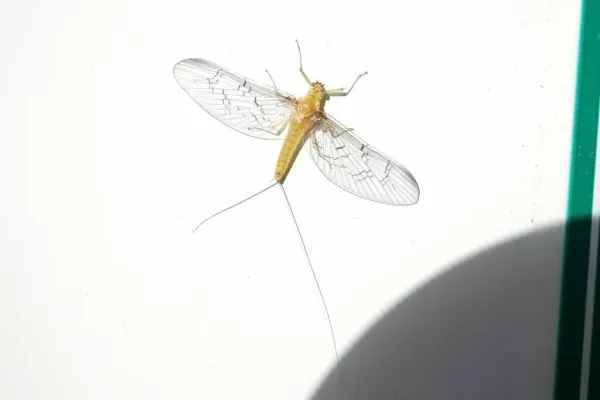
Mayflies Coloration
Common color patterns to help identify mayflies
Mayflies
Seasonal Activity
When mayflies are most active throughout the year

Where Mayflies Are Found
Hover over states to see their names. Green regions indicate where mayflies have been reported.
Mayfly Identification Guide
Physical Characteristics
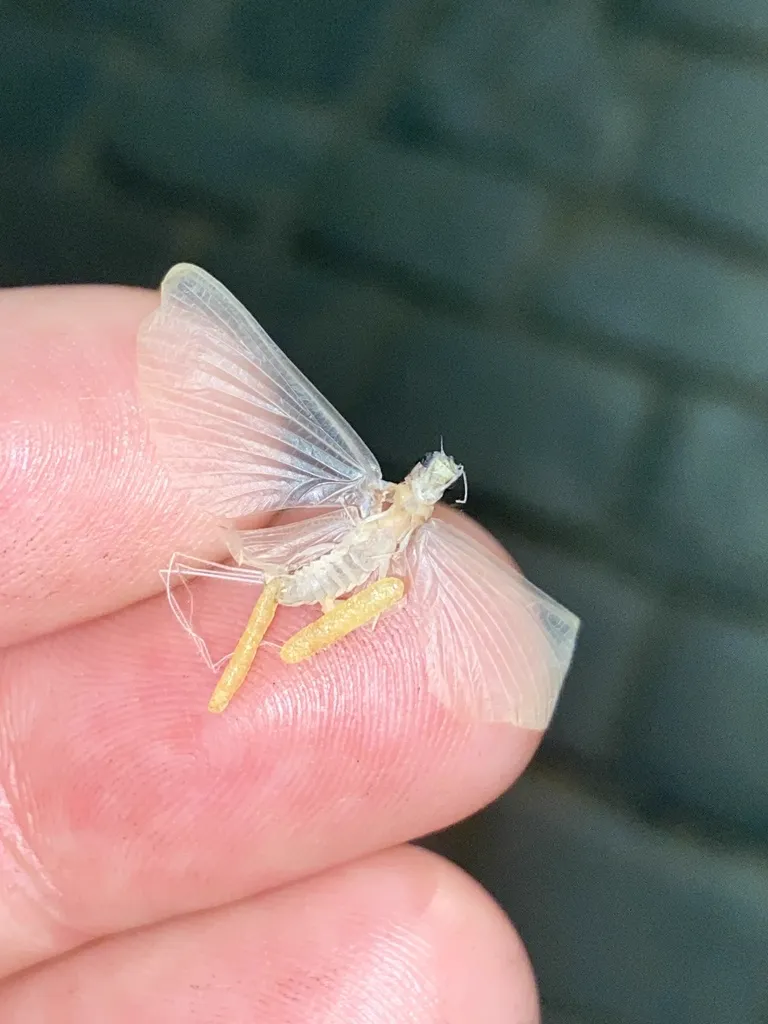
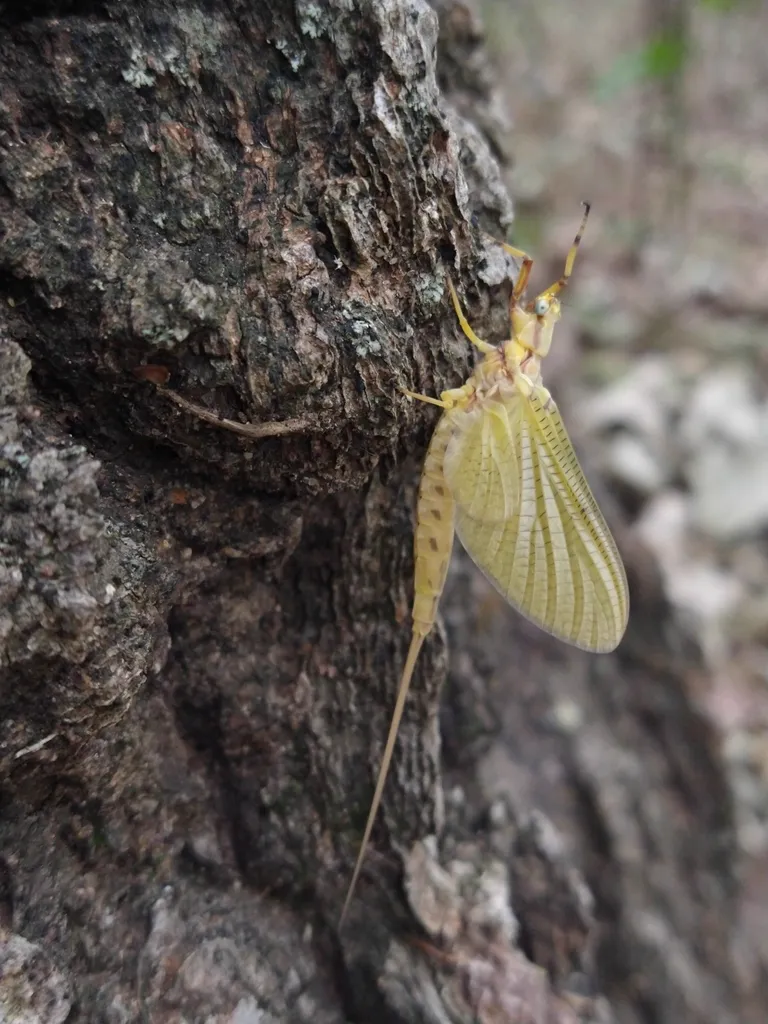
Mayflies are slender insects that range from 5 to 25 millimeters long. Their most notable feature is two or three long tail filaments that can be as long as their body. Adults have large, see-through wings. The front wings are larger than the back wings. When resting, mayflies hold their wings straight up over their body, much like butterflies do.
Adult mayflies have large eyes and short antennae. They have weak mouthparts that do not work since they do not eat as adults. Their bodies are usually tan, brown, yellow, or cream colored. Some have darker marks on the middle and back sections. Their legs are thin and break easily.
Common Species in North America
-
Burrowing Mayflies (Ephemeridae): Among the largest mayflies, reaching up to 25 mm. Their young dig into sandy or muddy stream beds. They are known for huge swarms along the Great Lakes.
-
Small Mayflies (Baetidae): The most common mayfly family, usually under 10 mm. Their young swim well and live in warm, slow waters. These are often the first mayflies seen in spring.
-
Flatheaded Mayflies (Heptageniidae): Medium-sized with flat young that cling to rocks in fast streams. They are common in clean rivers with lots of oxygen.
-
Spiny Crawler Mayflies (Ephemerellidae): Medium-sized with spiny young. Trout and other fish eat many of these.
Mayfly Behavior and Biology
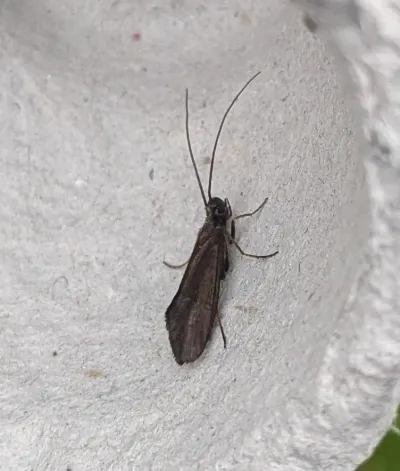
Unique Lifecycle A related species, Water Scorpions, shares similar characteristics.
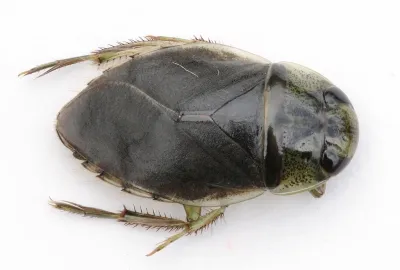
Mayflies go through a different kind of growth than most insects. They are the only insects that shed their skin after growing wings. Their life has four stages: egg, nymph, subimago, and adult. A related species, Creeping Water Bugs, shares similar characteristics.
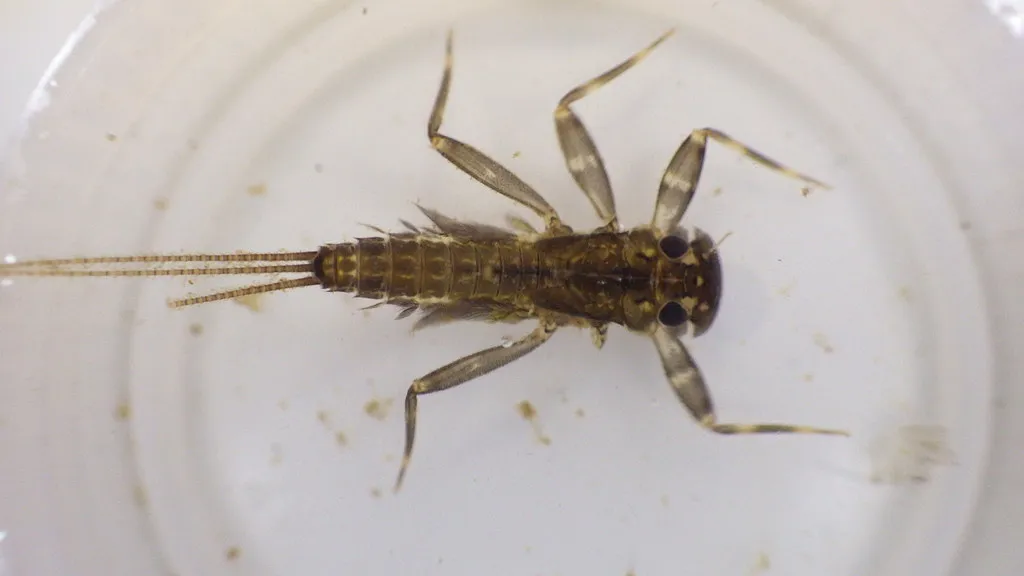
Young mayflies live only in water. They stay in streams, rivers, ponds, and lakes for one to two years. They breathe through gills on their belly and eat algae and plant matter. Young mayflies shed their skin 15 to 25 times as they grow. A related species, Giant Water Bugs, shares similar characteristics.
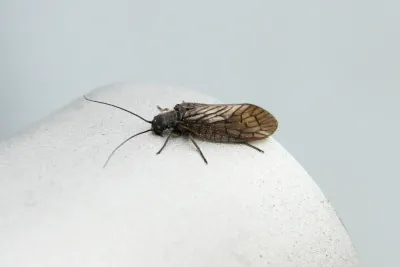
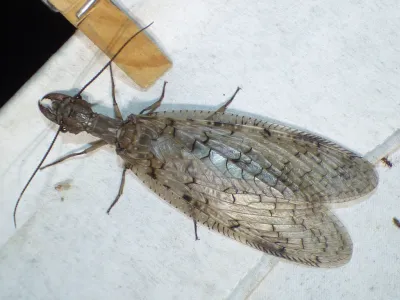
When ready to become adults, they rise to the water surface in a bubble of air. They quickly shed into a winged form and fly to nearby plants. Within hours to a day, they shed again into the final adult form. This last change gives them clear wings and a shiny body. A related species, Alderflies, shares similar characteristics.
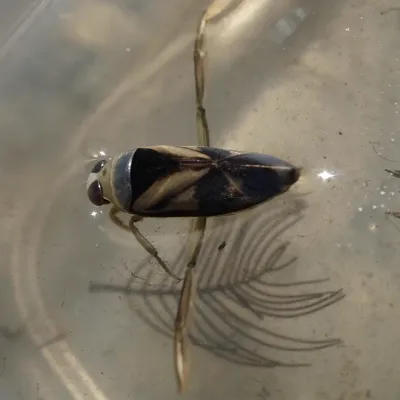
Mass Emergences A related species, Water Boatmen, shares similar characteristics.
One of the most striking things about mayflies is how they all emerge at once. In some species, millions come out within a few hours or days. Water temperature, day length, and moon phase trigger these events. This swarm tactic helps them survive by overwhelming predators with numbers.
These swarms can be so large they show up on weather radar. Near the Great Lakes, dead mayflies can pile up several inches deep on roads and parking lots. Sometimes cities need snowplows to clear them away.
Role in the Ecosystem
Mayflies help scientists track water quality. Their young need clean water with lots of oxygen to survive. When mayflies are present, it usually means the water is healthy. They are one of three aquatic insect groups, along with stoneflies and caddisflies, used to measure stream health.
Both young and adult mayflies are food for fish, birds, bats, and spiders. Fly fishermen make lures that look like mayflies since trout and bass love to eat them.
Managing Mayfly Presence Around Homes
If you live near water and deal with mayfly swarms, there are ways to reduce their numbers around your home.
Light Management
Adult mayflies fly toward lights at night. Changing your outdoor lighting is the best way to keep them away:
- Turn off lights you do not need during warm evenings from May through August
- Use yellow or amber bulbs, which attract fewer mayflies
- Put in motion-sensor lights so they only turn on when needed
- Point lights down instead of out to make them less visible from far away
- Close blinds and curtains to keep indoor lights from drawing mayflies to windows
Physical Barriers
- Keep windows and doors shut in the evening when mayflies are active
- Make sure window screens have no holes or gaps
- You can cover porch lights with yellow film during heavy swarms
Cleanup
During mass emergences, sweep or hose off areas where dead mayflies pile up. This keeps surfaces from getting slippery. A leaf blower works well to clear large amounts from driveways and porches.
Why Insecticides Are Not Effective
Insecticides do not work well on mayflies. Adult mayflies live only hours to days and do not eat, so they rarely touch pesticide residue. Spraying near water can also harm the streams and lakes where mayflies breed.
References
Other Aquatic Insects
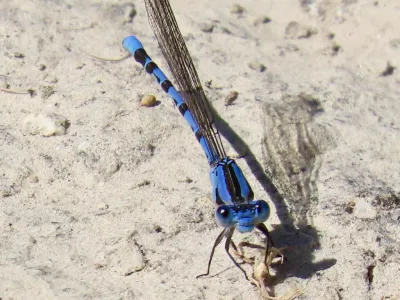
Explore other species in the aquatic insects family
Commonly Confused With
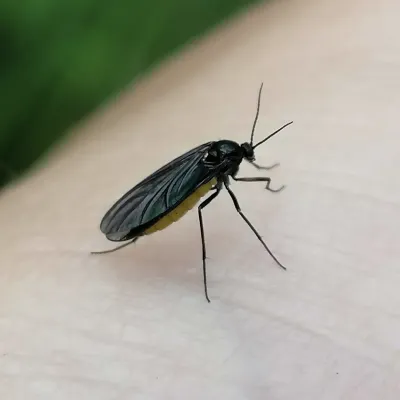
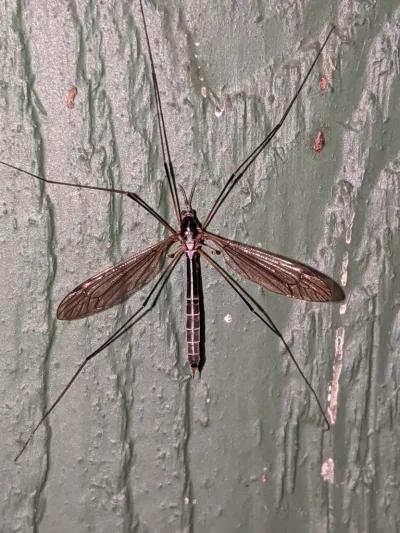
Mayflies are often mistaken for these similar pests
Where Mayflies Are Found
Hover over states to see their names. Green regions indicate where mayflies have been reported.
Common Questions about Mayflies
Why are mayflies swarming around my house?
+
Mayflies are strongly attracted to lights at night. If you live near a lake, river, or stream, adult mayflies emerging from the water will fly toward porch lights, street lights, and illuminated windows. Mass emergences can result in thousands of mayflies gathering around lights in a single evening.
Are mayflies harmful to humans?
+
No, mayflies are completely harmless. They do not bite, sting, or transmit diseases. Adult mayflies have non-functional mouthparts and cannot even eat. Their only purpose as adults is to mate and lay eggs.
How long do mayflies live?
+
Adult mayflies have one of the shortest lifespans of any insect, typically living just 24 hours to a few days. However, before becoming adults, mayfly nymphs live underwater for one to two years, depending on the species.
Why do mayflies die so quickly?
+
Adult mayflies have vestigial (non-functional) mouthparts and digestive systems. They cannot eat or drink as adults. Their sole purpose is reproduction, and once they mate and lay eggs, they die. This extremely short adult stage is reflected in their scientific name, Ephemeroptera, meaning 'short-lived wings.'
How do I get rid of mayflies around my home?
+
The most effective approach is reducing light attraction. Turn off unnecessary outdoor lights during peak emergence periods, use yellow-tinted bulbs that are less attractive to insects, or install motion-sensor lighting.
Do mayflies damage property?
+
Mayflies do not cause property damage. However, during mass emergences, their dead bodies can accumulate on porches, windowsills, and driveways. In extreme cases near large water bodies, piles of dead mayflies can become slippery on roads and sidewalks.
What do mayfly nymphs look like?
+
Mayfly nymphs are aquatic and look quite different from adults. They have elongated bodies with visible gills along their abdomen and two or three long tail filaments. Nymphs are typically brown or olive-colored and can be found clinging to rocks or burrowing in sediment in streams and lakes.

With five years of hands-on experience in the pest control industry, George Schulz is a registered technician with the Virginia Pest Management Association and a proud third-generation professional in a family business that's been protecting homes for over 57 years. He manages and trains a team of service pros while also leading internal research efforts—recently spearheading a deep-dive review of thousands of documents on pest control materials to hand-pick the most kid and pet friendly, most effective solutions tailored specifically for homes in the DC metro area.