Hellgrammites Identification Guide
Corydalus cornutus (larva)
Hellgrammites are the aquatic larval stage of dobsonflies. These large larvae have a fierce appearance and can deliver a painful bite if handled.
Taxonomy
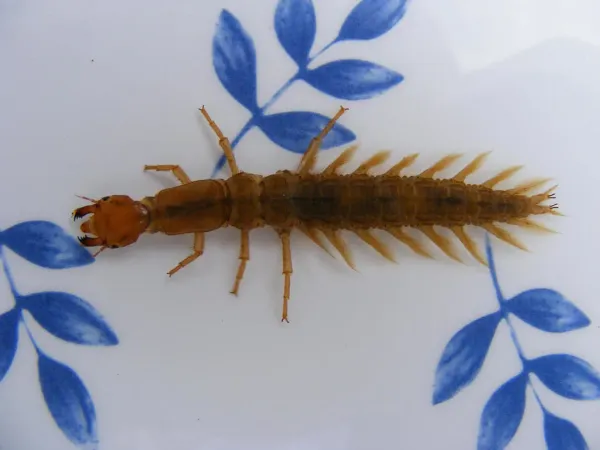
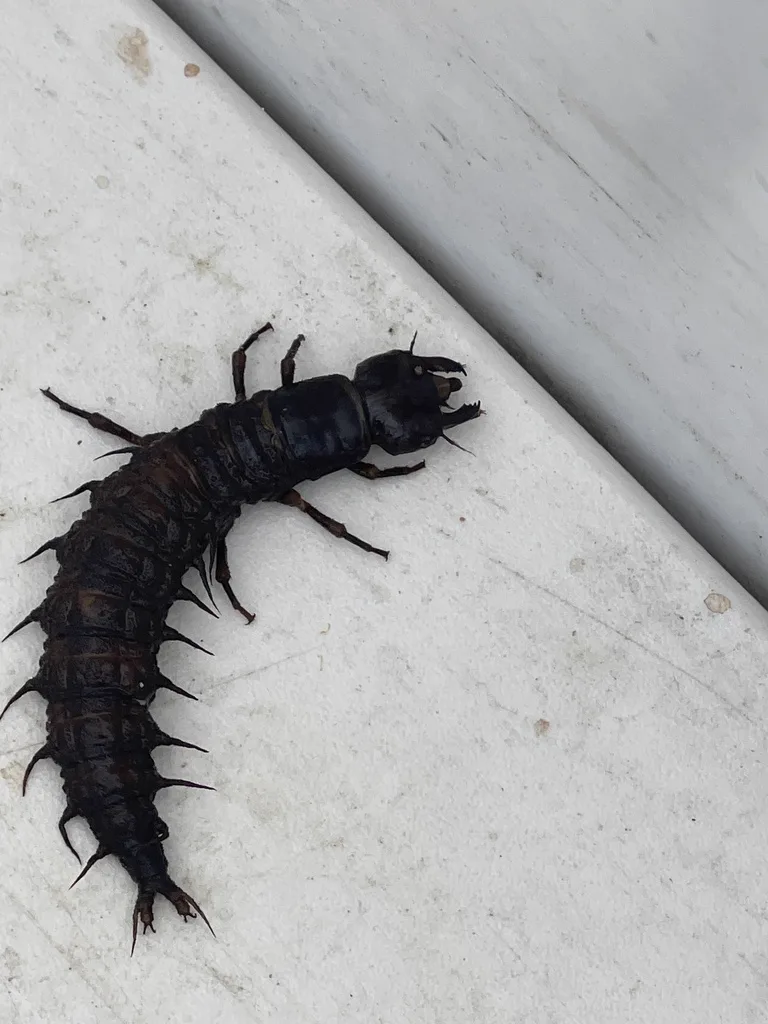
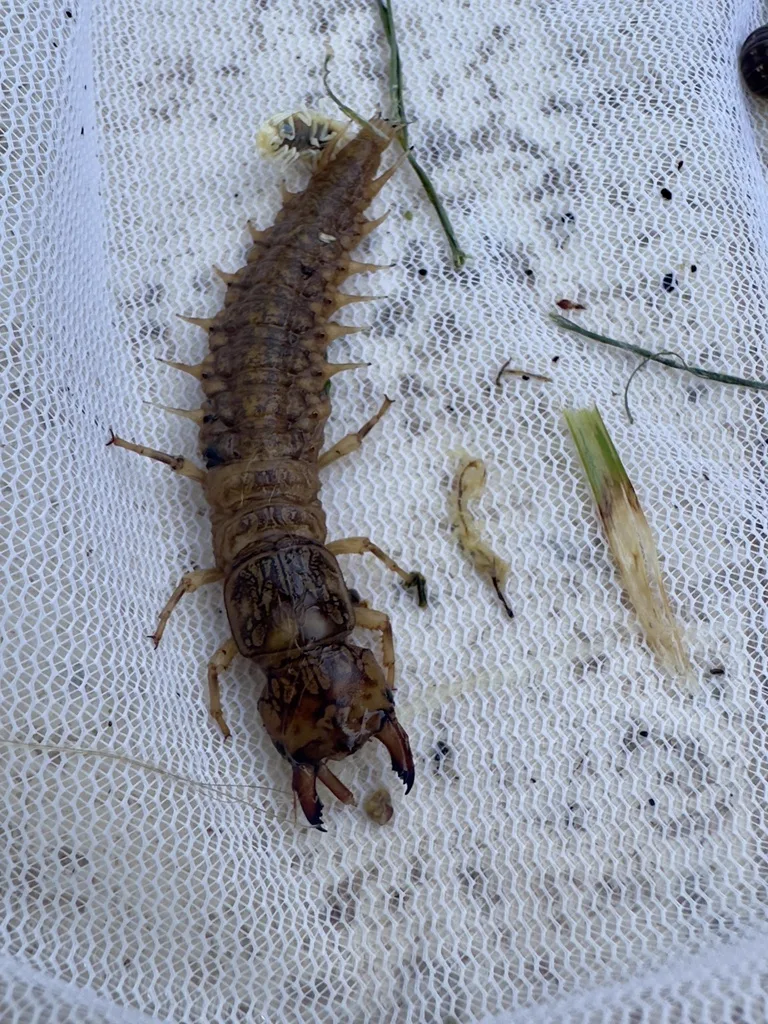
Hellgrammites Coloration
Common color patterns to help identify hellgrammites
Hellgrammites
Seasonal Activity
When hellgrammites are most active throughout the year

Where Hellgrammites Are Found
Hover over states to see their names. Green regions indicate where hellgrammites have been reported.
Hellgrammite Identification Guide
Physical Characteristics
Hellgrammites are large aquatic insect larvae that can grow up to 3.5 inches long. This makes them one of the biggest freshwater insects in North America. Their flat, long bodies range from dark brown to tan. Tiny spines cover their skin.
The most notable features are their wide head and strong pincer-like jaws. Eight pairs of side filaments run down each side of their body. Feathery gills at the base of these filaments let them breathe underwater.
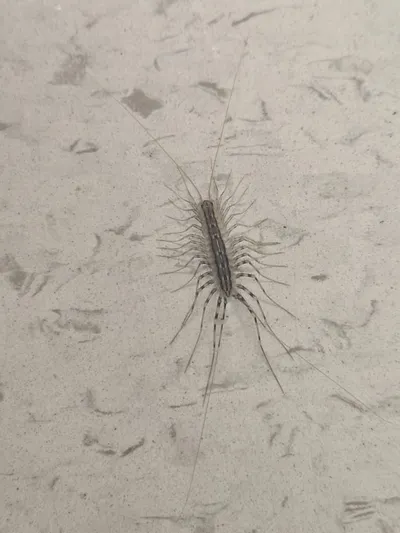
The body has three main parts. The hard head holds strong mouthparts. The middle section (thorax) has three pairs of legs. The rear section is divided into segments. Many people mistake hellgrammites for centipedes because of their shape.
Dobsonfly Adults
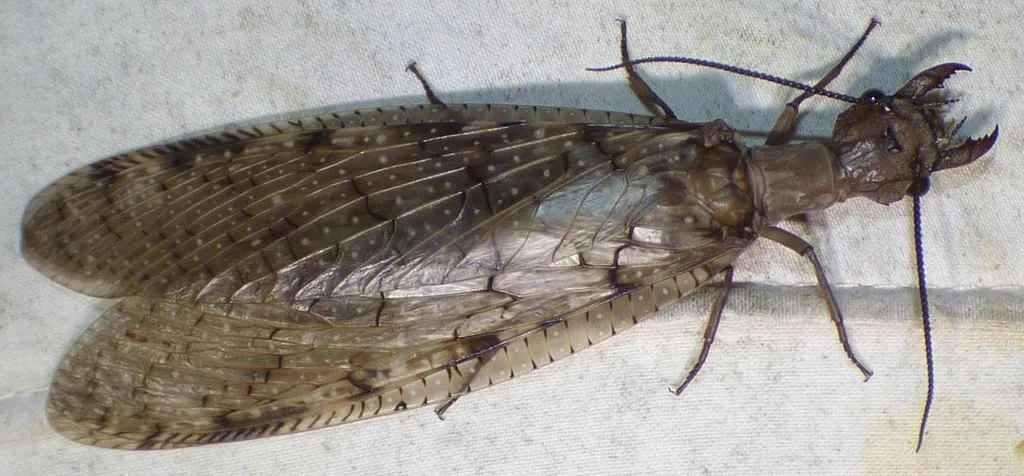
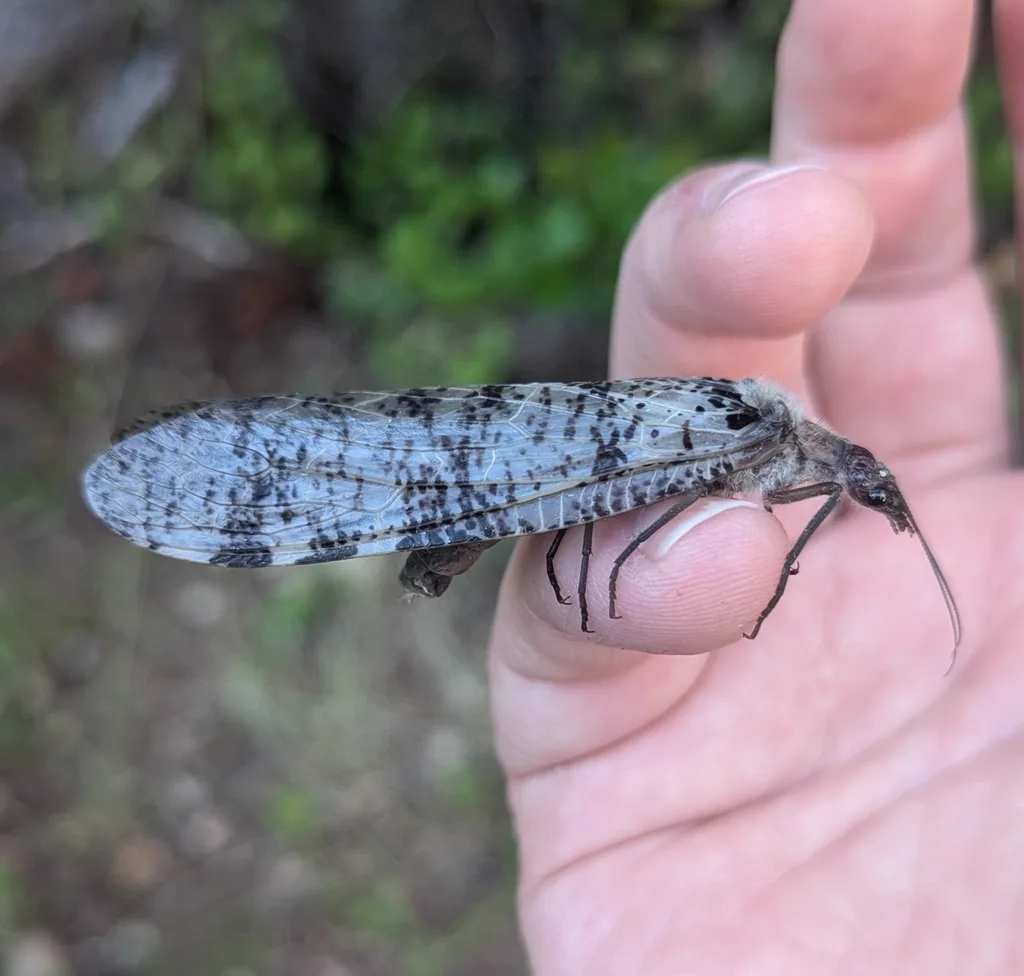
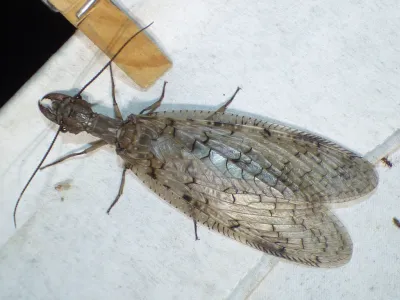
After the larval stage, hellgrammites change into adult dobsonflies. Adult Eastern dobsonflies (Corydalus cornutus) are large insects with wingspans of 4 to 5 inches. Male dobsonflies have long, curved jaws that can be over an inch long. Despite their scary look, these jaws are too weak to cause a painful bite. Female dobsonflies have shorter jaws like the larvae.
Hellgrammite Behavior and Biology
Habitat
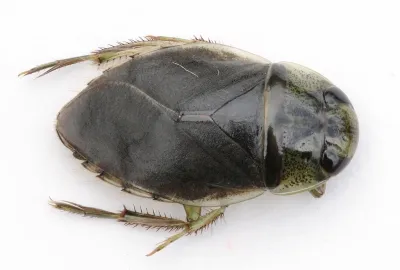
Hellgrammites live only in clean, fast-moving streams and rivers with plenty of oxygen. They hide under rocks, logs, and other debris on rocky or gravelly stream beds. They cannot survive in polluted water. Scientists often check for hellgrammites to test water quality. A related species, Water Scorpions, shares similar characteristics.
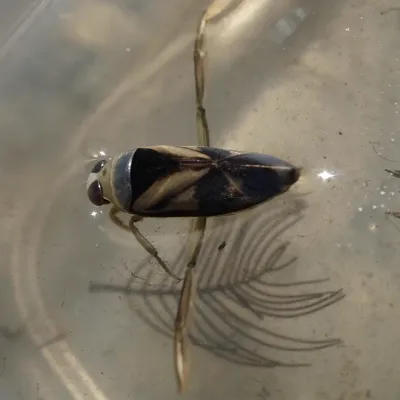
Diet and Hunting A related species, Creeping Water Bugs, shares similar characteristics.
These larvae are active hunters. They eat smaller insects like mayfly larvae, stonefly nymphs, and caddisfly larvae. They can also catch small fish. Their strong jaws let them grab and crush prey with ease. Hellgrammites help control populations of other water insects, including black fly and mosquito larvae. A related species, Giant Water Bugs, shares similar characteristics.
Lifecycle
The dobsonfly lifecycle has four stages: egg, larva, pupa, and adult.
Egg Stage: Female dobsonflies lay egg masses with up to 3,000 eggs. They place these on rocks or plants hanging over water. The white masses look like bird droppings, which keeps predators away. After about two weeks, the eggs turn to liquid and the larvae drop into the water.
Larval Stage: Hellgrammites spend two to five years as water-dwelling larvae. Water temperature and food supply affect how long they stay in this stage. During this time, they shed their skin 10 to 12 times as they grow. This is the longest part of their life.
Pupal Stage: When ready to change form, usually in late spring or early summer, larvae crawl out of the water. They dig into damp soil, rotting wood, or under logs. The pupal stage lasts about two weeks.
Adult Stage: Adult dobsonflies live only 3 to 10 days. They do not eat. Their only purpose is to mate and lay eggs. Adults come out at night and are drawn to lights. This is when homeowners most often see them.
When Hellgrammites Become a Problem
Hellgrammites rarely become pests since they need water to survive. But homeowners near streams and rivers may run into them in some cases.
Common Encounters
-
Swimming pools: Hellgrammites may end up in pools near waterways by accident. They can live for a short time out of water because they can breathe air through small holes called spiracles.
-
Crawling indoors: When ready to pupate, larvae may wander onto patios, decks, or into garages while looking for a place to change form.
-
Adult dobsonflies at lights: Adult dobsonflies are drawn to porch lights. They may fly into homes through open doors or windows on summer nights.
Removal and Prevention
If hellgrammites show up in a swimming pool, scoop them out with a net. Adding more chlorine can also make the water less suitable for them. For dobsonflies drawn to lights, try yellow bug lights or turn off outdoor lights you do not need.
Hellgrammites cannot live indoors for long. They will not set up a population inside your home. They do not damage structures or get into food.
References
Other Aquatic Insects
Explore other species in the aquatic insects family
Commonly Confused With
Hellgrammites are often mistaken for these similar pests
Where Hellgrammites Are Found
Hover over states to see their names. Green regions indicate where hellgrammites have been reported.
Common Questions about Hellgrammites
What is a hellgrammite?
+
A hellgrammite is the aquatic larval stage of the dobsonfly. These larvae live underwater in streams and rivers for two to five years before emerging as adult dobsonflies. They are known for their fierce appearance and powerful mandibles.
Do hellgrammites bite?
+
Yes, hellgrammites can deliver a painful bite with their strong mandibles. The bite is not venomous but can be surprisingly painful, similar to a crayfish pinch. Handle them with care by gripping just behind the head.
Are hellgrammites dangerous to humans?
+
Hellgrammites are not dangerous to humans. While they can bite if handled carelessly, they are not venomous and do not carry diseases. They are more of a nuisance than a threat.
Why are hellgrammites in my pool?
+
Hellgrammites may end up in pools if they live nearby in streams or rivers. They can crawl out of water to pupate and may accidentally fall into pools. Remove them with a net and consider checking your pool's chlorine levels.
Are hellgrammites good bait for fishing?
+
Yes, hellgrammites are excellent fishing bait and highly prized by anglers. Bass, trout, and other game fish find them irresistible. Many fishermen consider them one of the best live baits available.
What do hellgrammites turn into?
+
Hellgrammites transform into adult dobsonflies after pupating. Adult dobsonflies are large, impressive insects with wingspans up to five inches. Males have dramatic elongated mandibles used for mating displays.
How long do hellgrammites live?
+
Hellgrammites spend two to five years as larvae, depending on water temperature and food availability. During this time, they molt 10-12 times. The adult dobsonfly stage lasts only about one to two weeks.

With five years of hands-on experience in the pest control industry, George Schulz is a registered technician with the Virginia Pest Management Association and a proud third-generation professional in a family business that's been protecting homes for over 57 years. He manages and trains a team of service pros while also leading internal research efforts—recently spearheading a deep-dive review of thousands of documents on pest control materials to hand-pick the most kid and pet friendly, most effective solutions tailored specifically for homes in the DC metro area.