Giant Water Bugs Identification Guide
Lethocerus americanus
Giant water bugs are large aquatic insects that can grow over 2 inches long and deliver a painful bite when handled. They occasionally enter homes attracted to lights at night.
Taxonomy
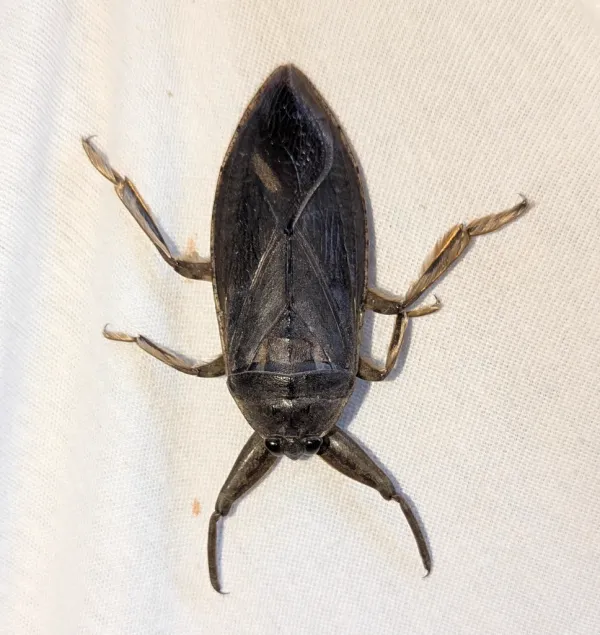
Giant Water Bugs Coloration
Common color patterns to help identify giant water bugs
Giant Water Bugs
Seasonal Activity
When giant water bugs are most active throughout the year

Where Giant Water Bugs Are Found
Hover over states to see their names. Green regions indicate where giant water bugs have been reported.
Giant Water Bug Identification Guide
Physical Characteristics
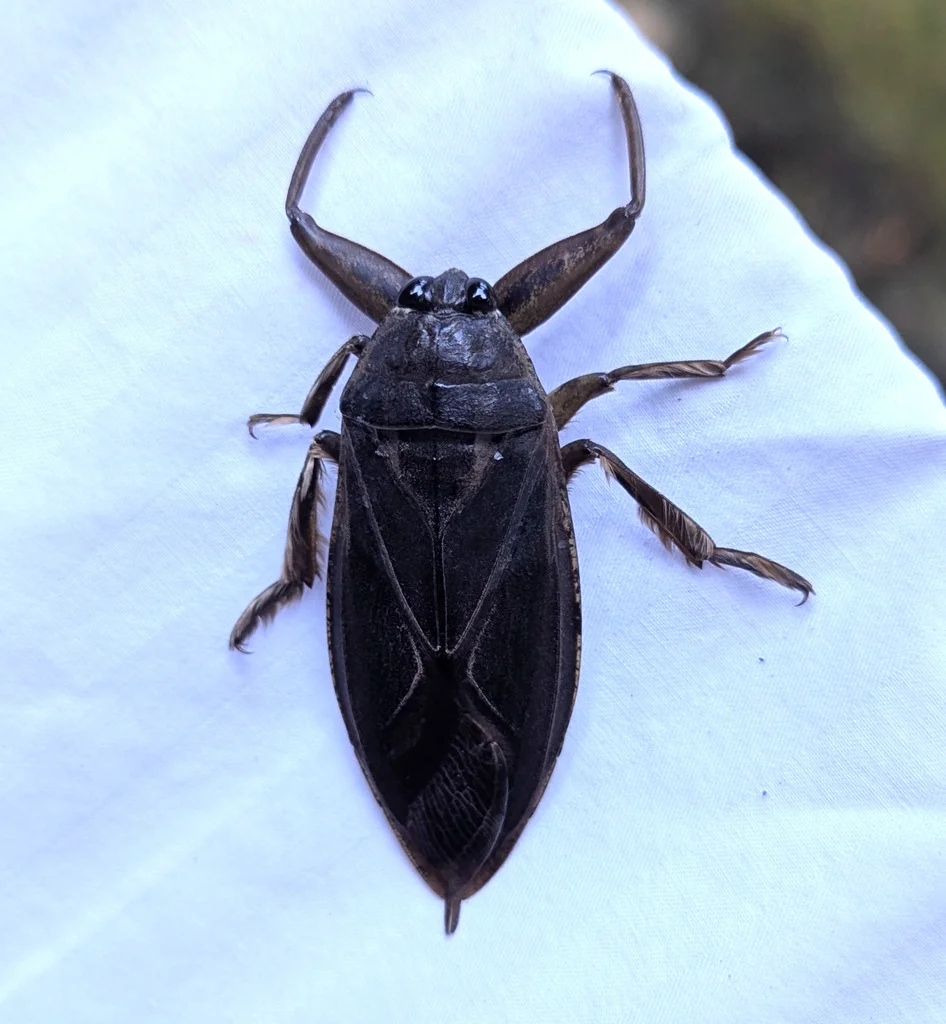
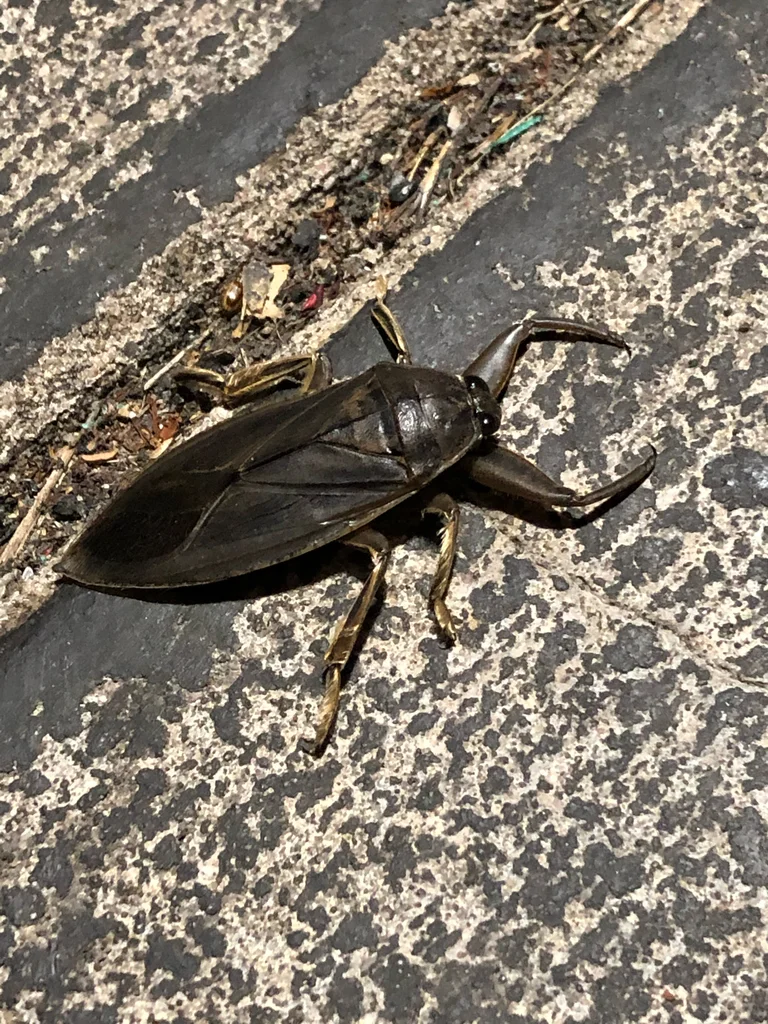
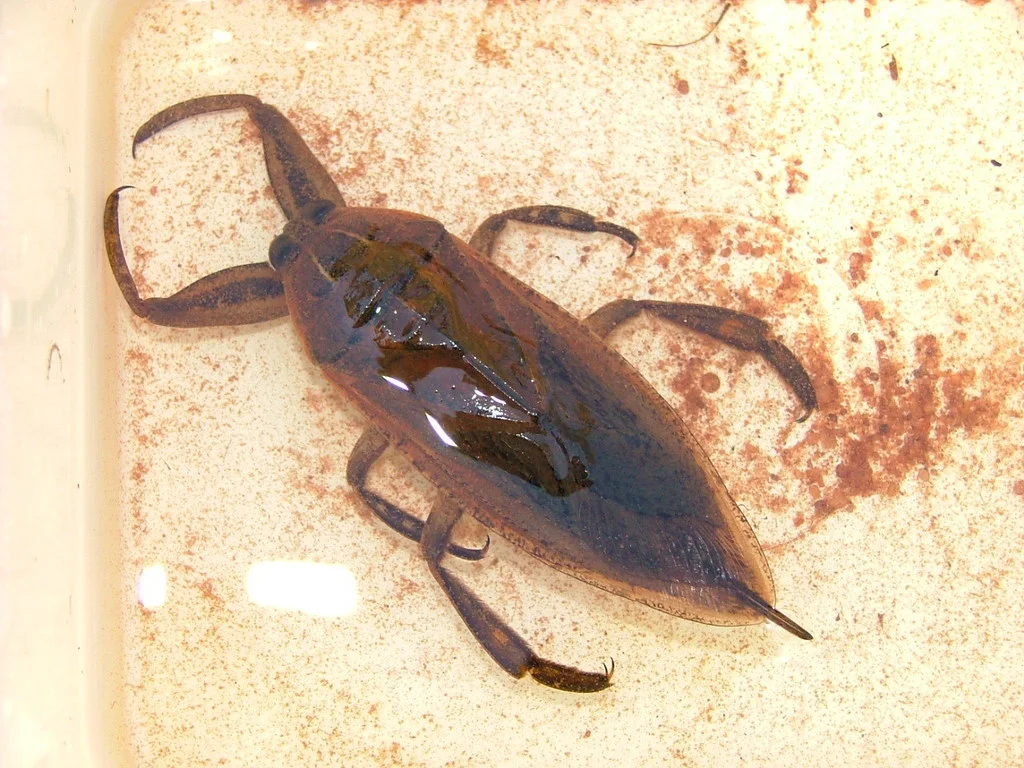
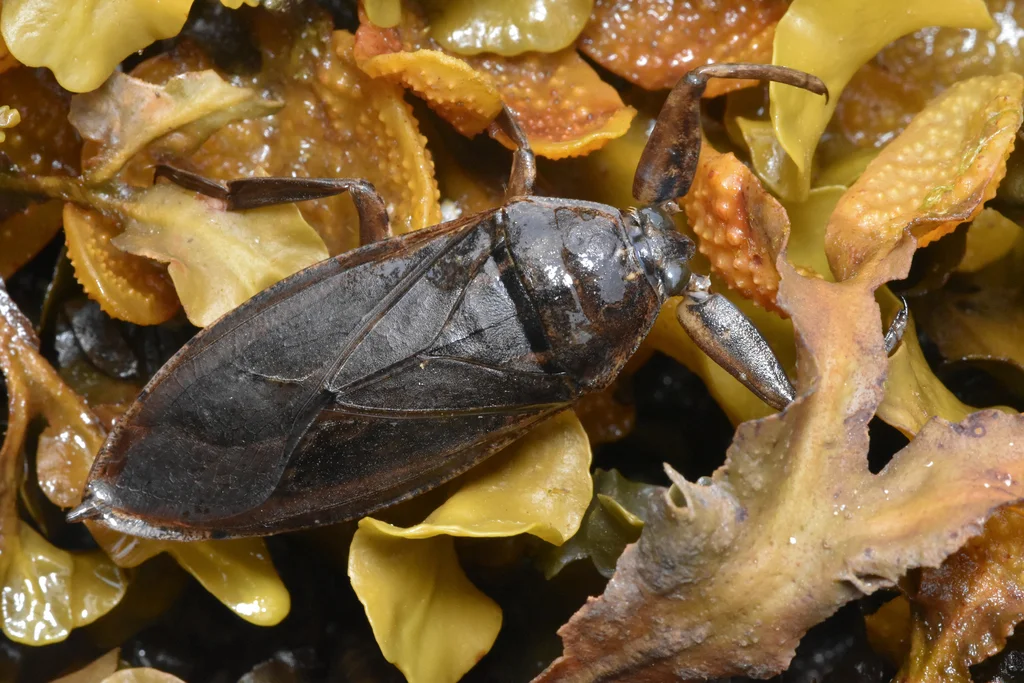
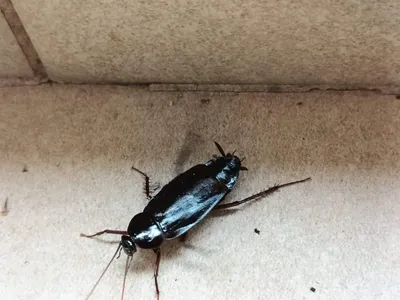
Giant water bugs are among the largest aquatic insects in North America, with adults typically measuring 1.5 to 2.5 inches in length. Their bodies are flat and oval-shaped, designed for life in the water. The coloration ranges from tan to dark brown, providing camouflage against muddy pond bottoms and leaf debris.
The most distinctive feature of giant water bugs is their powerful front legs. These legs are modified into grasping appendages called raptorial legs, similar in function to a praying mantis. They use these legs to seize and hold prey while feeding. Their middle and hind legs are flattened and fringed with hairs, acting as paddles for swimming.
Giant water bugs have a short, curved beak tucked beneath their head. This beak is used to pierce prey and inject digestive enzymes. They breathe through a pair of short breathing tubes at the tip of their abdomen, which they extend above the water surface while the rest of their body remains submerged.
Common Species
The most frequently encountered species in North America is the American giant water bug (Lethocerus americanus). This species is found throughout the eastern and central United States and southern Canada. Uhler’s giant water bug (Lethocerus uhleri) is another common species found primarily in the southeastern states.
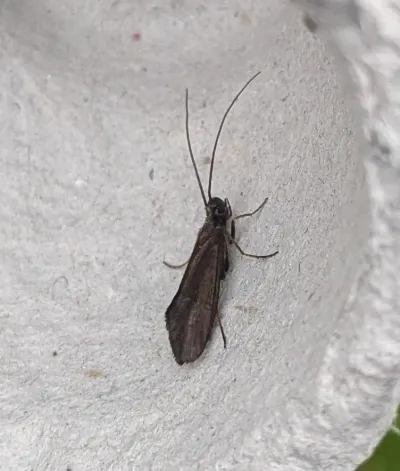
Smaller relatives in the genus Belostoma are also common. These species range from 0.75 to 1.5 inches and are sometimes called electric light bugs due to their strong attraction to lights. A related species, Caddisflies, shares similar characteristics.
Giant Water Bug Behavior and Biology A related species, Water Scorpions, shares similar characteristics.
Giant water bugs are aquatic predators that spend most of their lives in freshwater habitats like ponds, lakes, marshes, and slow-moving streams. For more about these pests, see our guide on water bugs. They are ambush predators, lying motionless among vegetation or debris until prey comes within striking distance. A related species, Creeping Water Bugs, shares similar characteristics.
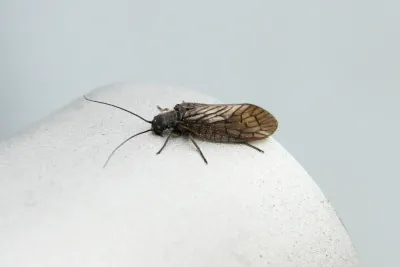
Despite their aquatic lifestyle, giant water bugs are capable fliers. They fly primarily at night, often traveling considerable distances between water sources. This is when they most commonly come into contact with humans, as they are strongly attracted to artificial lights. Their attraction to lights has earned them the additional common name of electric light bugs. A related species, Alderflies, shares similar characteristics.
Giant water bugs have an incomplete metamorphosis, meaning young nymphs resemble small adults without fully developed wings. Females lay their eggs on aquatic vegetation or, in some species, on the backs of males who carry and protect them until hatching. Nymphs go through five molts before reaching adulthood. A related species, Mayflies, shares similar characteristics.
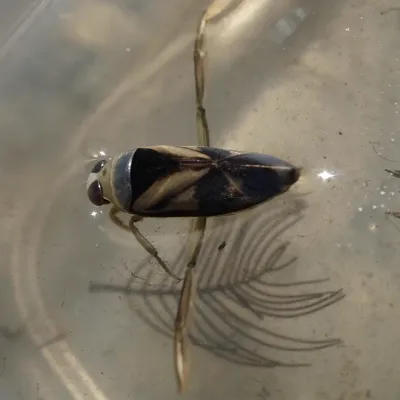
The bite of a giant water bug, while painful, is purely defensive. They do not seek out humans and will only bite when grabbed, stepped on, or otherwise threatened. The bite injects saliva containing proteolytic enzymes that cause a burning sensation and localized swelling, but serious reactions are rare. A related species, Water Boatmen, shares similar characteristics.
Treatment Approaches for Giant Water Bugs A related species, Hellgrammites, shares similar characteristics.
Giant water bugs are occasional invaders that do not infest homes or establish populations indoors. They enter structures accidentally while flying toward lights and cannot survive long away from water. Standard pest control treatments are generally not necessary for these insects.
Prevention focuses on reducing the conditions that attract them to your property:
-
Lighting management: Use yellow or amber bug lights for outdoor fixtures, as these wavelengths are less attractive to flying insects. Consider motion-activated lights that only turn on when needed, or position lights away from entry points.
-
Physical exclusion: Ensure door sweeps are properly installed, window screens are intact, and gaps around utility penetrations are sealed. Keep doors closed during evening hours when giant water bugs are most active.
-
Pool maintenance: If you have a swimming pool, keep it properly chlorinated and covered when not in use. Giant water bugs are sometimes attracted to pools, especially those near natural water sources.
-
Habitat modification: While not always practical, reducing standing water sources near your home may decrease local giant water bug populations. Clean gutters, eliminate containers that hold water, and ensure proper drainage.
If a giant water bug enters your home, simply capture it with a container and release it outdoors. Avoid handling them directly to prevent a defensive bite. Their presence indoors is temporary and does not indicate an infestation requiring treatment.
References
Other Aquatic Insects
Explore other species in the aquatic insects family
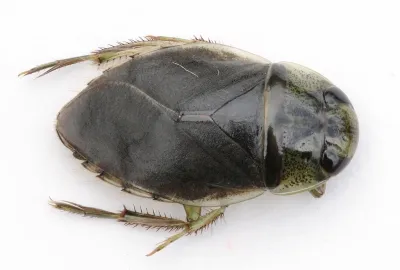
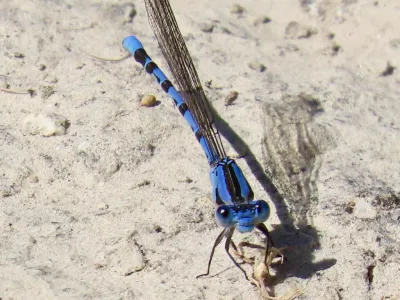
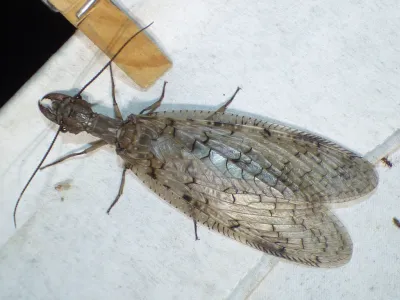
Commonly Confused With
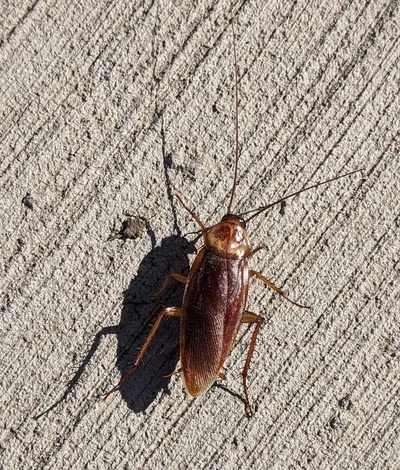
Giant Water Bugs are often mistaken for these similar pests
Where Giant Water Bugs Are Found
Hover over states to see their names. Green regions indicate where giant water bugs have been reported.
Common Questions about Giant Water Bugs
Are giant water bugs dangerous?
+
Giant water bugs can deliver a painful bite if handled or stepped on, but they are not aggressive toward humans. Their bite is not medically significant for most people, though it can cause localized pain and swelling similar to a bee sting.
Why are giant water bugs called toe-biters?
+
They earned this nickname because swimmers who accidentally step on them in shallow water may receive a painful defensive bite on their feet or toes. The bite is purely defensive and not an attempt to feed on humans.
Do giant water bugs fly?
+
Yes, giant water bugs are strong fliers despite their large size. They typically fly at night and are attracted to artificial lights, which is how they often end up near homes, parking lots, and swimming pools.
Why are giant water bugs in my house?
+
Giant water bugs enter homes because they are attracted to lights at night. They may fly toward porch lights, streetlights, or illuminated windows and accidentally enter through open doors or gaps. They cannot survive long indoors.
Are giant water bugs the same as cockroaches?
+
No, despite sometimes being called water bugs, giant water bugs are completely different from cockroaches. Learn more in our guide on [water bug vs cockroach](/water-bug-vs-cockroach/) differences. Giant water bugs are aquatic predators with large grasping front legs, while cockroaches are scavenging insects that prefer indoor environments.
What do giant water bugs eat?
+
Giant water bugs are fierce predators that hunt fish, tadpoles, small frogs, aquatic insects, and even small snakes. They ambush prey and inject digestive enzymes through their piercing beak, then consume the liquefied tissue.
How do I keep giant water bugs away from my home?
+
Reduce outdoor lighting or use yellow bug lights that are less attractive to flying insects. Seal gaps around doors and windows, install screens, and turn off unnecessary lights at night during summer months.

With five years of hands-on experience in the pest control industry, George Schulz is a registered technician with the Virginia Pest Management Association and a proud third-generation professional in a family business that's been protecting homes for over 57 years. He manages and trains a team of service pros while also leading internal research efforts—recently spearheading a deep-dive review of thousands of documents on pest control materials to hand-pick the most kid and pet friendly, most effective solutions tailored specifically for homes in the DC metro area.