Dobsonflies Identification Guide
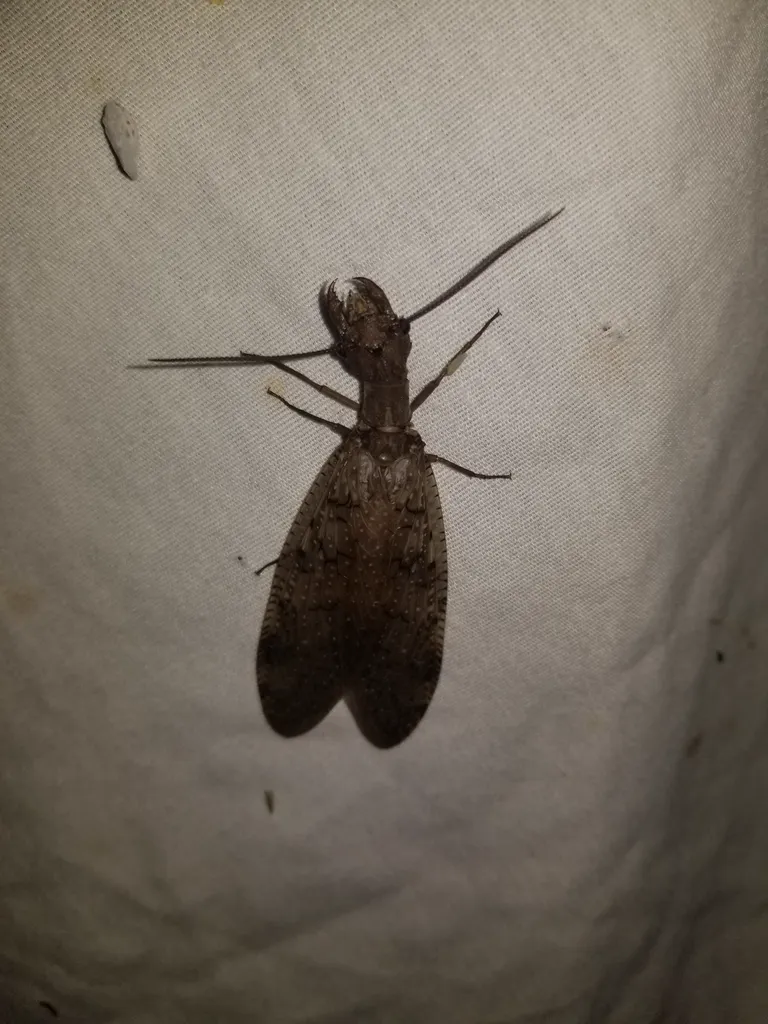
Corydalus cornutus
Dobsonflies are large, winged insects with aquatic larvae called hellgrammites. Though intimidating in appearance, adult dobsonflies are harmless to humans and indicate healthy stream ecosystems.
Taxonomy
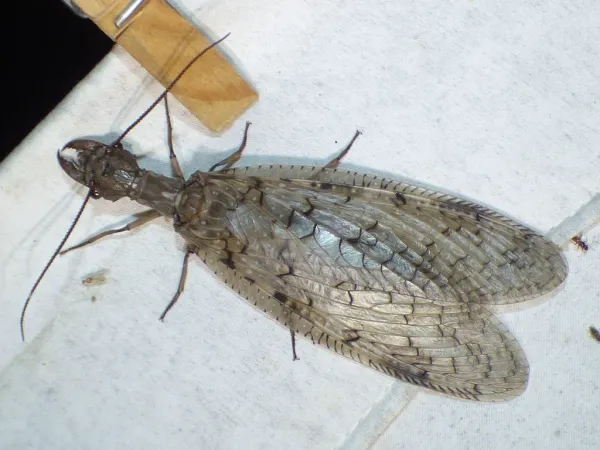
Dobsonflies Coloration
Common color patterns to help identify dobsonflies
Dobsonflies
Seasonal Activity
When dobsonflies are most active throughout the year

Where Dobsonflies Are Found
Hover over states to see their names. Green regions indicate where dobsonflies have been reported.
Dobsonfly Identification Guide
Physical Characteristics
Adult dobsonflies are some of the largest insects in North America. Their wingspans can reach up to 5 inches (140mm). They have large, gray-brown wings with clear veins and white or cream spots. The body is soft and long, with thin antennae on the head.
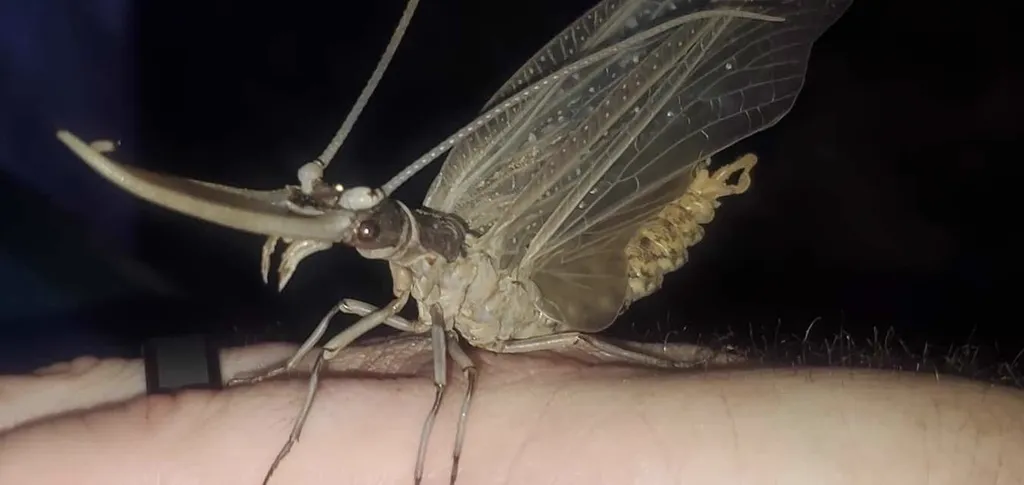
The easiest way to tell males from females is by looking at their jaws. Males have long, curved jaws that can reach 1.5 inches. These jaws look scary but are too weak to cause harm. Females have shorter, stronger jaws that can actually pinch harder than the male’s big but weak ones.
Hellgrammite Larvae
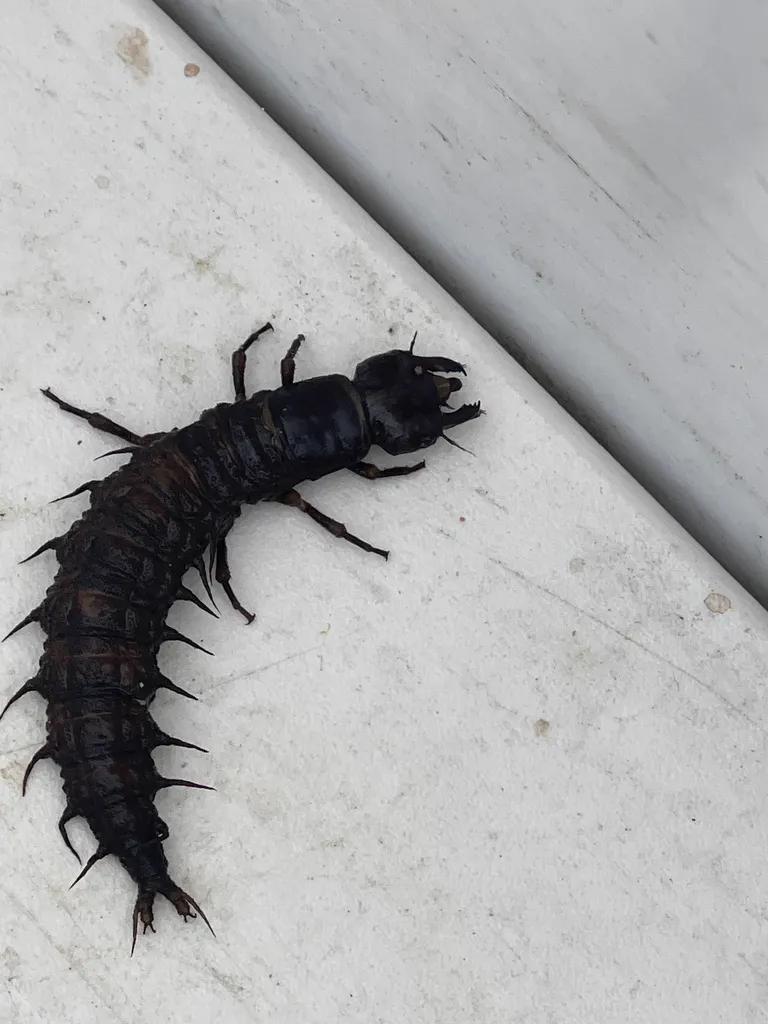
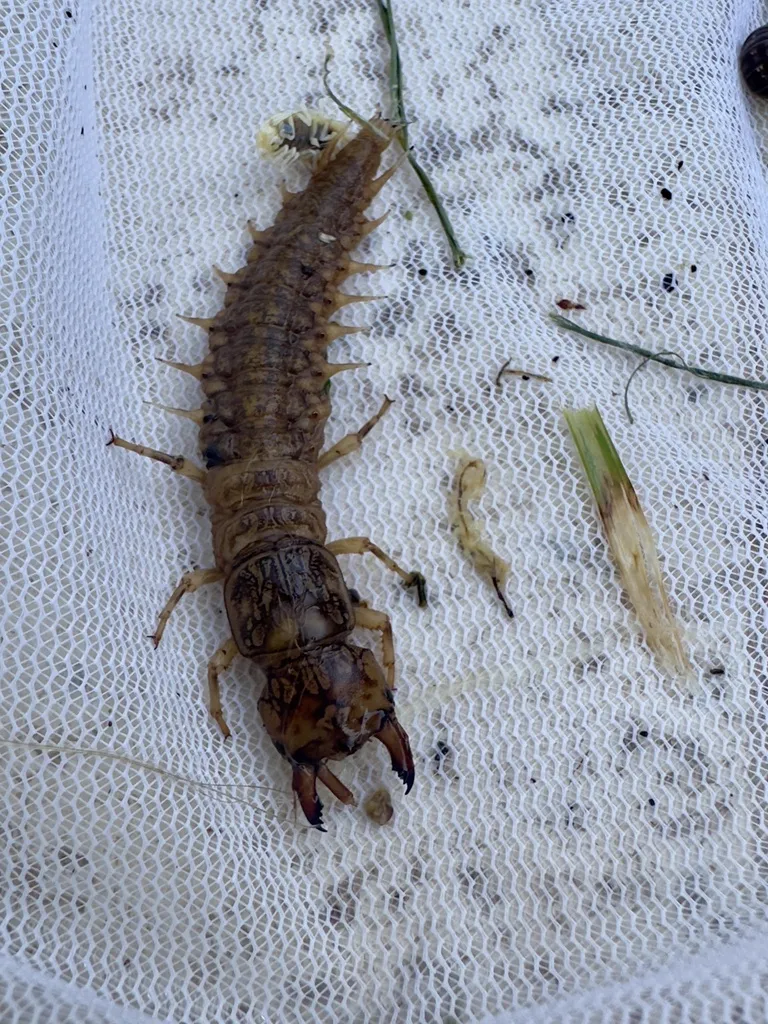
Dobsonfly larvae are called hellgrammites. They look nothing like the adult form. These water-dwelling creatures grow up to 3 inches long. They have flat, dark brown bodies split into segments. Each segment has a pair of feathery side parts used for breathing underwater. Their heads are wide and flat with strong jaws that can catch prey and pinch anyone who handles them.
Hellgrammites have three pairs of legs and can move fast across stream bottoms. Hooked parts at the back of their body help them grip rocks in fast water.
Common Species
-
Eastern Dobsonfly (Corydalus cornutus): The most common species in eastern North America. Found from Canada to Mexico.
-
Western Dobsonfly (Neohermes species): Smaller relatives found in western streams and rivers.
-
Fishflies (Chauliodes species): Close relatives with feathery antennae. Often mistaken for dobsonflies.
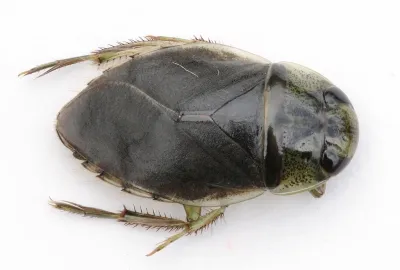
Dobsonfly Behavior and Biology A related species, Water Scorpions, shares similar characteristics.
Habitat and Distribution A related species, Creeping Water Bugs, shares similar characteristics.
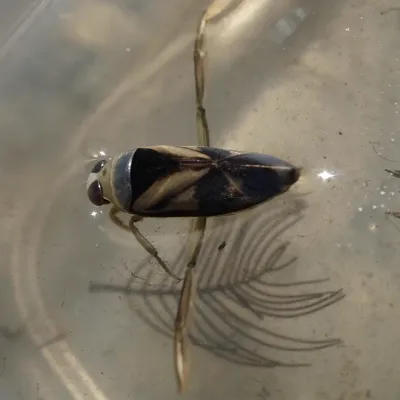
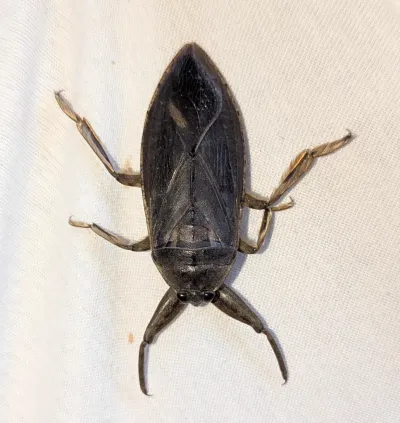
Dobsonflies are large aquatic insects that need clean, fast streams and rivers to live. The larvae live only in water that has lots of oxygen. They prefer rocky or gravelly stream beds where they hide under stones during the day. Adults come out in late spring through summer. They stay near their home streams but may fly far when drawn to lights. A related species, Giant Water Bugs, shares similar characteristics.
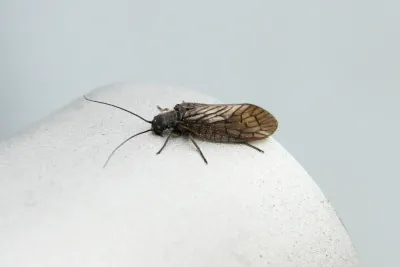
Life Cycle A related species, Alderflies, shares similar characteristics.
The dobsonfly life cycle takes several years. Most of that time is spent as a larva in water.
Eggs: Females lay gray eggs in groups of up to 1,000. They place them on rocks or plants above the water. A white coating covers the eggs and makes them look like bird droppings. The eggs hatch in about two weeks.
Larvae: After hatching, tiny larvae drop into the water. They spend one to five years as hunters in the stream. During this time, they shed their skin 10 to 12 times as they grow. Hellgrammites eat other water bugs, small fish, and tadpoles.
Pupation: When fully grown, larvae leave the water. They dig into soil or debris near the stream bank. This stage lasts one to two weeks.
Adults: Adult dobsonflies come out mainly to mate. They are weak fliers that are active at night. During the day, they rest on plants near the water. Adults live only one to two weeks and rarely eat.
Feeding Habits
Hellgrammite larvae are hungry hunters. They search for food at night among stream rocks. They eat mayfly nymphs, stonefly nymphs, caddisfly larvae, and blackfly larvae. Larger ones may even catch small fish and tadpoles.
Adult dobsonflies have small mouths and usually do not eat. If they take in anything, it might be small bits of plant nectar.
Managing Dobsonflies Around Your Home
Dobsonflies are not pests. They do not need to be controlled. They do not infest homes, damage property, or cause health problems. But they are drawn to lights, which can bring them to porches and patios on summer nights.
Reducing Light Attraction
If dobsonflies around your lights bother you, try these tips:
-
Switch to yellow bulbs: Yellow or amber lights attract fewer night insects than white lights
-
Use motion-sensor lights: Lights that turn on only when needed draw insects for less time
-
Shield outdoor lights: Point lights down instead of out to limit how far they reach
-
Turn off extra lights: Fewer lit areas mean fewer insects gathering
Understanding Their Presence
Finding dobsonflies near your home is a good sign. It means you live near a healthy stream with clean water. Scientists use hellgrammites to check water quality because they cannot live in polluted streams.
If you find a dobsonfly inside your home, you can easily move it back outdoors. Just coax it onto a piece of paper or cardboard and release it near plants. Do not handle hellgrammites with bare hands because their pinch can hurt.
References
Other Aquatic Insects
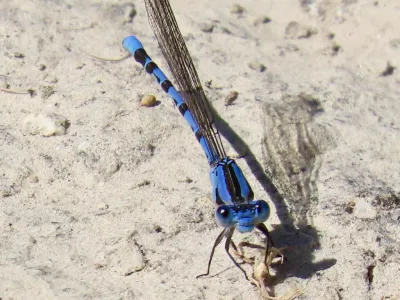
Explore other species in the aquatic insects family
Commonly Confused With
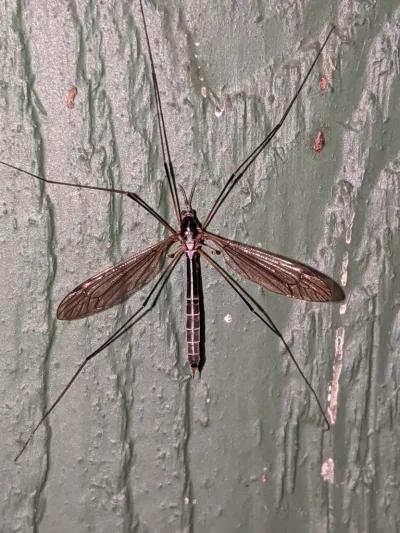
Dobsonflies are often mistaken for these similar pests
Where Dobsonflies Are Found
Hover over states to see their names. Green regions indicate where dobsonflies have been reported.
Common Questions about Dobsonflies
Are dobsonflies dangerous to humans?
+
Adult dobsonflies look scary but are harmless. The male's big jaws are too weak to hurt you. Females and larvae can pinch if you handle them, but they are not venomous.
Why are dobsonflies attracted to lights at night?
+
Like many night insects, dobsonflies are drawn to lights. Homes near streams may see them around porch lights and windows in summer.
What is a hellgrammite?
+
Hellgrammite is the name for dobsonfly larvae. These water creatures live in rocky streams for up to five years. Fishermen often use them as bait.
Do dobsonflies bite?
+
Larvae can pinch hard with their strong jaws. Adult females can also pinch. Males have long jaws but cannot bite well because their jaws are made for mating, not feeding.
How long do adult dobsonflies live?
+
Adult dobsonflies live only one to two weeks. Their only job as adults is to mate. They rarely eat during this time.
What does finding dobsonflies near my home mean?
+
Dobsonflies near your home mean you live close to a clean stream or river. Their larvae need clean water to survive. Scientists use them to check if water is healthy.

With five years of hands-on experience in the pest control industry, George Schulz is a registered technician with the Virginia Pest Management Association and a proud third-generation professional in a family business that's been protecting homes for over 57 years. He manages and trains a team of service pros while also leading internal research efforts—recently spearheading a deep-dive review of thousands of documents on pest control materials to hand-pick the most kid and pet friendly, most effective solutions tailored specifically for homes in the DC metro area.