Creeping Water Bugs Identification Guide
Naucoridae
Creeping water bugs are flat, oval-shaped aquatic insects found in freshwater habitats throughout North America. While primarily aquatic, they occasionally appear near homes located close to water sources.
Taxonomy
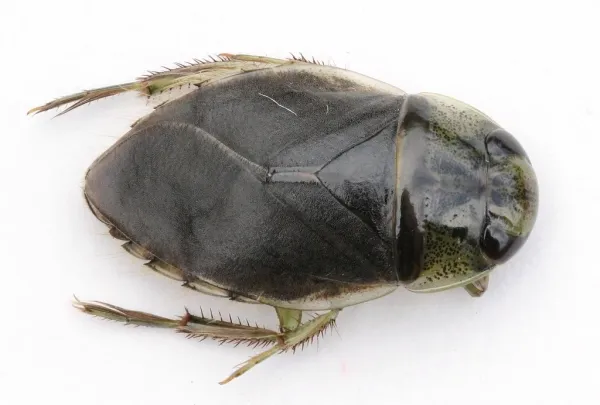
Creeping Water Bugs Coloration
Common color patterns to help identify creeping water bugs
Creeping Water Bugs
Seasonal Activity
When creeping water bugs are most active throughout the year

Where Creeping Water Bugs Are Found
Hover over states to see their names. Green regions indicate where creeping water bugs have been reported.
Creeping Water Bug Identification Guide
Physical Characteristics
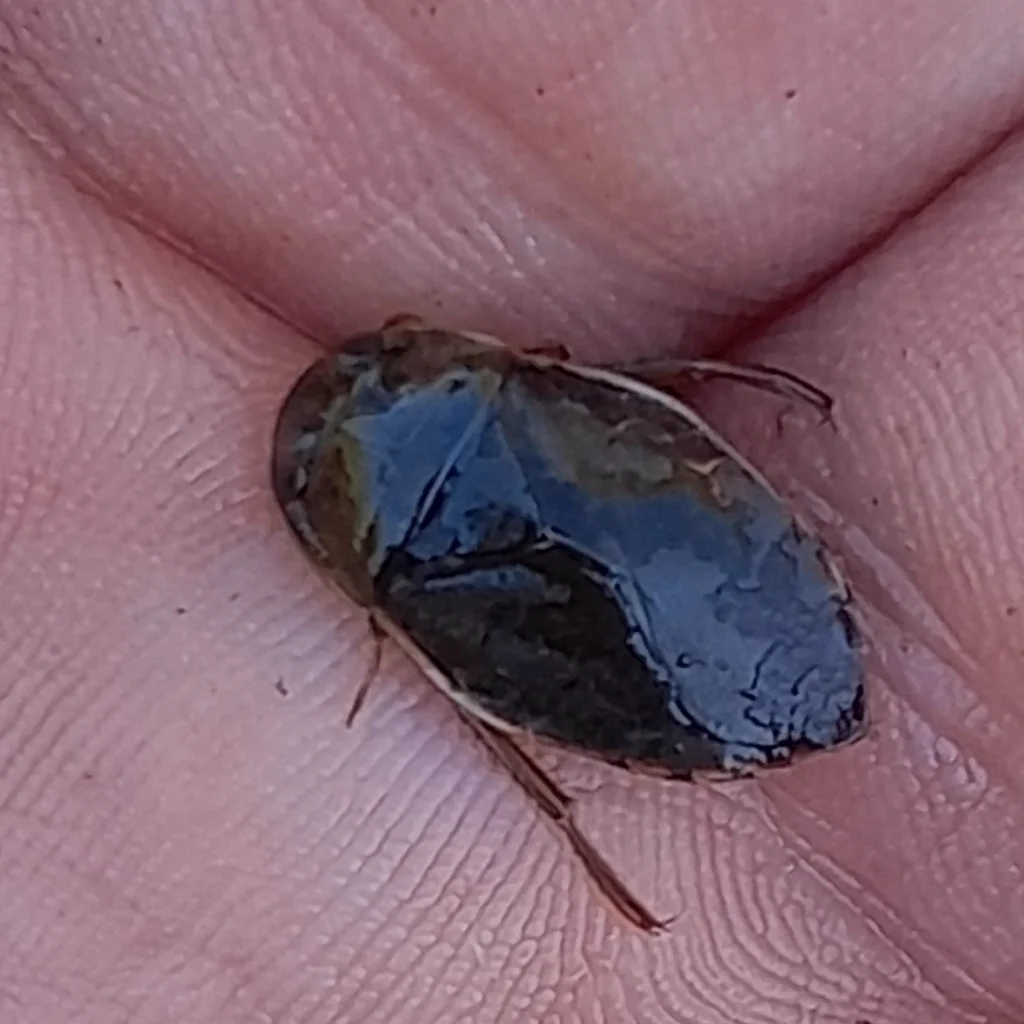
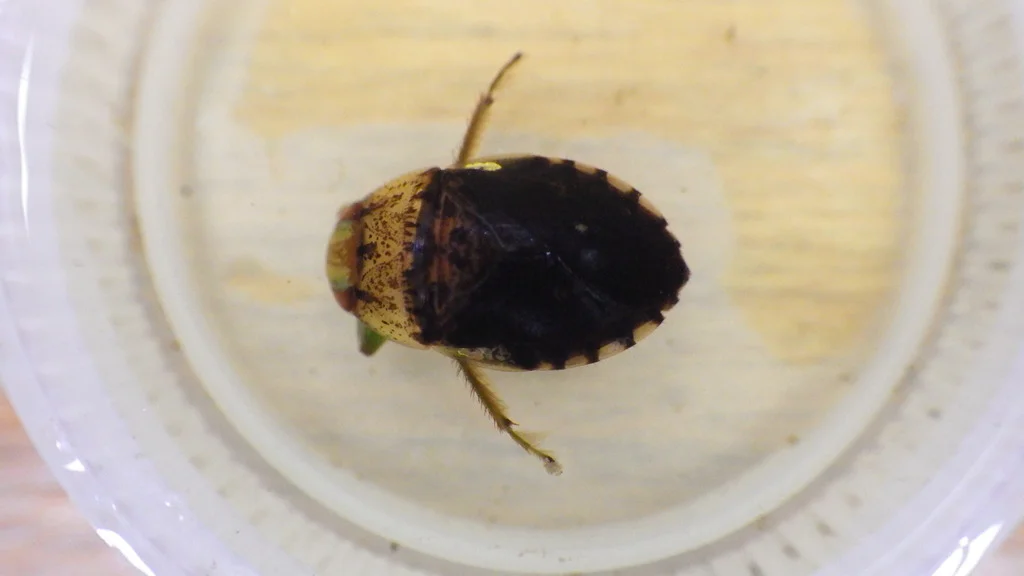
Creeping water bugs are small aquatic insects in the family Naucoridae. Adults measure 5 to 16 millimeters long. This makes them much smaller than giant water bugs. Their bodies are flat and oval when seen from above. This shape helps them squeeze into tight spots between rocks and plants on stream bottoms.
Their color ranges from olive-green to dark brown. Many have spotted patterns that help them blend in with mud and plants. They have broad heads with large eyes on the sides. A short, strong beak sits under the head. They use this beak to pierce prey and drink its fluids.
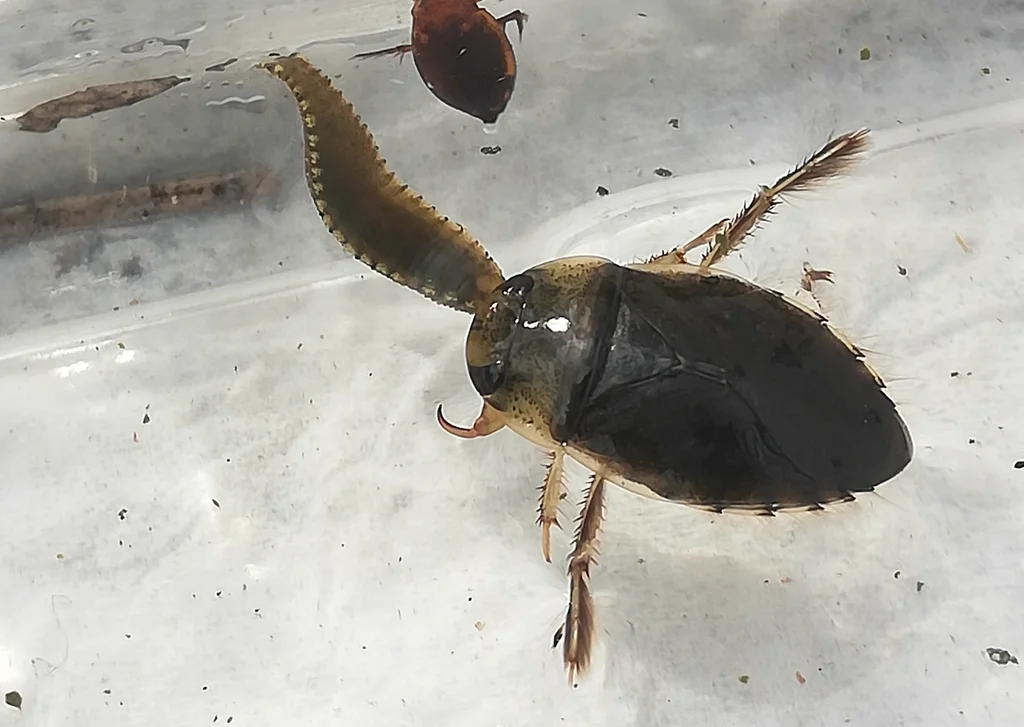
Their front legs are the most striking feature. These thick, powerful legs have curved claws for grabbing prey. The middle and back legs are flat with hair fringes. These work as paddles for swimming. Fine water-repellent hairs cover most of the body. These hairs trap a layer of air that lets the bug breathe underwater.
Common Species
Several species live across North America. The genus Pelocoris includes some of the most common species. Pelocoris femoratus is found throughout the eastern and central United States. It lives in ponds, marshes, and calm stream edges.
In the western states, Ambrysus mormon lives in springs and streams. Some even survive in hot springs where most other insects would die. This heat tolerance makes them unique among water bugs.
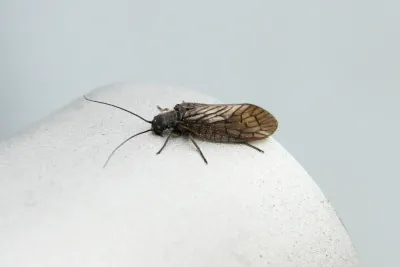
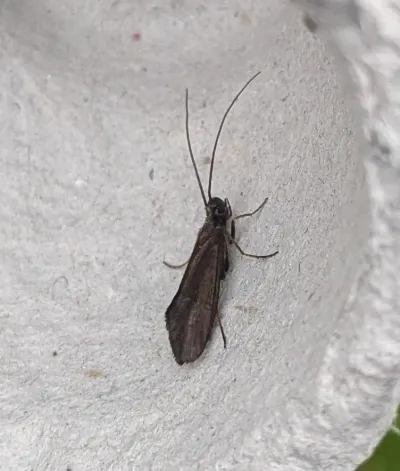
The genus Limnocoris includes species found mainly in the South and Mexico. They prefer moving water and often live in clear streams with rocky bottoms. A related species, Caddisflies, shares similar characteristics.
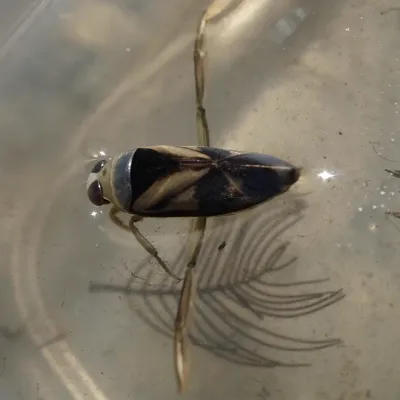
Creeping Water Bug Behavior and Biology A related species, Water Scorpions, shares similar characteristics.
Creeping water bugs are hunters that spend their whole lives in freshwater. Unlike backswimmers that swim through open water, these insects walk slowly along the bottom. They cling to rocks, plants, and debris. This slow, creeping movement is how they got their name. A related species, Alderflies, shares similar characteristics.
These bugs hunt by ambush. They stay still or move slowly until prey gets close. Then they strike fast with their strong front legs. They eat mostly other water insects, insect larvae, small shrimp, and worms. Bigger species sometimes catch small tadpoles or baby fish. A related species, Mayflies, shares similar characteristics.
Creeping water bugs breathe using a plastron. This is an air layer held against the body by dense water-repellent hairs. The layer works like a gill, pulling oxygen from the water while releasing carbon dioxide. This system works so well in clean water that these bugs rarely need to come up for air. A related species, Water Boatmen, shares similar characteristics.
Females lay eggs on underwater plants, rocks, or other hard surfaces. In some species, males guard the eggs until they hatch. Young bugs look like small adults and molt several times before they mature. Most North American species have one generation per year. Adults spend winter in deeper parts of their habitat. A related species, Hellgrammites, shares similar characteristics.
Adults have wings but rarely fly. Creeping water bugs tend to stay put in their home waters for life. This means they rarely run into people and are unlikely to show up far from water.
Treatment Approaches for Creeping Water Bugs
Creeping water bugs do not infest homes or damage structures. If you find one near your house, it likely means you live close to a pond or stream. These bugs cannot live long outside of water. Any bug found indoors got there by accident and will not start a population in your home.
Standard pest control treatments are not necessary for creeping water bugs. If one is found inside your home, it can simply be captured and returned to a nearby water source. They may occasionally be discovered in:
-
Swimming pools: These bugs may enter pools that are not well maintained, especially pools near natural water. Proper chlorine levels and filtration will keep them out since they prefer natural freshwater.
-
Basement sumps: Homes with sump pumps tied to groundwater may see these bugs. This happens when the water table is high and connects to nearby streams or wetlands.
-
Garden ponds: Backyard ponds and koi ponds may attract creeping water bugs. They are harmless and may even help by eating mosquito larvae.
Prevention strategies focus on physical exclusion and reducing points of entry:
- Ensure window screens are intact and doors seal properly
- Cover basement floor drains with fine mesh screens
- Maintain swimming pools with proper chemical treatment
- Seal gaps around pipes and utility penetrations
Creeping water bugs are signs of healthy water. If you see them near your property, it means nearby ponds or streams have good water quality. They eat other water insects and help keep freshwater habitats in balance.
References
Other Aquatic Insects
Explore other species in the aquatic insects family
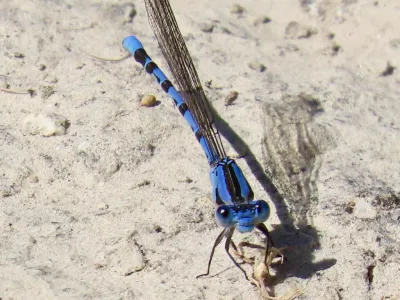
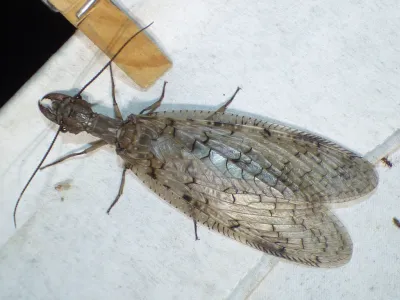
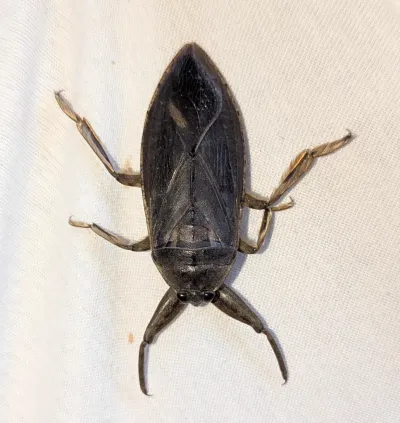
Commonly Confused With
Creeping Water Bugs are often mistaken for these similar pests
Where Creeping Water Bugs Are Found
Hover over states to see their names. Green regions indicate where creeping water bugs have been reported.
Common Questions about Creeping Water Bugs
Are creeping water bugs dangerous to humans?
+
Creeping water bugs can deliver a painful bite if handled, but they are not aggressive toward humans and will only bite in self-defense. The bite, while uncomfortable, is not medically significant and typically causes only temporary localized pain.
What is the difference between creeping water bugs and giant water bugs?
+
Creeping water bugs are much smaller, typically 5 to 16 mm long, while giant water bugs can exceed 2 inches. Creeping water bugs also have a more rounded, compact body shape and rarely fly, whereas giant water bugs are strong fliers attracted to lights at night.
Why are they called creeping water bugs?
+
They earned this name from their habit of slowly creeping along the bottom of ponds and streams rather than swimming rapidly through open water. They walk along submerged vegetation and debris while hunting for prey.
Do creeping water bugs infest homes?
+
No, creeping water bugs are strictly aquatic and cannot survive for long outside of water. If one is found indoors, it arrived accidentally and will not establish a population. They require freshwater habitats to complete their life cycle.
What do creeping water bugs eat?
+
Creeping water bugs are predatory insects that feed on other aquatic invertebrates, small tadpoles, and larval fish. They ambush prey and use their piercing mouthparts to inject digestive enzymes before consuming their meal.
Can creeping water bugs fly?
+
Although adult creeping water bugs have fully developed wings, flight is rarely observed. They spend almost their entire lives underwater and depend on a plastron, a layer of air trapped by fine hairs, to breathe while submerged.
Where do creeping water bugs live?
+
Creeping water bugs inhabit a variety of freshwater environments including ponds, lakes, slow-moving streams, and spring-fed pools. They prefer well-oxygenated water with abundant vegetation where they can hunt and hide from predators.

With five years of hands-on experience in the pest control industry, George Schulz is a registered technician with the Virginia Pest Management Association and a proud third-generation professional in a family business that's been protecting homes for over 57 years. He manages and trains a team of service pros while also leading internal research efforts—recently spearheading a deep-dive review of thousands of documents on pest control materials to hand-pick the most kid and pet friendly, most effective solutions tailored specifically for homes in the DC metro area.