Backswimmers Identification Guide
Notonecta spp.
Backswimmers are aquatic insects that swim upside down just below the water surface. They are commonly found in swimming pools, ponds, and other still water and can deliver a painful bite when handled.
Taxonomy
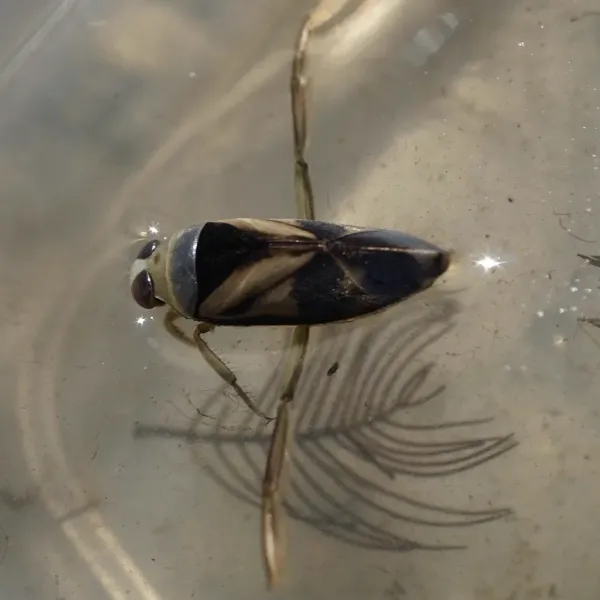
Backswimmers Coloration
Common color patterns to help identify backswimmers
Backswimmers
Seasonal Activity
When backswimmers are most active throughout the year

Where Backswimmers Are Found
Hover over states to see their names. Green regions indicate where backswimmers have been reported.
Backswimmer Identification Guide
Physical Characteristics
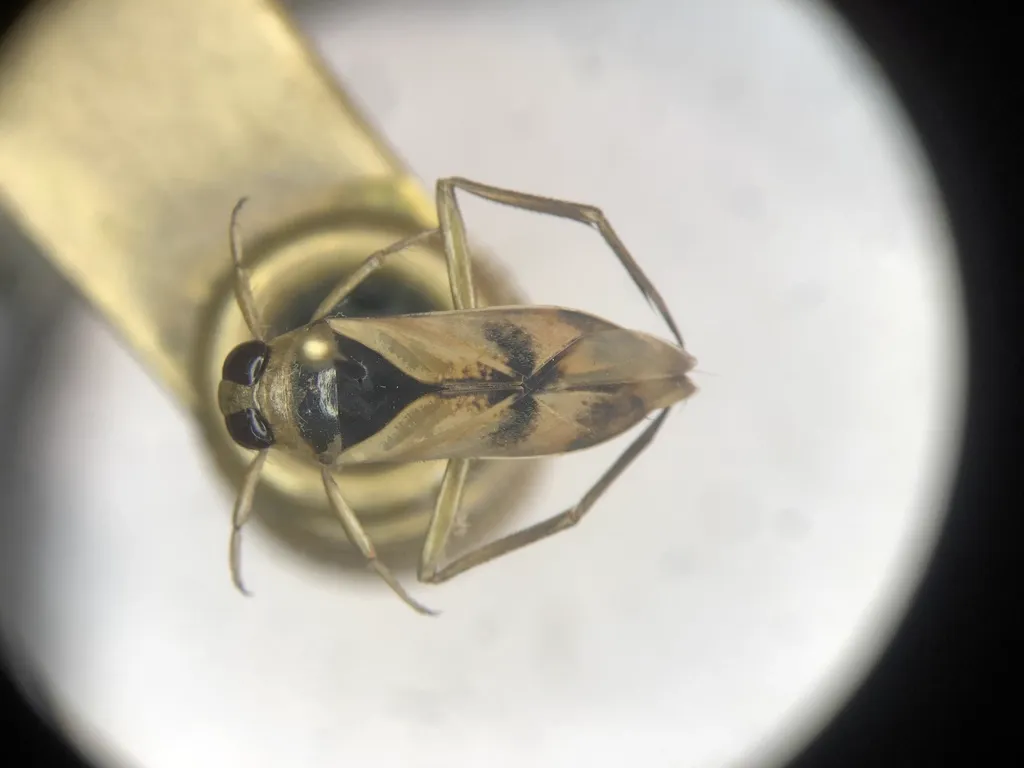
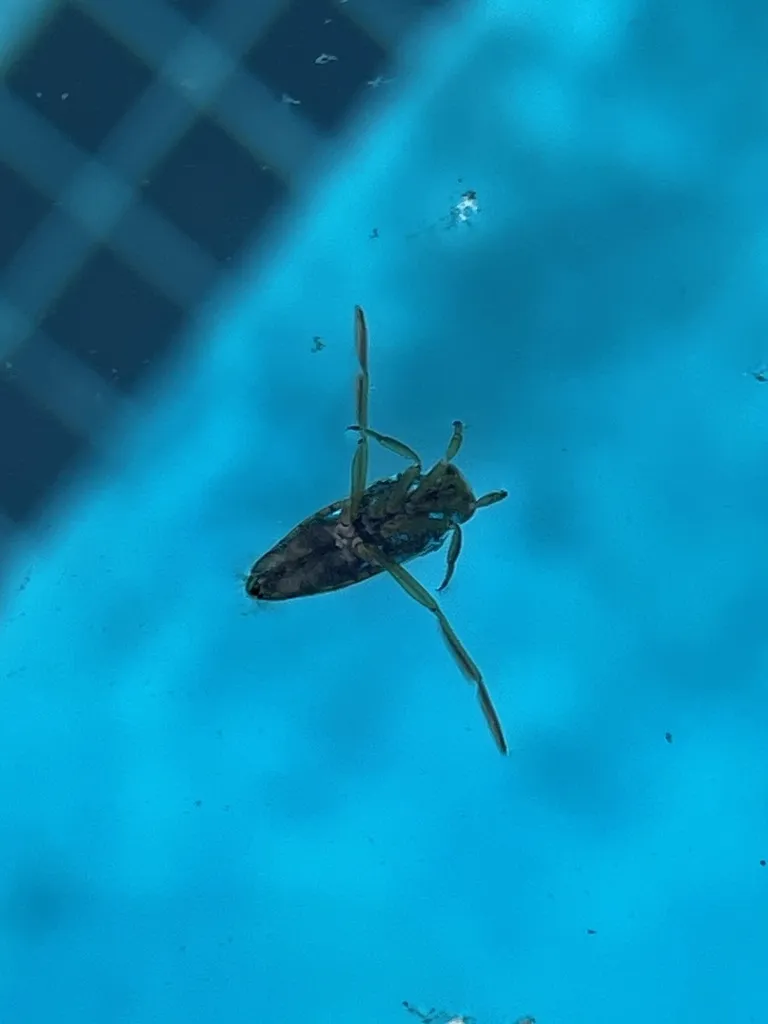
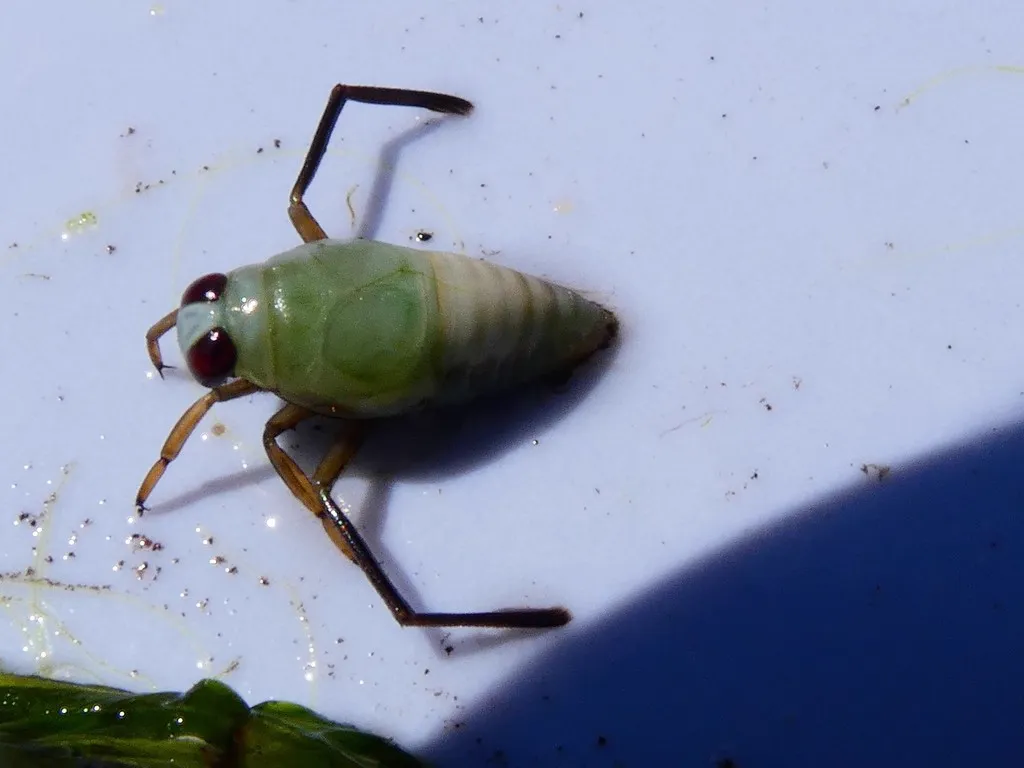
Backswimmers are small to medium aquatic insects. They measure between 5 and 17 millimeters long. Their most notable trait is that they swim upside down. Their pale belly faces up toward the water surface. This upside-down swimming gives them their name and makes them easy to spot.
The body of a backswimmer looks like a small boat. Their coloring is the reverse of most water insects. The belly, which faces up as they swim, is pale cream or white. The back, which faces down, is darker brown or spotted. This color pattern helps hide them from predators above and below.
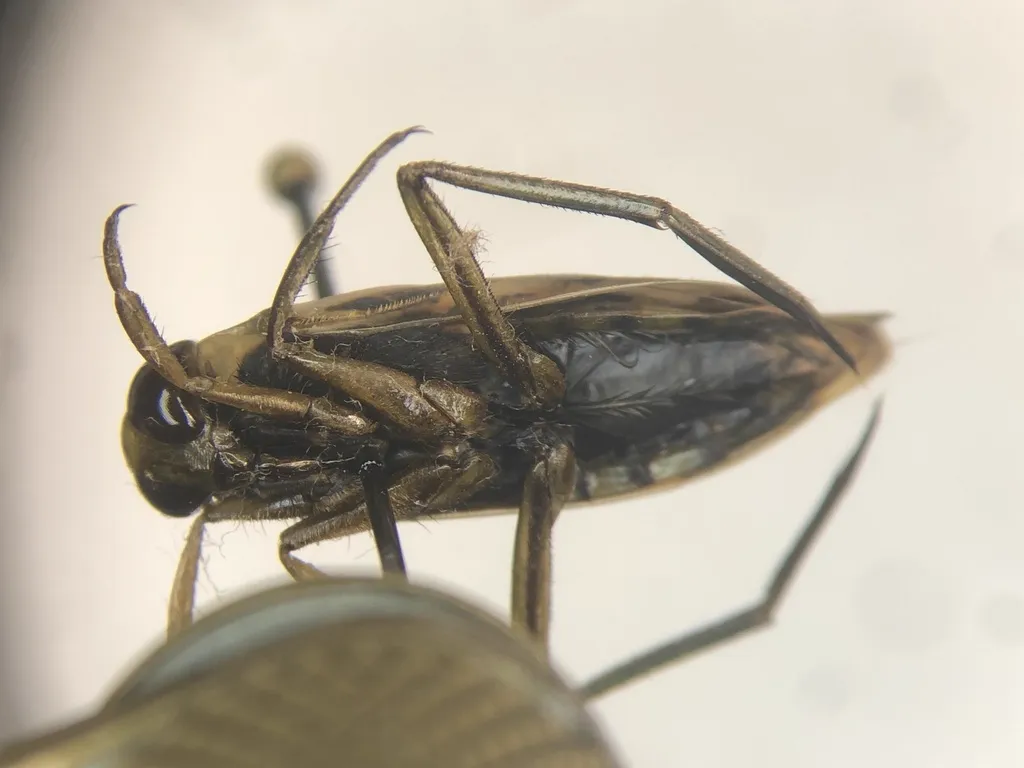
Backswimmers have large eyes that wrap around the sides of their head. These eyes give them great vision for spotting prey. Their back legs are much longer than the others. These legs are flat with tiny hairs and work like oars to push them through water. The front legs are short and used to grab prey.
Common Species
Several backswimmer species live throughout North America. The most common is Notonecta undulata. This species is found across the United States and Canada. Notonecta irrorata is another species often seen, mainly in eastern states. Notonecta kirbyi is common in western North America.
All species swim upside down and have a similar body shape. They vary a bit in size and color. Most backswimmers found in home pools belong to these common species.
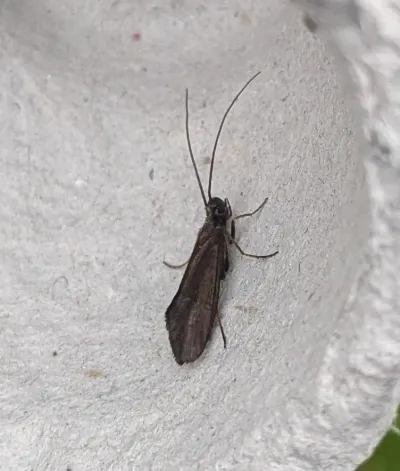
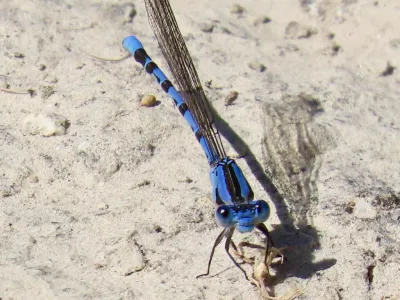
Backswimmer Behavior and Biology A related species, Caddisflies, shares similar characteristics.
Backswimmers are hunters that spend most of their lives in water. They live in ponds, lakes, and slow streams. They also show up in swimming pools, which frustrates many homeowners. They hang just below the water surface with their long back legs spread out, ready to swim. A related species, Water Scorpions, shares similar characteristics.
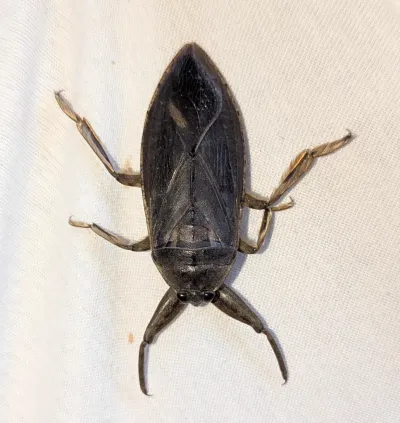
These insects breathe air. They carry an air bubble along their belly that makes them look silvery underwater. They must come up to the surface now and then to get more air. This air bubble also helps them float. When they stop swimming, they drift upward. A related species, Creeping Water Bugs, shares similar characteristics.
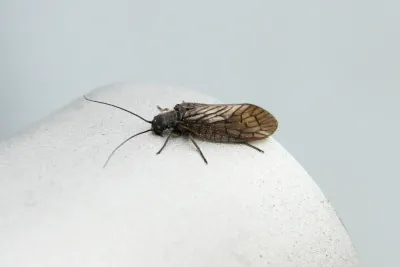
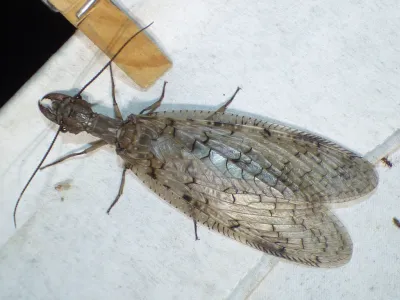
Backswimmers hunt by waiting. They stay still at the surface and feel for vibrations from insects that fall into the water. When they sense prey, they swim fast toward it, grab it with their front legs, and stab it with their sharp beak. They pump in juices that turn the prey’s insides to liquid, then drink it up. A related species, Alderflies, shares similar characteristics.
Even though they live in water, backswimmers can fly well. They usually fly at night and use the reflection of moonlight on water to find new places to live. They are sometimes confused with giant water bugs, which are much larger. This is why they often show up in pools right after you fill or open them for the season. Lights near pools can also draw them in. A related species, Mayflies, shares similar characteristics.
Life Cycle A related species, Hellgrammites, shares similar characteristics.
Backswimmers go through three life stages: egg, nymph, and adult. Females lay eggs on water plants or other surfaces underwater in spring. The eggs hatch into nymphs that look like small adults but do not have full wings yet.
Nymphs molt five times over several weeks before becoming adults. Adults can live for several months. They may spend the winter in deeper water and become active again when it warms up. Most groups produce one to two generations per year based on the climate.
Treatment Approaches for Backswimmers
Backswimmers are a nuisance for pool owners but not true household pests. They do not infest homes or damage property. The goal is to make your pool less appealing to these insects and remove them when they show up.
Here are ways to reduce backswimmers in your pool:
-
Remove their food: Backswimmers come to pools because smaller insects fall in and become food. Skim your pool often to clear out debris and dead bugs. Without food, backswimmers have less reason to stay.
-
Keep up with pool care: Keep chlorine at the right level and run the filter often. A clean pool draws fewer water insects than a dirty one. Make sure pH levels stay balanced.
-
Turn off lights at night: Backswimmers and the bugs they eat are drawn to light. Turn off pool lights when you are not using the pool, especially at night. You can also place lights away from the pool to lure insects elsewhere.
-
Scoop them out: Use a pool skimmer or net to remove backswimmers by hand. A pool vacuum works too. This gives quick relief when you see a lot of them.
-
Use a pool cover: A cover stops backswimmers from getting in when you are not using the pool. It also keeps other insects out, which cuts off their food supply.
Some algaecides sold for water boatmen may also affect backswimmers. However, scooping them out and changing their habitat usually work better. These methods also avoid adding extra chemicals to your pool.
References
Other Aquatic Insects
Explore other species in the aquatic insects family
Commonly Confused With
Backswimmers are often mistaken for these similar pests
Where Backswimmers Are Found
Hover over states to see their names. Green regions indicate where backswimmers have been reported.
Common Questions about Backswimmers
Why are backswimmers in my pool?
+
Backswimmers are attracted to swimming pools because pools provide the still, clean water they prefer. They feed on smaller insects that fall into the water, so a pool with lots of debris and insects will attract more backswimmers. They can also fly and are drawn to the reflection of water at night.
Do backswimmers bite?
+
Yes, backswimmers can deliver a painful bite if handled or if you accidentally touch one while swimming. The bite feels similar to a bee sting and is caused by their piercing mouthparts, which they normally use to feed on prey. The pain usually subsides within a few hours.
Are backswimmers dangerous?
+
Backswimmers are not dangerous to humans, though their bite is painful. They do not transmit diseases and are not aggressive. They will only bite in self-defense when grabbed or pressed against skin. For most people, the bite causes temporary pain and minor swelling.
How do I get rid of backswimmers in my pool?
+
Remove their food source by skimming the pool regularly to eliminate other insects. Maintain proper chlorine levels and run the filter regularly. Turn off pool lights at night to reduce attraction. You can also use a pool vacuum to remove them directly.
What is the difference between backswimmers and water boatmen?
+
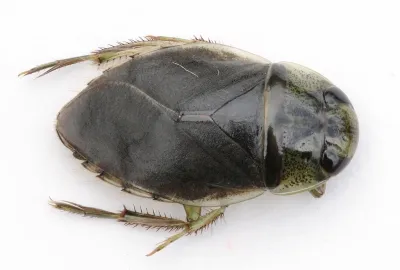
Backswimmers swim upside down with their light-colored belly facing up, while water boatmen swim right-side up with their dark back visible. Backswimmers are predators that bite, while water boatmen feed on algae and plant material and do not bite humans.
Can backswimmers live outside of water?
+
Backswimmers can survive out of water for short periods and are capable fliers. They often fly at night to find new water sources and may be found near lights. However, they cannot survive long-term without access to water.
What do backswimmers eat?
+
Backswimmers are predatory insects that feed on mosquito larvae, other aquatic insects, small tadpoles, and even small fish. They grab prey with their front legs and pierce it with their beak to inject digestive enzymes and consume the liquefied tissue.

With five years of hands-on experience in the pest control industry, George Schulz is a registered technician with the Virginia Pest Management Association and a proud third-generation professional in a family business that's been protecting homes for over 57 years. He manages and trains a team of service pros while also leading internal research efforts—recently spearheading a deep-dive review of thousands of documents on pest control materials to hand-pick the most kid and pet friendly, most effective solutions tailored specifically for homes in the DC metro area.