Thief Ants Identification Guide
Solenopsis molesta
Thief ants are among the smallest household ant pests in North America, earning their name from their habit of stealing food and brood from neighboring ant colonies. These tiny yellow to light brown ants are often mistaken for pharaoh ants and can be difficult to control due to their preference for greasy, protein-rich foods.
Taxonomy
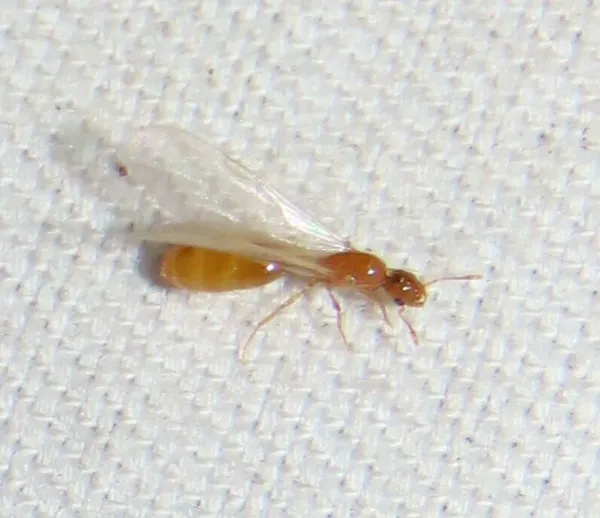
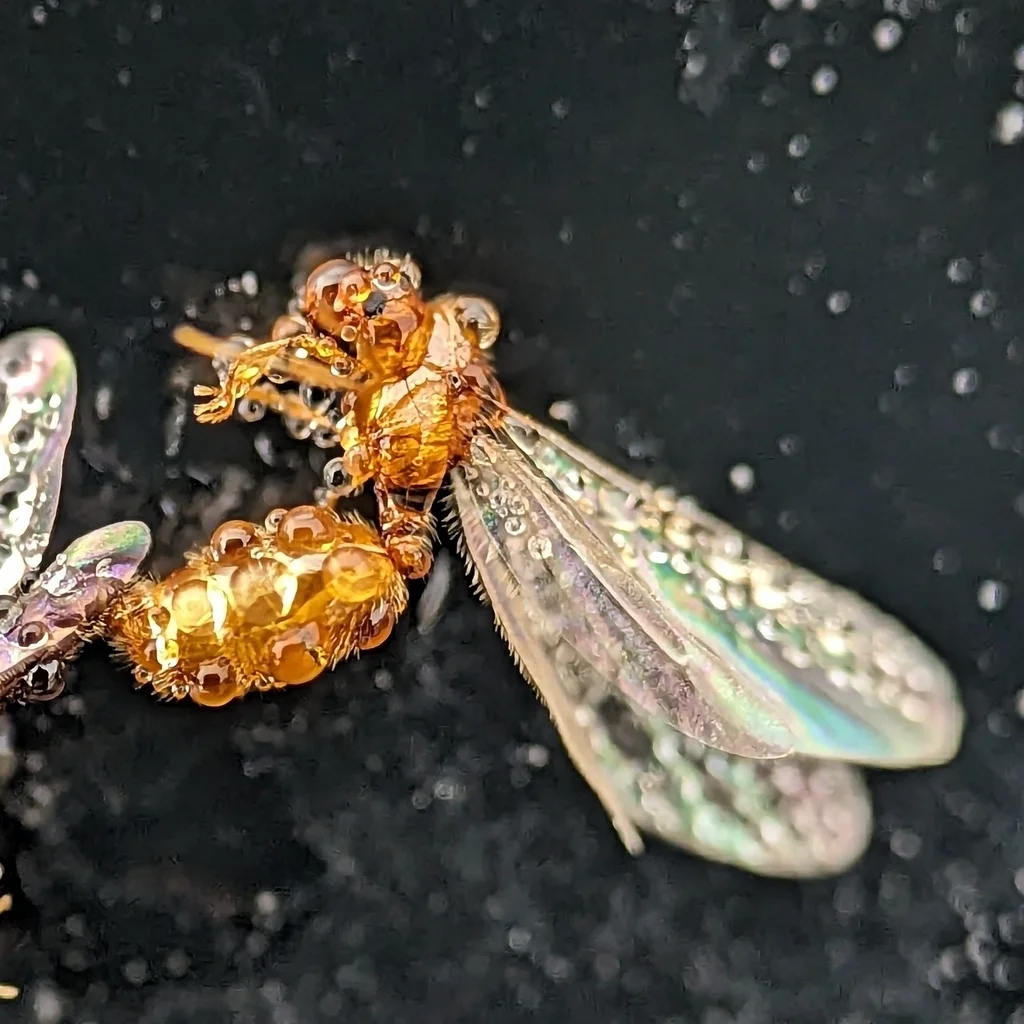
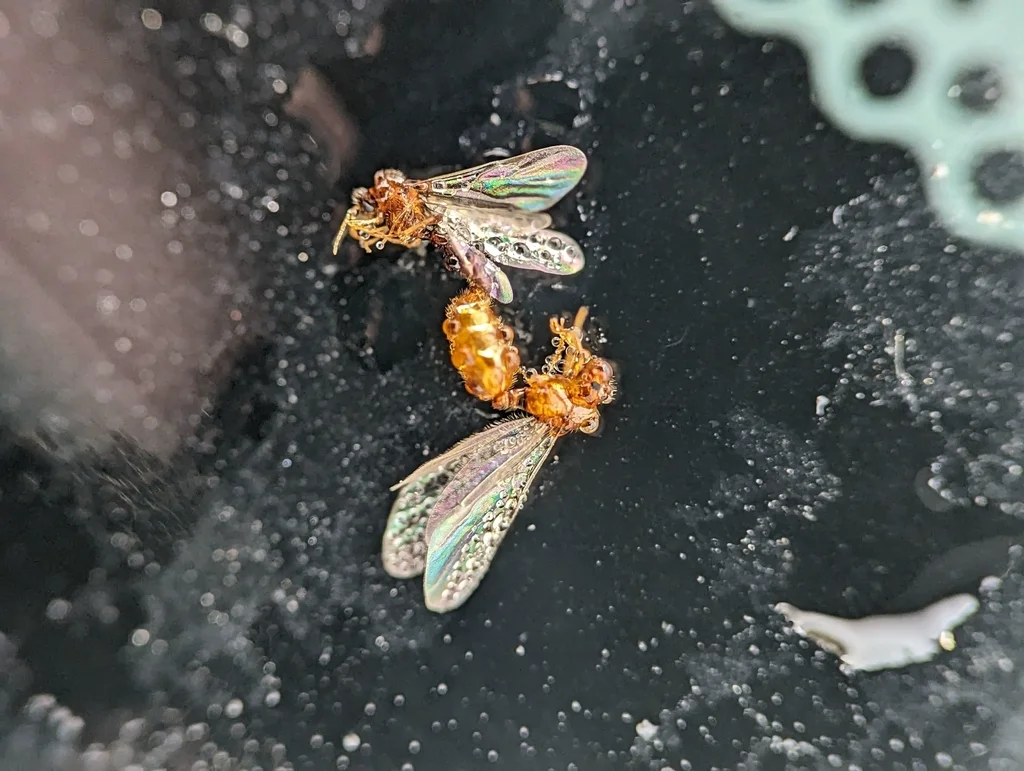
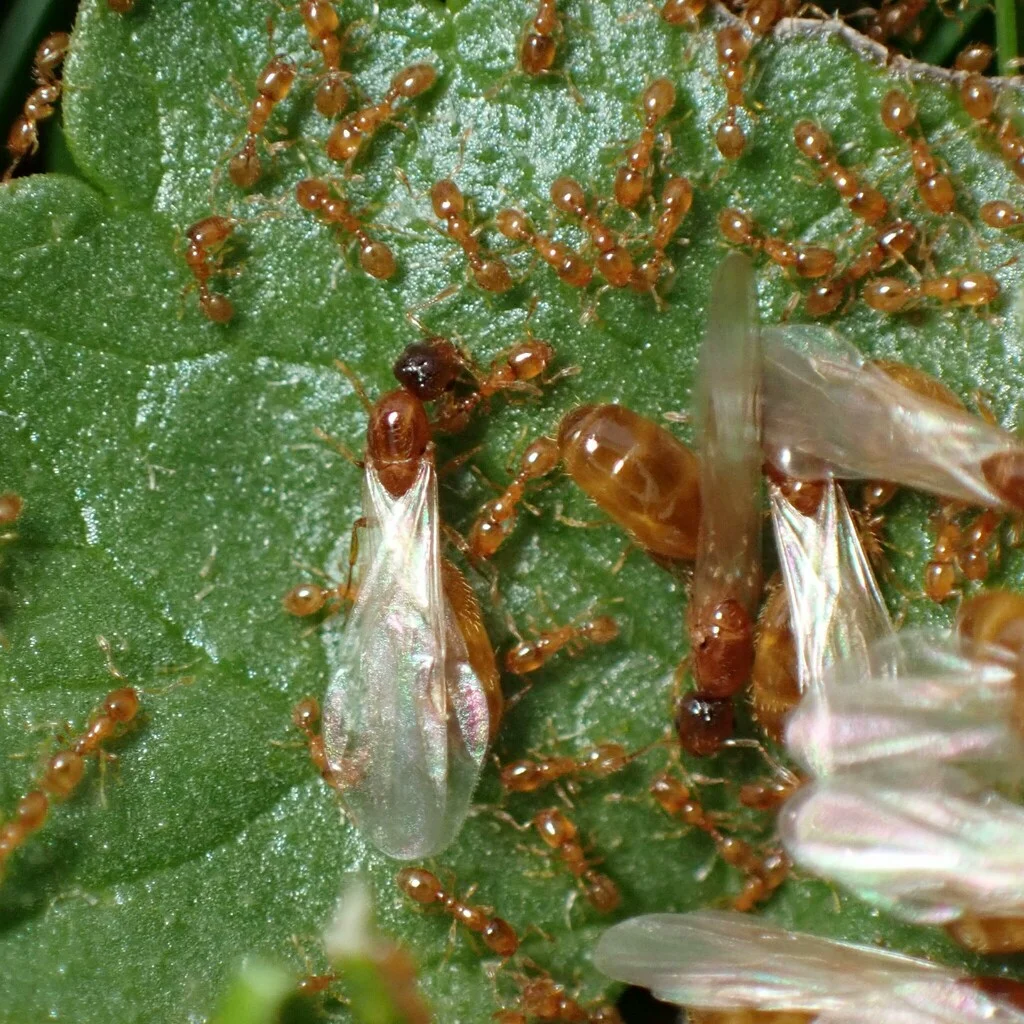
Thief Ants Coloration
Common color patterns to help identify thief ants
Thief Ants
Seasonal Activity
When thief ants are most active throughout the year

Where Thief Ants Are Found
Hover over states to see their names. Green regions indicate where thief ants have been reported.
Thief Ants Identification Guide
Thief ants (Solenopsis molesta) are native to North America and rank among the smallest ant species that invade homes. Named for their habit of stealing food and brood from neighboring ant colonies, these tiny ants are also commonly called “grease ants” due to their strong preference for fatty, protein-rich foods. In the DC Metro area, thief ant infestations typically peak during summer months when colonies are most active and foragers venture indoors seeking food.
Physical Characteristics
Thief ants are extremely small, with workers measuring just 1/32 to 1/8 inch (0.5-3 mm) in length. Most workers are approximately 1/16 inch (1.5 mm), making them one of the tiniest ant species homeowners encounter. Their bodies range from pale yellow to light brown, sometimes appearing golden or bronze depending on the population.
Key identification features include:
- 10-segmented antennae with a distinctive 2-segmented club at the tip (a critical distinguishing feature)
- Two-node petiole: two small bumps connecting the thorax to the abdomen
- Very small eyes relative to head size
- Smooth, shiny body without obvious sculpturing
- Visible stinger present but rarely used on humans
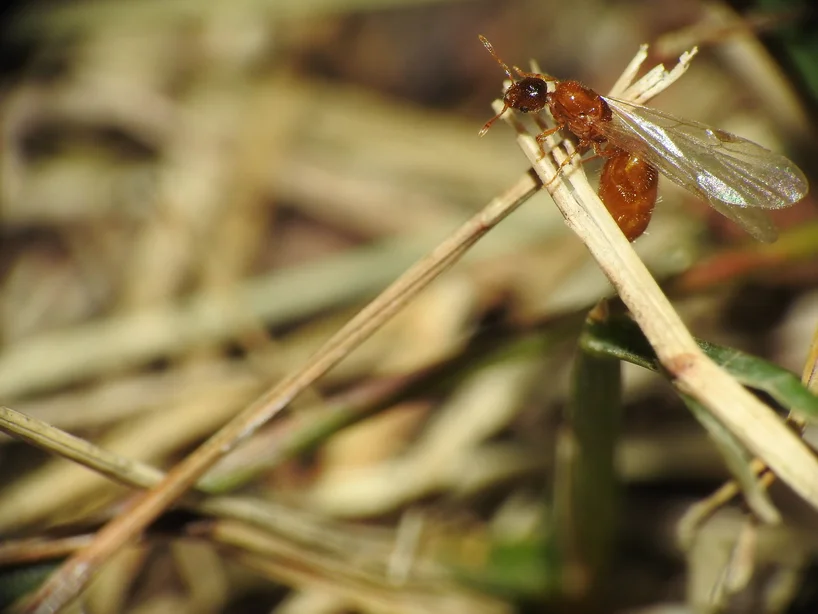
Queens are noticeably larger than workers, measuring approximately 4-5 mm (about 3/16 inch), and appear darker in coloration. During late summer, you may see winged reproductive ants (alates) preparing for mating flights.
Similar Species Commonly Confused with Thief Ants
Due to their small size and yellowish coloration, thief ants are frequently mistaken for other tiny ant species:
-
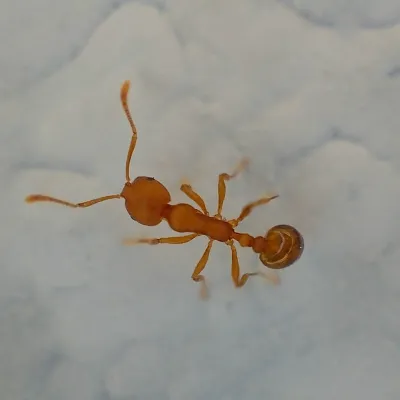
Pharaoh Ants (Monomorium pharaonis): The most common look-alike. Pharaoh ants have 12 antennal segments with a 3-segmented club, versus the thief ant’s 10 segments and 2-segmented club. Pharaoh ants are also primarily indoor nesters in our region.
-
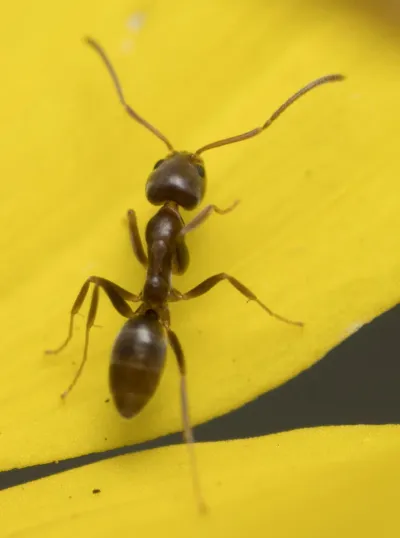
Little Black Ants (Monomorium minimum): Similar tiny size but distinctly darker coloration, ranging from dark brown to jet black.
-
Odorous House Ants (Tapinoma sessile): Larger than thief ants and uniformly dark brown to black. When crushed, they emit a distinctive rotten coconut odor.
-
Pavement Ants (Tetramorium species): Usually larger with darker coloration, parallel grooves on the head and thorax, and small spines on the thorax.
Accurate identification matters because different ant species require different treatment approaches. If you’re unsure which ant you’re dealing with, our technicians can identify the species during an inspection.
Thief Ants Behavior and Biology
Learning about thief ant biology shows why they can be hard to control. It also explains why some treatments work better than others.
Colony Structure and Nesting
Thief ant colonies contain a few hundred to several thousand workers. Some colonies have multiple egg-laying queens. This allows populations to bounce back quickly from partial treatments. Workers are all about the same size.
Outdoors, thief ants construct nests in soil under rocks, logs, landscaping timbers, and leaf litter. What makes them unique is their tendency to build nests adjacent to or connected with colonies of larger ant species. They excavate tiny tunnels too small for host ants to enter, then raid their neighbors’ food stores and brood chambers.
When they invade structures, thief ants nest in wall voids, behind baseboards, under flooring, and in other protected cavities. Their extremely small size allows them to access spaces that other ants cannot penetrate.
The “Thief” Behavior A related species, Allegheny Mound Ants, shares similar characteristics.
The name “thief ant” comes from how they steal from other ants. In nature, these ants don’t build large food stores of their own. Instead, they nest near larger ant colonies (often carpenter ants, pavement ants, or cornfield ants) and dig tiny connecting tunnels. A related species, Field Ants, shares similar characteristics.
Through these miniature passages, thief ant workers steal:
- Food stores from the host colony’s chambers
- Eggs, larvae, and pupae (which they consume as protein)
- Honeydew and other resources A related species, Velvety Tree Ants, shares similar characteristics.
The larger ants cannot chase the thieves because the tunnels are too small. This clever survival strategy has helped thief ants thrive across North America.
Diet and Foraging
Thief ants eat many foods but prefer greasy, protein-rich options. This is why some people call them “grease ants.” Common foods they target include:
- Proteins and fats: meat, cheese, cooking oils, butter, bacon grease, pet food, dead insects
- Seeds and nuts: particularly oily varieties
- Sweets: they will accept sugary foods, but protein/grease sources are preferred
- Other insects: including larvae and pupae of other ant species
Their small size allows them to access food through incredibly tiny openings. They can penetrate food packaging, sealed containers, and cracks that would exclude larger ant species. Foraging trails typically follow edges, cracks, pipes, and electrical wires.
Life Cycle and Seasonality
Thief ants go through four life stages: egg, larva, pupa, and adult. It takes about 50-60 days for an egg to become an adult worker. Queens can live for several years and keep producing new generations.
Seasonal activity in the Mid-Atlantic region:
| Season | Activity Level | Notes |
|---|---|---|
| December - February | Low | Outdoor activity minimal; indoor colonies may remain active in heated buildings |
| March - April | Low to Moderate | Foraging increases on warm days |
| May | Moderate | Colony growth accelerates |
| June - September | High | Peak foraging; nuptial flights July-September |
| October - November | Moderate to Low | Activity decreases with cooling temperatures |
Nuptial flights, when winged males and queens emerge to mate, typically occur from late July through early September. After mating, fertilized queens shed their wings and establish new colonies.
How We Treat for Thief Ants
Good thief ant control means knowing what they like to eat. They prefer protein and grease over sweets. Standard sweet ant baits often fail because thief ants ignore them. Our treatment is designed for this species.
Initial Inspection and Species Confirmation
A licensed technician starts by confirming you have thief ants, not pharaoh ants or another small species. Correct identification is key because:
- Thief ants require protein/grease-based baits
- Pharaoh ants need a different baiting strategy due to their budding behavior
- Misidentification leads to treatment failure
During the inspection, we:
- Map active foraging trails
- Identify likely nesting locations (indoors and outdoors)
- Locate food sources attracting the ants
- Check for conducive conditions like moisture problems or food storage issues
Interior Treatment
Inside your home, we apply a targeted crack and crevice treatment using non-repellent insecticide. As noted in our company protocols, non-repellent products are essential for ant control because ants cannot detect these materials and will spread them naturally through their colony via normal grooming and food-sharing behavior.
We focus on:
- Areas where ant activity has been observed
- Kitchens, pantries, and food storage areas
- Bathrooms and areas near water sources
- Cracks around baseboards, pipes, and utility penetrations
- Wall voids where nesting may occur
Strategic Baiting Program
Since thief ants prefer greasy, protein-rich foods, we deploy bait formulations matched to their dietary preferences:
- Protein-based baits: the primary choice for thief ant control
- Grease/fat-based baits: highly attractive to this species
- Sweet baits: used as supplementary options
Bait stations are placed directly on foraging trails and near suspected nesting sites. The slow-acting formulation allows workers to carry the bait back to the nest, where it’s shared with other workers, queens, and developing brood through trophallaxis (food sharing).
Exterior Perimeter Treatment
The technician inspects the foundation and perimeter of your home, looking for:
- Outdoor ant nests (under rocks, landscape timbers, mulch beds)
- Entry points where ants access the structure
- Conducive conditions like wood-to-soil contact or excessive moisture
A perimeter treatment using non-repellent insecticide creates a protective barrier. If outdoor nests are located, they may be treated directly with appropriate products.
What to Expect After Treatment
- Days 1-7: You may see continued or even increased ant activity as foragers discover and recruit nestmates to bait stations. This is a positive sign.
- Days 7-14: Activity typically begins decreasing as the active ingredient affects the colony.
- Days 14-21: Significant reduction in visible ants. Some large infestations may require additional time.
Do not spray store-bought products while treatment is active. Repellent sprays contaminate baits and stop ants from foraging. This prevents the treatment from reaching the colony.
Ongoing Protection
Thief ants may reinvade from outdoor populations, neighboring properties, or items brought into the home. Our triannual maintenance program (three visits per year) includes:
- Inspection for new ant activity
- Fresh bait placement as needed
- Perimeter retreatment to maintain protection
- Identification and advice on conducive conditions
If you see thief ants between scheduled visits, contact us for a free callback service.
Prevention Recommendations
While we address the infestation, you can help prevent future problems by:
- Eliminating food sources: store food in sealed containers, clean up grease and crumbs promptly, and keep pet food picked up when not in use
- Reducing moisture: fix leaky pipes and faucets, and reduce humidity in kitchens and bathrooms
- Sealing entry points: caulk cracks around pipes, outlets, baseboards, and exterior penetrations
- Managing outdoor habitat: remove debris near the foundation, keep mulch away from the structure, and turn landscape rocks to discourage nesting
These steps support the treatment and create conditions less favorable for ant colonies.
References
- Smith, M.R. (1965). House-Infesting Ants of the Eastern United States. USDA Technical Bulletin No. 1326.
- Thompson, C.R. (1990). Ants that have pest status in the United States. In Applied Myrmecology: A World Perspective (pp. 51-67). Westview Press.
- Klotz, J.H., et al. (2008). Urban Ants of North America and Europe: Identification, Biology, and Management. Cornell University Press.
- University of Kentucky Entomology. Thief Ants. Retrieved from https://entomology.ca.uky.edu/ef625
- Hedges, S.A. (2010). Field Guide for the Management of Structure-Infesting Ants. PCT Media Group.
Other Ants
Explore other species in the ants family
Commonly Confused With
Thief Ants are often mistaken for these similar pests
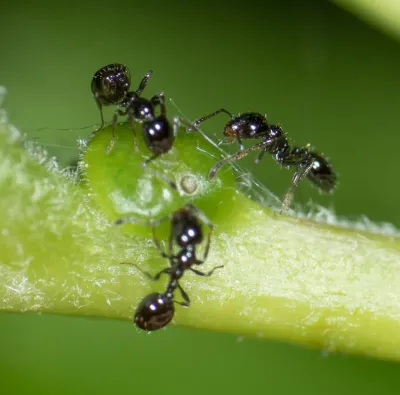
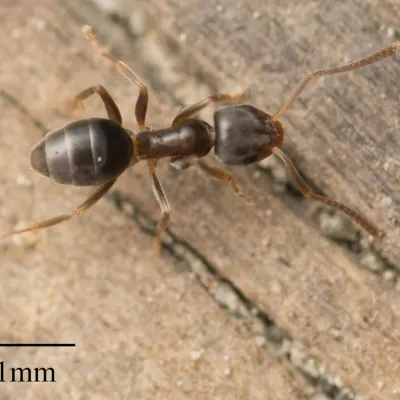
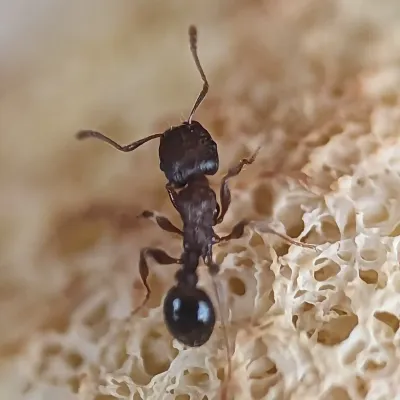
Where Thief Ants Are Found
Hover over states to see their names. Green regions indicate where thief ants have been reported.
Common Questions about Thief Ants
Why are they called thief ants?
+
Thief ants get their name from their unique behavior of building nests near or connected to other ant colonies, then stealing food and brood (eggs, larvae, and pupae) from their neighbors through tiny tunnels too small for the host ants to follow. This kleptoparasitic behavior is how they survive in the wild.
How can I tell thief ants apart from pharaoh ants?
+
Both are tiny yellow ants, but thief ants have 10 antennal segments with a 2-segmented club, while pharaoh ants have 12 antennal segments with a 3-segmented club. Thief ants also tend to have smaller eyes relative to their head size. A magnifying glass or professional identification is often needed to tell them apart accurately.
What attracts thief ants to my kitchen?
+
Thief ants are strongly attracted to greasy, protein-rich foods like meat, cheese, cooking oils, and pet food. Unlike many ant species that prefer sweets, thief ants (sometimes called grease ants) seek out fatty foods first. They can access food through incredibly small openings due to their tiny size.
Are thief ants dangerous?
+
Thief ants are primarily a nuisance pest. They don't cause structural damage and rarely sting humans. However, they can contaminate food and are a sanitation concern in kitchens, food storage areas, and food-handling facilities. Their small size allows them to access sealed packages that other ants cannot penetrate.
Why don't store-bought ant sprays work on thief ants?
+
Contact sprays and repellent insecticides kill only the foraging workers you see, which represent a tiny fraction of the colony. The queens continue producing new workers from the protected nest. Worse, repellent products can scatter the colony, making the problem harder to solve. Professional baiting is the most effective approach.
How long does it take to eliminate thief ants?
+
With proper baiting, you should see significant reduction within 2-3 weeks. Complete elimination depends on colony size and whether the nest is indoors or outdoors. Since thief ants prefer protein/grease baits over sweet baits, using the correct bait formulation is critical for success.
Where do thief ants nest?
+
Outdoors, thief ants nest in soil under rocks, logs, and debris, often adjacent to other ant colonies. Indoors, they nest in wall voids, behind baseboards, under floors, and in other protected spaces. Their tiny size allows them to nest in cracks and crevices that other ants cannot access.
When are thief ants most active?
+
In the Mid-Atlantic region, thief ants are most active from June through September, with peak activity during the hottest summer months. Nuptial flights (when winged reproductives swarm to mate) typically occur from late July through September. Indoor colonies may remain active year-round in heated buildings.

With five years of hands-on experience in the pest control industry, George Schulz is a registered technician with the Virginia Pest Management Association and a proud third-generation professional in a family business that's been protecting homes for over 57 years. He manages and trains a team of service pros while also leading internal research efforts—recently spearheading a deep-dive review of thousands of documents on pest control materials to hand-pick the most kid and pet friendly, most effective solutions tailored specifically for homes in the DC metro area.