Rover Ants Identification Guide
Brachymyrmex patagonicus
Rover ants are tiny, dark brown ants that have rapidly expanded across the southern and eastern United States. Originally from South America, these invasive ants are nuisance pests that frequently invade homes in large numbers seeking sugary foods and moisture, often nesting in mulch, potted plants, and wall voids.
Taxonomy
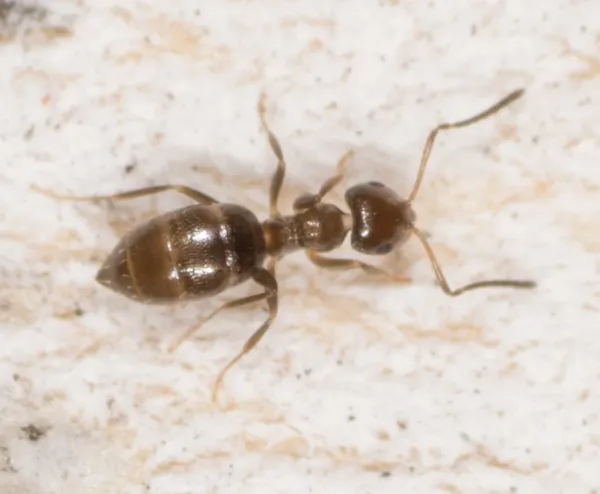
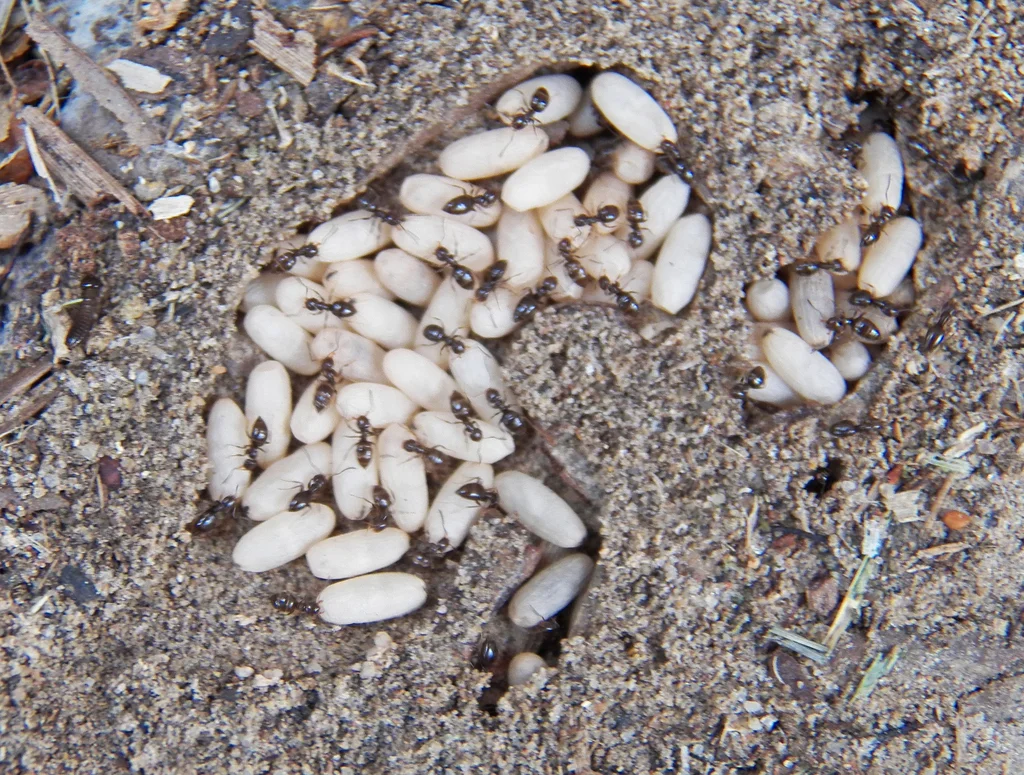
Rover Ants Coloration
Common color patterns to help identify rover ants
Rover Ants
Seasonal Activity
When rover ants are most active throughout the year

Where Rover Ants Are Found
Hover over states to see their names. Green regions indicate where rover ants have been reported.
Rover Ants Identification Guide
Rover ants (Brachymyrmex patagonicus), also called dark rover ants, came from Argentina and Paraguay. Over the past few decades, they have spread across much of the southern and eastern United States. These tiny brown ants are now common household pests in the Mid-Atlantic region. They invade homes in large numbers looking for sugary foods and moisture. Their small size and constant searching for food make them one of the most frustrating ants for homeowners to deal with.
Physical Characteristics
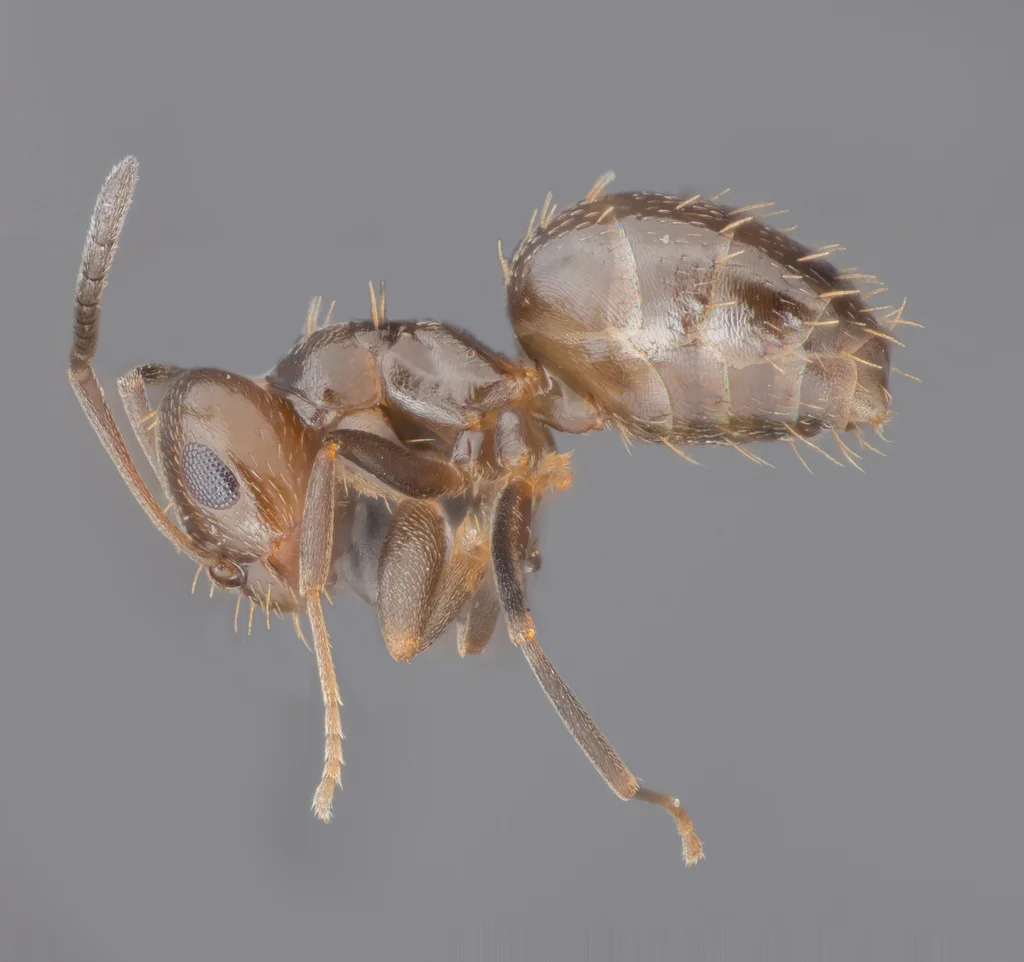
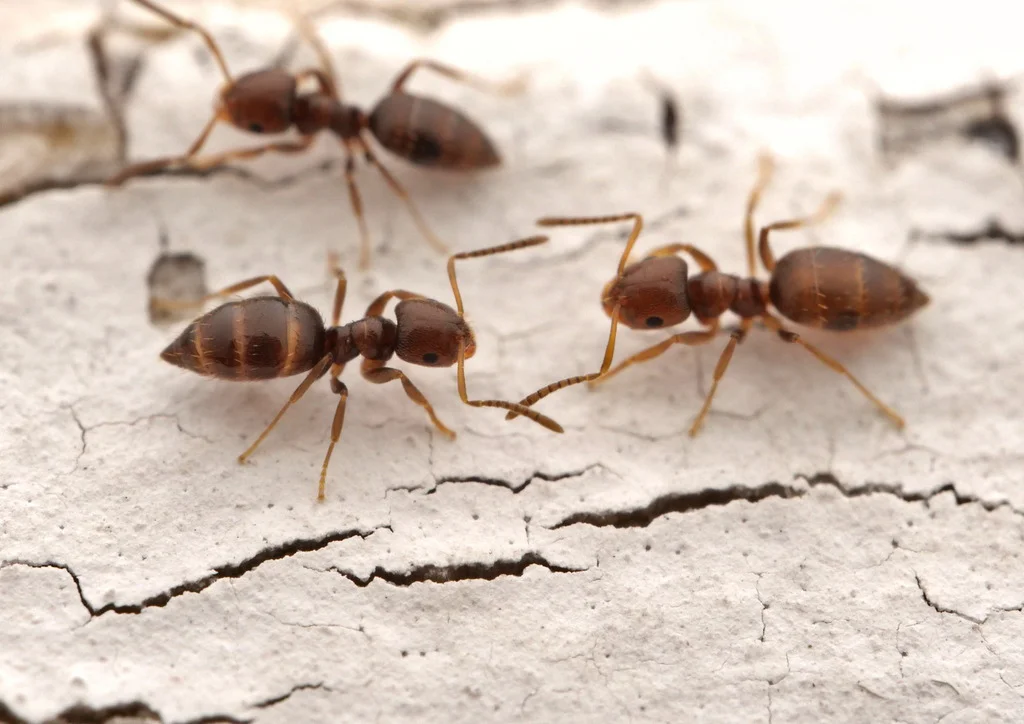
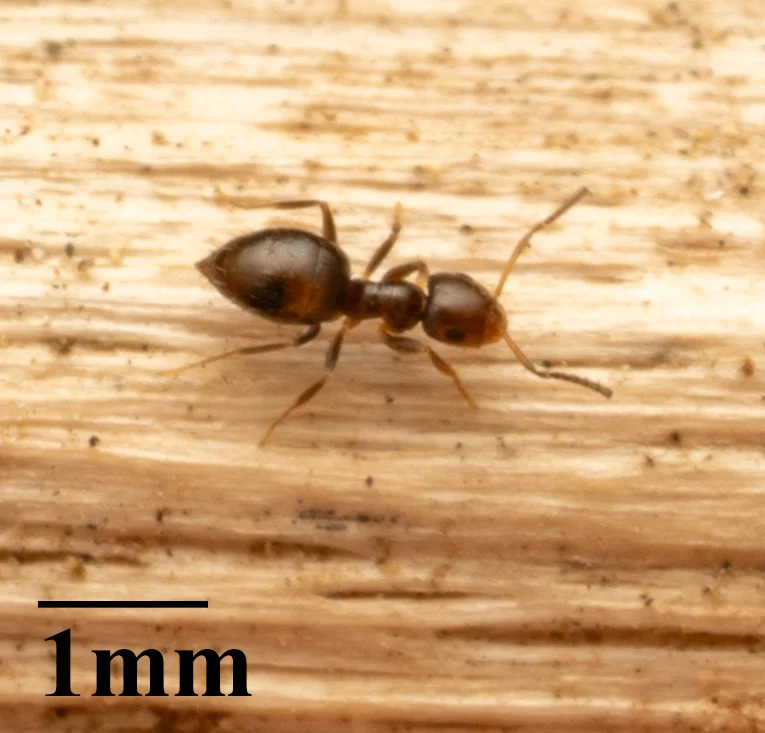
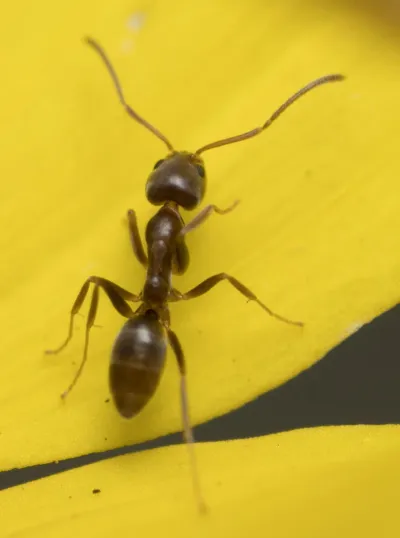
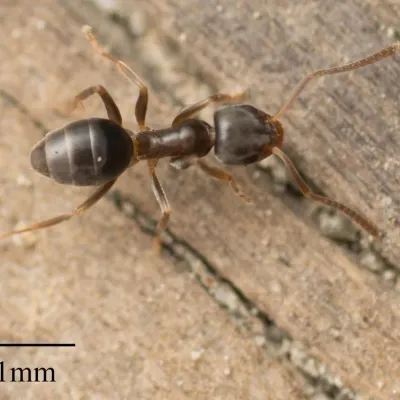
Rover ants are among the smallest ants that invade homes in North America. Workers are all the same size, measuring about 1.5 to 2.5 mm (roughly 1/16 inch) long. Their color ranges from medium brown to dark brown, and they can look almost black. Under a magnifying glass, their bodies look smooth and shiny.
Key identification features include:
- 9-segmented antennae: This is the best way to tell rover ants apart from look-alikes. Most similar ants have 12 segments on their antennae.
- Single-node waist: One small bump connects the middle body section to the abdomen.
- No stinger: Instead of a stinger, rover ants have a small opening at the tip of their abdomen that can spray formic acid.
- Very small eyes compared to their head size.
- Smooth, shiny body without visible texture or hair.
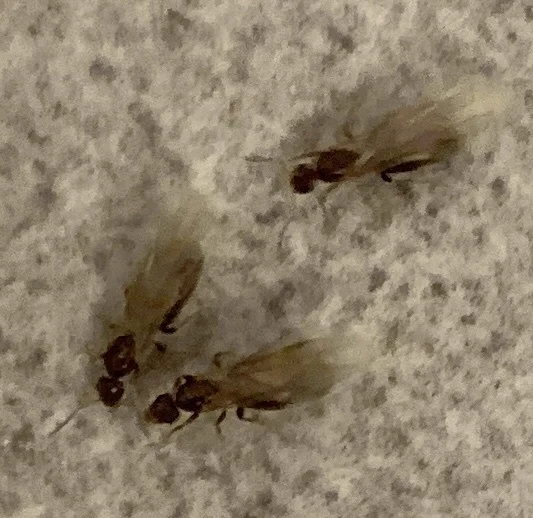
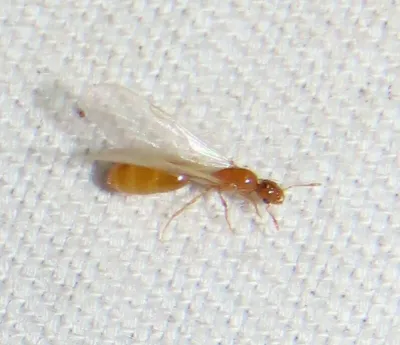
Queens are larger than workers, about 4 mm long, and look darker in color. Winged ants (called alates) appear during mating season and may swarm around lights.
Common Species in North America
Several rover ant species live in North America. The dark rover ant is the most common one found in homes:
- Dark Rover Ant (Brachymyrmex patagonicus): The main pest species. It came from South America and now lives across the southern and eastern U.S.
- Hairless Rover Ant (Brachymyrmex depilis): A native species found in much of the eastern United States.
- Seaside Rover Ant (Brachymyrmex obscurior): Found in coastal areas, mainly Florida.
All rover ant species have similar habits. Treatment methods work the same for all of them.
Species Commonly Confused with Rover Ants
Because of their tiny size and dark color, rover ants are often confused with other small ants:
-
Odorous House Ants (Tapinoma sessile): Similar dark color but slightly larger. When crushed, they give off a rotten coconut smell. They have 12 antenna segments instead of 9.
-
Little Black Ants (Monomorium minimum): Similar size and color but have 12 antenna segments. They also have a two-node waist instead of one node.
-
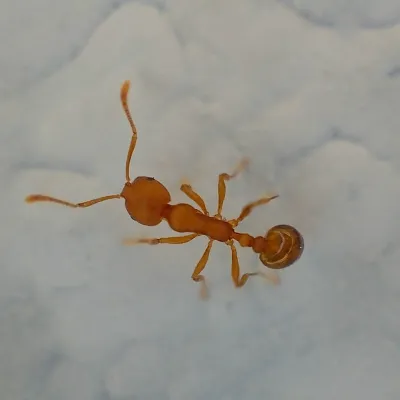
Pharaoh Ants (Monomorium pharaonis): Usually lighter in color (yellowish-brown) with 12 antenna segments. Pharaoh ants mostly nest indoors.
-
Thief Ants (Solenopsis molesta): Smaller and paler (yellowish) with 10 antenna segments. Thief ants prefer greasy foods while rover ants prefer sweets.
Getting the right ID matters because different ants need different treatments. If you are not sure what ant you have, our technicians can identify it during an inspection.
Rover Ants Behavior and Biology
Learning about rover ant biology helps explain why they can be hard to control. It also shows why some treatments work better than others.
Colony Structure and Nesting
Rover ant colonies vary in size. Some have just a few hundred workers, while others contain thousands. Many colonies have multiple queens laying eggs. This lets the colony bounce back quickly after partial treatments. It also allows them to set up satellite colonies nearby. A related species, Allegheny Mound Ants, shares similar characteristics.
Outdoor nesting sites include:
- Mulch beds and wood chip landscaping
- Under rocks, bricks, and landscape timbers
- Leaf litter and debris piles
- Potted plants and container gardens
- Soil along foundation walls
- Areas with decaying wood A related species, Field Ants, shares similar characteristics.
Indoor nesting sites include:
- Wall voids, especially near moisture sources
- Behind electrical outlets and switch plates
- Around plumbing penetrations
- Under flooring in damp areas
- Spaces behind baseboards
- Voids around windows and door frames
Rover ants love moisture. Infestations often happen where there are water leaks, high humidity, or rotting wood. Fixing moisture problems is key to long-term control.
Diet and Foraging Behavior
Rover ants mainly eat sweet foods. In nature, they feed on:
- Plant nectars: They drink nectar from flowers and other plant parts
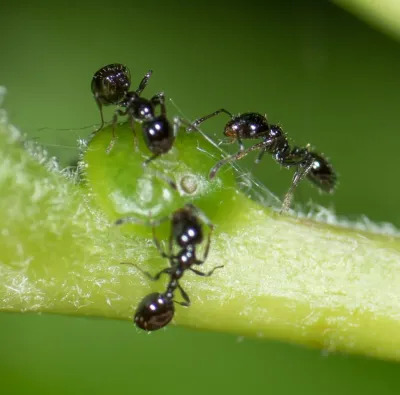
- Honeydew: A sweet liquid made by aphids and scale insects
- Sweet liquids and foods: Fruit juice, soda, syrup, jelly, and other sugary items
- Dead insects: They eat protein when they can find it
In late summer and fall, rover ants may start eating more protein-rich foods. They are general scavengers and will eat many different things when their favorite foods are not available.
Unlike many other ants, rover ants do not follow strong scent trails. However, they do set up satellite colonies. This can make it seem like ant problems pop up in several places at once.
Seasonal Activity
In the Mid-Atlantic region, rover ant activity follows a predictable seasonal pattern:
| Season | Activity Level | Notes |
|---|---|---|
| December - February | Low | Outdoor activity minimal; indoor colonies may remain active |
| March - April | Moderate | Foraging increases as temperatures warm |
| May | High | Colony growth accelerates; increased indoor sightings |
| June - September | High | Peak activity period; mating flights occur |
| October - November | Moderate | Activity decreases with cooling temperatures |
Mating swarms happen from late spring through summer. Winged males and queens leave the nest to mate. After mating, queens lose their wings and may start new colonies. Sometimes they start these colonies inside buildings.
Health Concerns
Rover ants do not sting and rarely bite people. They do not damage wood or structures. However, they can still cause problems:
- Bacteria: Lab studies show that E. coli and other germs can survive on the outside of rover ants. This is a concern in kitchens, hospitals, and nursing homes.
- Food spoilage: When lots of ants crawl on food, you cannot eat it anymore.
- Stress and annoyance: Dealing with constant ant problems can be frustrating and stressful.
How We Treat for Rover Ants
Rover ants are one of the harder ants to control. They are tiny, often have multiple queens, and nest in hard-to-reach spots. Our treatment uses non-repellent products, targeted baits, and fixes for conditions that attract ants.
Initial Inspection and Assessment
A licensed technician begins by confirming you have rover ants and not a similar species. Getting the ID right is important for effective treatment. Rover ants prefer sweet baits over protein baits, and their colony structure with multiple queens requires slow-acting materials. Moisture issues often play a role in infestations too.
During the inspection, we:
- Identify and map foraging trails and activity areas
- Locate potential indoor and outdoor nesting sites
- Assess moisture conditions and note any conducive factors
- Check mulch beds, landscape features, and potted plants
- Examine electrical outlets and plumbing penetrations for signs of nesting
Interior Treatment
Inside your home, we apply treatment to cracks and crevices using a non-repellent product. Ants cannot detect these materials, so they walk through treated areas like normal. They then spread the product to other ants in the colony through contact and grooming.
Treatment focuses on:
- Areas of observed ant activity (kitchens, bathrooms, countertops)
- Cracks around baseboards, pipes, and utility penetrations
- Wall voids where nesting may occur
- Behind electrical outlets in problem areas
- Plumbing access points and moisture-prone areas
Strategic Baiting
We use baits that match what rover ants like to eat:
- Sugar-based gel baits: The main choice for rover ant control
- Liquid sweet baits: Very attractive to this species
- Protein baits: Used as backup options, especially in late season
We place bait stations on ant trails and near likely nesting spots. The bait works slowly on purpose. This gives workers time to carry it back to the nest and share it with other ants, including queens. Getting bait to the queens is the key to wiping out the colony.
Exterior Perimeter Treatment
The technician inspects the foundation and perimeter, looking for:
- Outdoor nesting sites in mulch, under debris, and in landscape features
- Entry points along the foundation
- Conducive conditions like excessive mulch depth or moisture problems
- Potted plants that may harbor colonies
We apply a non-repellent treatment around the foundation to create a barrier. If we find outdoor nests in mulch or under objects, we treat them directly. We may also suggest reducing mulch depth, moving potted plants away from the house, or fixing drainage problems.
What to Expect After Treatment
- Days 1-7: You may see the same amount of ants or even more at first. This means the treatment is working as ants find the bait.
- Days 7-14: Ant numbers usually start to drop as the colony is affected.
- Days 14-28: You should see much fewer ants. Large colonies or those with many queens may take longer.
Do not spray store-bought products while treatment is active. Repellent sprays mess up the baits and push ants away from treated areas. This stops the treatment from reaching the whole colony.
Ongoing Protection
Rover ants often come back from outdoor populations. That is why ongoing protection matters. Our regular maintenance program includes:
- Checking for new ant activity
- Placing fresh bait as needed
- Retreating the perimeter to keep the barrier strong
- Watching for and treating conditions that attract ants
If rover ants show up between visits, call us for a free callback.
Prevention Tips
While we handle the current problem, you can help prevent future issues:
- Fix moisture problems: Repair leaky pipes and faucets. Improve airflow in damp areas.
- Manage mulch: Keep mulch 6-12 inches away from your foundation. Keep it under 3 inches deep.
- Remove food sources: Clean up spills right away. Store food in sealed containers.
- Seal entry points: Caulk cracks around pipes, outlets, and foundation openings.
- Check potted plants: Look at containers before bringing plants inside, especially after summer.
These steps work with professional treatment to make your home less attractive to rover ants.
References
- MacGown, J.A., & Layton, B. (2010). The invasive dark rover ant, Brachymyrmex patagonicus Mayr (Hymenoptera: Formicidae): rapid colonization of the southeastern United States. Mississippi State University Extension Service.
- University of Florida Featured Creatures. Dark Rover Ant. Retrieved from https://entnemdept.ufl.edu/creatures/urban/ants/dark_rover_ant.htm
- Texas A&M Urban Entomology Program. Rover Ant. Retrieved from https://urbanentomology.tamu.edu/urban-pests/ants/rover/
- Klotz, J.H., et al. (2008). Urban Ants of North America and Europe: Identification, Biology, and Management. Cornell University Press.
- Hedges, S.A. (2010). Field Guide for the Management of Structure-Infesting Ants. PCT Media Group.
Other Ants
Explore other species in the ants family
Commonly Confused With
Rover Ants are often mistaken for these similar pests
Where Rover Ants Are Found
Hover over states to see their names. Green regions indicate where rover ants have been reported.
Common Questions about Rover Ants
Why are rover ants suddenly everywhere in my house?
+
Rover ants often invade homes in large numbers because their colonies can contain thousands of workers and multiple queens. When outdoor conditions become unfavorable (too hot, too dry, or after heavy rain), the entire foraging force may move indoors seeking food, water, and shelter. Their tiny size allows them to enter through cracks invisible to the naked eye.
How can I tell rover ants apart from other small dark ants?
+
Rover ants are distinguished by their 9-segmented antennae (most similar ants have 12 segments), single-node waist (petiole), and extremely small size of about 1.5-2mm. Under magnification, they have a smooth, shiny appearance. Unlike odorous house ants, rover ants do not produce a rotten coconut smell when crushed.
Are rover ants harmful to humans?
+
Rover ants are primarily nuisance pests. They cannot sting and rarely bite humans. However, laboratory studies have shown they can carry bacteria like E. coli on their bodies, potentially posing a health concern in food preparation areas or medical facilities. They are mainly a sanitation and quality-of-life concern.
Where do rover ants nest around my home?
+
Outdoors, rover ants commonly nest in mulch, under rocks and landscape timbers, in leaf litter, and in potted plants. Indoors, they exploit wall voids, spaces behind electrical outlets, areas around plumbing, and other protected cavities. They are particularly attracted to moisture and often nest near water sources.
Why are rover ants so hard to control?
+
Rover ants have proven difficult to control for several reasons: their colonies often have multiple queens allowing rapid recovery, they establish satellite colonies, they nest in hard-to-reach locations, and their tiny size lets them access areas that exclude other ants. Many over-the-counter products fail because they only kill visible workers without reaching the colony.
What attracts rover ants to my kitchen?
+
Rover ants are strongly attracted to sugary substances including plant nectars, honeydew from aphids, sweet spills, and fruit. They also seek out moisture, making kitchens and bathrooms prime targets. In late summer and fall, they may shift their dietary preferences toward protein-based foods.
When are rover ants most active in the Mid-Atlantic region?
+
Rover ants are most active from May through September, with peak activity during the hottest summer months. Mating swarms of winged ants typically occur in late spring through summer. Indoor colonies may remain active year-round in temperature-controlled buildings.

With five years of hands-on experience in the pest control industry, George Schulz is a registered technician with the Virginia Pest Management Association and a proud third-generation professional in a family business that's been protecting homes for over 57 years. He manages and trains a team of service pros while also leading internal research efforts—recently spearheading a deep-dive review of thousands of documents on pest control materials to hand-pick the most kid and pet friendly, most effective solutions tailored specifically for homes in the DC metro area.