Pyramid Ants Identification Guide
Dorymyrmex spp.
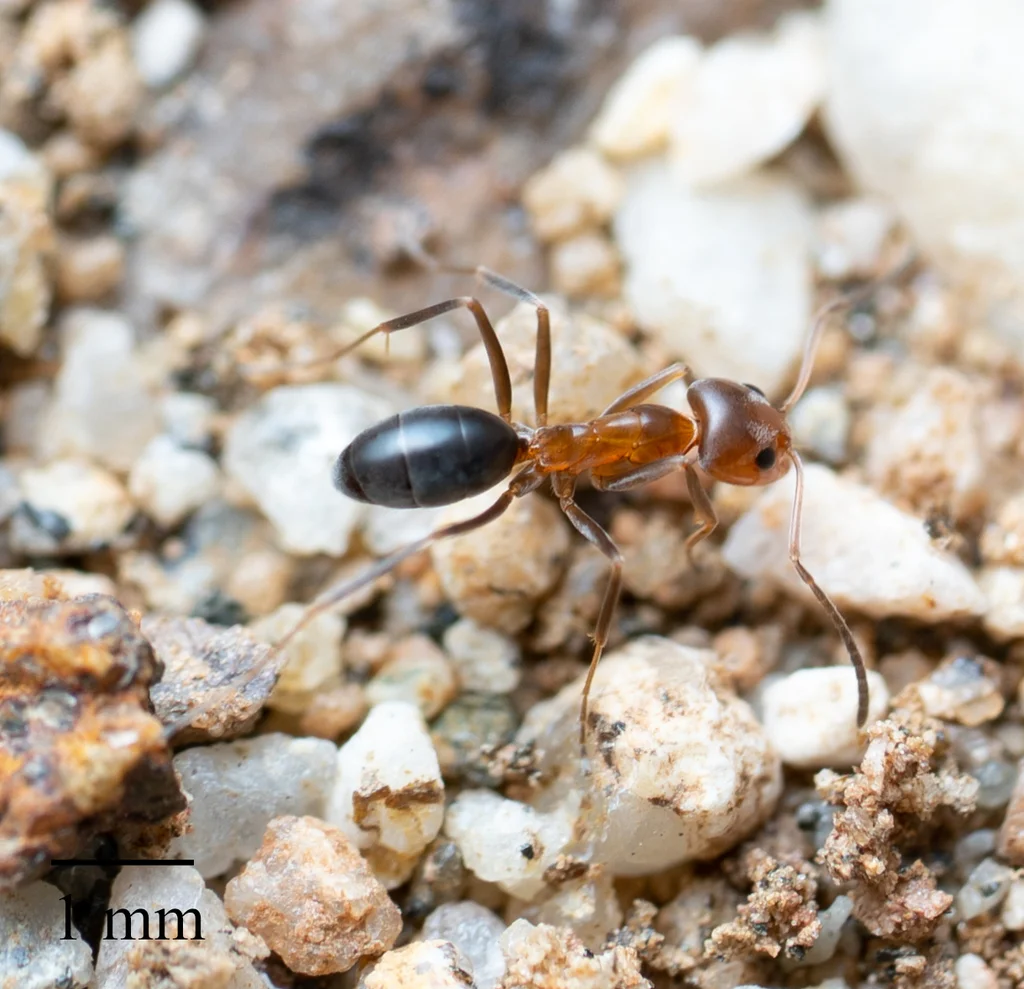
Pyramid ants are small, fast-moving ants named for the distinctive pyramid-shaped projection on their thorax. These outdoor ants prefer dry, sandy soil and are known for their aggressive behavior toward other ant species, including fire ants. They emit a rotten coconut smell when crushed.
Taxonomy
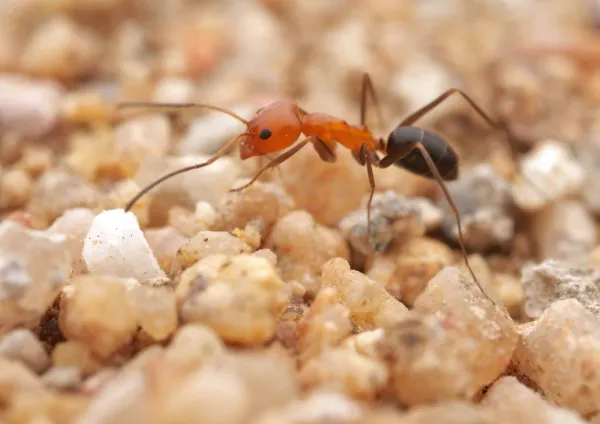
Pyramid Ants Coloration
Common color patterns to help identify pyramid ants
Pyramid Ants
Seasonal Activity
When pyramid ants are most active throughout the year

Where Pyramid Ants Are Found
Hover over states to see their names. Green regions indicate where pyramid ants have been reported.
Pyramid Ant Identification Guide
Pyramid ants (Dorymyrmex species) are small, fast-moving ants. They live throughout the southern and central United States. Their name comes from a pyramid-shaped bump on top of their thorax. This cone-like bump is easy to see up close. It sets them apart from most other ants.
These ants like dry, sandy soil in open, sunny spots. You will often see them in lawns, gardens, driveways, and along sidewalks. Pyramid ants rarely come indoors. They nest only in soil outside and have little interest in entering homes.
Physical Characteristics
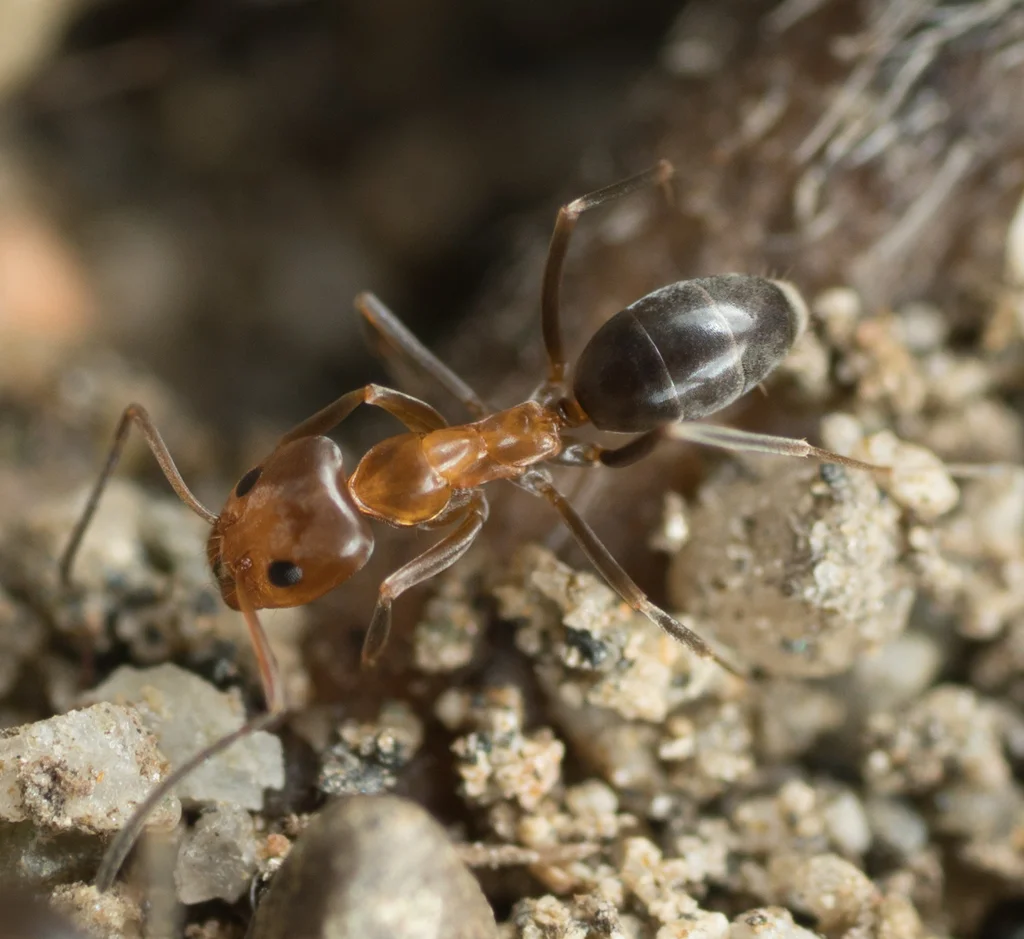
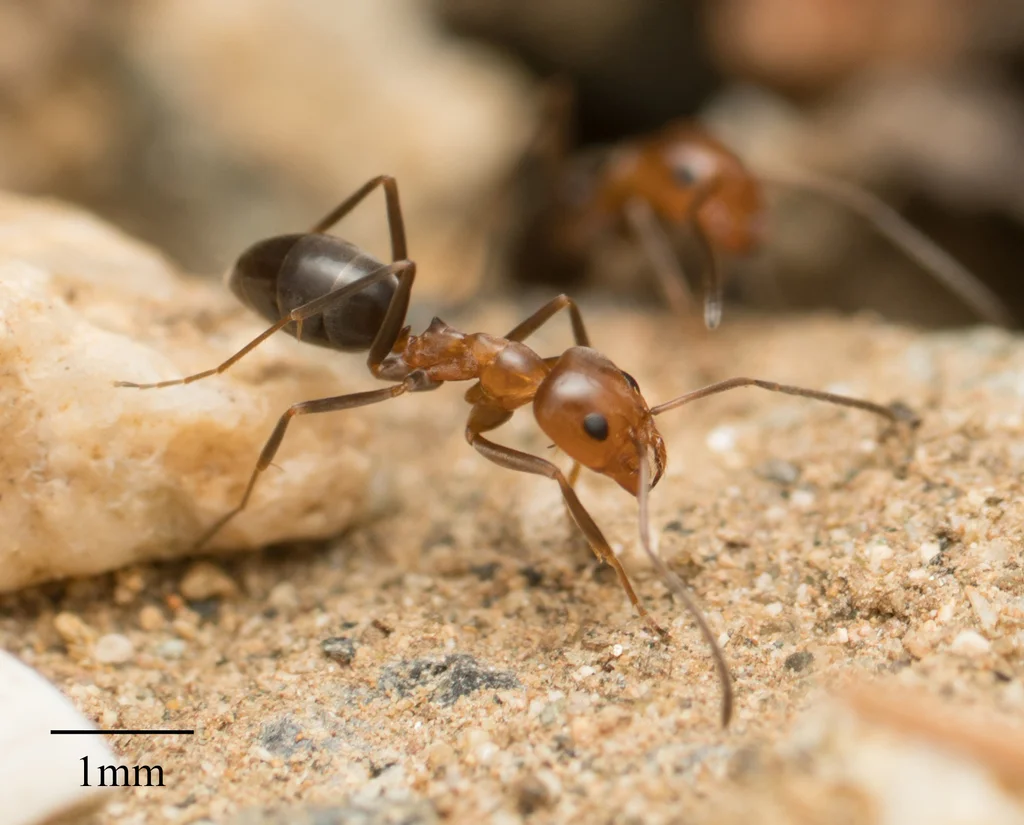
Pyramid ants are small but easy to identify once you know what to look for. Workers measure 2 to 4 mm (about 1/16 to 1/8 inch) long. All workers in a colony are about the same size. Use our ant identification chart to compare pyramid ants with similar species.
Key identification features include:
- Pyramid-shaped thorax projection: A cone-shaped bump on top of the thorax is the defining feature
- 12-segmented antennae: No distinct club at the tip, unlike many other ant species
- Single node petiole: One segment connects the thorax to the abdomen
- Slender build: Long legs give them a lanky appearance
- Fast movement: They move quickly across surfaces, more so than many common ants
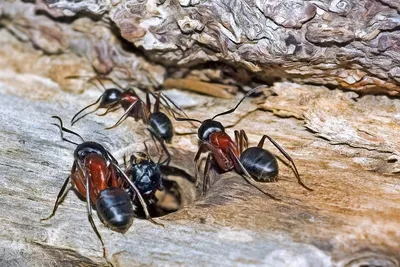
Color varies by species. Most pyramid ants have a reddish-brown to tan head and thorax. The abdomen is usually darker brown or black. This two-tone pattern is common but not always present. Some look more uniform in color.
When crushed, pyramid ants release a chemical that smells like rotten coconut. This odor comes from a gland at the tip of the abdomen. If you find small ants and want to confirm the species, this smell is a strong clue.
Common Species in North America
Several pyramid ant species live in North America. The most common include:
-
Buren’s pyramid ant (Dorymyrmex bureni): Found in the southeastern United States. This is the most common species in lawns and gardens. It has a reddish-black head and thorax with a black abdomen.
-
Bicolored pyramid ant (Dorymyrmex bicolor): Common in southwestern states. It shows clear two-tone coloring with a lighter thorax and darker abdomen.
-
Crazy pyramid ant (Dorymyrmex insanus): Found across the southern United States. Named for its fast, erratic movements when disturbed.
-
Yellow pyramid ant (Dorymyrmex flavus): A smaller, lighter species found in sandy coastal areas.
All species share similar habits and have the pyramid-shaped thorax bump. For most homeowners, the exact species matters less than knowing their general behavior.
Pyramid Ants vs. Fire Ants
Many homeowners confuse pyramid ants with fire ants. Knowing the differences helps you respond correctly.
| Feature | Pyramid Ants | Fire Ants |
|---|---|---|
| Size | 2-4 mm | 2-6 mm (variable in colony) |
| Color | Tan/reddish-brown, often bicolored | Uniformly reddish-brown |
| Thorax | Pyramid-shaped projection | Smooth, rounded |
| Nest shape | Crater with single entrance | Dome-shaped mound |
| Sting | Cannot sting | Painful sting, aggressive |
| Smell when crushed | Rotten coconut | No distinctive odor |
| Aggression | Not aggressive to humans | Highly aggressive |
The best way to tell them apart is behavior. Fire ants swarm and sting when you disturb their mound. Pyramid ants just scatter and do not attack. If you can walk up to the nest without getting stung, you likely have pyramid ants.
Pyramid Ant Behavior and Biology
Knowing how pyramid ants behave helps explain why they show up in certain areas.
Colony Structure
Pyramid ant colonies are small compared to many ant species. A mature colony has one queen and a few hundred to a few thousand workers. Colonies rarely grow larger than this. The small colony size means their nests stay modest and do not cause major lawn damage.
Colony members include:
- Queen: The single egg-laying female. She starts the colony and produces all offspring.
- Workers: Sterile females that forage, care for young, and defend the nest.
- Males: Produced seasonally for mating flights. They die shortly after mating.
- Winged reproductives: Future queens and males that leave to start new colonies.
Nesting Habits
Pyramid ants strongly prefer dry, sandy soil in open, sunny areas. They avoid shade and moisture. Common nesting sites include:
- Bare patches in lawns
- Sandy driveways and pathways
- Around concrete patios and sidewalks
- Garden beds with exposed soil
- Roadside areas and sandy lots
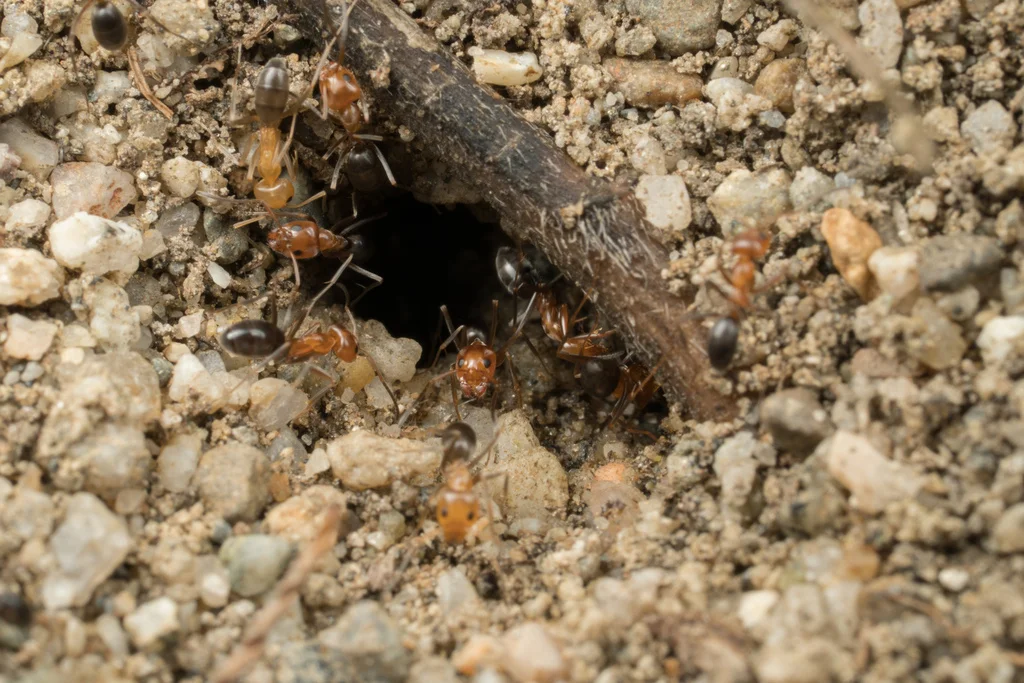
Nest entrances are easy to spot. Each nest has a single hole with a circular crater of sand around it. The crater forms as workers push soil out while digging. Nests often cluster together. Pyramid ants often build near the nests of other ant species like harvester ants or fire ants. For more on how different ant species build their nests, see our guide to ant hills and mounds.
Diet and Foraging
Pyramid ants are mainly meat eaters. They actively hunt and scavenge other insects. Their diet includes:
- Live insects: They hunt small insects and even attack other ant species
- Dead insects: They readily scavenge insect carcasses
- Honeydew: Sweet liquid from aphids and scale insects
- Nectar and plant sap: Occasional supplemental food sources
Foraging happens during the day. Unlike many ants that march in organized trails, pyramid ants hunt alone or in loose groups. They move quickly, darting across surfaces looking for prey.
Pyramid ants are aggressive toward other ant species. They actively compete with fire ants and prey on them. They attack fire ant workers, raid fire ant colonies for food, and can push fire ants out of shared territory.
Reproduction and Life Cycle
Pyramid ant colonies reproduce through mating flights in warm summer months during ant season. Winged males and females swarm from mature colonies to mate in the air. After mating, males die. Mated queens land to start new colonies.
The new queen sheds her wings and digs a small chamber in soil. She lays her first eggs and cares for the brood alone. These first workers are usually smaller than later ones. Once workers emerge, they take over foraging and nest care. The queen then focuses only on laying eggs.
The full life cycle from egg to adult takes about 6 to 8 weeks. Temperature affects the timing. Colonies can last for several years in good conditions. To learn more about how long ants live across different species, see our guide.
Signs of Pyramid Ant Activity
Finding pyramid ants is easy because of their unique nests.
Nest Mounds
The most obvious sign is crater-shaped mounds in sandy or bare soil. Each crater is small, about 2 to 4 inches across, with a single entrance hole at the center. Multiple nests often cluster together in good habitat.
Fresh activity shows as newly dug soil around the entrance. Active nests will have workers moving in and out during warm daylight hours.
Foraging Ants
You may notice fast-moving, reddish-brown ants on sidewalks, patios, or in garden areas. Their quick, darting movements and small size help identify them. If you see them carrying insect prey back to the nest, this confirms pyramid ants.
What They Do Not Do
Pyramid ants do not:
- Create large mounds like fire ants
- Trail in organized lines to food sources
- Invade kitchens or pantries
- Nest in walls or structures
- Damage wood or building materials
If you see ants exhibiting these behaviors, you likely have a different species.
Treatment Approaches for Pyramid Ants
Pyramid ants cause no structural damage and rarely enter homes. However, their nests can become a nuisance in lawns and gardens. Here are the situations where treatment makes sense:
- Nests are located in high-traffic areas where mounds create tripping hazards
- Nest craters are damaging lawn appearance in visible areas
- Workers are regularly entering the home (uncommon)
- Specific outdoor areas need to remain ant-free
Direct Nest Treatment
For individual colonies causing problems, direct treatment offers targeted control. An insecticide can be applied into the nest entrance. Using a crack and crevice tip on a compressed air sprayer, insert the applicator into the entrance hole. Inject 2 to 3 ounces of product. This kills the colony without affecting a wide area.
Bait Applications
When nests cannot be located or when multiple colonies are present, baits containing sweet attractants can be effective. Workers carry the bait back to the colony, eventually eliminating the queen. Baits work best when placed along observed foraging paths.
Perimeter Control
If pyramid ants keep entering your home, seal entry points first. Caulk cracks around doors, windows, and the foundation. A perimeter insecticide treatment can create a barrier to keep occasional invaders out.
Important Considerations
Pyramid ants compete with fire ants for territory. Removing pyramid ants may allow fire ants or field ants to move into the same area. Consider this before treating large areas of your property.
Preventing Pyramid Ant Problems
Since pyramid ants prefer specific conditions, changing the environment can reduce their numbers.
Reduce bare soil areas
- Maintain healthy, thick lawn coverage
- Use mulch or ground cover in garden beds
- Address bare patches with seeding or sod
Add moisture and shade
- Pyramid ants avoid wet, shaded areas
- Better irrigation in dry spots may stop nesting
- Planting shade trees or shrubs can make areas less attractive
Seal entry points
- Caulk cracks and gaps in the foundation
- Install door sweeps
- Seal around utility penetrations
- Repair torn window screens
Remove attractants
- Clean up outdoor food spills promptly
- Keep trash cans sealed
- Manage aphid populations on ornamental plants
For most homeowners, pyramid ants are a minor nuisance at worst. They cannot sting and rarely enter homes. For general prevention advice, see our guide on how to keep ants away. If you need control, the methods above work well for this species.
References and Further Reading
For more information about pyramid ants, see these resources:
- Texas A&M Urban Entomology: Pyramid Ants: Detailed species information and management recommendations
- PestWorld: Pyramid Ants: National Pest Management Association identification guide
- University of Florida Featured Creatures: Dorymyrmex: Scientific overview of the genus
Other Ants
Explore other species in the ants family
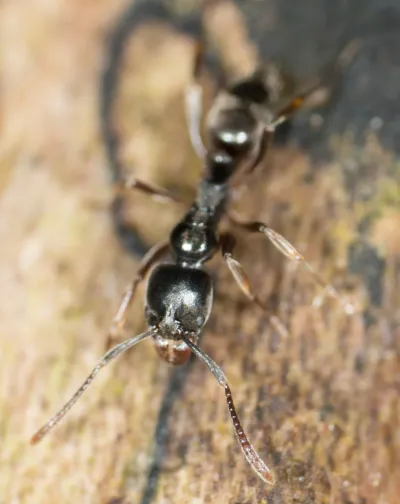
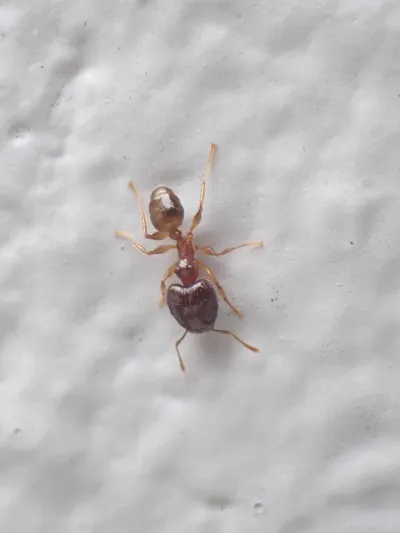
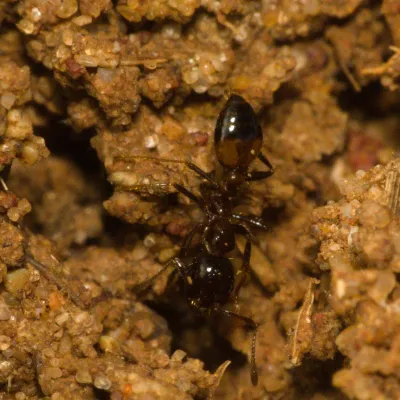
Commonly Confused With
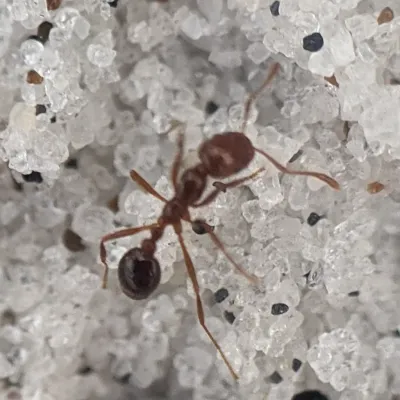
Pyramid Ants are often mistaken for these similar pests
Where Pyramid Ants Are Found
Hover over states to see their names. Green regions indicate where pyramid ants have been reported.
Common Questions about Pyramid Ants
Are pyramid ants harmful to humans?
+
Pyramid ants are relatively harmless to humans. They can bite if handled or threatened, but they lack stingers and are not aggressive toward people or pets. Unlike fire ants, they do not swarm to attack. Their bites are generally mild and rarely cause significant pain or allergic reactions.
Why do pyramid ants smell like rotten coconut?
+
Pyramid ants have a gland at the tip of their abdomen that produces a defensive chemical. When crushed or disturbed, this chemical releases a distinctive odor resembling rotten coconut. This smell helps identify pyramid ants when you are unsure what type of ant you have found.
Do pyramid ants damage homes or structures?
+
No, pyramid ants do not cause structural damage. They nest exclusively in soil outdoors and do not tunnel into wood or building materials. Unlike carpenter ants, they have no interest in entering wall voids or damaging wooden structures.
What do pyramid ants eat?
+
Pyramid ants are aggressive predators. They hunt live insects and scavenge dead ones. They also collect honeydew from aphids and scale insects. Their predatory nature means they often attack other ant species, including fire ants.
What do pyramid ant nests look like?
+
Pyramid ant nests appear as small, crater-shaped mounds in bare, sandy soil. Each nest has a single entrance hole surrounded by excavated sand forming a circular crater. These nests are typically found in sunny, dry areas like lawns, driveways, patios, and garden beds.
Do pyramid ants come inside houses?
+
Pyramid ants rarely enter homes. They strongly prefer outdoor habitats and nest only in soil. Occasionally, a few workers may wander inside while foraging for sweet foods, but they do not establish indoor colonies or become persistent indoor pests.
How can I tell pyramid ants apart from fire ants?
+
Pyramid ants are lighter in color (tan to reddish-brown versus the darker red of fire ants), have a visible pyramid-shaped bump on their thorax, and produce a coconut smell when crushed. Fire ants are more aggressive, will sting repeatedly, and build larger, dome-shaped mounds rather than crater-shaped nests.
Should I treat my yard for pyramid ants?
+
In most cases, treating for pyramid ants is unnecessary. They cause no structural damage, rarely enter homes, and help control fire ant populations. Treatment is only recommended if nests are located in high-traffic areas where the mounds are unsightly or creating tripping hazards.

With five years of hands-on experience in the pest control industry, George Schulz is a registered technician with the Virginia Pest Management Association and a proud third-generation professional in a family business that's been protecting homes for over 57 years. He manages and trains a team of service pros while also leading internal research efforts—recently spearheading a deep-dive review of thousands of documents on pest control materials to hand-pick the most kid and pet friendly, most effective solutions tailored specifically for homes in the DC metro area.