Harvester Ants Identification Guide
Pogonomyrmex spp.
Harvester ants are large, seed-collecting ants found primarily in arid regions of North America. Known for their powerful stings and impressive underground colonies, these ants create distinctive cleared areas around their nest entrances and play important ecological roles in desert and grassland ecosystems.
Taxonomy
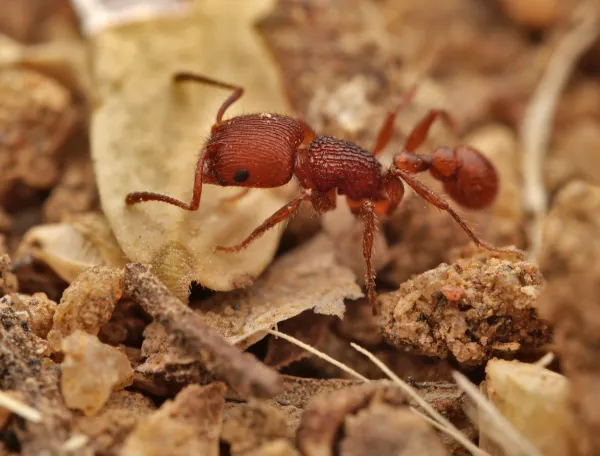
Harvester Ants Coloration
Common color patterns to help identify harvester ants
Harvester Ants
Seasonal Activity
When harvester ants are most active throughout the year
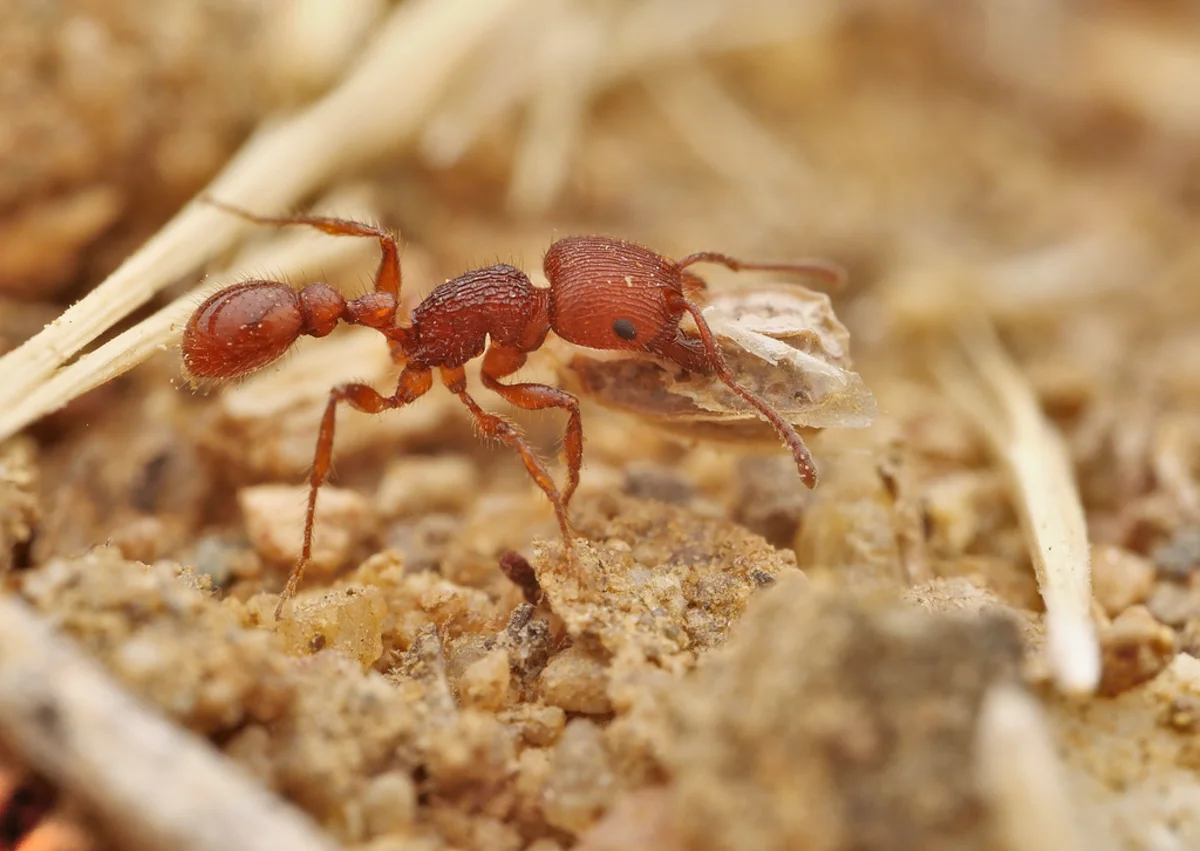
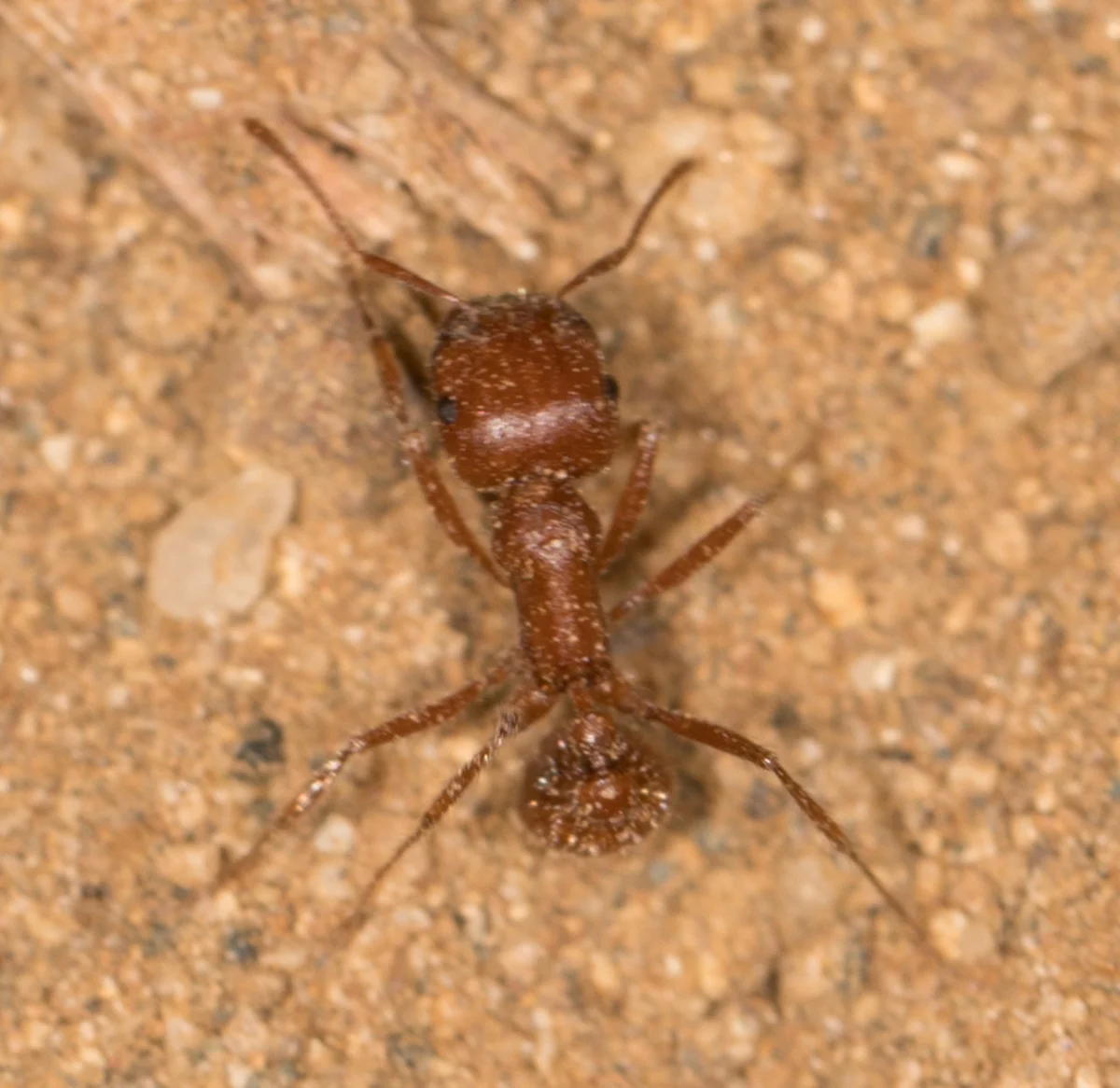
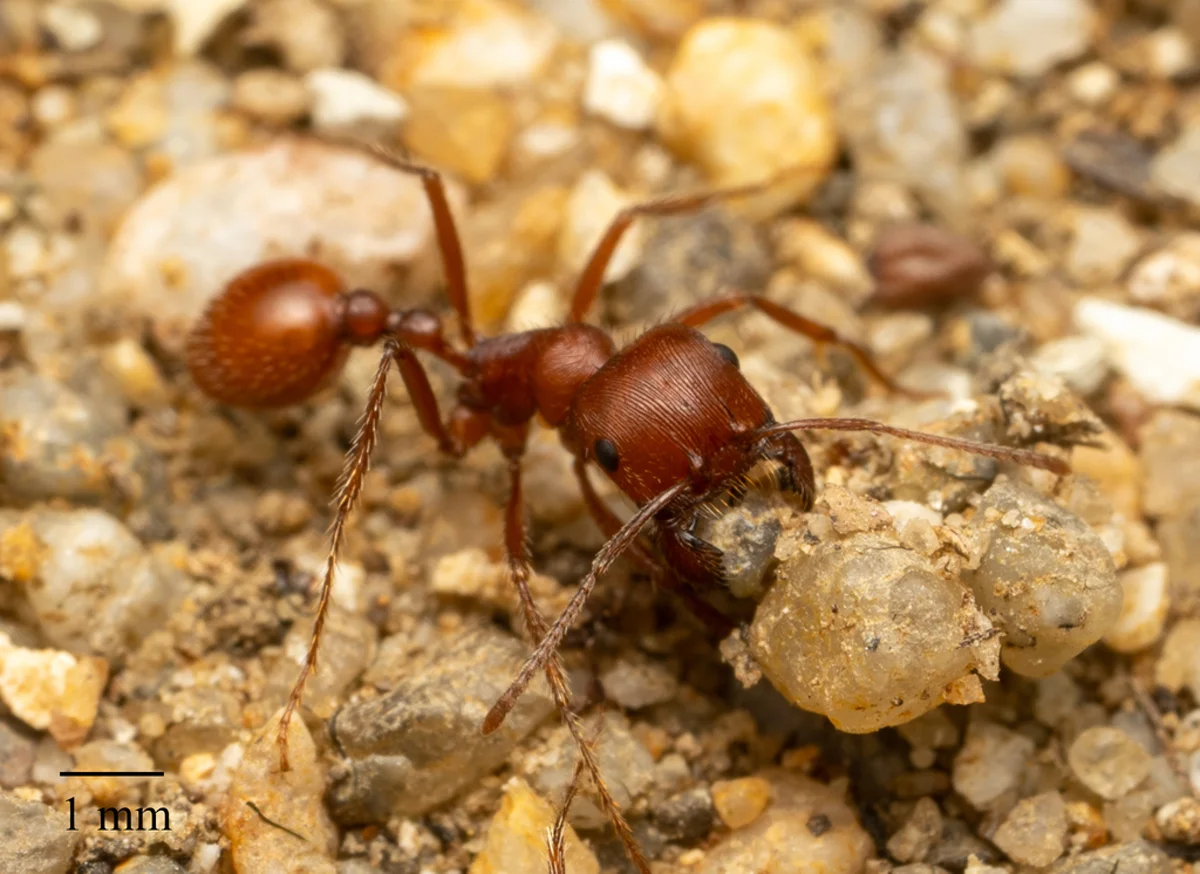

Where Harvester Ants Are Found
Hover over states to see their names. Green regions indicate where harvester ants have been reported.
Harvester Ant Identification Guide
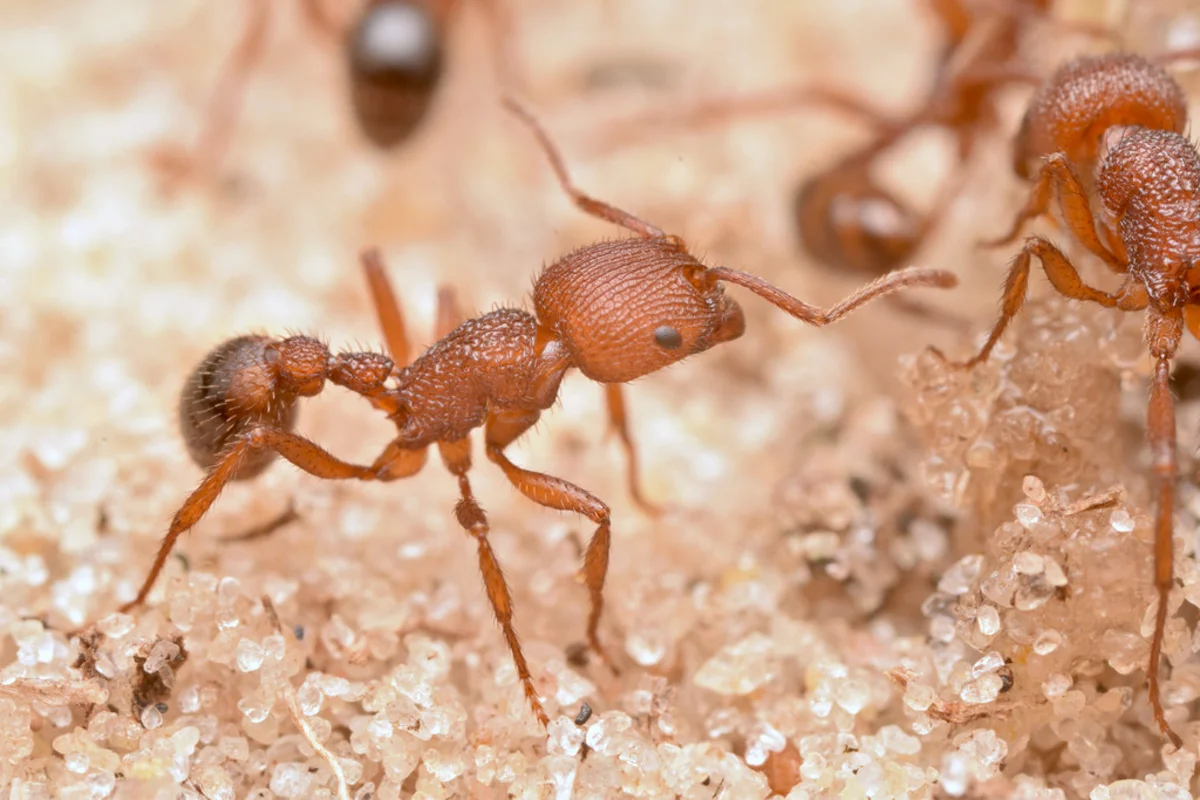
Harvester ants (Pogonomyrmex species) are large ants that collect seeds as their main food source. They live in the dry regions of western and southwestern North America. The name Pogonomyrmex means “bearded ant” in Greek. This refers to the tuft of long hairs under their heads that they use to carry sand and soil.
These ants build deep underground nests and can survive in hot, dry places. They are not usually aggressive, but they have powerful stings. When colonies set up near homes, schools, or parks, they can become a problem that needs treatment.
Physical Characteristics
Harvester ants are among the largest ants in North America. Workers measure 6 to 12 mm (about 1/4 to 1/2 inch) long. Queens are even bigger. Unlike many ant species, all workers in a colony are about the same size.
Key features to look for:
- Beard of hairs: Long hairs under the head (called a psammophore) used for carrying sand
- Color: Bright red, reddish-brown, or black depending on the species
- Large square head: Strong jaws made for cracking seeds
- Two-node waist: The narrow section between the body and abdomen has two bumps
- Thorax spines: Some species have small spines on the middle body section
- Antennae: 12 segments with a club-shaped tip
Queens are much larger than workers and have a thicker thorax. During mating season, winged males and queens fly from the colony to mate. In the Southwest, these flights often happen after summer monsoon rains.
Common North American Species
Several harvester ant species live across North America. Here are the most common ones:
Red Harvester Ant (Pogonomyrmex barbatus): The most widespread species, found from Texas to California. Bright reddish-brown color. Creates large cleared areas around nest entrances.
Western Harvester Ant (Pogonomyrmex occidentalis): Common in the Great Plains and mountain West. Reddish-brown and prefers grassland areas. Known for long foraging trails.
California Harvester Ant (Pogonomyrmex californicus): Found in California and nearby states. Smaller than other species with tan to light brown color.
Rough Harvester Ant (Pogonomyrmex rugosus): Lives in the Sonoran and Chihuahuan deserts. Dark reddish-brown to black.
Maricopa Harvester Ant (Pogonomyrmex maricopa): Found in Arizona, New Mexico, and northern Mexico. Has one of the most potent venoms of any insect. Lab studies show about 12 stings can kill a small mammal.
Nest Characteristics
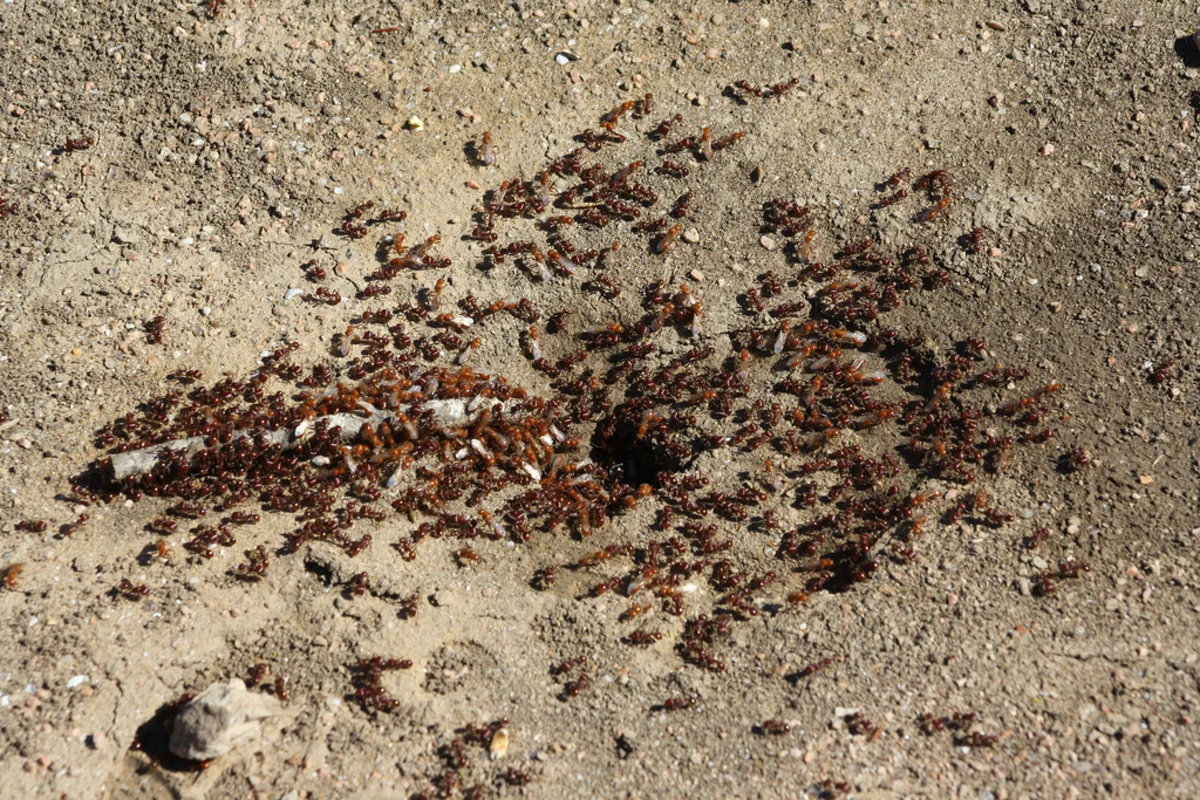
Harvester ant nests are easy to spot because of the cleared circle around the entrance. This bare area can extend 1 to 6 feet or more across. The ants remove all plants to create this space. It stands out clearly in grass and desert areas.
Nest features include:
- Central entrance: A single opening or small mound
- Cleared disc: Bare soil around the entrance that workers maintain
- Gravel ring: Some species place small pebbles in a ring around the cleared area
- Deep tunnels: Can extend 10 to 15 feet underground
- Multiple chambers: Separate rooms for raising young, storing seeds, and housing the queen
Underground, the nest has a tunnel system connecting many chambers. Seed storage rooms can hold thousands of seeds sorted by type. The depth of the nest helps control temperature and moisture. This is important for survival in hot, dry areas.
Species Commonly Confused with Harvester Ants
Because of their size and color, harvester ants are sometimes mistaken for other ants:
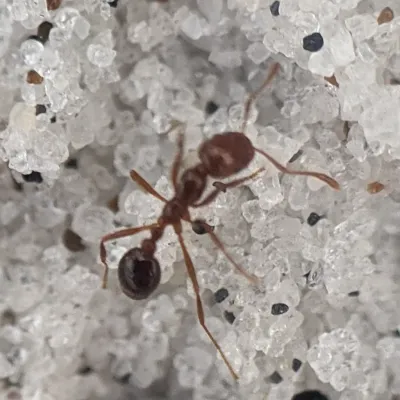
- Fire ants (Solenopsis species): Much smaller (2-6 mm) and lack the beard of hairs. Build dome-shaped mounds instead of cleared discs. More aggressive and sting many times.
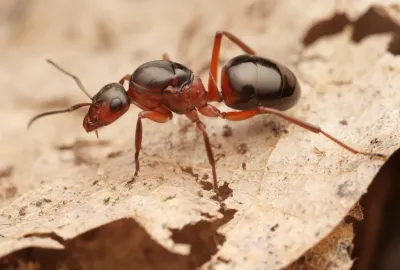
- Field ants (Formica species): Similar size but no beard of hairs. Eat a wider variety of foods. Do not clear vegetation around nests.
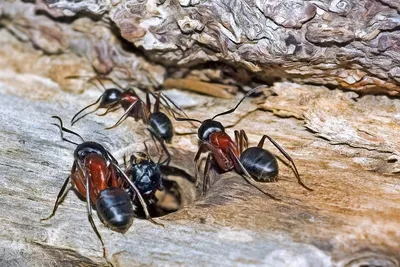
- Carpenter ants (Camponotus species): Similar size but have a smooth, rounded thorax. Nest in wood, not soil. A related species, Allegheny Mound Ants, shares similar characteristics.
Harvester Ant Behavior and Biology A related species, Velvety Tree Ants, shares similar characteristics.
Harvester ants have complex social behaviors. Scientists have studied them for years to learn about how they work together and survive in harsh conditions. A related species, Cornfield Ants, shares similar characteristics.
Colony Structure and Lifecycle A related species, Odorous House Ants, shares similar characteristics.
Each colony starts with a single mated queen after a mating flight. According to Stanford University’s Deborah Gordon Laboratory, new queens must survive for weeks without food. They raise their first workers using stored body fat. Most new queens fail, so new colonies are rare.
Colony growth is slow compared to other ants:
- Year 1-2: Colony has only a few dozen workers and stays mostly underground
- Year 3-5: Colony grows to several hundred workers and the cleared disc becomes visible
- Year 5-10: Colony reaches several thousand workers and starts producing new queens and males
- Year 10+: Mature colony has 10,000-30,000 workers
Queens can live 15 to 30 years. This makes harvester ant colonies some of the longest-lived of any ant species. The whole colony depends on one queen. When she dies, the colony will eventually die too.
Foraging Behavior
Harvester ants mainly eat seeds. This seed-based diet affects how they behave and where they live.
How they forage:
- Clear trails: Workers follow set paths that spread out from the nest
- Active at cool times: They forage mostly in the morning and late afternoon to avoid midday heat
- Seed preferences: Different species prefer different types of seeds
- Strong carriers: Workers can carry seeds several times their own weight
- Chemical signals: Foragers leave scent trails to guide other workers to food sources
Inside the nest, workers remove seed husks and sort seeds into storage rooms. Some seeds sprout slightly before being eaten, which makes them easier to digest. Some seeds escape and grow near the nest mound.
Stinging Behavior and Venom
Harvester ants have powerful stings that rank among the most painful of any North American insect. The Schmidt Pain Index rates their stings as 3 out of 4. The pain is described as “bold and unrelenting” and can last 4 to 8 hours.
Their venom is different from other stinging ants:
- Protein-based: Unlike fire ant venom, harvester ant venom uses proteins that cause intense pain
- Breaks down blood cells: The venom can damage red blood cells
- Allergic reactions: Some people may have severe allergic responses
- Defense only: Stings are used mainly against predators and threats to the nest
The Maricopa harvester ant (P. maricopa) has one of the most toxic venoms of any insect. However, these ants only sting when their nest is disturbed or when handled.
This information is for education only. If you have a severe reaction to a harvester ant sting, seek medical help right away. Always talk to a doctor for medical advice.
Ecological Role
Harvester ants play a role in desert and grassland ecosystems. Their activities affect plant growth, soil health, and other animals.
What they do in the environment (learn about how different ant species behave):
- Move seeds: They carry seeds away from plants, and some seeds grow in soil near nests
- Improve soil: Their tunneling helps water soak into the ground and roots grow
- Cycle nutrients: Organic matter builds up around nests, making the soil richer
- Feed other animals: Some animals, especially horned lizards, eat harvester ants
The Texas horned lizard (Phrynosoma cornutum) relies on harvester ants as food. As harvester ant numbers drop due to habitat loss, horned lizard populations have also declined.
Treatment Methods for Harvester Ants
Harvester ant control is often needed when colonies establish in high-traffic areas. This includes playgrounds, sports fields, yards, and areas near building foundations. Their painful stings and the large bare patches they create around nests make them a concern for homeowners and property managers.
Individual Mound Treatments
Treating single colonies can work well when nests are in problem areas:
- Granular baits: Products with slow-acting insecticides that workers carry back to the colony. Apply when ants are actively foraging for best results.
- Liquid drenches: Poured directly onto the nest entrance and nearby area. Large amounts may be needed to reach deep chambers.
- Dust products: Can reach deep into nest tunnels. Work best in dry weather.
Harvester ant colonies are deep and long-lived, so treatments may need to be repeated. The queen lives 10 to 15 feet underground, making her hard to reach with contact products.
Baiting Strategies
Baits are often the best approach because workers carry treated materials into the colony:
- Protein baits: Though harvester ants mainly eat seeds, they also eat dead insects and may take protein baits
- Seed-based baits: Products made with seeds may be more attractive to these ants
- Timing: Apply when ants are foraging, usually early morning or late afternoon
- Keep it fresh: Replace baits that get wet or old
Spreading bait over large areas is not usually needed for harvester ants since colonies are spaced far apart.
Prevention and Habitat Changes
You can make areas less attractive to harvester ants:
- Keep plants dense: Thick plant cover discourages colonies since ants prefer open, sunny spots
- Water the area: Regular watering creates conditions these desert ants do not like
- Use barriers: Gravel or pavement can stop nest building in certain spots
- Find them early: Removing small, new colonies is easier than treating large, established ones
In areas where harvester ants are common, getting rid of every colony may not be realistic. Focus treatment on high-use areas while leaving colonies in less important spots alone.
Where Harvester Ants Live
Harvester ants are mostly western species. They live in dry and semi-dry regions of North America. About 25 species of Pogonomyrmex live in the United States, with the most variety in the Southwest.
Where each species is found:
| Species | Main Range | Preferred Habitat |
|---|---|---|
| Red Harvester Ant | TX to CA, north to KS | Desert grasslands, open shrublands |
| Western Harvester Ant | Great Plains, mountain West | Grasslands, sagebrush areas |
| California Harvester Ant | CA, NV, AZ | Coastal scrub, chaparral edges |
| Rough Harvester Ant | AZ, NM, west TX | Sonoran and Chihuahuan deserts |
| Maricopa Harvester Ant | AZ, southern NM | Desert flats, sandy soils |
Climate limits where harvester ants can live. They need warm, dry conditions. They cannot survive in areas with long freezing winters or heavy rainfall. Their eastern limit is roughly the 100th meridian, where enough rain falls to support thick vegetation that blocks them out.
References and Further Reading
- Stanford University - Gordon Laboratory - Research on harvester ant behavior, ecology, and collective organization
- University of Arizona - Harvester Ants - Detailed management and identification information
- Texas A&M AgriLife Extension - Management recommendations and identification guides for Texas species
- Encyclopedia of Life - Pogonomyrmex - Species information and distribution data
Other Ants
Explore other species in the ants family
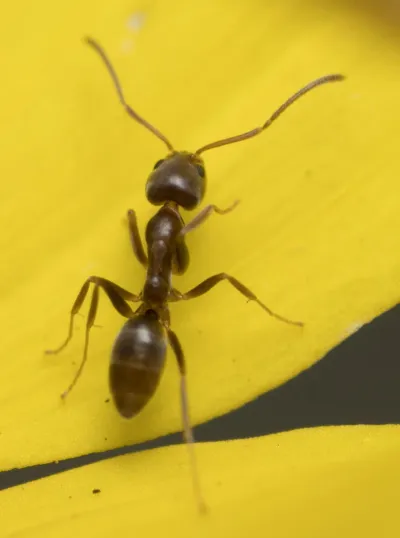
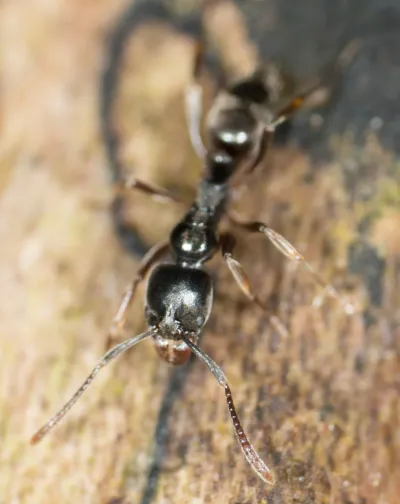
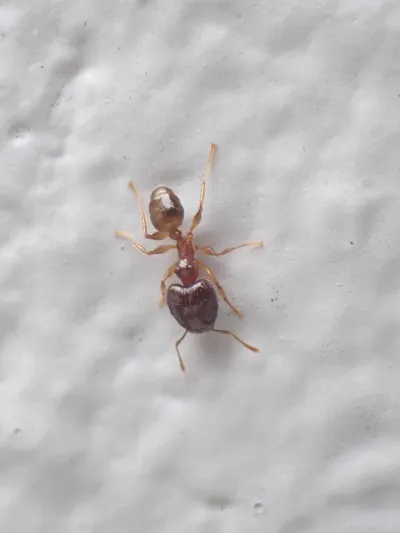
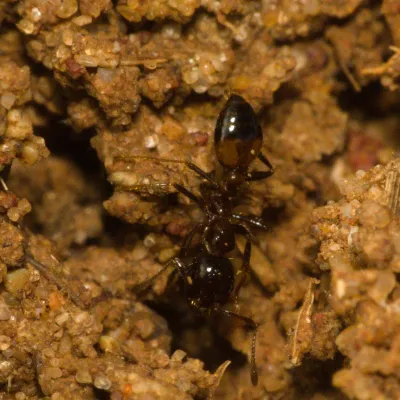
Commonly Confused With
Harvester Ants are often mistaken for these similar pests
Where Harvester Ants Are Found
Hover over states to see their names. Green regions indicate where harvester ants have been reported.
Common Questions about Harvester Ants
How can I identify harvester ants?
+
Harvester ants are among the largest ants in North America. They measure 6 to 12 mm long. They have a 'beard' of long hairs under their head used for carrying sand. Colors range from red to brown to black. Look for large bare circles around nest holes, often 1 to 6 feet wide.
Are harvester ants dangerous?
+
Yes, harvester ants have painful stings. Their venom can cause strong pain, swelling, and sometimes allergic reactions. They are not aggressive unless you disturb their nest.
What do harvester ants eat?
+
Harvester ants collect seeds from grasses and flowers. They store seeds in rooms underground. They also eat dead bugs when they find them. One colony can gather thousands of seeds each day.
Where do harvester ants build their nests?
+
They build deep nests in open, sunny spots with dry soil. Nests can go 10 to 15 feet down. The clearest sign is a bare patch around the entrance where ants remove all plants.
How large are harvester ant colonies?
+
Full-grown colonies have 10,000 to 30,000 workers. Queens can live 15 to 30 years. It takes 5 to 10 years for a colony to fully mature.
Do harvester ants cause damage to yards?
+
Harvester ants clear all plants around their nest holes. These bare spots can be 1 to 6 feet wide. Their deep tunnels can also disturb the soil. Nests near buildings or gardens may need treatment.
When are harvester ants most active?
+
They are most active from late spring to early fall. They come out in the morning and late afternoon to avoid midday heat. Peak activity is when temps are between 70 and 90 degrees.
How do I get rid of harvester ants in my yard?
+
Treat each mound directly with bait products. Workers carry baits down to the queen. Since nests are deep, baits work better than sprays. Call a pest control pro for tough cases near busy areas.

With five years of hands-on experience in the pest control industry, George Schulz is a registered technician with the Virginia Pest Management Association and a proud third-generation professional in a family business that's been protecting homes for over 57 years. He manages and trains a team of service pros while also leading internal research efforts—recently spearheading a deep-dive review of thousands of documents on pest control materials to hand-pick the most kid and pet friendly, most effective solutions tailored specifically for homes in the DC metro area.