Citronella Ants Identification Guide
Lasius (Acanthomyops) spp.
Citronella ants are yellow to reddish-brown subterranean ants named for the lemon-like odor they release when crushed. They typically nest underground and are often mistaken for termites when their winged reproductives swarm indoors during late summer and fall.
Taxonomy
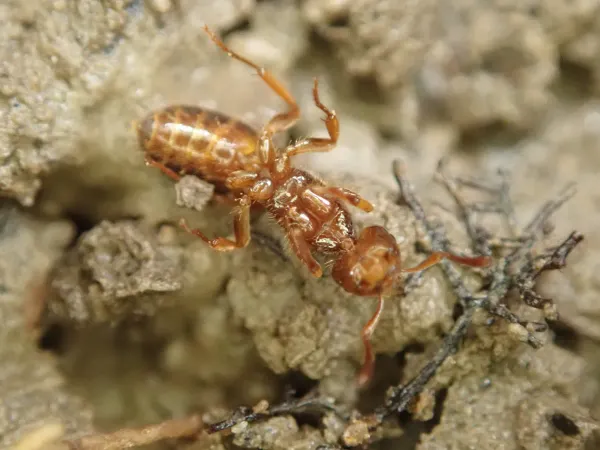
Citronella Ants Coloration
Common color patterns to help identify citronella ants
Citronella Ants
Seasonal Activity
When citronella ants are most active throughout the year
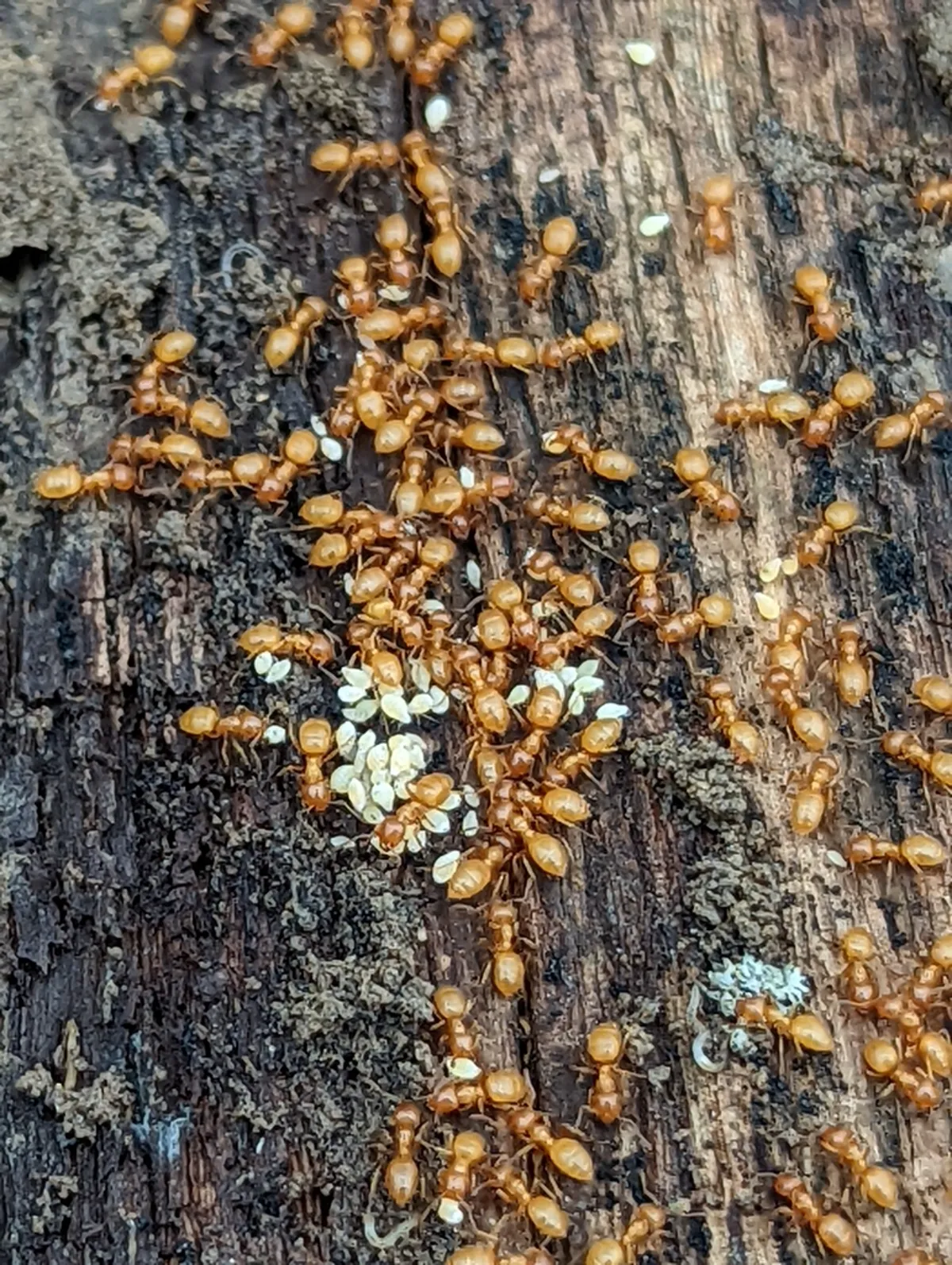
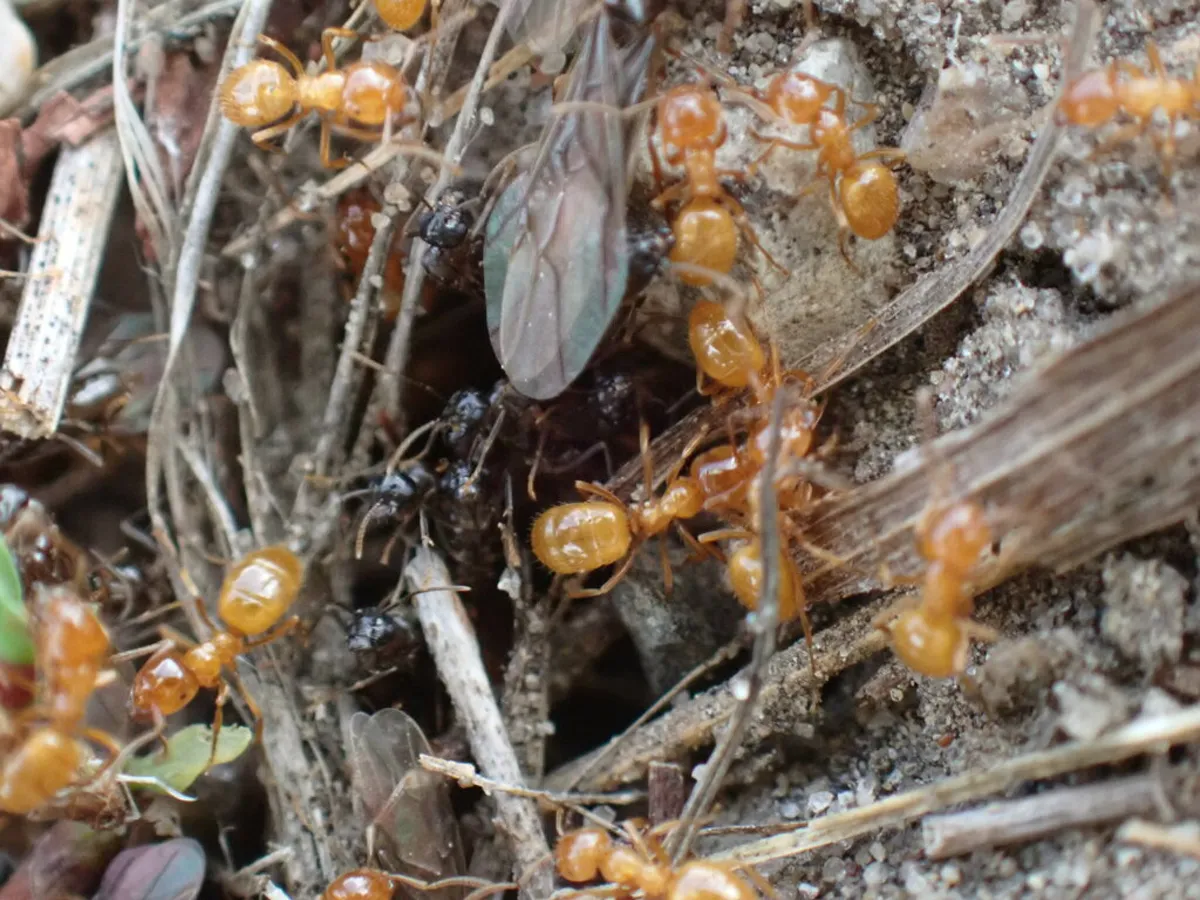
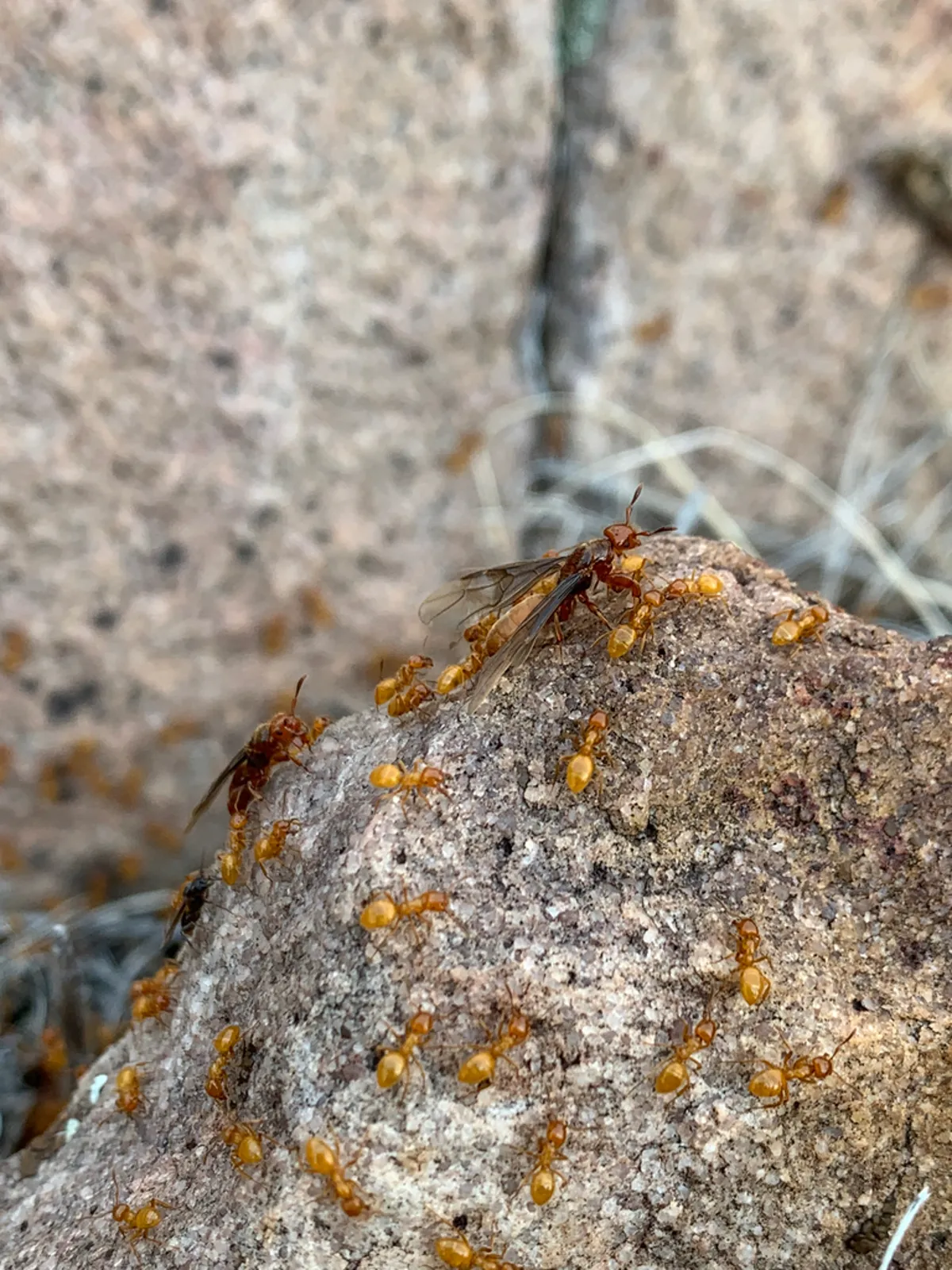

Where Citronella Ants Are Found
Hover over states to see their names. Green regions indicate where citronella ants have been reported.
Citronella Ants Identification Guide
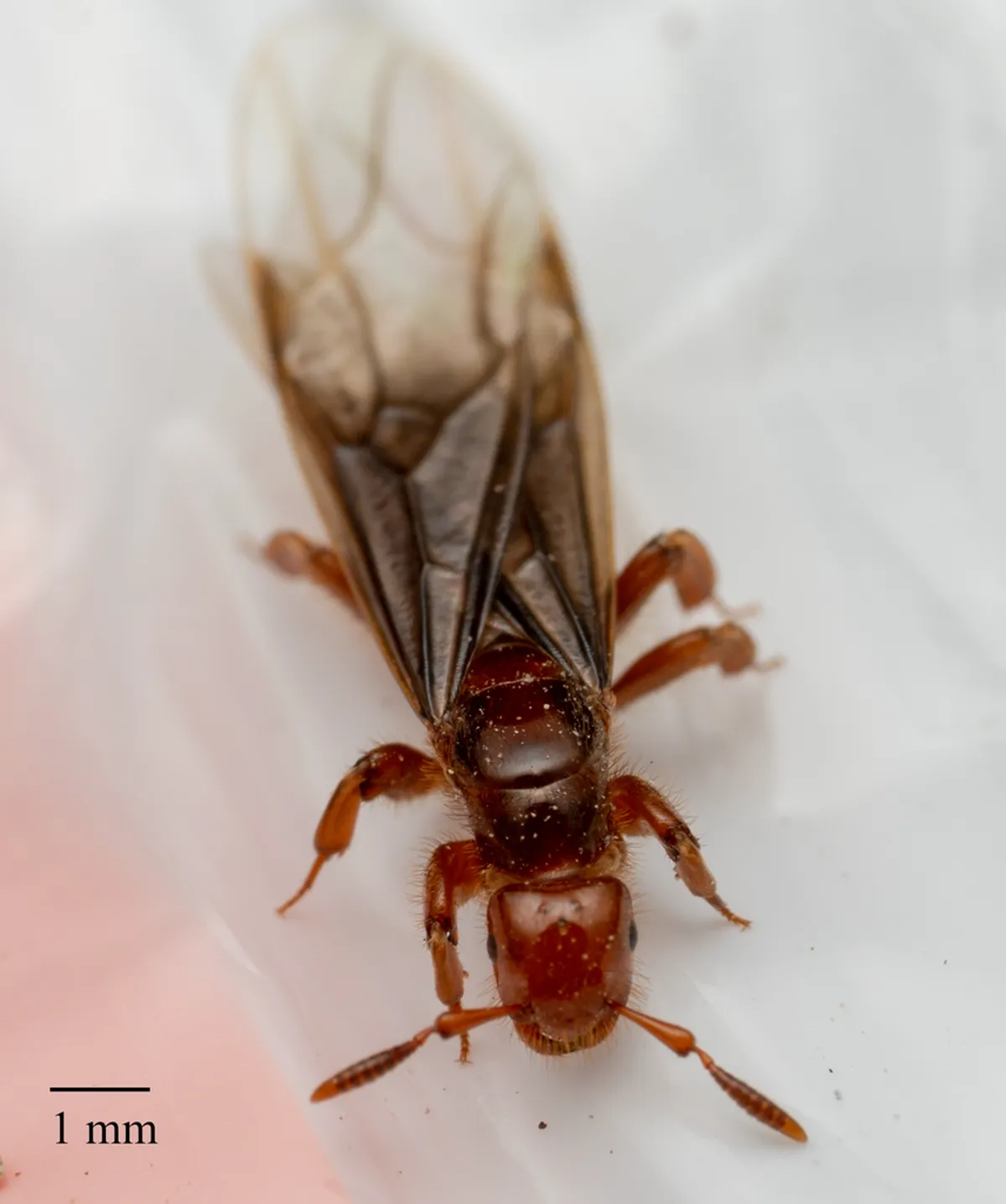
Citronella ants get their name from the distinctive lemon-like odor they release when disturbed or crushed. In the DC Metro area, these yellow to reddish-brown ants are most often noticed during late summer and fall when winged reproductives swarm inside homes. They’re frequently mistaken for termites, which understandably causes alarm for homeowners.
The good news: citronella ants are primarily nuisance pests. They don’t eat wood like carpenter ants, damage structures, or contaminate food. The bad news: their presence often indicates moisture problems, and indoor swarms can be unsettling when hundreds of winged ants suddenly appear near your windows.
Physical Characteristics
Citronella ants are larger than many common household ants. Workers measure 4-6 mm (about 3/16 inch), while queens can reach 8 mm (about 5/16 inch). Their most distinctive features include:
- Color: Pale yellow to golden yellow, sometimes reddish-brown
- Body: Single petiole node (the bump between thorax and abdomen), typical ant body shape
- Antennae: 12-segmented, elbowed
- Odor: Strong lemon or citronella scent when crushed
Winged reproductives (alates) are larger than workers and have two pairs of wings. The front wings are noticeably longer than the hind wings, which helps distinguish them from termite swarmers that have wings of equal length.
Common Species in North America
Several species fall under the “citronella ant” label, all belonging to the subgenus Acanthomyops within Lasius:
- Larger Yellow Ant (Lasius interjectus) - Found throughout the eastern U.S. from New England to Florida, west to the Rocky Mountains
- Smaller Yellow Ant (Lasius claviger) - Common from southern New England to Minnesota, south to Kansas and Florida
- Nearctic Citronella Ant (Lasius nearcticus) - Found in forested areas from southeastern Canada through the Appalachians
All share the characteristic citronella odor and subterranean nesting habits. Our ant identification chart can help distinguish these species from other common ants.
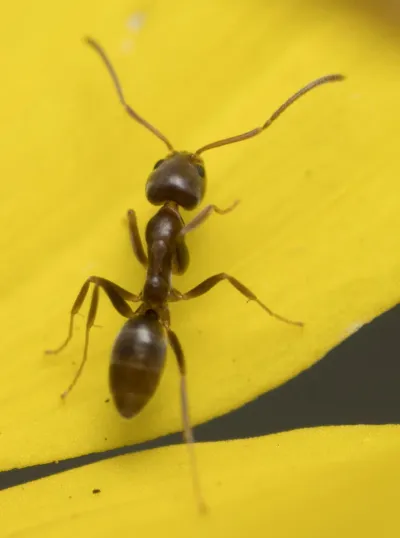
Another yellow, soil-nesting ant commonly confused with citronella ants is the Cornfield Ant (Lasius neoniger). Cornfield ants are smaller (2-4 mm versus 4-8 mm for citronella ants) and light to dark brown rather than bright yellow. They build small crater-like mounds in lawns and sidewalk cracks. The easiest way to tell them apart is the crush test: citronella ants produce a strong lemon scent, while cornfield ants do not.
Citronella Ants Behavior and Biology
Understanding citronella ant biology helps explain why they behave differently from the sugar ants and pavement ants that most homeowners are familiar with.
Subterranean Lifestyle
Citronella ants are almost exclusively subterranean. Unlike other pest ants that forage visibly along baseboards and countertops, citronella ant workers spend most of their lives underground. They nest in soil under rocks, logs, stumps, and landscaping timbers. In developed areas, they commonly nest under concrete slabs, foundations, and in crawl spaces.
This underground lifestyle is why homeowners often don’t know they have citronella ants until a swarm occurs. There are no visible trails or foraging workers to tip you off.
Unique Feeding Habits
Here’s what makes citronella ants unusual: unlike pharaoh ants or sugar ants that raid kitchens, citronella ants don’t forage for human food. Instead, they “farm” root-feeding aphids and mealybugs underground, feeding on the sweet honeydew these insects produce. Worker ants tend and protect these aphid colonies much like dairy farmers tend their herds.
This is why ant baits designed for sugar-seeking or protein-seeking ants typically don’t work on citronella ants. The workers simply aren’t interested in the bait.
Seasonal Swarming
Citronella ant colonies produce winged reproductives (queens and males) for mating flights. In the Mid-Atlantic region, including Northern Virginia, DC, and Maryland, swarms typically occur during late ant season from late summer through fall:
- August-October: Peak swarming season
- September: Most intense swarming activity
- Late afternoon to evening: Swarms often emerge on warm, humid days
When colonies nest under or near structures, these swarms can occur indoors. Hundreds of winged ants suddenly appear, usually near windows or light sources. This is often the first sign that a colony exists nearby. If you see flying ants in your house, identifying whether they are citronella ants or termites is an important first step.
Colony Structure
Like other ants, citronella ant colonies have a queen (sometimes multiple queens), workers, and brood (eggs, larvae, pupae). Colony sizes vary by species but can contain thousands of workers. The colonies are typically found:
- Under concrete slabs and patios
- In soil near foundations
- Under landscaping features (mulch, rocks, timbers)
- In crawl spaces with moisture problems
- In rotting or moist wood
How to Distinguish Citronella Ants from Termites
This is the most common identification question we get during swarming season. Both insects produce winged reproductives that swarm around the same time, and a quick glance can make them look similar. Here’s how to tell them apart:
| Feature | Citronella Ant | Termite |
|---|---|---|
| Waist | Pinched, clearly segmented | Broad, no pinched waist |
| Antennae | Elbowed, bent at angle | Straight, bead-like |
| Wings | Front wings longer than hind wings | All four wings equal length |
| Wing attachment | Wings firmly attached | Wings break off easily |
| Color | Yellow to reddish-brown | Pale brown to black |
| Odor when crushed | Lemon/citronella scent | No distinctive odor |
If you’re unsure, collect a few specimens in a plastic bag and give us a call. Our technicians can quickly identify what you’re dealing with.
How We Treat for Citronella Ants
Our approach to citronella ants differs from standard ant treatments because of their unique biology. Traditional baiting strategies don’t work well since these ants don’t forage for typical food sources.
Inspection and Assessment
A licensed technician starts by inspecting your home to locate potential nest sites. We check:
- Foundation perimeter for soil mounds or excavation evidence
- Concrete slabs and expansion joints where ants may emerge
- Crawl spaces for moisture issues and nesting activity
- Interior entry points where swarmers are entering
- Moisture conditions that may be attracting colonies
The inspection helps us understand where the colony is located and what conditions are supporting it.
Treatment Approach
For citronella ants, we focus on:
- Crack and crevice treatment using non-repellent insecticides applied to entry points and voids where ants travel
- Perimeter treatment around the foundation to intercept workers and foragers
- Targeted soil treatment near identified nest areas when accessible
- Moisture recommendations to address conducive conditions
Since citronella ants are social creatures, non-repellent products work by spreading through the population. Workers that contact treated surfaces carry the material back to the colony, where it spreads through contact and grooming.
Addressing the Root Cause
Citronella ants are attracted to areas with moisture and organic matter. We advise customers on addressing:
- Water drainage issues near foundations
- Leaky pipes or condensation in crawl spaces
- Decaying wood or landscaping materials against the home
- Dense mulch or ground cover near the foundation
Correcting these conditions makes your property less attractive to new colonies. For more tips, see our guide on how to keep ants away.
Ongoing Protection
Tri-annual maintenance visits reinforce the barrier around your home and catch any new activity before it becomes a problem. If you see citronella ant swarms or activity between visits, we’ll return at no extra cost as part of our Better Promise.
When to Call a Professional
Consider professional treatment if:
- You’re seeing repeated indoor swarms of winged ants
- You’ve confirmed the ants are citronella ants (yellow color, lemon odor)
- DIY treatments haven’t resolved the problem
- You need help distinguishing between ants and termites
Citronella ant colonies under slabs or deep in soil are difficult to reach with over-the-counter products. Professional treatments can target these hidden nests more effectively.
Sources
- Penn State Extension. “Citronella Ants.” Penn State College of Agricultural Sciences.
- AntWiki. “Lasius (Acanthomyops).” AntWiki - Bringing Ants to the World.
- University of Minnesota Extension. “Ants.” University of Minnesota.
- Iowa State University Extension. “Ant Baits for Small Household Ants.” Iowa State University.
Other Ants
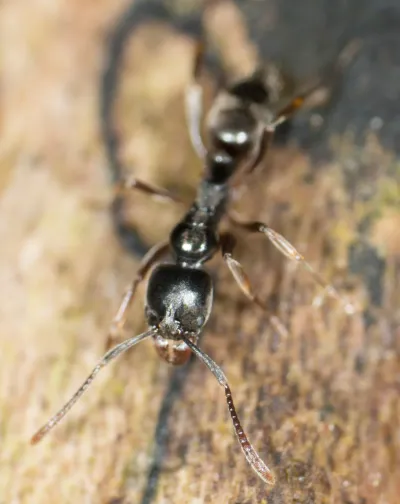
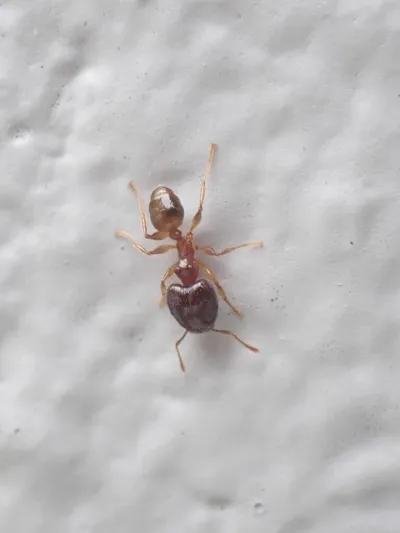
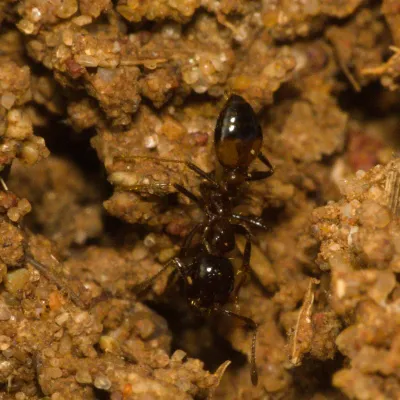
Explore other species in the ants family
Commonly Confused With
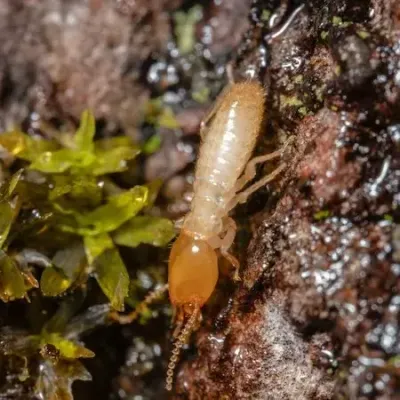
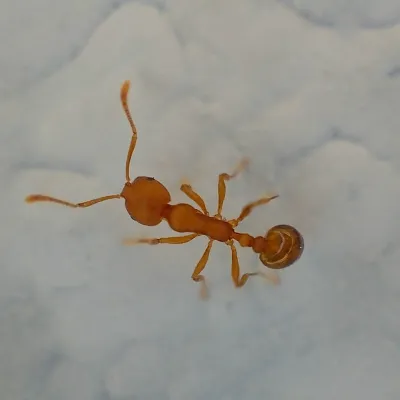
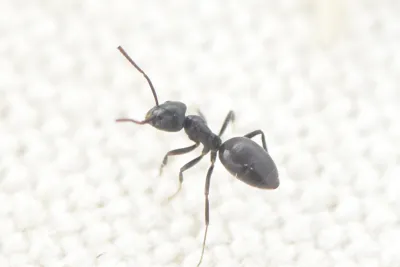
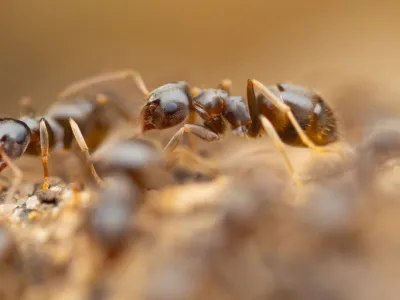
Citronella Ants are often mistaken for these similar pests
Where Citronella Ants Are Found
Hover over states to see their names. Green regions indicate where citronella ants have been reported.
Common Questions about Citronella Ants
Why do citronella ants smell like lemons?
+
Citronella ants produce citronellol and related compounds in their mandibular and Dufour glands. When disturbed or crushed, they release this chemical as a defense mechanism, creating a distinctive lemon or citronella-like odor. This smell is actually the easiest way to identify these ants in the field.
Are citronella ants the same as termites?
+
No, but they're commonly confused. Citronella ant swarmers and termite swarmers both appear around the same time and look similar at first glance. The key differences: citronella ants have a pinched waist, elbowed antennae, and unequal wing lengths. Termites have straight, bead-like antennae, no pinched waist, and wings of equal length that break off easily.
Do citronella ants damage my home?
+
Citronella ants are primarily nuisance pests and don't eat wood like termites or carpenter ants. However, they may nest in moist or decaying wood, so their presence can indicate moisture problems that should be addressed. They don't typically cause structural damage themselves.
Why am I seeing winged ants inside my house?
+
Citronella ant swarmers often emerge from nests under slabs, in crawl spaces, or in wall voids during late summer through fall. They're attracted to light, so you may see them near windows. A swarm indoors usually means a colony is nesting nearby, possibly under your foundation or in moisture-damaged areas.
What do citronella ants eat?
+
Unlike most household ants, citronella ants don't forage for human food. They feed almost exclusively on honeydew produced by root-feeding aphids and mealybugs that they tend underground. This is why you rarely see worker ants foraging on counters or in food storage areas.
When do citronella ants swarm?
+
In the Mid-Atlantic region, citronella ant swarms typically occur from August through October, with peak activity in September. Some swarms may occur earlier if colonies are nesting in heated areas under slabs. Swarms often happen after rain when humidity is high.
How do you get rid of citronella ants?
+
Because citronella ants nest deep underground or under slabs, they can be difficult to control with DIY methods. Professional treatment involves locating nest sites, treating entry points, and addressing moisture issues that attract them. We use non-repellent products that workers carry back to the colony.
Will citronella ants come back after treatment?
+
With proper treatment that targets the colony source and addresses conducive conditions like moisture problems, citronella ants can be eliminated. Tri-annual maintenance treatments (three visits per year) help prevent new colonies from establishing. If you see activity between visits, we'll return at no extra cost.

With five years of hands-on experience in the pest control industry, George Schulz is a registered technician with the Virginia Pest Management Association and a proud third-generation professional in a family business that's been protecting homes for over 57 years. He manages and trains a team of service pros while also leading internal research efforts—recently spearheading a deep-dive review of thousands of documents on pest control materials to hand-pick the most kid and pet friendly, most effective solutions tailored specifically for homes in the DC metro area.