Carpenter Ants Identification Guide
Camponotus pennsylvanicus
Carpenter ants are large black ants that excavate wood to build their nests, causing structural damage to homes. Unlike termites, they don't eat wood but hollow it out to create galleries for their colonies. The eastern black carpenter ant is the most common species in eastern North America.
Taxonomy
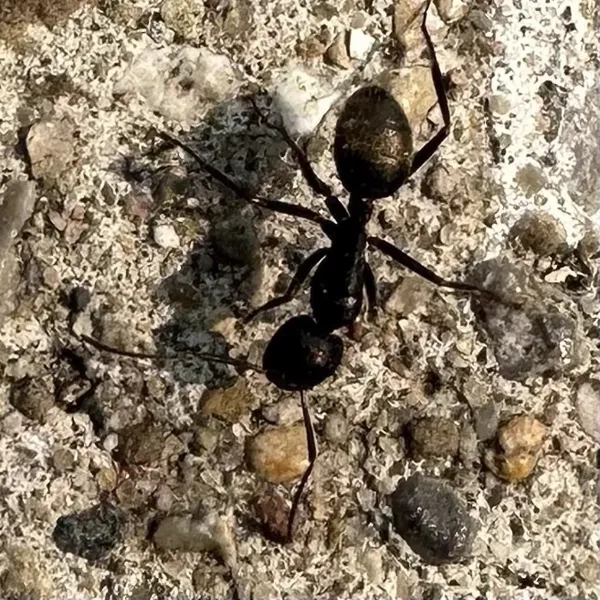
Carpenter Ants Coloration
Common color patterns to help identify carpenter ants
Carpenter Ants
Seasonal Activity
When carpenter ants are most active throughout the year
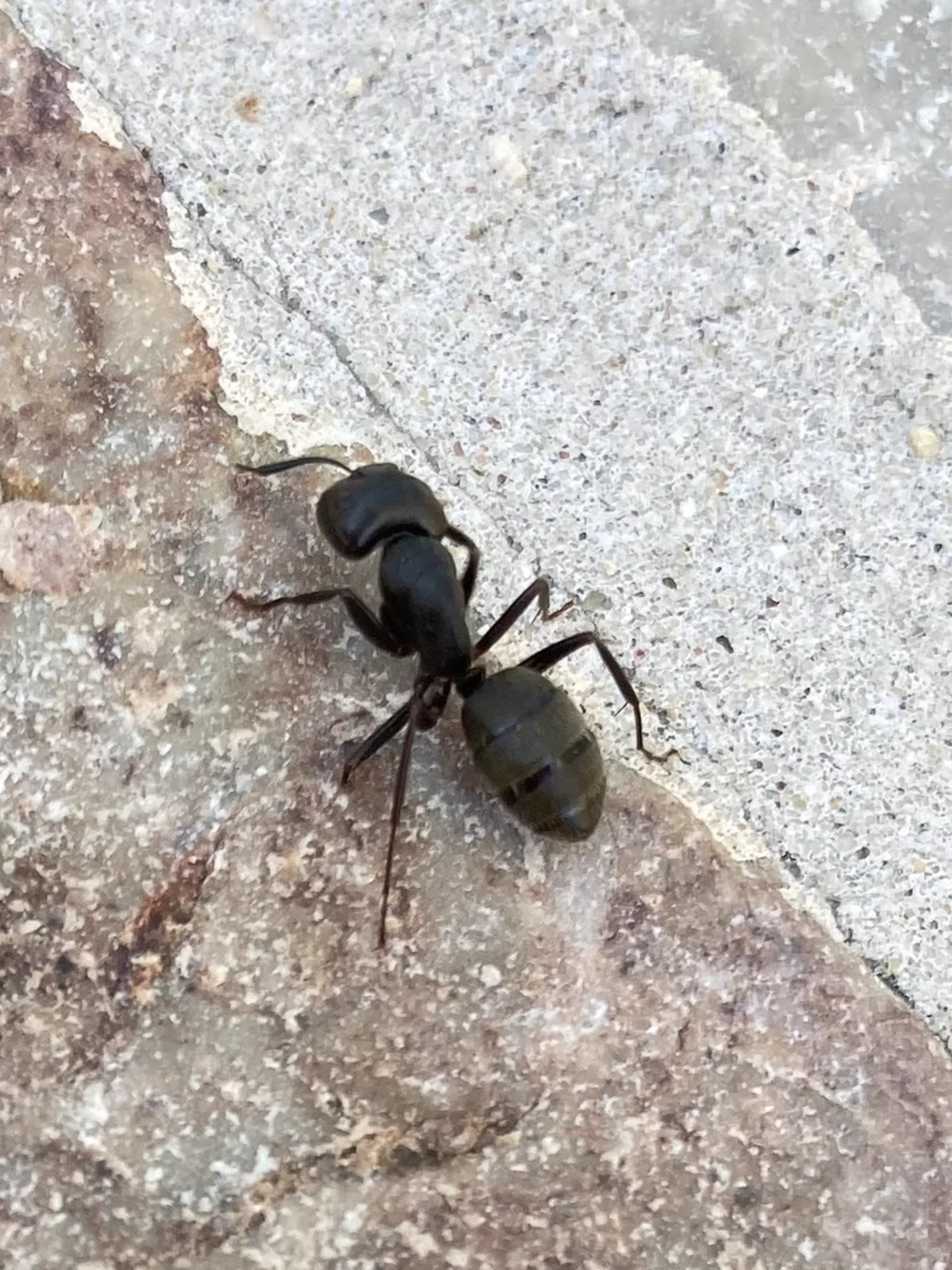
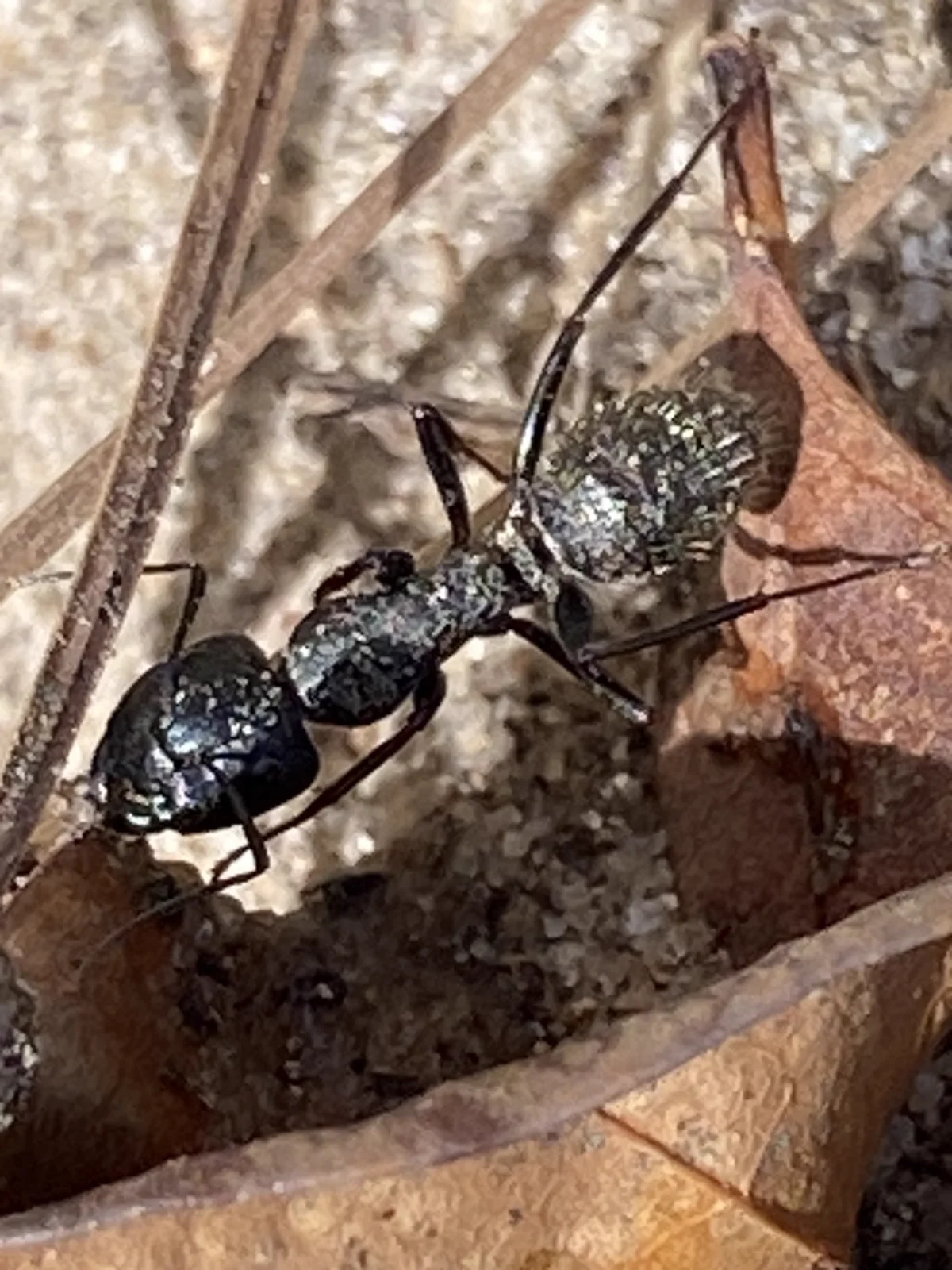
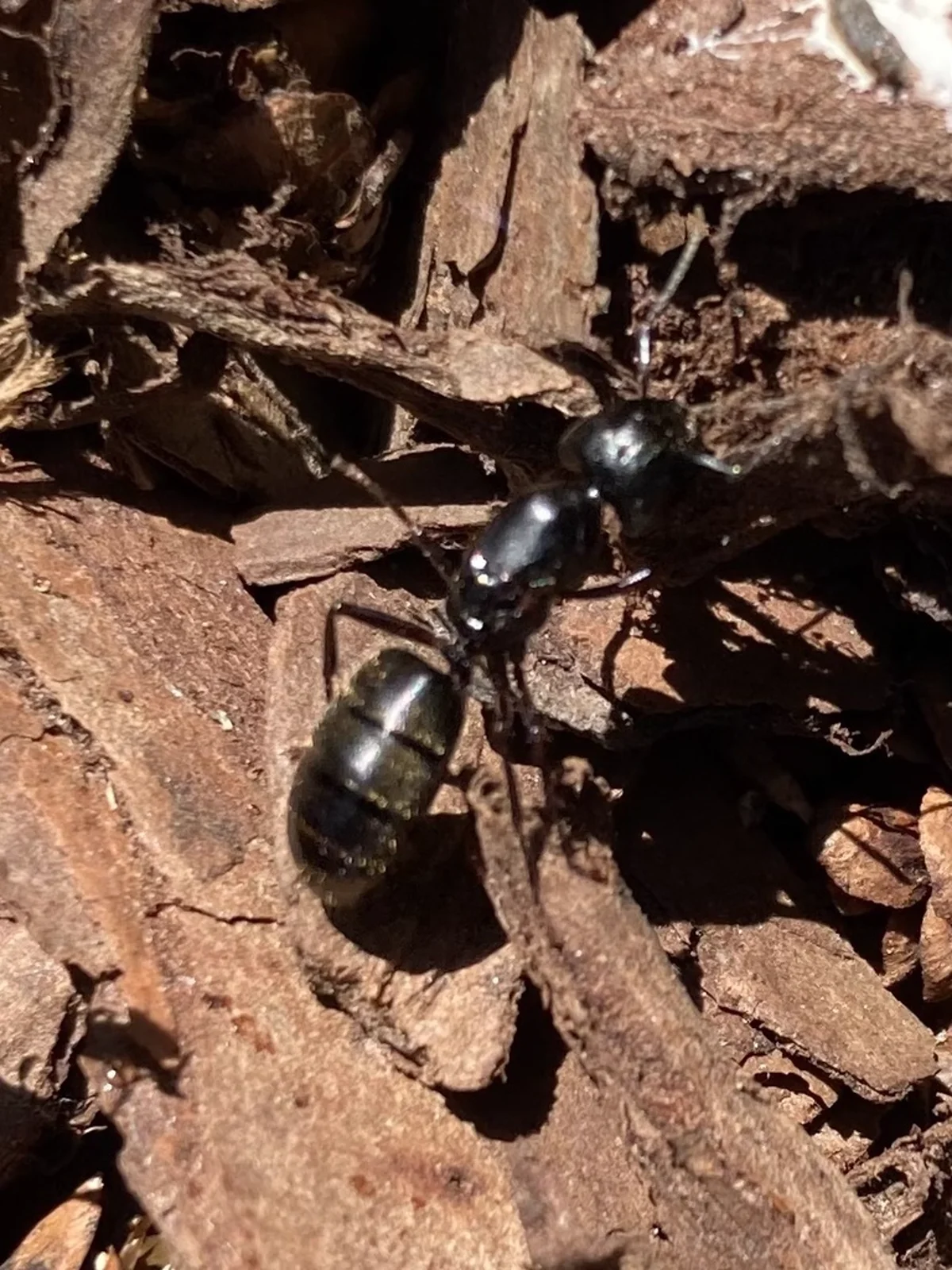

Where Carpenter Ants Are Found
Hover over states to see their names. Green regions indicate where carpenter ants have been reported.
Carpenter Ant Identification Guide
Carpenter ants (Camponotus species) are among the largest ants in North America. The eastern black carpenter ant (Camponotus pennsylvanicus) is the most common species found in homes across the eastern United States. This includes Virginia, Maryland, and DC. Their large size and habit of tunneling through wood makes them a serious pest.
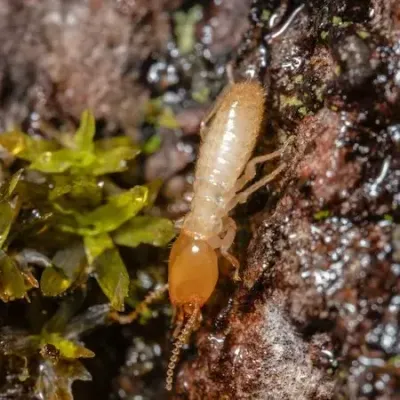
Unlike termites, carpenter ants do not eat wood. Instead, they chew tunnels inside wood to create living space for their colonies. The chewed-up material, called frass, looks like coarse sawdust. You may find frass piles near nest openings. This is a key difference from termites, which actually eat wood as food.
Physical Characteristics
Carpenter ants are noticeably large. Workers range from 6 to 13 mm (about 1/4 to 1/2 inch) long. You may see different sizes within the same colony. The queen can grow to 20 mm or more. Their large size alone often sets them apart from other household ants.
Key features to look for:
- Large size: Workers measure 6-13 mm, much larger than most household ants
- Single node petiole: One rounded segment connects the thorax to the abdomen
- Rounded thorax: From the side, the thorax forms a smooth curve
- Heart-shaped head: Most noticeable in larger workers
- Elbowed antennae: 12 segments with a distinct bend
- Circle of hairs: Fine hairs around the tip of the abdomen (visible under magnification)
Color varies by species. The eastern black carpenter ant is primarily black with possible reddish or yellowish coloring on the legs and thorax. Other species may be entirely black, red and black bicolored, or brown.
Carpenter Ants vs. Termites
Many homeowners confuse carpenter ants with termites because both damage wood. Here’s how to tell them apart:
| Feature | Carpenter Ants | Termites |
|---|---|---|
| Waist | Narrow, pinched | Thick, no constriction |
| Antennae | Elbowed (bent) | Straight, beaded |
| Wings (swarmers) | Front wings longer than hind wings | All four wings equal length |
| Wood galleries | Smooth, clean, follow grain | Rough, packed with mud |
| Frass | Coarse sawdust piles | No sawdust; grainy droppings |
| Visibility | Often seen foraging | Rarely seen (avoid light) |
If you’re unsure which pest you have, contact us for a free inspection. Correct identification is essential for effective treatment.
Species in North America
Several carpenter ant species live throughout North America:
- Eastern black carpenter ant (Camponotus pennsylvanicus): The most common species in eastern states. Black body, sometimes with reddish legs.
- Western black carpenter ant (Camponotus modoc): Found in the Pacific Northwest and western states.
- Florida carpenter ant (Camponotus floridanus): Red and black coloring. Common in southeastern states.
- Red carpenter ant (Camponotus chromaiodes): Red and black. Often confused with the eastern black carpenter ant.
In our service area, Camponotus pennsylvanicus accounts for the vast majority of carpenter ant infestations.
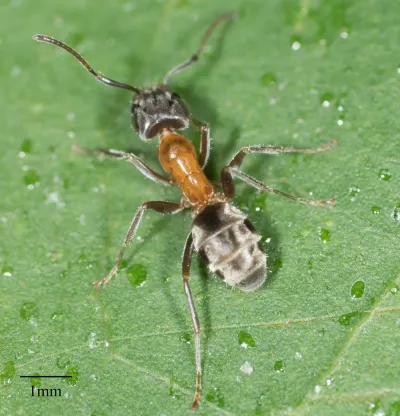
Another wood-nesting ant sometimes confused with carpenter ants is the Velvety Tree Ant (Liometopum occidentale). These ants are similar in size and also excavate wood for nesting, but they have a distinctive velvety black abdomen and produce a strong odor when crushed. Velvety tree ants are more common in western states, while carpenter ants dominate the eastern U.S.
Carpenter Ant Behavior and Biology
Learning how carpenter ants live helps explain why they enter homes and how to get rid of them.
Colony Structure
A mature carpenter ant colony can hold 10,000 to 50,000 workers. Most colonies have 10,000-20,000 ants. It takes 3-6 years for a colony to fully mature and start producing winged ants called swarmers.
Colony members include:
- Queen: The only female that lays eggs. Queens can live 15-25 years.
- Major workers: Large ants with strong jaws for chewing wood.
- Minor workers: Smaller ants that search for food and care for young.
- Males: Produced only for mating. They die soon after.
- Swarmers: Winged males and females that leave to start new colonies.
Parent Colonies vs. Satellite Nests
Carpenter ants establish two types of nests:
Parent colony: The main nest holds the queen, eggs, and young larvae. It needs moisture for eggs to develop. You find parent colonies in moist, rotting wood outdoors (stumps, logs, trees) or indoors in water-damaged areas.
Satellite nests: These secondary nests hold workers, older larvae, and pupae. They can exist in drier wood since they don’t house eggs. Several satellite nests may connect to one parent colony through foraging trails.
An infestation in your home may be a satellite nest linked to a parent colony in a nearby tree. If you have moisture problems, the parent colony itself may be inside your home. Good treatment must target all connected nests.
Nesting Preferences
Carpenter ants like to nest in wood that has been softened by moisture or rot. They usually won’t attack dry, solid wood at first. But they may spread into sound wood from an established nest.
Common indoor nesting sites include:
- Wood around leaky windows and door frames
- Under bathroom and kitchen fixtures
- Near dishwashers and plumbing leaks
- In roof areas affected by ice dams or leaks
- Where wood contacts soil (porches, deck supports)
- Inside hollow-core doors
- Within foam insulation panels
Outdoors, they nest in dead trees, stumps, landscape timbers, firewood, and buried wood debris. Trees with heart rot are particularly attractive.
Foraging and Diet
Carpenter ants mostly forage at night. Their activity peaks between sunset and midnight. They follow set trails that can extend 100 yards or more from the nest.
Their diet includes:
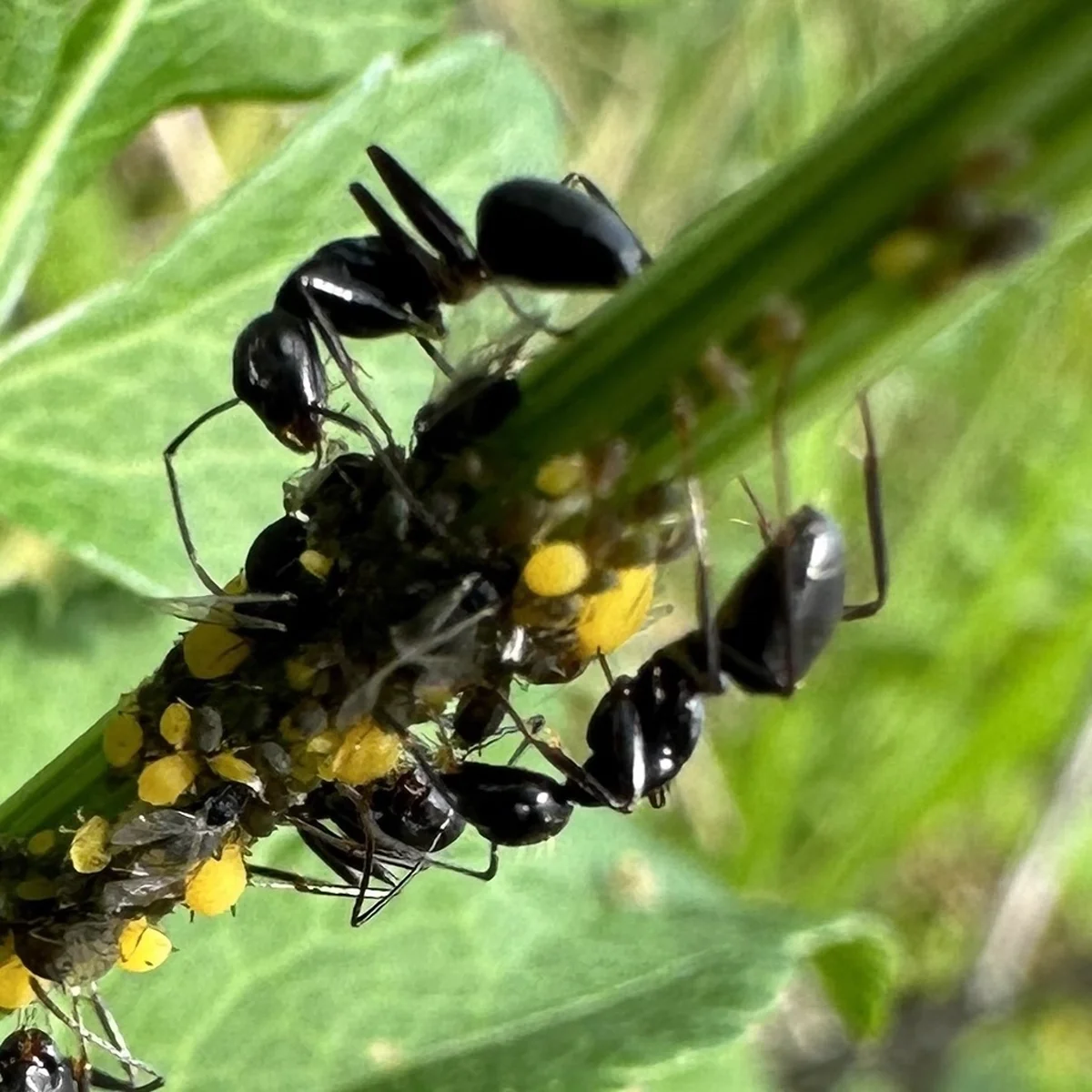
- Honeydew: Sweet liquid produced by aphids and scale insects. This is their main food source.
- Insects: Both living and dead insects give them protein.
- Plant sap and fruit juices
- Household foods: Sugars, syrups, meats, grease, and pet food
The ants caring for aphids in your garden may be from a colony nesting in your wall. Treating aphids and scale insects on plants near your home can help reduce carpenter ant numbers.
Life Cycle and Reproduction
Carpenter ant colonies follow an annual cycle:
Spring (April-June): Mature colonies produce swarmers during ant season. Winged ants come out on warm, humid days to mate. After mating, males die. Queens shed their wings and start new colonies.
Summer: The queen lays eggs that grow into workers over 6-12 weeks. Foraging activity is at its peak. Colonies expand their tunnels.
Fall: Activity slows down. Colonies get ready for winter by moving young ants deeper into the wood.
Winter: Outdoor colonies go dormant. Indoor colonies may stay active if the building is heated. This is why you might see ants foraging in winter.
Signs of Carpenter Ant Infestation
Finding carpenter ants early helps prevent serious damage. Watch for these signs of carpenter ant damage:
Frass (Sawdust Piles)
The clearest sign is frass buildup. As carpenter ants dig tunnels, they push debris out through small holes. This frass includes:
- Coarse wood shavings resembling sawdust
- Insect parts (legs, antennae, body fragments)
- Mixed debris from the colony
Look for frass piles below window sills, along baseboards, in attics, or in basements. Fresh frass means the ants are actively digging.
Visible Ants
Seeing large black ants inside, especially at night, suggests a nest nearby. One or two ants don’t always mean you have an infestation. But if you keep seeing them, it’s worth looking into. Finding winged ants indoors (swarmers) strongly suggests a colony is living in your home.
Rustling Sounds
Large colonies make sounds you can hear. Press your ear against a wall near a suspected nest. You may hear faint rustling as workers move through tunnels. Some people say it sounds like crinkling paper.
Wood Damage
Carpenter ant tunnels look different from termite damage. The tunnels are smooth and clean, following the wood grain. They often have a sandpaper-like feel. Unlike termite damage, there’s no mud or soil inside. You can see these tunnels in exposed wood or find them by poking with a screwdriver.
How We Treat for Carpenter Ants
Effective carpenter ant control requires finding and eliminating all nest sites, including satellite colonies. Ants are social insects that groom each other and share food. This means non-repellent products can spread through the entire colony when workers bring them back to the nest.
Initial Inspection
Our technician begins with a thorough inspection to:
- Identify all ant activity and foraging trails
- Locate nest sites (both indoor and outdoor)
- Assess moisture problems and conducive conditions
- Determine if damage requires repair
We check both inside and outside your home. We look at common nesting areas, entry points, and any water-damaged wood. Knowing the colony setup helps us plan the best treatment.
Treatment Approach
Interior treatment puts product into nest sites and along ant trails:
- Crack and crevice treatment: We apply non-repellent insecticide to wall voids, around window frames, below baseboards, and other hiding spots.
- Dust treatments: We inject dust into wall voids and tunnels where possible.
- Bait placement: We place gel baits along foraging trails. Ants carry the bait back to the colony.
Non-repellent products are key. If ants can detect a treatment, they avoid it and move somewhere else. Non-repellents spread through the colony as workers touch treated areas and then groom their nest mates. This way, the product reaches the queen.
Exterior treatment creates a protective barrier:
- Perimeter application: Non-repellent product around the foundation
- Nest treatment: Direct treatment of any outdoor parent colonies
- Tree and stump treatment: Treating nests found in landscape features
Addressing Conducive Conditions
Treatment alone gives only short-term relief if the conditions that attracted carpenter ants remain. We recommend:
- Repairing water leaks and moisture sources
- Improving ventilation in damp areas
- Correcting wood-to-soil contact
- Trimming vegetation away from the structure
- Removing dead wood and stumps near the home
- Storing firewood away from the house
Follow-Up and Prevention
Carpenter ant colonies don’t go away overnight. You may see more activity at first as ants run into treated areas. Activity should drop within 2-4 weeks. We schedule follow-up visits to:
- Verify treatment effectiveness
- Address any remaining activity
- Retreat as necessary
Our tri-annual service program provides ongoing protection with regular inspections and perimeter treatments. If carpenter ants return between visits, we come back at no additional charge.
Preventing Carpenter Ant Infestations
Prevention focuses on eliminating conditions that attract carpenter ants:
Moisture control
- Fix roof leaks promptly
- Repair plumbing leaks immediately
- Ensure gutters direct water away from the foundation
- Improve ventilation in crawl spaces and attics
- Use dehumidifiers in damp basements
Wood management
- Replace moisture-damaged or rotted wood
- Maintain at least 6 inches between soil and wood siding
- Keep firewood stored away from the house and elevated
- Remove dead trees, stumps, and wood debris from the yard
Structural maintenance
- Seal cracks and gaps around windows, doors, and utilities
- Install door sweeps and weather stripping
- Trim tree branches and shrubs away from the house
- Screen attic and crawl space vents
Landscape practices
- Treat aphid and scale infestations on plants near the house
- Replace wood landscape timbers with stone or plastic alternatives
- Keep mulch at least 12 inches from the foundation
References and Further Reading
For more information about carpenter ants, consult these authoritative resources:
- Penn State Extension: Carpenter Ants: Full guide to identification and control
- University of Minnesota Extension: Carpenter Ants: Biology and management details
- NPMA Pest Guide: Carpenter Ants: National Pest Management Association resource
- Virginia Cooperative Extension: Carpenter Ants: Info for Virginia homeowners
Other Ants
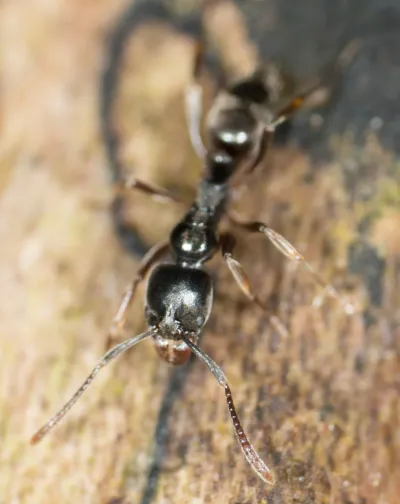
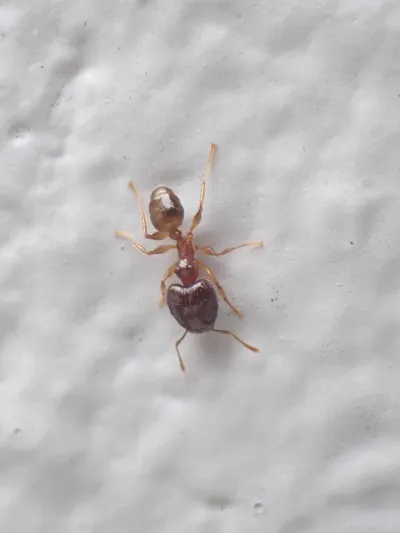
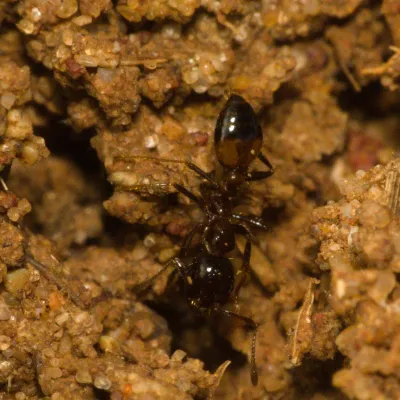
Explore other species in the ants family
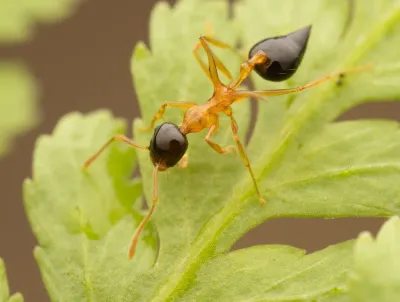
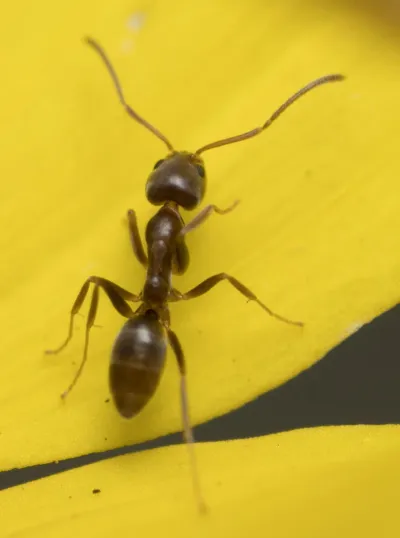
Commonly Confused With
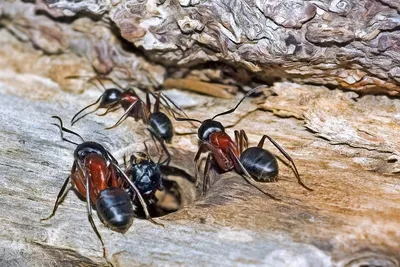
Carpenter Ants are often mistaken for these similar pests
Where Carpenter Ants Are Found
Hover over states to see their names. Green regions indicate where carpenter ants have been reported.
Common Questions about Carpenter Ants
Do carpenter ants eat wood like termites?
+
No, carpenter ants do not eat wood. They excavate galleries inside wood to create nesting space, pushing the debris out as sawdust-like frass. Termites actually consume wood as food. This is an important distinction because carpenter ant damage progresses differently than termite damage.
How do I know if I have carpenter ants or termites?
+
Carpenter ants leave behind piles of sawdust-like frass near their nests and create smooth, clean galleries in wood. Termites leave mud tubes on foundations, produce grainy droppings, and their galleries are rough with mud. Carpenter ants have a pinched waist and bent antennae; termites have straight antennae and thick waists.
What attracts carpenter ants to my home?
+
Carpenter ants are attracted to moisture-damaged wood, which is softer and easier to excavate. Leaky pipes, poor drainage, roof leaks, and wood-to-soil contact create conditions they favor. They also enter homes foraging for food, especially sweet substances and proteins.
Can carpenter ants cause structural damage?
+
Yes, carpenter ants can cause significant structural damage over time. While they work more slowly than termites, large colonies can hollow out support beams, wall studs, and floor joists. Damage is often hidden inside wood until it becomes severe, making early detection important.
Why do I see large winged ants in my house?
+
Large winged ants indoors are reproductive carpenter ants (swarmers) emerging to mate and start new colonies. Seeing them inside, especially in winter or early spring, strongly indicates an established colony living somewhere in your home's structure. This warrants professional inspection.
Where do carpenter ants nest inside homes?
+
Carpenter ants prefer areas with moisture damage: around leaky windows and doors, under bathroom fixtures, near dishwashers, in damp basement wood, and where roofing has allowed water intrusion. They also nest in hollow doors, foam insulation, and wall voids.
How long does it take to get rid of carpenter ants?
+
Professional treatment typically eliminates carpenter ant activity within 2-4 weeks. However, complete colony elimination may take longer for large, established colonies with satellite nests. Regular monitoring and follow-up treatments ensure the problem is fully resolved.
Do carpenter ants come back after treatment?
+
Without addressing the conditions that attracted them, carpenter ants may return. Fixing moisture problems, removing wood-to-soil contact, and trimming vegetation away from your home helps prevent reinfestation. Our ongoing pest control programs provide continued protection.

With five years of hands-on experience in the pest control industry, George Schulz is a registered technician with the Virginia Pest Management Association and a proud third-generation professional in a family business that's been protecting homes for over 57 years. He manages and trains a team of service pros while also leading internal research efforts—recently spearheading a deep-dive review of thousands of documents on pest control materials to hand-pick the most kid and pet friendly, most effective solutions tailored specifically for homes in the DC metro area.