Asian Needle Ants Identification Guide
Brachyponera chinensis
The Asian needle ant is an invasive species from East Asia that has established populations across the eastern United States. Unlike most pest ants, it thrives in both disturbed and natural forest environments. Its painful sting can cause severe allergic reactions in some people, making it a medical concern as well as an ecological threat.
Taxonomy
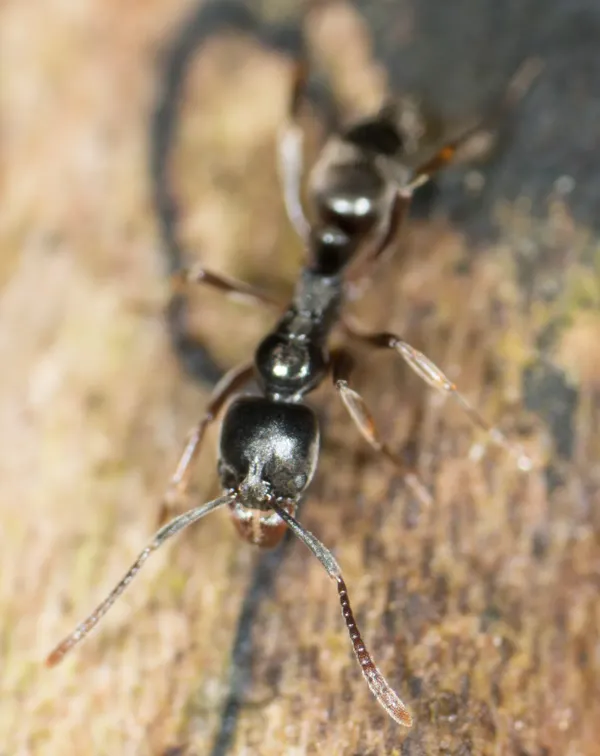
Asian Needle Ants Coloration
Common color patterns to help identify asian needle ants
Asian Needle Ants
Seasonal Activity
When asian needle ants are most active throughout the year
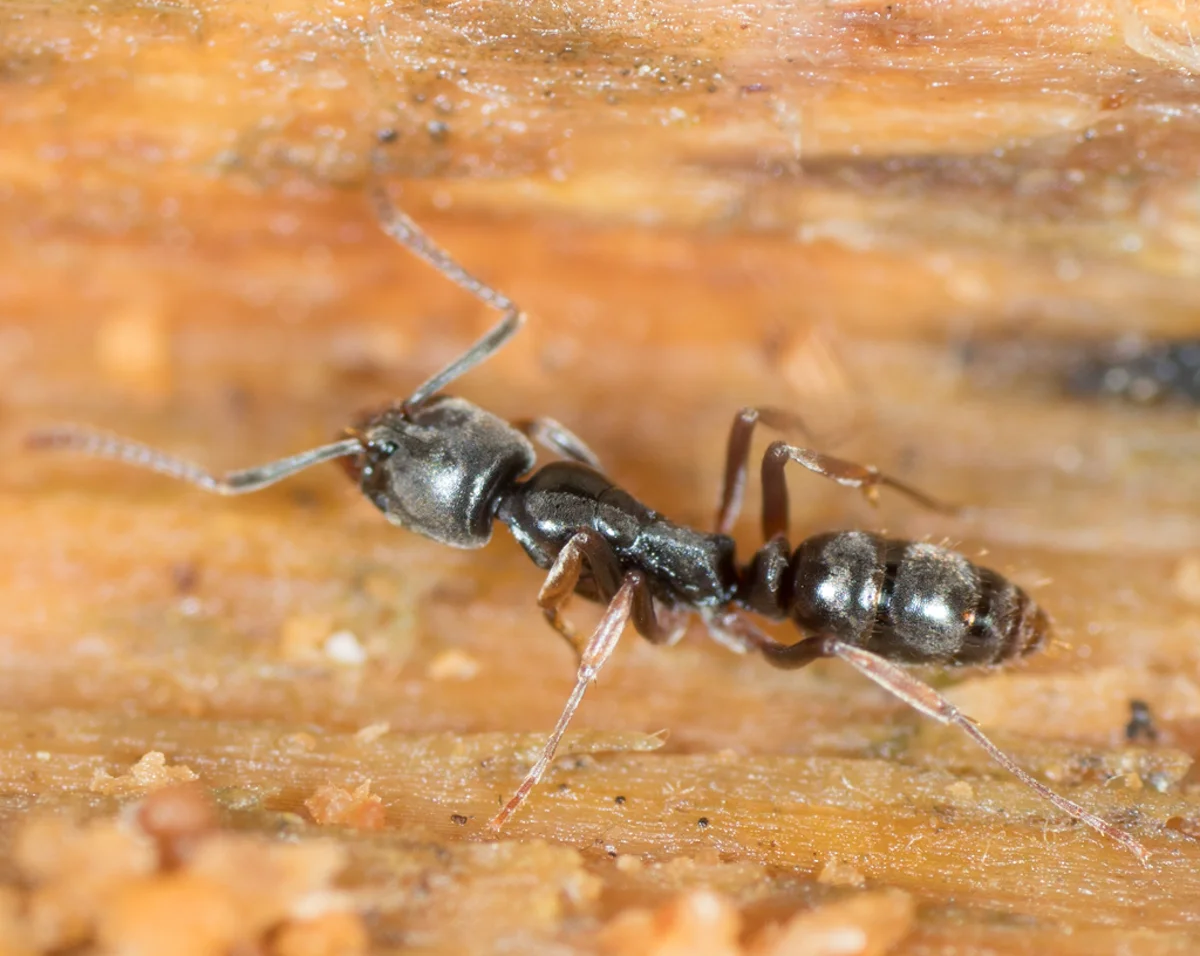
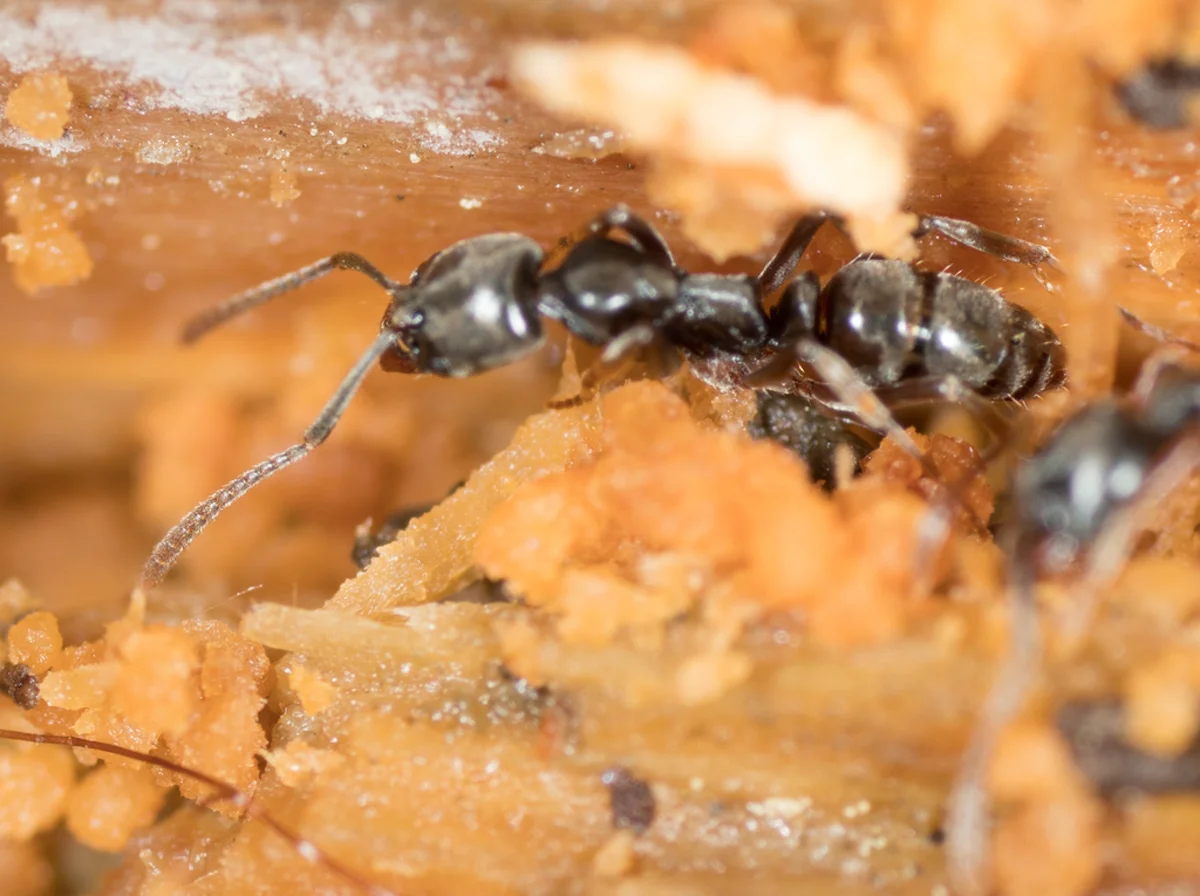
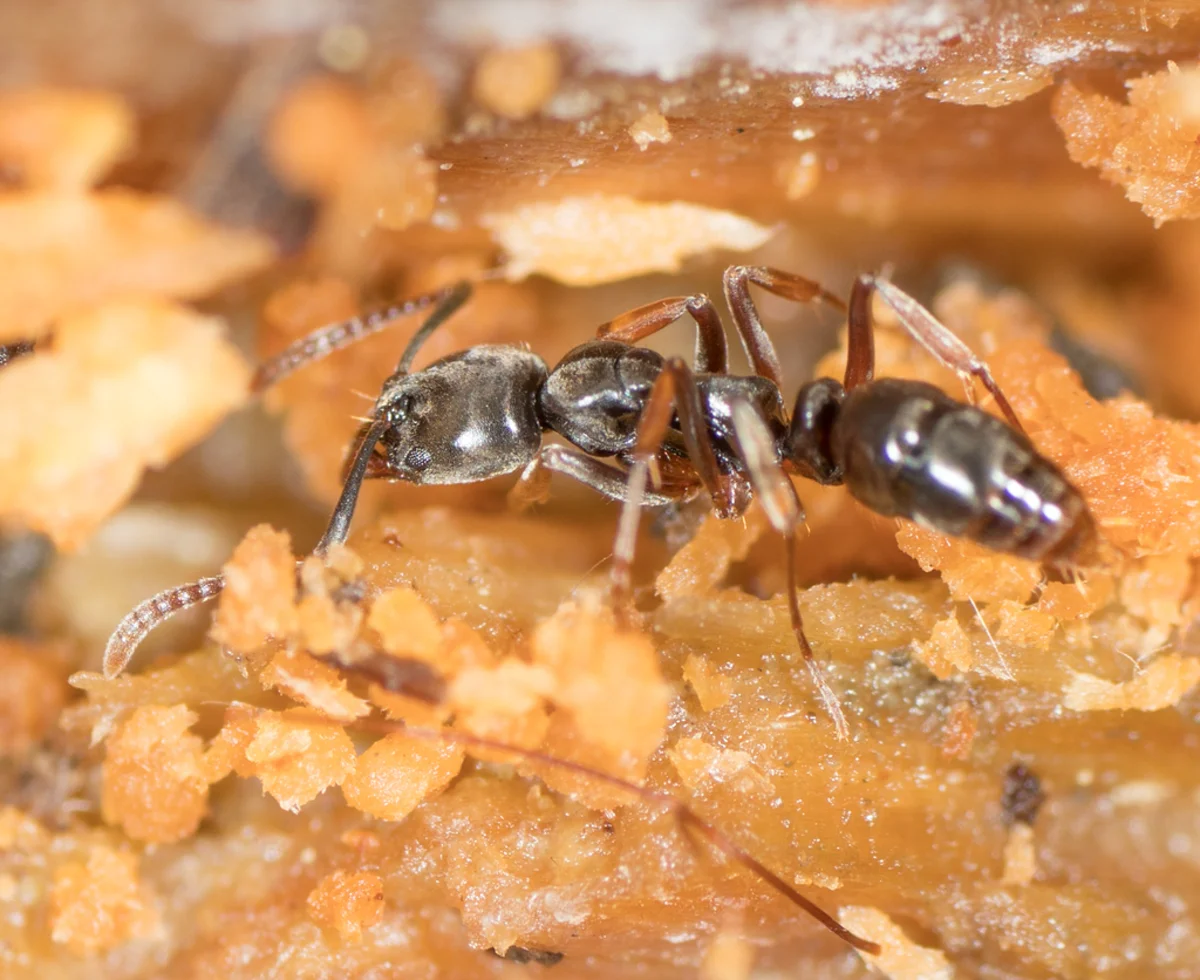

Where Asian Needle Ants Are Found
Hover over states to see their names. Green regions indicate where asian needle ants have been reported.
Asian Needle Ant Identification Guide
The Asian needle ant (Brachyponera chinensis) is an invasive ant that now lives across much of the eastern United States. It comes from East Asia and creates problems for both the environment and human health. What makes this ant different from other invasive ants is that it can live in natural forests, not just areas changed by people.
Scientists used to call this ant Pachycondyla chinensis. They changed the name to Brachyponera in 2014. You may see both names in older books and articles. The name “needle ant” comes from its large stinger, which it uses when it feels threatened.
Physical Characteristics
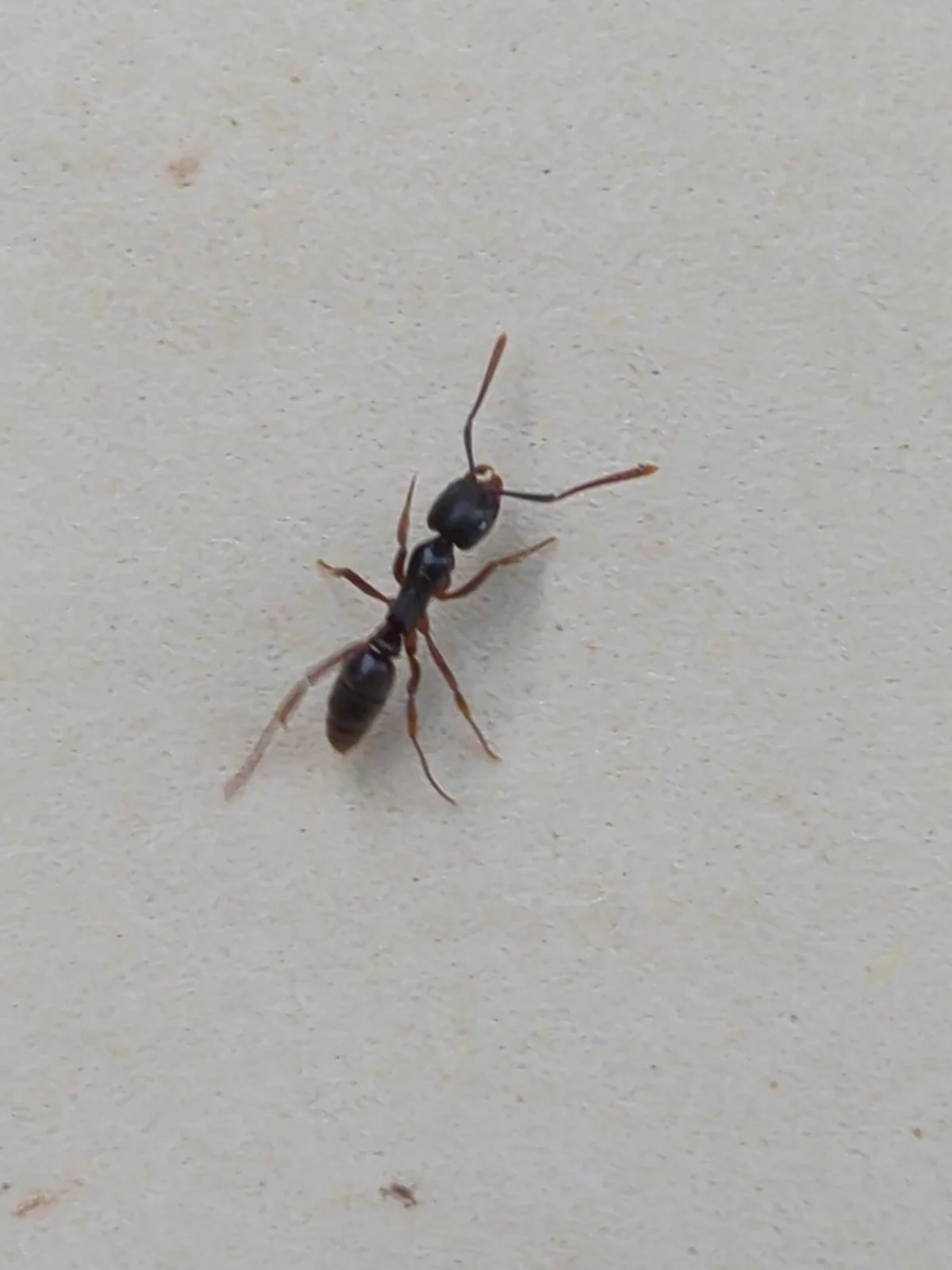
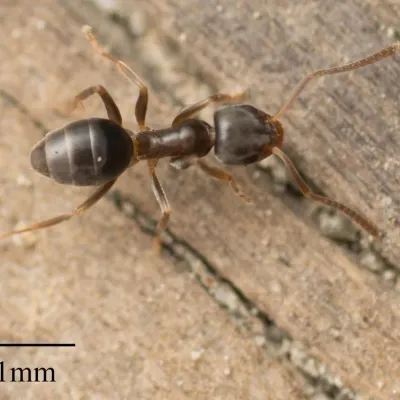
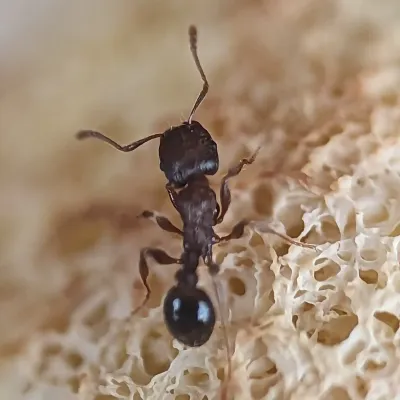
Asian needle ants are medium-sized, about 4-6 mm (roughly 3/16 inch) long. They have a long, narrow body shape that looks different from most household ants.
Key identification features include:
- Dark coloring: Body is dark brownish-black to black
- Orange-brown appendages: Mandibles (jaws) and legs show lighter orange-brown coloring
- Single petiole node: One segment connects the thorax to the abdomen
- Visible stinger: A conspicuous stinger extends from the tip of the abdomen
- Elongated body shape: More slender than most common ant species
- Smooth, shiny appearance: Less hairy than many other ant species
All the workers in a colony are about the same size. This is different from carpenter ants, which have both big and small workers.
Similar Species
Asian needle ants can be confused with several other dark-colored ants:
| Feature | Asian Needle Ant | Little Black Ant | Odorous House Ant |
|---|---|---|---|
| Size | 4-6 mm | 1.5-2 mm | 2.5-3 mm |
| Shape | Elongated, narrow | Compact | Compact |
| Stinger | Large, visible | Small, hidden | No functional sting |
| Color | Black with orange jaws | Jet black | Dark brown to black |
| Odor when crushed | None distinctive | None | Rotten coconut smell |
The Asian needle ant’s larger size and elongated body shape help distinguish it from these smaller, more compact species. If you’re uncertain about ant identification, contact us for a professional inspection.
Distribution in North America
Asian needle ants first appeared in the United States in the 1930s, arriving through international shipping. Since then, they have spread throughout the eastern states. Their current range extends from Florida to Massachusetts along the Atlantic coast and westward into Kentucky, Tennessee, Arkansas, and Louisiana. Isolated populations have been confirmed in Wisconsin and Washington state.
In 2025, researchers confirmed new populations in Louisiana, demonstrating the species’ continued range expansion. Climate modeling suggests their range may continue expanding as conditions allow.
Asian Needle Ant Behavior and Biology
Learning how Asian needle ants act helps explain why they cause so many problems.
Habitat Preferences
Most invasive ants only live in places changed by people. Asian needle ants are different. They can thrive in both yards and wild forests. This makes them a bigger threat to native wildlife.
Asian needle ants prefer:
- Cool, moist, shaded environments
- Ground nests beneath stones, logs, and debris
- Leaf litter in forested areas
- Areas near termite colonies
- Wooded landscapes and forest edges
- Mulched garden beds
- Damp wood and rotting logs
Because they can live in forests, they compete with native ants for food and space. Studies show they push out native ants like field ants and lower the number of ant species in areas where they spread.
Colony Structure
Asian needle ant colonies are fairly small compared to other ants. A typical colony has 100 to a few thousand workers. Unlike many ant species, these colonies often have more than one queen.
Colony members include:
- Queens: Multiple egg-laying females per colony
- Workers: All female, roughly uniform in size
- Males: Produced seasonally for mating flights
- Alates: Winged reproductive ants that emerge for mating
Having more than one queen helps colonies grow and spread faster. See our guide on ant identification to compare colony structures across species. Colonies can also split apart. Groups of workers and queens break off to start new colonies nearby.
Diet and Foraging
Asian needle ants mostly eat termites. They hunt termites on purpose and often build nests close to termite colonies. This gives them a steady food supply in wooded areas.
Their diet includes:
- Termites: Primary food source; actively hunted
- Small arthropods: Various insects and invertebrates
- Dead insects: Scavenge protein sources
- Honeydew: Sweet liquid from aphids and scale insects
Most ants follow scent trails to find food. Asian needle ants are different. Research shows they may use their eyes to find their way instead of smell.
Seasonal Activity
Asian needle ants follow a seasonal activity pattern:
Spring (March-May): Colonies become active as temperatures warm, marking the start of ant season. Workers begin foraging and queens resume egg-laying. Mating flights may begin in late spring.
Summer (June-August): This is when they are most active. Colonies grow larger and workers forage during cooler morning and evening hours.
Fall (September-November): Activity decreases as temperatures drop. Colonies prepare for winter dormancy.
Winter (December-February): Colonies are largely dormant. Workers remain underground in nests.
Most human encounters with Asian needle ants occur during summer months when outdoor activities coincide with peak ant activity. For tips on how to keep ants away from your yard and home, see our prevention guide.
Stinging Behavior
The Asian needle ant’s sting is what most people notice about this pest. These ants are not aggressive. They do not chase or attack people on purpose. But they will sting quickly if you disturb them or trap them.
Common sting scenarios include:
- Disturbing nests during gardening or yard work
- Sitting or stepping on nest areas
- Winged females landing on skin during mating flights and becoming trapped under clothing
- Reaching into leaf litter or under logs
The sting causes sharp pain right away. This pain can last 30 minutes or more. The area around the sting may turn red and swell up. Some people have severe allergic reactions to the sting, which can be dangerous.
Health Concerns
Asian needle ant stings can be a serious issue, especially for people with insect allergies.
This information is for educational purposes only. It is not medical advice. Always talk to a doctor if you have health concerns after an insect sting.
Sting Symptoms
Most people who are stung experience:
- Immediate sharp, burning pain
- Localized redness and swelling
- Itching around the sting site
- Pain lasting 30 minutes to several hours
- Minor swelling persisting 1-2 days
Allergic Reactions
Some people are allergic to these stings. Reactions can range from mild to very serious. Signs of a bad allergic reaction include:
- Difficulty breathing or swallowing
- Swelling of the face, lips, or throat
- Rapid heartbeat
- Dizziness or lightheadedness
- Hives spreading beyond the sting site
- Nausea or vomiting
If you have any of these symptoms after a sting, call 911 or go to the emergency room right away. People who know they are allergic to insect stings should carry an EpiPen and tell others about their allergy.
Treatment Methods for Asian Needle Ants
Getting rid of Asian needle ants starts with knowing where they nest and how they act. These ants nest outdoors in the ground, not inside buildings. This means treatment is different from dealing with indoor ant problems.
Habitat Modification
You can make your yard less inviting to these ants by changing the habitat:
- Remove leaf litter and debris from around foundations
- Clear decaying logs and wood debris from landscaped areas
- Reduce thick mulch layers near the home
- Improve drainage to reduce soil moisture
- Trim vegetation to increase sunlight and reduce shade
Nest Treatment
Once you find a nest, you can treat it directly. These ants build nests in the soil under rocks, logs, and debris. Look under these objects to find nest openings. Products applied right to the nest work best.
Barrier Treatments
Treating the area around your home can stop these ants from getting close. Non-repellent products work well because ants walk through them without knowing. They then carry the product back to their nest and spread it to other ants.
Professional Management
These ants nest outdoors and can be hard to find. That is why hiring a pest control company often works better than doing it yourself. A trained technician can:
- Identify nest locations through inspection
- Apply appropriate treatments to nest sites
- Create protective barriers around structures
- Monitor for continued activity
- Recommend habitat modifications
Ecological Impact
Asian needle ants harm native ecosystems in several ways:
Pushing out native ants: They beat native ants in the fight for food and nesting spots. Studies show that native ant numbers drop a lot in places where these ants spread.
Hurting the food chain: Native ants do important jobs. They spread seeds, mix up the soil, and serve as food for birds and other animals. When native ants disappear, these jobs don’t get done.
Damaging forests: Most pest ants stay in yards and cities. Asian needle ants are different. They move into wild forests where native species have never faced this kind of threat.
Scientists keep studying how these ants spread and what harm they cause. Because they can live in natural areas, they are a top concern for people who manage invasive species.
References and Further Reading
For more information about Asian needle ants, consult these authoritative resources:
- NC State Extension: Asian Needle Ant: Comprehensive identification and biology guide
- USDA Forest Service: Asian Needle Ant (PDF): Research on this invasive species
- University of Georgia: Are Asian Needle Ants Our Next Invasive Threat?: Research on ecological impacts
- iNaturalist: Asian Needle Ant: Distribution maps and observation data
- Wikipedia: Brachyponera chinensis: General overview and taxonomy
Other Ants
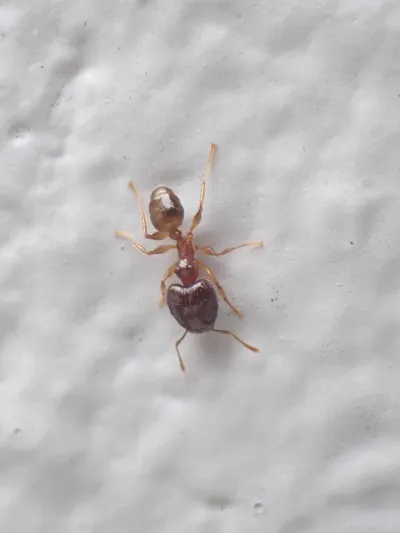
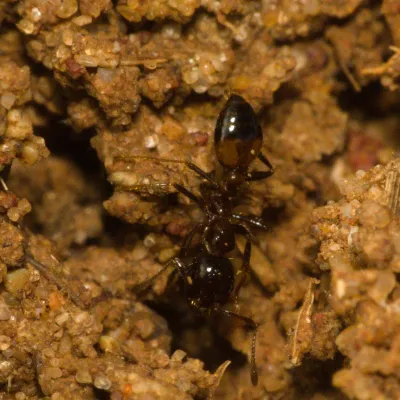
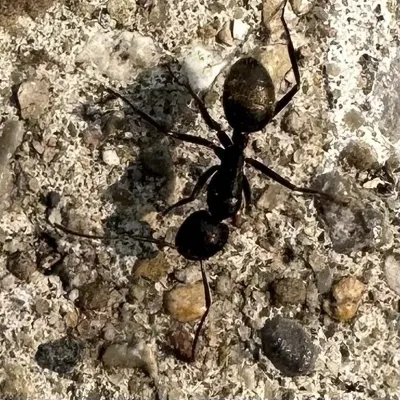
Explore other species in the ants family
Commonly Confused With
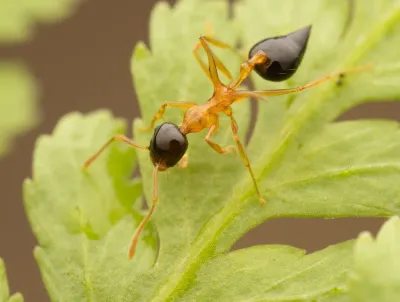
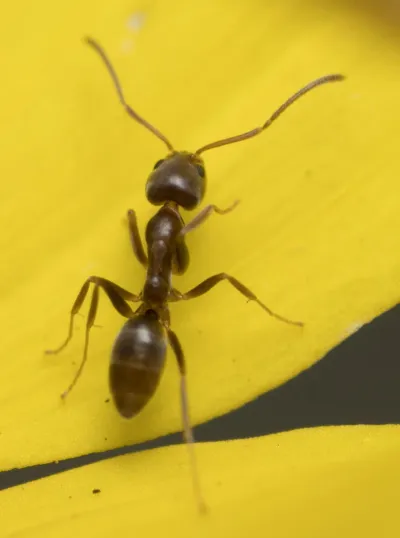
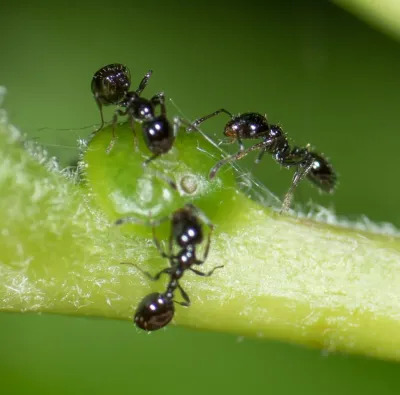
Asian Needle Ants are often mistaken for these similar pests
Where Asian Needle Ants Are Found
Hover over states to see their names. Green regions indicate where asian needle ants have been reported.
Common Questions about Asian Needle Ants
Are Asian needle ants dangerous?
+
Yes, Asian needle ants can be dangerous. Their sting is painful and persists for 30 minutes or more. More concerning, their stings can trigger severe allergic reactions, including anaphylaxis, in sensitive individuals. If you experience difficulty breathing, swelling, or dizziness after a sting, seek immediate medical attention.
What do Asian needle ants look like?
+
Asian needle ants are medium-sized ants, about 5 mm (3/16 inch) long. They have dark brownish-black bodies with orange-brown mandibles (jaws) and legs. Their most distinctive feature is their narrow, elongated body shape compared to other common ants. They have a visible stinger at the end of their abdomen.
Where do Asian needle ants nest?
+
Asian needle ants prefer cool, moist, shaded environments. They nest in the ground beneath stones, logs, leaf litter, and debris in wooded areas. Unlike most invasive ants that stick to disturbed areas, Asian needle ants readily colonize natural forest habitats. They often nest near termite colonies, which are a preferred food source.
Why are Asian needle ants a problem?
+
Asian needle ants are invasive and outcompete native ant species for resources and nesting sites. They disrupt local ecosystems and can reduce biodiversity. Their ability to thrive in natural forests makes them particularly harmful to native wildlife. Combined with the health risk from their stings, they represent both ecological and medical concerns.
Do Asian needle ants come indoors?
+
Asian needle ants occasionally enter homes, especially structures near wooded areas with moist conditions. However, they do not typically establish indoor colonies like German cockroaches or pharaoh ants. Most encounters happen outdoors when people disturb their ground nests during yard work or recreational activities.
What do Asian needle ants eat?
+
Asian needle ants are termite specialists. They preferentially hunt and consume termites, often establishing nests near termite colonies for easy access to this food source. They also eat other small insects, both living and dead, as well as honeydew from aphids.
When are Asian needle ants most active?
+
Asian needle ants are most active from late spring through early fall, with peak activity in summer months. They forage during cooler parts of the day and are less active during the hottest afternoon hours. Mating flights typically occur in late spring and early summer.
How did Asian needle ants get to the United States?
+
Asian needle ants are native to Japan, China, and Korea. They were first detected in the United States in the 1930s, likely arriving through international trade and shipping. Since then, they have spread across much of the eastern seaboard from Florida to Massachusetts, with outlier populations in Wisconsin and Washington state.

With five years of hands-on experience in the pest control industry, George Schulz is a registered technician with the Virginia Pest Management Association and a proud third-generation professional in a family business that's been protecting homes for over 57 years. He manages and trains a team of service pros while also leading internal research efforts—recently spearheading a deep-dive review of thousands of documents on pest control materials to hand-pick the most kid and pet friendly, most effective solutions tailored specifically for homes in the DC metro area.