Argentine Ants Identification Guide
Linepithema humile
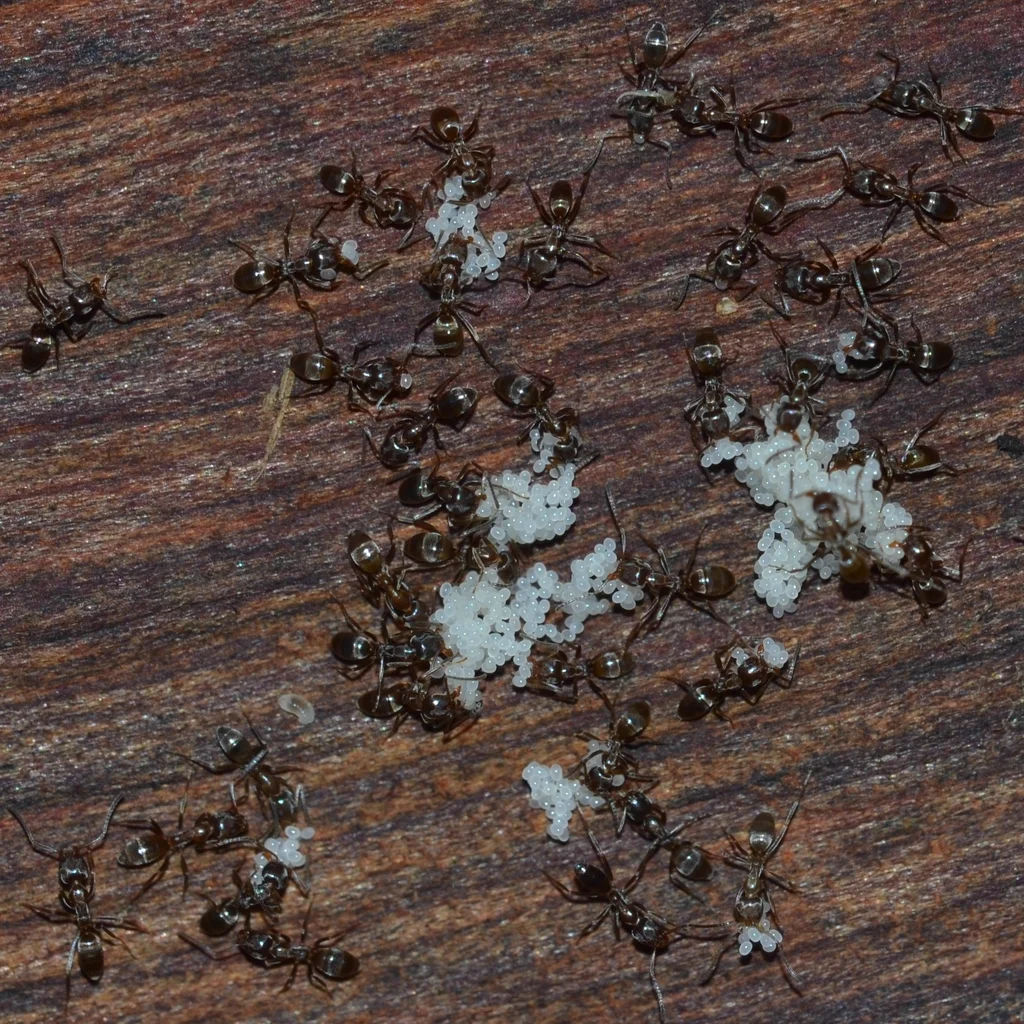
Argentine ants are small light to dark brown ants originally from South America that have become one of the world's most invasive species. They form massive supercolonies with multiple queens and are notorious for displacing native ant species across North America.
Taxonomy
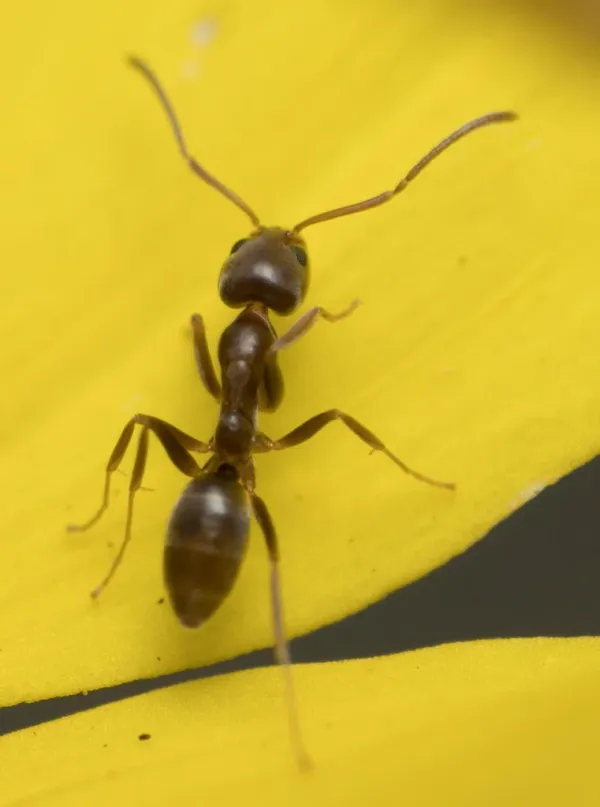
Argentine Ants Coloration
Common color patterns to help identify argentine ants
Argentine Ants
Seasonal Activity
When argentine ants are most active throughout the year
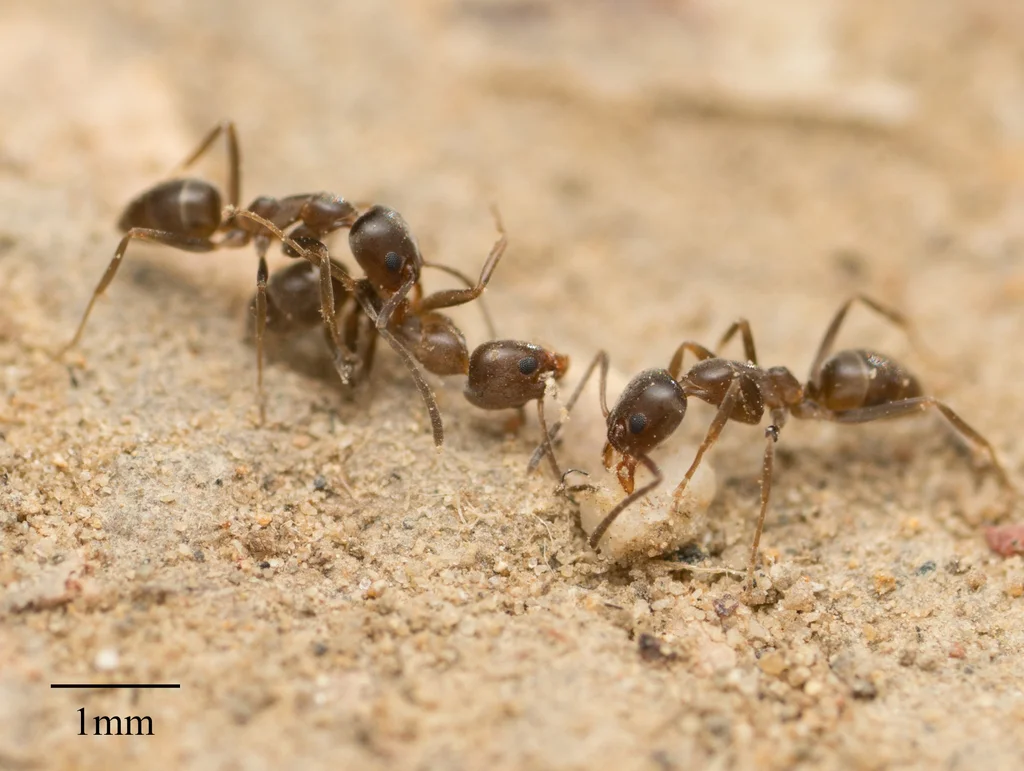
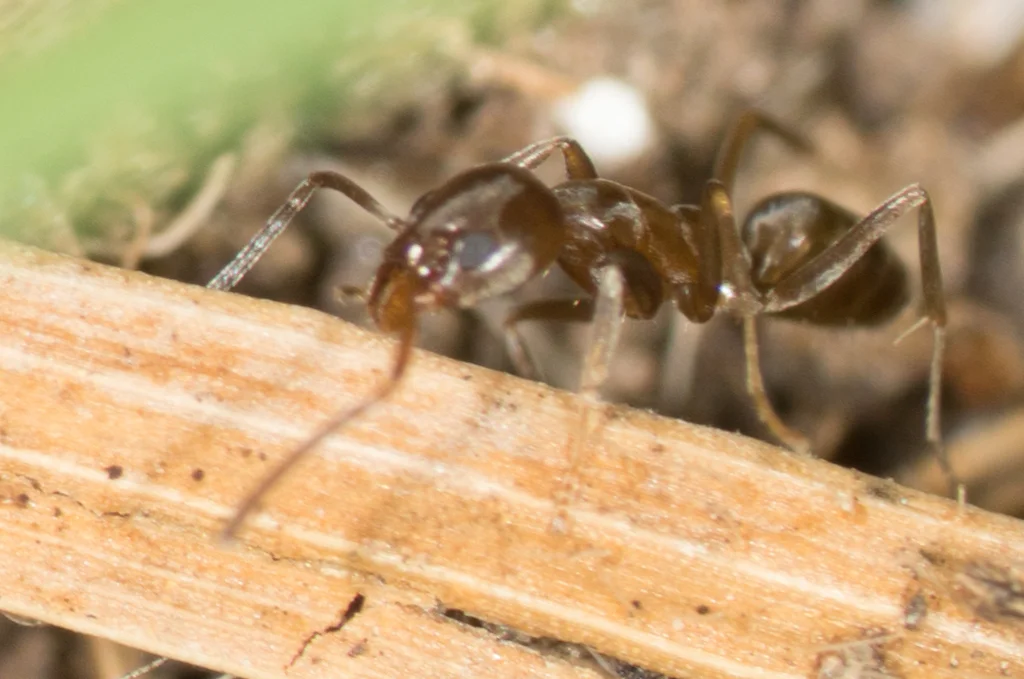
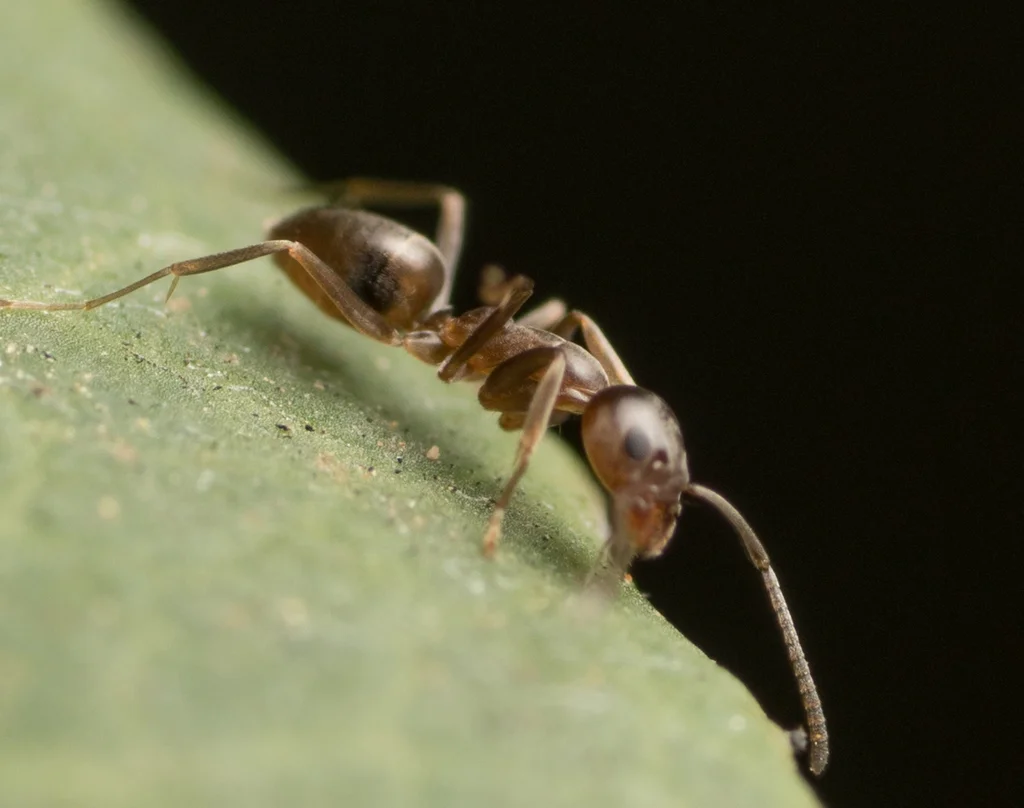

Where Argentine Ants Are Found
Hover over states to see their names. Green regions indicate where argentine ants have been reported.
Argentine Ant Identification Guide
The Argentine ant (Linepithema humile) ranks among the world’s 100 worst invasive species and is one of the most challenging ant species to control in residential settings. Originally from the lowland areas of the Parana River drainage in South America, spanning northern Argentina, Uruguay, Paraguay, and southern Brazil, these small ants have spread to every continent except Antarctica through human commerce over the past century.
What makes Argentine ants remarkable is their colony structure. Unlike most ant species where neighboring colonies compete and fight, Argentine ants from different colonies cooperate freely. This allows them to form vast interconnected supercolonies that can span miles. A single supercolony in California stretches over 560 miles along the coast. This cooperative behavior gives them an enormous competitive advantage over native ants.
Physical Characteristics
Argentine ants are small, with workers measuring 2.2 to 2.6 mm (about 1/16 inch) in length. All workers are the same size (monomorphic). Their bodies range from light tan to dark brown, typically uniform in color throughout.
Key identification features include:
- Single pointed petiole - The node between thorax and abdomen is visible and distinctly pointed when viewed from the side
- 12-segmented antennae with relatively long scapes (first segment)
- No thoracic spines - The back of the thorax is smooth
- Large eyes relative to head size
- No strong odor when crushed (unlike odorous house ants)
Reproductive ants (alates) are larger than workers, typically 4 to 5 mm, and have wings during mating season. However, Argentine ants spread primarily through budding rather than mating flights, with queens and workers simply walking to establish new satellite nests.
Species Commonly Confused with Argentine Ants
Several small brown ants can be mistaken for Argentine ants:
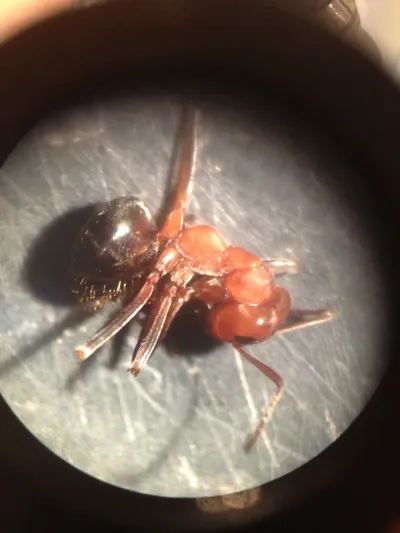
- Odorous House Ants (Tapinoma sessile) - Similar size and color but produce a distinctive rotten coconut smell when crushed. Their petiole is hidden beneath the abdomen rather than visible.
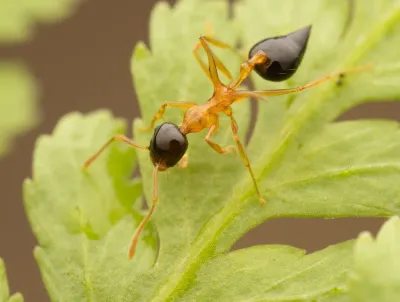
- Pharaoh Ants (Monomorium pharaonis) - Smaller (1.5-2mm) and more yellowish with a darker abdomen. Have a 3-segmented antennal club.
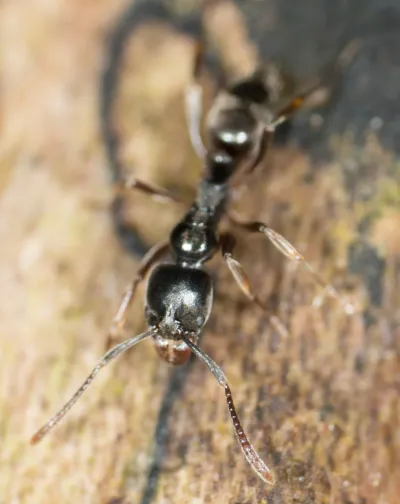
- Little Black Ants (Monomorium minimum) - Jet black rather than brown, and slightly smaller.
- Pavement Ants (Tetramorium species) - Have two petiole nodes (Argentine ants have one) and parallel lines on their head.
- Tawny Crazy Ants (Nylanderia fulva) - Another invasive supercolony-forming ant, but reddish-brown and distinguished by their erratic, jerky movement pattern. Tawny crazy ants also lack the organized trailing behavior typical of Argentine ants.
The lack of odor when crushed and the visible pointed petiole are the most reliable field identification characteristics for Argentine ants. For a side-by-side comparison with other common species, see our ant identification chart.
Argentine Ant Behavior and Biology
Understanding Argentine ant biology explains why they’re so difficult to control and why they’ve become such successful invaders.
Supercolony Structure
The defining characteristic of Argentine ants is their supercolony formation. Within invaded areas, colonies lack territorial boundaries. Workers from any nest will accept workers from other nests, queens move freely between nesting sites, and the entire population functions as one massive interconnected unit.
Research documents that this lack of aggression between colonies was first observed in 1913. Scientists noted “there is no apparent antagonism between separate colonies of its own kind.” This contrasts sharply with their native range in South America, where colonies maintain strict territories and fight rivals.
Each supercolony contains:
- Multiple queens - Hundreds or thousands of egg-laying queens
- Numerous satellite nests - Colonies occupy many nest sites simultaneously (polydomy)
- Shared resources - Workers carry food and brood between nests
- No internal competition - Resources flow freely throughout the supercolony
This structure means killing one nest or even dozens of nests barely impacts the overall population. Queens in surviving nests continue producing workers to replace losses.
Nesting Habits
Argentine ants are opportunistic nesters that prefer moist environments. Outdoors, they commonly nest:
- Under rocks, boards, and debris
- In mulch and leaf litter
- At the base of plants and trees
- In soil, especially near moisture sources
- Under sidewalks and pavement edges
Indoors, they seek protected spaces near water:
- Wall voids near plumbing
- Under sinks and dishwashers
- Behind baseboards
- In potted plant soil
- Around leaky windows and doors
According to UC Riverside entomologists, colony boundaries contract in winter and expand outward during summer, closely tied to soil moisture and temperature conditions. Hot, dry weather or heavy rain often drives them indoors, especially during ant season.
Diet and Foraging
Argentine ants strongly prefer sweet foods, particularly honeydew produced by aphids, mealybugs, scale insects, and whiteflies. They actively tend and protect these honeydew-producing insects on landscape plants, sometimes even moving them to better feeding locations.
Inside structures, they forage for food in kitchens and other areas:
- Sugar, honey, syrup, and sweet foods
- Fruit and fruit juices
- Proteins and fats (especially when colonies need nutrition for brood)
- Pet food and crumbs
- Grease and cooking oils
Argentine ants use (Z)-9-hexadecenal as their primary trail pheromone. Foragers establish persistent trails to reliable food sources, creating visible highways of ants along foundations, sidewalks, and into structures. These trails can persist for weeks.
Ecological Impact
Argentine ants are documented as among the most damaging invasive insects worldwide. In their introduced range, they:
- Displace native ants - They eliminate most or all native ant species through competition and aggression
- Threaten native fauna - Native invertebrates and even small vertebrates suffer from Argentine ant predation
- Disrupt pollination - Their aggressive behavior at flowers disrupts native pollinators including bumblebees
- Protect plant pests - By tending honeydew-producing insects, they increase populations of aphids and scale insects that damage plants
Despite their ecological impact, Argentine ants do not sting humans, do not bite effectively, and do not damage structures. They’re nuisance pests that contaminate food and create frustrating infestations.
Treatment Methods for Argentine Ants
Argentine ant control presents unique challenges because of their supercolony biology. Traditional pest control methods often fail or even worsen infestations with this species.
Why Traditional Methods Fail
Standard ant control approaches don’t work well against Argentine ants:
- Repellent sprays cause ants to avoid treated areas but simply shift their foraging trails elsewhere. The colony remains intact.
- Contact sprays kill only the surface foragers, a tiny fraction of the total population. Queens continue producing replacements.
- Single bait placements may not reach enough of the distributed colony to achieve control.
- One-time treatments rarely succeed because surviving queens in satellite nests quickly rebuild populations.
Mississippi State Extension emphasizes that Argentine ant control is “an ongoing effort” because even if one colony is eliminated, another will move into the area over time.
Effective Treatment Approaches
Integrated Pest Management (IPM) offers the best results against Argentine ants. An IPM approach combines multiple strategies:
Baiting Programs
Baiting exploits Argentine ant biology by using their food-sharing behavior against them. Workers carry bait back to nests where they share it with other workers, queens, and larvae through a process called trophallaxis.
Effective baiting requires:
- Slow-acting toxicants - Fast-acting products kill foragers before they return to the colony
- Attractive formulations - Sweet liquid baits work well since Argentine ants prefer honeydew
- Multiple bait stations - Because supercolonies cover large areas, single placements rarely reach enough of the population
- Patience - Baits may take 2-4 weeks to significantly impact colony populations
Clemson University Extension notes that indoors, baiting is the preferred treatment. Place baits at the closest point where ants enter the structure and confirm that ants are actively feeding on the bait.
Perimeter Treatments
When outdoor populations are heavy and continuously reinvading homes, perimeter treatments using non-repellent insecticides can help. These products create a barrier that foragers unknowingly walk through and carry back to nests.
Effective active ingredients include thiamethoxam and indoxacarb, which research shows provide good control of Argentine ants when applied correctly.
Habitat Modification
Reducing conducive conditions supports long-term control:
- Remove harborage - Clear leaf litter, mulch, debris, and wood piles near foundations
- Reduce moisture - Fix leaky faucets, improve drainage, minimize lawn irrigation near structures
- Eliminate honeydew sources - Treat landscape plants for aphids, scale, and mealybugs with insecticidal soap or horticultural oil
- Seal entry points - Caulk cracks around windows, doors, and utility penetrations
- Trim vegetation - Keep plants from touching structures; they provide highways for ant entry
For more prevention strategies, see our guide on how to keep ants away.
When Professional Treatment is Necessary
Due to their supercolony structure and persistence, Argentine ant infestations often require professional management. Pest control professionals have access to:
- Professional-use products that may be more effective than consumer options
- Application equipment for treating large areas and wall voids
- Training and experience in managing invasive ant species
- Ongoing monitoring to detect and address reinfestation
Research demonstrates that professional management programs achieve better long-term control than DIY approaches for Argentine ants.
What to Expect During Treatment
Effective Argentine ant treatment is a process, not an event:
- Initial increase in activity - Ants finding bait stations may temporarily increase visible activity as they recruit nestmates
- Gradual reduction - Over 2-4 weeks, colony populations decline as bait spreads through the supercolony
- Ongoing management - Because Argentine ants readily recolonize from surrounding areas, periodic maintenance treatments prevent reinfestation
- Habitat improvements - Long-term success requires addressing the moisture and food sources that attracted ants initially
References and Further Reading
- University of Florida EDIS: Argentine Ant - Detailed identification guide and management recommendations
- UC Riverside: A Closer Look at Argentine Ant Control - Research-based control strategies
- Clemson HGIC: Argentine Ants - Homeowner-focused management guide
- Animal Diversity Web: Linepithema humile - Natural history and ecological information
- Mississippi State Extension: Control of Argentine Ants - Comprehensive homeowner control guide
Other Ants
Explore other species in the ants family
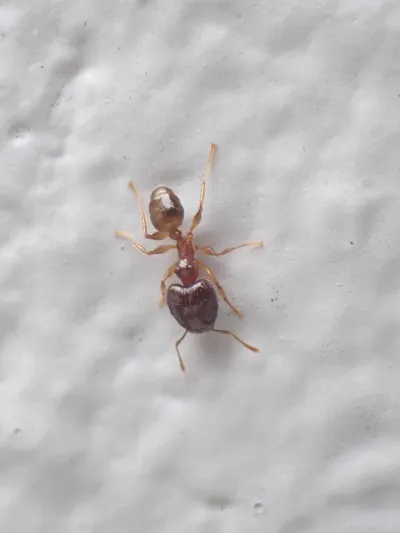
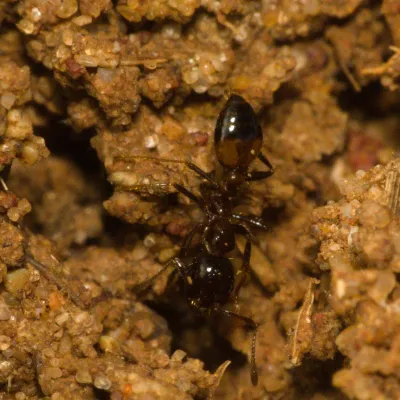
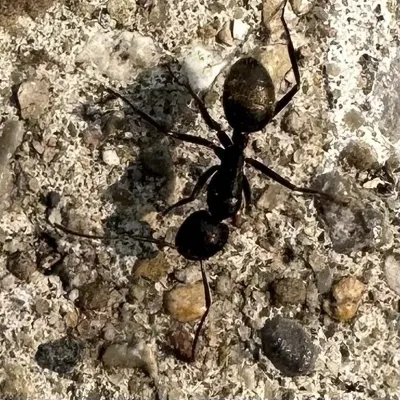
Commonly Confused With
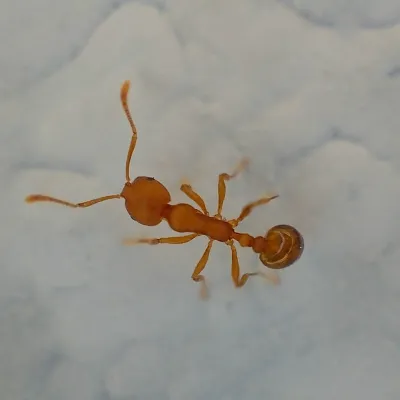
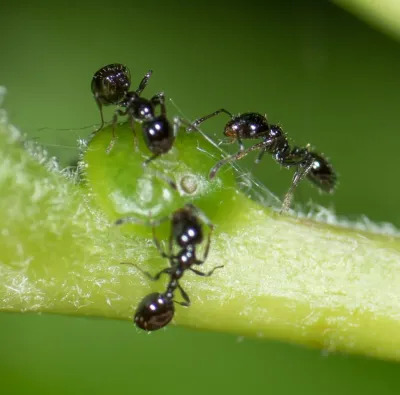
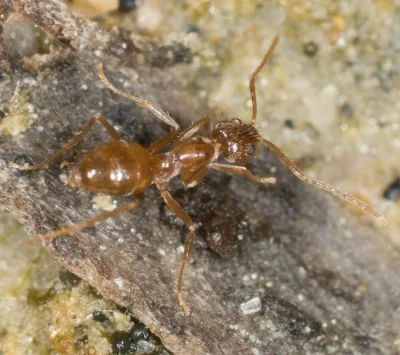
Argentine Ants are often mistaken for these similar pests
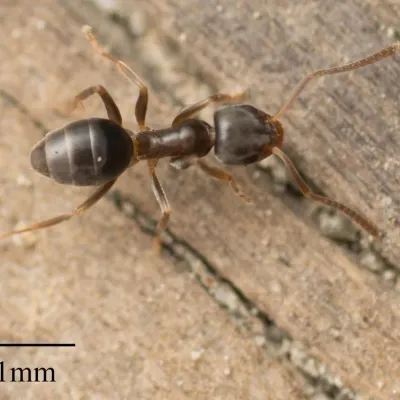
Where Argentine Ants Are Found
Hover over states to see their names. Green regions indicate where argentine ants have been reported.
Common Questions about Argentine Ants
Are Argentine ants dangerous to humans?
+
Argentine ants do not sting or bite humans. They're primarily nuisance pests that enter homes seeking food and water. However, they contaminate food and can create large infestations that are difficult to control. Their main concern is ecological since they displace native ant species.
Why are Argentine ants so hard to control?
+
Argentine ants form massive supercolonies with multiple queens and interconnected nests. Unlike most ant species, Argentine ants from nearby colonies don't fight each other, allowing their populations to grow unchecked. Killing surface ants does nothing because queens hidden in satellite nests continue producing workers.
What attracts Argentine ants to my home?
+
Argentine ants enter homes searching for food (especially sweets), water, and shelter. They're strongly attracted to honeydew from aphids and scale insects on landscape plants. During hot, dry weather or heavy rain, they move indoors seeking moisture or dry shelter.
How do I know if I have Argentine ants?
+
Argentine ants are small (about 2-3mm), uniformly light to dark brown, and travel in distinctive trailing lines. Unlike odorous house ants, they don't produce a strong smell when crushed. Look for long foraging trails along edges of foundations, sidewalks, and into your home.
Do Argentine ants bite?
+
Argentine ants do not have stingers and rarely bite humans. They lack the physical ability to cause pain through biting. Their threat is ecological and economic rather than physical, as they're considered among the world's 100 worst invasive species.
What's the difference between Argentine ants and other small brown ants?
+
Argentine ants can be distinguished by their uniform light to medium brown color, single pointed petiole node, lack of thoracic spines, and absence of strong odor when crushed. Odorous house ants look similar but emit a rotten coconut smell. Pharaoh ants are smaller and more yellowish.
Can I get rid of Argentine ants with DIY methods?
+
DIY sprays typically fail against Argentine ants because they only kill surface foragers while queens in satellite nests continue reproducing. Over-the-counter baits may provide temporary relief but rarely eliminate supercolonies. Professional treatment using non-repellent products that spread through the colony is usually necessary.
How long does it take to eliminate Argentine ants?
+
Due to their supercolony structure with multiple queens and nests, Argentine ant control requires patience. Professional baiting programs may take 2-4 weeks to show significant reduction, with complete control often requiring ongoing management rather than one-time treatment.

With five years of hands-on experience in the pest control industry, George Schulz is a registered technician with the Virginia Pest Management Association and a proud third-generation professional in a family business that's been protecting homes for over 57 years. He manages and trains a team of service pros while also leading internal research efforts—recently spearheading a deep-dive review of thousands of documents on pest control materials to hand-pick the most kid and pet friendly, most effective solutions tailored specifically for homes in the DC metro area.