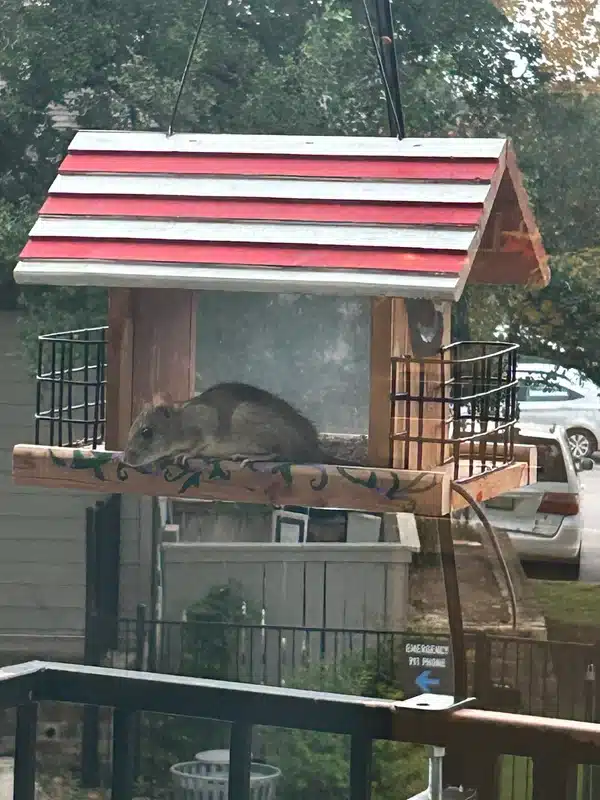

When you hear scratching in your walls or find droppings around your home, you’re likely dealing with one of two common rat species. The norway rat vs roof rat comparison matters for pest control because these rodents behave in very different ways. Norway rats prefer basements and burrows. Roof rats climb into high spaces.
Since I became a licensed technician in 2015, rats have been one of the top pests we deal with in the DC Metro area. Knowing which species you have makes the difference between wasting money and solving your rat problem fast.
Here’s what you need to know to tell these two species apart and choose the right treatment.

Physical Differences Between Norway Rat and Roof Rat
The best way to tell which rat species has invaded your home is by looking at their bodies. Norway rats are larger and bulkier than roof rats. Here are the key traits to compare.
Size and Body Build
Adult Norway rats weigh 12-17 ounces and measure about 16 inches long. They have stocky, heavy bodies with a blunt head. Adult roof rats are much more slender, weighing only 5-9 ounces and measuring 15-17 inches long.
The difference is clear when you picture them side by side. Norway rats look built for wrestling. Roof rats look built for gymnastics.
Tail Length
The tail is one of the easiest ways to tell these two rats apart. A Norway rat’s tail is shorter than its head and body, about 85% of its body length. The tail is thick, scaly, and two-toned.
A roof rat’s tail is longer than its head and body, reaching 105-110% of its body length. This longer tail helps with balance while climbing and is dark all the way through.
Ears and Eyes
Roof rats have large, thin ears that cover their eyes when folded forward. Their eyes are bigger too, which helps them move through trees and dark spaces. Norway rats have smaller ears that don’t reach their eyes, and their eyes look smaller by comparison.
| Norway Rat | Roof Rat | |
|---|---|---|
| Size & Weight | 12-17 oz, 16 inches | 5-9 oz, 15-17 inches |
| Tail Length | Shorter than body (85%) | Longer than body (105-110%) |
| Color | Brown-gray with coarse fur | Black to dark brown, smooth fur |
| Preferred Habitat | Basements, burrows, ground level | Trees, elevated areas |
| Diet Preference | Meat, fish, grains (omnivore) | Fruits, nuts, seeds |
| Climbing Ability | Poor climbers | Excellent climbers |
Color and Fur Differences
Color is another reliable way to tell these two species apart. Norway rats have coarse, brown-gray fur on their backs with white to gray bellies. This coloring earned them the nickname “brown rat.”
Roof rats look quite different. They’re often called “black rats” because of their smooth, dark fur that ranges from black to dark chocolate-brown. Some have pale underbellies, while others are dark all over.
The fur texture is also different. Norway rats have rough, bristly fur. Roof rats have smoother, finer fur that looks sleeker.
Where Norway Rats and Roof Rats Live
Knowing where each species likes to nest is key to control. Through our work in neighborhoods like Old Town Alexandria, we’ve seen clear patterns in how roof rats and Norway rats pick their nesting spots.
Norway rats dig and burrow at ground level. They make tunnels 2-7 inches wide under foundations, woodpiles, and riverbanks. In the DC Metro area’s older neighborhoods, we often find them in basements, crawl spaces, and ground-floor wall voids.
These rodents also do well in sewer systems, earning them the name “sewer rats.” They are strong swimmers. They can get into homes through floor drains and cracked sewer lines. They nest at or below ground level because that’s where they feel at home.
Roof rats are skilled climbers that prefer high nesting spots. They often live in soffits and dense vines like ivy-covered walls. These rats can scale brick walls, run along utility lines, and jump from tree branches to reach rooftops. Learn more in our pest library.
From our experience, roof rats typically enter homes through roof intersections, damaged soffits, or gaps where utility lines meet the structure. They are comfortable living 20-30 feet above ground and rarely go into basements unless food is scarce elsewhere.
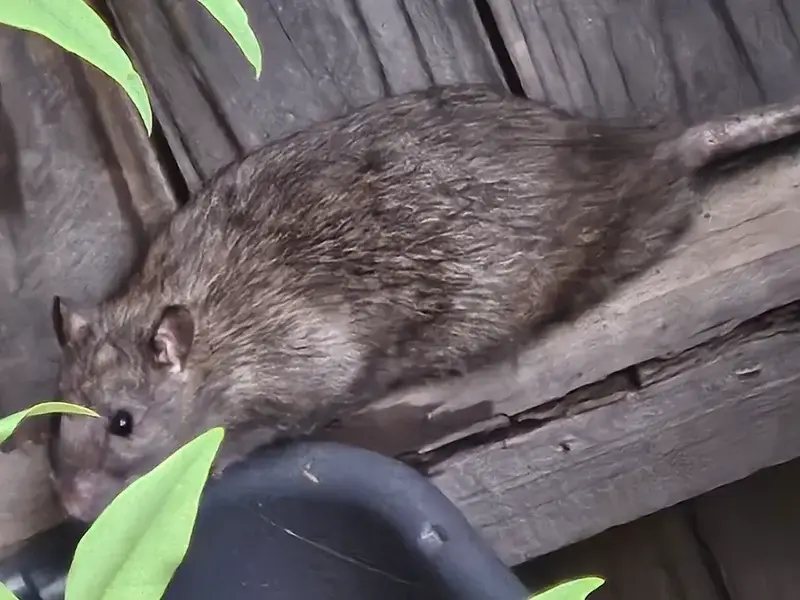
These photos show the habitat differences between the two species clearly.

Where They’re Found in the Mid-Atlantic
Norway rats dominate most cities across the DC Metro area, including Baltimore, Washington D.C., and Richmond. They do well in cooler climates and have large populations in port cities and areas with big sewer systems.
Roof rats prefer warmer coastal areas but have set up in some Mid-Atlantic spots. We see them most in tidewater counties, port cities like Norfolk, and waterfront neighborhoods. Parts of DC’s Southwest waterfront and Baltimore’s inner harbor have known roof rat populations.
Climate change is pushing roof rats farther north, so we see them more often in places where they used to be rare. Still, Norway rats cause most rat problems in our service area. Learn more on our Norway rat and roof rat pages.
Behavior Patterns and Activity
Both rat species are mainly active at night, but their schedules differ slightly. Norway rats are most active just after dark. Roof rats may stay active closer to dawn as well.
Norway rats usually stay within 30-50 meters of their nest. They follow the same travel routes over and over, leaving grease marks along baseboards and walls. Roof rats move in three dimensions, ranging 20-30 meters both across and up and down.
Their social lives also differ. Norway rats form larger colonies with clear pecking orders. Roof rats form smaller, spread-out groups that use their climbing skills to reach food.
Droppings and Signs of Each Species
Rat droppings are one of the best ways to tell species apart when you can’t see the rats. Norway rat droppings are capsule-shaped with blunt ends, about 18-20mm long. Fresh ones look shiny and dark. They get duller with age.
Roof rat droppings look quite different. They’re spindle-shaped with pointed ends and measure 12-15mm long. Once you know what to look for, the size and shape make it easy to tell them apart.
Grease marks also give clues. Norway rat smears show up 1-3 inches above floor level along their regular paths. Roof rat smears appear on rafters, pipes, and other high surfaces where they climb.
What Each Species Eats
Knowing what each species eats helps with both ID and control. Norway rats are “garbage feeders” that prefer protein-rich foods like meat, fish, and grains. They eat 25-30 grams of food each day and need about 15ml of water.
Roof rats lean toward fruits, nuts, and plants. They’re sometimes called “fruit rats” because they go after citrus, berries, and bird seed. They need less water than Norway rats, often getting enough moisture from their food.
Norway rats are drawn to pet food, garbage, and standing water. Roof rats prefer bird feeders, fruit trees, and elevated food storage.
Common Entry Points for Each Species
Each species gets in through different spots. Norway rats enter through foundation cracks larger than half an inch, utility holes near the ground, and broken sewer lines. They may also use worn brick mortar at the base of a home.
Roof rats take a different path. They climb ivy-covered walls, use tree branches that touch the roof, and squeeze through soffit gaps larger than half an inch. They like spots where utility lines meet the building.
In our work across the DC Metro area, knowing these gaps is key to sealing up a home. Fixing ground-level holes won’t stop roof rats. Sealing the roofline won’t stop Norway rats.
How We Control Each Species
Good pest control means using the right methods for each species. Our four-step rodent plan changes based on whether we find roof rats or Norway rats. What works for one often fails for the other.
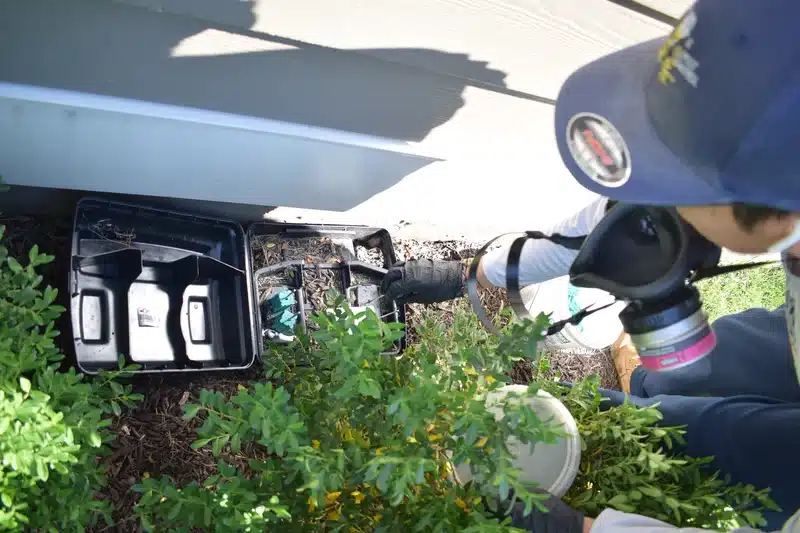
For Norway rat problems, we focus on ground-level baiting and sealing entry points. Tamper-resistant bait stations work best when placed along their travel routes near the ground. We put stations near foundation walls, in basement areas, and around outdoor entry points.
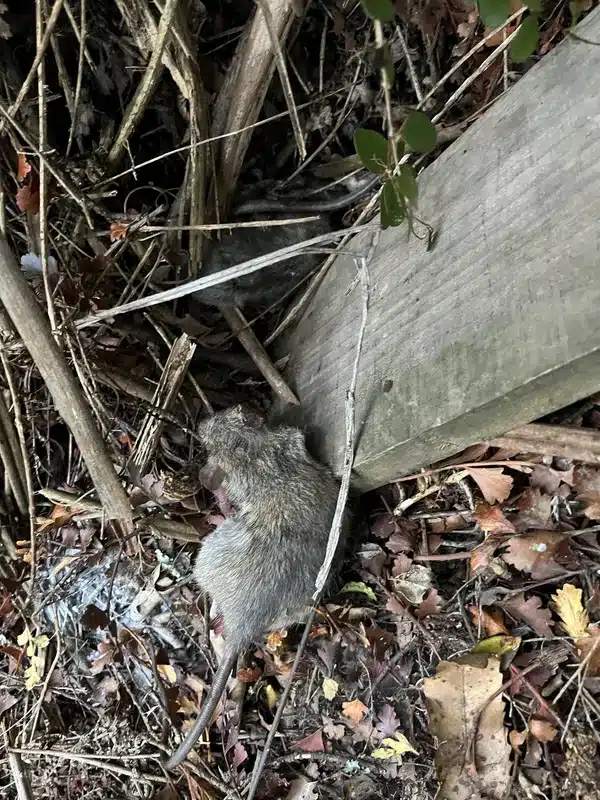
Burrow treatments can also work well for outdoor Norway rat groups. When allowed, we may treat tunnel systems directly. Sealing work focuses on closing foundation gaps and adding hardware cloth over crawl space vents.
Roof rats call for different tactics because of their climbing habits. We place bait stations on raised platforms, attach them to rafters, and target access points up high. Snap traps on trap boards work well along roof rat travel routes.
Keeping roof rats out means trimming tree limbs at least 3 feet from the roofline, adding half-inch hardware cloth on gable vents, and sealing soffit gaps. We also suggest rodent guards on utility lines when possible.
Our techs adjust their approach for every job based on the species they find. Here’s a look at the process.


Health Risks and Disease
Both rat species carry serious health risks, but their habitats lead to different disease concerns. Norway rats can spread at least 35 pathogens, including Salmonella, Leptospira, and Seoul hantavirus. Their link to sewer systems raises the risk of waterborne illness.
Roof rats also carry many germs. Murine typhus is a key concern because of their flea populations. Both species can spoil stored food with their urine and droppings.
Where they leave germs differs too. Norway rats tend to affect food storage and prep areas near the ground. Roof rats may reach higher pantry shelves and items stored up high.
According to CDC research, both rat species can carry over 35 different pathogens. Norway rats are especially concerning for waterborne diseases like Leptospirosis because of their time in sewers. This bacteria can survive in contaminated water for months.
Studies show roof rats carry more fleas than Norway rats. That makes them more likely to spread flea-borne diseases like murine typhus. Bacteria in rat urine can stay infectious on surfaces for up to 2 weeks in the right conditions.
Research shows that a single pair of rats could produce over 2,000 offspring in one year under ideal conditions. Actual numbers vary based on environment and available food, but early action is always important.
When to Call a Professional
Many homeowners get mixed advice about rat control, especially around costly treatments. Through our work, we’ve found that knowing which species you have leads to better, cheaper results.
A professional pest control company can identify your species and set up the right plan. Our licensed techs use species-specific methods and track results to make sure the treatment works.
If you’re not sure whether you have roof rats or Norway rats, professional ID saves you time and money. Each species needs its own approach, and generic treatments often fail.
Prevention Tips for Both Species
Stopping rat problems means removing the things that attract each species. For both Norway rats and roof rats, getting rid of food sources is step one. Store pet food in metal bins with tight lids. Pick garden produce right away. Keep garbage in rodent-proof cans.
Fixing water issues helps with both species but matters most for Norway rats, which need more water. Repair leaky pipes, clear standing water, and make sure your foundation has good drainage.
Home repairs should match each species’ entry habits. For Norway rats, focus on ground-level gaps and foundation fixes. For roof rats, keep branches away from your roofline and seal any high entry points.
- Food Storage: Keep pet food, birdseed, and human food in metal containers with tight lids
- Water Sources: Fix leaky pipes, clear standing water, ensure good foundation drainage
- Ground Level (Norway Rats): Seal foundation cracks larger than 1/2 inch, add door sweeps, cover floor drains
- Roof Level (Roof Rats): Trim tree branches 3+ feet from roof, seal soffit gaps, add gable vent covers
- Upkeep: Use rodent-proof garbage cans, clear debris piles, keep storage areas clean
- Professional Help: Book a yearly inspection if you’ve had rat problems before
When dealing with either species, knowing their habits helps you spot problems early. Good rat control starts with correct identification and the right prevention plan.
If you’re seeing signs of rats but aren’t sure which kind, don’t wait for things to get worse. Call us at 703-683-2000 for a professional inspection, or email us at info@bettertermite.com. Our licensed techs can quickly tell whether you have roof rats or Norway rats and build a plan that fits your situation.