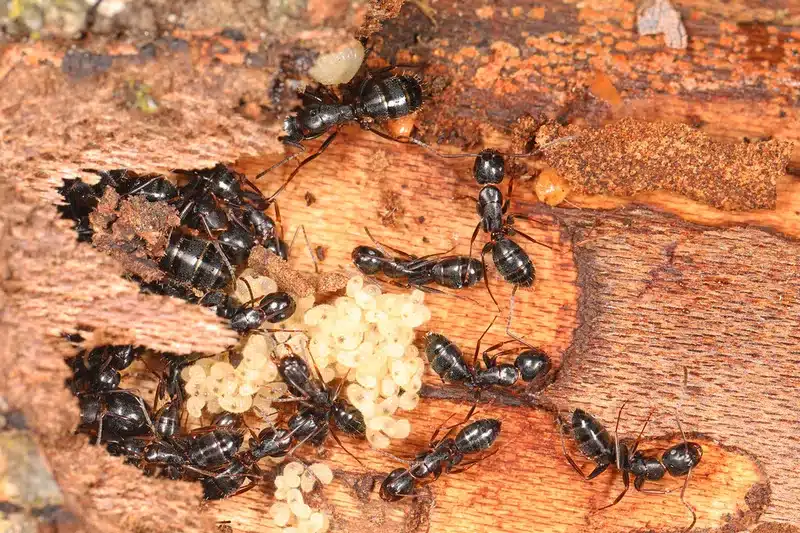

In my work in pest control, ants are a top complaint each spring in Virginia and Maryland. Most homeowners first notice them in the kitchen or bathroom. After a rainy spell, I’d get calls about a line of ants suddenly trailing across counters.
DIY tricks might kill the ants you see, but they rarely get the whole colony. Professional ant control starts with inspection to ID the species, locate nests, and seal entry points. With non-repellent products and targeted bait, we help keep ants away for good.
DIY Methods to Keep Ants Away
Here are three approaches you can try before calling a pro.
Natural Repellents
Ants avoid citrus peels, white vinegar, peppermint oil, and cinnamon. Spray white vinegar along trails to break their scent paths. Soak cotton balls in peppermint oil and place near entry points.
These home remedies deter ants for hours, but they won’t reach nests hidden in walls. They work best as a supplement to other methods.
Store-Bought Products
Diatomaceous earth kills ants by drying them out. Borax mixed with sugar makes cheap bait that workers carry back to the nest. Dish soap traps and kills ants on contact.
These are more effective than natural options but still can’t reach deep nests. They work best for small problems.
Exclusion and Cleaning
This is the most important DIY step. Seal cracks to stop ants from getting in. Keep counters clean and store food in airtight containers. Wipe up sugary spills right away. Vacuum ant trails to remove scent paths.
- Trim plants and mulch away from siding
- Fix drip leaks to cut moisture
- Remove pet food after pets eat
- Empty recycling bins often
Professional Ant Control: How It Works
Registered technicians follow steps no DIY can match. We inspect, confirm the species, and build a targeted plan. Then we use professional bait and non-repellent barriers that studies show cut foragers by over 98% in eight weeks.
Step 1: Inspect and Identify
Service starts with a detailed visual check. We track worker ants to parent nests. Knowing the species matters since carpenter ants, pavement ants, odorous house ants, pharaoh ants, and Argentine ants all need different treatment.
For species help, see kinds of ants in the DC metro or our ant ID chart.
Step 2: Apply Non-Repellent Barriers
We spot-treat active areas and apply a non-repellent barrier around your home. This keeps ants at bay for months. Store-bought sprays just repel ants temporarily, pushing them to new entry points.
Step 3: Follow Up
We return on a tri-annual schedule (three times per year) to re-treat any new trails and refresh barriers. Our free callbacks help keep your home ant-free until the problem is fully solved.
This three-step process eliminates colonies that DIY methods can’t reach.
Ant Species in Virginia and Maryland
Virginia and Maryland’s humid summers and freeze-thaw winters support several ant species. Each one acts differently and needs a different approach.
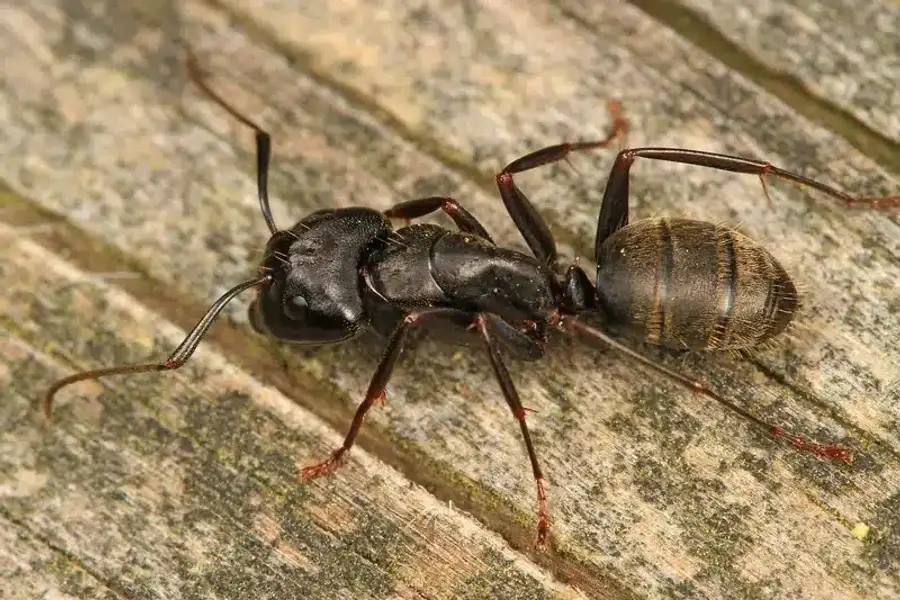
- Carpenter ants: Tunnel in wood, can cause structural damage. See our carpenter ant guide
- Odorous house ants: “Sugar ants” that smell like rotten coconut when crushed
- Pavement ants: Heavy kitchen foragers. More on local patterns in common ants in Alexandria
- Pharaoh ants: Tiny colonizers that split into new colonies when stressed
- Argentine ants: Invasive super-colonies spreading north
- Fire ants: Occasional invader with painful stings
Landscape and Moisture Tips
Dense shrubs touching siding and heavy mulch attract ants. Keep bark mulch and soil 6 inches from walls. Fix irrigation leaks and clear gutters. Cut moisture and shade at your foundation and you’ll see fewer ants. For area-specific advice, see how to prevent ants in Virginia.
Pro vs DIY: Quick Comparison
| Aspect | DIY | Professional |
|---|---|---|
| Inspection | Visual checks | Moisture meters + 78-point review |
| Products | Borax gels, sprays | Pro baits + non-repellents |
| Results | Temporary knockdown | Colony elimination |
| Follow-up | None | Tri-annual visits + free callbacks |
Our team has been keeping DMV homes ant-free for over 57 years.
Common Reasons Ants Invade
Summer storms drive ants inside for dry ground. Drought pushes them in for water. Crawl-space designs and brick joints offer easy entry. Spilled soda or pet food outdoors draws them close. Once they find a path in, the whole colony follows.
- Seal cracks around windows, doors, and utility lines
- Fix moisture by repairing leaks, clearing gutters, and dehumidifying basements
- Clean up food by storing items in sealed containers and wiping counters nightly
- Trim landscaping to keep plants 6 inches from your foundation
- Remove standing water from flower pot saucers, pet bowls, and clogged gutters
For reliable ant control, professional techniques protect your home long-term. Our licensed technicians use targeted baiting, non-repellent barriers, and tri-annual follow-ups. Call us at 703-683-2000 or email info@bettertermite.com for expert ant control.