
TLDR: To get rid of roaches fast: (1) Identify the species first (German roaches need different treatment than American or Oriental roaches), (2) Use gel baits in cracks and behind appliances (not foggers, which scatter roaches), (3) Apply thin layers of boric acid in travel paths, (4) Seal entry points and remove food/water sources. German roaches usually need 2-3 treatments spaced 2 weeks apart. Professional treatment is recommended for established infestations.
Finding roaches in your home is frustrating. And I get it—you want them gone yesterday. As a licensed technician who’s treated hundreds of roach infestations across the DC metro area, I can tell you that getting rid of roaches fast is possible. But it requires understanding what actually works versus what’s a waste of time and money.
In my experience, German, Oriental, and American roaches are very common in this area. The approach that works best depends on which type you’re dealing with and how severe the infestation has become. Let me walk you through exactly what we do as professionals—and what you can try at home before calling us.
First: Identify What Type of Roach You Have
Before you can get rid of roaches fast, you need to know what you’re dealing with. Different roach species respond to different treatments.
German cockroaches are the most common indoor roach and the hardest to eliminate. They’re small (about 1/2 inch), light brown with two dark stripes behind the head, and reproduce incredibly fast. A single female can produce 30,000 offspring in a year. These are the roaches you typically find in kitchens and bathrooms.
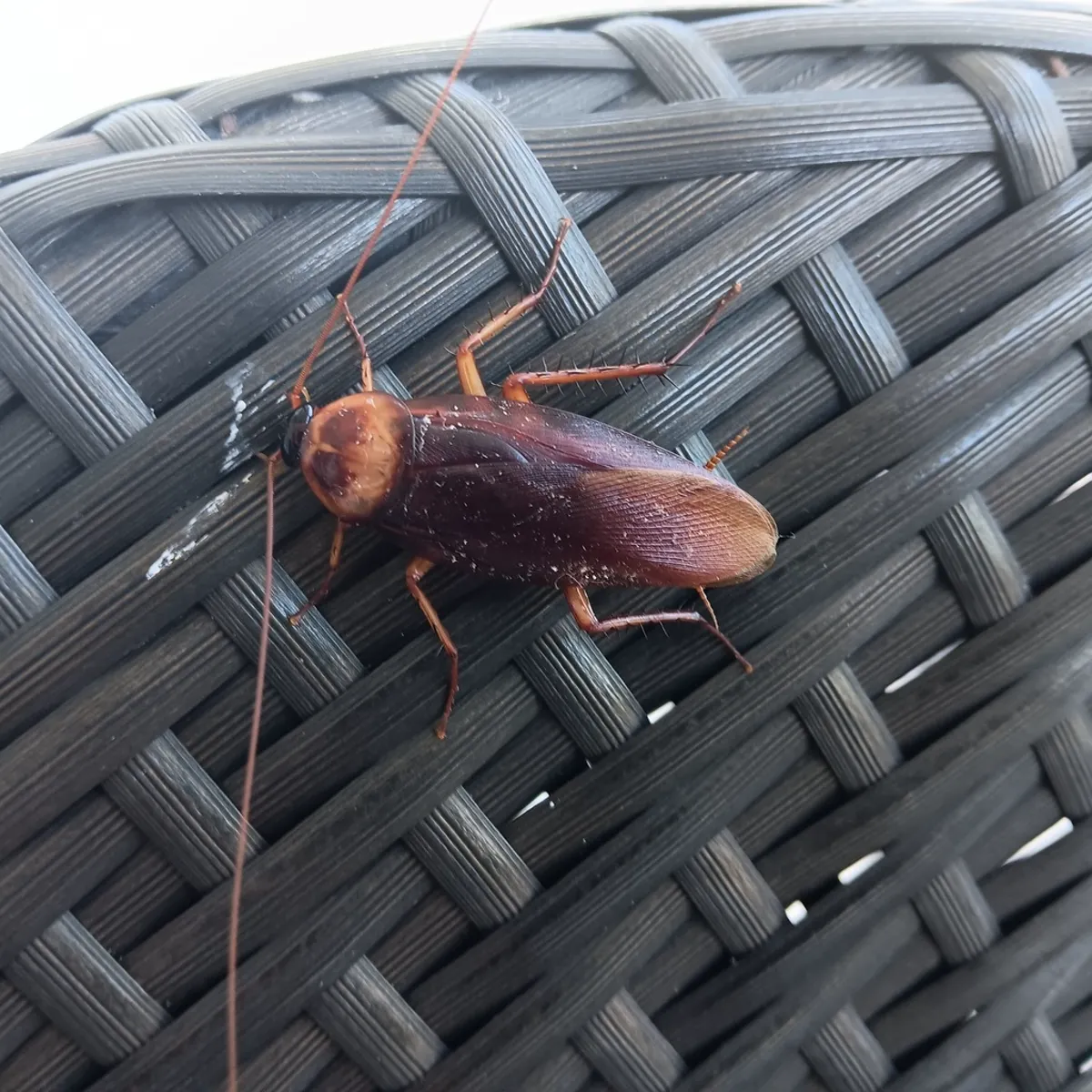
American cockroaches are the large reddish-brown roaches (1-2 inches) that often come up from sewers and drains. They prefer damp areas like basements and crawl spaces.
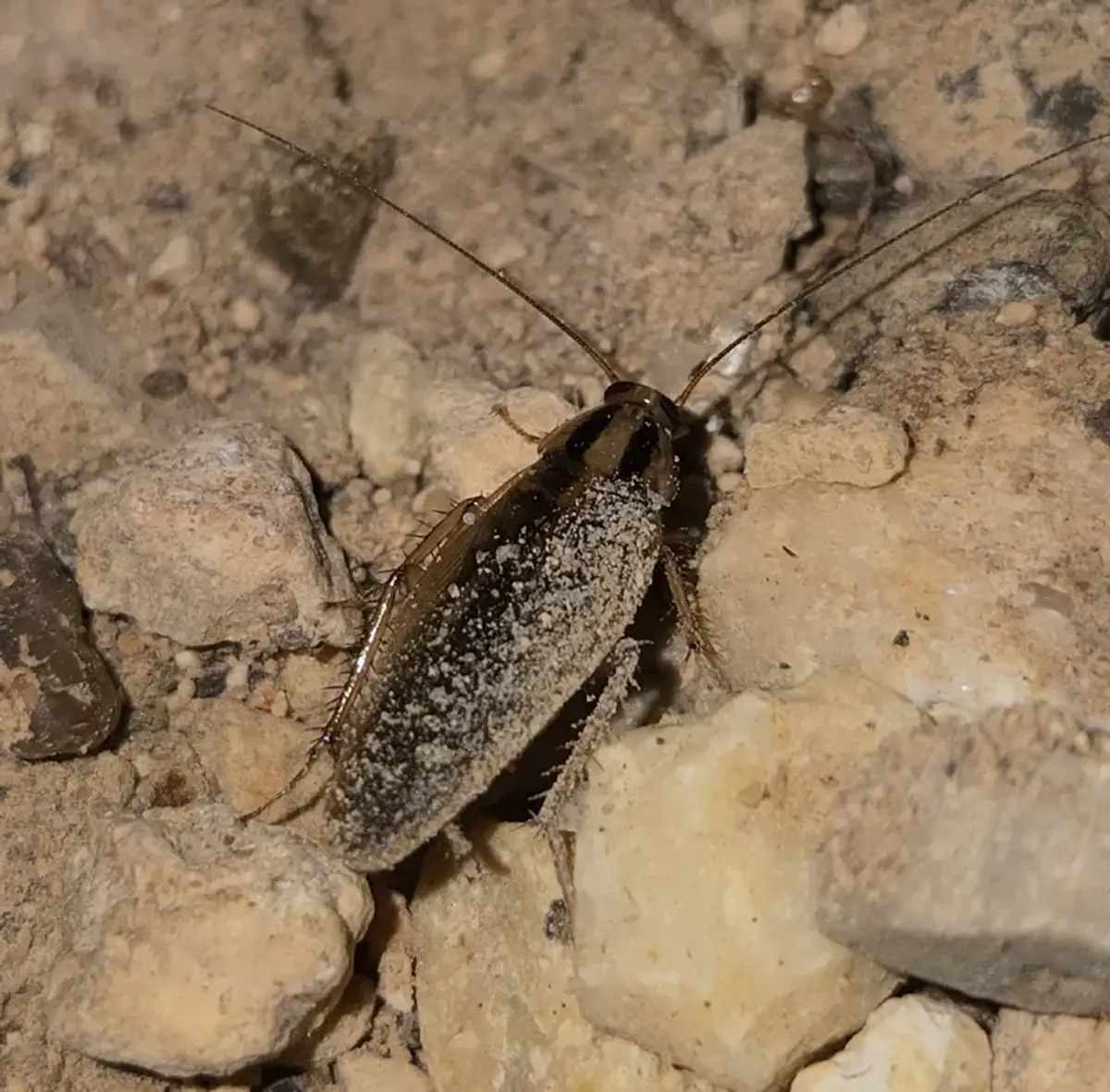
Oriental cockroaches are shiny, dark brown or black, and about 1 inch long. They’re sometimes called “water bugs” because they love extremely moist areas.
Why Roaches Are So Hard to Get Rid Of
Understanding why roaches are difficult to eliminate helps you choose the right strategy to get rid of them fast.
They reproduce rapidly. German cockroaches go from egg to adult in about 60 days. Each egg case contains 30-40 eggs, and females produce a new egg case every few weeks.
They hide extremely well. Roaches spend 75% of their time hidden in cracks, crevices, and voids. The ones you see represent maybe 25% of the actual population.
They’re developing resistance. According to research from Purdue University, German cockroaches are developing resistance to multiple classes of insecticides, making them harder to eliminate with a single treatment approach.
A 2019 study published in Scientific Reports found that German cockroach populations can develop cross-resistance to multiple insecticide classes within a single generation. This is why rotating products and using multiple methods is essential for effective control.
The Fastest Ways to Get Rid of Roaches
Now let’s get to what you came here for—the methods that actually work quickly.
Method 1: Gel Baits (Most Effective)
If I could only recommend one product to get rid of roaches fast, it would be professional-grade gel bait. Here’s why: when roaches eat the bait, they carry it back to the nest. They then die and are cannibalized by other roaches, spreading the poison throughout the colony.
Studies comparing roach control methods show that gel baits with fipronil are significantly more effective than boric acid or other approaches, with mortality rates reaching 96.5% within 14 days.
How to apply gel bait:
- Apply small pea-sized dots in cracks, corners, and edges where roaches travel
- Focus on areas under sinks, behind refrigerators, inside cabinet hinges, and around pipe entry points
- Don’t apply in large globs—small dots work better
- Reapply every 1-2 weeks until activity stops Learn more in our pest library.
Method 2: Boric Acid Dust (For Hidden Areas)
Boric acid has been used for roach control for over a century because it works. When roaches walk through the powder, it sticks to their bodies. They ingest it while grooming, which damages their digestive system and eventually kills them.
Best practices for boric acid:
- Apply a very light dusting—you should barely be able to see it
- Focus on wall voids, behind electrical outlets, and under appliances
- Keep it dry—boric acid loses effectiveness when wet
- Don’t use in areas accessible to children or pets
Laboratory tests show very high kill rates when roaches are exposed to boric acid concentrations of 400 mg/m² or higher. The key is applying it thinly in areas where roaches travel, not in visible piles.
Method 3: Insect Growth Regulators (IGRs)
IGRs don’t kill adult roaches, but they prevent young roaches from maturing and reproducing. This breaks the breeding cycle and is especially important for German cockroach control.
When dealing with a serious German cockroach population, sprays usually don’t work on their own. You have to use non-repellent baits and dusts, along with IGRs to get control. This combination approach is what we use professionally.
Method 4: Professional Treatment
For moderate to severe infestations, professional treatment is the fastest path to a roach-free home. Here’s what we typically do:
- Thorough inspection to identify species, harborage areas, and entry points
- Targeted gel bait application in cracks and crevices throughout affected areas
- Dust application in wall voids and other protected areas
- IGR treatment to stop reproduction
- Follow-up visits to monitor and reapply as needed
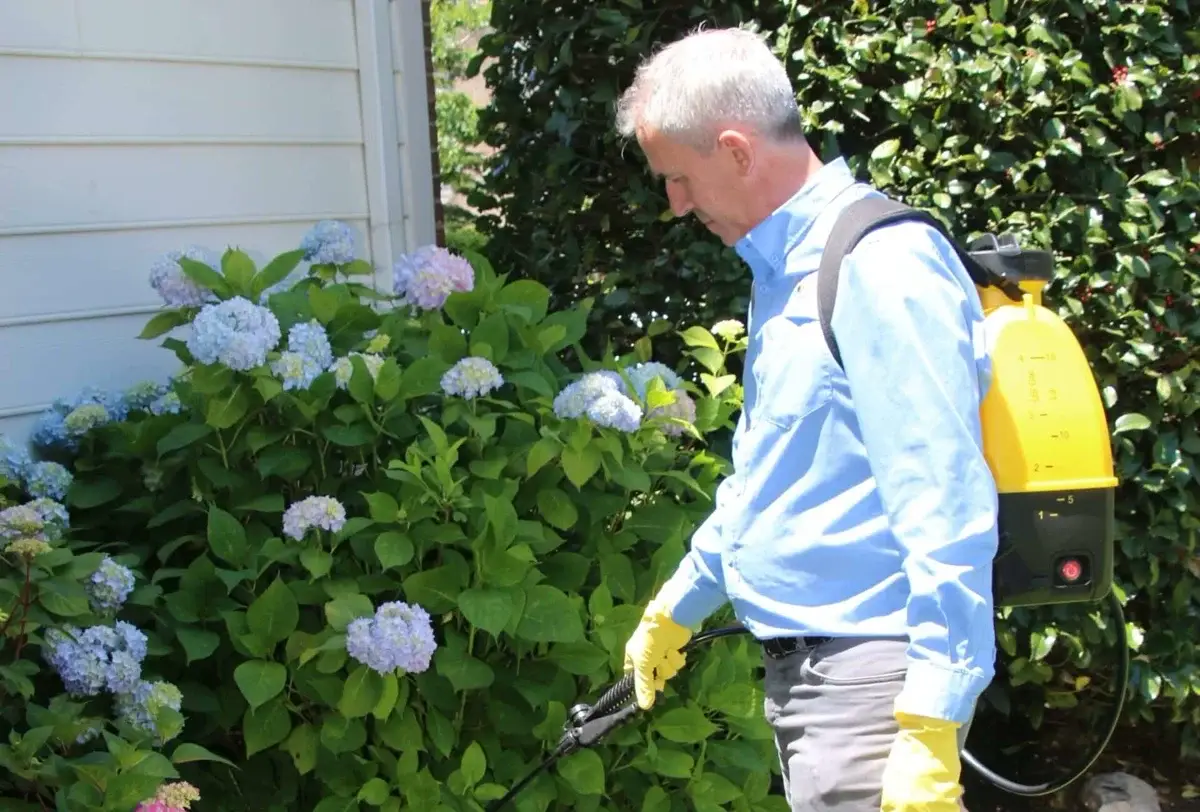
Professional treatment works best when combined with follow-up visits that target newly hatched roaches.
One thing I’ve learned from treating hundreds of roach infestations is that patience matters as much as the products you use. Customers often expect all roaches to be gone after one treatment, but German cockroaches especially require 2-3 follow-up treatments spaced 2 weeks apart. The eggs that were protected during the first treatment will hatch, and you need to eliminate those new roaches before they mature and start breeding again.
What NOT to Do (Common Mistakes)
Don’t Use Foggers (Bug Bombs)
I know foggers seem like a quick fix, but research from North Carolina State University found that they’re largely ineffective against German cockroaches. Even worse, they can scatter roaches to new areas of your home and expose you to unnecessary pesticides.
The EPA notes that foggers failed to reduce cockroach populations, while similarly priced gel baits caused significant declines. Save your money and skip the foggers.
Don’t Rely Only on Sprays
Contact sprays kill roaches you can see, but they don’t reach the 75% hiding in walls and crevices. They can also be repellent, causing roaches to scatter and spread throughout your home.
Don’t Forget Sanitation
Treatment without sanitation is like bailing water without plugging the leak. Roaches need food, water, and shelter. Reducing access to these makes your treatment much more effective.
Prevention: Keep Roaches From Coming Back
Getting rid of roaches fast is only half the battle. Here’s how to keep them from returning:
Eliminate food sources:
- Clean up crumbs and spills immediately
- Store food in sealed containers
- Don’t leave pet food out overnight
- Take out garbage regularly
- Clean under appliances monthly
Reduce moisture:
- Fix leaky pipes and faucets
- Use exhaust fans in bathrooms and kitchens
- Address any standing water issues
- Check under sinks regularly
Seal entry points:
- Caulk cracks around baseboards and walls
- Seal gaps around pipes and utility lines
- Install door sweeps
- Screen vents and drains
When to Call a Professional
While DIY methods can work for minor infestations, there are times when professional help is the fastest solution:
- You’re seeing roaches during the day (indicates large population)
- DIY treatments haven’t worked after 2-3 weeks
- Roaches are in multiple rooms
- You’re dealing with German cockroaches
- The infestation keeps coming back
At Better Termite & Pest Control, we’ve been eliminating roaches in the DC metro area for over 57 years. Our team has the training and access to professional-grade products that aren’t available to homeowners. If you’re in Alexandria, Fairfax, Bethesda, or surrounding areas, we can usually get you scheduled within a few days.
How Long Until Roaches Are Gone?
One of the most common questions I get is about timing. Here’s a realistic timeline for getting rid of roaches fast, assuming consistent treatment and proper application:
| Infestation Level | DIY Timeline | Professional Timeline |
|---|---|---|
| Minor (occasional sightings) | 1-2 weeks | 1 week |
| Moderate (daily sightings) | 3-4 weeks | 2-3 weeks |
| Severe (daytime activity, multiple rooms) | Often unsuccessful | 4-8 weeks |
Keep in mind that “gone” means eliminating the breeding population, not just the visible roaches. You may continue to see a few stragglers for a week or two after treatment as hidden roaches encounter the bait.
Health Risks of Roach Infestations
Beyond being gross, roaches pose real health risks that make fast elimination important:
According to the EPA, cockroach allergens are a major trigger for asthma, especially in children. The National Pest Management Association reports that 63% of homes contain cockroach allergens—rising to 78-98% in urban areas.
Roaches also carry bacteria including Salmonella and E. coli, which they can spread to food preparation surfaces as they travel through your home.
Get Help Getting Rid of Roaches Fast
Roach infestations are frustrating, but they’re not hopeless. The right combination of gel baits, dust applications, and IGRs can eliminate even stubborn German cockroach populations. The key is using proven methods, being consistent with treatment, and addressing the underlying conditions that attracted them.
If you’re dealing with a roach problem in the DC metro area, call us at 703-683-2000 or email info@bettertermite.com.