Brown banded cockroaches are sneaky pests that act differently than most roaches. German cockroaches stick to kitchens and bathrooms. Brown banded roaches scatter through your entire home. You’ll find them behind picture frames in your bedroom, inside electronics in your office, and tucked away in closet shelves.
This makes brown banded cockroaches harder to get rid of than other species. You can’t just treat the kitchen and stop there. You need a whole-home approach that targets their hiding spots across every room.
In our work in pest control since 2015, we’ve seen German, oriental, and American roaches commonly in the DC metro area. Brown banded cockroaches are less frequent but can be especially frustrating when they do show up.
How to Identify Brown Banded Cockroaches
Before you start treatment, make sure you’re dealing with brown banded cockroaches. Treating for the wrong species could mean putting bait in the wrong spots.
Size and Look
Brown banded cockroaches are small, about half an inch long when fully grown. They’re light brown to tan with two lighter brown bands running across their wings and belly. These bands give the species its name and are the easiest way to spot them.
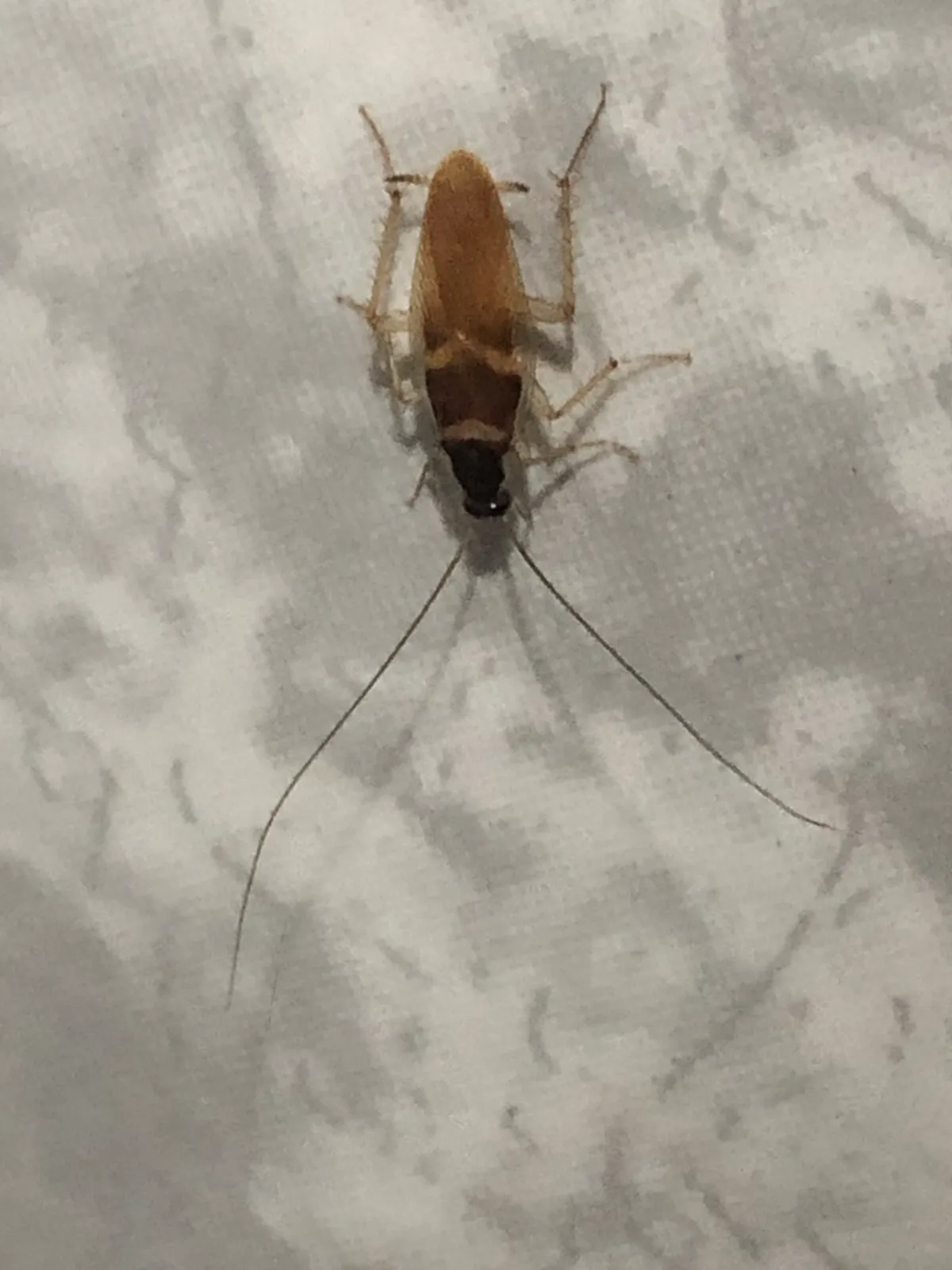
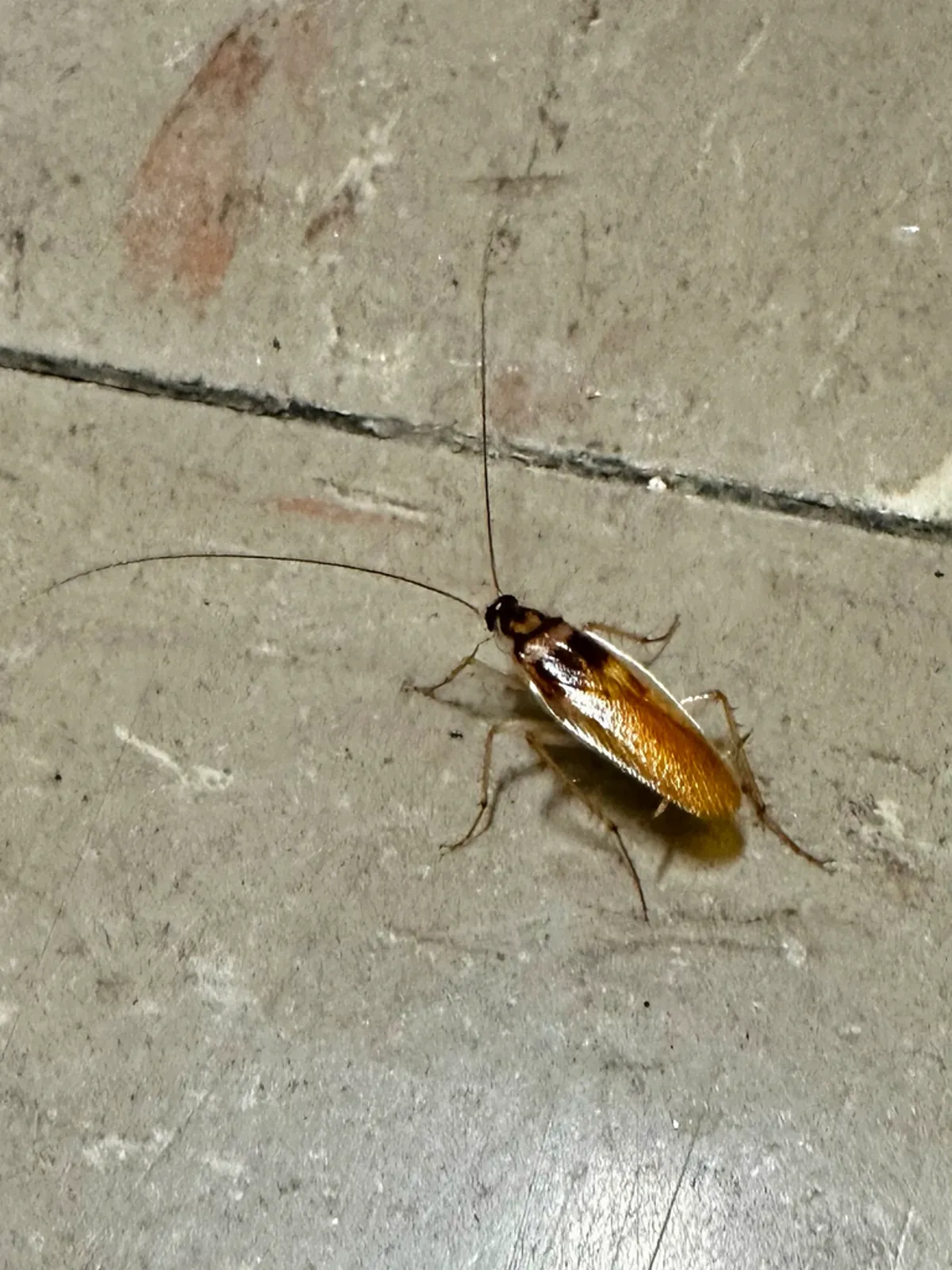
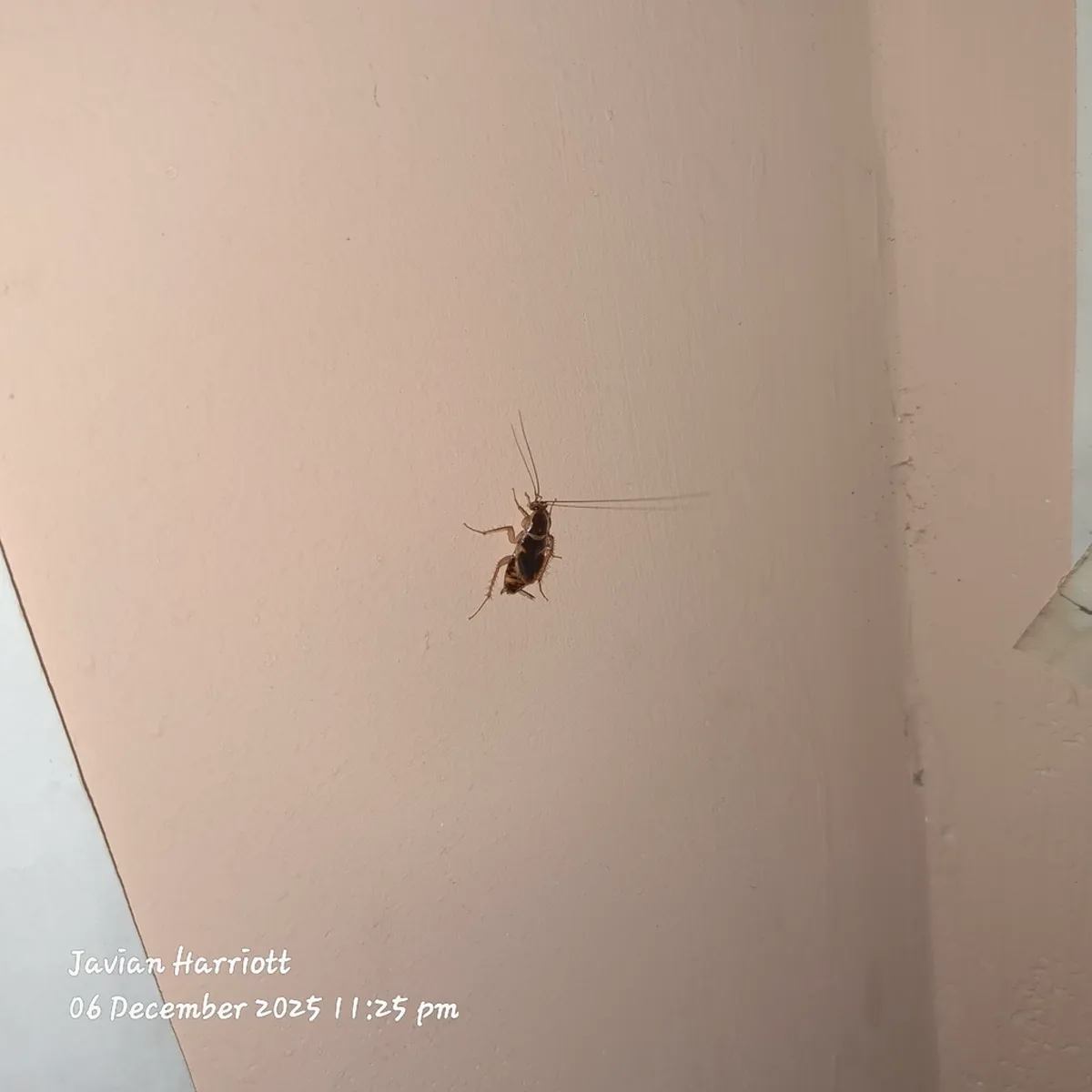

Males have full wings that extend past their belly, while females have shorter wings. Both have long antennae that are roughly as long as their body.
Brown Banded vs German Cockroach
Many homeowners mix up brown banded cockroaches with German roaches since they’re similar in size. Here’s how to tell them apart:
Brown Banded Cockroach
- Markings: Light brown horizontal bands across the body
- Preferred spots: Dry, warm areas throughout the home (bedrooms, offices, closets)
- Flight: Males can fly short distances
- Moisture needs: Low, prefers dry warmth
German Cockroach
- Markings: Two dark vertical stripes behind the head
- Preferred spots: Kitchens and bathrooms near moisture
- Flight: Rarely flies
- Moisture needs: High, stays near water sources
For a more detailed comparison, check out our guide on German roach vs American roach identification.
Brown banded cockroaches (Supella longipalpa) are one of the smallest domestic cockroach species. According to University of Kentucky Entomology, they prefer temperatures above 80 degrees F. They can complete their entire life cycle indoors without needing outdoor spaces.
Where Brown Banded Cockroaches Hide in Your Home
Knowing where brown banded cockroaches hide is key for effective treatment. Unlike most roaches, they don’t need moisture. They spread to areas you might not expect.
High, Dry Spots
Brown banded cockroaches prefer elevated spots away from water. Common hiding places include:
- Behind picture frames and wall hangings
- Inside TVs, computers, and other electronics
- Under furniture and inside cushioned items
- In closet corners and on upper shelves
- Behind light switch plates and outlet covers
- Near ceiling corners and crown molding
Why They Scatter Through Homes
Brown banded cockroaches need warmth more than water. They’ll settle wherever it stays warm. This includes bedrooms, living rooms, and offices. Their spread through the home is what makes them hard to control.
Females also glue their egg cases to furniture undersides and hidden surfaces instead of carrying them. This spreads the colony across rooms as eggs hatch in different spots.
If you’re finding roaches in unusual spots like bedrooms and offices, brown banded cockroaches are likely the culprit.
Signs of a Brown Banded Cockroach Problem
Catching a problem early makes removal much easier. Look for these signs throughout your home, not just in the kitchen.
What to Look For
- Egg cases: Small, purplish-brown capsules (about 5mm long) glued to surfaces
- Droppings: Tiny dark specks or smears, especially in corners and along shelves
- Shed skins: Light brown molted shells near hiding spots
- Live sightings: Seeing roaches scurry when you turn on lights at night
Where to Check First
Since brown banded cockroaches scatter through homes, check multiple areas:
- Bedroom closets and dresser drawers
- Behind wall decorations in living areas
- Inside entertainment centers and electronics
- Kitchen cabinets and pantry shelves
- Bathroom medicine cabinets
If you’re not sure what you’re seeing, our baby roach identification guide can help you figure out which species you’re dealing with.
Health Risks of Brown Banded Cockroaches
Brown banded cockroaches are a real health concern for your family.
Brown banded cockroaches spread harmful bacteria as they move across surfaces. They pick up germs from dirty areas and drop them on food prep surfaces, dishes, and utensils. Common bacteria they carry include Salmonella, E. coli, and Staphylococcus.
Since brown banded roaches don’t stay in kitchens, they can also get on items in bedrooms and living spaces. They may crawl across toothbrushes, books, clean laundry, and other personal items at night.
How to Get Rid of Brown Banded Cockroaches: DIY Methods
For small problems, homeowners can often handle things using cleaning, sealing, and targeted treatments. The key is treating the entire home, not just one area.
Step 1: Deep Clean and Declutter
Start by removing the food sources and hiding spots that support the roaches:
- Vacuum well through your whole home, including along baseboards, in closets, and behind furniture
- Get rid of clutter that provides hiding spots, especially cardboard boxes and paper piles
- Store food properly in sealed containers, including dry goods and pet food
- Clean up crumbs right away and don’t leave dirty dishes overnight
- Take out garbage often and use trash cans with tight lids
Step 2: Seal Entry Points and Hiding Spots
Brown banded cockroaches can squeeze through tiny gaps. Cut their hiding options by:
- Caulking cracks around baseboards and window frames
- Sealing gaps around pipes and wiring
- Putting door sweeps on outside doors
- Fixing torn window screens
- Covering unused outlets with childproof covers
Step 3: Apply Cockroach Baits in Every Room
Gel baits are one of the best DIY treatments for brown banded cockroaches. Place small pea-sized dots where you’ve seen activity:
- Behind picture frames and wall hangings
- Inside cabinets and closets
- Near electronics and appliances
- Along closet shelves
- Behind furniture
Place baits in every room, not just the kitchen. Focus on elevated areas and warm spots near electronics. Apply small amounts every 8-12 inches along their travel paths. Replace baits every 2-3 weeks or when they dry out.
Step 4: Use Insect Growth Regulators (IGRs)
IGRs stop young roaches from growing into breeding adults. Products with hydroprene or pyriproxyfen work well against brown banded cockroaches. Apply IGRs where egg cases might be stuck:
- Under furniture
- Behind appliances
- Inside closets
- Near baseboards in all rooms
Step 5: Apply Dust Treatments in Voids
Boric acid and diatomaceous earth give long-lasting control in wall gaps and hidden areas. Apply a thin layer (barely visible, not heavy piles):
- Inside electrical outlet boxes (with power off)
- Behind switch plates
- In gaps around pipes
- Under baseboards where possible
Brown banded cockroaches will avoid thick dust piles. A thin, invisible layer forces them to walk through it as they move around.
Professional Treatment for Brown Banded Cockroaches
When DIY methods aren’t enough, or if you want faster results, professional treatment can wipe out brown banded cockroaches more fully.
When to Call a Professional
Think about professional help if:
- You’ve tried DIY methods for 6+ weeks without results
- The problem has spread to multiple rooms
- You’re seeing roaches during the day (sign of a heavy problem)
- You live in an apartment or townhome where they could come from neighbors
- Family members have asthma or cockroach allergies
We serve homeowners throughout the DC metro area, including Fairfax, Bethesda, Alexandria, and nearby areas.
What Professional Treatment Includes
Our registered technicians at Better Termite & Pest Control use a full approach to remove brown banded cockroaches:
Full inspection: We find all hiding areas throughout your home, including hidden spots behind walls and inside electronics.
Targeted treatment: We apply pro-grade baits and non-repellent products in crack-and-crevice spots where roaches hide.
Growth regulators: Professional-strength IGRs stop the next batch from growing.
Follow-up visits: Egg cases keep hatching, so we return to make sure every roach is gone.
With over 57 years serving the DC metro area and more than 1,000 five-star reviews, our team has the know-how to handle even tough problems. We’re members of the National Pest Management Association (NPMA) and the Virginia Pest Management Association (VPMA).
What to Expect During Treatment
Professional treatment for brown banded cockroaches usually takes 2-3 visits spaced about 2 weeks apart. This timing makes sure we get newly hatched nymphs before they grow.
You should see a big drop in roach activity within 1-2 weeks after the first visit. Full removal usually takes 4-8 weeks depending on how bad the problem is.
Preventing Brown Banded Cockroaches from Coming Back
Once you’ve gotten rid of the problem, prevention keeps them from returning.
Check Incoming Items
Brown banded cockroaches often enter homes in:
- Used furniture and appliances
- Cardboard boxes
- Grocery bags
- Electronics from garage sales or online buys
- Luggage after travel
Check any used items carefully before bringing them inside. Pay extra attention to electronics since the warmth draws these roaches.
Keep Up Regular Cleaning
- Vacuum weekly, including closets and under furniture
- Wipe down surfaces often to remove crumbs
- Don’t let clutter build up
- Clean behind and under appliances monthly
Watch for Early Signs
Place a few sticky traps where you saw activity before. Check them weekly and act right away if you catch any roaches. Early detection makes control much easier.
Think About Ongoing Protection
Our general pest control services include regular monitoring and treatment for cockroaches along with other common household pests. Scheduled visits catch problems before they grow.
Cost of Brown Banded Cockroach Treatment
Treatment costs depend on your home’s size and how bad the problem is.
DIY costs: $30-75 for baits, IGRs, and dust products. You may need to buy more supplies for follow-up treatments.
Professional treatment: Single visits usually range from $150-300 for standard homes. Severe problems needing multiple visits may cost more.
For detailed pricing info, check our guide on pest control costs.
Get Help with Brown Banded Cockroaches
Brown banded cockroaches need a different approach than other roach species. Their scattered hiding patterns mean whole-home treatment is a must. The longer you wait, the harder removal gets as populations grow and spread.
If you’re dealing with brown banded cockroaches in Virginia, Maryland, or the DC area, our team can help. Call us at 703-683-2000 or email info@bettertermite.com for a quote. We’ll identify the species, check the problem, and build a treatment plan for your home.