If you’ve spotted German cockroaches in your kitchen or bathroom, you want them gone fast. German cockroach bait is one of the best tools for wiping out these stubborn pests. German, oriental, and American roaches are common in the DC metro area. Baiting is our go-to method for German cockroach control.
With over 5 years in pest control, we’ve seen how proper baiting can get rid of even severe problems. This guide covers how German cockroach bait works, where to place it, and the best tips for success.
German cockroaches are small, tan-colored roaches with two dark stripes running down their backs. They’re the most common cockroach found inside homes in the DC metro area.
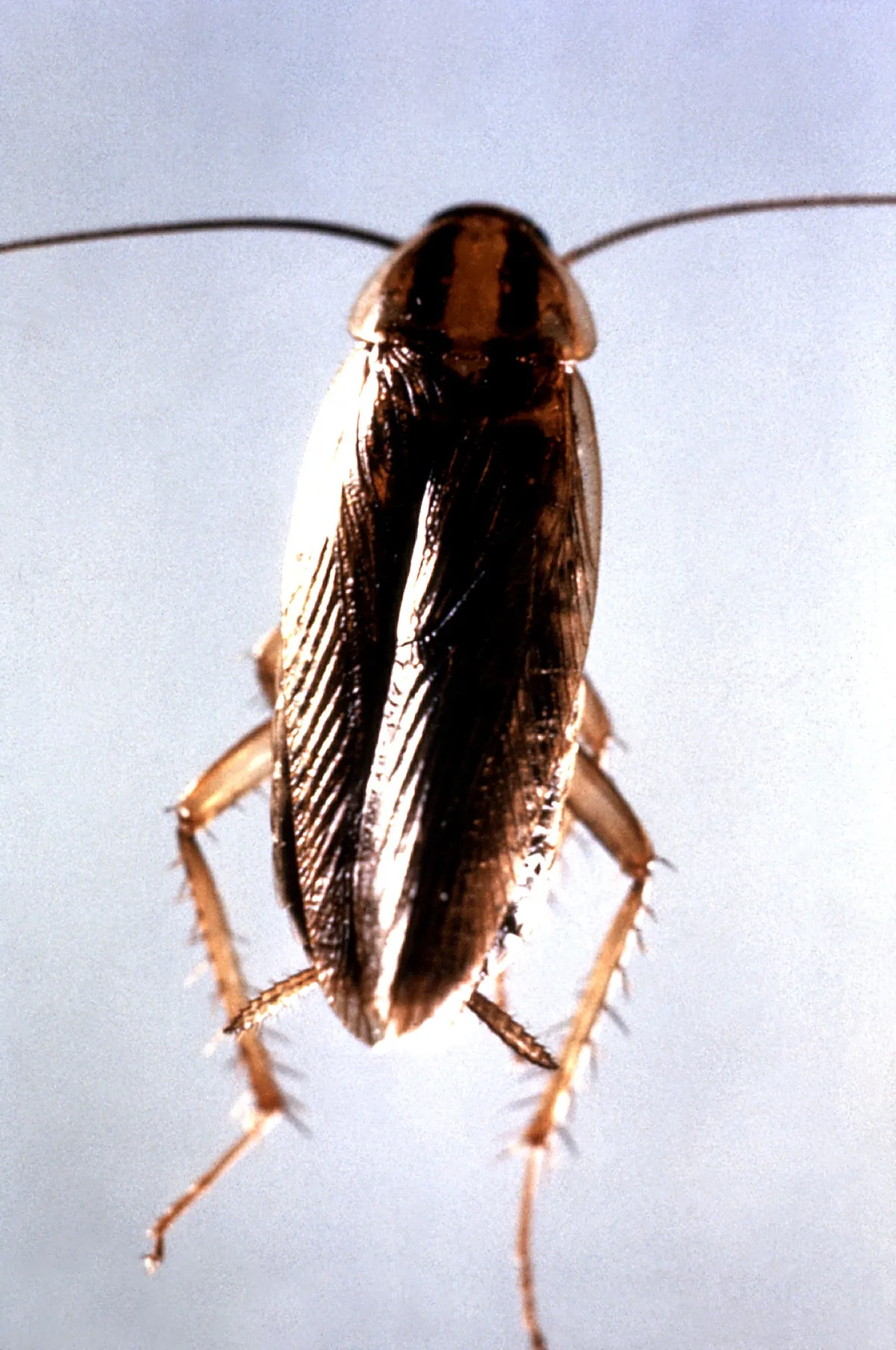

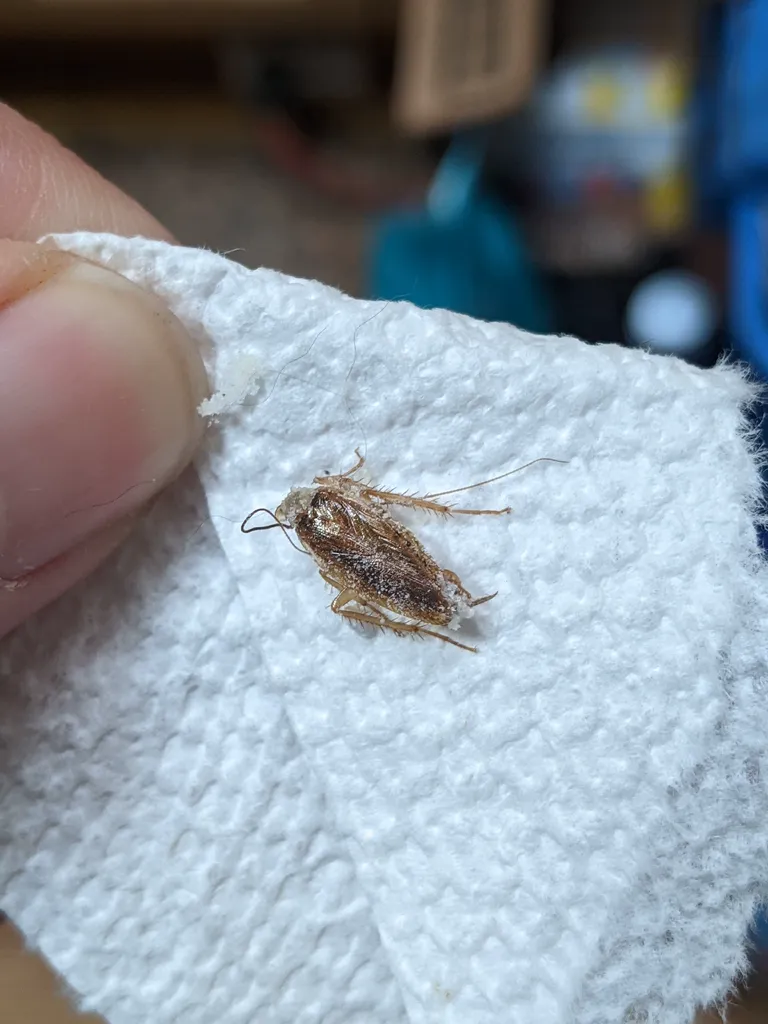

Why German Cockroach Bait Works Better Than Spraying
Many homeowners grab a spray can when they see cockroaches. But according to NC State Extension, sprays and foggers do little for German cockroach control. These products can scatter the roaches and make the problem harder to solve.
Here’s why baiting beats spraying for German cockroach control:
- More targeted: Gel bait can be placed right in the cracks and crevices where cockroaches hide
- Less product needed: You’re using grams instead of spraying entire rooms
- Uses cockroach behavior against them: German cockroaches share food and eat dead roaches, spreading the poison through the colony
- No repellent effect: Unlike many sprays, baits don’t scare cockroaches away before they can be killed
A 2025 study in the Journal of Economic Entomology found that both store-bought and pro-grade cockroach baits killed over 80% of roaches within 14 days in lab tests. The researchers noted that gel baits allow precise placement, better targeting, and lower overall chemical use compared to sprays.
How German Cockroach Bait Works: The Cascade Effect
One reason German cockroach bait works so well is what pros call the “cascade effect” (also known as secondary kill). Here’s how it works:
- A cockroach eats the bait and gets poisoned
- The dying cockroach goes back to its hiding spot
- Other cockroaches eat the poisoned roach’s droppings (coprophagy)
- They also eat the dying or dead cockroach (necrophagy)
- Those victims become carriers too, spreading the poison even further
This matters because baby roaches and egg-carrying females tend to stay hidden. They rarely come out to where bait is placed. But when adult males bring the poison back to the group, the whole colony gets exposed.
Research from Rutgers University found that a single bait-fed adult cockroach can pass the poison to many others. Waste from one bait-fed adult killed 76% of young roaches within 72 hours. Those dead young roaches then killed 81% of adult males exposed to them.
The best German cockroach baits use slow-acting ingredients. This gives the poisoned cockroach time to return to its hiding place and share the toxin with others before dying. Fast-killing baits may kill one roach quickly, but the poison won’t spread through the group as well.
Types of German Cockroach Bait
Gel Baits (Best Choice)
Gel baits come in syringe tubes and are the top choice for German cockroach control. According to Penn State Extension, gel bait works better than bait stations. You can place it closer to where cockroaches hide, and roaches find it more appealing.
Pros:
- Very precise placement
- Gets into tiny cracks and crevices
- Most attractive to cockroaches
- Easy to apply behind appliances and in cabinets
Cons:
- Can dry out over time
- May need fresh application every few weeks
- Can be messy if over-applied
Bait Stations
Bait stations are plastic containers that hold bait inside. Cockroaches enter through small openings to feed.
Pros:
- Tamper-resistant design
- Longer-lasting than gel
- Good for homes with children or pets
Cons:
- Can’t be placed in tight spaces
- Less effective than gel baits overall
- Cockroaches may not find them as easily
Granular Baits
Granular baits are scattered in larger areas like garages or basements.
Pros:
- Easy to apply in large areas
- Works well outdoors
Cons:
- Not ideal for German cockroaches, which prefer indoor hiding spots
- Can be messy
- Not as targeted as gel baits
Each type has its place, but for most German cockroach problems inside the home, one option stands out.
For German cockroach problems, gel bait is almost always the best choice. At Better Termite & Pest Control, gel baits are our main tool for German cockroach treatments because they can be placed right where these pests hide. Bait stations are a good backup, especially in sensitive areas, but shouldn’t be your only method.
Active Ingredients in German Cockroach Baits
Not all German cockroach baits use the same active ingredients. Knowing the differences helps you pick the right product or understand what your pest control pro is using.
Fipronil
Fipronil attacks the cockroach’s nervous system and causes death within 6-24 hours. Research in Parasites & Vectors found that fipronil bait works better and kills faster than hydramethylnon. It’s found in many pro-grade products.
Indoxacarb
Indoxacarb is a newer ingredient that works well for secondary kill. Research from the Journal of Economic Entomology showed that indoxacarb causes high secondary and even third-round death rates. The poison spreads through three rounds of cockroaches eating each other’s remains.
Hydramethylnon
Hydramethylnon has been used since the 1980s and still works well. It’s a slow-acting poison that takes 2-4 days to kill. Even after decades of use, research shows roaches have been slow to build resistance to it.
Where to Place German Cockroach Bait
Where you put the bait matters as much as which product you use. The University of Florida’s German Cockroach Guide says to apply many pea-sized dots near cockroach hiding places.
Best Spots for German Cockroach Bait:
- Under the kitchen sink, especially near plumbing connections
- Cabinet door hinges, a favorite hiding spot
- Behind the refrigerator, warm and often undisturbed
- Behind the stove, another warm hiding area
- Under dishwashers, where moisture and warmth draw them in
- Bathroom cabinet hinges, since German cockroaches need water
- Around plumbing openings, anywhere pipes enter walls
- Cracks along baseboards, especially in kitchens and bathrooms
- Behind electrical outlet covers, a common hiding spot
Spots to Avoid:
- Food prep surfaces: keep bait away from areas where you prepare food
- Areas with competing food sources: clean up crumbs and grease first
- Where you’ve recently sprayed: spray residue can contaminate bait and make cockroaches avoid it
How Much German Cockroach Bait Do You Need?
Getting the right amount of bait is key. Too little won’t help. Too much is wasteful and can work against you.
According to university extension guidelines, here’s what you need:
| Infestation Level | Amount Needed |
|---|---|
| Light infestation | 10-15 grams for a one-bedroom apartment |
| Moderate infestation | 15-25 grams for a one-bedroom apartment |
| Heavy infestation | Up to 30 grams, or 3 grams per 9 square feet |
Most gel bait tubes hold 30-35 grams. For an average apartment with a moderate German cockroach problem, you’ll use about one full tube.
Professional vs. DIY German Cockroach Baiting
Can you handle German cockroach baiting yourself, or should you call a pro? Here’s an honest look:
When DIY Baiting May Work:
- You’ve just spotted a few roaches
- You caught the problem early
- You’re willing to be thorough and patient
- The problem is limited to one area
When You Should Call a Professional:
- You’ve been seeing cockroaches for weeks or months
- DIY products haven’t worked
- You’re seeing cockroaches during the day (a sign of severe infestation)
- The problem is in multiple rooms or units
- You live in a multi-family building where neighbors may also have roaches
In our work with homeowners in Alexandria, Fairfax, and the DC metro area, most German cockroach problems are already big by the time people notice them. These pests breed fast. A single female can produce 300+ babies in her lifetime. By the time you see multiple cockroaches, there’s usually a large group hiding in your walls and cabinets.
Professional pest control uses pro-grade baits that often work better than store-bought ones. A 2025 study found that pro-grade gel baits beat consumer products in real-world home tests.
When DIY methods aren’t working, professional help can make the difference between months of frustration and a roach-free home.
Common Mistakes When Using German Cockroach Bait
After years of helping homeowners with cockroach problems, we see these mistakes come up again and again:
Mistake 1: Not Removing Competing Food Sources
German cockroach bait only works if cockroaches eat it. If there are crumbs under the toaster, grease behind the stove, or pet food left out at night, cockroaches may never touch your bait.
Fix: Deep clean your kitchen before and during baiting. Pay special attention to:
- Under and behind appliances
- Inside cabinet corners
- Around garbage cans
- Pet food storage areas
Mistake 2: Using Sprays and Baits Together
Many people spray first, then put out bait. This works against you. The spray residue pushes roaches away from the bait.
Fix: If you’ve sprayed recently, wait at least 2-3 weeks before baiting. Better yet, skip the spray and just use bait.
Mistake 3: Placing Bait in the Wrong Spots
Putting bait in the middle of the floor or on top of counters won’t work. German cockroaches like to press their bodies against surfaces on all sides.
Fix: Focus on cracks, gaps, hinges, and the backs of cabinets. Think like a cockroach: where would you hide?
Mistake 4: Not Using Enough Bait
A few dabs of gel bait won’t wipe out a colony. German cockroaches live in groups, and you need enough bait for many roaches to find and eat it.
Fix: Use the amounts listed above and make many small placements rather than a few large ones.
Mistake 5: Giving Up Too Soon
German cockroach bait doesn’t work overnight. The cascade effect takes time, usually 2-4 weeks for a big drop in numbers.
Fix: Be patient and consistent. Reapply bait every 2-4 weeks until you stop seeing cockroaches.
Bait Aversion: When German Cockroaches Won’t Eat Bait
Some German cockroach groups have developed “bait aversion.” This is a genetic trait where cockroaches taste glucose (a common bait ingredient) as bitter and avoid it.
According to NC State researchers, bait aversion and bait resistance are passed from parent to offspring. They’re common enough that rotating baits should always be part of a German cockroach control plan.
If bait isn’t working, try these strategies:
- Switch to a different bait with a different active ingredient
- Use a glucose-free formula (many professional baits come in glucose-free versions)
- Combine baiting with other methods like sticky traps and IGRs (insect growth regulators)
A California study on insecticide resistance found that some cockroach groups have built resistance to several common chemicals. This shows why rotating products and combining methods (cleaning, sealing entry points, and targeted baiting) works better than relying on one bait alone.
How Long Does It Take for German Cockroach Bait to Work?
Here’s a realistic timeline:
- 24-72 hours: Cockroaches that eat bait directly begin dying
- 1-2 weeks: Secondary kill effect starts to reduce the population
- 2-4 weeks: You should see a big drop in numbers
- 4-8 weeks: Full elimination is possible with steady treatment
Keep in mind that cockroach eggs aren’t affected by bait. A female German cockroach carries her egg case until just before hatching. So you may see new baby roaches even after successful baiting. This is why follow-up treatments matter.
When to Call Better Termite & Pest Control
If you’ve been fighting German cockroaches without success, or want the job done right the first time, our team can help. We’ve served the DC metro area for over 57 years with 1,000+ five-star reviews. We’ve helped many homeowners wipe out stubborn cockroach problems.
Our approach to German cockroach control includes:
- Thorough inspection to find hiding areas and entry points
- Professional-grade gel baits that outperform store-bought products
- Strategic placement based on years of hands-on experience
- Follow-up treatments to make sure the job is done
- A combined approach using sanitation guidance, exclusion, and targeted baiting
As a licensed tech and third-generation pest control pro, we’ve helped hundreds of customers with roach problems in Bethesda, Burke, Germantown, and throughout Northern Virginia and Maryland.
Have questions about German cockroach bait or need help? Call us at 703-683-2000 or email info@bettertermite.com. We’re happy to answer your questions or set up an inspection.