
When you hear scratching in your walls or find droppings in your pantry, identifying whether you’re dealing with a field mouse vs house mouse makes a huge difference in treatment approach. After four years as a registered technician and working with my family’s business that’s served the DMV area for over 50 years, I’ve seen countless homeowners struggle with this identification challenge.
These two rodent species look similar at first glance, but they have completely different behaviors, habitats, and health risks. More importantly, the control strategies that work for one species might be totally wrong for the other. Let’s break down everything you need to know to identify which type of mouse you’re dealing with and how to handle the situation effectively.

Physical Differences Between Field Mouse vs House Mouse
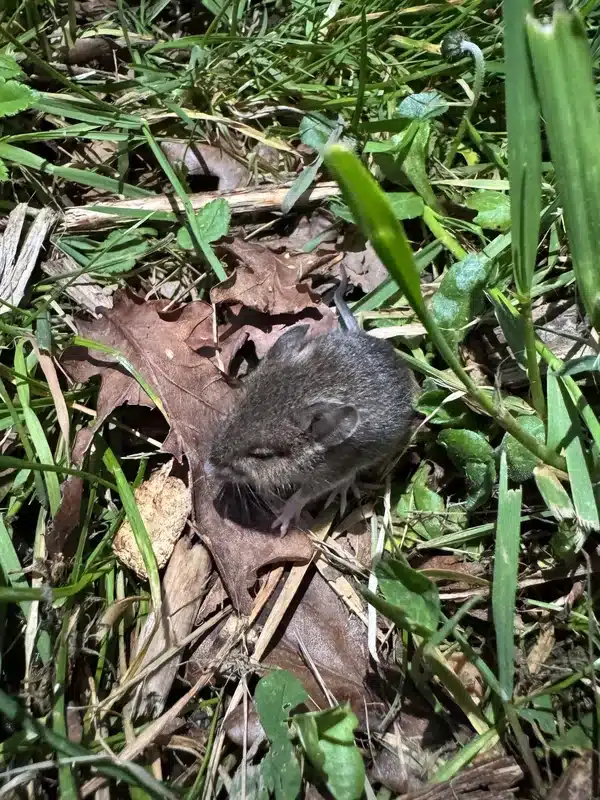
The easiest way to tell these rodents apart is by looking at their coat colors and tail characteristics. Field mice have a distinctive two-tone appearance - rich brown or brown-gray on top with a sharply defined white belly, legs, and feet. House mice, on the other hand, sport uniform gray-brown coloring from back to belly.
Coat Color and Pattern
Field mice (also called deer mice) display what scientists call “counter-shading” - the dramatic contrast between their darker upper body and bright white underside. This coloring helps them blend into their natural forest and field environments. House mice maintain consistent gray-brown fur throughout their entire body, which suits their indoor lifestyle.
Tail Characteristics
The tail differences between field mouse vs house mouse are particularly telling. Field mice have distinctly bi-colored tails - dark on top, white underneath - that are moderately furred and usually shorter than their body length. House mice sport nearly hairless, scaly tails that match their body color and are roughly equal to their body length.

Size and Facial Features
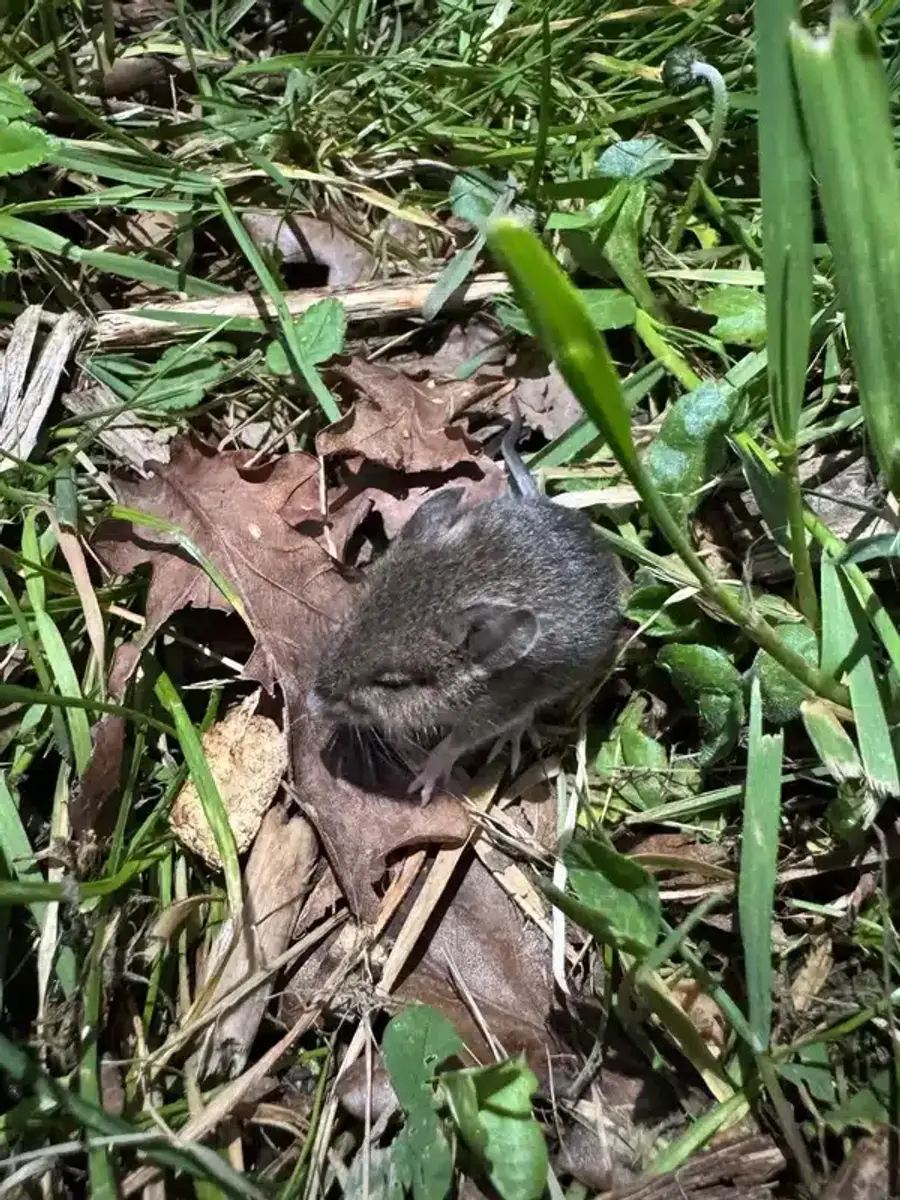
Both species are small, but field mice typically measure 119-222mm total length and weigh 10-24 grams. House mice are slightly larger at 140-190mm and 13-30 grams. Field mice have proportionally larger eyes and ears, giving them a more “Disney-like” appearance compared to house mice.
Habitat Preferences and Behavior
Understanding where these rodents prefer to live is crucial for effective control. In my experience treating homes across Alexandria and the broader DMV area, habitat preference is often the biggest clue in determining which species you’re dealing with.
Field Mouse Habitat
Field mice are outdoor generalists that thrive in woodlots, meadows, hedgerows, barns, and haylofts. According to the University of California IPM, they rarely establish permanent populations inside fully urban buildings. Instead, they’re more common in seasonally vacant cabins, sheds, and rural homes that border fields or forests.
In the DMV region, areas like Loudoun and Prince William counties in Virginia, along with Frederick County in Maryland, have dense field mouse populations due to their mixed hardwood forests and suburban greenbelts. These mice occasionally venture into homes during fall and early winter when they’re seeking food sources.

House Mouse Habitat
House mice are what scientists call “obligate commensals” - they depend on humans for survival. These rodents thrive in heated structures, food facilities, grain storage areas, and dense residential neighborhoods. They’re perfectly adapted to indoor living and can survive on tiny food scraps.
In urban areas like Arlington and DC proper, row-house basements and restaurant alleys almost exclusively host house mice. Field mice are unlikely in these urban settings unless the structure directly borders wooded areas like Rock Creek Park.
Nesting and Seasonal Behavior
The nesting preferences between field mouse vs house mouse reveal important differences that affect control strategies. These behavioral patterns have shaped our four-step rodent protocol that we’ve developed specifically for the DMV area.
Field Mouse Nesting
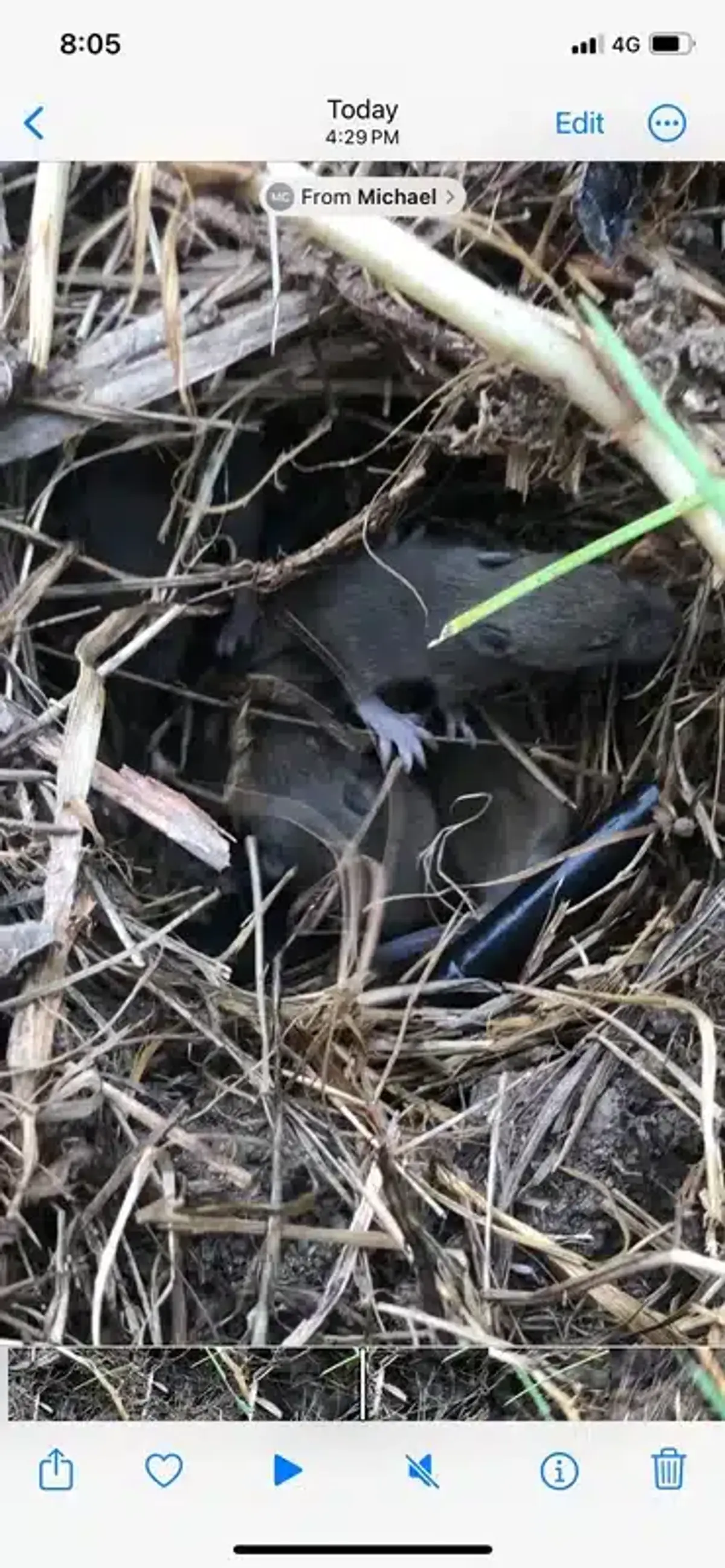
Field mice build nests using natural materials like grass, leaves, and feathers. They prefer ground cavities, tree hollows, and abandoned bird nests. During winter, they often form torpid family groups to conserve energy. Their nests are typically found outdoors or in unheated structures.
House Mouse Nesting
House mice create nests from finely shredded paper, fabric, and insulation. They love warm spots near motors, water heaters, or within wall voids. In my experience, we often find house mouse nests in attics, especially near heat sources, though contrary to what many competitors claim, complete attic re-insulation is rarely necessary for control.
Seasonal Movement Patterns
Field mice increase their visits to homes during fall and early winter, but this isn’t about seeking warmth - it’s about food. Research shows that food availability outweighs temperature in driving their movement patterns. House mice, meanwhile, can breed year-round indoors, producing 5-10 litters annually.
Identifying Droppings and Signs
Both species leave similar-looking droppings, but there are subtle differences that help with field mouse vs house mouse identification. Learning to spot these differences has been crucial in our rodent control work across the region.
Dropping Characteristics
Both produce spindle-shaped droppings with pointed ends. House mouse droppings measure 3-6mm (⅛-¼ inch) long and are deposited randomly along runways - up to 75 pellets per day according to Northeast IPM. Field mouse droppings are slightly larger at about 6mm and are often found near small caches of seeds or nuts.
Other Signs to Look For
Field mice are natural hoarders who cache acorns and seeds, so you’ll often find small food stores near their droppings. House mice are “nibblers” who take about 200 tiny meals per night, leaving crumbs scattered throughout their territory. Both can squeeze through gaps as small as ¼ inch.
Disease Risks and Health Concerns
The health risks associated with field mouse vs house mouse infestations are dramatically different, which is why proper identification matters so much for homeowner protection.
Field Mouse Health Risks
Field mice are the principal reservoir for Sin Nombre hantavirus in the United States. The CDC reports that this virus has a 38% human case fatality rate and is shed in deer mouse urine, feces, and saliva. While the mice themselves don’t get sick, humans can contract Hantavirus Pulmonary Syndrome through airborne particles when cleaning contaminated areas.
This is why we always recommend following strict CDC cleaning protocols when dealing with suspected field mouse infestations - wet disinfectant soaking, no sweeping or vacuuming, and N95 respirators in heavy infestation areas.
House Mouse Health Risks
House mice pose different but significant health risks. They’re vectors for Salmonella and other food-borne pathogens, plus they produce allergens that can trigger asthma. However, they’re not linked to hantavirus in the U.S. Both species can chew electrical wiring, creating fire risks, and contaminate stored foods.
Why Field Mice Enter Homes
Understanding why field mice occasionally move indoors helps explain why standard house mouse control methods might not work effectively. Based on our experience in rural areas around Reston and other suburban communities, several factors drive field mouse home invasion.
Primary Drivers
Field mice enter homes when their nightly foraging range crosses the yard-to-foundation boundary. This typically happens when outdoor seed supplies drop, when there’s attractive stored grain or pet food inside, or during cold snaps that increase the energy cost of staying outside. Vacant or poorly sealed cabins are particularly vulnerable.
Seasonal Patterns
We see increased field mouse activity during fall harvest when agricultural edges lose their food sources. The Eastern Shore areas of Maryland and Virginia often experience deer mouse influx after crop harvest, when these rodents search for alternative food sources.
Prevention and Control Methods
Effective control strategies for field mouse vs house mouse require different approaches. Our four-step rodent protocol has proven successful across thousands of homes in the DMV area, but the specific tactics vary depending on the species involved.

Universal Exclusion Methods
Both species can squeeze through openings as small as ¼ inch, so exclusion is critical. Seal all gaps with steel wool plus sealant, metal flashing, or ½-inch hardware cloth. Pay special attention to foundation-to-siding junctions, utility penetrations, and attic vents.
Species-Specific Control
For field mice, we focus on eliminating outdoor food attractants like loose bird seed, pet food, and accessible compost. In rural settings, we recommend clearing brush and woodpiles away from the house foundation to create a “hostile” zone.
House mouse control requires more intensive indoor sanitation since these rodents can survive on minimal food scraps. Our comprehensive mice control approach typically involves tamper-resistant bait stations placed near identified “hot spots” rather than expensive attic modifications.
Trapping Strategies
Snap traps work well for both species but require different placement strategies. For field mice, place traps near seed caches and use nutmeats or peanut butter as bait to mirror their natural food preferences. House mice respond well to the same baits but require more trap density throughout the structure.


Professional Treatment Approaches
Our experience treating both field mouse vs house mouse problems has taught us that one-size-fits-all approaches rarely work. The treatment frequency and methods need to match the species and the specific situation.
Initial Assessment
Every rodent job starts with our comprehensive 78-point inspection to identify hot spot areas, food sources, and harborage sites. This inspection helps us determine whether we’re dealing with field mice, house mice, or potentially both species in rural-suburban transition areas.
Treatment Protocol
For most rodent situations, we recommend starting with quarterly service, though high-activity areas might need monthly treatments initially. Our approach emphasizes lower-level baiting rather than expensive attic work, which we’ve found to be more effective for both species.
We use tamper-resistant bait stations containing anticoagulant baits that require continuous fresh bait for 2+ weeks. Inside homes, we primarily use snap traps for rats and smaller bait stations for mice to avoid odor problems from rodents dying in inaccessible areas.
Long-Term Prevention
The biggest challenge with both field mouse vs house mouse control is preventing re-infestation. This is where we see most rodent control efforts fail in our area - homeowners focus on the immediate problem but don’t address the underlying attractants.
Maintenance Approach
Long-term prevention requires regular monitoring and re-baiting of stations. We typically transition to quarterly maintenance visits once the initial population is controlled, but some properties in high-activity areas like Old Town Alexandria need more frequent service.
Environmental Modifications
For field mice, maintaining a clean buffer zone around the house and eliminating outdoor food sources provides the best long-term results. House mouse prevention focuses more on indoor sanitation and sealing entry points, since these rodents are so well-adapted to human environments.
One common misconception we encounter is that exclusion work should be the first step. Actually, we avoid sealing entry points initially because we don’t want to trap mice inside the house. Exclusion becomes part of the long-term maintenance phase after population control is achieved.
When to Call Professionals
Some field mouse vs house mouse situations are manageable with DIY approaches, but others require professional intervention. After treating rodent problems across the DMV for decades, we’ve identified when homeowner efforts typically fall short.
Professional help becomes essential when you’re finding droppings regularly, seeing live mice frequently, or dealing with potential field mouse issues where hantavirus exposure is a concern. Additionally, if you’ve tried trapping or baiting without success for more than a few weeks, the problem likely requires professional assessment.
Our registered technicians can quickly identify which species you’re dealing with, assess the scope of the problem, and implement targeted control strategies. We’ve developed specific expertise in both deer mice vs house mice identification and treatment that comes from decades of hands-on experience in this region.
Whether you’re dealing with field mice around your rural property or house mice in your urban home, proper identification and targeted treatment make all the difference in achieving lasting control. If you’re unsure which type of mouse you’re dealing with or need help developing an effective control strategy, don’t hesitate to call us at 703-683-2000 or email us at info@bettertermite.com for a professional assessment.