
If you’ve noticed large, buzzing insects hovering around your deck or drilling holes into your home’s wood surfaces, you’re probably dealing with carpenter bees. These wood-boring insects are common throughout the Mid-Atlantic region, especially in Virginia, Maryland, and DC. Many homeowners wonder: do carpenter bees sting?
After working as a registered technician for four years with our family’s pest control business that’s been serving the DMV area for over 50 years, I’ve seen countless carpenter bee situations. The good news is that carpenter bee stings are extremely rare. However, understanding these insects and knowing how to manage them properly can help protect your home from structural damage.
What Are Carpenter Bees and What Do They Look Like?
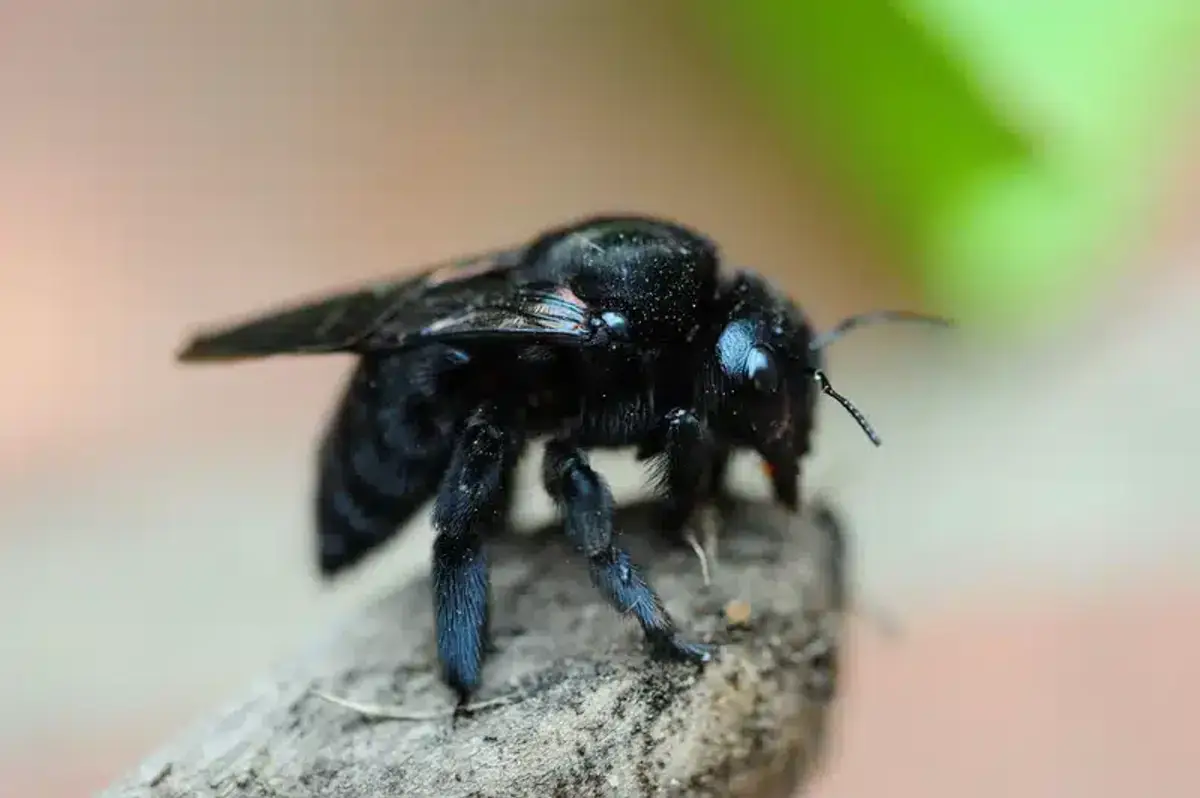
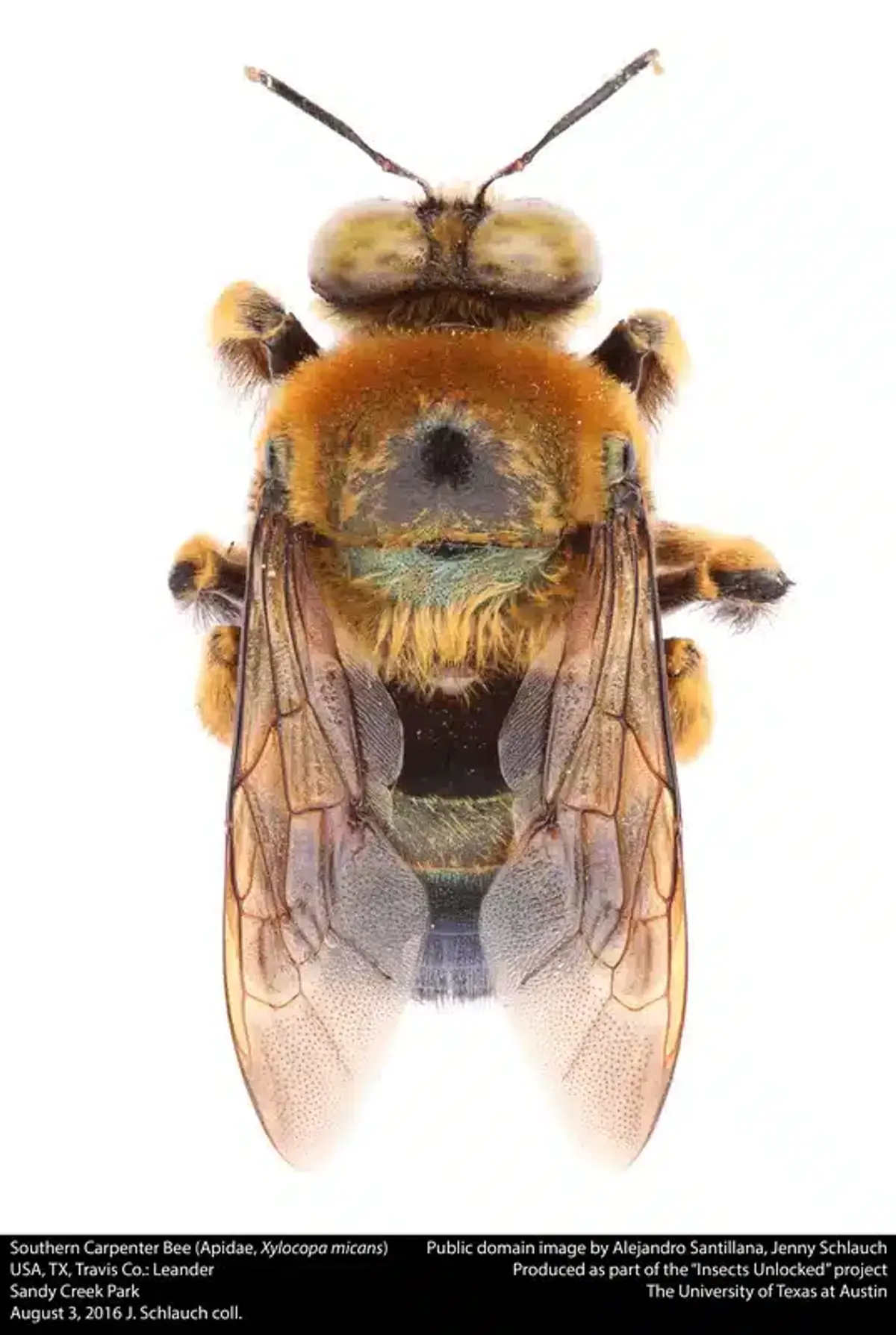
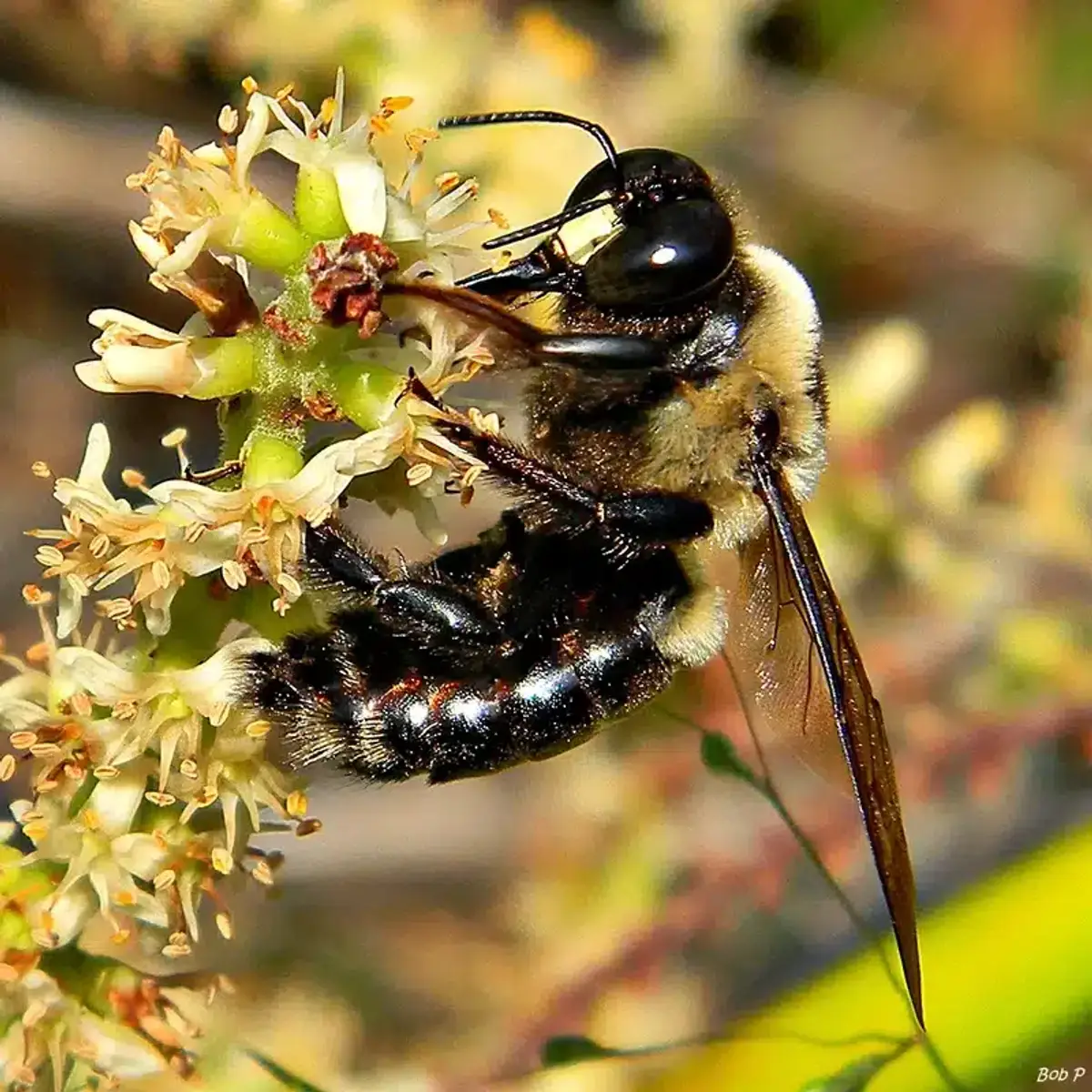
The Eastern carpenter bee (Xylocopa virginica) is the primary species we encounter in Virginia, Maryland, and DC. These impressive insects measure about ¾ to 1 inch long and have distinctive features that set them apart from other bees.
Key Identification Features
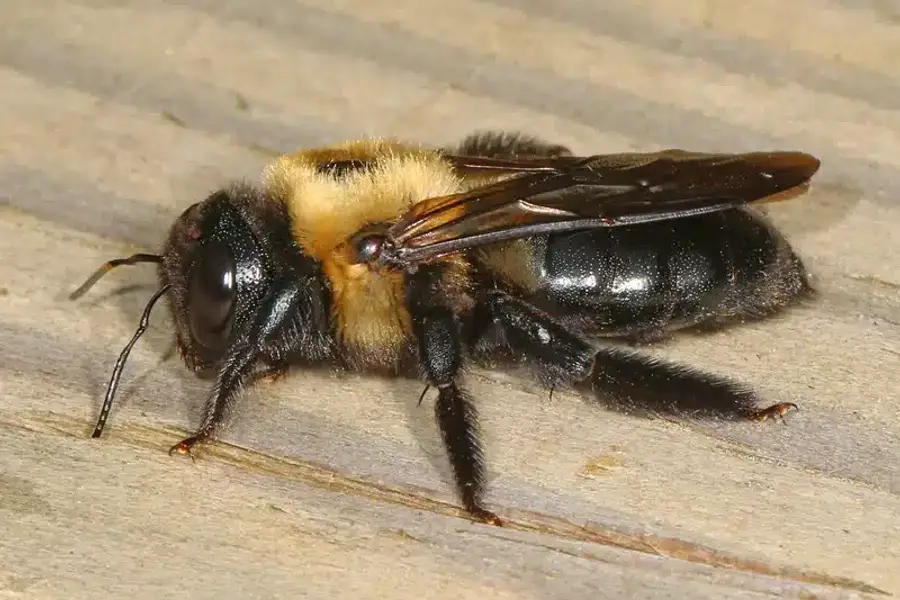
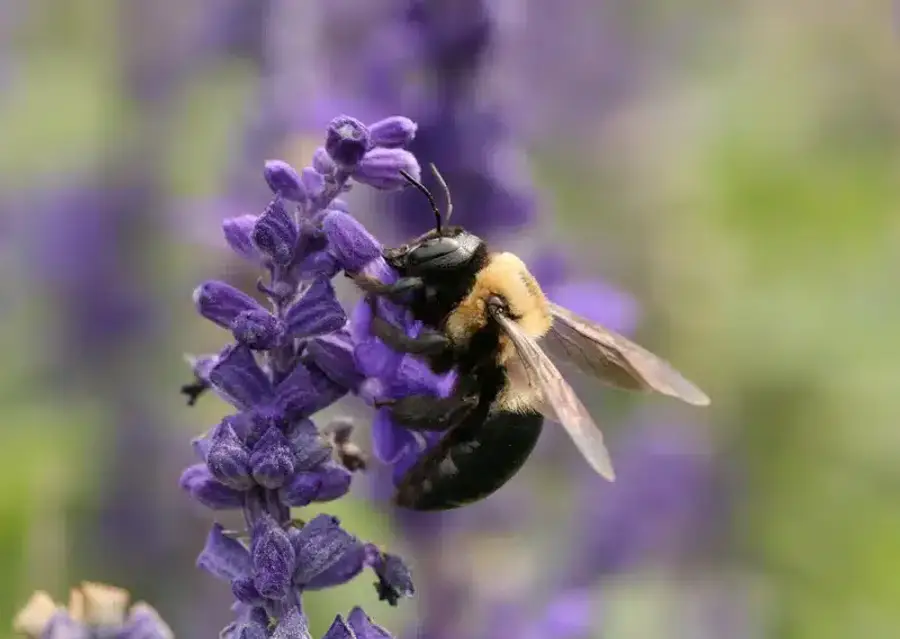
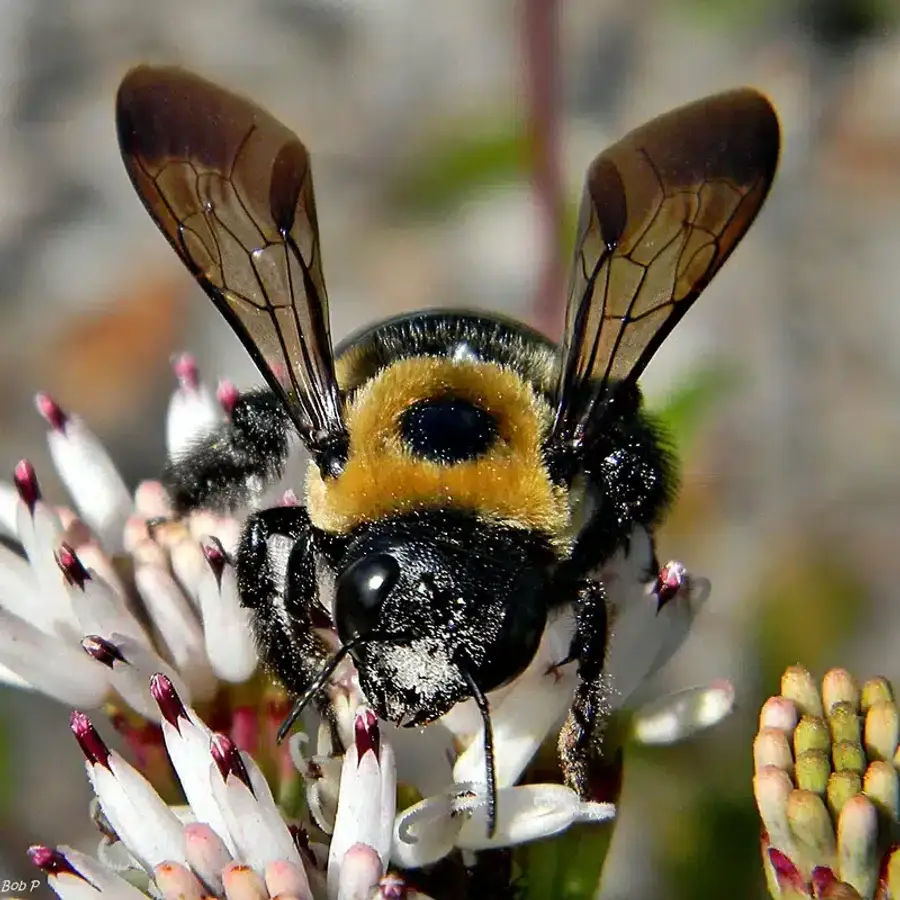
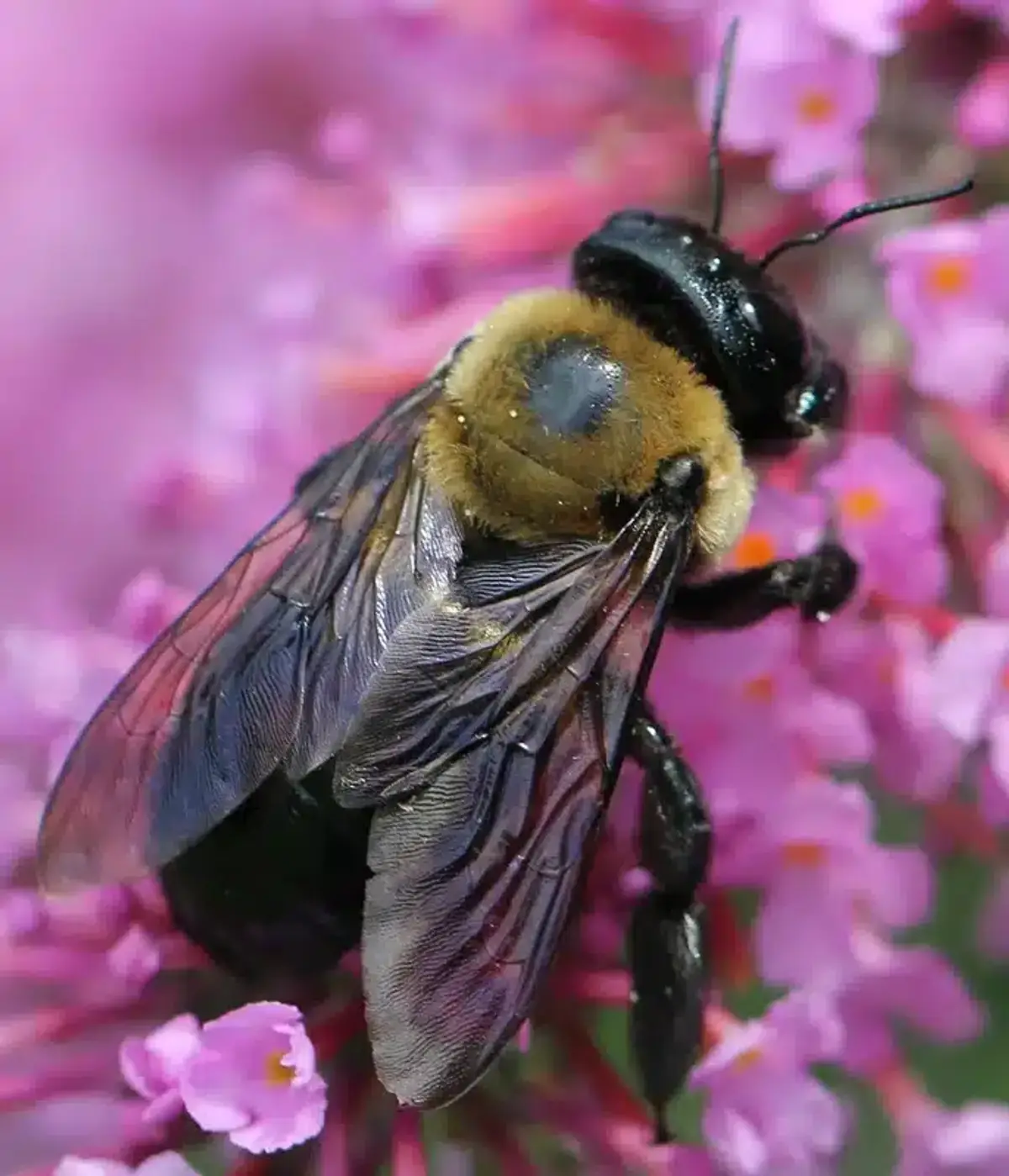
Male carpenter bees have a pale yellow or white patch on their face and cannot sting at all. Female carpenter bees have completely black faces and possess the ability to sting, though they rarely do. Both sexes have shiny black abdomens and yellow, fuzzy thoraxes.
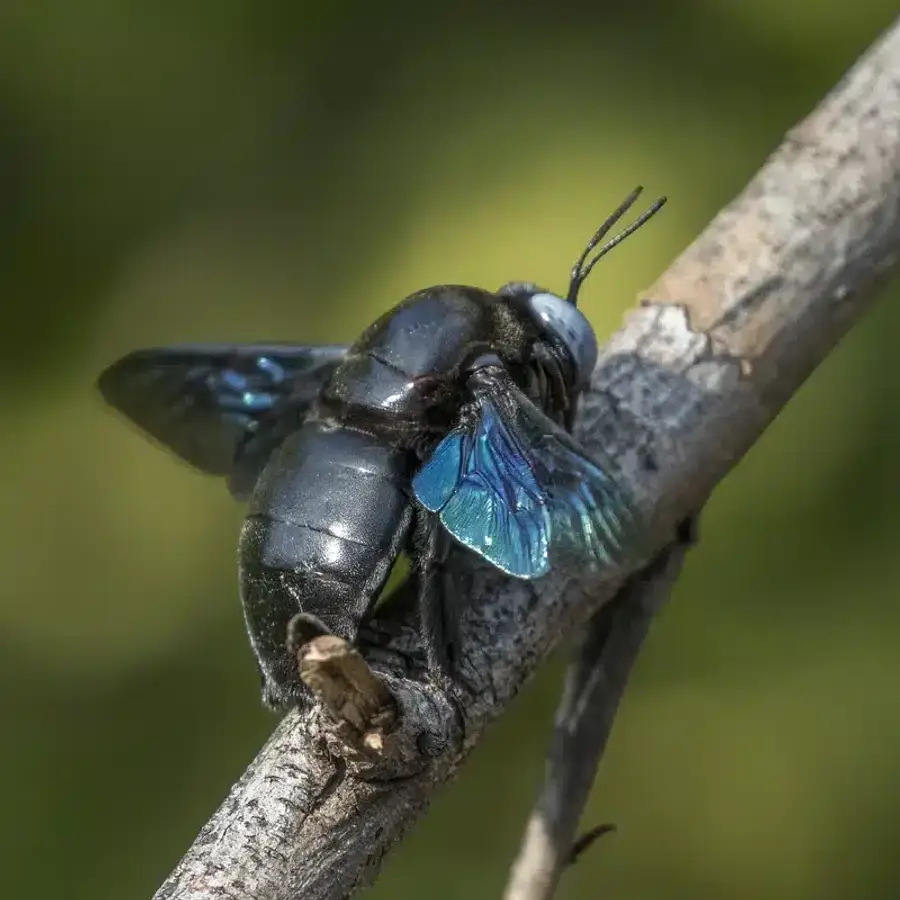
Many people confuse carpenter bees with bumblebees, but there’s an easy way to tell them apart. Carpenter bees have smooth, shiny abdomens that look almost metallic. Bumblebees, on the other hand, have fuzzy, hair-covered abdomens. Additionally, carpenter bees are typically larger and more robust than most other bee species.
Unlike honey bees that live in large colonies, carpenter bees are mostly solitary insects that create individual nests in wood.
Geographic Range and Preferred Habitats
Carpenter bees thrive throughout the eastern United States, from Maine down to Florida and west to Texas, Iowa, and Kansas. According to research from the University of Maryland Extension, they’re particularly active in our Mid-Atlantic climate.
These insects prefer unpainted softwoods like pine, cedar, and redwood. They target:
- Deck railings and posts
- Fascia boards and trim
- Fence posts
- Outdoor furniture
- Log home exteriors
In areas like Woodbridge, Virginia, with its wood-lined lots, carpenter bee activity tends to be especially heavy. Similarly, Potomac’s high soil moisture and dense tree coverage create ideal conditions for these wood-boring insects.
Carpenter Bee Life Cycle and Behavior
Understanding carpenter bee behavior helps explain why they rarely sting humans. These insects follow a predictable annual cycle in our region.
From April to May, overwintered adult females emerge and either bore new galleries or reuse existing ones. They create perfectly round entrance holes about half an inch in diameter, bore straight in for about an inch, then turn 90 degrees to follow the wood grain.
During June and July, eggs hatch and larvae feed on a protein-rich mixture of pollen and nectar that the female has stored. New adults emerge in August and September, feed briefly, then return to the galleries to spend the winter.
The University of Maryland Extension notes that females often work together in small groups, with a dominant female and several subordinate daughters sharing the same gallery system.
Do Carpenter Bees Sting? Understanding the Reality
Here’s the straightforward answer: female carpenter bees can sting, but they almost never do. Male carpenter bees cannot sting at all, despite their aggressive-looking territorial displays.
The males are actually the ones that homeowners encounter most often. They hover around nesting areas and may even fly directly at people, but this is pure bluff. They’re protecting their territory but have no way to actually harm you.
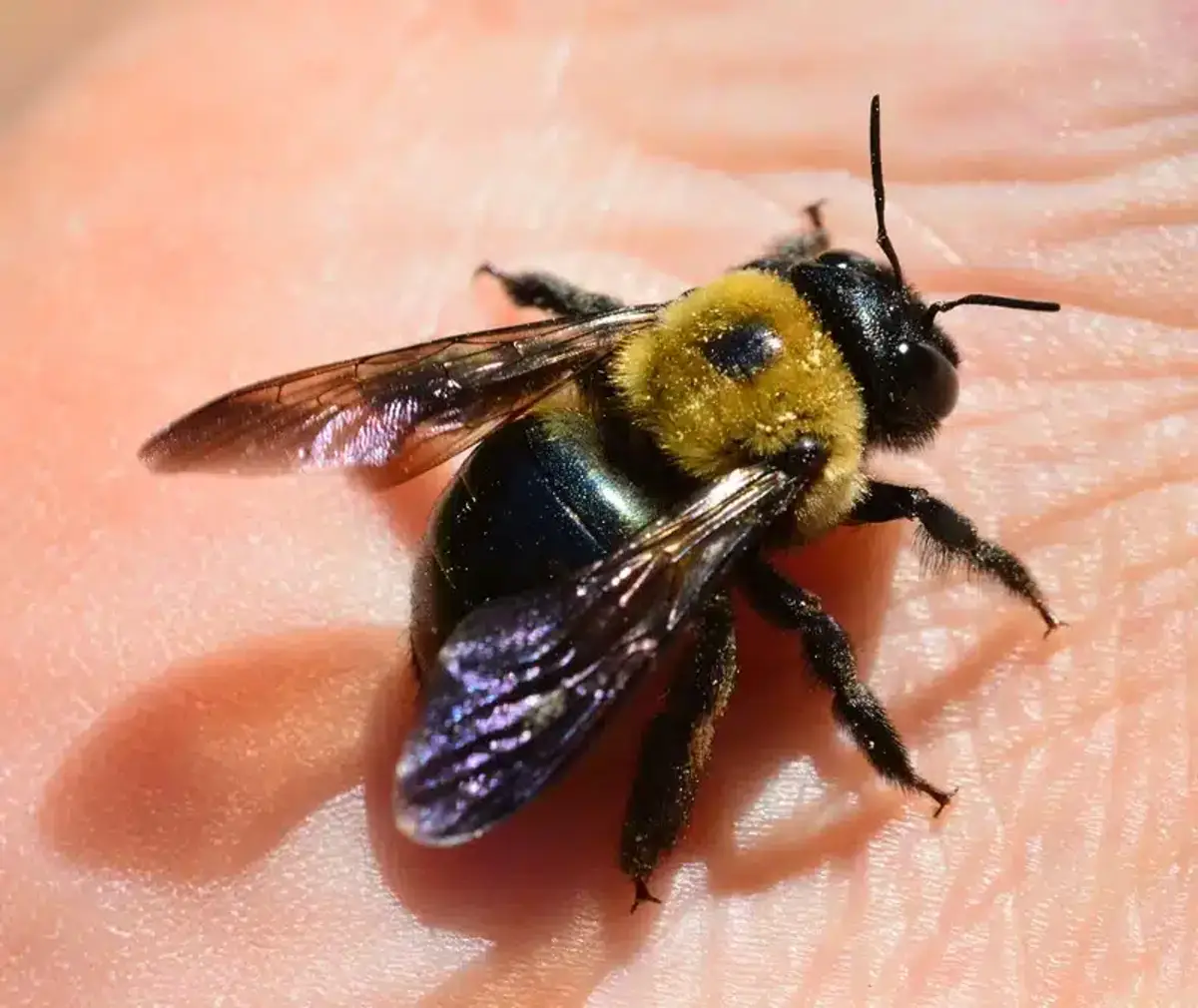
Female carpenter bees are much less aggressive and usually stay focused on their nesting activities. According to research from the Animal Diversity Web, carpenter bee stings occur in less than 1% of human encounters with these insects.
The few times females do sting typically happen when someone accidentally traps or squeezes the bee. Unlike bumble bees that die when they sting, carpenter bees have unbarbed stingers and can sting multiple times if necessary.
Carpenter Bee Sting Symptoms and Treatment
When carpenter bee stings do occur, they’re generally mild. The unbarbed stinger causes moderate pain similar to a wasp sting, followed by localized swelling and redness.
Most people experience:
- Sharp, immediate pain at the sting site
- Swelling that peaks within a few hours
- Redness that may last 24-48 hours
Allergic Reaction Warning
Serious allergic reactions are rare with carpenter bee stings. However, if you experience difficulty breathing, widespread swelling, or severe symptoms, seek medical attention immediately.
Basic treatment involves cleaning the area, applying ice to reduce swelling, and taking over-the-counter pain medication if needed.
Signs of Carpenter Bee Damage
While carpenter bee stings are uncommon, structural damage is a real concern. Unlike termites that actually consume wood, carpenter bees simply excavate tunnels for nesting.
The most obvious signs include:
- Perfectly round holes about ½ inch in diameter
- Small piles of sawdust (called frass) beneath holes
- Yellow staining on wood surfaces from bee excrement
- Hovering male bees during spring months
Initially, the damage appears cosmetic. However, problems develop when multiple generations reuse and extend the same galleries. Some tunnels can reach three feet or more in length over several years.
Secondary damage often proves worse than the initial boring. Woodpeckers frequently chisel into galleries to reach the protein-rich larvae inside, creating gashes that exceed the original bee damage.
Inspection and Identification Strategies
The best time to assess carpenter bee activity is during sunny days from April through June, particularly between 10 a.m. and 3 p.m. This is when males are most active and females are boring new holes.
Look for fresh sawdust tailings beneath suspected nesting sites. You can probe galleries with a quarter-inch flexible wire to determine their depth and extent before deciding on treatment options.
Pay special attention to:
- Unpainted or weathered wood surfaces
- Areas where end-grain is exposed
- Previous years’ holes that may be reused
- Vertical rows of woodpecker holes indicating carpenter bee galleries underneath
Prevention and Exclusion Methods
The most effective approach to carpenter bee management starts with prevention. Well-maintained painted or varnished wood surfaces significantly reduce boring activity.
Professional Treatment Options
When prevention isn’t enough, targeted chemical treatments can effectively control carpenter bees. The key lies in timing and proper application techniques.
Insecticidal dusts containing borate, pyrethrin, or synthetic pyrethroids work best when applied directly into gallery openings. We typically perform these treatments at night or pre-dawn when adult bees are inside the tunnels.
The process involves:
- Puffing dust 3-4 inches into each gallery entrance
- Leaving holes open for 48-72 hours so returning bees contact the treatment
- Sealing holes with wooden dowels and exterior wood putty
- Applying finish coats to match surrounding surfaces
For hard-to-reach locations, aerosol sprays with angled injection nozzles provide an alternative, though they offer less residual control than dusts.
Integrated Pest Management Approach
Effective carpenter bee control combines multiple strategies rather than relying on chemicals alone. This approach mirrors what we use for other wood-damaging pests like carpenter ants with wings and termites.
Our integrated approach follows these steps:
- Confirm carpenter bee identification versus other flying insects
- Assess whether damage is cosmetic or structural
- Apply targeted dust treatments to active galleries
- Implement exclusion measures to prevent reestablishment
- Schedule annual spring inspections for early detection
It’s worth noting that carpenter bees serve as important native pollinators. Therefore, we focus treatments specifically on nesting areas rather than using broad-spectrum exterior sprays that might impact beneficial insects during bloom periods.
What Carpenter Bees Look Like vs Other Wood-Damaging Pests
Understanding the differences between carpenter bees and other wood pests helps ensure proper treatment. Unlike termites that actually consume cellulose, carpenter bees simply excavate nesting tunnels.
Carpenter ants with wings also create galleries in wood, but they prefer moist, rotting material and don’t create the round entrance holes that characterize carpenter bee activity. When comparing termites vs flying ants, remember that carpenter bees are much larger and have the distinctive yellow fuzzy thorax.
Proper identification becomes crucial because treatment methods vary significantly between these different wood-infesting pests. Termite prevention and control requires completely different approaches than carpenter bee management.
When to Call Professional Help
While homeowners can implement some prevention strategies, professional treatment often provides more reliable long-term control. Our registered technicians use EPA-approved products that have passed through our internal research team.
As a third-generation family business serving the DMV area for over 50 years, we’ve developed effective carpenter bee management strategies that balance pest control with environmental responsibility. Our approach removes 9 of the harshest chemicals commonly used in the industry.
We offer a comprehensive inspection process that identifies not just active carpenter bee galleries but also conditions that make your property attractive to these wood-boring insects. Plus, our unlimited callback policy means we’ll return at no extra cost if problems persist.
Cost Considerations for Carpenter Bee Control
Several factors influence the cost of carpenter bee treatment, including the number of active galleries, accessibility of nesting sites, and chosen treatment methods. Pest control costs vary based on property size and infestation severity.
Professional dust treatments typically provide better long-term value than repeatedly using over-the-counter sprays. Additionally, addressing the problem early prevents the extensive secondary damage from woodpeckers that often develops when carpenter bee infestations go untreated.
Our no-contract approach means you’re not locked into long-term agreements, and you can cancel anytime with 30 days notice if you’re not satisfied with results.
Protecting Your Home This Season
Do carpenter bees sting? The answer is rarely, and only female carpenter bees have that capability. Male carpenter bees may act aggressive, but they cannot sting at all. However, the real concern with carpenter bees isn’t stings - it’s the potential for structural damage when these insects establish long-term nesting sites in your home’s wood surfaces.
Professional inspection and treatment, combined with proper exclusion techniques, provide the most reliable protection for your property. Early intervention prevents minor cosmetic damage from becoming serious structural problems.
Frequently Asked Questions
Do carpenter bees actually sting people?
+
Female carpenter bees can sting, but they rarely do. According to research, carpenter bee stings occur in less than 1% of human encounters. Males cannot sting at all, despite their aggressive hovering behavior around nesting sites.
Can male carpenter bees hurt you?
+
Male carpenter bees cannot hurt you because they lack stingers entirely. Their territorial hovering and dive-bombing behavior is purely defensive posturing. They may appear threatening, but they have no physical way to sting or bite.
How painful is a carpenter bee sting compared to other insects?
+
Carpenter bee stings cause moderate pain similar to wasp stings. The pain is typically less severe than yellow jacket stings but more noticeable than most ant bites. Swelling and redness usually subside within 24-48 hours.
Are carpenter bees beneficial or just pests?
+
Carpenter bees serve as important native pollinators for many flowering plants, especially those with open-faced or tubular blooms. However, their wood-boring nesting behavior can cause structural damage to homes, creating a conflict between their ecological value and property protection needs.
Do carpenter bees reuse the same holes every year?
+
Yes, carpenter bees frequently reuse existing galleries, and multiple generations often share the same nesting sites. Female offspring typically return to their birth galleries, expanding and extending the tunnel system over time. This behavior leads to increasingly serious structural damage.
What's the difference between carpenter bees and bumblebees?
+
Carpenter bees have smooth, shiny black abdomens while bumblebees have fuzzy, hair-covered abdomens. Carpenter bees are also typically larger and create round holes in wood for nesting. Bumblebees nest in the ground or existing cavities and don't bore into solid wood.
Will carpenter bees go away on their own?
+
Carpenter bees won't simply disappear without intervention. Once they establish nesting sites in your property's wood surfaces, they tend to return year after year. The problem usually worsens over time as new generations expand existing galleries and create additional damage.
Can I prevent carpenter bees without using chemicals?
+
Yes, several non-chemical prevention methods work effectively. Keeping softwood surfaces well-painted, sealing cracks and holes, covering end-grain with metal flashing, and using hardwood or composite materials all help deter carpenter bee nesting activity.

With five years of hands-on experience in the pest control industry, George Schulz is a registered technician with the Virginia Pest Management Association and a proud third-generation professional in a family business that's been protecting homes for over 57 years. He manages and trains a team of service pros while also leading internal research efforts—recently spearheading a deep-dive review of thousands of documents on pest control materials to hand-pick the most kid and pet friendly, most effective solutions tailored specifically for homes in the DC metro area.