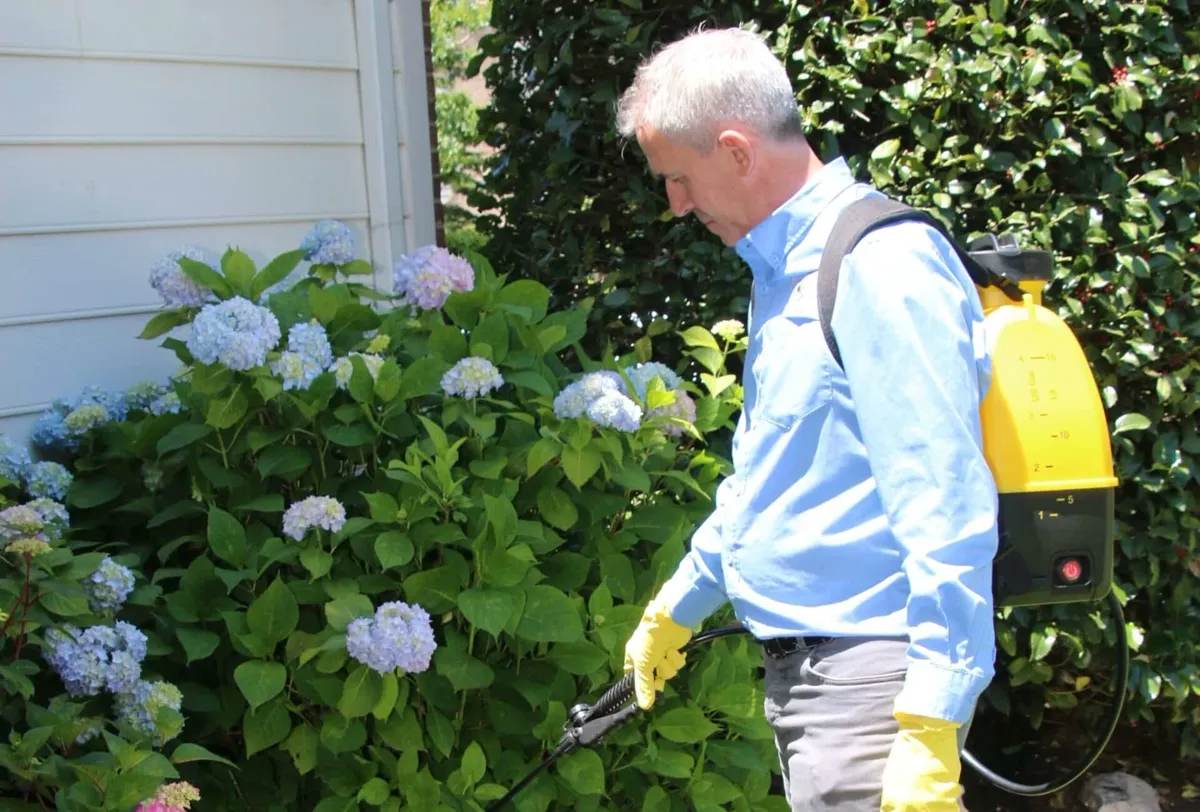

Have you ever walked into a room and noticed a strange, musty odor you couldn’t quite place? That smell might be coming from an unwelcome source: cockroaches. In my experience working pest control in the DC metro area, I’ve found that cockroach smell is often the first sign that alerts homeowners to a problem - even before they see a single bug.
Understanding what cockroaches smell like can help you catch an infestation early. And the sooner you identify the problem, the easier it is to solve. Let me walk you through everything I’ve learned about cockroach odor over my years as a licensed technician.
What Does Cockroach Smell Actually Smell Like?
The best way I can describe cockroach smell is a musty, oily odor with a slightly greasy quality. Most people who encounter it for the first time say it reminds them of:
- Wet cardboard left in a damp basement
- Stale cooking grease mixed with mildew
- Old socks combined with something metallic
- A musty attic with hints of oil
The smell is hard to miss once you know what you’re looking for. It tends to linger in the air and clings to surfaces where roaches have been active. Basically, if you notice a persistent musty odor that cleaning doesn’t seem to fix, cockroaches could be the culprit.
Why Do Cockroaches Produce Odor?
Cockroaches create smell through several sources, and understanding these can help you track down where they’re hiding in your home.
Pheromones
Cockroaches communicate using chemical signals called pheromones. These aren’t just random smells - they serve important purposes for the roaches. According to research from NC State University’s Schal Lab other, cockroaches use pheromones to attract mates and signal to other roaches that they’ve found a good nesting spot.
The more roaches present, the stronger these pheromone signals become. This is why a large infestation produces a much more noticeable smell than a few stray bugs.
Droppings and Waste
Roach feces contribute significantly to the overall cockroach smell. Their droppings look like small dark specks or coffee grounds, and when they accumulate, they produce that characteristic musty odor. Additionally, mold can grow on roach droppings in humid environments, making the smell even worse.
Dead Roaches
When cockroaches die, they release a chemical called oleic acid as they decompose. This creates a particularly strong, unpleasant odor. What’s worse, this smell actually attracts more living cockroaches to the area.
Shed Skins
Cockroaches molt multiple times as they grow, leaving behind their old exoskeletons. These shed skins accumulate in nesting areas and add to the overall odor problem.
Research published in Scientific Reports found that cockroaches respond to both sex pheromones and aggregation pheromones differently depending on their life stage. Young roaches are drawn to aggregation pheromones in feces, which helps them find protected hiding spots with other roaches. This explains why infestations grow quickly once established - the chemical signals literally recruit more roaches to join the colony.
How Different Cockroach Species Smell
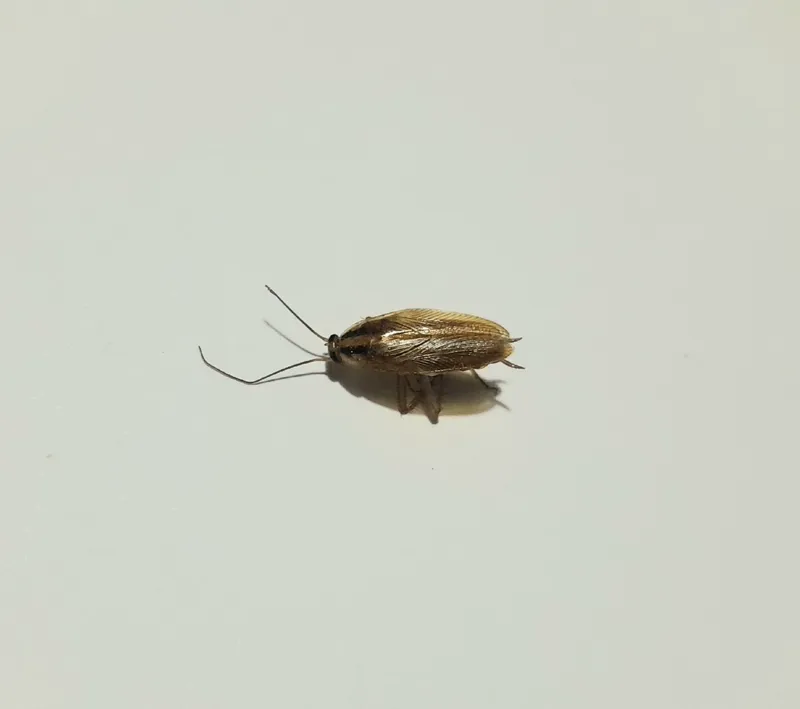
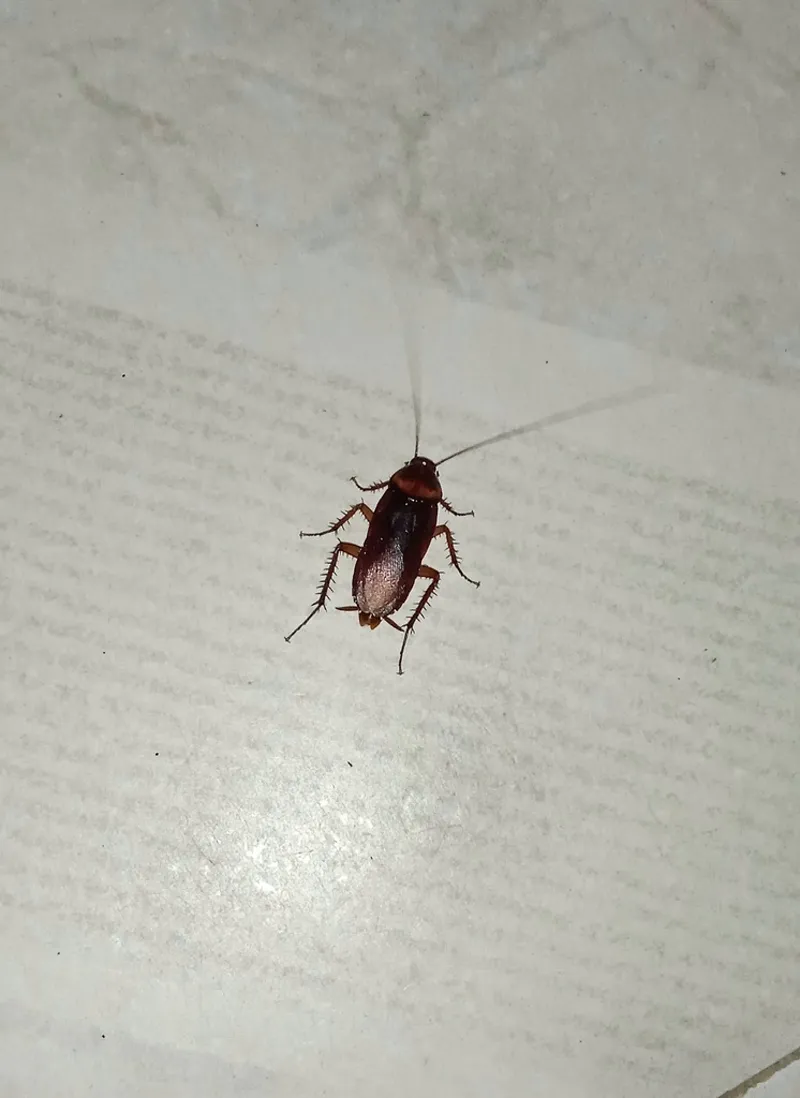
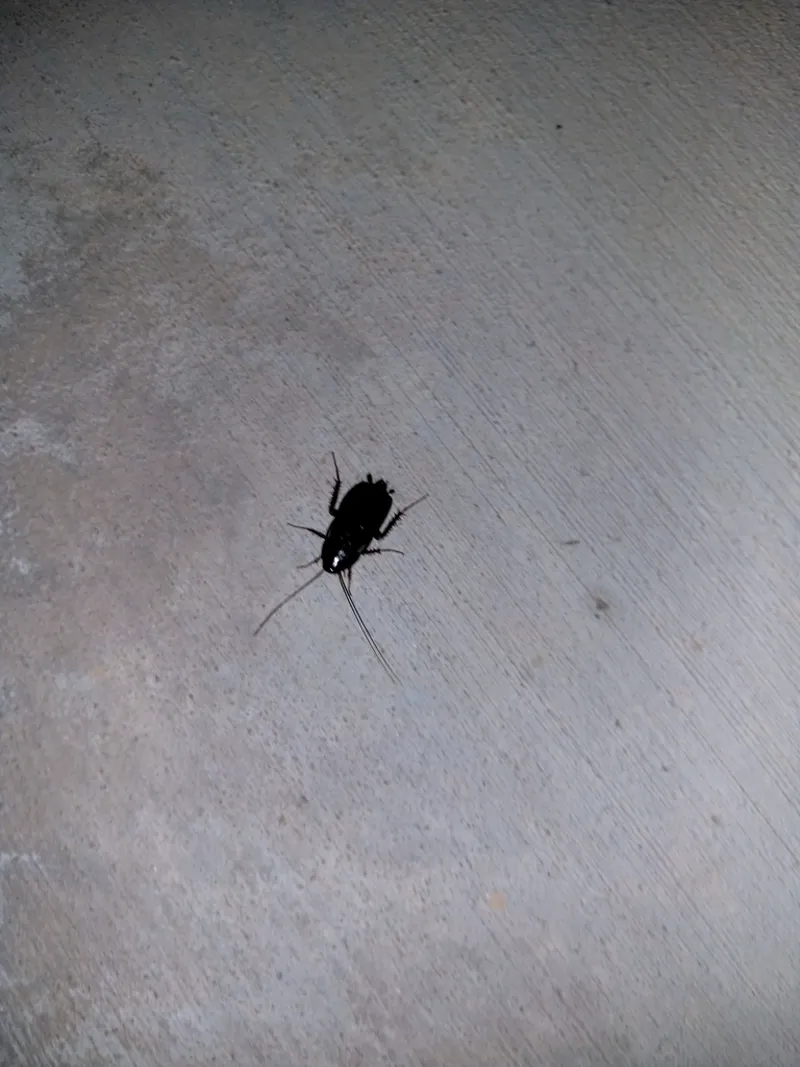
Not all cockroaches smell exactly the same. In my experience working in Northern Virginia, the three most common species we encounter each have their own distinctive odor profile.

German Cockroaches: The Strongest Smell
German cockroaches produce the sharpest, most pungent odor of any roach species. Their smell is distinctly greasy and oily with a strong musty undertone. Because German roaches reproduce faster than other species and prefer to live indoors close to food sources, their infestations tend to grow large quickly - which means the smell intensifies rapidly.
In my experiences, German, oriental, and American roaches can be very common in the DC metro area. German roaches especially tend to show up in kitchens and bathrooms where they have easy access to food and water.
American Cockroaches: Earthy and Mild
American cockroaches (sometimes called water bugs or palmetto bugs) have a less intense, more earthy smell. Their odor can sometimes be mistaken for general basement mustiness or damp wood. These roaches are larger but usually show up in smaller numbers, so their smell tends to be more subtle than German roaches.
Oriental Cockroaches: Damp and Mildew-Like
Oriental cockroaches produce a damp, mildew-like odor that’s easily confused with actual mold problems. They prefer cool, damp environments like basements, crawl spaces, and drains. If you notice a musty smell that seems to come from these areas, oriental roaches could be responsible.
How Strong Does the Smell Get?
Here’s an important point: a single cockroach typically won’t produce a noticeable smell. The distinctive roach odor only becomes apparent when you have multiple cockroaches producing droppings, secreting pheromones, and shedding skins over time.
This means that if you can actually smell cockroaches in your home, you’re likely dealing with an established infestation rather than just one or two bugs that wandered in.
The strength of the smell generally correlates with the severity of the infestation:
- Faint odor in specific spots: Early-stage infestation, roaches concentrated in one area
- Noticeable smell in multiple rooms: Moderate infestation spreading through the home
- Strong odor throughout the house: Severe infestation requiring professional treatment
I’ve found that by the time most homeowners notice a cockroach smell, the infestation has been present for several weeks or longer. The good news is that catching it at the smell stage is still much better than waiting until you see roaches everywhere. When roaches become visible during the day, it often means they’re being pushed out of hiding spots because the population has grown so large.
Health Concerns Related to Cockroach Odor
The smell itself isn’t just unpleasant - it can indicate a real health concern. The same particles that create the cockroach smell also contain allergens that can trigger reactions in sensitive people.
The allergens come from cockroach droppings, shed skins, saliva, and body parts. When these break down into tiny particles, they become airborne and can be inhaled. For people with allergies or asthma, this exposure can cause:
- Coughing and wheezing
- Skin rashes
- Nasal congestion
- Itchy, watery eyes
- Asthma attacks in severe cases
How to Get Rid of Cockroach Smell
Getting rid of the smell requires a two-step approach: eliminate the roaches first, then clean thoroughly. You can’t permanently remove the odor while roaches are still present and producing more of it.
Step 1: Eliminate the Infestation
The first and most important step is getting rid of the cockroaches themselves. For small infestations, you might be able to handle this with store-bought baits and traps. However, for established infestations - the kind that produce noticeable smells - I typically recommend professional treatment.
Our team at Better Termite & Pest Control uses targeted approaches based on the species involved. With 57 years in the pest control industry and over 1,000 five-star reviews, we’ve developed effective protocols for cockroach control that address the root of the problem.
Step 2: Deep Clean Affected Areas
Once the roaches are gone, thorough cleaning is essential. Here’s the process I recommend:
- Wear protection: Put on gloves and a mask before cleaning roach-contaminated areas
- Vacuum thoroughly: Start from high areas and work down, vacuuming up droppings, shed skins, and debris
- Wash surfaces: Clean all hard surfaces with soap and water first
- Disinfect: Follow up with a disinfectant spray, letting it sit for at least 10 minutes
- Degrease: Use a light degreaser in areas with heavy contamination
- Deodorize: Place bowls of baking soda, white vinegar, or activated charcoal near affected areas to absorb remaining odors
- Ventilate: Open windows and run fans to help clear the air
Step 3: Remove Contaminated Materials
Some porous materials may have absorbed the smell so deeply that cleaning won’t help. Consider discarding:
- Cardboard boxes stored near infestation sites
- Old newspapers or magazines
- Paper bags and packaging
- Heavily contaminated fabrics that can’t be thoroughly washed
How Long Until the Smell Goes Away?
With proper cleaning, the cockroach smell usually fades within a few days to a week after eliminating the infestation. Heavy infestations in homes with lots of porous materials may take longer. If the smell persists after thorough cleaning, you may have missed some contaminated areas or the infestation might not be fully eliminated.
Preventing Cockroach Smell From Returning
The best way to avoid dealing with cockroach smell again is to prevent future infestations. Here are the key steps:
Eliminate food sources:
- Store food in airtight containers
- Clean up crumbs and spills immediately
- Don’t leave dirty dishes in the sink overnight
- Take out garbage regularly
Remove water sources:
- Fix leaky pipes and faucets
- Wipe down sinks and tubs after use
- Address condensation issues in basements
Seal entry points:
- Caulk cracks around windows and doors
- Seal gaps around pipes entering walls
- Install door sweeps on exterior doors
- Repair damaged screens
Reduce hiding spots:
- Declutter storage areas
- Keep items off the floor in closets and basements
- Remove cardboard boxes (roaches love cardboard)
For ongoing protection, many homeowners in the Alexandria, Fairfax, and Bethesda areas choose our tri-annual pest control programs (three times per year). Regular treatments create a barrier that keeps cockroaches from getting established.
When to Call a Professional
While small cockroach problems can sometimes be handled with DIY methods, there are situations where professional help makes more sense:
- You can smell cockroaches throughout your home - This indicates an established infestation
- You’ve tried DIY treatments without success - Roaches may be resistant or hiding in areas you can’t reach
- You’re seeing roaches during the day - Daytime sightings usually mean the population is very large
- You have health concerns - Allergies or asthma in the household make quick elimination more important
- You’re in an apartment or townhouse - Connected units often require coordinated treatment
As a licensed technician, I can tell you that professional treatment is often more cost-effective in the long run. We can identify the species involved, locate nesting sites, and apply targeted treatments that address the specific infestation.
Get Help With Your Cockroach Problem
If you’re dealing with a cockroach smell in your home, don’t wait for the problem to get worse. Our team at Better Termite & Pest Control has been serving the DC metro area for over 57 years, and we’ve helped thousands of homeowners eliminate cockroach infestations and the odors that come with them.
Call us at 703-683-2000 or email info@bettertermite.com to schedule an inspection. We’ll identify what type of cockroaches you’re dealing with, locate where they’re hiding, and develop a treatment plan to eliminate them - along with that unpleasant smell.