Uncategorized

Carpenter Ant Frass: Tell-Tale Signs of an Infestation

George Schulz Published:
Carpenter Ant Frass: Tell-Tale Signs of an Infestation

Finding mysterious piles of coarse, shredded wood particles around your home can be unsettling. These wood shavings, known as carpenter ant frass, are one of the most reliable signs that carpenter ants have moved into your home. Unlike termite damage that often goes unnoticed until it’s severe, carpenter ant frass provides an early warning system that can help you catch an infestation before it causes serious structural damage.

Over my nearly decade-long career as a registered technician, I’ve investigated countless cases where homeowners discovered these telltale piles under window sills, along baseboards, or beneath wooden structures. In our family business serving the DMV area for over 50 years, we’ve learned that understanding what carpenter ant frass looks like and where to find it can save homeowners thousands in repair costs.

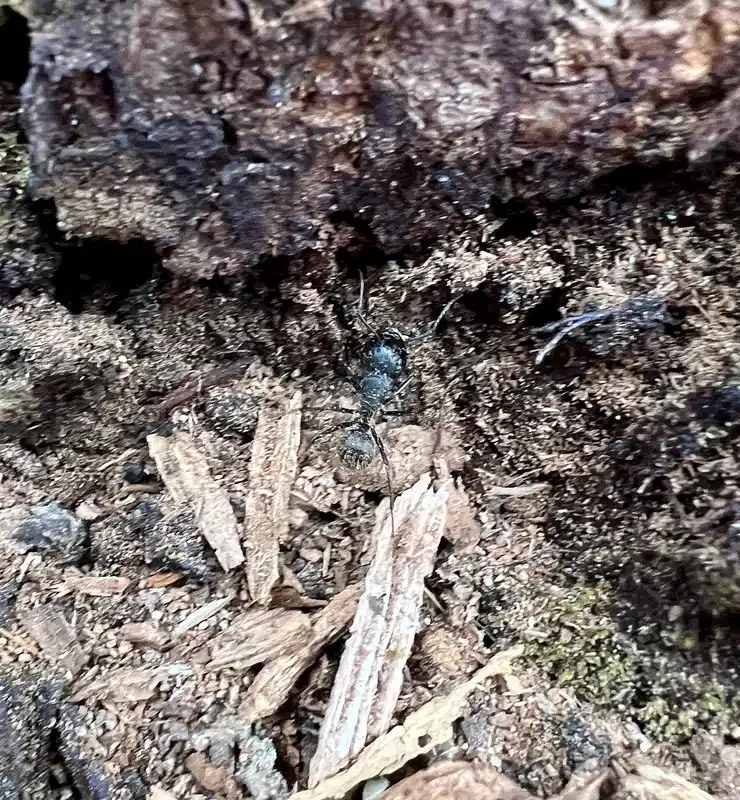
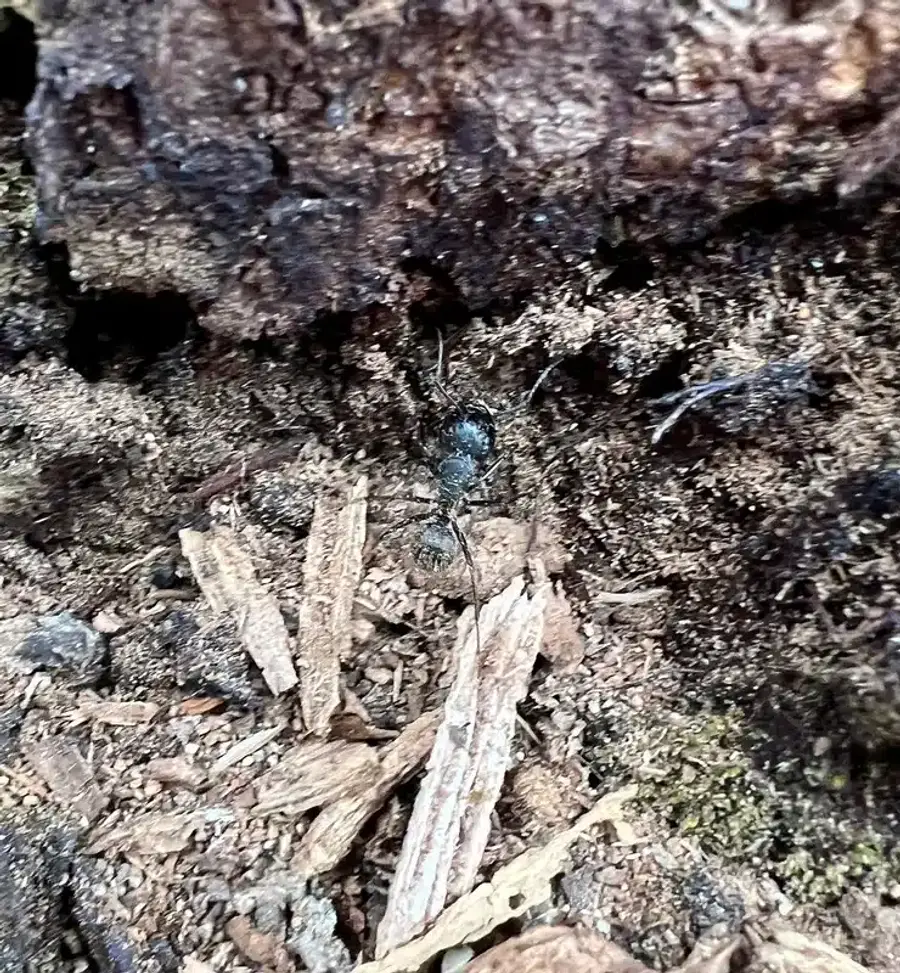
Carpenter ant surrounded by coarse, shredded wood particles and mixed debris. Use this if you need a textbook example of carpenter ant frass appearance and contents.
Carpenter ant frass appears as coarse, shredded wood particles mixed with debris - a clear sign of active galleries nearby

What Carpenter Ant Frass Actually Looks Like

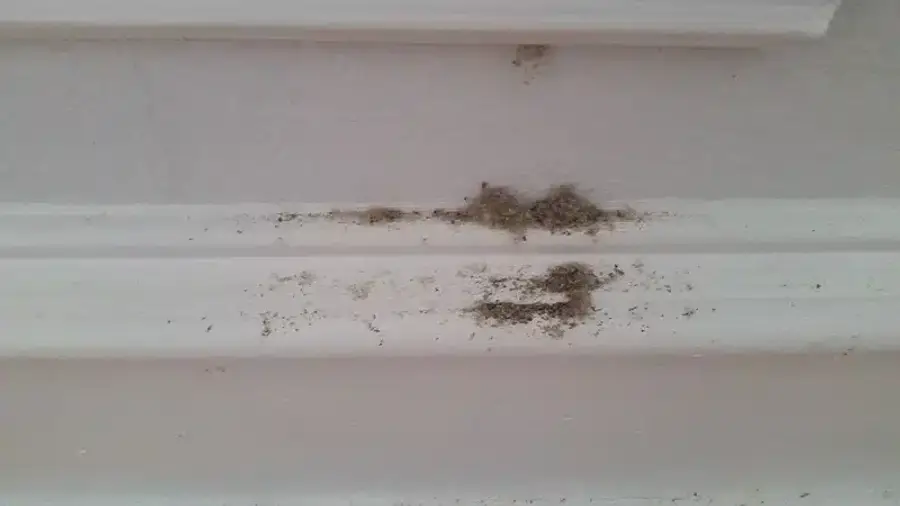
Carpenter ant frass consists of coarse, fiber-like wood shavings that resemble the output from a pencil sharpener. The texture is ragged and uneven, with particles of different sizes rather than uniform grains. When you examine frass closely, you’ll notice it contains more than just wood shavings.

The mixture typically includes bits of soil, dead ants, other insect parts, and even pupal cocoons. This debris tells a story about the carpenter ant colony’s activities. The frass appears completely dry because carpenter ants don’t actually eat wood - they excavate it to create their gallery system.

Fresh carpenter ant frass is loose and light-colored, matching the color of the host wood. However, if you find darker, brownish frass, it often indicates the ants are excavating decayed or moisture-damaged wood. This can be an early clue to water leaks or rot issues in your home.

Carpenter Ant Frass vs Termite Frass: Key Differences

Many homeowners confuse carpenter ant frass and termite frass, but they’re actually quite different. Understanding these differences is crucial for proper identification and treatment.

Carpenter ant frass showing coarse wood particles
Carpenter ant frass: coarse, shredded wood particles with mixed debris
Termite pellets in distinct uniform shapes
Termite frass: uniform, six-sided pellets with consistent size and shape

Termite frass appears as hard, six-sided pellets about 1mm long with a “salt-and-pepper” appearance. These pellets have a gritty feel and maintain their shape when you pinch them. In contrast, carpenter ant frass crumbles easily and has that distinctive shredded appearance.

Carpenter Ant FrassTermite Frass
AppearanceCoarse wood shavingsSix-sided pellets
TextureCrumbles easilyHard, gritty pellets
ContentsMixed debris & insect partsPure wood particles
PatternScattered piles below openingsNeat piles near galleries

Additionally, subterranean termites create muddy tunnels rather than clean piles of debris. If you see mud tubes or carton material, you’re likely dealing with termites rather than carpenter ants. The difference between carpenter ant and termite evidence becomes clearer when you know what to look for.

Common Locations Where Frass Accumulates

Carpenter ants maintain small openings or “windows” in their gallery walls to remove debris. Gravity and air currents carry the frass straight down or in a fan pattern from these exit points. Knowing where to look can help you locate the source of the problem.

Indoor Accumulation Sites

Window sills and door frames are among the most common places to find carpenter ant frass. These areas often have moisture issues that attract the ants initially. Baseboards, especially in kitchens and bathrooms, frequently show frass accumulation because carpenter ants prefer areas with higher humidity.

In our experience serving the DC metro area, we often find frass around built-in cabinets, under dishwashers, and near shower pans. Crawl spaces and unfinished basements are also prime locations, particularly where insulation meets wooden structures.

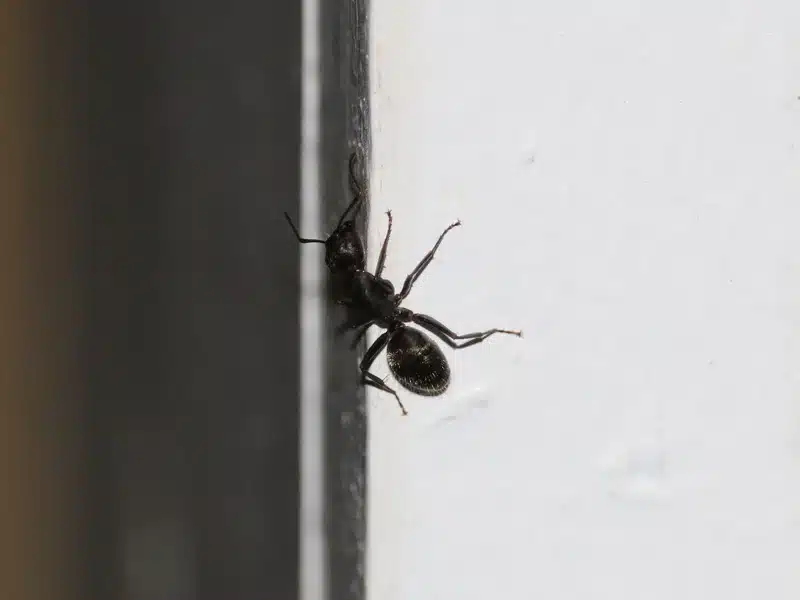
Carpenter ant near wooden structure showing potential frass location
Areas around wooden structures like baseboards and window frames are common frass accumulation sites

Outdoor Frass Deposits

Outside your home, look for frass around deck posts, porch columns, and areas where wood contacts soil. Tree stumps and firewood stored near the house often show carpenter ant activity. Foundation walls, especially where moisture collects, can also accumulate frass from nearby nests.

What Frass Reveals About Nest Location

The location and pattern of carpenter ant frass provides valuable clues about where the nest is located. Frass piles directly under an exit point almost always indicate the carpenter ant colony is directly above or behind that spot.

If you find frass on multiple floor levels, this suggests multiple satellite nests connected to one parent colony. Carpenter ant nests often establish satellite locations throughout a structure, each producing its own frass deposits.

Fresh frass appears loose and light-colored, while older piles become compacted and may fade or collect household dust. If you place a card under a suspected frass pile and find new material overnight, you’ve confirmed active carpenter ant activity above that location.

Essential Detection Steps

  • Test for Activity: Place white cardboard under frass piles overnight to check for fresh accumulation
  • Map the Pattern: Document all frass locations to identify multiple satellite nests throughout your structure
  • Check Above: Examine ceiling areas, wall voids, and attic spaces directly above frass deposits
  • Listen for Activity: Tap wooden structures near frass - active galleries produce a hollow sound or rustling noise

Following Frass Trails to Find the Source

Professional pest control technicians use frass as a starting point for locating carpenter ant galleries. The debris trail often leads directly to the active nest areas, making treatment more targeted and effective.

During peak foraging hours (typically at night), you can follow worker ants from frass zones back to their nest entrances. These permanent “highways” may extend 300 feet or more, connecting outdoor colonies to indoor feeding areas through tree limbs or utility lines.

Tapping wooden structures with a screwdriver near frass deposits often reveals hollow-sounding areas where galleries exist. A rustling sound like “crinkling cellophane” indicates active carpenter ant activity within the wood.

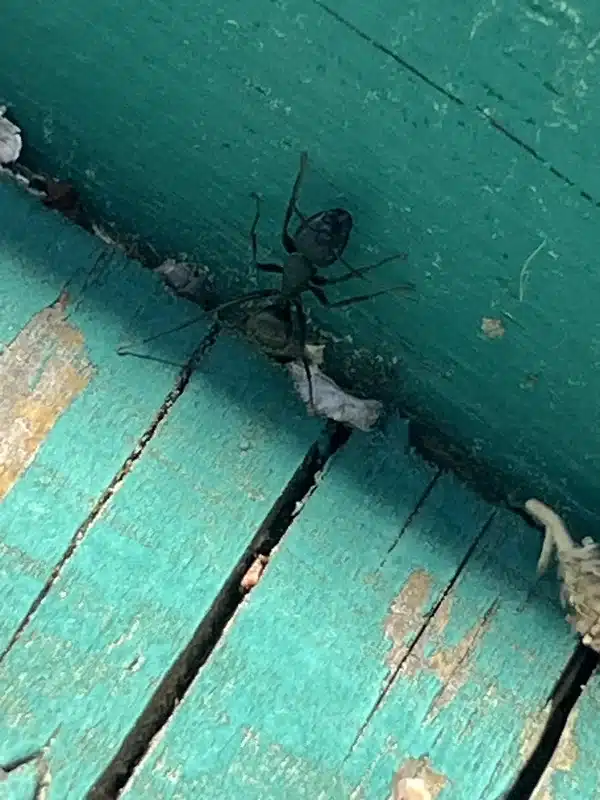
Carpenter ant on indoor surface following potential trail
Following carpenter ant trails from frass locations can help identify entry points and nest locations

Mixed Debris and Wood Shavings as Pest Evidence

The contents of carpenter ant frass tell a detailed story about colony activity. Large numbers of insect parts, wings, or pupal skins mixed with wood shavings confirm an ant source rather than mechanical sawdust from construction work.

Soil mixed with frass indicates the exit point is near exterior grade or the ants are removing debris from rotted sill plates. This combination often signals moisture problems that need addressing beyond just treating the ants.

What does the science say?

According to NC State Extension, the presence of pupal cocoons in frass deposits indicates you’re dealing with a mature, breeding colony rather than just foraging workers. This finding suggests the infestation has been established long enough for the colony to reach reproductive maturity, typically requiring 3-6 years of development.

Seasonal Frass Production Patterns

Understanding when carpenter ants produce the most frass helps with detection and treatment timing. In the Mid-Atlantic region, we see distinct patterns throughout the year.

Spring brings the most vigorous excavation as queens begin laying eggs. New frass appears even in cool attics once temperatures rise above 60°F. This is often when homeowners first notice the problem after winter dormancy.

Mid-summer sees a second peak as satellite nests expand and brood production increases. Frass piles can double in size within 4-6 weeks during this period. Autumn activity slows but continues where indoor heat keeps galleries warm.

Winter frass production means the nest is in heated structural voids. If activity stops entirely during cold months, the primary colony is probably outdoors and will resume activity in spring.

Documenting Frass Evidence

Proper documentation of carpenter ant frass helps pest control professionals develop an effective treatment plan. Taking detailed photos and collecting samples provides valuable diagnostic information.

Pest control technician conducting inspection
Professional inspections use frass evidence to locate and treat carpenter ant colonies effectively

Photograph frass piles with a coin or ruler for scale, showing both the particle texture and the exit hole above. Capture multiple angles to show the debris pattern and accumulation size. These images help technicians understand the scope of the infestation.

Collect a heaped teaspoon of frass in a labeled container, noting the date, room, and height from the floor. This sample can be examined under magnification to confirm the presence of insect parts and rule out other causes.

Why Frass Indicates Active Galleries

Carpenter ants continuously remove debris to keep galleries clean for brood rearing. Active frass accumulation means there’s an infestation happening right now, not an old, abandoned nest.

When galleries are still contained within damp wood, debris may stick inside rather than falling out. But once the excavation reaches dry wood or exterior walls, gravity carries the frass to visible locations.

What does the science say?

The Ohio State University research shows that heavy, recurring frass piles usually indicate a large, multi-thousand-worker colony that includes brood production. These mature colonies can excavate up to several cubic feet of wood annually, with each worker capable of removing debris equivalent to twice its body weight daily during peak activity periods.

Inspection Techniques Using Frass

Professional inspections use frass locations as primary clues for comprehensive assessment. Our registered technicians map every pile and mark locations on floor plans to understand infestation patterns.

Moisture meters help identify hidden leaks at sites with dark frass. These readings often reveal the underlying conditions that attracted carpenter ants initially. Probing wood with specialized tools near frass deposits can locate hollow galleries.

Borescopes inserted through exit slits allow visual confirmation of workers or brood inside galleries. This technology helps verify active colonies before treatment begins.

Immediate Steps After Finding Frass

When you discover carpenter ant frass, your first priority should be documentation before disturbing the evidence. Take photos and note the exact location, date, and time of discovery.

Avoid using aerosol pesticides immediately, as this can scatter the colony and make professional treatment more difficult. Instead, observe ant activity during evening hours when workers are most active.

Address any moisture sources near frass locations, such as leaky pipes, poor ventilation, or damaged gutters. Signs of carpenter ant damage often correlate with water problems that need fixing.

Contact a licensed pest control professional once you’ve gathered initial evidence. Professional treatment is most effective when the primary gallery location is identified through frass analysis.

During my years in the pest control industry, I’ve seen how early detection through frass identification can prevent extensive structural damage. Our teams regularly use this evidence to trace colonies back to their source and develop targeted treatment plans.

If you’ve discovered what appears to be carpenter ant frass in your home, don’t wait for the problem to worsen. Call us at 703-683-2000 or email info@bettertermite.com for a professional inspection and treatment plan tailored to your specific situation.

Frequently Asked Questions

Does frass mean an infestation?

+

Yes, carpenter ant frass indicates an active infestation. The presence of frass means carpenter ants are currently excavating galleries in your home's wooden structures. Fresh, loose frass confirms ongoing activity, while old, compacted piles may indicate past activity that could resume.

What is the difference between termite frass and carpenter ant frass?

+

Carpenter ant frass appears as coarse, shredded wood particles mixed with debris, while termite frass consists of uniform, six-sided pellets about 1mm long. Carpenter ant frass crumbles easily and often contains insect parts, whereas termite pellets maintain their shape and have a gritty texture.

What does frass from carpenter ants look like?

+

Carpenter ant frass looks like coarse sawdust or pencil sharpener shavings. It contains ragged, uneven wood particles along with bits of soil, dead ants, and other debris. The color typically matches the host wood, though frass from decayed wood appears darker.

What is the fastest way to get rid of carpenter ants?

+

The fastest way to eliminate carpenter ants is through professional treatment that targets the main colony. Using frass evidence to locate galleries, technicians can apply targeted treatments directly to nest sites. DIY treatments often scatter colonies and prolong the problem.

Where do carpenter ants typically leave frass?

+

Carpenter ants commonly leave frass under window sills, along baseboards, around door frames, and beneath wooden structures. Outdoor locations include deck posts, porch columns, and areas where wood contacts soil. The frass falls directly below gallery exit points.

Can I follow frass trails to find carpenter ant nests?

+

Yes, frass trails often lead directly to carpenter ant galleries. Professional technicians use frass locations as starting points for nest detection. Following worker ants from frass sites during nighttime hours can reveal the colony's main entrances and foraging routes.

How much frass indicates a serious carpenter ant problem?

+

Large, recurring frass piles typically indicate a mature colony with thousands of workers. Heavy accumulations suggest the colony has been established for several years and includes brood production. Small, intermittent piles may indicate newer or satellite colonies.

Should I clean up carpenter ant frass immediately?

+

Document the frass with photos before cleaning it up. Leave some piles undisturbed temporarily to monitor for fresh accumulation, which confirms active colonies. This evidence helps pest control professionals locate galleries and develop effective treatment strategies.

George Schulz
About the Author
George Schulz

With five years of hands-on experience in the pest control industry, George Schulz is a registered technician with the Virginia Pest Management Association and a proud third-generation professional in a family business that’s been protecting homes for over 57 years. He manages and trains a team of service pros while also leading internal research efforts—recently spearheading a deep-dive review of thousands of documents on pest control materials to hand-pick the most kid and pet friendly, most effective solutions tailored specifically for homes in the DC metro area.